The long history of the Ecuadorian coast
Exploring the historical development, pre-Columbian cultures, and colonial heritage of coastal Ecuador
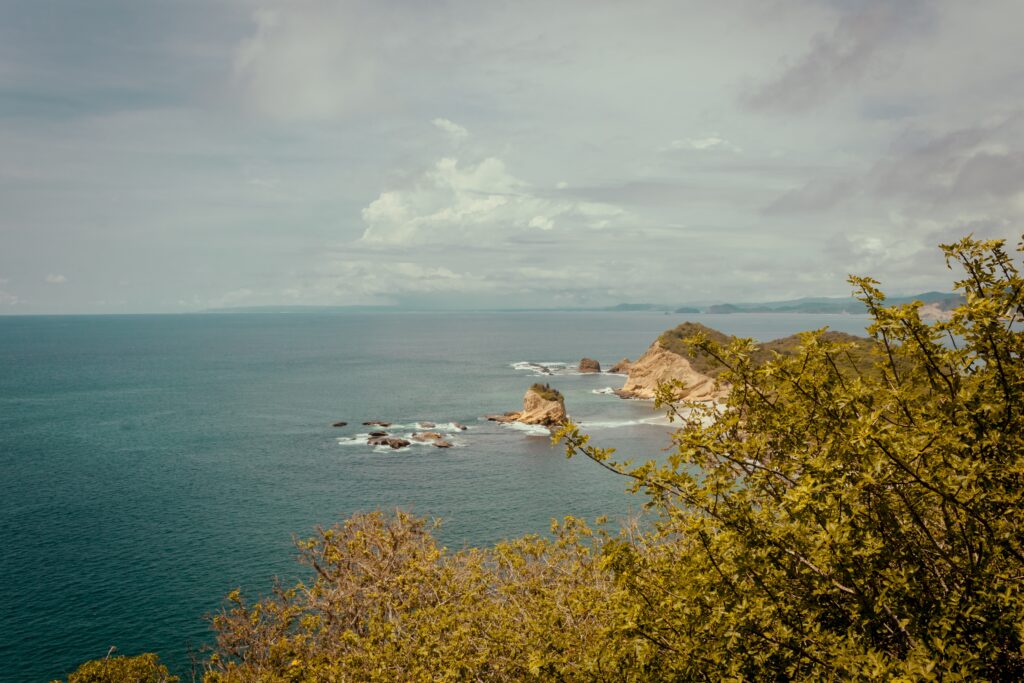
A journey through the tides of time, from ancient pottery to the Pearl of the Pacific
BEN FINCH
The Ecuadorian coast is far more than a collection of surf breaks and seafood stalls. To the casual observer, the salt-sprayed towns of Manabí and the bustling humidity of Guayaquil might seem like products of the modern era, but this shoreline is one of the oldest inhabited regions in the Americas. Beneath the sand and the roots of the mangroves lies a timeline that stretches back nearly 10,000 years, told through the remnants of sophisticated mariners, defiant pirates, and the nimble fingers of straw weavers.
To understand the Ecuadorian coast is to look at the sea not just as a boundary, but as a highway. Long before the first European sails appeared on the horizon, the people of this coast were navigating the Pacific, establishing trade networks that reached as far as Mexico and Chile. This is a history of resilience and ingenuity, where every coastal breeze carries the echo of a forgotten empire.
The salt-stained soul of the Pacific
Beyond the breakers and the banana plantations lies a coastline defined by ten millennia of maritime mastery. It is a place where ancient trade routes meet the grit of modern port cities and the quiet artistry of mountain weavers.
- Valdivia legacy: Discover the remnants of one of the oldest civilisations in the Americas, famous for its sophisticated pottery and the poignant Lovers of Sumpa burial site
- Maritime mastery: Trace the history of the Manteño-Huancavilca people, who navigated massive balsa rafts to dominate the trade of the sacred Spondylus shell
- Pirate lore: Uncover the resilient spirit of Guayaquil, a city that was repeatedly sacked by English and French buccaneers before becoming the royal shipyard of the south
- Revolutionary crossroads: Explore the site of the historic 1822 meeting between Simón Bolívar and José de San Martín, an event that fundamentally altered the course of South American independence
- Toquilla craft: Learn the true origins of the Panama hat, which has been meticulously hand-woven from toquilla straw in the hills of Manabí for centuries
- The Spondylus route: Navigate the coastal highway that serves as a modern link between ancient archaeological sites and the vibrant, independent spirit of today’s fishing villages
- Cacao heritage: Delve into the history of the late 19th-century chocolate boom that transformed coastal economies and left behind a legacy of grand, European-influenced architecture
The Ecuadorian Coast.
Where you’ll find the very best food
The first mariners / The Las Vegas and Valdivia cultures
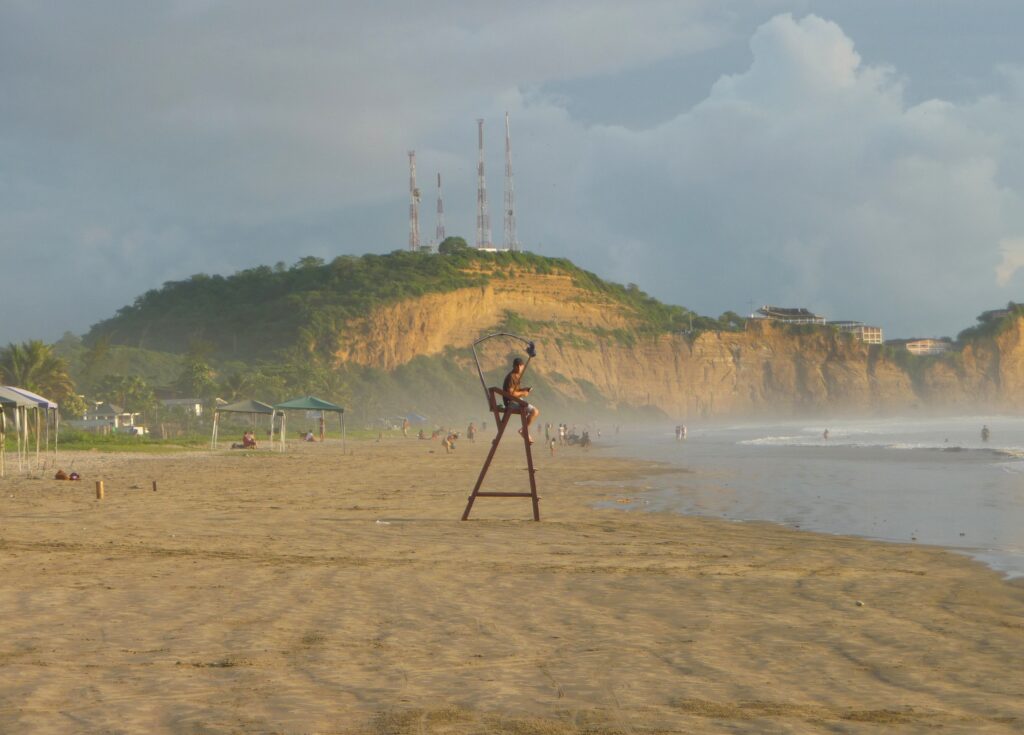
Long before the pyramids rose in Egypt, the Santa Elena Peninsula was home to the Las Vegas culture. Flourishing between 8000 and 4600 BC, these hunter-gatherers were among the first in the Americas to experiment with agriculture, cultivating primitive maize and gourds. The most poignant reminder of their presence is the Lovers of Sumpa, a burial site where two skeletons remain locked in an eternal embrace, protected by six heavy stones. It is a hauntingly beautiful starting point for the coastal story.
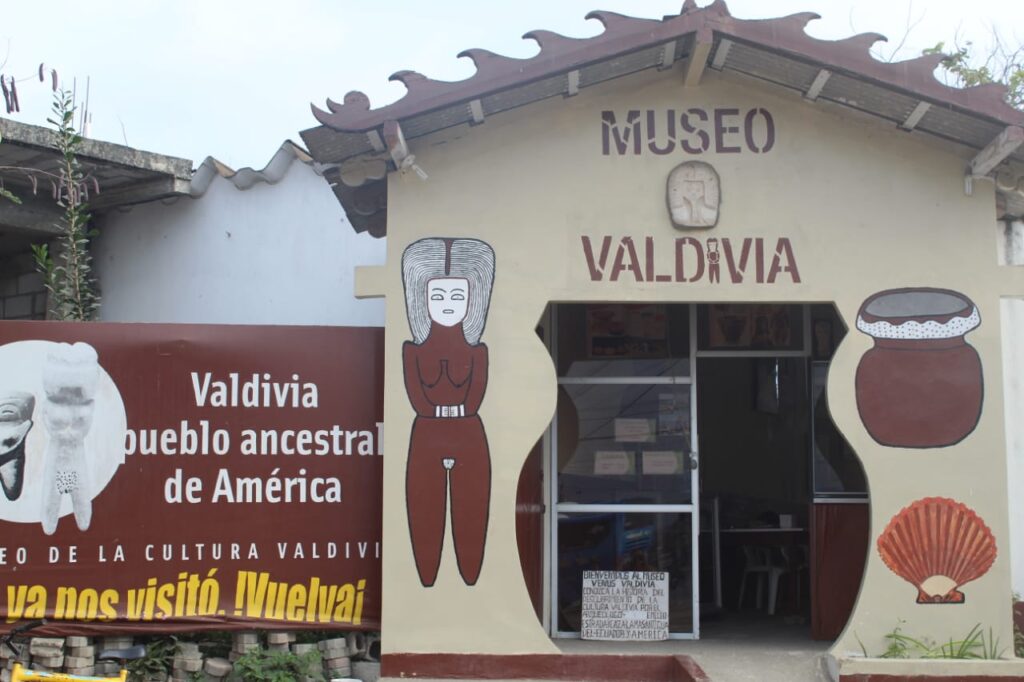
As the Las Vegas culture transitioned, the Valdivia culture emerged around 3500 BC. They are often cited as the first society in the Americas to master pottery. The famous Venus of Valdivia figurines—small, stylised female statues carved from stone and later moulded from clay—suggest a society that valued fertility and perhaps a matrilineal lineage. These were not primitive people; they lived in planned settlements with houses arranged around central plazas, a sign of advanced social organisation that predated many other continental civilisations.
The lords of the sea / The Manteño and the Spondylus shell
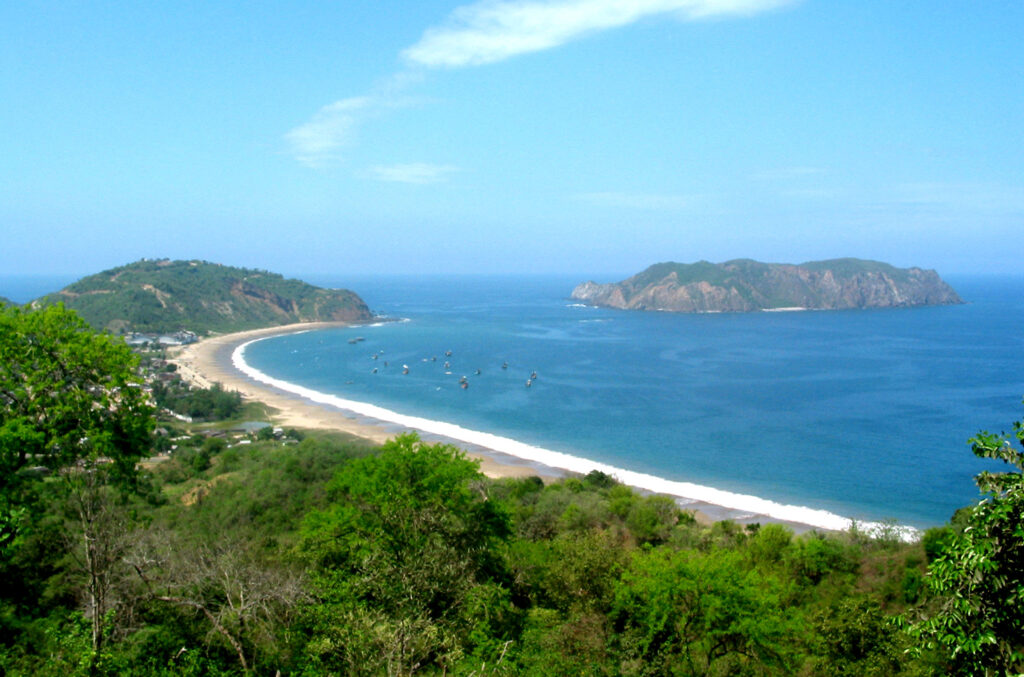
By the time the Regional Development and Integration periods arrived (roughly 500 BC to 1500 AD), the coast was a hive of maritime activity. The Manteño-Huancavilca civilisation, which occupied what is now Manabí and Guayas, was the undisputed master of the Pacific. Using massive balsa wood rafts equipped with cotton sails, they dominated the trade of the Spondylus shell.
This spiny, purple-and-red bivalve was known as the food of the gods. It was more valuable than gold to pre-Columbian cultures, used in religious rituals to summon rain and as a form of currency. The Manteños were expert divers, plunging into the depths of the Pacific to harvest these treasures. Their trade routes were the lifeblood of the region, ensuring that the Ecuadorian coast remained the economic heart of the northern Andes long before the Inca ever marched toward Quito.
The Galápagos.
Ecuador’s Enchanted Isles
The Spanish shadow / Conquest and coastal resilience
The arrival of the Spanish in the early 16th century changed the trajectory of the coast forever. In 1526, Bartolomé Ruiz, the pilot for Francisco Pizarro, encountered a large Manteño trading raft laden with textiles, gold, and silver. It was the first definitive proof the Spaniards had of the riches of the south.
However, the conquest of the coast was far from a swift victory. The indigenous populations, particularly the people of Puná Island, fought with a ferocity that caught the conquistadors off guard. Pizarro himself spent months recuperating on the coast, battling both fierce warriors and tropical diseases.
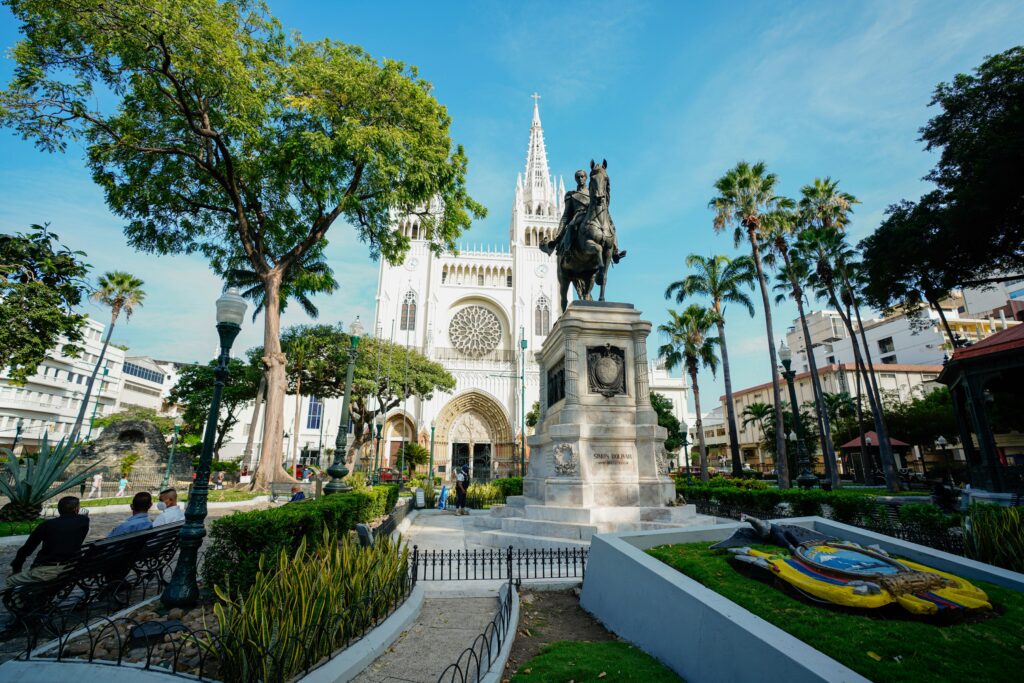
The founding of Guayaquil in 1534 was a nomadic affair; the city was moved several times due to indigenous resistance and the swampy terrain before finally settling at the foot of Santa Ana Hill. Because of its strategic location, Guayaquil quickly became the royal shipyard of the South Seas. This importance, however, made it a prime target for the Golden Age of Piracy. Throughout the 17th and 18th centuries, the city was repeatedly sacked by English and French pirates, including the likes of Grogniett and Thomas Cavendish, forcing the inhabitants to rebuild and fortify their homes time and again.
The Pearl of the Pacific / Independence and the Republic of Guayaquil
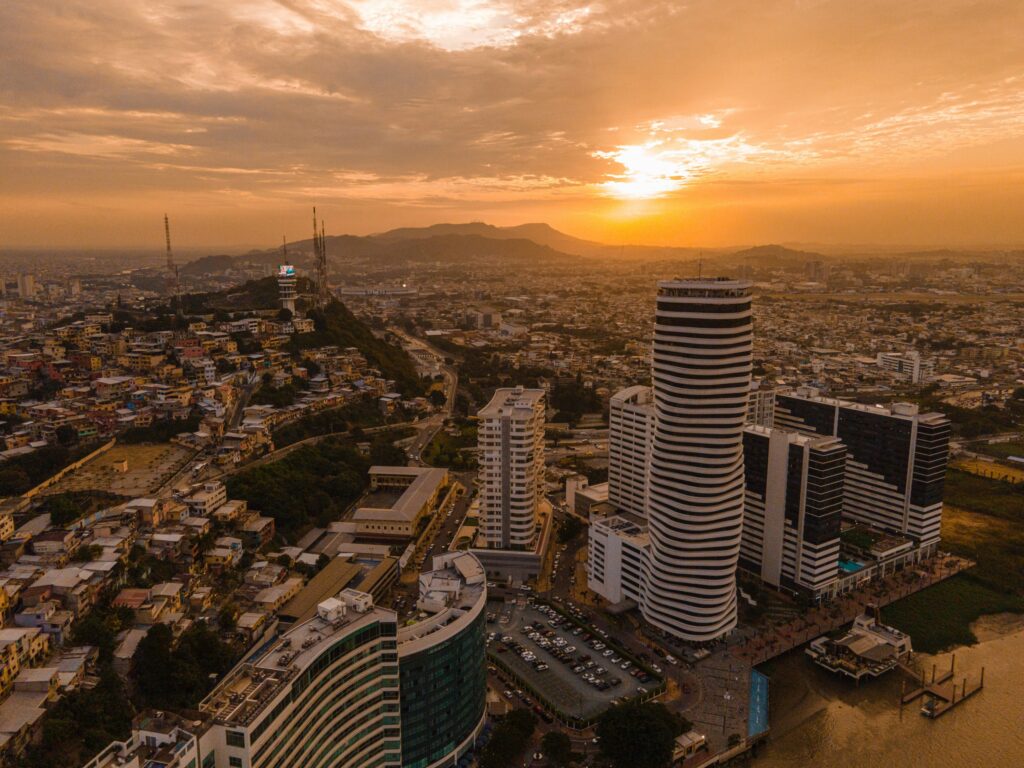
As the 19th century dawned, the spirit of independence took hold. While the high-altitude battles of the Andes often take the spotlight, the coast played a pivotal role in the liberation of South America. On 9 October 1820, Guayaquil declared its independence from Spain, effectively becoming the Free Province of Guayaquil.
For nearly two years, the coast functioned as its own republic, with its own flag and government. It was here, in July 1822, that the two giants of South American liberation—Simón Bolívar and José de San Martín—met in secret to decide the fate of the continent. The Guayaquil Conference remains one of history’s great mysteries, as no records were kept of their conversation, but it resulted in San Martín’s withdrawal and Bolívar’s push to complete the liberation of Peru.
Following independence, Guayaquil entered a golden age. As the Pearl of the Pacific, it became the country’s economic engine, fueled by the Cacao Boom. The wealth generated by chocolate exports transformed the city, bringing in European architectural influences and a cosmopolitan flair that set it apart from the conservative highlands.
The Ecuadorian Sierra.
Get lost in the hills
A hat by any other name / The true story of the Panama hat
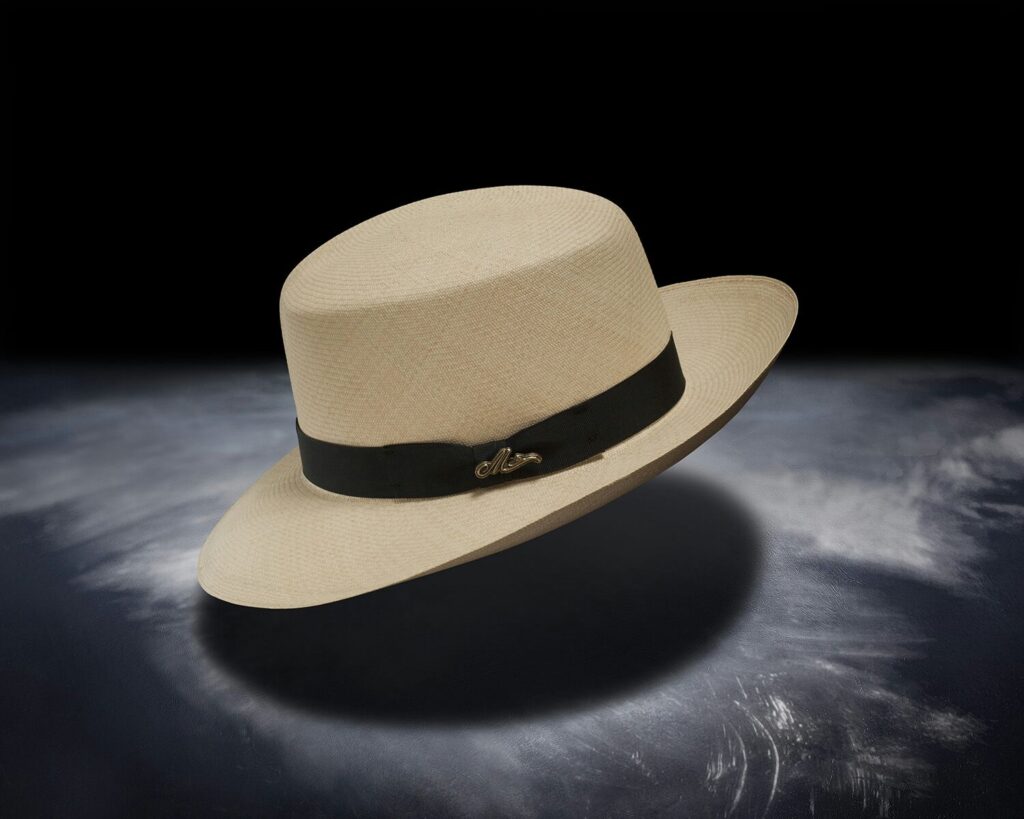
Perhaps the greatest historical injustice of the Ecuadorian coast is the naming of its most famous export: the Panama hat. These elegant, hand-woven masterpieces have never been Panamanian. Their true home is the coastal province of Manabí, specifically the towns of Montecristi and Jipijapa (and Cuenca in the hills).
The craft of weaving the toquilla straw dates back to the pre-Columbian era, but it was in the 1830s that Manuel Alfaro established a systematic export business. The hats gained their misnomer during the California Gold Rush and later the construction of the Panama Canal. Travellers and workers purchased the hats in Panama, then the world’s most important transit hub, and told admirers back home they were Panama hats.
When U.S. President Theodore Roosevelt was photographed wearing one while visiting the canal in 1906, the name was cemented in the global consciousness. Yet, to this day, the finest superfino hats are still woven by hand in the quiet hills of Manabí, a process that can take up to six months for a single piece.
The modern pulse / From the banana boom to the open road
The 20th century saw the coast evolve once more. The Banana Boom of the 1940s and 50s turned Ecuador into the world’s leading exporter of the fruit, leading to massive migrations and the expansion of coastal infrastructure. Towns like Manta grew from small fishing villages into major international ports, now famous as the tuna capital of the world.
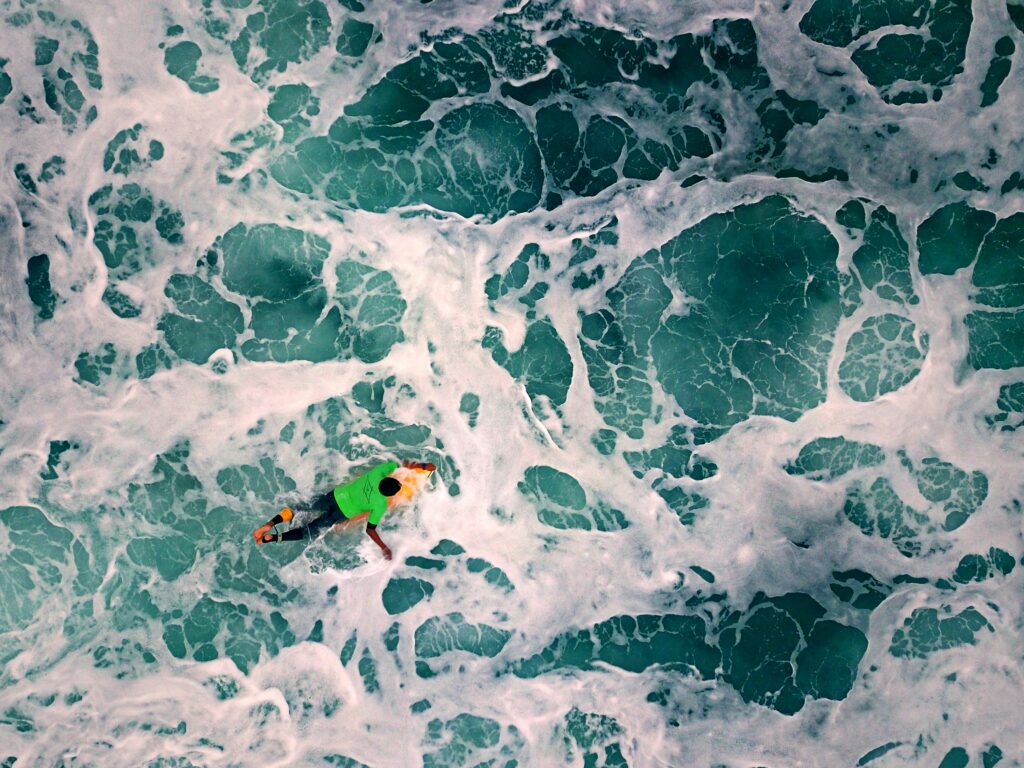
Today, the history of the coast is being rediscovered by a new generation of independent travellers. The Ruta del Spondylus, a coastal highway named after the ancient sacred shell, now connects these historical sites. From the archaeological museums of Salango to the vibrant surf culture of Montañita, the coast remains a place where the past is never far from the surface.
Whether you are cycling the undulating coastal roads or exploring the old wooden houses of Puerto Bolívar, you are treading on layers of history that have survived conquest, piracy, and the relentless march of time. The Ecuadorian coast does not just offer a view of the ocean; it offers a window into the soul of a continent that has always looked toward the horizon.
The Ecuadorian Amazon.
The most biodiverse place in the world
Frequently asked questions about the history of the Ecuadorian coast
The naming is a historical accident. During the 19th century, these hats were shipped to Panama, the primary global transit hub, to be sold to miners heading for the California Gold Rush and later to canal workers. When President Theodore Roosevelt was photographed wearing one during a visit to the Panama Canal in 1906, the name became permanent in the international lexicon, despite the hats being entirely Ecuadorian in origin.
The coast is well-served by a network of buses that run along the Vía del Pacífico. For those on two wheels, the terrain is largely flat but can be challenging due to the humidity and sun exposure. The secondary roads through the Chongón-Colonche mountain range offer more shade and a glimpse into rural life, though they require a sturdy bike and plenty of water.
Many of the most important sites, such as the Valdivia or Manteño ruins, are located in or near small villages like Salango and Agua Blanca. These are easily accessible by walking or local transport. Visiting the community-led museum in Agua Blanca is highly recommended, as it allows you to see the ruins in situ while supporting local preservation efforts.
Yes, the towns of Montecristi and Jipijapa in the Manabí province remain the heart of the industry. Travellers can visit small family workshops to observe the intricate weaving process. If you are looking to purchase a hat, buying directly from these artisans ensures that the money stays within the community and that you are getting an authentic, hand-woven product.
The Spondylus bivalve was much more than food; it was considered a sacred object and a form of currency. Known as the food of the gods, it was used in rain-making rituals and was traded as far north as Mexico. Its presence in archaeological sites throughout the Andes highlights the incredible reach of the coastal maritime trade networks.
The coast is tropical and humid year-round. The rainy season, from December to May, is hot and humid with frequent afternoon downpours, while the dry season, from June to November, is cooler and often overcast (locally known as the garúa). For active travel, starting early in the morning is essential to avoid the peak midday heat.
Ecuador.
Discover this incredible country.