Exploring the Galápagos / Your ultimate safety guide
Galápagos Islands travel safety, crime rates, and advice for solo, female, and minority travellers

Travel through paradise with complete peace of mind
BEN FINCH
The Galápagos Islands represent a dream destination for wildlife enthusiasts, adventurers, and avid cyclists alike. Situated roughly 1,000 kilometres off the coast of mainland Ecuador, this volcanic archipelago is world-renowned for its unique biodiversity and rugged beauty. However, when planning an adventure of a lifetime, understanding the local safety landscape is absolutely vital.
At Wheely Tyred, we believe that informed travellers are safe travellers. Whether you are navigating the winding coastal roads of San Cristóbal on two wheels or trekking across the volcanic landscapes of Isabela, this comprehensive guide will equip you with the facts, figures, and local knowledge you need for a secure and unforgettable journey.
An archipelago of isolation
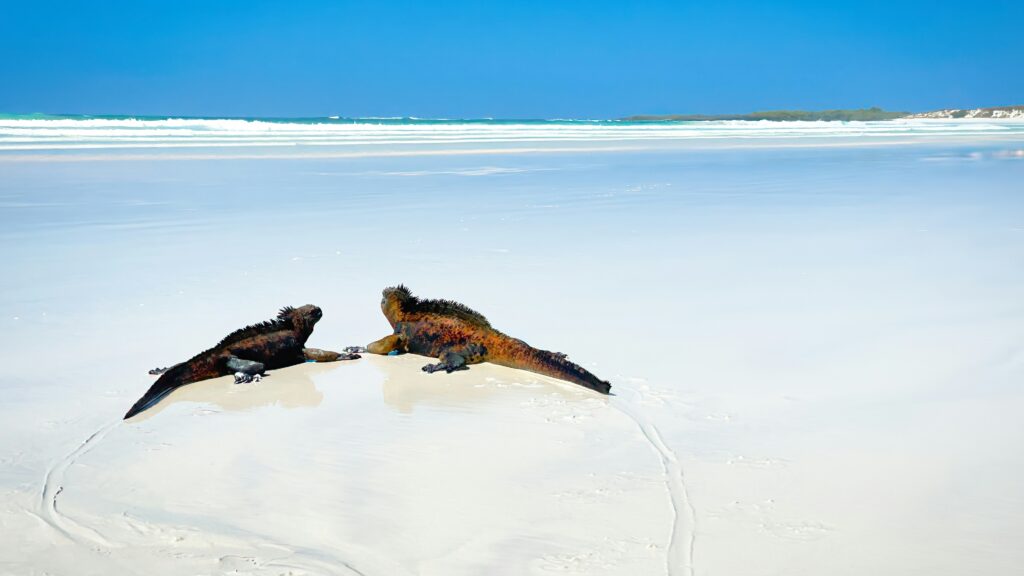
A volcanic world where the rules of the mainland are forgotten and nature dictates the pace. For the independent traveller, it is a rare bastion of security set against a wild, prehistoric landscape.
- The Mainland Divide: Recognising that the political and security fluctuations of continental Ecuador rarely reach these shores; the islands remain a tranquil, highly regulated sanctuary
- Petty Precautions: Violent crime is virtually non-existent, though the independent traveller should remain vigilant against opportunistic theft on popular beaches like Tortuga Bay
- Inclusive Exploration: A deeply welcoming environment where solo travellers, women, and minorities can navigate with a level of personal security that is rare in the wider region
- The Equator’s Edge: Respecting the extreme UV index is the primary safety concern; high-factor protection and constant hydration are mandatory for long days in the saddle
- Wildlife Boundaries: Maintaining the mandatory two-metre buffer from sea lions and iguanas to preserve the delicate ecosystem and avoid territorial encounters
- Varied Terrain: Understanding the shift from the paved, taxi-shared roads of Santa Cruz to the rugged, volcanic gravel trails of Isabela that demand a sturdy mountain bike
- Logistical Readiness: Carrying sufficient cash and comprehensive insurance, as island ATMs are notoriously unreliable and serious medical issues require mainland airlifts
The Galápagos.
Ecuador’s Enchanted Isles
Understanding the landscape / The Galápagos vs mainland Ecuador
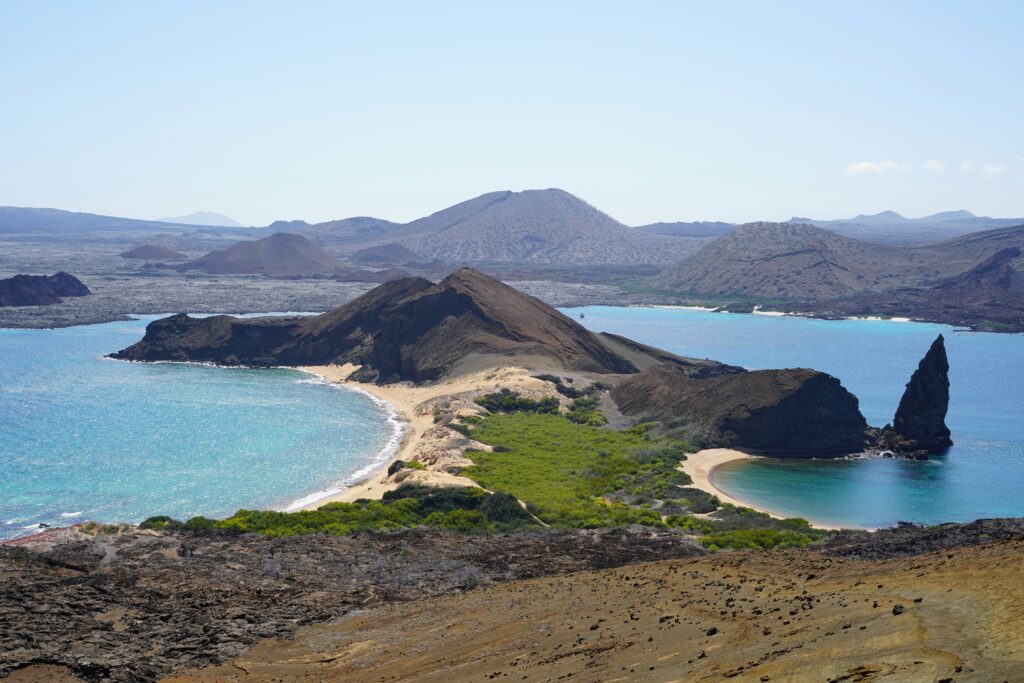
To truly grasp the safety situation in the Galápagos, it is essential to separate the islands from mainland Ecuador. In recent years, and notably through 2025 and 2026, mainland Ecuador has experienced significant political unrest and a sharp increase in gang-related crime. Major cities and provinces such as Guayas, Esmeraldas, and Los Ríos have been subject to government-issued states of emergency. In 2023 and 2024, the mainland homicide rate surged past 40 per 100,000 inhabitants, prompting international travel advisories to urge a high degree of caution.
The Galápagos Islands, however, exist in a completely different reality. Because the archipelago is a heavily protected national park accessible only by carefully monitored flights, the crime waves affecting the mainland simply have not reached the islands. Violent crime here is virtually non-existent, bringing the homicide and violent assault rates for tourists to practically 0 per 100,000. For travellers and cyclists, this means you can focus entirely on the breathtaking scenery and unique wildlife without the heavy security concerns required in major South American transport hubs.
Crime rates and what travellers should expect
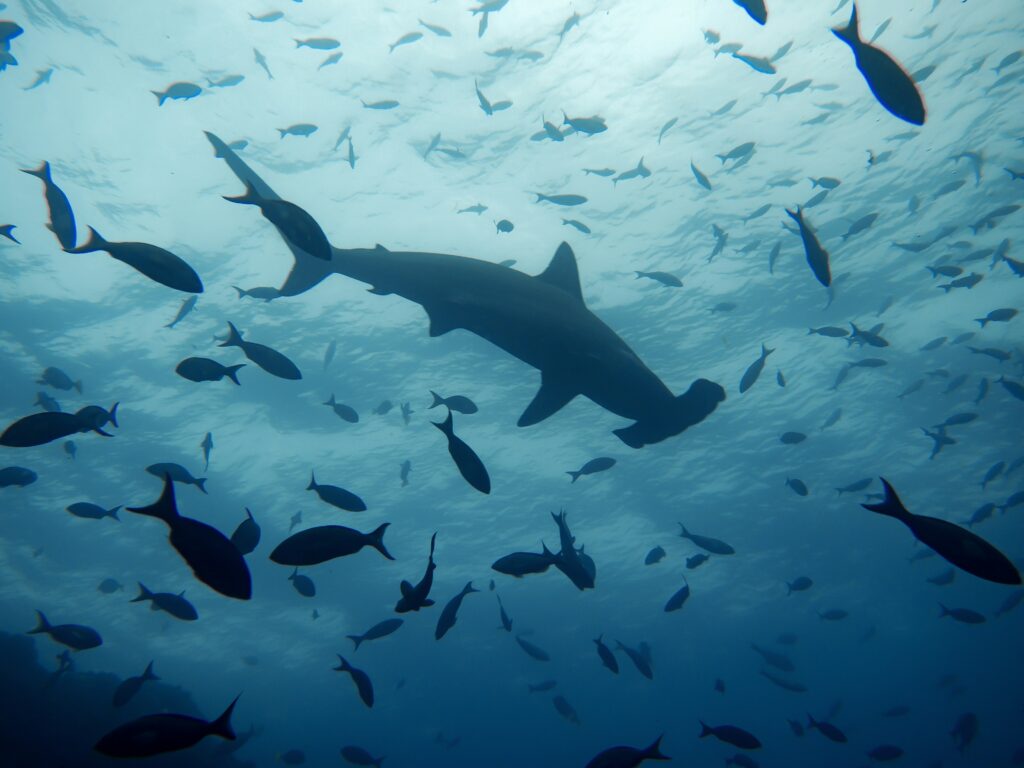
With a total local population of approximately 30,000 residents and a soft annual tourist cap managed at around 200,000 visitors through entry fees, the Galápagos maintains a tight-knit, community-driven atmosphere. The heavy presence of park rangers, marine biologists, and tourism police ensures a deeply regulated environment.
That being said, no destination is entirely without risk. The primary concern for visitors here is petty crime. Opportunistic theft, such as bags or cameras left unattended on popular beaches like Tortuga Bay, accounts for over 90% of the reported tourist-related infractions. To mitigate this, we always recommend keeping a close eye on your belongings. When cycling between destinations, utilise secure panniers and never leave valuables visibly unattended in your bicycle basket while taking a quick dip in the ocean. The threat of transport robbery, armed robbery, or express kidnapping—risks detailed in mainland advisories—is simply not a factor on the islands.
The Ecuadorian Sierra.
Get lost in the hills
Safety for solo travellers, women, and minorities
One of the most frequent questions we receive at Wheely Tyred is how safe a destination is for different demographics. The Galápagos is an exceptionally welcoming environment for all visitors.
Solo travellers
If you are embarking on a solo cycling or hiking tour, you are in excellent hands. The highly structured nature of Galápagos tourism means that you are rarely truly alone unless you actively seek out isolated trails. Tour operators and local authorities closely monitor the movement of visitors to protect the ecosystem, which inadvertently creates a robust safety net for solo adventurers. You will easily meet like-minded travellers in the main hubs of Puerto Ayora and Puerto Baquerizo Moreno.
Female travellers
The Galápagos is widely considered one of the safest regions in South America for solo female travellers. The deeply ingrained tourism culture means that locals are accustomed to international visitors, and the street harassment or machismo culture sometimes experienced in larger Latin American cities is exceedingly rare here. While standard precautions apply—such as not leaving drinks unattended at a bar and avoiding unlit, empty streets late at night—the risk of targeted gender-based violence is incredibly low for tourists. Locals face high levels of violence against women and girls.
Minority travellers
The demographic makeup of Ecuador is diverse, consisting of Mestizo (roughly 71%), Montubio (7%), Afro-Ecuadorian (7%), Indigenous (7%), and White (6%) populations. The workforce and residential population of the Galápagos reflect this mainland diversity, combined with a steady stream of international researchers, conservationists, and tourists. As a result, the islands are highly cosmopolitan despite their remote location. Minority travellers, including racial minorities and members of the LGBTQ+ community, consistently report feeling safe, welcomed, and respected. The local economy relies on global tourism, meaning the hospitality industry is inherently focused on providing a comfortable, prejudice-free environment for everyone.
The Ecuadorian Amazon.
The most biodiverse place in the world
Environmental and wildlife safety
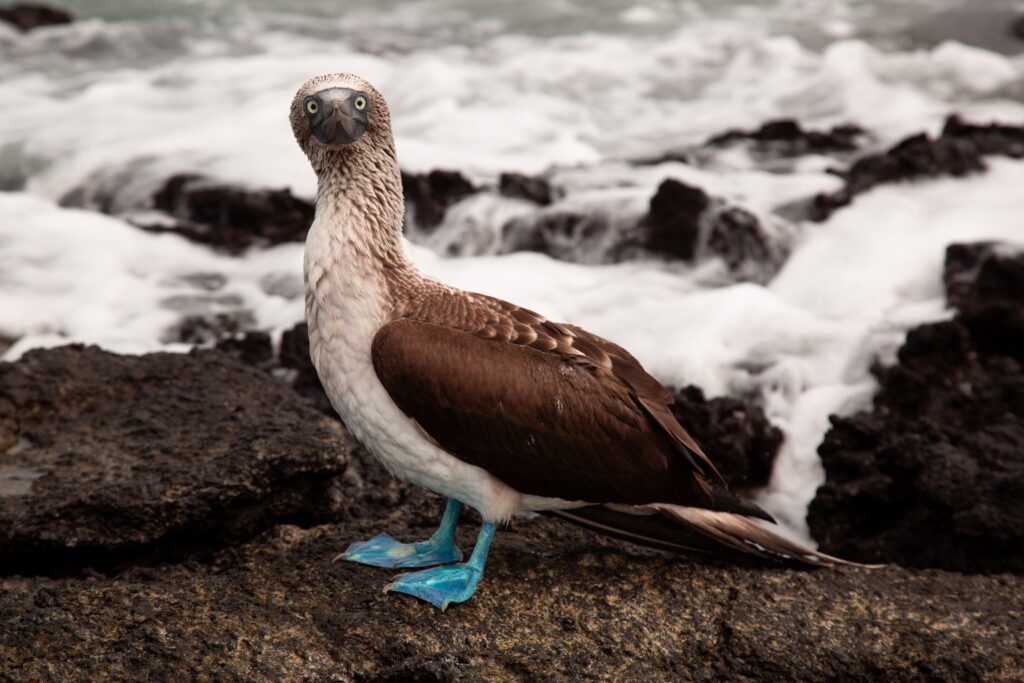
When visiting this archipelago, the most significant risks do not come from people, but rather from the environment itself. Navigating these natural elements requires preparation, especially for those spending long days in the saddle.
The equatorial sun
Situated directly on the equator, the Galápagos Islands experience intense solar radiation. The UV index frequently exceeds 11, which is classified as extreme. Sunburn and heatstroke are the most common medical issues reported by tourists. Cyclists must apply a high-factor, reef-safe sunscreen multiple times a day, wear UV-protective clothing, and hydrate constantly.
Marine conditions
The waters surrounding the islands are where the Humboldt, Cromwell, and Panama currents converge. This creates nutrient-rich waters perfect for marine life but potentially hazardous for swimmers and snorkellers. Strong undertows and sudden temperature drops are common. Always swim in designated areas and listen to your guide regarding water conditions.
Wildlife interactions
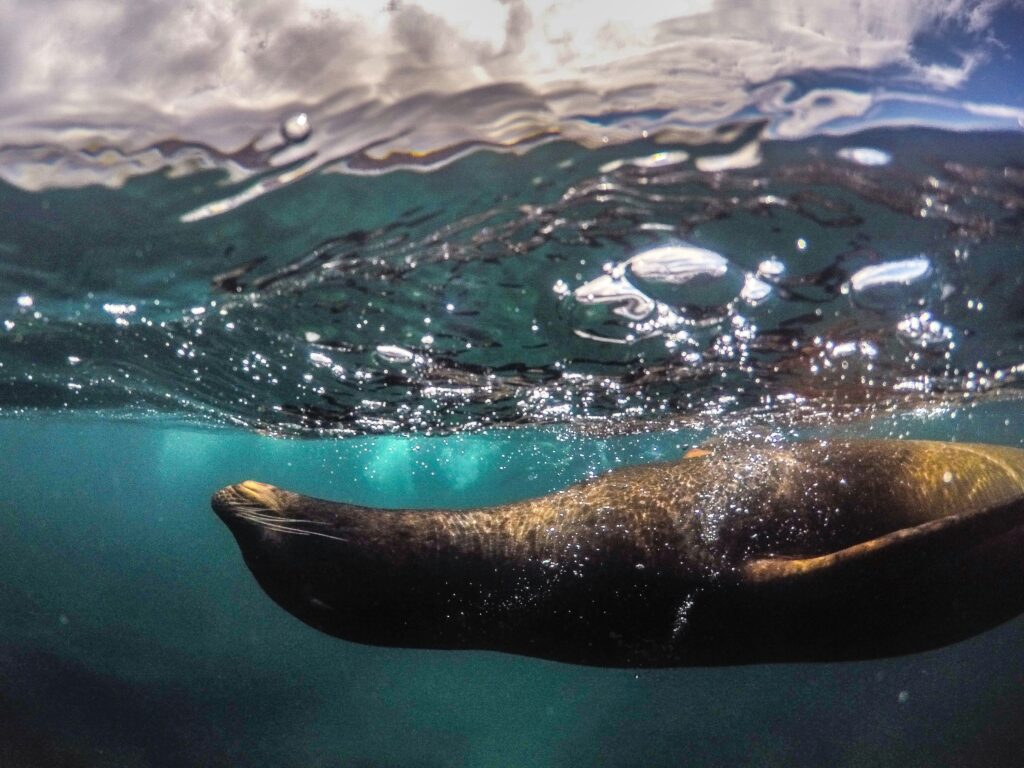
The animals of the Galápagos famously lack a natural fear of humans, meaning you will often find sea lions lounging on park benches or marine iguanas crossing your cycling path. However, strict national park rules mandate that you must maintain a minimum distance of 2 metres from all wildlife. Touching or feeding the animals is strictly prohibited and carries heavy fines. Sea lions, particularly dominant males during mating season, can become territorial and aggressive if approached too closely.
The Ecuadorian Coast.
Where you’ll find the very best food
Cycling safety on the Islands
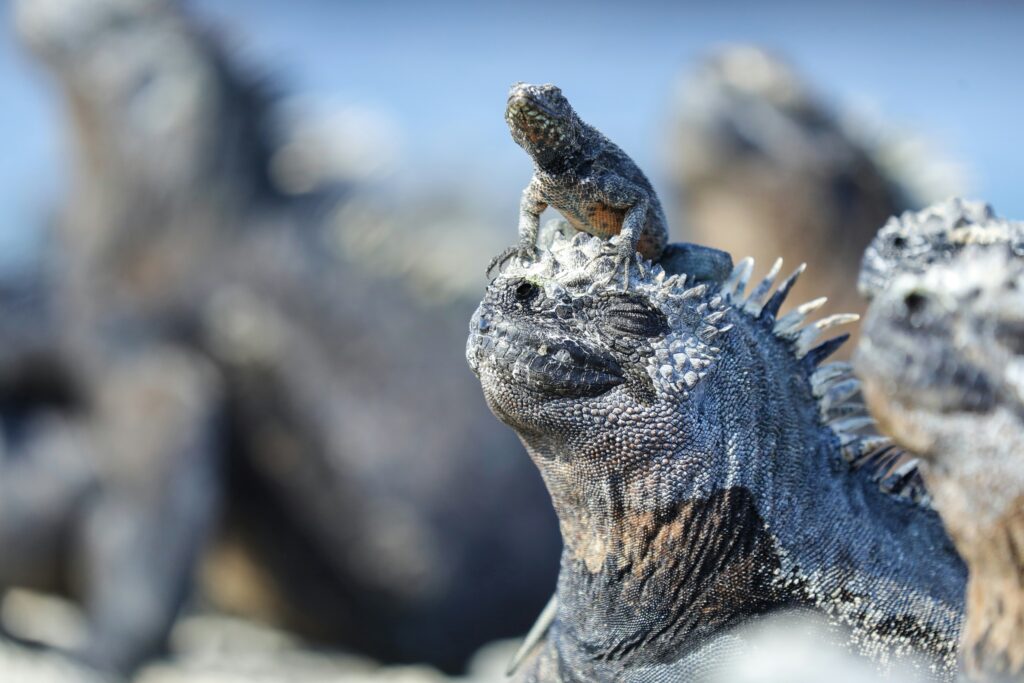
For those looking to explore via bicycle, the Galápagos offers a rewarding but demanding terrain. The inhabited islands—Santa Cruz, San Cristóbal, Isabela, and Floreana—have distinct cycling conditions.
On Santa Cruz, the primary road traversing the island from the Itabaca Channel to Puerto Ayora is fully paved and spans roughly 42 kilometres. However, it shares traffic with taxis and buses. Ecuadorian driving habits can be erratic, so defensive cycling is paramount. Keep to the right and ensure your bicycle is equipped with proper lighting if you plan to ride near dusk.
Isabela Island offers a more rugged experience. The paths leading to the Wall of Tears are composed of loose gravel, sand, and volcanic rock. A sturdy mountain bike is essential here, alongside a well-fitted helmet and a basic repair kit. Because these routes are more isolated, always inform your accommodation of your planned route and expected return time.
Preparing for your journey to the Galápagos
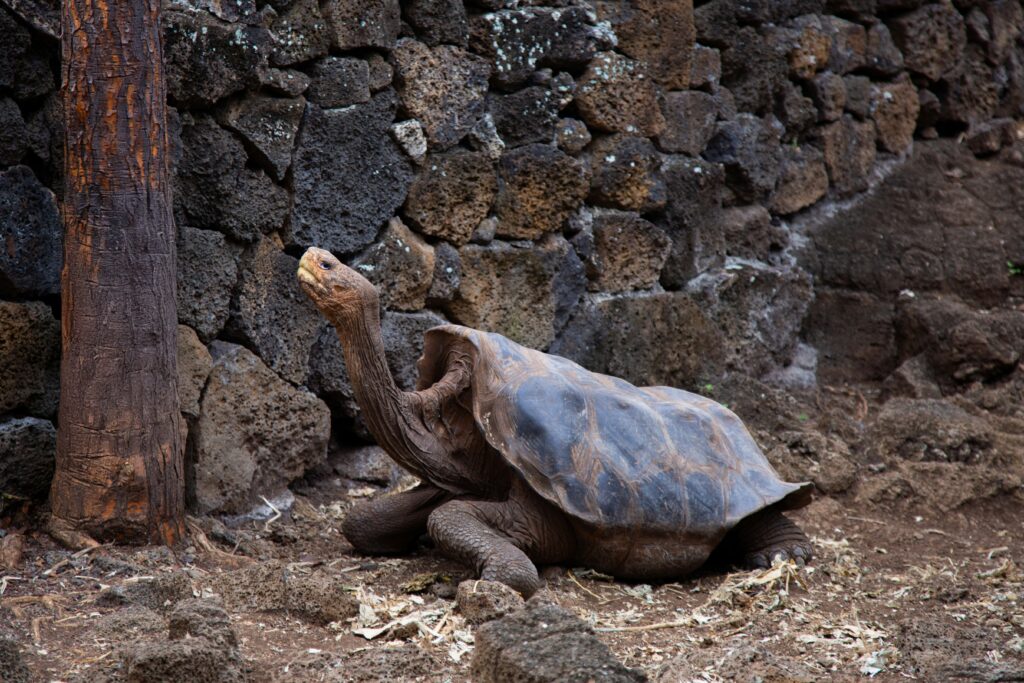
Preparation is the cornerstone of a safe trip. We highly recommend securing comprehensive travel insurance that specifically covers cycling activities, emergency medical evacuation, and potential delays. Healthcare facilities on the islands are basic; while they can handle minor injuries and ailments, any serious medical emergency will require an expensive airlift back to mainland Ecuador.
Always carry your identification and your national park entrance fee receipt, as random checks by local authorities do occur. Furthermore, ensure you have access to enough cash. While ATMs are available in Puerto Ayora and Puerto Baquerizo Moreno, they frequently run out of money, and many smaller establishments do not accept credit cards.
By understanding the distinct differences between mainland security and island tranquillity, respecting the fierce natural environment, and applying common-sense cycling precautions, your trip will be as safe as it is spectacular. At Wheely Tyred, we are dedicated to ensuring your route planning is seamless, allowing you to focus on the raw, unfiltered beauty of the Galápagos Islands.
Quito.
Explore the Middle of the World
Frequently asked questions about the Galápagos Islands’ safety
Absolutely. The Galápagos is exceptionally safe for solo adventurers. Because the islands are a protected national park with a heavy presence of rangers and tourism police, the risk of encountering trouble on the trails is remarkably low.
The two are worlds apart. While parts of the mainland have seen a rise in gang-related activity and civil unrest, the islands have strictly controlled entry points. The security issues currently facing cities like Guayaquil do not translate to the archipelago.
On islands like Santa Cruz, you will share the main paved roads with buses and taxis. While the volume is low, drivers can be assertive. We recommend defensive cycling, wearing high-visibility gear, and staying well to the right of the carriageway.
Cash is king in the Galápagos. While there are a few ATMs in the main ports of Puerto Ayora and Puerto Baquerizo Moreno, they frequently run out of notes or fail to accept international cards. Many local guesthouses and small cafes do not have card terminals, so carry more US Dollars than you think you need.
For bike repairs, stick to the main hubs where small rental shops can offer basic assistance. Regarding health, local clinics can handle minor scrapes and illnesses, but for anything serious, you will likely be evacuated to the mainland. Ensure your travel insurance covers emergency medical flights.
Generally, no, provided you give them space. The animals are famously unafraid of humans, but they are still wild. Dominant male sea lions can be protective of their territory, and iguanas often bask in the middle of the road. Always yield the right of way to the locals—the animals were there first.
Ecuador.
Pure wonder on the equator.