Best Cuyabeno multi-day tours / Top Amazon expeditions & rainforest lodges
Bookable multi-day tours in Cuyabeno Wildlife Reserve, Ecuador
Deep waterways, indigenous heritage, and rainforest journeys
BEN FINCH
Tucked into the far north-eastern corner of Ecuador, where blackwater tributaries wind beneath high Amazonian canopies, lies the Reserva de Producción Faunística Cuyabeno. Covering over 600,000 hectares of primary rainforest, flooded forests (igapós), and interconnected lagoon systems, Cuyabeno stands as one of the most biodiverse, species-dense ecosystems on the planet.
For independent travellers, navigating this untamed expanse requires careful preparation. Reaching Cuyabeno involves traversing the Andean foothills from Quito, descending into the lowland oil town of Lago Agrio (Nueva Loja), and taking an overland drive to El Puente de Cuyabeno—the gateway dock where road networks terminate and motorised canoes take over.
At Wheely Tyred, our travel philosophy is built around slow, immersive journeys that honour regional communities and fragile ecosystems. A whistle-stop day visit to the Amazon is not merely impractical due to transit times; it fails to respect the rhythm of the rainforest. True discovery happens when you commit to a multi-day expedition. Staying deep within the reserve at solar-powered eco-lodges allows you to witness the forest transition from dawn bird choruses to nocturnal amphibian calls.
Structured multi-day tours resolve the daunting logistical puzzle of Amazonian travel. They seamlessly integrate private overland shuttles, river transit, native naturalist guides, park permits, and accommodation within indigenous ancestral territories.
Whether you have three days to spare or wish to combine the High Andes with an extended Amazonian trek, we have vetted six outstanding, highly-rated multi-day tour itineraries that deliver deep cultural connection, expert guiding, and unforgettable wildlife encounters.
Essential takeaways for the Cuyabeno lowlands
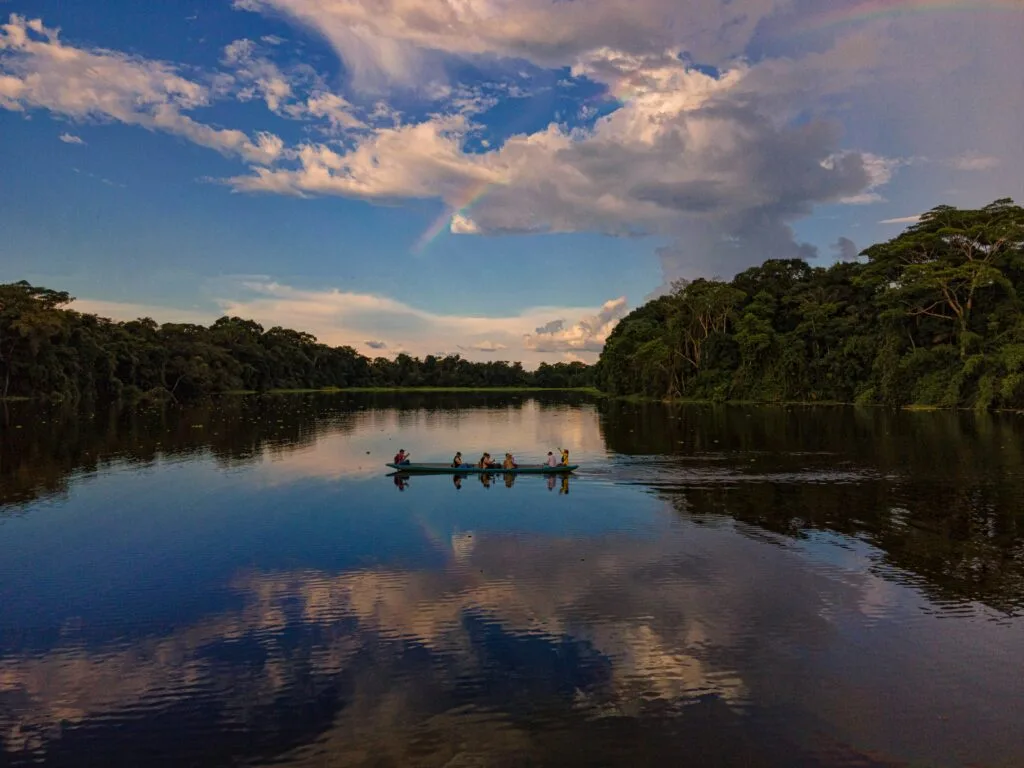
Navigating the blackwater channels and ancient canopy of Cuyabeno demands sound preparation and a slow-travel mindset. Here are the core takeaways to guide your multi-day Amazonian expedition:
- El Puente Gateway: All road networks terminate at El Puente de Cuyabeno, where motorised canoes take over for all deep-reserve transport
- Laguna Grande Blackwaters: Acidity and high tannin levels in the blackwater keep piranha and mosquito populations low, making sunset swims in Laguna Grande a staple highlight
- Siona Cultural Connection: Expeditions include visits to Puerto Bolívar, offering an authentic window into ancestral ethnobotany and traditional casabe flatbread baking alongside Siona families
- The Four-Day Sweet Spot: A 4-day/3-night itinerary provides the ideal operational balance between morning canoe safaris, night walks, and transit logistics from Quito
- Abundant Biodiversity: The reserve protects pink river dolphins (Inia geoffrensis), sloths, hoatzins, and caimans, with native guides providing unmatched tracking expertise
- Synthetic Layering Mandatory: High humidity means cotton never dries; quick-drying synthetic garments, long socks, and heavy-duty dry sacks are non-negotiable field gear
Cuyabeno Wildlife Reserve.
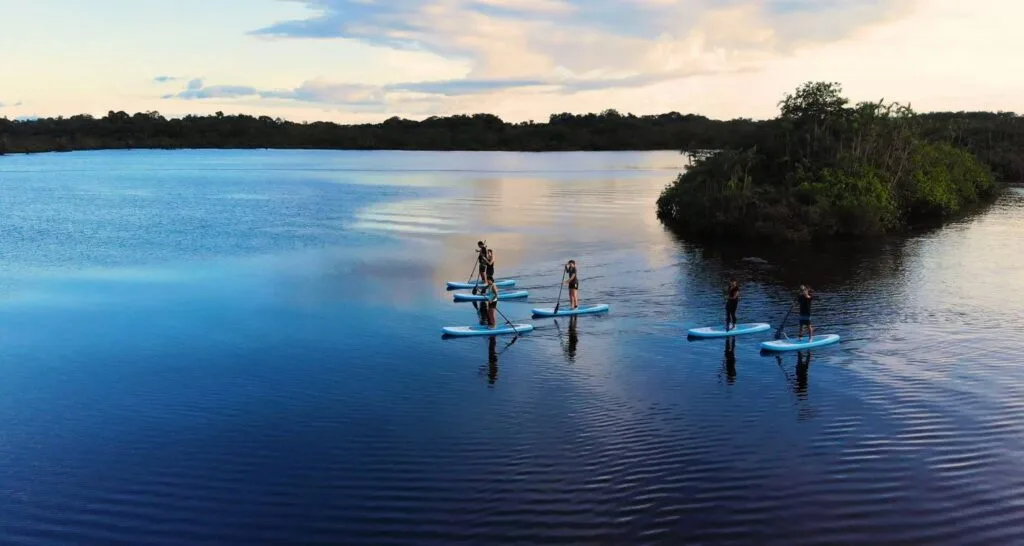
Explore the Amazon’s flooded forest
Deep rainforest wilderness and wildlife immersion
Rating & reviews
(2+ verified reviews on TourRadar)
Why this tour stands out
For travellers wanting to push far past the heavily visited outer perimeter of the reserve, this six-day expedition operated by GUIDEcuador Travel represents the pinnacle of slow-paced Amazonian exploration. By extending your stay to six days, the itinerary eliminates the rushed feeling common to shorter trips, allowing double the time on the water during optimal dawn and dusk wildlife activity windows.
The route begins with coordinated pickup logistics from Quito or Lago Agrio, transferring you to El Puente de Cuyabeno for a two-hour motorised canoe safari down the Cuyabeno River to your eco-lodge. Over six full days, native Siona guides and licensed naturalist experts lead small groups through primary forest hikes, blackwater paddling excursions in traditional wooden canoes, and nocturnal searches for black caimans, tree frogs, and glowing fungi.
The extended timeframe significantly increases your statistical probability of spotting rare wildlife, including the elusive Amazonian tapir, giant otters, and legendary pink river dolphins (Inia geoffrensis) near Laguna Grande.
Key highlights
- Extended Lagoon Safaris: Multiple sunset and sunrise canoe excursions across Laguna Grande to swim in open blackwater and watch hoatzins (Canje pheasants) nest in submerged trees
- Siona Cultural Immersion: A dedicated full day spent in a local Siona community, learning traditional cassava flatbread (casabe) preparation from elders and gaining insight into ancestral ethnobotany
- Night Canopy Explorations: Guided night walks through primary forest trails to observe tarantulas, whip scorpions, bioluminescent flora, and sleeping roosts of toucans
- All-Inclusive Logistics: Includes five nights of rustic yet comfortable eco-lodge accommodation, all fresh regional meals, rubber boots, and native guiding services
Ideal for
Patience-driven wildlife enthusiasts, slow travellers, photographers seeking optimal lighting conditions across multiple days, and travellers wanting a deep, unhurried immersion in Amazonian ecology.
Local expedition insight
Because this six-day journey takes you deep into high-humidity zones, electronics require rigorous protection. Pack heavy-duty dry bags with silica gel packets for camera gear and power banks. Note that solar charging at jungle lodges is contingent on daily sunlight; charge primary devices during midday hours when generators or solar arrays operate at peak efficiency.
The Ecuadorian Amazon.
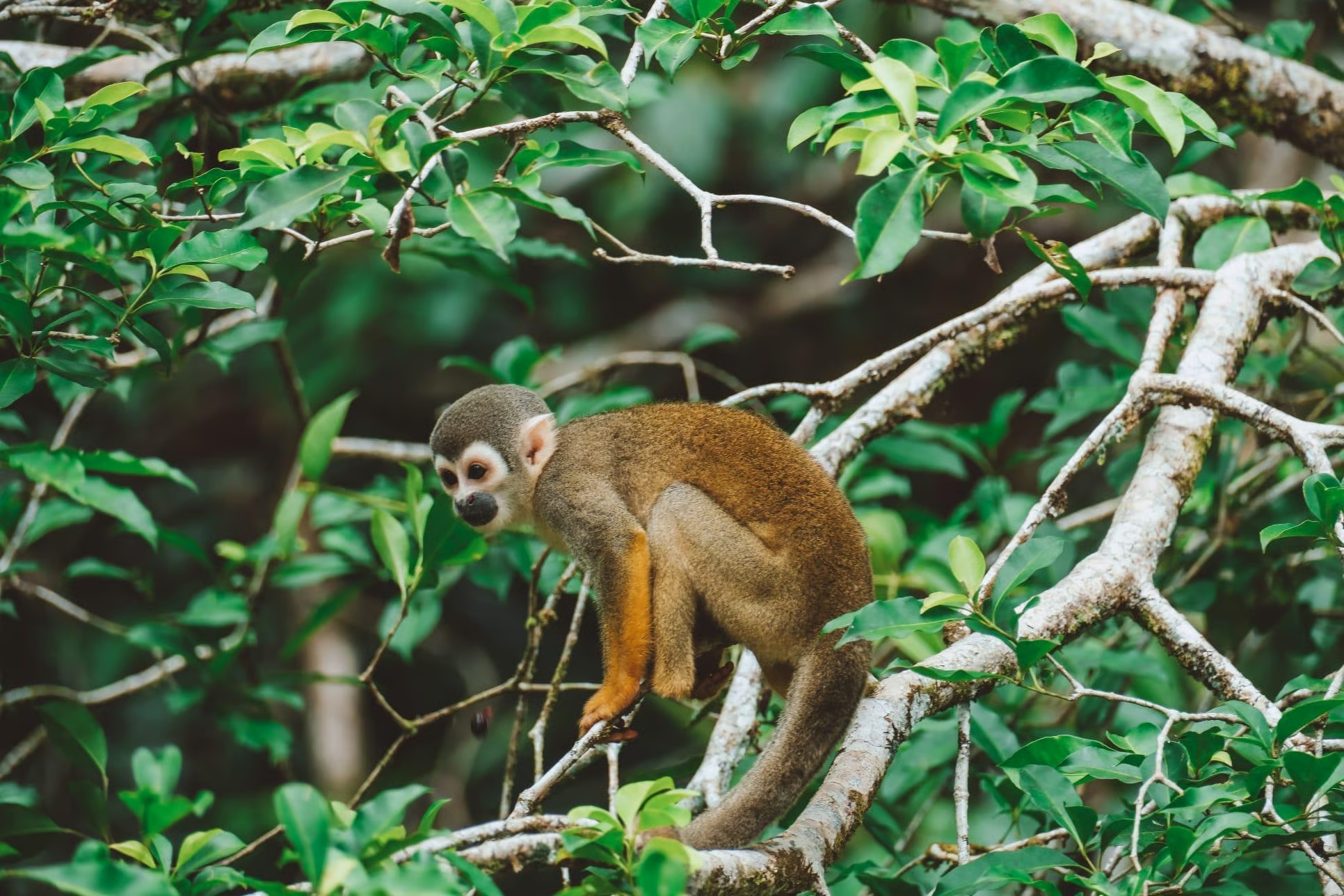
The most biodiverse place in the world
The compact rainforest gateway excursion
Rating & reviews
(10+ verified reviews on GetYourGuide)
Why this tour stands out
Designed specifically for travellers operating on tight schedules or integrating the Amazon into a broader Ecuadorian overland circuit, this three-day expedition maximises every single hour in the field.
Meeting at El Puente de Cuyabeno or arranging convenient shuttle pickup from Nueva Loja, the tour whisks guests straight onto the water, turning the initial canoe transfer into an active two-hour wildlife safari where squirrel monkeys, kingfishers, and sloths are frequently spotted before even reaching the lodge.
Staying at an established eco-lodge along the riverbank (such as Cuyabeno Dolphin Lodge), guests experience a condensed yet authentic array of Amazonian activities.
The itinerary pairs afternoon lagoon swims with night-time caiman spotting, ensuring that even a brief stay delivers the core magic of Cuyabeno without sacrificing safety or comfort.
Key highlights
- Streamlined River Transit: Rapid transfer from El Puente directly into wildlife-rich blackwater channels
- Laguna Grande Sunset Swim: Unwind after transit by swimming in the centre of Laguna Grande, where the acidity of the blackwater keeps piranha and mosquito activity exceptionally low
- Nocturnal River Safaris: Spotting spectacled caimans and nocturnal birds along the riverbanks using high-powered searchlights
- Primary Forest Flora Walk: A focused morning hike exploring medicinal plants, giant kapok trees (Ceiba pentandra), and forest canopy mechanics
Ideal for
Time-conscious backpackers, weekend travellers from Quito, and independent road-trippers looking for an efficient, highly structured introduction to the Ecuadorian Amazon.
Local expedition insight
To make a three-day trip viable, book the overnight tourist shuttle bus from Quito (departing around 11:00 PM the evening before Day 1). This ensures you arrive at El Puente de Cuyabeno by mid-morning, fully synchronised with the canoe departure and eliminating the expense of a night in Lago Agrio.
The Galápagos.
Ecuador’s Enchanted Isles
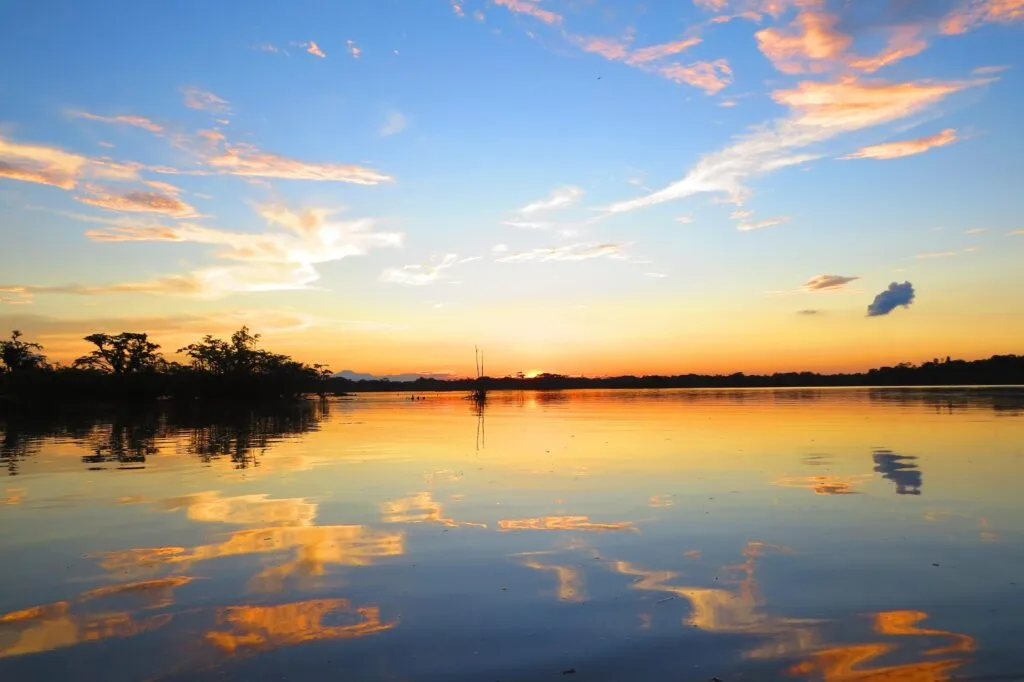
The authentic eco-lodge sanctuary
Rating & reviews
(359+ verified reviews on Viator)
Why this tour stands out
The four-day / three-night format is widely considered the sweet spot for Cuyabeno expeditions, and Tucán Lodge executes it with exceptional craft and warmth. Situated along a serene river stretch, Tucán Lodge places heavy emphasis on community partnerships, small group sizes (maximum 10–12 guests per guide), and authentic local gastronomy.
What sets this specific tour apart is its balanced pacing. Rather than rushing between sightings, the guides—who grew up along the Cuyabeno River—take time to explain the delicate ecological web connecting bromeliads, poison dart frogs, and river systems.
Guests spend ample time paddling traditional wooden canoes through the flooded Igapó forest, where silent propulsion allows close encounters with wildlife without engine noise disruption.
Key highlights
- Flooded Forest Paddling: Navigate narrow water channels under dense canopies in manual wooden canoes for undisturbed wildlife observation
- Siona Indigenous Community Visit: Travel downriver to Puerto Bolívar to harvest yucca roots, grind them, and cook traditional casabe bread over an open hearth alongside Siona families
- Artisanal Coffee & Cacao Workshop: Hands-on evening session at the lodge roasting and grinding local rainforest cacao and coffee beans
- Comfortable Eco-Cabin Lodging: Stay in private or shared wooden cabins with private bathrooms, copper mesh screens, and solar-powered lighting
Ideal for
Eco-conscious travellers, couples, solo travellers wanting an inclusive social atmosphere, and anyone who prefers silent paddle canoeing over motorised river travel.
Local expedition insight
Tucán Lodge provides high-top rubber boots up to European size 46, which are essential for navigating the thick mud of primary forest trails. Pack long, thick socks that extend above the boot line to prevent chafing during two-hour jungle treks.
Blackwater lagoon navigation and canopy exploration
Rating & reviews
(39+ verified reviews on Viator)
Why this tour stands out
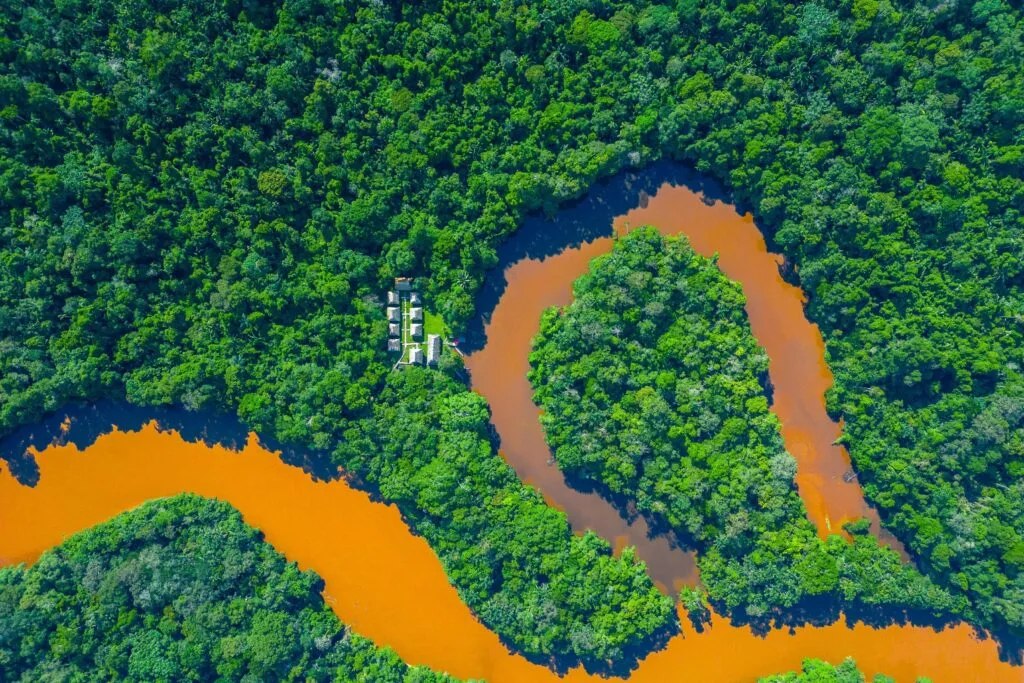
For travellers seeking a slightly more secluded base, Waita Lodge is positioned in a tranquil zone reached via pristine blackwater channels from Tierras Orientales. This four-day itinerary places a heavy emphasis on aquatic navigation, spending extensive time exploring remote lagoons where human impact is minimal.
Led by veteran bilingual naturalist guides, the tour combines classic jungle hikes with dedicated birdwatching sessions. Cuyabeno is home to over 500 species of birds; from Waita Lodge’s canopy observation points and river routes, guests regularly spot harpy eagles, toucans, macaws, and kingfishers.
The lodge itself blends rustic timber architecture with cosy amenities, offering an intimate sanctuary after long days in the field.
Key highlights
- Tierras Orientales Waterway Route: A scenic 3.5-hour deep-reserve canoe journey offering elevated chances of spotting pink river dolphins and freshwater turtles
- Early Morning Avian Safaris: 6:00 AM river excursions when canopy birds are most active and feeding along the water’s edge
- Medicinal Ethnobotany Hikes: Guided walks focusing on how native communities use vine sap, tree bark, and leaves for traditional medicine and survival
- Observation Decks: Relax on elevated wooden decks overlooking blackwater lagoons, perfect for stargazing free from light pollution
Ideal for
Avid birdwatchers, wildlife photographers, nature enthusiasts seeking off-the-beaten-path lodge locations, and travellers wanting a quiet, immersive rainforest stay.
Local expedition insight
The multi-hour canoe trip from Tierras Orientales offers zero shade overhead. Pack a wide-brimmed hat, UPF-rated long-sleeve shirts, and eco-friendly, reef-safe sunscreen. Avoid applying insect repellent immediately before entering canoes, as the chemicals can degrade the plastic water seals on camera lenses and binoculars.
The Ecuadorian Sierra.
Get lost in the hills
Andean highlands to Amazon expedition
Rating & reviews
(2+ verified reviews on TourRadar)
Why this tour stands out
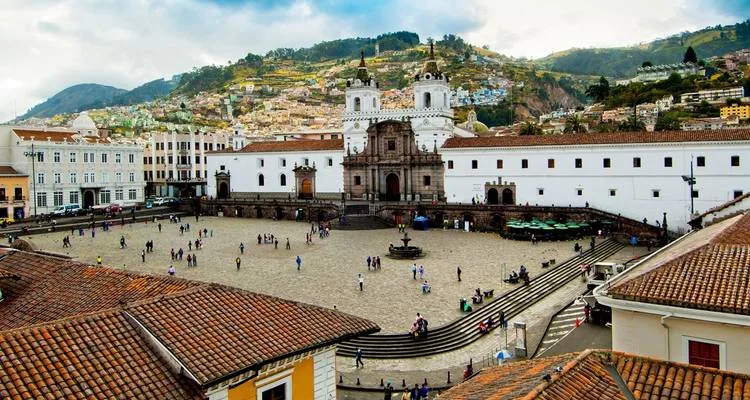
If you want to experience Ecuador’s dramatically diverse geography in a single, seamless overland journey, this 13-day regional expedition by Responsible Travel South America is unbeatable. Rather than treating Cuyabeno as an isolated excursion, this trip weaves the Amazon into a grand circuit that spans the High Andes, volcanic crater lakes, and cloud forests.
Starting in Quito, the journey traverses the Avenue of the Volcanoes, stopping at Cotopaxi National Park, the emerald crater lagoon of Quilotoa, and the adventure hub of Baños. From the mountain highlands, the expedition descends the eastern slopes of the Andes into the Amazon Basin, concluding with a full multi-day deep-jungle lodge experience in Cuyabeno.
By managing all private transit, accommodation, and regional transfers, this tour eliminates the friction of cross-country transport logistics.
Key highlights
- Comprehensive Ecuadorian Circuit: Combines Quito, Cotopaxi, Quilotoa, Baños, and Cuyabeno Wildlife Reserve into one fluid itinerary
- Highland to Lowland Transition: Experience the dramatic shift from cold Andean páramo alpine ecosystems to humid lowland Amazon rainforest
- Full Cuyabeno Lodge Immersion: Includes a complete 4-day Amazon jungle package with canoe safaris, night walks, and indigenous community visits
- Expert Cross-Regional Guiding: Dedicated tour leaders manage highland trekking logistics and hand off seamlessly to native Siona guides in Cuyabeno
Ideal for
First-time visitors to Ecuador, long-distance overland travellers, couples, and active adventurers who want a hassle-free, all-inclusive multi-week expedition covering both mountain and jungle biomes.
Local expedition insight
Packing for a trip that spans both the chilly Andean highlands (where night temperatures at Quilotoa drop near freezing) and the hot, humid Amazon requires a strict layering strategy. Prioritise lightweight, quick-drying synthetic or merino wool garments. Leave heavy denim jeans behind, as they absorb moisture and will not dry in the rainforest environment.
Backcountry expedition with native naturalist guides
Rating & reviews
(1+ verified reviews on GetYourGuide)
Why this tour stands out
Operated by CarpeDM Adventures, a veteran eco-tour operator with deep roots in Quito and Cuyabeno, this four-day adventure is built around environmental sustainability and indigenous empowerment. CarpeDM partners directly with indigenous Siona and Secoya native guides, ensuring that local ecological knowledge forms the backbone of every daily activity.
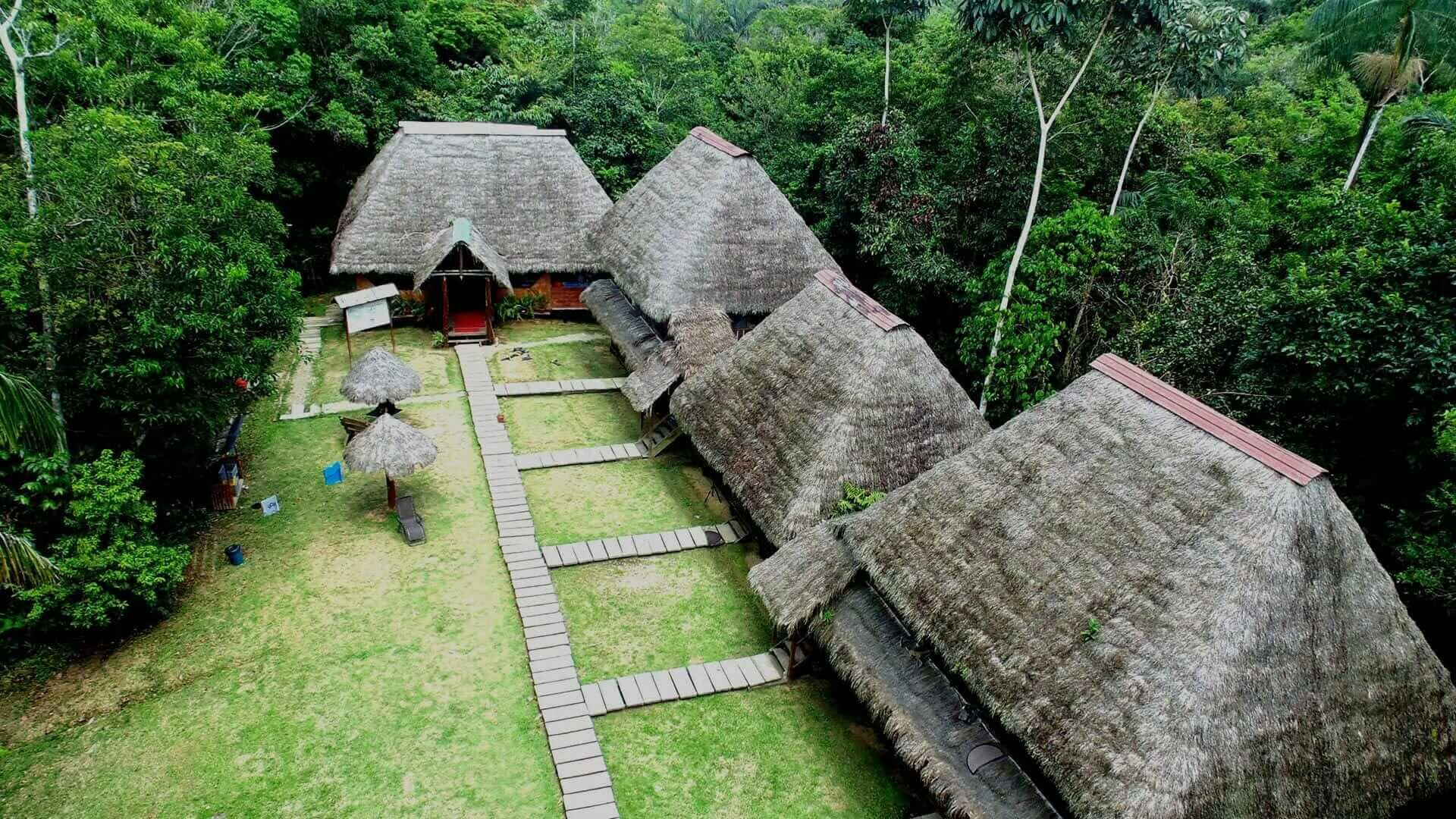
The tour operates with a minimal environmental footprint, using solar-powered lodge infrastructure, biodigesters for waste treatment, and strict leave-no-trace protocols on forest trails.
Guests participate in active wildlife tracking, learn traditional jungle navigation techniques, and spend dedicated time learning about the legal and environmental struggles indigenous nations face to protect Cuyabeno from industrial encroachments.
Key highlights
- Native & Naturalist Dual Guiding: Every excursion is led by a licensed naturalist guide paired with an indigenous tracker whose sharp eyes spot camouflaged wildlife instantly
- Low-Impact Eco-Lodge Stays: Accommodations prioritise environmental stewardship without compromising cleanliness or comfort
- Night Amphibian & Reptile Safaris: Specialised evening walks exploring the smaller, micro-world of the Amazon, from glass frogs to orb-weaver spiders
- Direct Community Revenue Sharing: A portion of tour proceeds goes directly to Siona community development and local forest guardianship initiatives
Ideal for
Ethical travellers, eco-tourists, solo backpackers, and curious minds interested in conservation biology, indigenous rights, and authentic rainforest survival skills.
Local expedition insight
CarpeDM Adventures offers convenient departure coordination from their historic centre office in Quito, making it incredibly simple to organise pre-trip briefings and luggage storage for any heavy bags you do not wish to haul into the rainforest.
The Ecuadorian Coast.
Where you’ll find the very best food
Our practical Cuyabeno multi-day expedition planning guide
Planning an overland multi-day expedition into a remote Amazonian blackwater reserve requires a different mindset than standard travel. Here are five practical, field-tested guidelines from Wheely Tyred to ensure your Cuyabeno journey runs smoothly:
Master transit logistics & pack light
To reach Cuyabeno dock (El Puente), travellers generally choose between an overnight tourist shuttle from Quito (8–9 hours), a public bus from Quitumbe terminal to Lago Agrio, or a short domestic flight from Quito to Lago Agrio (when operational). Once at El Puente, all luggage must be loaded into narrow motorised canoes. Space is strictly limited; pack a compact 30–40L dry duffel for the jungle and arrange to leave your primary rolling luggage or heavy backpack at your Quito hotel or tour operator’s office.
Moisture control & synthetic fabrics
Relative humidity in Cuyabeno routinely sits between 85% and 95%. Cotton garments absorb moisture, stay damp, and quickly smell musty. Bring exclusively lightweight, quick-drying synthetic or merino wool clothing. Long-sleeved shirts and loose trousers are essential for insect protection during forest walks. Store all dry clothing inside waterproof dry sacks (not standard plastic bags, which tear easily) within your backpack.
Managing single supplements & room sharing
Solo travellers are warmly welcomed on almost all Cuyabeno lodge tours. Most operators offer standard shared dorm-style eco-cabins (3–4 beds) with no single supplement charge, creating a fantastic group dynamic. If you prefer a private room and en-suite bathroom, expect a modest single supplement fee (typically $100–$150 USD for a 4-day tour). Book private cabins well in advance, as lodges have limited total room inventory.
Tipping etiquette for guides & drivers
Tipping is deeply appreciated and forms a crucial part of the seasonal income for local staff. A standard guideline for a 4-day tour is $10–$15 USD per day per guest for your lead naturalist guide, $5–$8 USD per day for the canoe driver (whose navigation skills on blackwater rivers are extraordinary), and $5–$8 USD per day split among the lodge kitchen and maintenance staff. Bring small USD cash denominations ($1, $5, $10), as there are no ATMs past Lago Agrio.
Environmental ethics & wildlife safety
Cuyabeno is a protected wildlife reserve, not a zoo. Never touch, feed, or handle wild animals, including frogs, snakes, or monkeys. When swimming in Laguna Grande, always follow your guide’s instructions regarding entry points and time windows. Apply insect repellent after getting off boats and away from water sources to prevent chemical runoff into fragile aquatic ecosystems. Finally, ensure all personal trash—including used batteries and hygiene products—is packed out back to Quito or Lago Agrio.
Step into the Amazonian rhythm
Read this far?
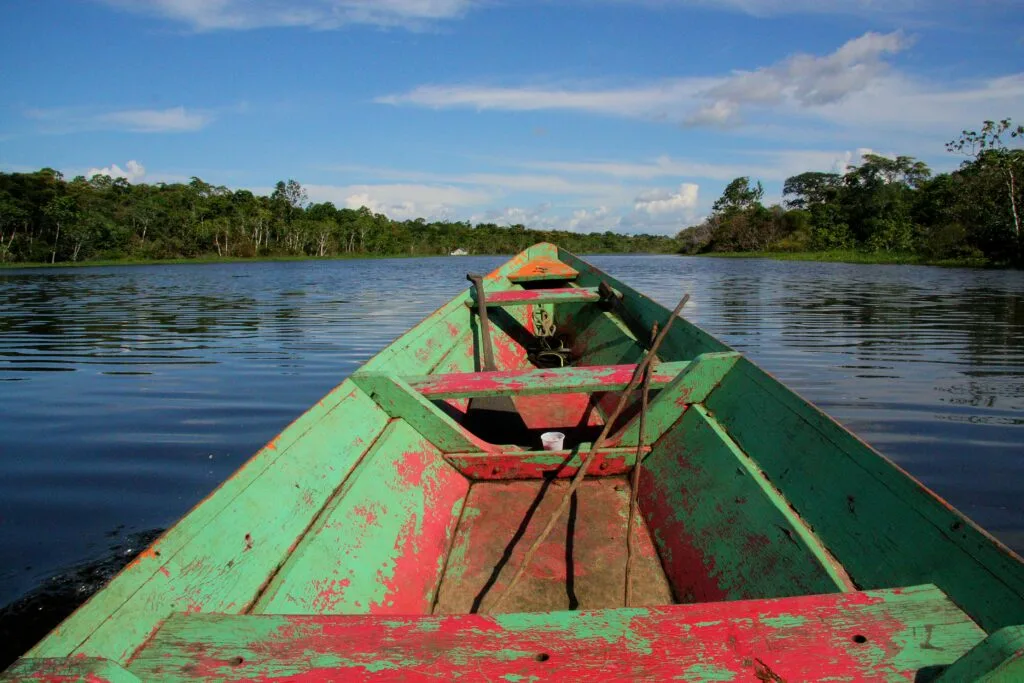
Standing at the edge of the dock at El Puente as the rumble of overland road transport fades behind you, the quiet pull of the Cuyabeno River becomes immediately apparent. Swapping asphalt for blackwater channels is more than a change in transport mode; it marks a distinct shift into a landscape governed entirely by daylight, river levels, and the intricate calls of the forest canopy.
Choosing a structured multi-day eco-lodge expedition over a rushed excursion honours both the environmental fragility of this reserve and your own journey. By committing three, four, or six days to the forest, you afford yourself the patience required to spot camouflaged sloths resting in the upper branches, watch pink river dolphins surface in the dying light of Laguna Grande, and listen to native Siona elders explain the medicinal secrets hidden within ancient kapok trees.
Cuyabeno is a living, complex sanctuary maintained through delicate partnerships between native communities and conscientious tour operators. Travelling here as a thoughtful, independent explorer means treading lightly, packing out every piece of waste you bring in, and allowing the unhurried tempo of the lowland rainforest to redefine your understanding of Ecuador’s wilderness.
Affiliate Disclaimer: Some of the links on Wheely Tyred are affiliate links. If you click through and make a booking or purchase, we may earn a small commission at no extra cost to you. We only recommend gear, tours, stays, and services we genuinely use, trust, and stand behind — our editorial independence always comes first. These commissions help keep our independent cycling guides and travel stories free to read. You can also buy me a coffee here — thanks for supporting the ride!
Frequently asked questions about the best Cuyabeno multi-day tours
Most travellers take an overnight tourist shuttle bus directly from Quito to El Puente (an 8- to 9-hour journey departing around 11:00 PM). Alternatively, you can take a public bus from Quito’s Quitumbe terminal to Nueva Loja (Lago Agrio) and catch an early morning local bus or private transfer to El Puente. Domestic flights from Quito to Lago Agrio are also an option when operational, followed by a 2-hour taxi or shuttle drive to the river dock.
Cuyabeno’s river network consists largely of blackwater rivers, which are stained dark brown or black by decaying organic plant matter and tannins. This process makes the water mildly acidic. Mosquitoes require stagnant, neutral water to lay eggs efficiently; the acidity and gentle flow of Cuyabeno’s blackwater systems significantly suppress mosquito breeding compared to white-water river basins.
Yes, swimming in the open water of Laguna Grande during late afternoon hours is considered safe and is a standard part of most tour itineraries. Piranhas in blackwater systems are generally non-aggressive towards large mammals unless attracted by blood or fish bait. Caimans and anacondas inhabit the vegetated riverbanks and shallow margins rather than the deep, open centre of the lagoon where guides direct guests to swim.
A moderate level of basic fitness is sufficient. Most activities consist of seated canoe safaris and slow-paced forest walks lasting two to three hours. However, walking through primary rainforest involves stepping over slick tree roots, wading through thick mud in rubber boots, and enduring high heat and humidity.
Most eco-lodges operate on off-grid solar power systems supplemented by quiet backup generators during specific hours (usually during lunch and late afternoon). Guest rooms may feature low-voltage lighting, but power outlets for charging cameras, phones, and power banks are typically concentrated in the communal main lodge area during designated generator windows. High-wattage appliances like hair dryers are prohibited.
Ecuador uses the US dollar ($). You should bring crisp, small-denomination bills ($1, $5, $10, and $20 notes) as $50 and $100 bills are rarely accepted in rural areas. Plan to carry approximately 60–100 USD per person to cover guide and boat driver tips, community visits (e.g. buying artisanal crafts or contributing to community funds), and personal snacks or beers purchased at the lodge bar.
Ecuador.
Pure wonder on the equator.