Cycling the spine of the Andes / The best bike tours in the Ecuadorian Sierra
Discover the ultimate guided mountain bike, e-bike, and downhill excursions across Ecuador’s volcanic highlands
From high páramo descents to subtropical canyon trails
BEN FINCH
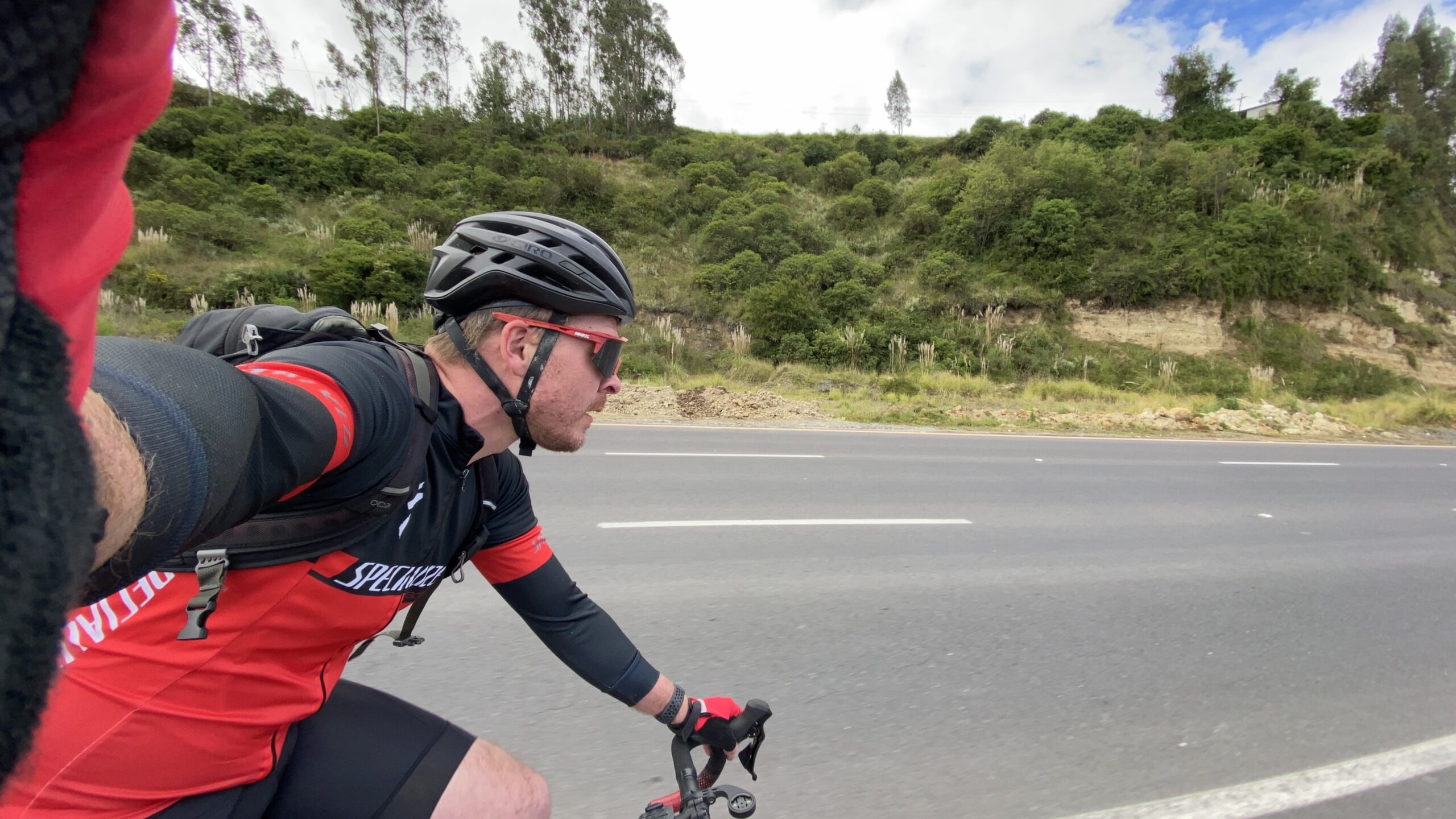
There is a distinct magic to exploring the Ecuadorian Sierra by bicycle. Snaking through the heart of the country, the Avenida de los Volcanes (Avenue of the Volcanoes) stacks snow-capped peaks, high-altitude páramo grasslands, cloud forests, and colonial UNESCO valleys into a compact geographical strip.
While most travellers experience this intoxicating terrain through the tinted windows of a diesel tour bus or crammed into a private shuttle, cyclists know that the true soul of the Andes is only revealed when you feel the crisp mountain air on your face and the gravel under your tyres.
At Wheely Tyred, we advocate for slow, autonomous travel that connects riders directly with local landscapes and mountain communities. Cycling across the Sierra allows you to cover vast distances without missing the subtleties: the scent of wild eucalyptus groves, the sudden shift in temperature as you descend from alpine tundra into subtropical cloud forest, and the warm greetings from indigenous Kichwa farmers working terraced hillsides.
Whether you are seeking the pulse-pounding thrill of descending a 4,800-metre volcanic slope, coasting past dozens of roaring waterfalls, or gliding along historic cobblestones and riverside parkways in Quito and Cuenca, guided bike tours offer the ideal balance of local expertise, safety logistics, and seamless gear support. We have vetted scores of offerings across the region to bring you six exceptional, bookable cycling experiences in the Ecuadorian Sierra.
Highlights of cycling the Ecuadorian Sierra
Riding the volcanic spine of the Ecuadorian Andes is equal parts breathtaking tundra descent and colonial exploration. Here are the core takeaways and standout rides from our journey across the Sierra:
- Cotopaxi’s Volcanic Scree: A high-octane, 4×4-supported downhill descent starting near the José Rivas Refuge (4,864 metres), weaving past wild horses and volcanic ash tracks down to Limpiopungo Lagoon
- The Baños Waterfall Corridor: The definitive canyon route along the Pastaza River, linking roaring cascades, high-wire cable cars, and mountain tunnels as you descend towards the Amazon basin
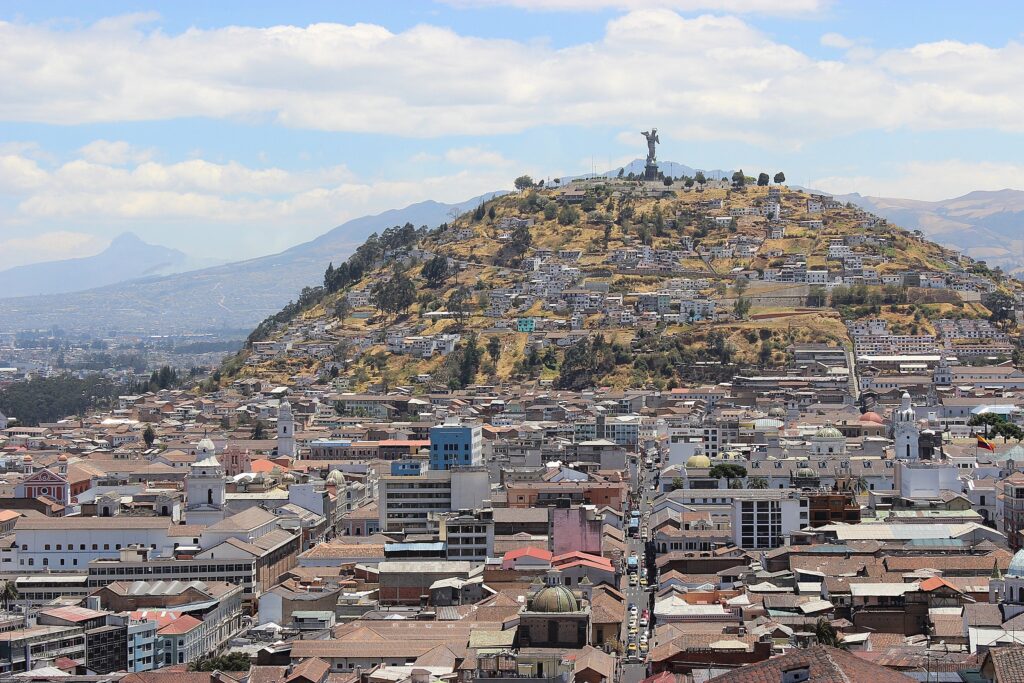
- Quito on Two Wheels: An urban heritage ride navigating the UNESCO-listed historic centre, street-art enclaves, and traditional markets via the capital’s growing network of protected ciclovías
- Cuenca’s Riverside Paths: A serene, flat cultural pedal following the tree-shaded banks of the Tomebamba River directly into ancient Cañari and Inca ruins at Pumapungo Park
- Cloud Forest Gravel in Mindo: A long-distance downcountry gravel descent dropping more than 25 kilometres through the biodiverse Chocó Andino Biosphere Reserve
- Chimborazo’s Alpine Crest: The ultimate high-altitude challenge, descending 28 kilometres across barren páramo slopes in the shadow of Earth’s closest point to the sun
- Acclimatisation & Microclimates: Success in the highlands demands respecting the elevation—always spend 48 to 72 hours acclimatising at lower altitudes and pack versatile layers for rapid weather shifts
The Ecuadorian Sierra.
Get lost in the hills
1. High-altitude volcanic thrills / Downhill Cotopaxi
Rating & reviews
(18+ verified reviews on GetYourGuide)
Why this specific tour stands out
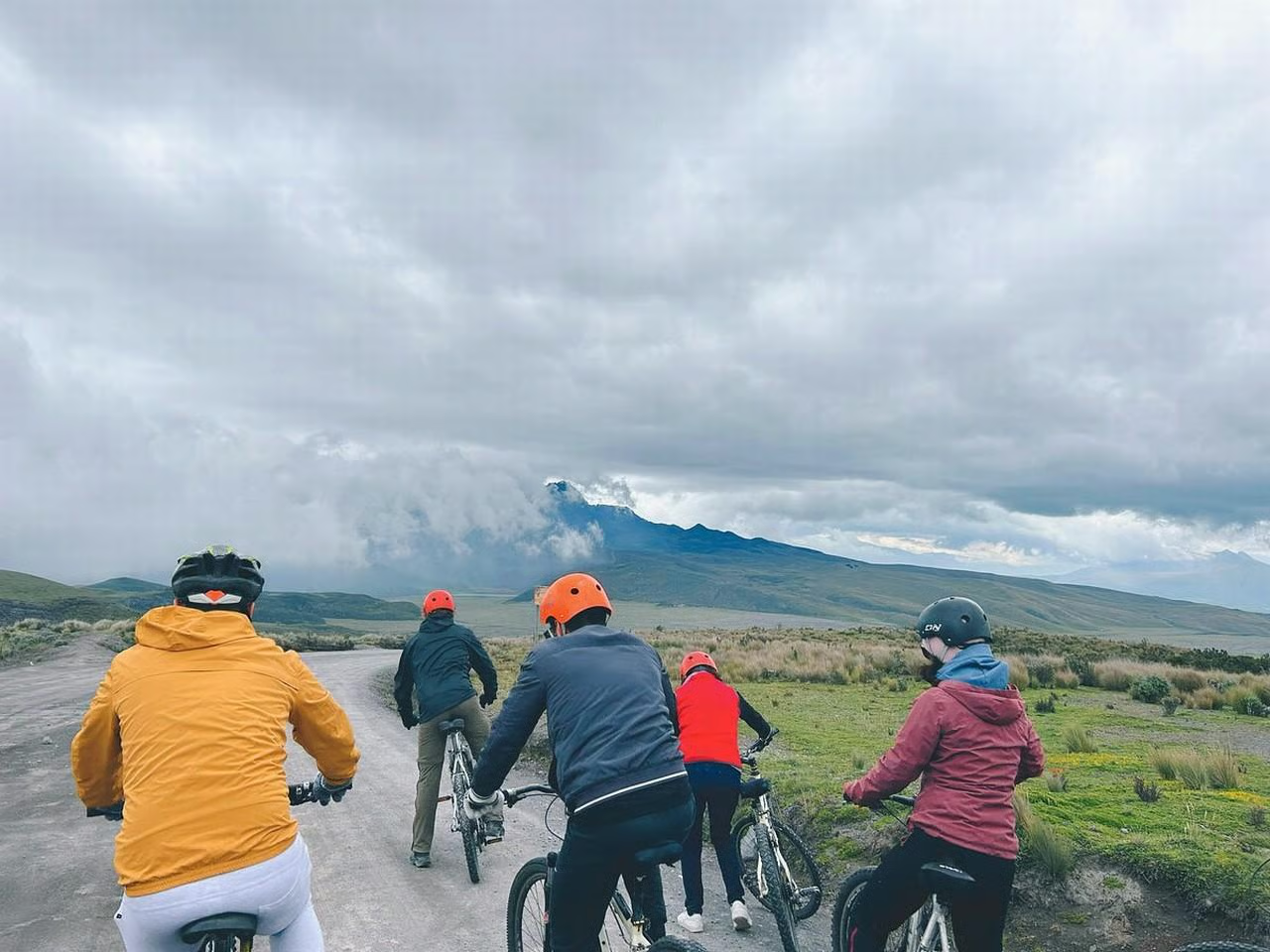
Riding on the active slopes of Cotopaxi (5,897m)—one of the highest active volcanoes in the world—is a rite of passage for mountain bikers visiting South America. This expertly organized day trip handles the tricky high-altitude transport logistics by transporting you from Quito along the Pan-American Highway straight into Cotopaxi National Park in a rugged 4×4 vehicle. After an acclimatisation hike up to the iconic José Rivas Refuge (4,864m), riders are equipped with front-suspension mountain bikes, full safety gear, and windproof layers.
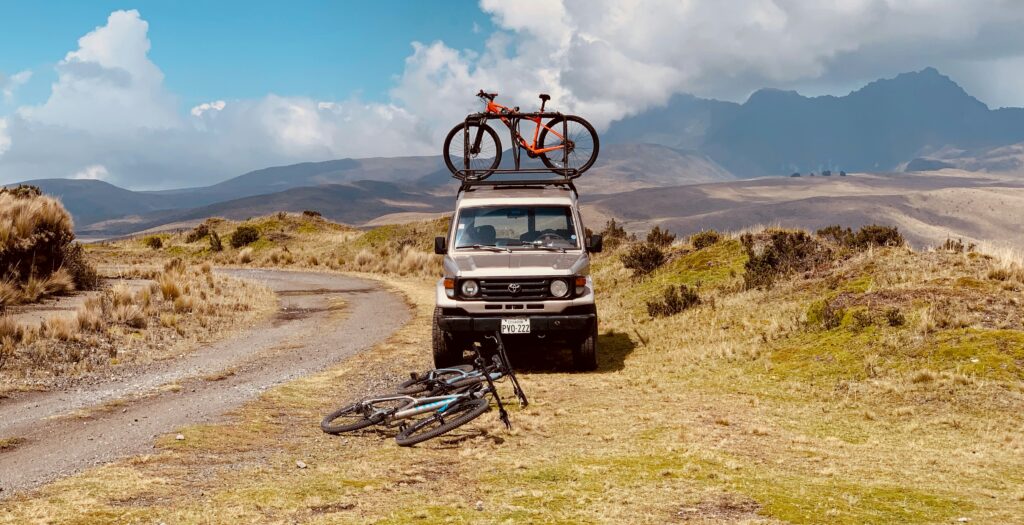
The main event is a 30-to-40-minute downhill swoop over volcanic ash tracks, single-track dirt trails, and sweeping gravel roads, descending directly to the shores of the glacier-fed Limpiopungo Lagoon (3,800m). The tour provider maintains small group sizes and provides a support vehicle that follows behind the convoy, ensuring a safe, exhilarating ride for all skill levels.
Key highlights
- Vehicle support up to 4,500m, followed by an optional high-altitude hike to the José Rivas Refuge (4,864m)
- Pure downhill mountain biking across volcanic single-track and gravel trails surrounded by wild horses
- Scenic ride finale at the windswept Limpiopungo Lagoon with panoramic views of the Rumiñahui and Cotopaxi peaks
- Hearty traditional Andean lunch and warm canelazo tea included post-ride
Ideal for
Adrenaline seekers, fit adventure travellers, and intermediate riders eager to experience high-altitude downhill cycling without strenuous uphill pedalling.
Local cycling insight
Elevation and exposure are the primary challenges here. Even on a purely downhill descent, handling a bike at nearly 4,500 metres above sea level requires focus. Ensure you have spent at least 48 hours acclimatising in Quito (2,850m) prior to booking. The weather in the high páramo shifts instantly; layer up with windproof, waterproof jackets, full-finger cycling gloves, and thermal headwear beneath your helmet.
2. The golden standard canyon route / Baños waterfalls descent
Rating & reviews
(2+ verified reviews on GetYourGuide)
Why this specific tour stands out
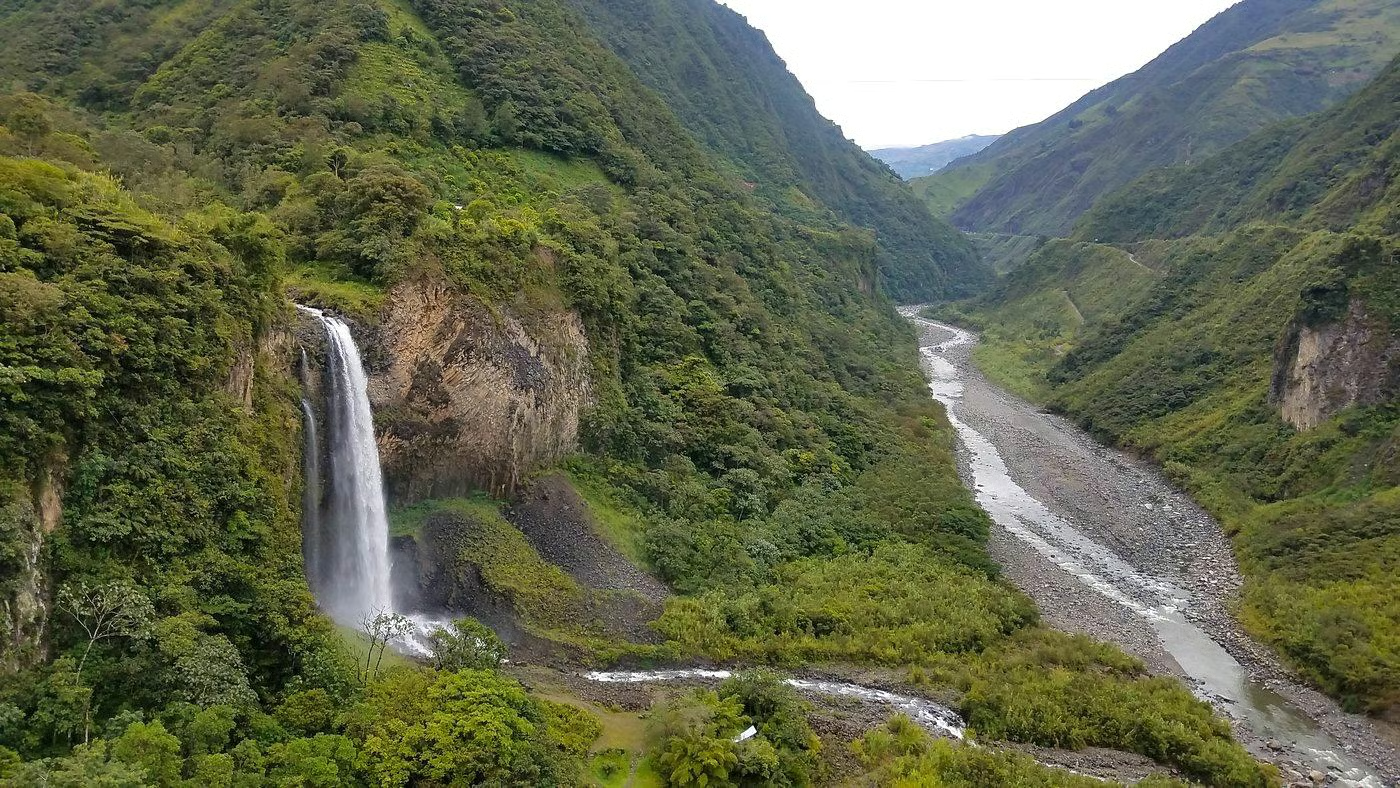
The famed Ruta de las Cascadas (Waterfall Route) connects the Andean spa town of Baños de Agua Santa with the rim of the Amazon basin along the dramatic Pastaza River canyon. While hundreds of tourists attempt this on clunky rental bikes without guidance, booking this guided small-group adventure transforms the ride into a rich eco-cultural journey.
Your guide manages canyon road positioning, leads you through mountain tunnels safely, and takes you off the tarmac onto quiet side trails. The bikes are well-maintained mountain bikes equipped with hydraulic disc brakes—essential for safe control on wet downhill asphalt.
Key highlights
- Downhill road and path cycling through the lush Pastaza River canyon
- Cable car (tarabita) crossing high above the gorge at the thunderous Manto de la Novia waterfall
- Sightseeing stops at Agoyán and San Pedro waterfalls, plus a visit to Río Verde village
- Guided hike to the base of Pailón del Diablo (Devil’s Cauldron), Ecuador’s most spectacular roaring waterfall
- Included return transit by local truck (chiva) back to Baños, sparing your legs the uphill grind back
Ideal for
Casual cyclists, nature lovers, photographers, and families seeking an accessible, wildly scenic ride with maximum reward for minimal pedalling effort.
Local cycling insight
Although the route is almost entirely downhill, you will share sections of the road with motor traffic and local buses. Local drivers are accustomed to cyclists along this corridor, but wearing a high-visibility helmet, utilizing front/rear lights through mountain tunnels, and riding in single file are mandatory safety practices. Pack a waterproof poncho or light rain jacket—mist from the waterfalls and sudden subtropical showers are guaranteed!
The Ecuadorian Amazon.
The most biodiverse place in the world
3. Urban heritage on two wheels / Quito colonial & modern cycle tour
Rating & reviews
(6+ verified reviews on GetYourGuide)
Why this specific tour stands out
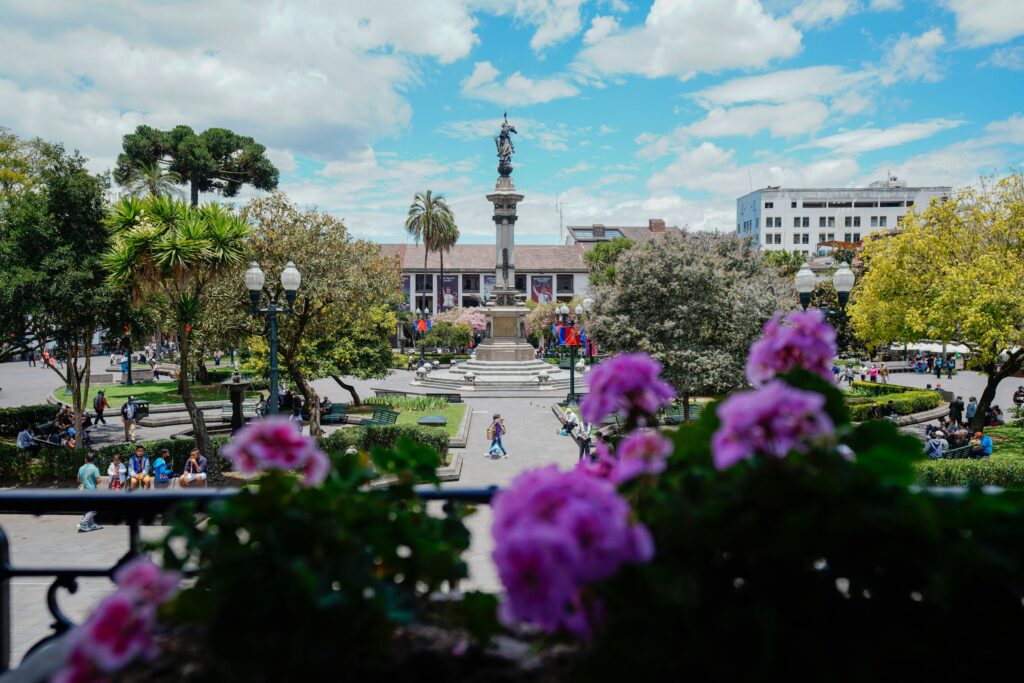
Navigating Quito’s high-altitude urban layout can feel daunting, but this thoughtfully routed 360-degree cycle tour unlocks South America’s best-preserved UNESCO Historic Centre with effortless grace.
Capitalising on Quito’s expanding bike-lane network (ciclovías) and dedicated pedestrian avenues, the route connects the contemporary financial district, Bohemian La Floresta, and urban parks like La Carolina before rolling into the cobblestone heart of Old Town.
Guided by passionate local urbanists, you bypass gridlocked street traffic while discovering street art, local markets, and centuries-old plazas at an easy-going pace.
Key highlights
- Guided exploration of La Floresta’s vibrant street art scene and the bustling Iñaquito market
- Safe cycling through La Carolina Park and along dedicated urban cycleways
- Historic stops at Plaza Grande, Independence Square, and the golden interiors of La Compañía Church
- Single-origin Ecuadorian craft chocolate tasting session embedded into the route
Ideal for
Culture hounds, urban explorers, first-time visitors to Quito, and eco-conscious travellers wanting an immersive orientation to the capital city.
Local cycling insight
Quito rests at 2,850 metres, and even gentle city gradients can leave unacclimatised legs burning. Thankfully, 90% of this tour’s route is flat or slightly downhill along protected lanes. Ecuador enforces helmet laws strictly in urban environments; your guide will provide a certified helmet. Hydrate frequently and apply high-factor SPF sunscreen—the equatorial sun at this elevation is exceptionally strong, even on overcast days.
4. Colonial river sides & Inca footsteps / Cuenca cultural cycle
Rating & reviews
(15+ verified reviews on Viator)
Why this specific tour stands out
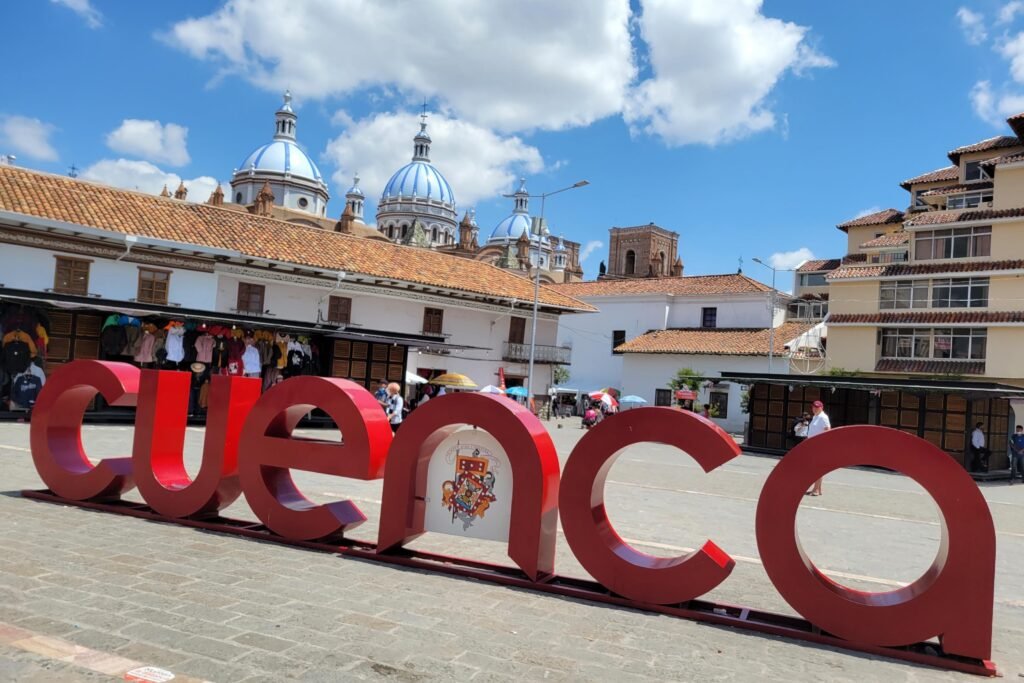
Cuenca is widely considered Ecuador’s most elegant colonial city, and its four rushing rivers make it an absolute paradise for urban cycling. This 3-hour guided pedal skips noisy main roads to trace the grassy, tree-shaded banks of the Tomebamba River.
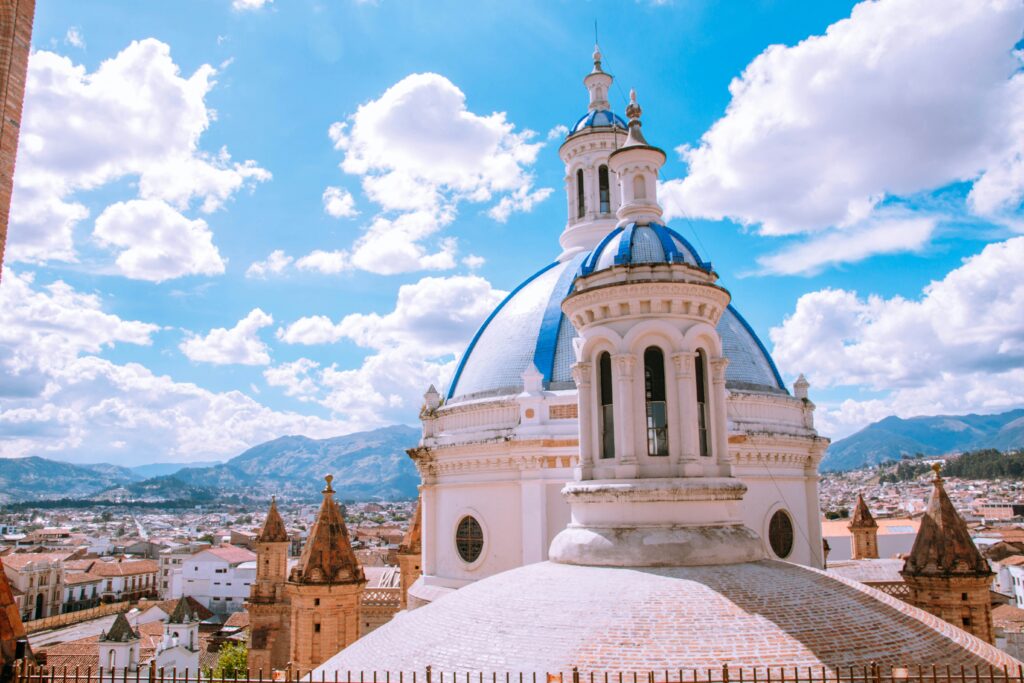
You will ride past the cliffside houses of El Barranco, cross historic stone bridges, and roll right into the Pumapungo Archaeological Park—an ancient Cañari and Inca complex hidden in the city centre. With top-quality city bicycles, expert historical commentary, and flat riverside trails, it offers an authentic, relaxing peer-to-peer exploration of Cuenca’s heritage.
Key highlights
- Peaceful riding along the green pathways flanking the Tomebamba and Yanuncay Rivers
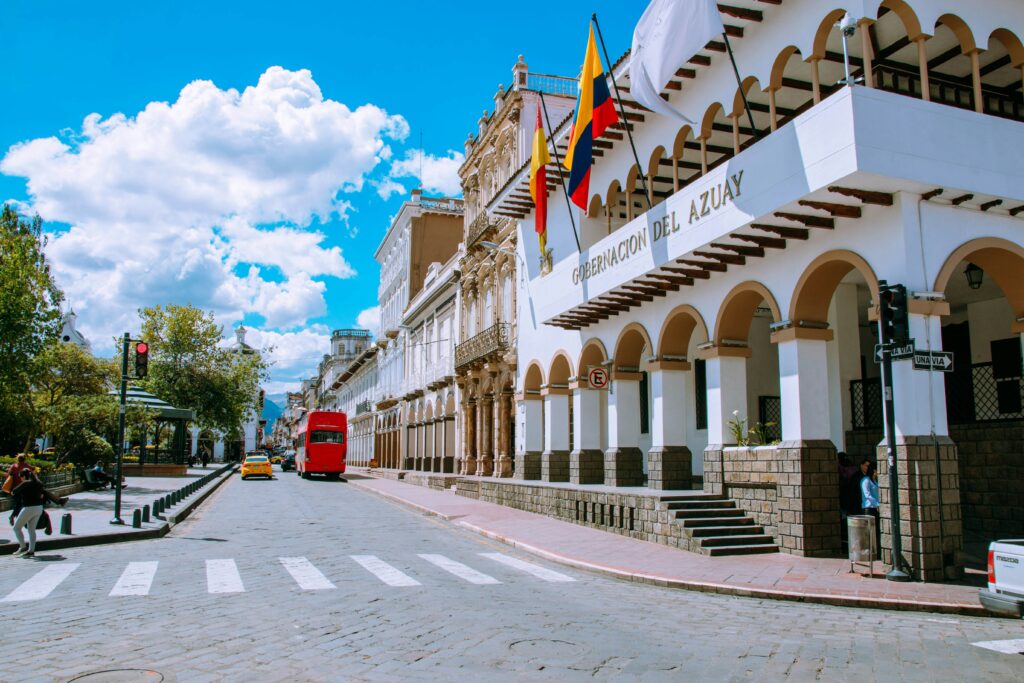
- Historic architecture tour of El Barranco and the UNESCO-listed colonial centre
- On-foot stop and guided visit inside the Pumapungo Inca ruins and botanical garden
- Refreshment break at a traditional local café in the arts district
Ideal for
Senior riders, leisure cyclists, history buffs, and anyone seeking a serene, flat ride through one of South America’s most charming cities.
Local cycling insight
Cuenca sits at a comfortable 2,560 metres, making physical exertion far easier here than in Quito or Cotopaxi. Watch out for smooth cobblestones in the historic centre, particularly after rain, as they can prove slippery. Wear shoes with good rubber tread and stick to the paved riverside park paths (parques lineales) for the smoothest riding conditions in the city.
The Galápagos.
Ecuador’s Enchanted Isles
5. Andean cloud forest downcountry descent / Mindo Chocó Reserve
Rating & reviews
(1+ verified reviews on GetYourGuide)
Why this specific tour stands out
For riders who crave raw biodiversity and mountain gravel roads, this day trip from Quito into the UNESCO Chocó Andino Biosphere Reserve is unbeatable. Departing the high Andean capital, a short drive brings you to the mountain pass near the historic village of Nono.
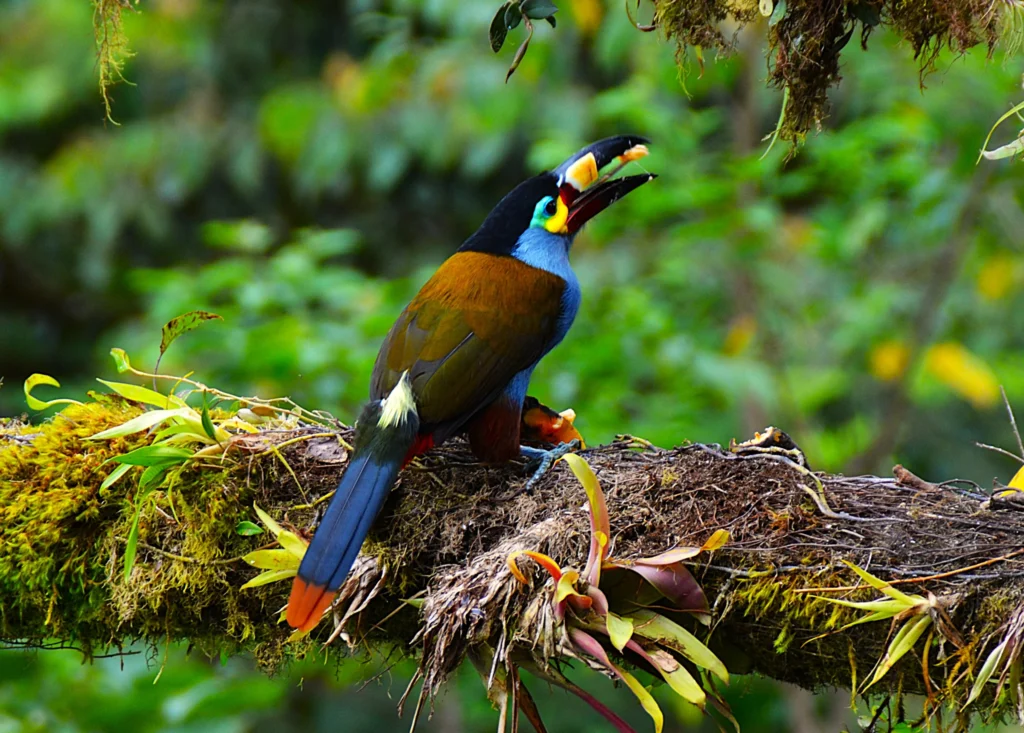
From here, you mount high-spec front-suspension mountain bikes to begin a thrilling, long-distance gravel descent down through multiple ecological zones. The air grows warmer and denser as you roll beneath giant fern canopies, past rushing waterfalls, and into the subtropical birdwatcher’s haven of Mindo.
Key highlights
- 25+ kilometre gravel descent through the pristine Andean Chocó cloud forest
- World-class birdwatching opportunities along the trail (toucans, tanagers, and hummingbirds)
- Pit-stop in the heritage highland village of Nono for traditional coffee and local breakfast
- Post-ride visit to Mindo’s butterfly sanctuaries or artisan bean-to-bar chocolate workshops
Ideal for
Gravel riders, mountain bikers, nature lovers, and active cyclists who enjoy off-pavement descents surrounded by dense tropical rainforest.
Local cycling insight
The route follows packed dirt, loose gravel, and mud patches through cloud forest terrain. Proper trail braking control is essential. Moist climate conditions mean you should wear breathable, moisture-wicking layers beneath a light rain shell. Bring clear-lens cycling glasses to protect your eyes from dust and raindrops under the dark forest canopy.
6. The crown of the Andes / Chimborazo alpine downhill
Rating & reviews
(50+ verified reviews on GetYourGuide)
Why this specific tour stands out
Mt Chimborazo (6,263m) is the highest peak in Ecuador, and due to the Earth’s equatorial bulge, its summit is the closest point on the planet’s surface to the sun. Operating directly out of the adventure hub of Baños de Agua Santa, this mountain biking excursion handles all high-altitude transport and safety gear.
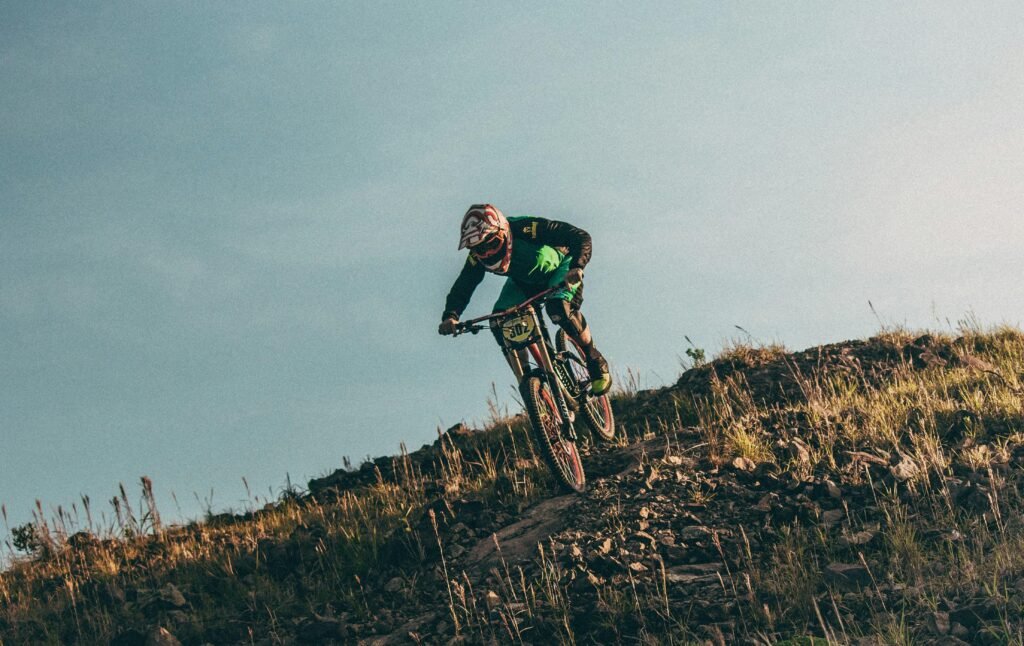
After a scenic drive up into the Chimborazo Fauna Production Reserve, you trek up past the high-altitude refuges before equipping protective pads and full-face helmets. The main event is an alpine mountain bike descent across the stark Andean páramo.
You will weave through vast gravel tracks, descend through dramatic mountain canyons, and spot herds of wild vicuñas roaming the tundra.
Key highlights
- High-altitude trekking above 4,800 metres near the glacier boundary of Mt Chimborazo
- Long-distance downhill mountain bike descent through high páramo grasslands and volcanic gravel trails
- Direct wildlife sightings of wild vicuñas (the native wild ancestor of the alpaca)
- Seamless round-trip transport from Baños with expert mountain biking guides and support vehicle
Ideal for
Experienced mountain bikers, active thrill-seekers, and bucket-list riders looking to tackle one of the highest accessible mountain bike descents on Earth.
Local cycling insight
Respect the extreme altitude and wind. Temperature at the starting elevation can linger near freezing (0°C) before warming up as you drop into the valleys. High wind gusts across the open páramo require a firm grip on your handlebars. Ensure your tour provider supplies high-spec bikes with hydraulic disc brakes and air suspension forks to absorb the rugged volcanic terrain.
The Ecuadorian Coast.
Where you’ll find the very best food
Our practical Sierra cycling & ride planning guide
Planning a two-wheeled journey across the Ecuadorian Sierra requires careful preparation to deal with variable terrain, high altitude, and rapidly shifting weather patterns. Here are our essential local tips for a smooth, safe ride:
Prioritise acclimatisation above all
Never schedule a high-altitude ride (such as Cotopaxi or Chimborazo) on your first day in Ecuador. Spend at least 2–3 days doing lower-elevation urban rides in Cuenca (2,560m) or Quito (2,850m) to allow your body to build red blood cells before tackling 4,000m+ mountain passes.
Layering for microclimates
The Sierra is famous for delivering four seasons in a single morning. Start with a breathable merino wool base layer, add a thermal mid-layer, and top it off with a windproof/waterproof cycling jacket. Compact rain gear is non-negotiable.
Understand local road etiquette
On routes shared with traffic (like the Baños Waterfall highway), ride predictably in single file. Ecuadorian drivers are generally accustomed to cyclists on tourist corridors, but heavy bus traffic requires vigilance. Always keep your eyes on the road surface to spot sudden potholes or drainage grates.
Inspect safety gear before roll-out
Check that your rental or tour bike features functioning front and rear brakes (preferably hydraulic disc brakes for wet mountain roads). Helmets are legally mandated for cyclists across Ecuador; always ensure your helmet fits snugly and is certified for impact protection.
Hydration & high-altitude nutrition
High altitude and dry mountain air dehydrate riders rapidly, even if you do not feel sweaty. Carry a refillable water bottle or hydration bladder, and consume electrolytes alongside local snacks like melcocha (traditional sugarcane candy from Baños) or dried banana chips for fast-burning energy.
Saddle up for the spine of the Andes
The Ecuadorian Sierra is not a region you simply pass through; it is a landscape that demands your full presence. Beyond the famous panoramic viewpoints and volcanic peaks lies an interconnected world of highland farmers, quiet river paths, and subtropical canyons best experienced at the human scale of a bicycle. When you trade the insulated bubble of a tour bus for handlebar control and mountain air, every descent becomes an earned story.
Whether you are testing your grit against the loose volcanic ash of Cotopaxi or leisurely tracing Cuenca’s leafy riverbanks, guided day rides provide the crucial bridge between local knowledge and high-altitude logistics. Having a dedicated support vehicle and a seasoned local guide behind you means you can focus entirely on your line, your breathing, and the incredible Andean terrain unfolding around every bend.
At Wheely Tyred, we firmly believe that two wheels offer the most authentic lens for exploring South America’s volcanic backbone. Take the time to acclimatise properly, layer up against the highland winds, respect the mountain weather, and let the wild beauty of the Sierra set the tempo for your journey. The trails are waiting—we will see you out on the páramo.
Affiliate Disclaimer: Some of the links on Wheely Tyred are affiliate links. If you click through and make a booking or purchase, we may earn a small commission at no extra cost to you. We only recommend gear, tours, stays, and services we genuinely use, trust, and stand behind — our editorial independence always comes first. These commissions help keep our independent cycling guides and travel stories free to read. Thanks for supporting the ride!
Frequently asked questions about the best bike tours in the Ecuadorian Sierra
Not necessarily. While high-altitude descents like Chimborazo or Cotopaxi require good bike control on loose gravel and scree, routes like the Ruta de las Cascadas in Baños or the urban riverside trails in Cuenca are fully accessible to casual cyclists and families. Most downhill excursions include support vehicles, allowing riders to opt out of tricky sections whenever needed.
We strongly recommend spending at least two to three days acclimatising in Quito (2,850m) or Cuenca (2,560m) before attempting rides on Cotopaxi or Chimborazo. Engaging in light urban cycle tours or low-elevation hikes during your first couple of days helps your body build red blood cells before tackling extreme altitudes.
The dry season, running from June to September, offers the clearest skies and most stable trail conditions across the Sierra. A secondary dry window occurs from December to February. However, Andean weather is notoriously changeable, so cyclists should always prepare for sudden mist or brief highland showers regardless of the month.
Yes, Ecuadorian traffic laws mandate helmet use for cyclists in both urban and rural environments. Certified helmets and protective elbow or knee pads (for technical downhill rides) are provided by all reputable guided tour operators.
High-altitude riding burns calories rapidly. Local cyclists rely on canelazo—a hot, spiced cinnamon tea made with fruit juice—to warm up after cold descents. For quick energy on the trail, grab some melcocha (artisanal sugarcane candy handcrafted in Baños), dried plantain chips, or a hearty bowl of locro de papa (a thick potato soup served with cheese and avocado) at the end of the ride.
One of the greatest advantages of booking a guided cycling excursion in Ecuador is the return logistics. High-altitude volcano rides utilise 4×4 vehicles to carry you and your bike to the top, while canyon rides like the Baños Waterfall route include return transport in local wooden trucks (chivas) or vans to spare your legs the uphill grind back.
Ecuador.
Pure wonder on the equator.