Amazonian flavours in Tena / The ultimate forest-to-table experience
Tena food tour guide / Authentic Amazonian cooking classes & cacao workshops
Discover the native foodways of the Ecuadorian rainforest
BEN FINCH
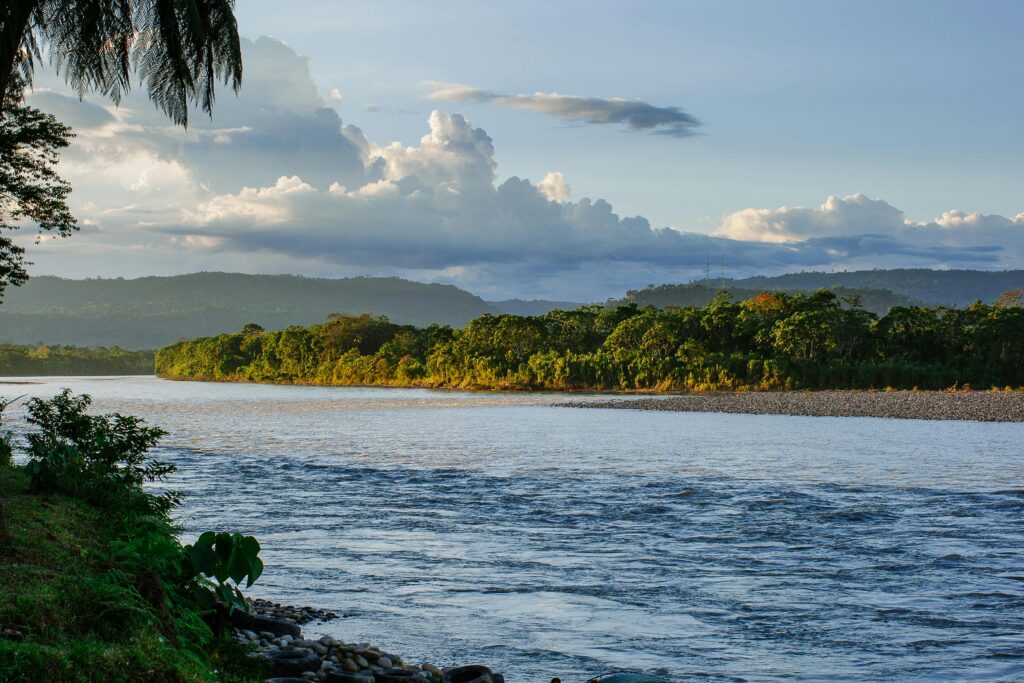
To truly understand Tena, you must taste the rainforest. Nestled in the lush foothills of Ecuador’s Napo province, where the eastern slopes of the Andes flatten into the vast Amazon basin, Tena is a town defined by water, wilderness, and deep-rooted indigenous heritage. Long celebrated as the whitewater rafting capital of Ecuador, this vibrant jungle hub holds an equally compelling secret for travellers who measure a destination by its plate: one of the most biodiversity-rich culinary landscapes on Earth.
At Wheely Tyred, our philosophy on travel is rooted in slow, autonomous exploration. We believe that stepping off the sanitised tourist track and pulling up a wooden stool beside a local cook yields far deeper insight than any museum display ever could. In the Amazonian jungle, food is far more than mere sustenance. It is a living archive of ethnobotanical wisdom, environmental stewardship, and ancestral Kichwa culture passed down through generations.
Navigating this complex culinary ecosystem on your own, however, can be daunting. The true flavours of Napo—wild-foraged jungle herbs, heart of palm harvested hours before cooking, and river fish wrapped in fragrant leaves—do not live on mass-market buffet lines or in westernised town centre restaurants. They are held within indigenous home kitchens, agroforestry plots (chakras), and small-scale artisanal cacao lodges hidden along rainforest tributaries.
Joining small-group, locally led food tours and masterclasses grants you privileged access to these traditional foodways while ensuring your travel spend directly supports indigenous hosts and sustainable family-run enterprises.
Whether you are looking to master open-fire Amazonian cooking techniques or craft your own bean-to-bar dark chocolate from pure Cacao Fino de Aroma, here are the absolute best culinary experiences in Tena.
The Amazonian table / Highlights of the Tena culinary trail
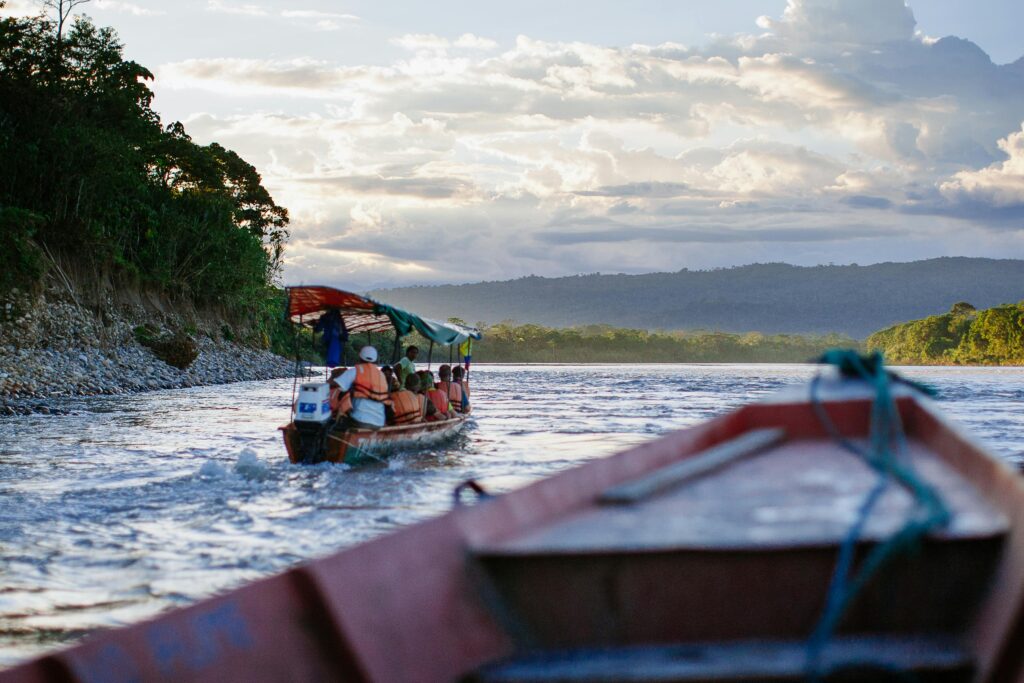
Unlock the deep, complex flavours of the Ecuadorian rainforest through these curated, intimate experiences. From ancestral cacao traditions to wood-fired forest feasts, here is the essence of Tena’s culinary scene.
- Signature Maito: Discover the traditional method of slow-roasting river fish in bijao leaves over an open fire, a technique unchanged by time
- Ancestral Cacao: Trace the history of Cacao Fino de Aroma from raw pod to artisan bar in the spiritual birthplace of chocolate
- Indigenous Connection: Engage directly with Kichwa hosts who share the ethnobotanical wisdom behind every leaf and fruit harvested
- Sustainable Eating: Support low-impact, small-scale tourism that puts indigenous food security and family heritage at the forefront
- Cultural Immersion: Move beyond the surface level with experiences that prioritise storytelling and the exchange of traditional ecological knowledge
- Practical Wisdom: Learn the local nuances of market etiquette, cash management, and the invigorating benefits of traditional guayusa tea
Tena.
Enter the Amazon
Ancestral fire & forest foraging / The indigenous cooking experience
Rating & reviews
(2+ verified user reviews on Viator)
Why this tour stands out
If you want to understand how indigenous Amazonian communities have nourished themselves for centuries without modern appliances or commercial supply chains, this six-hour immersive masterclass is essential. Convening in the heart of Tena at Parque Central, your private host escorts you from the urban centre into a serene, native community setting.
Unlike conventional cooking classes where ingredients arrive pre-chopped on stainless steel counters, this forest-to-table journey emphasises the vital relationship between the kitchen and the jungle. Guided by native Kichwa hosts, you will learn how local families gather seasonal produce, harvest wild forest herbs, and prepare food over open wood fires using natural leaf wrapping and smoke infusion.
Your hosts share rich stories of rainforest medicinal plants, sustainable foraging ethics, and traditional food preservation, transforming a lunch session into an unforgettable cultural exchange.
Key highlights
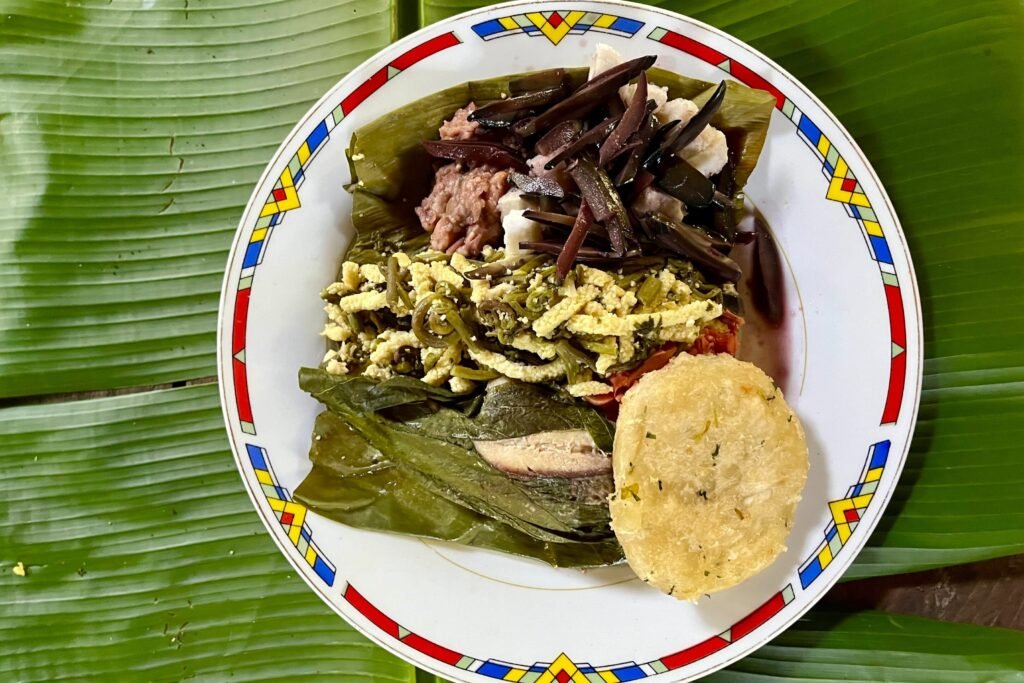
- Starter / Tortillas de Yuca: Hand-mashed cassava patties cooked to golden perfection, served alongside seasoned native beans and crisp, freshly fried plantain chips
- Main Course / Traditional Maitos: Freshly caught river fish combined with tender palmito (heart of palm) and native forest botanicals, bound tightly inside wild bijao leaves and slow-roasted over burning wood coals
- Dessert / Rainforest Fruit Tasting: A vibrant, refreshing platter of seasonal local fruits, including wild papaya, snake fruit (salak), and pink dragon fruit (pitahaya)
- Artisanal Drinks: Handcrafted fruit wines, native herbal liqueurs infused with rainforest bark, and freshly brewed regional coffee and herbal teas
Ideal for
Culinary purists, slow travellers, flexitarians, and culture enthusiasts seeking an intimate, unhurried look at indigenous gastronomy. It is equally fantastic for plant-based diners, as the hosts readily adapt dishes using fresh heart of palm and cassava.
Local culinary insight
Maito is the signature dish of Napo province, but its success relies entirely on the leaf. The large, waxy leaves of the bijao plant do not merely hold the ingredients together; as they heat over the coals, they steam the fish in its own natural juices while imparting a delicate, grassy aroma that no foil or parchment paper can imitate. When served, unwrap the leaves gently with your hands and eat directly from the natural platter—utensils are entirely optional in traditional Kichwa dining etiquette.
The Ecuadorian Amazon.
The most biodiverse place in the world
From pod to bar / Mastering Amazonian cacao fino de aroma
Rating & reviews
(New activity on GetYourGuide)
Why this tour stands out
Ecuador is world-renowned for producing Cacao Fino de Aroma (also known as Nacional cacao), an ancient variety prized by top international chocolatiers for its floral notes and complex flavour profile. Genetic research reveals that cacao was first domesticated in the upper Amazon basin over 5,000 years ago—making Tena the spiritual cradle of chocolate.
Hosted at the peaceful Wisdom Forest Yoga Lodge nestled in the rainforest outside central Tena, this two-and-a-half-hour hands-on workshop walks you through every single step of the bean-to-bar process. Under the guidance of local cacao experts, you do not just observe; you touch, smell, roast, grind, and taste at every distinct phase of transformation. It is a sensory exploration that permanently changes how you perceive real dark chocolate.
Key highlights
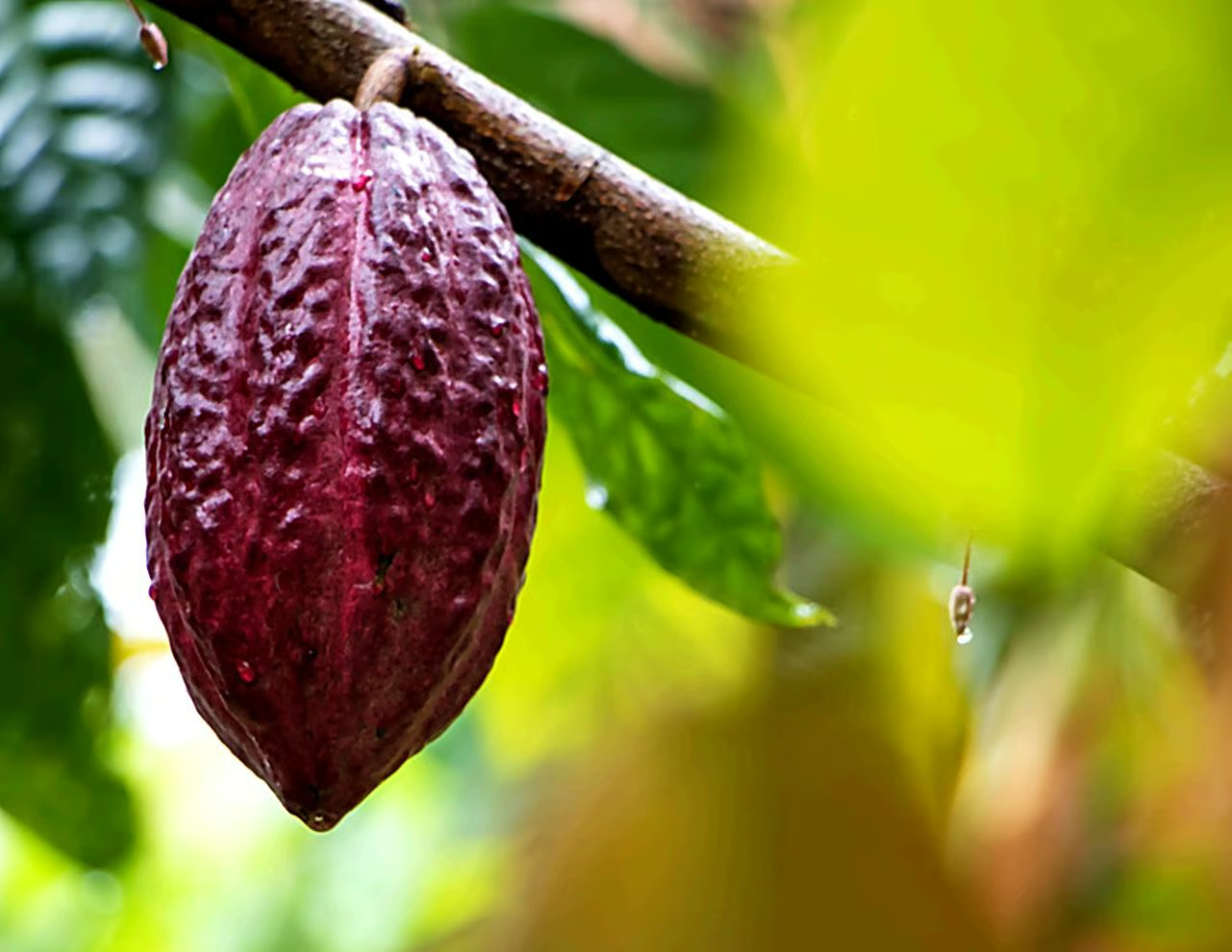
- Raw Pod Exploration: Slice open freshly harvested cacao pods to taste the sweet, citrusy white pulp (mucilage) surrounding the raw seeds straight off the tree
- Fermentation & Drying Mastery: Learn how smallholder farmers use wooden boxes and solar drying beds to unlock the complex aromatic precursors of native Nacional beans
- Wood-Fire Roasting & Stone Grinding: Shell wood-fired cacao beans by hand and grind them using traditional stone mills until friction converts the solid nibs into a smooth, glossy chocolate liquor
- Custom Bar Crafting: Temper and pour your own personalised artisanal chocolate bar, selecting from natural rainforest additions such as sea salt, wild ginger, chilli, or dried local fruit before wrapping it to take home
Ideal for
Chocolate connoisseurs, families travelling with children, curious foodies, and eco-conscious travellers interested in sustainable agroforestry and biodiversity conservation.
Local culinary insight
Industrial chocolate often strips away cocoa butter and relies heavily on chemical alkalisation (Dutch processing) and excess refined sugar. Pure Amazonian cacao, by contrast, is a nutrient-dense superfood packed with antioxidants, healthy lipids, and natural stimulants like theobromine. Pay close attention during the grinding stage: as the friction breaks down the cellular walls of the bean, the sudden release of warm, natural cocoa butter fills the air with an aroma that is impossible to forget.
The Ecuadorian Sierra.
Get lost in the hills
Our practical Tena food tour & dining guide
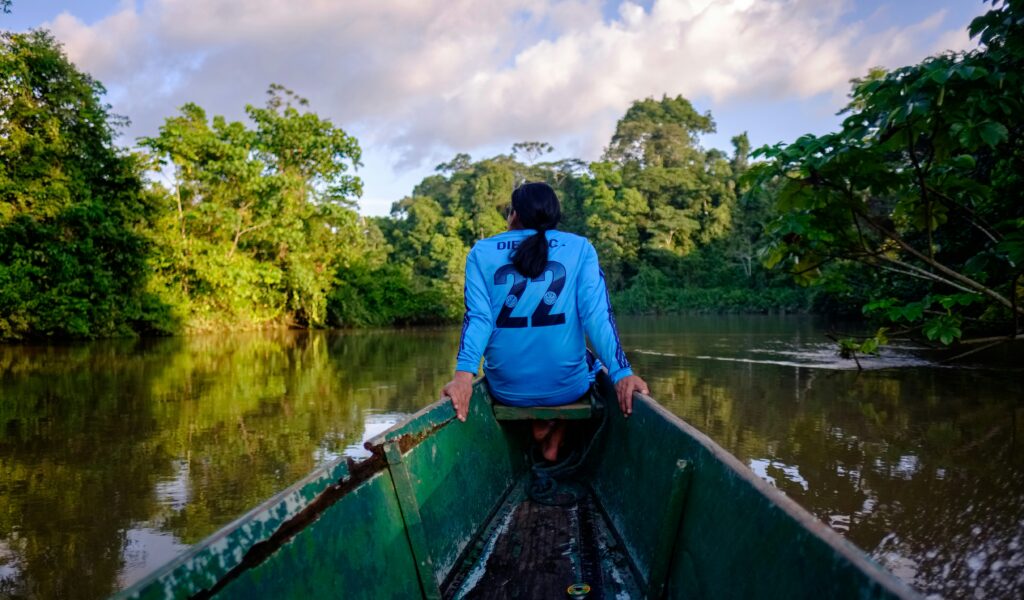
To ensure your culinary adventure through Tena and the broader Napo province is smooth, safe, and deeply rewarding, keep these practical tips from our editorial team in mind:
1. Navigating dietary requirements & allergies
Indigenous Amazonian cuisine is naturally accommodating for gluten-free travellers, as ancestral carbohydrates rely heavily on root tubers like yuca (cassava) and plantains rather than wheat or barley. Vegetarians and vegans are also well catered for: request a maito de palmito (heart of palm wrapped in leaves) or tortillas de yuca without cheese. If you have severe nut or seafood allergies, inform your tour hosts in advance; while river fish and root vegetables dominate, jungle oils and wild seeds are occasionally utilised.
2. Market street food hygiene & safety
Tena’s permanent markets—most notably Mercado Central and Mercado Sur—are fantastic places to observe daily life and sample regional snacks such as grilled chontacuros (protein-rich palm grubs cooked on skewers). When sampling market food, follow our golden rule: choose busy stalls with high turnover where food is cooked fresh over open flames directly in front of you. Stick strictly to bottled or treated water, and decline ice in casual street drinks.
The Galápagos.
Ecuador’s Enchanted Isles
3. Pacing your culinary exploration
Amazonian dishes are incredibly satisfying and energy-dense, designed historically to sustain hunters and farmers through long days in humid rainforest terrain. Starch-rich staples like cassava, cooked plantains, and sweet potatoes can feel heavy if consumed quickly in high humidity. Pace yourself during multi-stop tastings, stay hydrated with fresh water or hot guayusa tea (a native holly leaf infusion rich in smooth caffeine and antioxidants), and leave adequate time to rest between morning market walks and afternoon cooking classes.
4. Cash vs digital payments in Napo Province
Ecuador uses the United States dollar ($ USD). While high-end hotels and major tour operators in Quito or Baños accept credit cards, Tena’s culinary scene remains resolutely cash-based. Local market vendors, street food stalls, taxi drivers, and indigenous community hosts will rarely have facilities for digital card payments. Always carry small bill denominations ($1, $5, and $10 notes, alongside 25c and 50c coins). Larger $20 or $50 notes are notoriously difficult for small rural vendors to break.
5. Ethical market etiquette & supporting local families
When visiting native produce stalls or purchasing wild-harvested fruits like chonta, uvilla, or fresh cacao pods from indigenous Kichwa women selling along the river promenade, refrain from aggressive price haggling. Prices for fresh produce in Napo are exceptionally modest, and paying the asking price ensures your money directly supports smallholder rainforest families practising low-impact agroforestry.
The Ecuadorian Coast.
Where you’ll find the very best food
The lasting taste of the rainforest
Read this far?
Culinary travel in the Amazon is never merely about filling one’s stomach; it is about widening one’s perspective on how we inhabit this planet. When you sit with a Kichwa family, peeling back a bijao leaf to reveal a perfectly steamed fish, or when you grind cacao nibs on a stone slab, you are participating in a dialogue with a landscape that has provided for its people for millennia. It is a humble, grounding experience that reminds us of the fragility and the resilience of our global food systems.
We encourage you to embrace the slower pace of life in Napo. Let go of the desire to tick off items on a checklist and instead lean into the rhythm of the rainforest. Ask questions about the medicinal properties of the herbs you taste, observe the way the sunlight hits the cacao trees, and be present in the quiet moments between bites. These are the experiences that define a trip to Ecuador, leaving you not just with a full belly, but with a profound respect for the hands that cultivate this wild land.
As you plan your journey, remember that your choice of tour is a vote for the type of travel you wish to see in the world. By opting for indigenous-led, small-group experiences, you are ensuring that the wealth generated by tourism remains within the community, empowering families to preserve their heritage while sharing it with the world. Go forth with curiosity and an empty appetite—the Amazon has much to teach us.
Affiliate Disclaimer: Some of the links on Wheely Tyred are affiliate links. If you click through and make a booking or purchase, we may earn a small commission at no extra cost to you. We only recommend gear, tours, stays, and services we genuinely use, trust, and stand behind — our editorial independence always comes first. These commissions help keep our independent cycling guides and travel stories free to read. You can also buy me a coffee here — thanks for supporting the ride!
Frequently asked questions about the best Tena food tours and culinary experiences
Absolutely. Traditional Kichwa cuisine is naturally plant-focused, relying heavily on root vegetables like yuca (cassava), plantains, and heart of palm. Always mention any dietary restrictions at the time of booking so your hosts can prepare fresh, seasonal alternatives.
Cash is essential in the Napo province. While large hotels may accept cards, local market vendors, small-scale artisan workshops, and indigenous family hosts operate almost exclusively with hard currency. Carry plenty of $1, $5, and $10 notes; small change is often appreciated and occasionally necessary.
As with any travel in the rainforest, do not drink tap water. Stick to bottled, boiled, or purified water. Most reputable tour operators will provide filtered water, but it is always wise to carry a reusable bottle and purification tablets for peace of mind.
Yes. Both the cooking classes and the cacao workshops are designed for small groups, making them incredibly welcoming for solo explorers. They provide a safe, structured, and social environment to meet like-minded travellers while having the comfort of a knowledgeable local guide.
Aim for the morning hours, typically between 8:00 AM and 10:00 AM. This is when the markets are most vibrant, the produce is freshest, and the local vendors are setting up their stalls with the day’s harvest. It is the perfect time to observe the bustle of local life before the midday heat sets in.
While a little Spanish goes a long way, these tours are conducted in English, ensuring you can fully engage with your hosts and understand the cultural context of the techniques you are learning. Learning a few basic Kichwa greetings will always earn you a warm smile from your hosts.
Ecuador.
Pure wonder on the equator.