Savour the Andes / The definitive Otavalo food tours and market walks guide for 2027
Top-rated Otavalo culinary tours, market walks, and Andean food experiences from Quito
Highland spice, wood-fired pastries, and indigenous flavours in Ecuador’s cultural heart
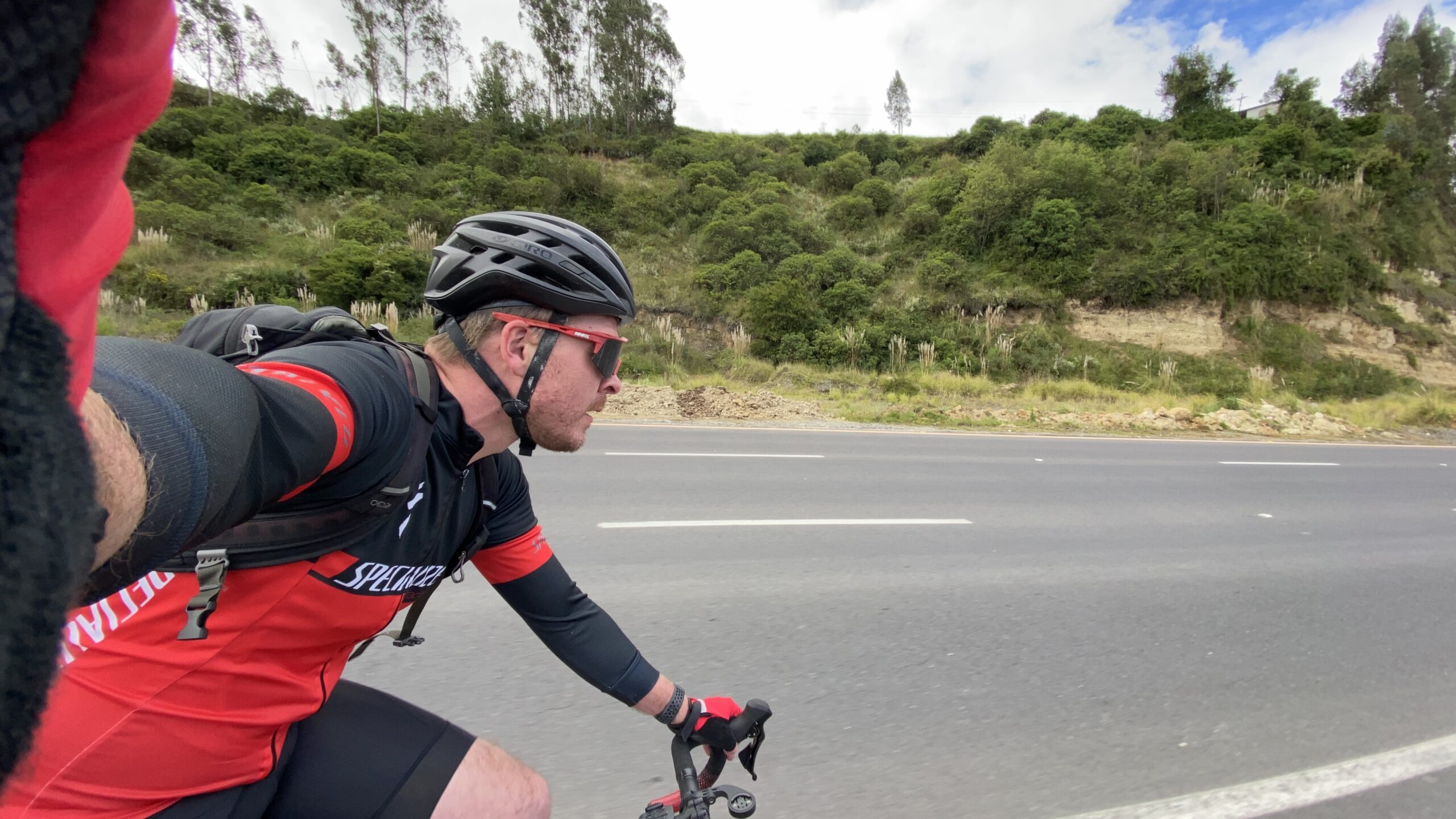
BEN FINCH
The Andean highlands of Ecuador pulse with a culinary vitality that rewards slow, intentional exploration. While many travellers rush through the cobbled streets and textile stalls of Otavalo on a whistle-stop day trip, understanding this vibrant region requires engaging with its foodways—from wood-fired ovens baking buttery biscuits in Cayambe to herbaceous locro soups simmered in historic haciendas.
Building upon our foundational findings in the 6 best Otavalo food tours & market walks 2026 guide, this updated 2027 edition explores how local culinary itineraries have evolved to spotlight authentic independent producers, indigenous family-run kitchens, and hyper-local tasting stops.
Relying on mass-market tourist traps or generic bus tours will only show you a sanitised slice of the Andes; true culinary connection happens when you walk the bustling stalls alongside knowledgeable local guides who share the stories, traditions, and recipes passed down through generations.
Whether you are looking to sample artisanal cheese, crunch into crisp street snacks, or sit down for a historic estate lunch, our curated selection of the finest bookable tours ensures an unforgettable gastronomic journey through Imbabura province.
The culinary tapestry of the northern highlands
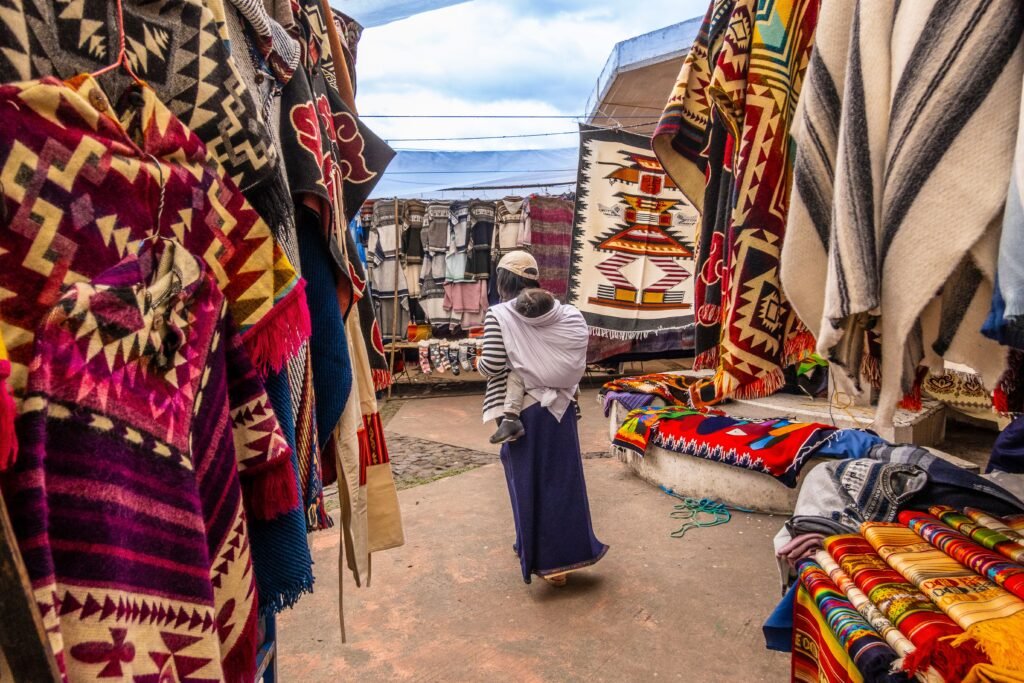
From the crumbly biscuit ovens of Cayambe to the volcanic crater vistas of Laguna Cuicocha, Otavalo’s foodways offer a profound window into Andean indigenous culture. Here are the core highlights defining our 2027 culinary guide:
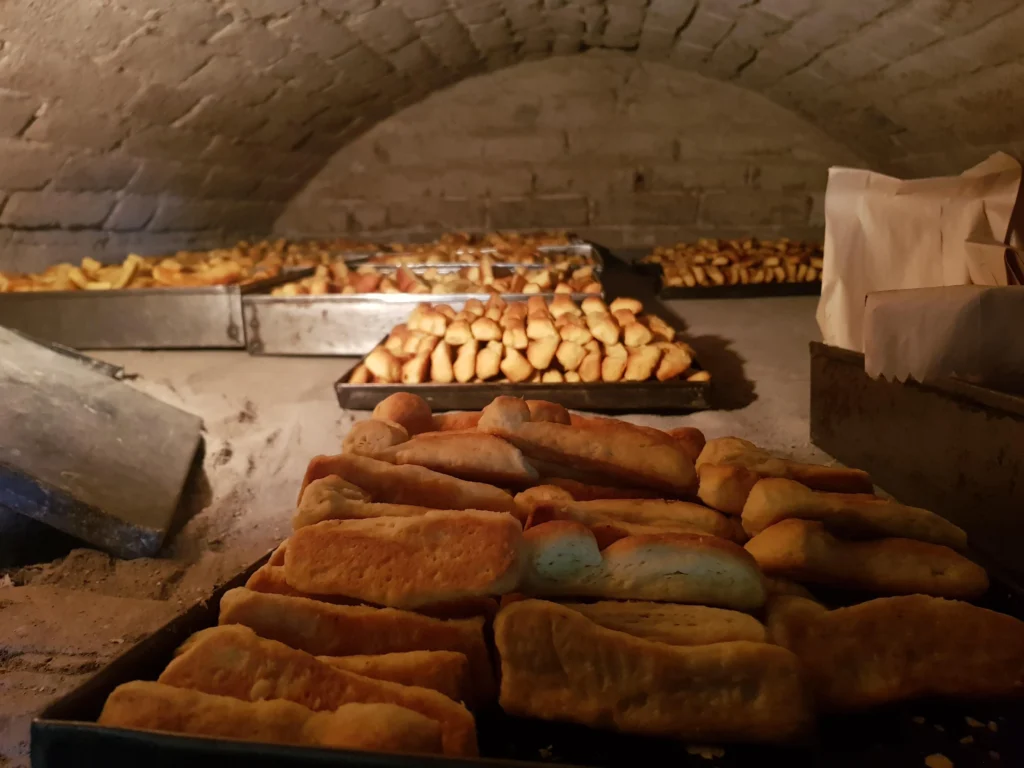
- Cayambe Biscuit Tradition: Sample freshly baked bizcochos de Cayambe paired with rich, salty queso de hoja straight from traditional clay ovens along the northern highway
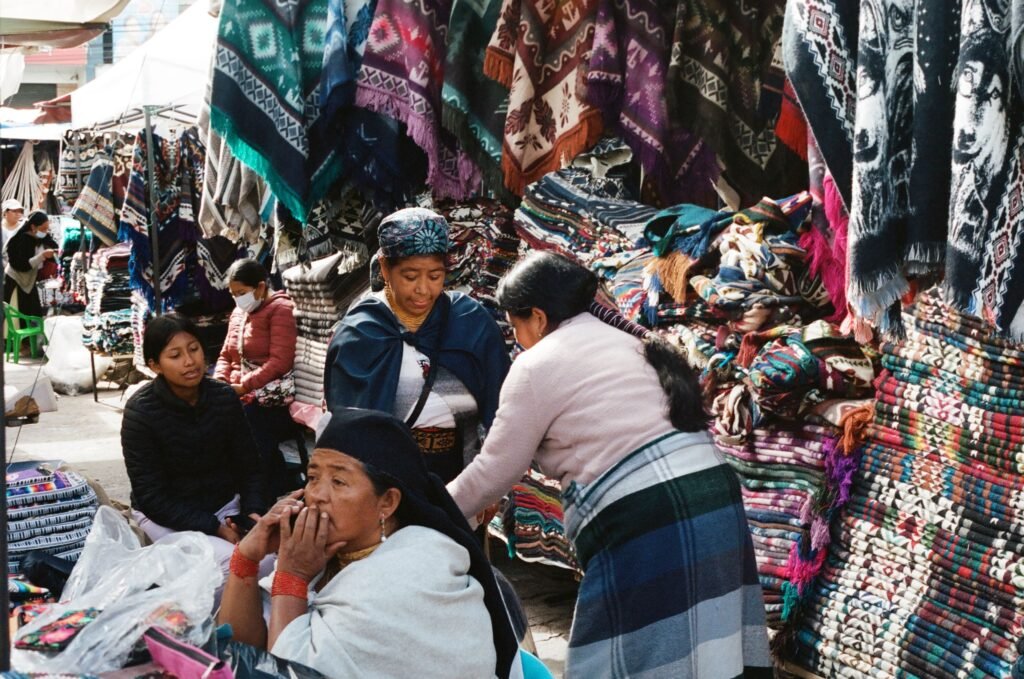
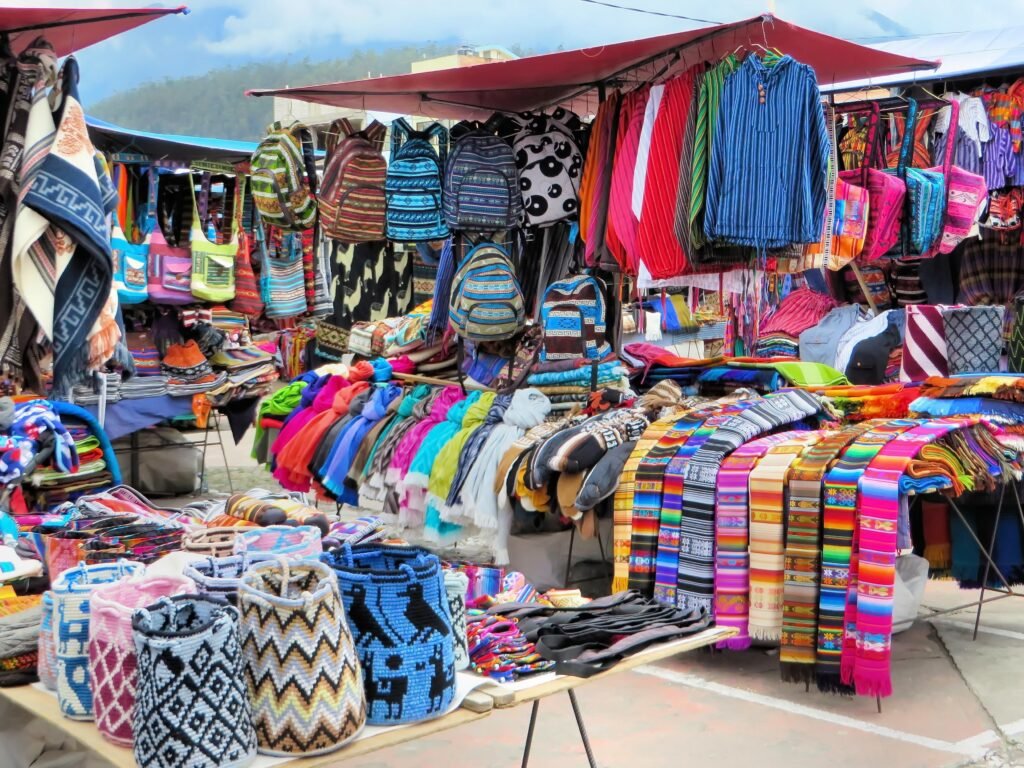
- Plaza de los Ponchos Immersion: Navigate the bustling labyrinth of Latin America’s most famous indigenous market alongside expert local guides who decode native herbs, maize varieties, and seasonal produce
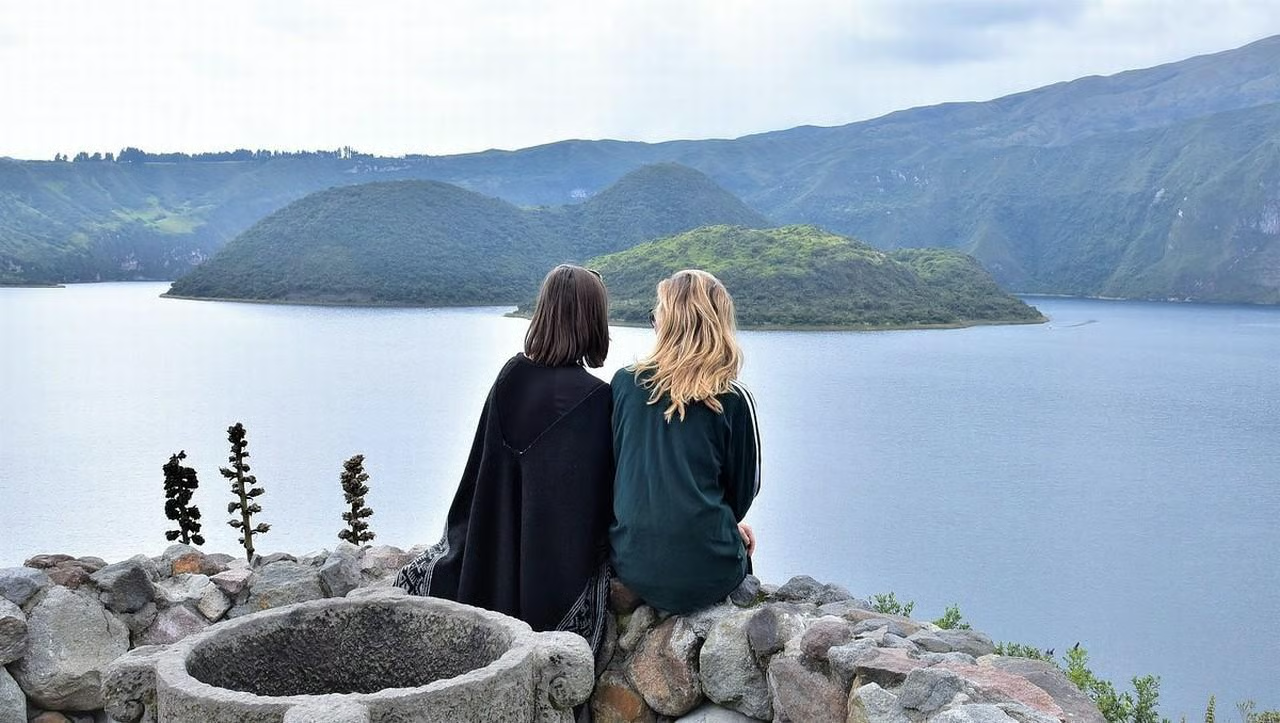
- Volcanic Caldera Views: Combine vibrant street-level snacking with crisp high-altitude walks along the breathtaking azure rim of the Laguna Cuicocha crater
- Historic Hacienda Feasts: Step off the market floor and into restored colonial estates for multi-course lunches celebrating refined interpretations of traditional highland comfort food
- Imbabura Geopark Tastings: Discover artisan workshops and small-scale agricultural producers dedicated to preserving ancestral food production methods across the province
- Highland Comfort Drinks: Warm up on chilly Andean mornings with traditional sweet corn beverages such as morocho flavoured with cinnamon and milk
Otavalo.
Home to Plaza de Ponchos
1. Discover indigenous heritage and artisan flavours at the market
Rating & reviews
(456+ verified reviews on Viator)
Why this tour stands out
This classic full-day expedition serves as an ideal introduction to the rugged beauty and rich food culture of northern Ecuador.
Departing from Quito, the journey pauses in Cayambe, a town legendary across the country for its crisp, flaky bizcochos paired with tangy local cheese (queso de hoja).
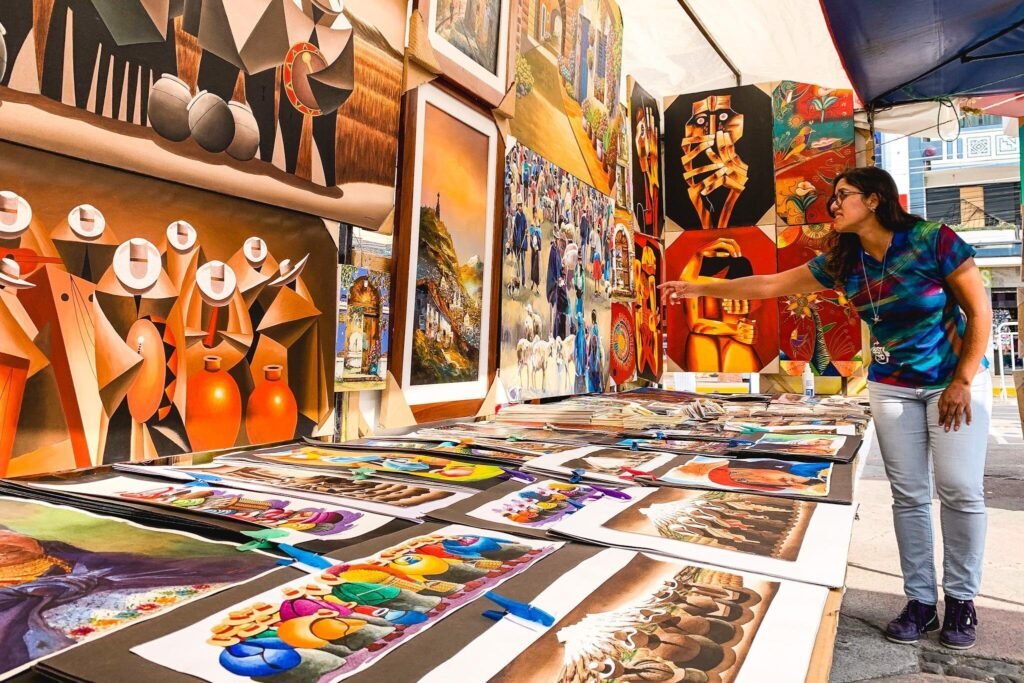
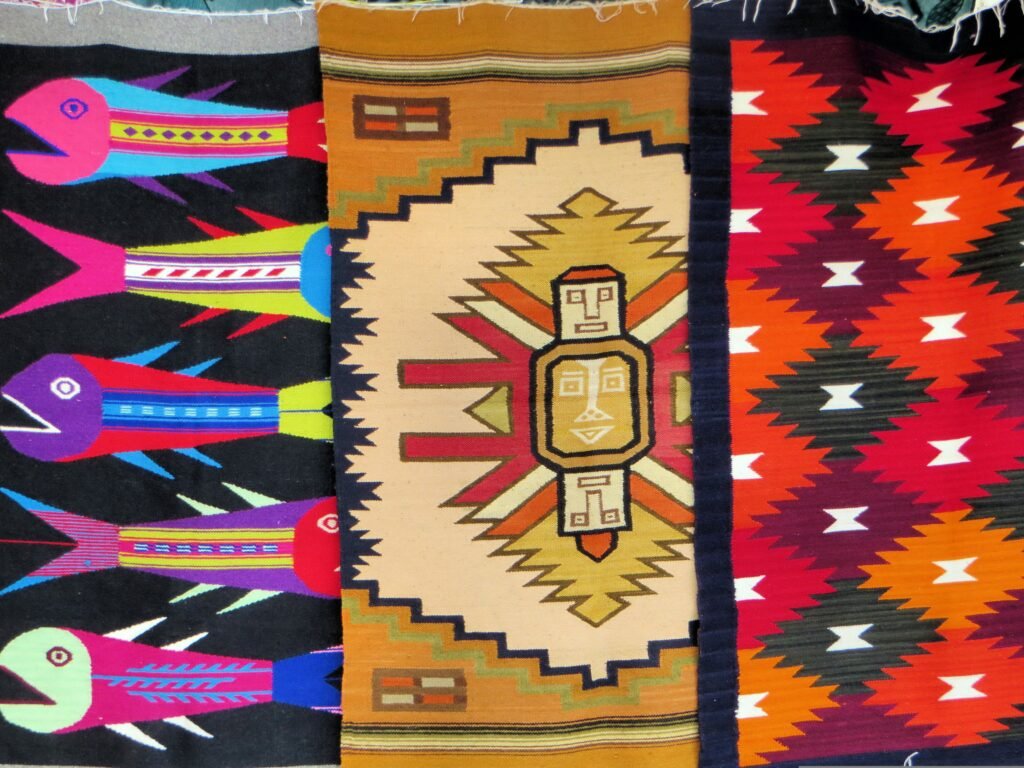
Your guide navigates the legendary Plaza de los Ponchos in Otavalo, introducing you to independent vendors selling native herbs, Andean grains such as quinoa and amaranth, and seasonal mountain fruits.
Key highlights
- Freshly baked bizcochos de Cayambe straight from traditional clay ovens
- Guided immersion inside the labyrinthine Otavalo indigenous market
- Scenic Andean highway vistas across Imbabura province
Ideal for
First-time visitors seeking a comprehensive cultural overview paired with iconic regional snacks.
Local insight
When buying fresh fruit or street snacks in the market, always carry small denomination US dollar bills (cash is king here), and politely ask vendors before photographing their meticulously arranged produce stalls.
2. Pair mountain crater views with artisan market tastings
Rating & reviews
(41+ verified reviews on Viator)
Why this tour stands out
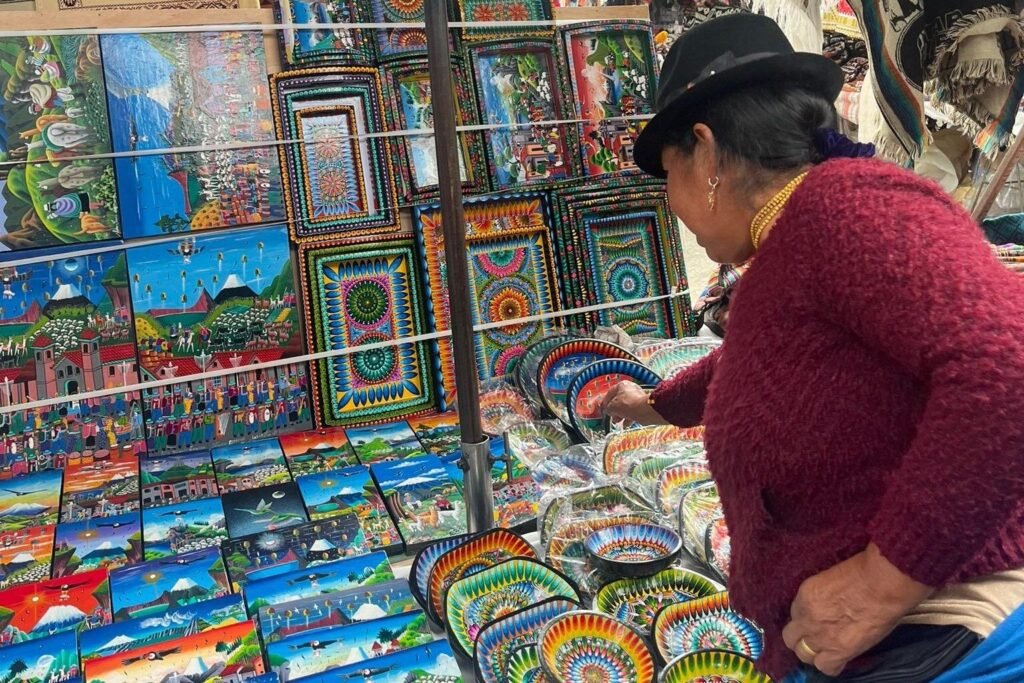
Gastronomy and geography are deeply intertwined in the Ecuadorian Andes. This well-paced excursion combines the vibrant textile and food stalls of Otavalo with the breathtaking volcanic caldera of Laguna Cuicocha, rounding out the day with a stop in Cotacachi, renowned for its leather craftsmanship and local eateries.
The itinerary seamlessly weaves together nature walks, historical context, and essential regional flavour profiles.
Key highlights
- Panoramic views and crisp walking trails around the azure waters of Cuicocha crater lake
- Tastings of traditional regional snacks and pastries
- Exploration of Cotacachi’s culinary and artisan craft scene
Ideal for
Active travellers who want to balance market meandering and street-level food tasting with spectacular Andean landscapes.
Local insight
High-altitude appetites can fluctuate; dress in easily removable layers because temperatures shift dramatically between the sunny market square and the breezy rim of the Cuicocha lagoon.
The Ecuadorian Sierra.
Get lost in the hills
3. Immersive lagoon and market exploration
Rating & reviews
(15+ verified reviews on GetYourGuide)
Why this tour stands out
Designed for travellers who appreciate structured itineraries with ample room for cultural absorption, this tour favourite emphasises local storytelling—and bizcochos.
The knowledgeable guides provide deep insights into Kichwa traditions, explaining how indigenous farming communities cultivate high-altitude tubers, maize varieties, and medicinal plants that form the backbone of modern Andean cooking.
Key highlights
- Engaging historical and cultural commentary from certified local guides
- Dedicated time to explore the bustling artisan and food sections of Otavalo
- Seamless logistics with comfortable round-trip transport from Quito meeting points
Ideal for
Culture buffs and independent explorers looking for reliable, expertly guided small-group coordination.
Local insight
Keep an eye out for local vendors selling morocho (a thick, sweet cracked-maize warm drink flavoured with cinnamon and milk)—an absolute comfort staple on cooler Andean mornings.
4. Heritage feasts and gourmet stops at a historic hacienda
Rating & reviews
(23+ verified reviews on Viator)
Why this tour stands out
For those seeking a more elevated culinary adventure, this premium tour blends grassroots street food discoveries with a sumptuous multi-course lunch hosted within a historic Andean hacienda.
You will sample bite-sized street treats among the market stalls before settling into an atmospheric estate dining room to experience refined interpretations of traditional Ecuadorian comfort food, such as slow-cooked se seco de chivo or potato-heavy llapingachos.
Key highlights
- Curated street-food tasting stops in the heart of Otavalo’s indigenous market
- Exclusive, leisurely lunch experience inside a restored historic highland hacienda
- Deep dive into regional agricultural heritage and farm-to-table traditions
Ideal for
Gastronomes and slow-travel enthusiasts looking to combine rustic market culture with refined estate hospitality.
Local insight
Hacienda dining rooms often feature artisanal house-made pepper sauces (ají). Taste gently before spooning it liberally onto your plate—Andean chilli heat can occasionally carry quite a punch!
The Galápagos.
Ecuador’s Enchanted Isles
5. Imbabura provincial tastings and artisan workshops
Rating & reviews
(New activity on GetYourGuide)
Why this tour stands out
This specialised day trip focuses squarely on the sensory tapestry of the Imbabura Geopark region.
Moving beyond standard tourist paths, the itinerary incorporates stops at artisanal workshops and speciality food producers where you can witness ancient food production techniques firsthand—from dairy processing in the highlands to traditional pastry baking.
Key highlights
- Multiple regional tastings highlighting provincial Imbabura specialities
- Artisan workshops demonstrating traditional craft and food preparation methods
- Stunning vistas of Imbabura Volcano and San Pablo Lake
Ideal for
Curious foodies eager to understand the agricultural and artisanal processes behind Ecuador’s highland cuisine.
Local insight
When visiting rural artisan workshops or family-run food stalls, purchasing a small bag of locally roasted coffee or handmade sweets directly from the maker supports grassroots micro-economies.
6. Comprehensive cultural, culinary, and shopping expedition
Rating & reviews
(4+ verified reviews on GetYourGuide)
Why this tour stands out
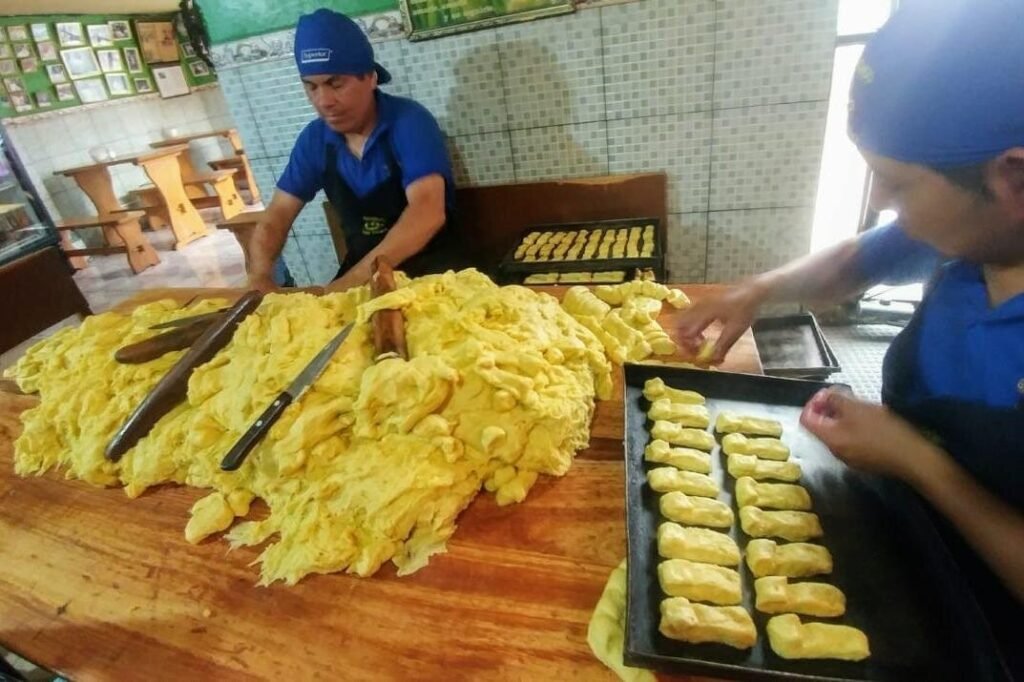
Concluding our list is a comprehensive deep-dive into the greater Otavalo ecosystem. This full-day itinerary balances time in Latin America’s largest indigenous artisan market with dedicated stops at local food production landmarks, including traditional artisanal bakeries crafting warm bizcochos and panoramic viewpoints overlooking shimmering highland lakes.
Key highlights
- Comprehensive exploration of Otavalo’s sprawling artisan and food marketplace
- Traditional biscuit tasting at a heritage artisan baking factory
- Expert local guides explaining the socioeconomic fabric of indigenous trading traditions
Ideal for
Travellers wanting an inclusive, well-rounded day trip that balances retail exploration with authentic local snacking.
Local insight
Wear comfortable, durable walking shoes with good grip; market floors can be uneven, and exploring artisan stalls involves plenty of active walking on cobblestones.
The Ecuadorian Amazon.
The most biodiverse place in the world
Our practical Otavalo food tour and dining guide
Pacing your tasting
Highland food tours often feature multiple stops ranging from crisp pastries to hearty corn- and potato-based dishes. Sample small portions at each stop so you have ample room for the main lunch or final sweet treats.
Hydration and altitude
Otavalo sits at roughly 2,550 metres above sea level. Dehydration happens much faster at high altitudes, so sip bottled water continuously throughout your walking tour, even if you do not feel actively thirsty.
Cash and currency
Ecuador uses the US dollar. While larger restaurants and haciendas accept cards, market vendors, street food stalls, and small artisan bakers rely entirely on cash. Keep plenty of $1, $5, and $10 bills handy.
Dietary requirements
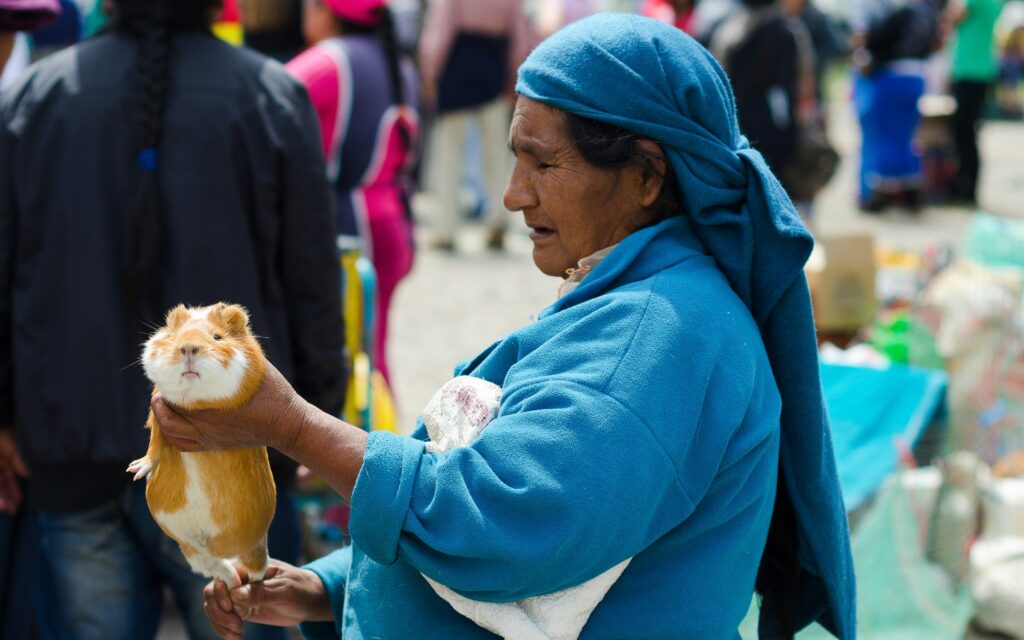
Traditional Andean cuisine relies heavily on corn, potatoes, cheeses, and meats (pork, beef, and guinea pig). Vegetarians and travellers with specific food allergies should communicate their needs to tour operators well in advance, though market fruit and cheese options are widely adaptable.
The Ecuadorian Coast.
Where you’ll find the very best food
Savour the true flavours of the Andes
Read this far?
Understanding a landscape like Imbabura requires far more than ticking off landmarks from a tour bus window; it demands an active, sensory engagement with the people who cultivate, harvest, and cook the land.
When you choose small-group culinary walks over generic mass-market itineraries, you directly support the independent family vendors, indigenous artisans, and rural bakers whose daily labours preserve living culinary history.
Otavalo’s vibrant markets and surrounding highland estates offer a masterclass in regional resourcefulness, where ancestral farming techniques meet warm, generational hospitality.
Whether you find yourself crunching into street-side treats amidst the vibrant textiles of the Plaza de los Ponchos or sharing a quiet moment above a glacial lagoon, every bite tells a story of resilience and community.
As you plan your 2027 journey into the Ecuadorian highlands, lean into the slow, unhurried rhythm of the Andes. Arrive with an open mind, an empty stomach, and a deep respect for local traditions, and you will discover a culinary destination that stays with you long after you leave the mountains behind.
Affiliate Disclaimer: Some of the links on Wheely Tyred are affiliate links. If you click through and make a booking or purchase, we may earn a small commission at no extra cost to you. We only recommend gear, tours, stays, and services we genuinely use, trust, and stand behind — our editorial independence always comes first. These commissions help keep our independent cycling guides and travel stories free to read. You can also buy me a coffee here — thanks for supporting the ride!
Frequently asked questions about the best Otavalo food tours 2027
Ecuador uses the US dollar as its official currency. While larger restaurants, historic haciendas, and organised tour operators accept card payments, local market vendors, street food stalls, and traditional bakers rely entirely on cash. It is best to carry a generous supply of small-denomination bills ($1, $5, and $10) for market snacks and artisan crafts.
Otavalo sits at approximately 2,550 metres above sea level, and surrounding excursion points such as Laguna Cuicocha climb even higher. High altitude can alter digestion and cause quicker dehydration. Drink plenty of bottled water throughout your tour, pace your tastings across multiple stops, and give your body time to adjust.
Traditional Andean cuisine features significant amounts of corn, potatoes, native grains, and fresh cheeses, making many market elements naturally vegetarian-friendly. However, meat dishes (such as pork, beef, and local specialities) are also prominent. If you have severe allergies or specific dietary needs, notify your tour operator in advance so guides can adapt the tasting stops.
Otavalo enjoys a pleasant Andean climate year-round, but visiting during the dry months—typically June through September or around the Inti Raymi solstice festival in June—offers the most vibrant market atmosphere. Mornings generally bring clear skies and optimal weather for combining outdoor crater walks with market explorations.
Most recommended food tours and day excursions include private or small-group transport directly from designated meeting points in Quito. The scenic drive north takes roughly 1.5 to 2 hours via the Pan-American Highway, winding past the equatorial line and the agricultural landscapes of Cayambe.
Ecuador.
Pure wonder on the equator.