Guayaquil safety guide 2027 / Essential advice for travellers and route planners
Guayaquil, Ecuador, travel safety 2027 / Safe neighbourhoods, transport tips, and emergency protocols
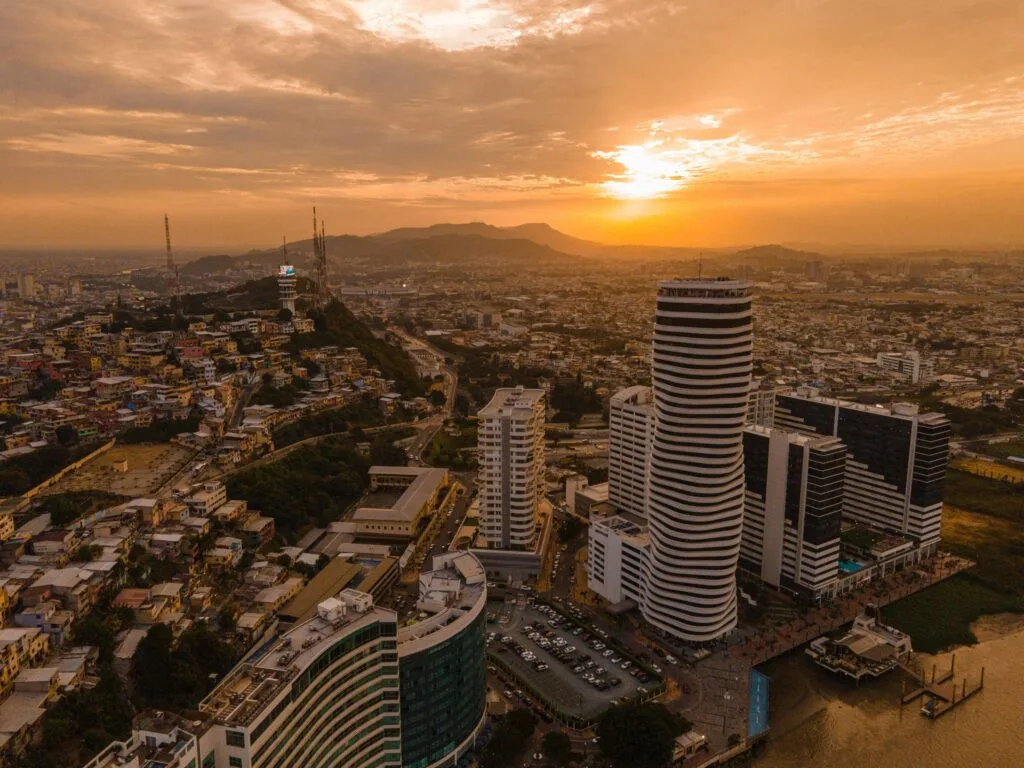
Navigate the Pearl of the Pacific with confidence, smart logistics, and local insight
BEN FINCH
Guayaquil remains one of South America’s most complex urban environments for international travellers. As Ecuador’s principal port city and economic engine, it serves as a vital transit hub for adventurers heading to the Galápagos Islands or exploring coastal routes across Guayas province.
However, navigating the city requires up-to-date intelligence, deliberate route choices, and a realistic understanding of local security conditions.
Building upon our initial recommendations in our 2026 Guayaquil Safety Guide, this updated 2027 edition provides clear, actionable advice for independent travellers, active sports enthusiasts, and route planners looking to experience the city safely.
Key safety takeaways for Guayaquil
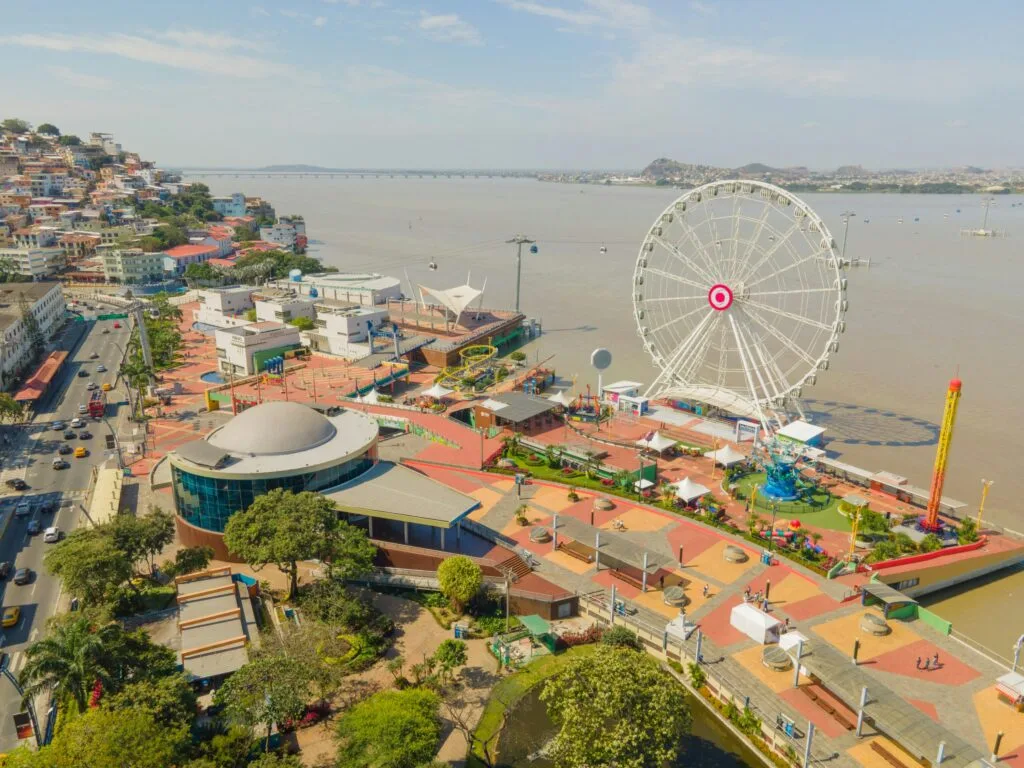
Navigating Guayaquil successfully comes down to route discipline, daylight management, and clear spatial awareness. Here are the core safety priorities to keep in mind when transit planning through Ecuador’s largest port city.
- Base selection matters: Secure accommodations in Samborondón or Puerto Santa Ana to ensure controlled access, dedicated security patrols, and calm surroundings away from urban friction
- Daylight transit only: Visit major sights like Malecón 2000, Las Peñas, and the steps of Cerro Santa Ana strictly during peak daylight hours, retreating before dusk sets in
- Digital hail exclusively: Avoid flagging traditional yellow cabs on the street to reduce the risk of express kidnapping (secuestro expreso); rely strictly on pre-booked rideshare apps or official airport desks
- Strict off-limit zones: Maintain an absolute boundary north of Durán canton and south of Avenida Portete de Tarqui, where port-related criminal territorial disputes concentrate
- Active route planning: Bypass dense metropolitan road networks on two wheels by transferring outside urban sprawl before beginning long-distance rides along the Ruta del Spondylus
- Isla Santay timing: Cross the pedestrian and cycle bridge from Calle El Oro during busy weekend hours when park rangers are active, avoiding the far outlet into Durán
- Low-profile awareness: Keep mobile phones, cameras, and visible jewellery concealed, using a secondary decoy wallet with modest cash reserves when exploring public areas
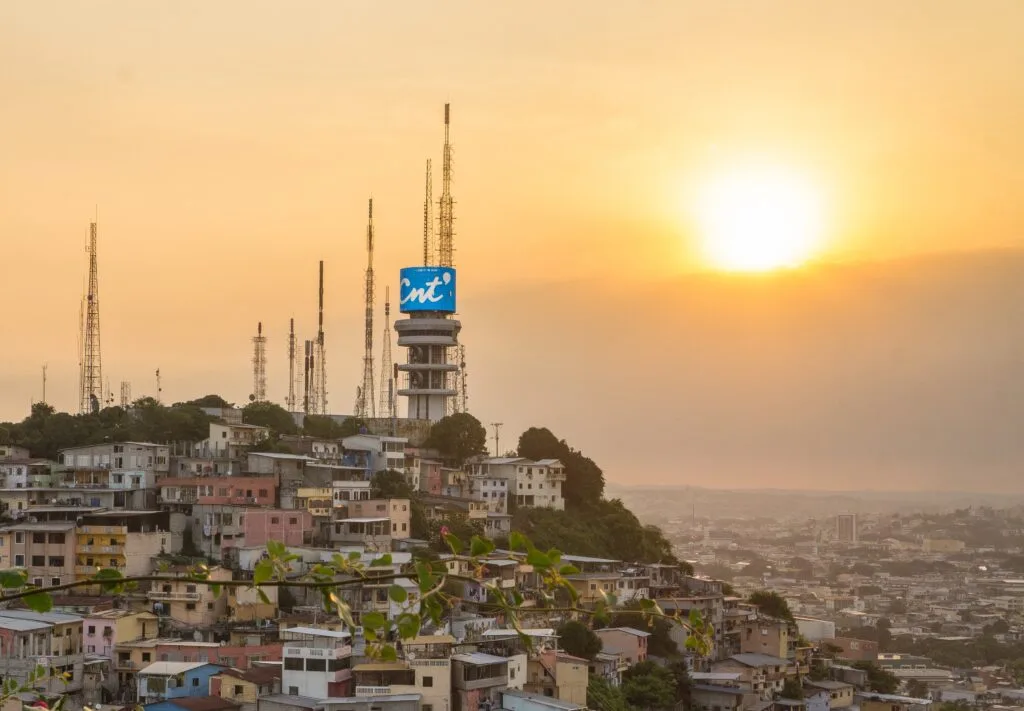
Guayaquil.
The Pearl of the Pacific
Updating the landscape / What has changed since our 2026 advice?
When we published our comprehensive safety analysis in 2026, Guayaquil was actively adjusting to heightened national security protocols and localised state-of-emergency measures. Entering 2027, the macro security landscape has stabilised into a recognised operational framework, but security dynamics vary significantly depending on the sector.
The central government and municipal authorities in Guayaquil have sustained focused security corridors around major transport nodes and commercial districts. Armed forces and national police maintain a visible presence around Aeropuerto Internacional José Joaquín de Olmedo, the main bus terminal (Terminal Terrestre de Guayaquil), and key tourist enclaves.
For travellers, this evolution means that while organised crime activity remains concentrated in peripheral industrial zones and specific port sectors, the primary tourist corridors remain accessible when approached with disciplined safety protocols.
The core principle for 2027 is risk segmentation: knowing precisely where public security is maintained and where independent exploration must stop.
Mapping Guayaquil / Safe havens and zones to exercise extreme caution
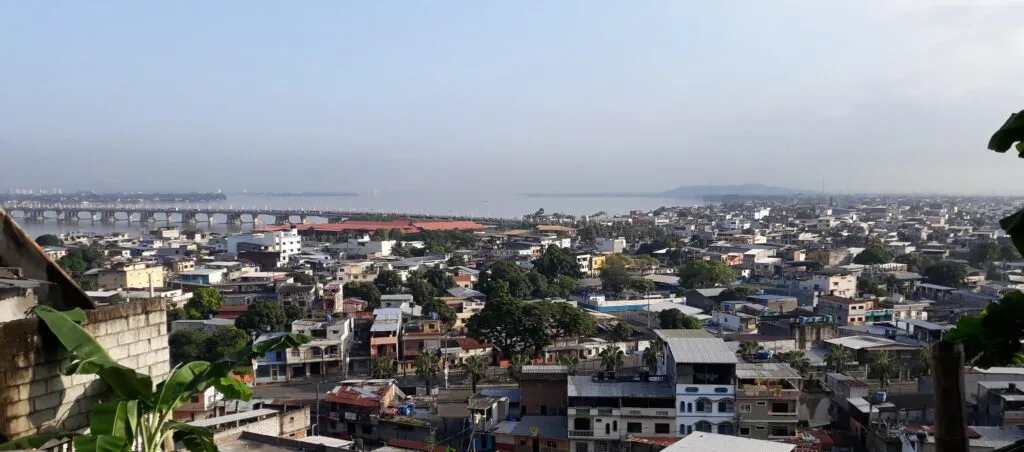
Understanding the geography of Guayaquil is the single most effective tool for staying safe. The city is sharply divided between well-policed commercial and residential districts and high-risk peripheral cantons.
Guayaquil neighbourhood risk
| Sector | Risk level | Primary purpose |
| Samborondón | Lower risk* / High security | Accommodation & dining |
| Puerto Santa Ana | Lower risk* / High security | Walks & riverfront |
| Urdesa | Moderate risk / Exercise vigilance | Culinary & cafés |
| Malecón 2000 | Moderate risk / Daytime only | Sightseeing |
| Las Peñas | Moderate risk / Daylight hours | Heritage & views |
| South of Avenida Portete | High risk / Do not visit | Avoid entirely |
| Durán Canton | Extreme risk / Do not visit | Avoid entirely |
*Note: Even the safest neighbourhoods in Guayaquil are considered risky places to visit
High-security enclaves and recommended base areas
- Samborondón: Technically a separate canton located across the Río Babahoyo, Samborondón (specifically the La Puntilla district) is arguably the safest zone in the greater Guayaquil metropolitan area. Gated residential complexes, high-end dining, and private security make it an ideal base for travellers seeking maximum peace of mind
- Puerto Santa Ana: Positioned at the foot of Cerro Santa Ana along the Río Guayas, this modern high-rise development features controlled access points, private security patrols, and riverside dining. It is connected directly to the historic centre via boardwalks
- Urdesa: Known for its vibrant culinary scene, Urdesa offers a commercial neighbourhood feel. While vigilance against opportunistic petty crime is necessary, it remains a preferred hub for international visitors during daylight and early evening hours
Daytime enclaves requiring active vigilance
- Malecón 2000: This famous 2.5-kilometre pedestrian boardwalk along the Río Guayas features dedicated security checkpoints and surveillance cameras. It is safe and pleasant during daylight hours. However, travellers should avoid walking along the boardwalk after dark or straying into adjacent commercial streets off the riverfront corridor
- Las Peñas and Cerro Santa Ana: The colourful historic quarter of Las Peñas and the 444 steps leading up Cerro Santa Ana are heavily patrolled by tourist police during peak daylight hours. Stick strictly to the main staircase, do not venture into side alleys, and ensure you descend before dusk
High-risk zones to avoid entirely
Independent travel, route planning, or casual walking should strictly avoid the following areas under all circumstances:
- Durán Canton: Located across the national bridge network, Durán remains a major hotspot for criminal activity and port-related territorial disputes. It is one of the most dangerous places on earth when measured by murder rate
- Southern Districts: All sectors south of Avenida Portete de Tarqui, including the port zones of Trinpuerto and Guasmo
- Northern Peripheral Cantons: Districts such as Nueva Prosperina, Pascuales, Monte Sinaí, Socio Vivienda, and El Fortín
The Ecuadorian Coast.
Where you’ll find the very best food
Understanding crime trends and common scams impacting visitors
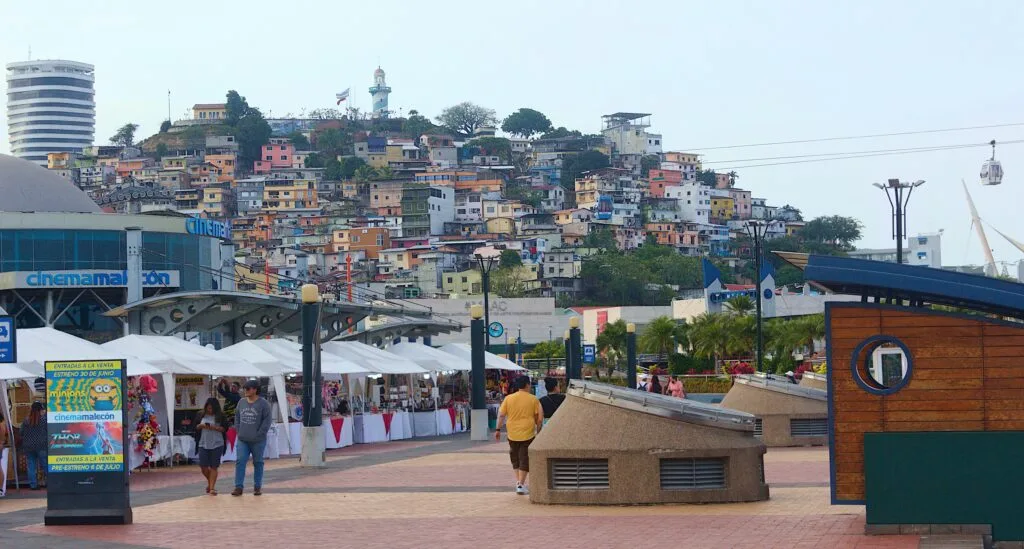
The vast majority of violent crime in Guayaquil is tied to illicit trade networks operating in non-tourist sectors. However, travellers can become targets for opportunistic property crime, financial scams, or express incidents if standard precautions are ignored.
Express kidnapping / Secuestro expreso
This remains one of the most critical security risks in major Ecuadorian cities. Victims are picked up by unauthorised or street-hailed taxis, detained briefly, and forced to withdraw funds from multiple automated teller machines (ATMs) before being released.
- Mitigation: Never hail a taxi directly on the street in Guayaquil. Use verified rideshare mobile applications, hotel-arranged private transport, or authorised airport taxi desks. Always use ATMs located inside major banking branches or secure shopping malls during daylight hours
Motorbike bag-snatching and distraction scams
Opportunistic theft by two individuals on light motorcycles remains common near major intersections and outdoor dining spots. Common tactics include distraction techniques—such as intentionally spilling liquid on a bag or creating a sudden argument—while an accomplice grabs unmonitored belongings.
- Mitigation: Keep mobile phones out of sight when walking along public streets. When dining outdoors in areas like Urdesa, keep bag straps looped around your leg or arm rather than hanging over the back of a chair
The Galápagos.
Ecuador’s Enchanted Isles
Specific safety considerations / Solo travellers, women, and minorities
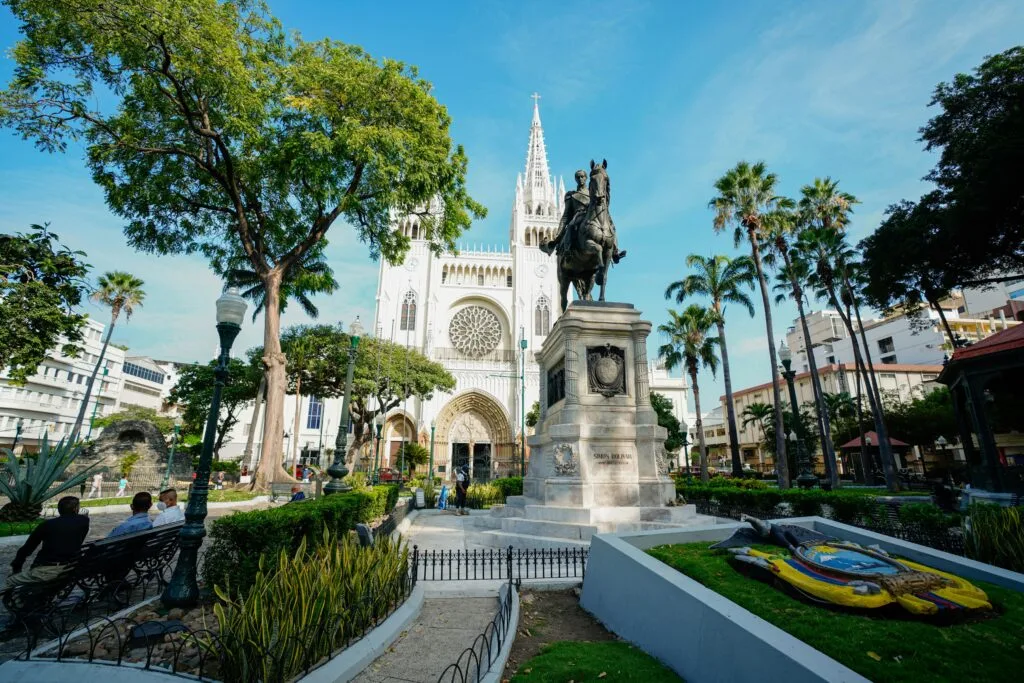
Safety conditions in Guayaquil require individual strategies tailored to identity, group size, and travel style.
Solo travellers
Solo travellers are inherently more visible to opportunistic thieves.
- Avoid walking alone at night anywhere in the city centre or along the riverfront
- Maintain a structured communication schedule with a family member or friend, sharing real-time tracking during transfers between cities or accommodation moves
- Stick to social hostels or boutique hotels in Puerto Santa Ana or Urdesa, where verified local travel arrangements can be coordinated with staff
Female travellers
Women travelling independently in Guayaquil may experience persistent unwanted verbal attention or catcalling in crowded commercial areas and on public transportation networks like the Metrovía.
- Exercise heightened caution when taking evening transport. Rely exclusively on pre-booked rideshare services rather than public buses after dark
- Avoid isolated locations such as empty sections of the Malecón 2000 or unlit park trails
- When socialising in bars or restaurants in Urdesa or Samborondón, never leave food or drinks unattended, and decline open beverages offered by unfamiliar individuals
Visible minorities and LGBTQ+ travellers
While Ecuador recognises equal legal protections under national law, social attitudes in commercial port cities like Guayaquil outside of cosmopolitan areas can remain conservative.
- Public displays of affection are best kept discreet in public streets to avoid unwanted attention
- Choose accommodation in cosmopolitan areas like Samborondón, Puerto Santa Ana, or established boutique hotels in Urdesa, where international hospitality standards are firmly established
The Ecuadorian Sierra.
Get lost in the hills
Transport logistics / Navigate Guayaquil safely on foot, two wheels, and four
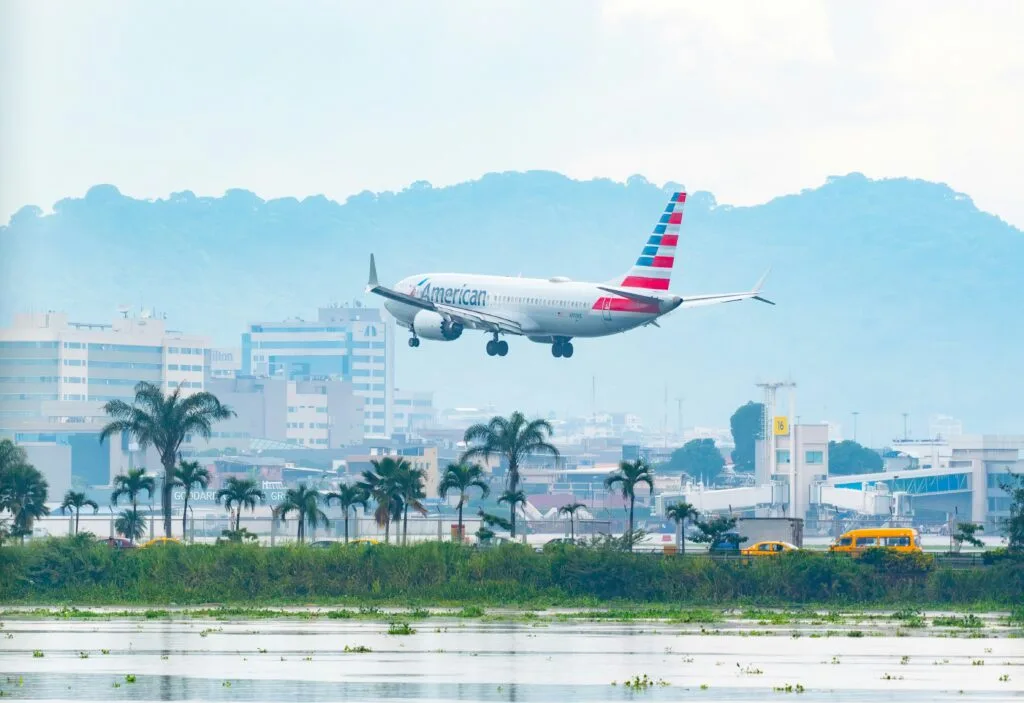
Moving around Guayaquil safely requires choosing the right mode of transport for every leg of your journey.
Guayaquil transportation guide
| Transport mode | Safety rating | Best practice |
| Street-hailed cab | Unsafe / avoid | High risk of express kidnapping |
| Rideshare apps | Recommended | Verify driver details and license plate |
| Airport shuttle | Recommended | Book via hotel or official airport desk |
| Metrovía bus | Exercise caution | Use daytime only; guard valuables |
| Cycling / bike | Strict daytime routes | Stick to Santay Bridge & designated paths |
Airport and bus terminal transfers
When arriving at Aeropuerto Internacional José Joaquín de Olmedo or the adjacent Terminal Terrestre de Guayaquil, arrange your onward transport inside the arrivals terminal:
- Use official airport taxi counters located immediately outside baggage claim
- Alternatively, request a rideshare pickup from designated terminal zones
- If arriving late at night, book accommodation immediately adjacent to the airport complex or arrange a direct private transfer through your hotel
Urban cycling and active route planning
Guayaquil presents distinct challenges for urban cyclists and bikepacking enthusiasts. Road traffic can be aggressive, driver compliance with pedestrian or cycle lanes is low, and navigating unknown side streets on two wheels increases exposure to navigation errors.
- Isla Santay Connectivity: The pedestrian and bicycle bridge connecting central Guayaquil (from Calle El Oro) to Isla Santay and onward to Durán requires careful timing. The eco-park on Isla Santay is a popular green space, but cyclists should stick to the main boardwalks, travel during peak weekend hours when security rangers are present, and avoid crossing into the Durán side of the bridge network
- Coastal Highway Transit: Travellers embarking on coastal rides toward Ruta del Spondylus should arrange transfers out of Guayaquil’s urban sprawl via vehicle, starting their official ride north of Santa Elena or outside the city perimeters to bypass dense cargo traffic and high-risk suburban corridors
Tactical emergency checklist for your Guayaquil itinerary
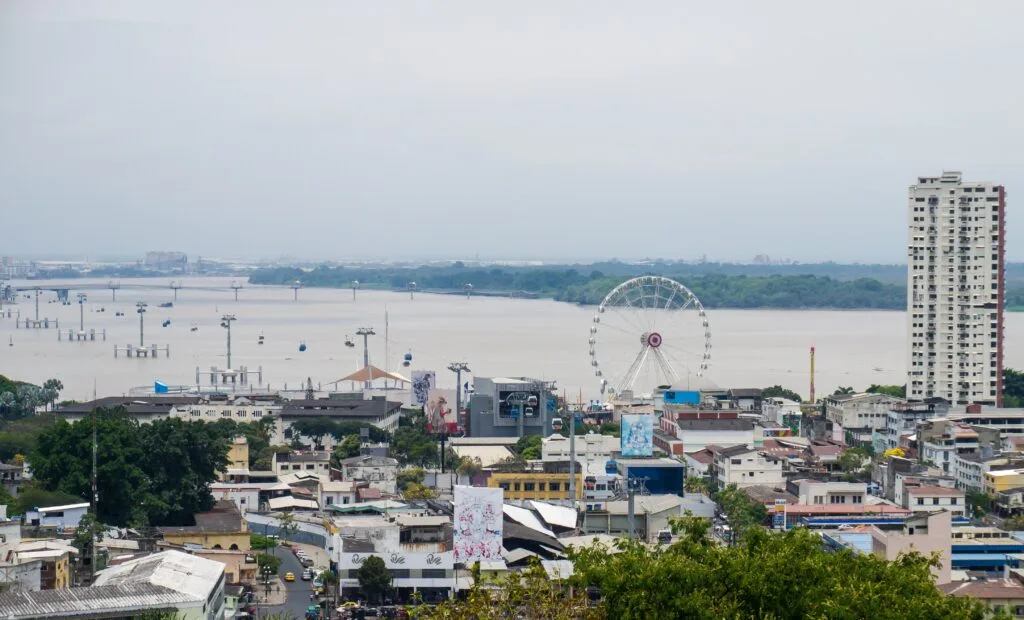
Before touching down in Guayaquil, store these practical steps and emergency protocols on your mobile device:
- National Emergency Number: Dial 911 for immediate police (Policía Nacional), medical assistance, or fire services
- Embassy Contacts: Save the emergency contact details for your national embassy or consulate in Ecuador (most maintain primary offices in Quito with secondary consular services in Guayaquil)
- Digital and Physical Document Storage: Keep colour photocopies of your passport main page and entry stamp separate from your primary document wallet. Store secure digital backups in cloud storage
- Decoy Wallet Strategy: Carry a secondary wallet containing a small amount of cash ($20–$30 USD) and expired cards. In the unlikely event of an armed robbery, hand over the decoy wallet immediately without resistance
- Connectivity: Ensure your mobile device has active cellular data coverage upon arrival via a local SIM card (Claro or Movistar), eSIM, or international roaming plan to maintain real-time navigation and rideshare access
The Ecuadorian Amazon.
The most biodiverse place in the world
Visit Ecuador’s port city with clarity and control
Read this far?
Guayaquil has long been defined by its restless energy, sitting at the humid crossroads where the broad waters of the Río Guayas and Río Babahoyo meet before spilling into the Pacific Ocean. For generations, river traders, coastal banana farmers, and international mariners have dictated its cadence.
Treating the city merely as a cautionary footprint misses the vital role it plays as the logistical spine of southern Ecuador—a place where maritime heritage and urban grit exist side by side.
Travelling through a complex commercial hub requires neither fear nor reckless bravado; it simply demands respect for local boundaries. By adopting a disciplined approach to your daily logistics—booking verified rides, keeping night travel off your itinerary, and choosing well-patrolled bases like Samborondón or Puerto Santa Ana—you reduce your exposure to risk without sacrificing the authenticity of your journey.
Whether you are stocking up on provisions before boarding a flight to the Galápagos Islands or gearing up for a multi-day coastal cycling expedition north along the Pacific crest, spatial awareness remains your best companion. Know where the city’s safe corridors end, listen to local advice, and let smart route planning pave the way for a smooth journey.
Affiliate Disclaimer: Some of the links on Wheely Tyred are affiliate links. If you click through and make a booking or purchase, we may earn a small commission at no extra cost to you. We only recommend gear, tours, stays, and services we genuinely use, trust, and stand behind — our editorial independence always comes first. These commissions help keep our independent cycling guides and travel stories free to read. You can also buy me a coffee here — thanks for supporting the ride!
Frequently asked questions about Guayaquil safety in 2027
No, even if you stay within well-policed enclaves such as Samborondón, Puerto Santa Ana, and Urdesa during the day and strictly follow safety protocols. High security is maintained around major transit hubs, but independent exploration outside recognised tourist corridors should be avoided.
Use official airport taxi desks located inside the arrivals hall or request a ride through verified mobile applications like Uber or Cabify. Never accept unscheduled rides from unverified drivers waiting outside the terminal gates.
Yes, the eco-park bridge from Calle El Oro in central Guayaquil is enjoyable for walking and cycling, but it should only be crossed during daylight hours—ideally on weekends when rangers and local families are present. Do not continue across the island into Durán canton.
For long distances, domestic flights or direct intercity coaches departing from Terminal Terrestre de Guayaquil during daylight hours are recommended. Cyclists and road trippers should arrange motor transfers out of the sprawling urban perimeter before embarking on routes like the Ruta del Spondylus.
The Metrovía bus system is functional during daytime hours, but crowded carriages are frequent hotspots for pickpocketing and opportunistic bag-snatching. Solo travellers and visitors carrying luggage or photography equipment should opt for pre-booked rideshares instead.
Never attempt to resist or negotiate. Hand over your belongings or decoy wallet immediately and calmly. Personal safety far outweighs lost equipment or currency, and local emergency services can be reached immediately afterwards by dialling 911.
Ecuador.
Pure wonder on the equator.