
First time in Loja, Ecuador / The independent traveller’s guide to southern Ecuador’s cultural capital
Essential Loja, Ecuador, travel tips, local food recommendations, neighbourhood advice, and nature guides for independent travellers
Slow down in southern Ecuador’s quiet cultural heart

BEN FINCH
Nestled in an Andean basin at an altitude of 2,060 metres, Loja remains one of Ecuador’s best-kept secrets. While many independent travellers head straight from Cuenca to the Peruvian border or zip directly to the coastal beaches, those who pause in Loja discover a city that moves to its own tranquil rhythm.
Recognised across the country as the musical and cultural capital of Ecuador, Loja offers clean streets, vibrant public art, pristine city parks, and a welcoming atmosphere that feels worlds away from busier urban hubs.
For self-directed travellers arriving by bus or bike, Loja is a breath of fresh air. It is a city made for wandering without a strict itinerary.
Here, you can spend your mornings sipping world-class Arabica coffee roasted from nearby mountain valleys, your afternoons hiking through Andean cloud forests, and your evenings listening to live acoustic music in historic plazas.
Loja at a glance / Key takeaways for independent travellers
Navigating southern Ecuador’s cultural heart requires an appreciation for slow travel, unpredictable microclimates, and rich culinary traditions. Here are the essential takeaways for planning a self-directed journey through Loja.
- Cultural Heart: Recognised as Ecuador’s music capital, Loja offers immaculate streets, grand public plazas, and rich artistic traditions without the pressure of large group tours
- Microclimate Realities: Situated in an Andean valley at 2,060 metres, expect swift weather changes from bright sun to cool mountain mists, making warm layers and waterproofs essential
- Signature Flavours: Sample local specialities like repe lojano (a comforting green banana and cheese soup), Lojano tamales steamed in achira leaves, and vibrant pink horchata lojana
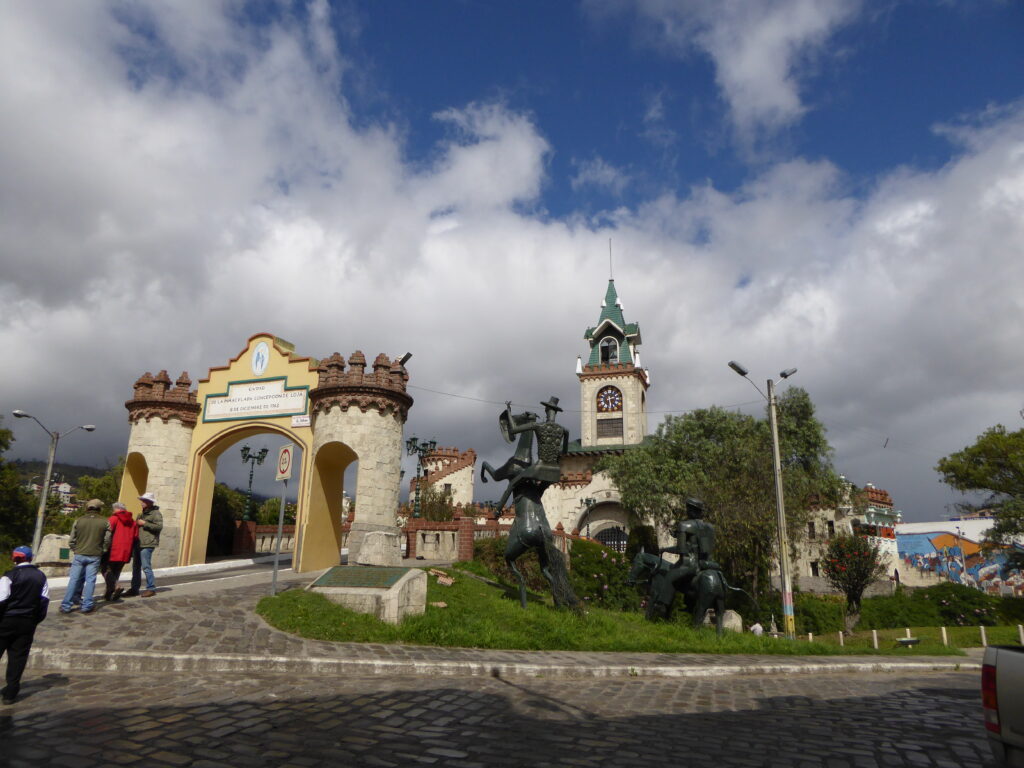
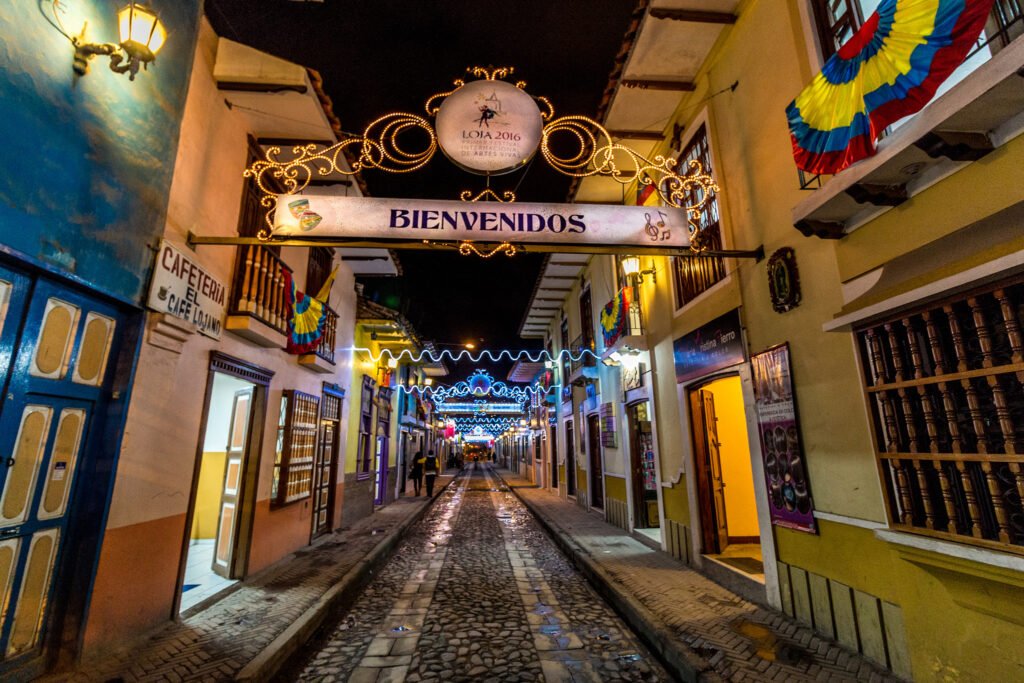
- Historic Wandering: Stroll cobblestone lanes along Calle Lourdes and admire the medieval-style entry fortress at Puerta de la Ciudad
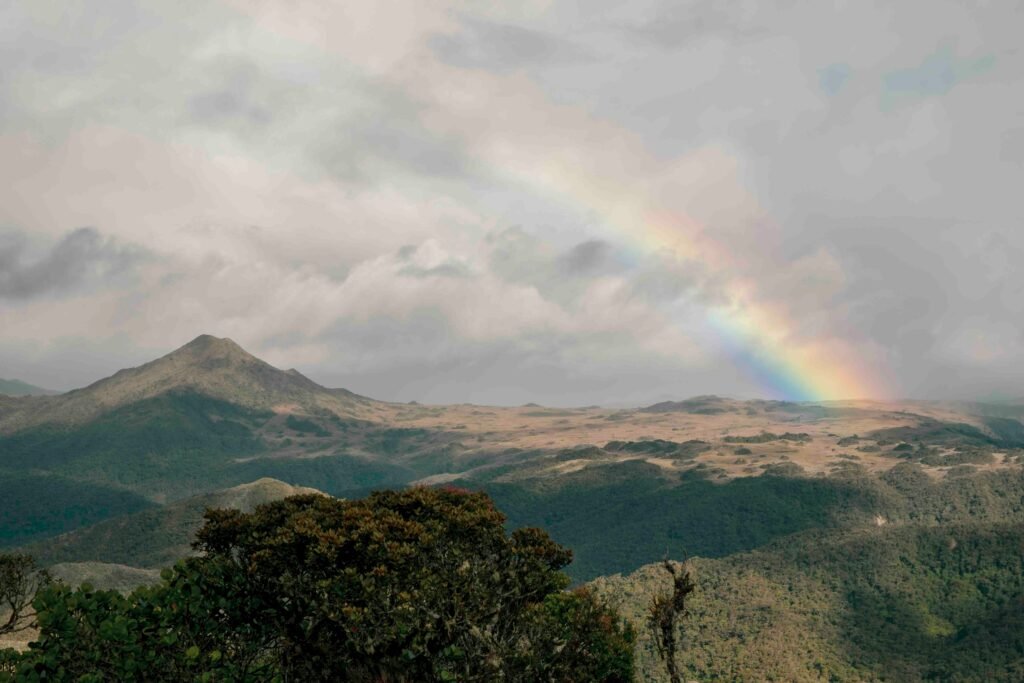
- Cloud Forest Access: Use the Cajanuma ranger station as a convenient gateway for self-guided hikes through high-altitude cloud forest in Podocarpus National Park
- Neighbourhood Bases: Opt for accommodation in the historic centre or San Sebastián for walkable, quiet surroundings well clear of the bustling bus terminal
- Valley Day Trips: Catch a local interprovincial bus south to Vilcabamba for mountain hiking trails and a legendary relaxed pace of life
Loja.
Ecuador’s musical capital
Understanding the mountain microclimates
Loja is often described as the city of eternal spring, enjoying mild temperatures throughout the year. However, its high-valley geography creates distinct microclimates that catch unprepared first-time visitors off guard.
Daily temperatures usually hover between 15°C and 23°C, but the weather can shift rapidly within a single afternoon. Bright, high-altitude sunshine can give way to dense mountain mist (neblina) or sudden rain showers in minutes. As soon as the sun dips behind the surrounding peaks, the air turns crisp and cold.
- Pack for layering: Always carry a lightweight waterproof jacket and a warm mid-layer when heading out for the day, even if the morning starts under clear blue skies
- Sun protection is essential: Due to the elevation and proximity to the equator, ultraviolet rays are intense. Sun cream and a wide-brimmed hat are mandatory for outdoor exploration
- Evening chill: Nights require a decent sweater or jacket, as local establishments rarely feature central heating
Neighbourhood guide / Where to stay and areas to choose
Choosing the right base in Loja makes a significant difference to your experience, particularly if you rely on walking or local public transport.
The Historic Centre (Centro Histórico)
Staying near the core around Plaza Parque Central or Calle Bolívar puts you within walking distance of museums, historic churches, and quiet coffee shops. The area is exceptionally safe and easy to navigate on foot. Look for boutique guesthouses housed in restored colonial buildings for a peaceful night’s sleep.
San Sebastián
Located just south of the main core, the San Sebastián neighbourhood surrounds the expansive Plaza San Sebastián (also known as Plaza de la Independencia). This district has an artistic, traditional feel, with narrow streets, craft shops, and small family-run eateries. It is ideal for travellers who want a quieter residential vibe while remaining close to central attractions.
El Valle
Situated to the north-east along the riverbank, El Valle is famous for its traditional gastronomy and suburban charm. While a bit further from the central plazas, it offers a glimpse of authentic local life.
- Traveller’s tip: Avoid accommodation directly on Avenida Gran Colombia or near the main bus terminal (Terminal Terrestre) if you are sensitive to noise, as long-distance buses operate throughout the night
The Ecuadorian Sierra.
Get lost in the hills
Local flavours / Food and drink you must try

Loja possesses a distinct culinary identity that sets it apart from the northern Andean region. Food here is wholesome, deeply traditional, and remarkably affordable.
Repe Lojano
You cannot leave the city without trying repe lojano, a creamy, soothing soup that serves as the region’s signature dish. Made from green unripe bananas (guineo), fresh local cheese (quesillo), milk, garlic, and cilantro, it is pure comfort in a bowl. It is traditionally served alongside fresh avocado slices and a touch of local ají chilli sauce.
Tamal Lojano
Unlike variations found elsewhere in South America, the Lojano tamal features smooth corn masa stuffed with seasoned chicken or pork, wrapped meticulously in an achira leaf and steamed. Paired with a hot cup of black coffee, it is the classic Lojano breakfast.
Horchata Lojana
Do not expect the rice-based or tiger-nut drinks found in Mexico or Spain. In southern Ecuador, horchata lojana is a brilliant pink or reddish herbal infusion crafted from upwards of 20 different aromatic herbs and flowers, including lemon verbena, mint, chamomile, bloodleaf (escancel), rose geranium, and red amaranth. Served warm or iced with a splash of fresh lemon juice, it is soothing, digestive, and deeply refreshing.
Southern Ecuadorian coffee
Loja province produces some of the finest high-altitude Arabica beans in South America. Speciality coffee culture is thriving here, with local roasters serving single-origin coffees sourced from nearby valleys such as Chaguarpamba, Gonzanamá, and Vilcabamba. Skip international commercial chains and seek out independent roasters in the city centre.
Key attractions and first-timer highlights
Puerta de la Ciudad / Gate of the City
Marking the northern entry to the historic centre, this striking castle-like structure spans Avenida Gran Colombia over the Bolívar Bridge. Built in the style of a medieval fortress, it houses art galleries, handicraft workshops, and a lookout tower that provides sweeping panoramic views over the city rooftops.
Calle Lourdes
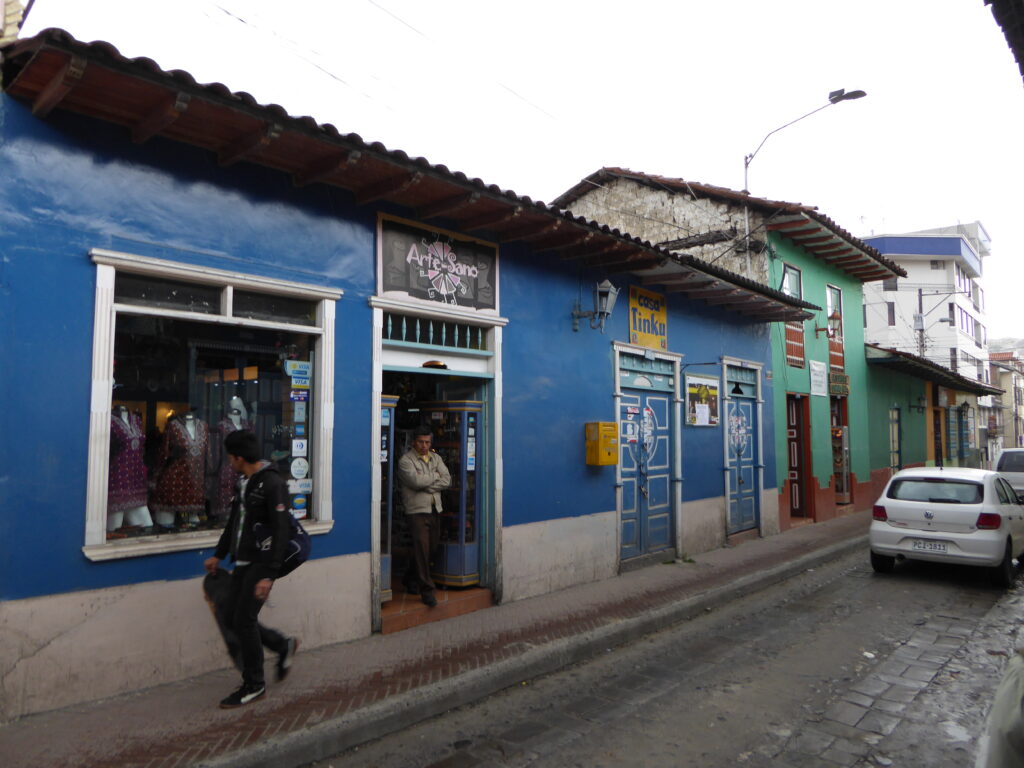
Tucked between Calle Bolívar and Calle Sucre, Calle Lourdes is perhaps the most picturesque corner of old Loja. This narrow cobblestone street features brightly painted colonial facades, wooden balconies, artisanal bakeries, and tiny coffee bars. Visiting in the early morning or late afternoon offers the best light for photography.
Plaza San Sebastián
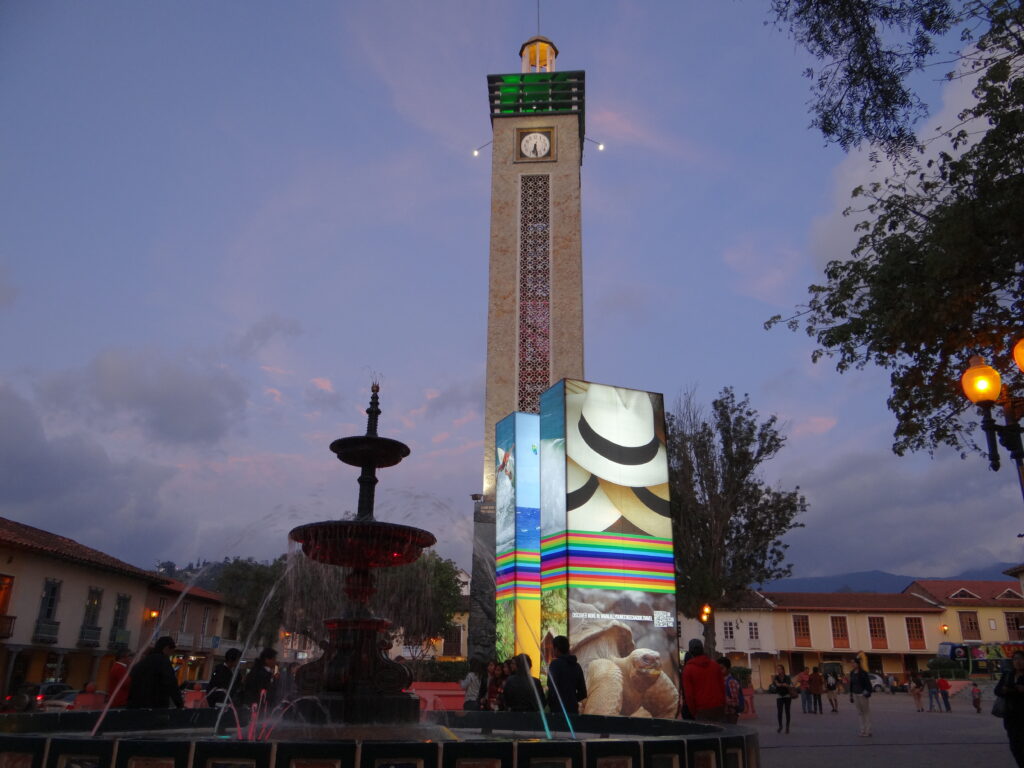
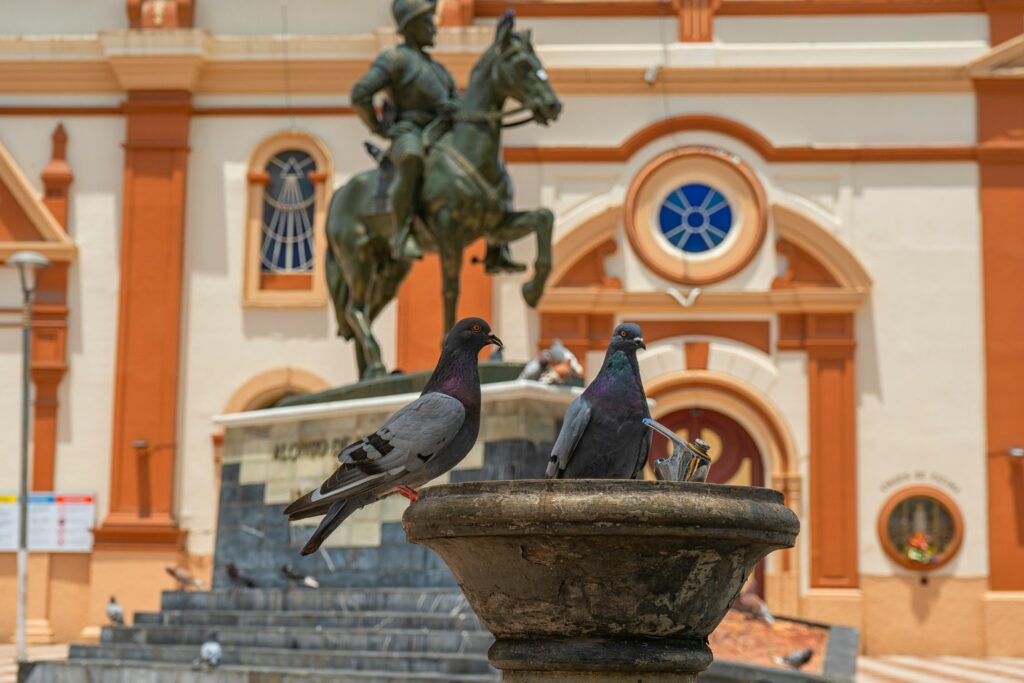
Dominated by a majestic 32-metre clock tower commemorating local independence, this grand plaza is the social heart of the neighbourhood. Local musicians often gather here in the evenings, and the surrounding arcades house excellent traditional cafes.
Mercado Centro Comercial
For a true taste of everyday life, stroll through the main municipal market. The upper levels host budget-friendly food stalls serving fresh juices, tamales, and repe lojano, while the ground floor overflows with vibrant regional fruits, fresh herbs for horchata, and local cheeses.
Parque Recreacional Jipiro
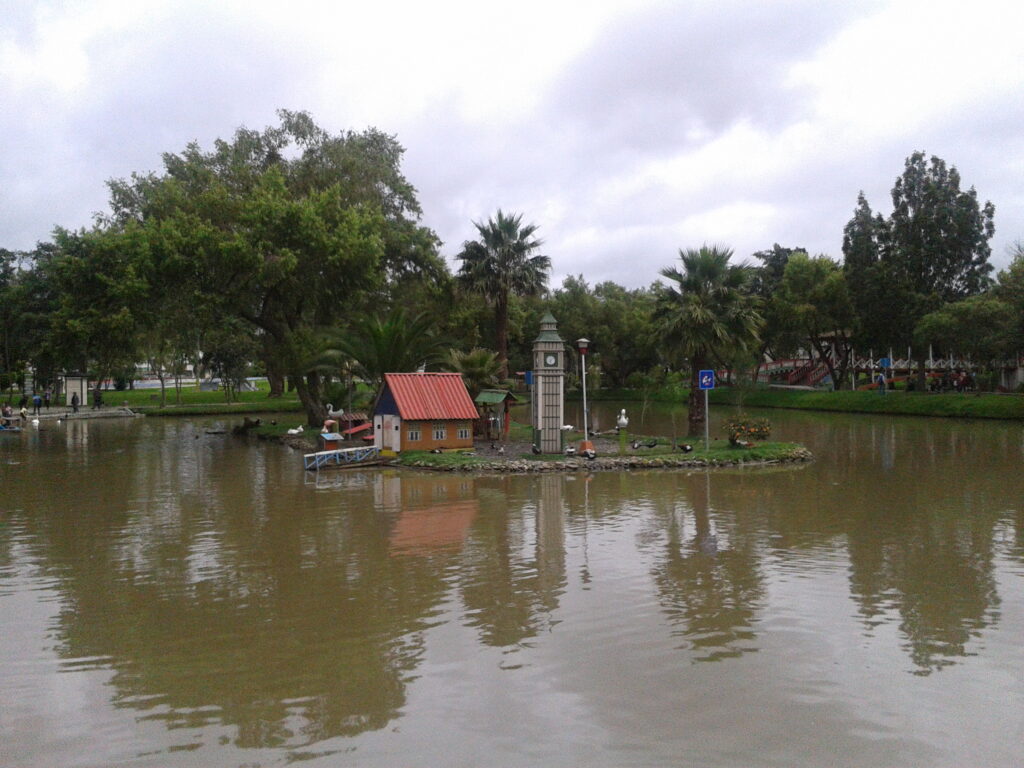
If you are travelling with family or simply want an enjoyable afternoon outdoors, this expansive park in the north of the city is a unique stop. It features manicured green lawns, sports fields, paddle boats on a serene lake, and scale architectural models representing iconic structures from around the world.
The Ecuadorian Amazon.
The most biodiverse place in the world
Nature and unmissable day trips
Podocarpus National Park / Cajanuma entrance
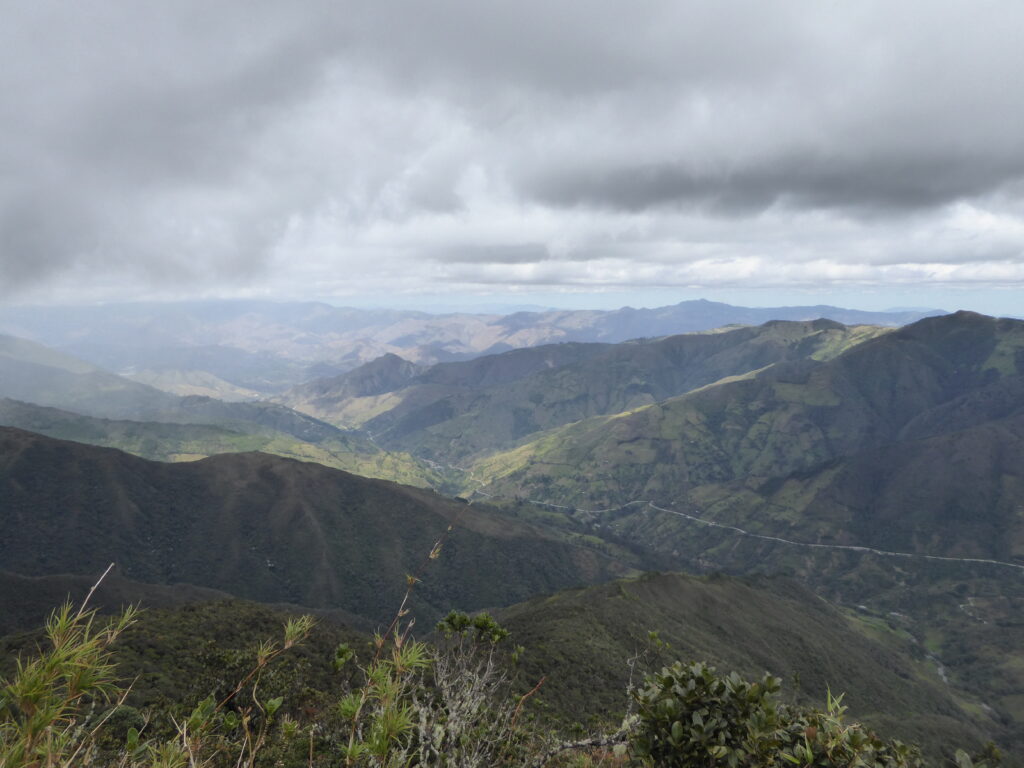
Nature enthusiasts should not miss Podocarpus National Park, a mega-diverse sanctuary protecting cloud forests, high-altitude páramo, and rare flora and fauna. The Cajanuma park entrance is situated just 20 minutes south of Loja by taxi or local interprovincial bus. From the ranger station, self-guided trails loop through enchanted cloud forest dripping with orchids, bromeliads, and tree ferns.
Vilcabamba / The Valley of Longevity
Located roughly 45 kilometres south of Loja, the tranquil village of Vilcabamba is easily accessible by local bus. World-famous for its mild climate and legendary reputation for the longevity of its inhabitants, it serves as an ideal base for day hikes, horse riding, or relaxing in an outdoor café surrounded by dramatic mountain scenery.
Local etiquette and practical travel tips
- Pedestrian culture: Loja is exceptionally clean and proud of its civic order. Always use designated pedestrian crossings; motorists here are generally more polite than in larger cities, but vigilance is still required
- Music and civic pride: Respect for local culture runs deep. Do not be surprised to see free classical concerts or folklore dance performances taking place in public squares
- Tipping: In small traditional eateries, tipping is not strictly mandatory, though rounding up the bill or leaving small change is appreciated. In mid-range restaurants, a 10% gratuity is standard
- Safety: Loja is widely regarded as one of Ecuador’s safest cities. Standard urban common sense applies, but walking through the historic centre during the evening is generally safe and enjoyable
The Galápagos.
Ecuador’s Enchanted Isles
Reaching Loja and moving around
- By overland bus: Regular long-distance buses connect Loja’s Terminal Terrestre to Cuenca (around 4 to 5 hours) and Guayaquil (around 7 to 8 hours). The scenic drive through the Andes offers breathtaking mountain vistas
- By air: The regional airport, Ciudad de Catamayo Airport, is located in the dry valley of Catamayo, approximately 45 minutes west of Loja. Shared taxis and dedicated airport buses line up outside the arrivals hall to transport passengers up the mountain highway into Loja
- Getting around town: The historic core is extremely walkable. For longer trips across town, bright yellow taxis are metered, inexpensive, and easy to flag down
Uncover southern Ecuador at your own pace
Read this far?
Loja is not a destination that demands a rushed checklist of tick-box attractions. Instead, its charm lies in the space it affords self-directed travellers—a chance to step off the well-trodden tourist trails connecting Quito, Cuenca, and the Pacific coast, and tune into a gentler mountain rhythm. Whether spent idling over a cup of locally grown Arabica coffee in a quiet courtyard or observing evening life unfold in Plaza San Sebastián, time spent here feels earned and authentic.
For those exploring via overland bus, bicycle, or on foot, the city serves as a rewarding crossroads. The surrounding valleys and cloud forests invite outdoor exploration without the hassle of restrictive group schedules or overpriced tour packages. Having the independence to watch the morning mist clear over the peaks of Podocarpus on your own terms is precisely what makes southern Ecuador so compelling.
As you prepare your onward itinerary, give Loja the time it deserves. Let the cadence of Andean guitar music, the warmth of a bowl of repe lojano, and the slow-paced generosity of its locals shape your journey through this remarkable corner of South America.
Affiliate Disclaimer: Some of the links on Wheely Tyred are affiliate links. If you click through and make a booking or purchase, we may earn a small commission at no extra cost to you. We only recommend gear, tours, stays, and services we genuinely use, trust, and stand behind — our editorial independence always comes first. These commissions help keep our independent cycling guides and travel stories free to read. You can also buy me a coffee here — thanks for supporting the ride!
The Ecuadorian Coast.
Where you’ll find the very best food
Frequently asked questions about visiting Loja for the first time
Ciudad de Catamayo Airport is located roughly 45 minutes west of Loja in a dry valley. Shared taxis (colectivos) and dedicated airport shuttle buses wait outside the terminal arrival area to transport passengers up the mountain highway directly into central Loja.
Yes, Loja is consistently recognised as one of the safest cities in Ecuador. The central streets and main plazas are well-lit and pleasant for evening walks. Standard urban common sense applies, but violent crime is extremely rare compared to larger regional hubs.
Unlike the rice- or nut-based horchatas found in Mexico or Spain, horchata lojana is a clear, bright pink herbal infusion made with over 20 regional herbs and aromatic flowers, including lemon verbena, bloodleaf (escancel), and red amaranth. It is served warm or iced, usually with a squeeze of fresh lemon juice.
A stay of three to four days allows sufficient time to explore the historic centre, sample regional cuisine, hike in Podocarpus National Park, and take a day trip to the surrounding valley of Vilcabamba without feeling rushed.
No advance tour bookings are necessary for the Cajanuma entrance. You can reach the park entrance by taking a southbound interprovincial bus or local taxi from Loja, registering at the ranger station, and exploring the well-marked trails independently.
Regular interprovincial buses depart throughout the day from Cuenca’s central bus station (Terminal Terrestre). The journey takes approximately 4 to 5 hours along a scenic highway through the southern Andes.
Ecuador.
Pure wonder on the equator.


