
The best travel insurance for Coastal Ecuador / A complete explainer
Why standard travel insurance fails on Ecuador’s Pacific coast (and how to choose valid cover)

Coastal travel in Ecuador and the insurance challenge

BEN FINCH
Selecting valid travel insurance for the Pacific coast of Ecuador requires navigating complex policy exclusions, regional health logistics, and shifting national security advisories. Standard high-street insurance policies frequently exclude coverage across coastal provinces due to active government travel warnings, leaving unprepared tourists vulnerable to major medical expenses.
Ecuador’s Pacific coast—spanning from the northern mangroves of Esmeraldas down through the coastal highways of Manabí and Santa Elena to the southern bay of Guayas—draws a distinct class of traveller. Bikepackers trace the Ruta Spondylus, surfers flock to the point breaks of Montañita and Ayampe, and digital nomads establish seasonal bases in quiet beach towns such as Olón and Canoa. Nearby, marine sanctuaries off Puerto López offer access to humpback whale calving grounds and rich coastal ecosystems.
However, the geographical realities of Ecuador’s coast present distinct risks. Coastal medical infrastructure is heavily bifurcated. Small village clinics (centros de salud) provide basic emergency stabilisation, but serious traumatic injuries, severe tropical illnesses, or complex surgical emergencies necessitate medical evacuation to major regional hospitals in Portoviejo, Manta, or the main commercial hub of Guayaquil.
Compounding these medical logistics is a rapidly evolving security environment. Over recent years, public safety along key coastal transit routes and port cities has prompted international diplomatic bodies—including the UK Foreign, Commonwealth & Development Office (FCDO)—to issue restrictive travel advisories.
For the independent traveller, these advisories create a legal trap: buying a standard, off-the-shelf insurance policy from a home country high-street broker may yield a document that is completely invalid the moment you cross into a coastal province.
Securing proper protection requires understanding how policy clauses interact with government warnings, ensuring active water sports are covered, and selecting a flexible international insurer built for regional realities.
Coastal safeguards / The essential takeaways
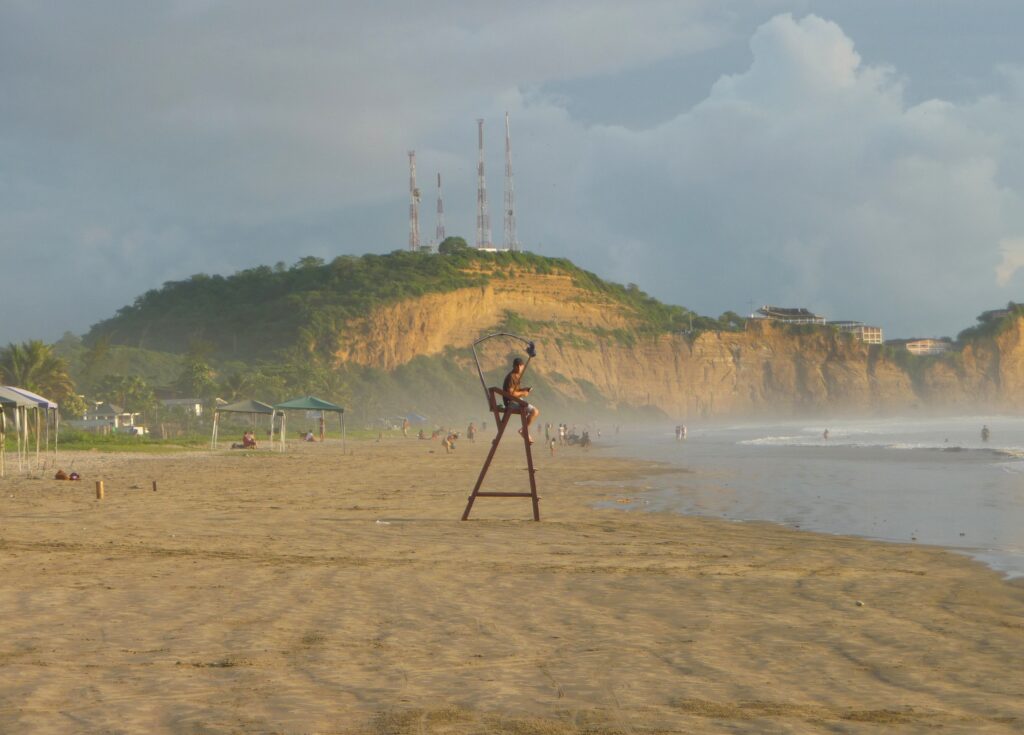
Navigating foreign office advisories and regional health logistics keeps your journey along Ecuador’s Pacific edge secure and uninterrupted. Whether surfing point breaks or riding long coastal stretches, securing the right policy is as fundamental as packing your primary kit.
- Advisory awareness: Government advisories from bodies like the UK FCDO cover key coastal provinces (Manabí, Santa Elena, Guayas), invalidating standard high-street travel insurance policies automatically
- Marketplace flexibility: Comparison platforms such as VisitorsCoverage and Insubuy aggregate international plans with global underwriting, ensuring medical protection remains active regardless of domestic foreign office warnings
- Surf and water sports protection: Active travellers visiting Montañita, Ayampe, and Canoa require explicit active leisure add-ons to cover reef abrasions, ocean rescues, and board impacts
- Evacuation logistics: Village health posts (centros de salud) in places like Olón or Puerto López handle basic triage, but serious injuries require medical evacuation to regional hospitals in Guayaquil, Manta, or Portoviejo
- Ruta Spondylus transit: Public bus travel between coastal hubs carries baggage theft risks; holding a policy with dedicated luggage and personal gear protection safeguards your essentials en route
- Zero-deductible options: Opting for a plan without excess fees ensures small outpatient bills for tropical illnesses or minor clinic visits can be claimed back without financial friction
The Ecuadorian Coast.
Where you’ll find the very best food
Travel advisories and policy validity explained
Government travel advisories directly determine whether a domestic travel insurance policy remains legally binding. When an official body such as the UK Foreign, Commonwealth & Development Office (FCDO) advises against “all but essential travel” or “all travel” to a region, standard domestic insurance policies usually trigger an automatic exclusion clause, rendering medical and cancellation cover null and void.
Most standard domestic travel insurance policies contain advisory exclusion terms. If the FCDO or an equivalent national foreign office advises against travel to coastal Ecuador, standard policies immediately void medical, theft, and cancellation claims, leaving travellers to bear all costs out of pocket.
Understanding the geographical scope of these advisories is essential before booking travel along the Ecuadorian coastline. The FCDO currently advises against all but essential travel to several coastal provinces, explicitly citing security concerns and localised civil emergency measures.
Coastal provinces subject to advisory restrictions
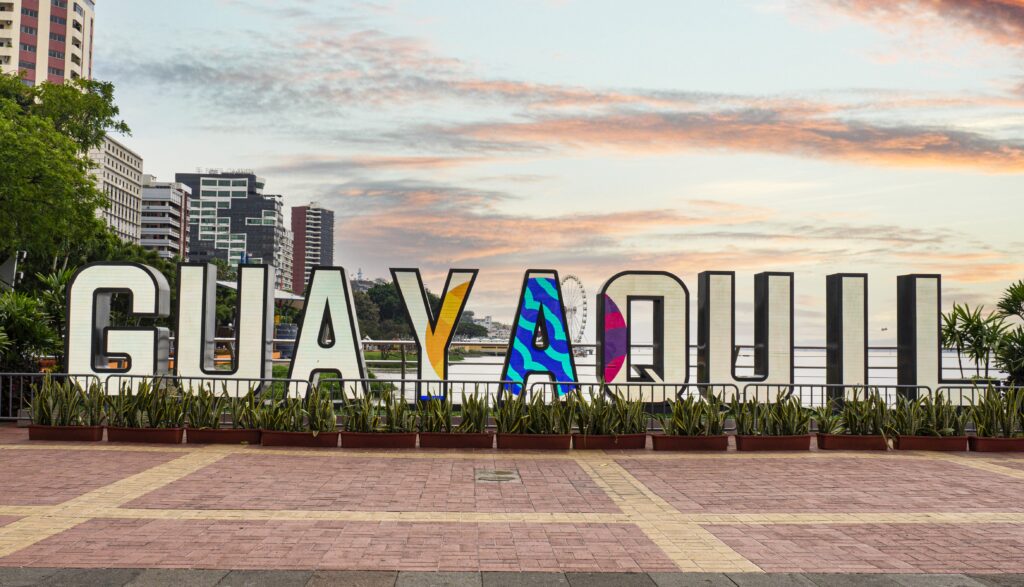
- Esmeraldas: High-level advisories cover the entire province, including coastal border zones
- Manabí: Advisories apply across the province, impacting popular coastal towns such as Canoa, Bahía de Caráquez, and Manta
- Santa Elena: Advisories cover the entire peninsula, encompassing popular surf hubs like Montañita, Ayampe, and the nomad centre of Olón
- Guayas: Broad advisories cover rural and urban areas across the province. Airside transit through Guayaquil’s José Joaquín de Olmedo International Airport is typically excepted, but ground travel into the province triggers restrictions
- El Oro & Los Ríos: Complete coverage advisories affect inland transit routes leading to southern coastal borders
- Santo Domingo de los Tsáchilas: Advisories impact major overland transport corridors connecting the Andean highlands around Quito to the Pacific coast
The Galápagos.
Ecuador’s Enchanted Isles
The mechanism of policy invalidation

Most high-street insurers embed a standard clause within their policy wording, such as: “This policy does not cover any trip, medical expense, or cancellation claim arising from travel to a country, region, or specific area to which the government or foreign authority of your home country has advised against all or all but essential travel.”
If you hold a standard policy from a UK or European insurer and sustain a surfboard injury in Montañita or contract a severe viral infection in Puerto López, the insurer’s claims management team will cross-reference your location against the active FCDO map on the date of the incident. If the location falls within an advisory zone, the claim will be rejected outright.
Furthermore, essential travel is defined exceptionally strictly by courts and underwriters. Vacationing, remote work, surf trips, and general tourism do not qualify as essential travel. Consequently, relying on a standard policy while travelling along the Ecuadorian coast exposes you to catastrophic financial risk in the event of a medical emergency.
Leading solutions for coastal Ecuador / VisitorsCoverage & Insubuy

To secure valid protection when travelling through regions under active foreign advisories, independent travellers must look beyond domestic high-street insurers. Using international insurance comparison marketplaces like VisitorsCoverage and Insubuy gives travellers direct access to international travel medical policies operating under global underwriting frameworks.
VisitorsCoverage and Insubuy allow travellers heading to coastal Ecuador to filter and purchase international travel medical plans with global underwriting. These platforms enable travellers to compare high medical limits ($50,000–$1,000,000+ USD), select zero-deductible options, add active water sports coverage for surfing, and secure valid protection while already abroad.
1. VisitorsCoverage
VisitorsCoverage is a leading international travel insurance platform that simplifies finding policies built for complex overseas itineraries.
- Flexible Global Underwriting: VisitorsCoverage aggregates plans from global underwriters (such as WorldTrips, Seven Corners, and IMG) that do not tie policy validity strictly to domestic government warnings like the UK FCDO
- Tailored Plan Comparison: The platform allows users to instantly compare international travel medical plans (e.g. Atlas International, Safe Travels, and Patriot International) side-by-side, filtering specifically for high emergency medical limits ($50,000 to $1,000,000+ USD) and emergency medical evacuation
- Active Recreation Options: Travellers heading to coastal breaks in Montañita, Ayampe, or Canoa can filter for policies that include adventure sports riders, ensuring water sports and surfing accidents are fully covered
- Zero Deductible Availability: VisitorsCoverage enables travellers to select 0% deductible options, eliminating out-of-pocket costs for minor medical visits at coastal clinics
2. Insubuy
Insubuy is a premier broker platform specializing in comprehensive travel medical insurance, visitors insurance, and international emergency protection.
- Direct Policy Filtering: Insubuy provides transparent policy wording tools, allowing travellers to review exact exclusions before purchasing. This is crucial for verifying that travel within Ecuadorean coastal provinces (Manabí, Santa Elena, Guayas) remains fully covered
- Acute Onset of Pre-Existing Conditions: For travellers with prior health conditions, Insubuy allows side-by-side filtering for plans offering coverage for the acute onset of pre-existing conditions during international travel
- Instant Digital Issuance: Policies can be bought online in minutes—even if you are already travelling—with instant digital delivery of policy certificates and emergency contact cards
- Guaranteed Hospitalisation Coordination: Insubuy partners with insurers that offer 24/7 emergency assistance teams capable of issuing direct payment guarantees to major regional facilities in Guayaquil, Manta, and Portoviejo
The Ecuadorian Sierra.
Get lost in the hills
Key coverage attributes for Coastal Ecuador
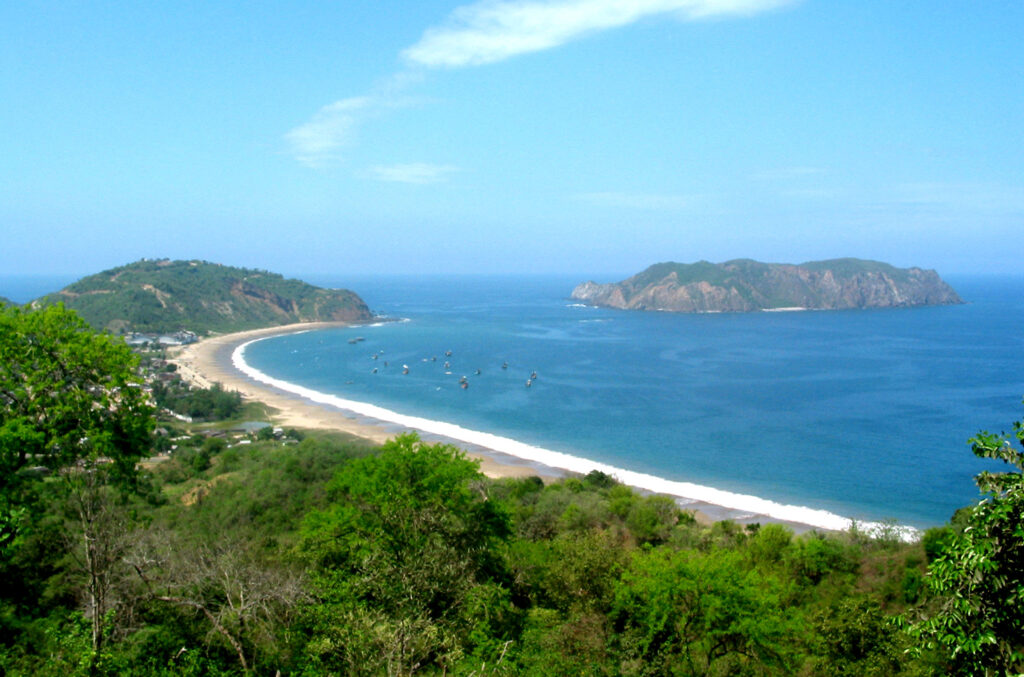
1. Uninterrupted medical protection
Medical coverage limits must be designed to meet serious health emergencies, including hospital stays, emergency surgeries, outpatient care, and prescription medication. If you require medical care in coastal commercial hubs like Manta or primary hospitals in Guayaquil, international coverage should coordinate payment handling directly with treating facilities or reimburses verified medical expenses promptly.
2. Active recreation and water sports inclusions
The coastline of Ecuador is an active destination. Traditional travel policies often classify surfing, sea kayaking, and off-road coastal cycling as “hazardous activities” requiring expensive secondary add-ons or excluding them altogether. When booking your policy, you sholuld review and check active leisure policy options to ensure that water sports along surf breaks like Montañita, Ayampe, and Canoa are fully covered against accidental injury.
3. Zero deductible options / Excess
Minor medical consultations at local coastal clinics—such as treating a sea urchin puncture, minor reef cuts, or acute gastroenteritis—typically cost between $50 and $150 USD. Standard policies with high excesses ($100–$200) render these small claims unrecoverable. Check if the policy offers policy tiers with a 0% deductible, allowing travellers to claim back smaller medical expenses without out-of-pocket loss.
4. Buying a policy while already travelling
A common challenge for long-term travellers in South America is policy expiry. Many traditional insurers refuse to issue a policy if the traveller has already left their home country. Some insurance providers allow travellers to purchase or extend coverage online while on the ground in Ecuador, subject to a standard short waiting period after issuance to prevent fraud.
5. Integrated transport & baggage cover
Public bus transit along the Ruta Spondylus involves changing regional conveyances. Include baggage loss and delay coverage to provide financial protection if gear or personal effects are lost or stolen during transit between coastal settlements.
Comparing key insurance options for Coastal Ecuador
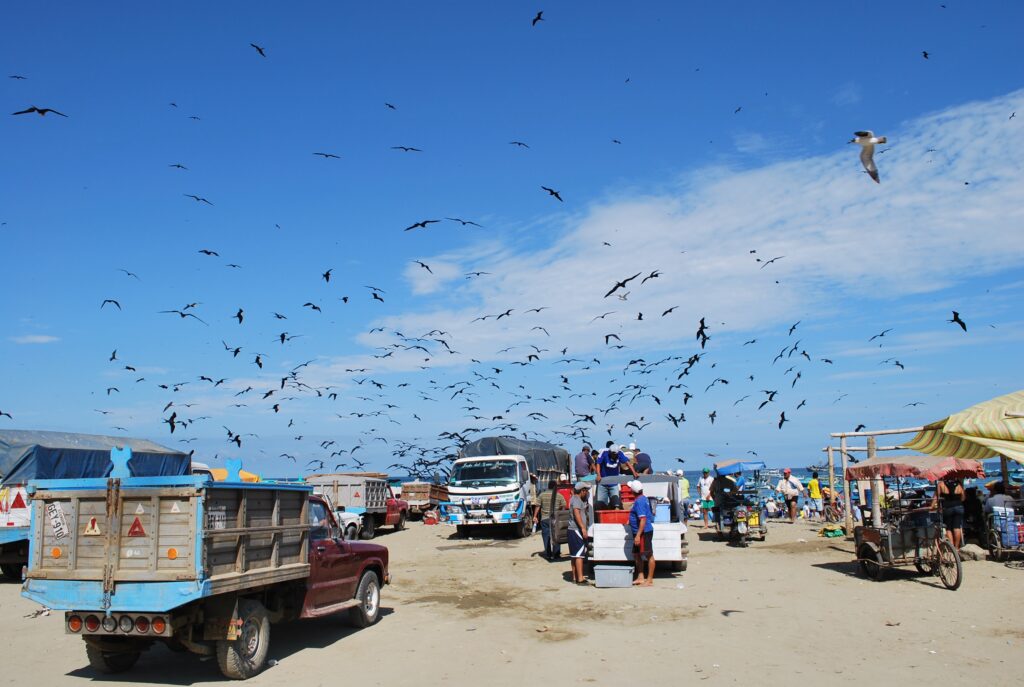
When selecting coverage for coastal Ecuador, travellers must evaluate medical maximums, evacuation support, water sport inclusions, and how each provider handles government advisories. Below is a structured comparative analysis of the primary international insurance options available.
| Provider | Max Medical Limit | Emergency Evacuation | Water Sports / Surfing | Advisory Stance (FCDO) | Best Suited For |
| VisitorsCoverage | $50,000 to $2,000,000+ USD | Included (Up to $1,000,000 USD) | Covered (with customizable Sports Rider) | Flexible international underwriting options available | Independent tourists, surfers, bikepackers |
| Insubuy | $50,000 to $5,000,000 USD | Included (Up to $1,000,000 USD) | Covered (filterable adventure options) | Transparent filtering for international plans | Long-term travellers, surfers, pre-existing condition focus |
| SafetyWing (Nomad Insurance) | $250,000 USD | Up to $100,000 USD | Basic swimming included; extreme sports require an add-on | Excludes areas with active sanctions or civil conflict | Digital nomads residing long-term in hubs like Olón |
| High-Risk Voyager | Up to £1,000,000 GBP | Included | Optional add-on | Explicitly covers zones under FCDO warnings | UK residents seeking absolute compliance with FCDO alerts |
| World Nomads | Up to $100,000+ USD (Standard / Explorer) | Included | Comprehensive (Explorer Plan) | Invalidated if travelling against home country advice | Adventure sports enthusiasts visiting non-restricted zones |
The Ecuadorian Amazon.
The most biodiverse place in the world
Detailed evaluation of alternative providers

SafetyWing (Nomad Insurance)
SafetyWing is a popular choice for remote workers living extended periods in coastal hubs like Olón or Montañita. Its subscription-based model ($42-day rolling cycle) provides ease of use for long trips.
- Pros: Automatic continuous billing; high maximum medical limit ($250,000 USD); includes limited home country visit coverage
- Cons: Coverage is subject to strict exclusions regarding areas experiencing active political unrest or specific international sanctions. Surfing coverage requires careful verification under their extended sports add-on terms
High-Risk Voyager
High-Risk Voyager is a specialist underwriter designed specifically to provide travel insurance for individuals entering regions where the UK FCDO or European foreign ministries advise against travel.
- Pros: Explicitly overrides standard FCDO restrictions; high emergency medical limits; provides peace of mind for UK passport holders who must travel to restricted coastal provinces
- Cons: Premiums are significantly higher than standard policies; policy setup requires detailed declarations; less flexible for casual online purchases while mid-trip
World Nomads
World Nomads is known for its comprehensive adventure sports coverage, making it a frequent consideration for surfers and outdoor enthusiasts heading to South America.
- Pros: Outstanding coverage for gear, cameras, sports equipment, and extreme sports activities under the Explorer Plan
- Cons: Policy validity is strictly tied to the traveller’s country of residence and associated foreign office warnings. For UK residents, an FCDO “against all but essential travel” advisory in coastal provinces like Manabí or Santa Elena will void a standard World Nomads policy
Essential coverage features for the Ecuadorian Coast

Travelling along the Ecuadorian coast presents unique health and environmental conditions. To ensure comprehensive protection, your policy must account for localised medical transportation, water sports risks, intercity bus transit, and tropical diseases.
Essential travel insurance features for coastal Ecuador include emergency medical evacuation to hospitals in Guayaquil or Manta, explicit water sports coverage for surfing injuries, baggage transit protection along the Ruta Spondylus, and outpatient coverage for tropical illnesses like dengue fever.
1. Medical evacuation and regional transport
The coast of Ecuador is dotted with picturesque villages, but tertiary healthcare is concentrated in major urban centres.
- Local Clinics (Centros de Salud): Small communities like Olón, Ayampe, and Puerto López have basic medical posts capable of treating minor lacerations, hydration issues, and mild infections
- Regional Hospitals: Severe trauma, deep lacerations, complex fractures, or emergency surgeries require transport to regional hospitals in Portoviejo or Manta (in Manabí province), or private hospitals in Guayaquil (in Guayas province)
- Evacuation Requirement: Ensure your policy includes a minimum of $50,000 USD for emergency medical evacuation and repatriation. Ground ambulance transport across provincial borders can cost thousands of dollars out of pocket without insurance support
2. Water sports and surfing hazards
Surfing is a primary driver of tourism along the Santa Elena and Manabí shorelines, particularly at the famous point break in Montañita and the beach breaks of Canoa.
- Reef and Board Injuries: The combination of powerful Pacific swells, shallow sandbars, and rocky reefs leads to frequent injuries, including fin cuts, board impact trauma, and reef abrasions
- Ocean Rescue: If a rescue operation is required off the coast, emergency assistance services must be authorised under an active sports or water recreation clause. Confirm that your chosen policy explicitly lists surfing and open-water swimming under its covered activities
3. Baggage and digital gear transit
Transit along the coastal highway system (Ruta Spondylus) relies heavily on regional inter-city buses (interprovinciales).
- Transit Vulnerabilities: Luggage stored in lower bus holds or overhead racks during journeys between Guayaquil, Puerto López, and Manta can be susceptible to theft or accidental loss
- Policy Protection: Verify that your insurance includes personal effects cover with reasonable single-article limits to safeguard clothing, backpacks, and basic electronics during transit
4. Tropical diseases and environmental health
Ecuador’s coastal provinces feature a tropical climate with distinct wet and dry seasons.
- Mosquito-Borne Illnesses: Dengue fever, chikungunya, and zika are endemic to low-elevation coastal zones, particularly during the warm, wet months between January and May. Severe dengue can require inpatient hospitalisation, fluid management, and continuous monitoring
- Gastrointestinal Infections: Bacterial or parasitic gastroenteritis is common among international visitors adjusting to local water supplies and street food. Access to covered outpatient doctor visits and prescription antibiotics is vital for rapid recovery
The Ecuadorian Coast.
Where you’ll find the very best food
Actionable checklist before buying cover
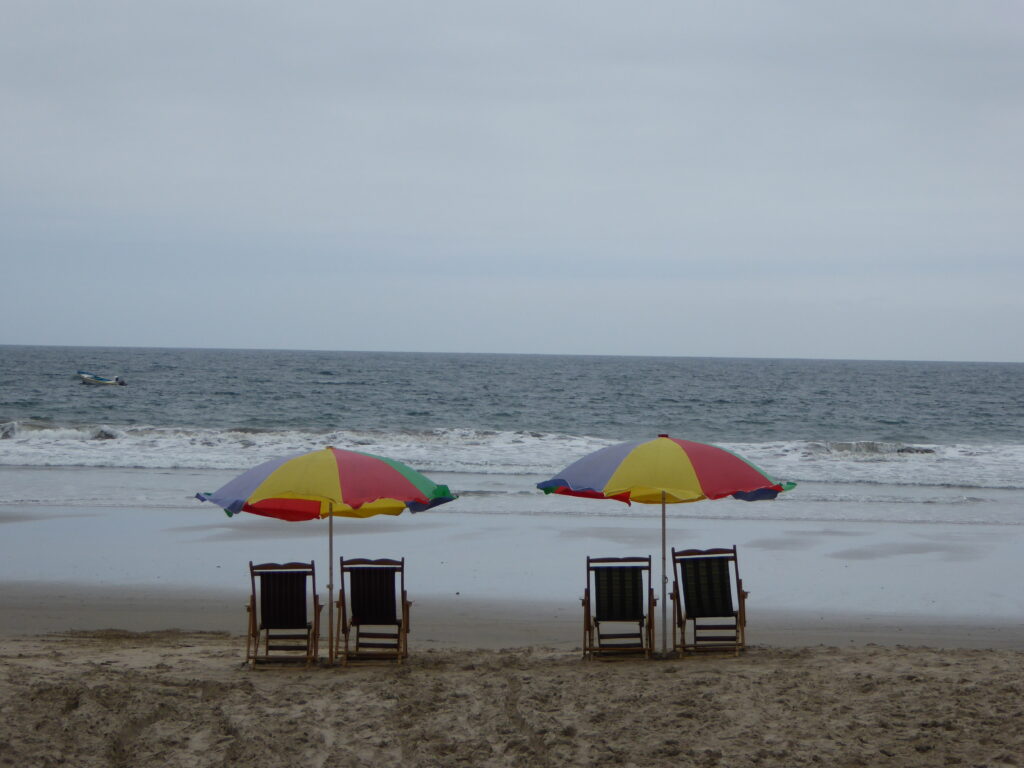
Before finalising your travel insurance policy for a trip to coastal Ecuador, complete this step-by-step checklist to ensure your coverage is complete, valid, and easily accessible during an emergency.
Travellers should declare all pre-existing medical conditions, select a zero-deductible policy if available, save offline digital copies of emergency contact numbers, and understand whether their provider offers direct hospital billing.
Step 1 / Verify regional advisory exclusions
- Check your domestic foreign office website (e.g. UK FCDO) for current travel advice covering Manabí, Santa Elena, Guayas, and Esmeraldas
- If an advisory against “all but essential travel” is active, use VisitorsCoverage or Insubuy to select plans featuring international underwriting that remain valid regardless of domestic foreign office warnings
Step 2 / Select the correct policy tiers and add-ons
- Ensure active recreation or water sports options are checked if you plan to surf in Montañita, kayak in Puerto López, or cycle coastal routes
- Choose a 0% deductible option where available to eliminate out-of-pocket friction for small clinic visits and prescriptions
Step 3 / Declare all pre-existing medical conditions
- Fully disclose all relevant medical history during application. Failing to declare pre-existing conditions can void your entire policy in the event of a claim, even if the emergency is unrelated to the prior condition
Step 4 / Save documents and emergency contacts offline
- Save a PDF copy of your insurance policy certificate, coverage schedule, and emergency assistance phone numbers directly to your smartphone
- Print a physical copy of your insurance card and keep it in your primary daypack alongside your passport copy
- Store the 24/7 emergency assistance hotline number and policy number in your phone contacts for rapid access
Step 5 / Understand emergency claim protocols
- Inpatient Emergencies / Hospitalisation: Contact your insurer’s 24/7 emergency assistance hotline before agreeing to major procedures, except in immediate life-threatening situations, so the underwriter can issue a letter of guarantee to the hospital
- Outpatient Emergencies / Small Clinics: Keep all original medical reports, official receipts (facturas), doctor notes, and prescription receipts to submit with your online claim reimbursement form
By selecting an adaptable provider, verifying water sports inclusions, and keeping offline copies of your policy details, you can explore the beaches, surf breaks, and coastal towns of Ecuador with total peace of mind.
Secure your ride along the Pacific Coast

Travelling independently along Ecuador’s Pacific rim offers an unparalleled sense of freedom, whether you are following the ocean swells down the Ruta Spondylus or spending quiet weeks working from a coastal base in Olón. Yet, the stark realities of regional health logistics and shifting security classifications mean that hope is never a viable strategy when it comes to personal safety.
Taking the time to read the fine print of your policy prevents costly surprises. By bypassing rigid high-street insurers whose coverage dissolves at the provincial border and utilizing comparison platforms like VisitorsCoverage or Insubuy, you ensure that medical care, emergency transport, and ocean active leisure remain fully supported throughout your itinerary.
Before you load your panniers or wax your board in Montañita, double-check your documentation, save emergency contact numbers offline, and confirm your medical maximums. A well-chosen policy costs a fraction of your overall travel budget, leaving you free to focus entirely on the open coastal road ahead.
Affiliate Disclaimer: Some of the links on Wheely Tyred are affiliate links. If you click through and make a booking or purchase, we may earn a small commission at no extra cost to you. We only recommend gear, tours, stays, and services we genuinely use, trust, and stand behind — our editorial independence always comes first. These commissions help keep our independent cycling guides and travel stories free to read. Thanks for supporting the ride!
Frequently asked questions about the best travel insurance for Coastal Ecuador
No. Most traditional domestic policies contain an automatic exclusion clause that voids medical, baggage, and trip cancellation coverage if you travel into a region where your home government (such as the UK FCDO) advises against all or all but essential travel. To remain covered across coastal provinces like Manabí, Santa Elena, and Guayas, you should use an international comparison platform like VisitorsCoverage or Insubuy to select plans featuring global underwriting that operate independently of domestic foreign office mandates.
Coastal towns generally feature basic public health posts (centros de salud) or small private outpatient clinics suitable for minor ailments, stings, and basic wound care. For complex surgeries, severe trauma, or specialist treatment, patients must be transferred to tertiary hospitals in larger urban centres like Portoviejo, Manta, or Guayaquil. Comprehensive medical evacuation cover is therefore essential.
Surfing and open-water sports are frequently classed as hazardous activities by standard underwriters. When setting up your policy, you must select an “active leisure” or water sports add-on to ensure reef cuts, board damage, and ocean rescue operations are covered in spots like Montañita, Ayampe, or Canoa.
Smaller outpatient clinics usually expect immediate payment upfront in cash or by credit card. You must retain all itemised receipts (facturas), medical notes, and prescriptions to submit to your insurer for reimbursement. For major inpatient hospital admissions in Guayaquil or Manta, contact your insurer’s 24/7 emergency hotline immediately so they can issue a direct payment guarantee to the medical facility.
Yes, international insurance platforms like VisitorsCoverage and Insubuy allow travellers to search, compare, and purchase travel medical insurance after leaving their home country. Keep in mind that a brief waiting period (typically 48 to 72 hours) usually applies before medical illness coverage becomes active, preventing claims on pre-existing issues or immediate illnesses contracted prior to purchase.
When riding inter-provincial buses along the Ruta Spondylus, keep high-value items, passports, and electronics in a small daypack on your lap or under your seat, rather than placing them in overhead racks or the lower luggage hold. Choose an insurance policy that includes transit baggage cover with clear single-item limits to cushion against loss or theft.
Ecuador.
Pure wonder on the equator.


