
What to pack for overland travel in the Ecuadorian Sierra
Essential kit for high-altitude bikepacking, 4×4 overlanding, and independent travel across Ecuador’s Andes
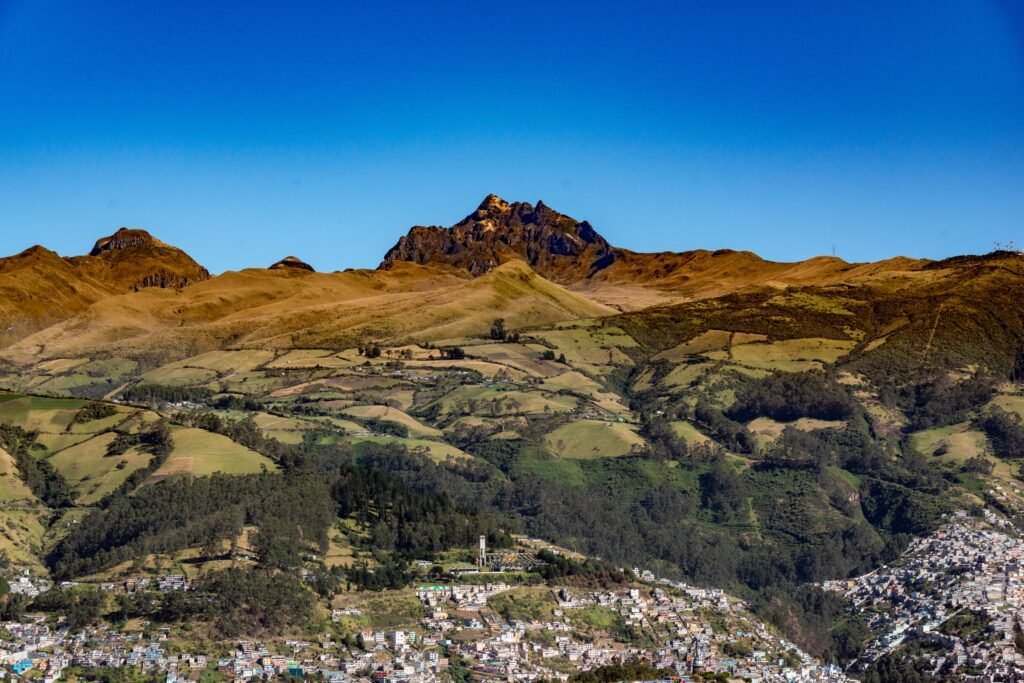
The topographical reality / Why the Sierra breaks standard packing lists

BEN FINCH
Traversing the Ecuadorian Sierra independently demands an uncompromising approach to equipment. The central corridor of Ecuador—often simplified as the Avenue of the Volcanoes—presents an environment defined by extreme relief, microclimate volatility, and rapid atmospheric shifts.
Within a single day of travel on two or four wheels, elevations frequently oscillate between deep, arid inter-Andean valleys at 1,800 metres and exposed, wind-scoured páramo passes exceeding 4,200 metres.
Standard overland packing lists designed for temperate zones or flat continental transits fail in the Ecuadorian Andes. The equator exaggerates thermal shifts rather than mitigating them.
At 4,000 metres on the flanks of Volcán Chimborazo or Volcán Cotopaxi, equatorial solar radiation generates intense surface heat by midday. Conversely, as soon as cloud cover rolls in from the Amazon basin or the sun dips below the ridge, ambient temperatures plunge instantly to near-freezing levels. High relative humidity, dense mountain fog (neblina), and torrential convective rains turn dirt tracks into thick mud within minutes.
Independent travel across the Sierra also forces severe mechanical isolation. While the paved Troncal de la Sierra (E35/Pan-American Highway) runs through major urban hubs such as Quito, Ambato, and Cuenca, true overland routes divert onto unpaved agricultural tracks, cobblestone connectors, and loose volcanic shale.
On these backroutes—such as the Quilotoa Loop backtracks, the Trans-Ecuador Mountain Bike Route (TEMBR) legs, or the dirt passes of El Cajas—vehicle recovery services are non-existent and cellular coverage vanishes behind mountain walls.
Packing for the Sierra is not an exercise in comfort optimisation; it is a discipline of risk management. Every item carried must resist water saturation, endure mechanical abrasion from volcanic grit, function reliably at sub-zero temperatures, and serve a clear structural purpose in maintaining momentum across isolated terrain.
Essential gear takeaways for the Ecuadorian Andes
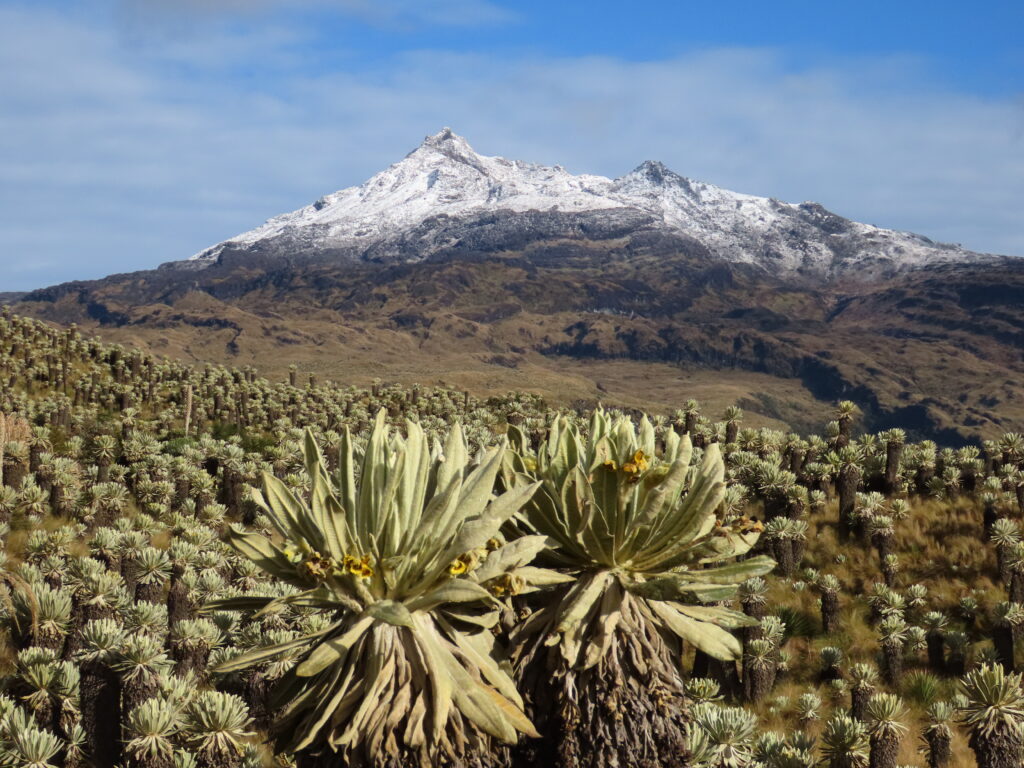
Mastering the Avenue of the Volcanoes requires genuine respect for volatile mountain weather and uncompromising mechanical prep.
Here is a quick-reference summary of the foundational gear principles for traversing Ecuador’s high-altitude corridor.
- Thermal management: Implement a strict three-layer system anchored by merino wool baselayers and a 20,000mm hardshell to handle sudden 25°C to sub-zero drops
- Páramo-proof sleeping: Pair a -5°C-rated sleeping bag with an R4.5+ insulated mat and a freestanding double-wall tent to combat sodden ground and freezing condensation
- Mechanical self-reliance: Carry high-viscosity wet lube, tubeless repair plugs, sintered brake pads, and spare derailleur hangers to survive abrasive volcanic slate and relentless descents
- 4×4 expedition readiness: Pack dual-piston air compressors, water-separating fuel filters, and high-tensile recovery hardware to offset severe altitude power loss and remote track washouts
- Redundant navigation: Pre-download offline vector topology maps and carry a two-way satellite communicator, as cellular service evaporates in mountain valleys
- Water and medical security: Purify all surface runoff using a 0.1-micron hollow-fibre filter backed by chemical tablets, and carry acetazolamide (Diamox) alongside broad-spectrum antibiotics
- Cultural integration: Swap athletic shorts for technical stretch trousers in mountain pueblos to respect local community norms while maintaining weather protection
The Ecuadorian Sierra.
Get lost in the hills
Clothing and layering strategy / Managing rapid thermal shifts
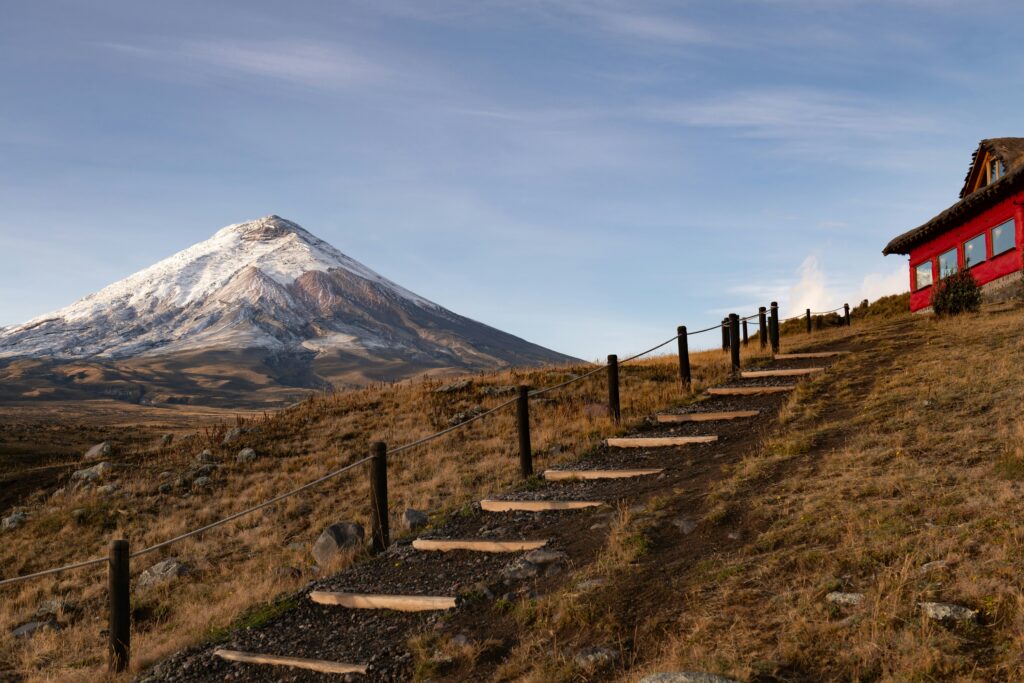
Clothing systems for the Ecuadorian Andes must manage two conflicting physical realities: high physical exertion under high UV intensity, and sudden thermal collapse caused by cold winds and damp atmospheric conditions.
Cotton is strictly unusable in this environment; its moisture retention capacity creates a severe hypothermia risk when stop-and-start travel occurs in high-altitude winds.
The core strategy rests on a three-layer microclimate system, supplemented by high-altitude accessories:
- Next-to-skin baselayers: Merino wool (minimum 150 to 200 g/m²) or high-grade synthetic grid fleece. Merino excels in high-altitude multi-day travel due to its thermal regulation when damp and its natural antimicrobial properties during extended remote legs
- Insulating mid-layers: Compact, high-loft insulation is required for static periods and high-pass crossings. Hydrophobic down (800+ fill power) offers the best warmth-to-weight ratio for overland loading, provided it is stored in fully waterproof dry bags. Synthetic insulation (such as PrimaLoft Gold) is preferred for active riding or driving in persistently damp conditions
- Outer weather-shield shells: The outer layer must be an uncompromised, technical hardshell featuring a minimum 20,000 mm hydrostatic head waterproof rating and a breathability rating of at least 20,000 g/m²/24h. Pit zips are essential to flush warm moisture during sustained uphill climbs
In addition to technical performance, cultural context dictates lower-body apparel choices. In small mountain villages (pueblos) across Cotopaxi, Tungurahua, and Chimborazo provinces, walking around in athletic shorts or bib tights outside active transit is culturally incongruous and marks travellers instantly.
Technical stretch-woven trousers (such as nylon-elastane blends with a DWR finish) provide abrasion resistance on the trail while remaining culturally appropriate in rural settlements.
Sierra apparel
| Item | Required specification | Sierra-specific context |
| Hardshell jacket | 3-layer Gore-Tex Pro or equivalent; 20,000mm+ hydrostatic head; fully taped seams | Essential against sudden páramo cloudbursts and gale-force ridge winds. |
| Thermal baselayers | 100% Merino wool (200 g/m²) top and bottom | Regulates body heat across 25°C valley bottoms to 0°C mountain passes. |
| Insulated jacket | 800+ fill hydrophobic down or 100g synthetic insulation | Worn during campsite setup, vehicle repairs, and night-time drops in temperature. |
| Riding/driving trousers | Abrasion-resistant nylon with DWR treatment and 4-way stretch | Protects against road spray and mud; aligns with rural modesty expectations. |
| Waterproof gloves | Windproof, insulated outer shell with removable thermal liner | Hand numbness on long technical descents impairs brake lever control and steering. |
| Headwear system | UV-blocking wide-brim hat AND thermal merino beanie | Extreme UV index during sun hours switches to freezing conditions at dusk. |
| Footwear | Waterproof mid-cut boots or stiff-soled SPD shoes with Vibram grip | Cobblestones, river crossings, and clay mud render smooth-soled shoes useless. |
Overland vehicle and bicycle spares / Mechanical self-reliance on dirt tracks

The topography of the Sierra subjects mechanical components to relentless wear. Sustained climbs spanning 1,500 vertical metres strain vehicle cooling systems and bicycle drivetrains alike.
Unpaved Andean tracks consist of sharp volcanic gravel, deep basalt ruts, washed-out culverts, and hand-laid cobblestones (empedrado). The resulting vibration loosens untorqued fasteners, while abrasive dust destroys bearings, chains, and seals.
For four-wheel drive overlanders, vehicle weight must be strictly managed against altitude power loss. Naturally aspirated diesel and petrol engines lose approximately 10% of their power for every 1,000 metres of elevation gain. By 4,000 metres, an unturbocharged engine operates at a 40% performance deficit.
Carrying excessive, unorganised spare parts compounds this issue. Spare selection must focus precisely on components vulnerable to altitude, rough tracks, and low-grade fuel.
For bicycle tourers and bikepackers, the primary enemies are tyre sidewall cuts from volcanic slate and drivetrain contamination from fine wet ash. Conventional light road or standard gravel tyres will suffer catastrophic sidewall failures; heavy-duty tubeless casings with reinforced sidewalls are mandatory.
While specialised bicycle shops (taller de bicicletas) and auto-mechanics (mecanica automotriz) exist in major hubs like Quito, Cuenca, and Ambato, rural hardware stores (ferreterías) stock only basic metric hardware, low-grade oils, and tubes for small 26-inch utility bicycles.
Importing specific componentry into Ecuador incurs heavy customs tariffs and multi-week delays. You must carry your own high-grade consumables.
Bicycle mechanical spares kit
- Tyre repair system: High-density tubeless sealant (minimum 250ml extra bottle; sealant dries out rapidly at high altitude), tubeless insertion plugs (bacon strips) of varying thickness, tyre boots for sidewall tears, and ultra-durable spare inner tubes (e.g., TPU or heavy-duty butyl) as absolute backups
- Drivetrain components: Two spare chains pre-cut to correct length, spare quick-links (master links), rear derailleur hanger specific to your frame model (vital—hangers snap easily on rutted tracks), and replacement disc brake pads (sintered metallic compound only; organic pads incinerate on 15km mountain descents)
- Control cables and spokes: Spare shifter cables, hydraulic brake bleed syringe with small fluid bottle, and four spare spokes of precise drive-side and non-drive-side lengths
- Lube and cleaner: High-viscosity wet chain lubricant. Dry lubricants wash off instantly in cloud forest dampness and high-altitude rain
4×4 vehicle mechanical spares kit
- Fuel filtration and delivery: Spare primary and secondary fuel filters. Low-grade diesel in rural stations often contains water and particulate sediment that clogs injectors under high engine loads
- Tyre management: Heavy-duty 12V air compressor (dual-piston rated for high pressure), tyre deflator gauge, vulcanising tyre plug kit, spare valve cores, and a high-lift jack with a solid baseplate for soft soil/mud deployment
- Fluids and seals: Full engine oil top-up, brake fluid (DOT 4), gear oil, radiator coolant concentrate, and self-fusing silicone tape for radiator hose leaks
- Fasteners and recovery: High-tensile spare bolts (M6, M8, M10), heavy-duty zip ties, steel baling wire, kinetic recovery strap, soft shackles, and a rated tow strap
Mechanical spares and tools specifications
| Item | Required specification | Sierra-specific context |
| Bicycle tyres | Tubeless-ready, 2.2″–2.4″ width, reinforced casing (e.g., Maxxis EXO+, Schwalbe Super Ground) | Prevents pinch flats on sharp cobblestones and volcanic slate. |
| Brake pads | Sintered/Metallic compounds only | Sustained 10–15% gradients generate extreme heat that destroys resin pads. |
| Chain lubricant | High-viscosity synthetic wet lube | Resists persistent rain, river crossings, and wet volcanic mud spray. |
| 4×4 Air compressor | 12V dual-piston; minimum 160L/min airflow rate | Required to re-inflate tyres after deflating for traction on loose páramo mud. |
| Fuel filtration | 10-micron water-separating fuel filter insert | Protects common-rail diesel injectors from contaminated rural fuel stock. |
| Fastener kit | Assorted metric Grade 8.8/10.9 bolts and nyloc nuts | Constant high-frequency vibration on corrugated tracks rattles hardware loose. |
The Ecuadorian Amazon.
The most biodiverse place in the world
Sleep systems and shelter / Surviving damp páramo nights
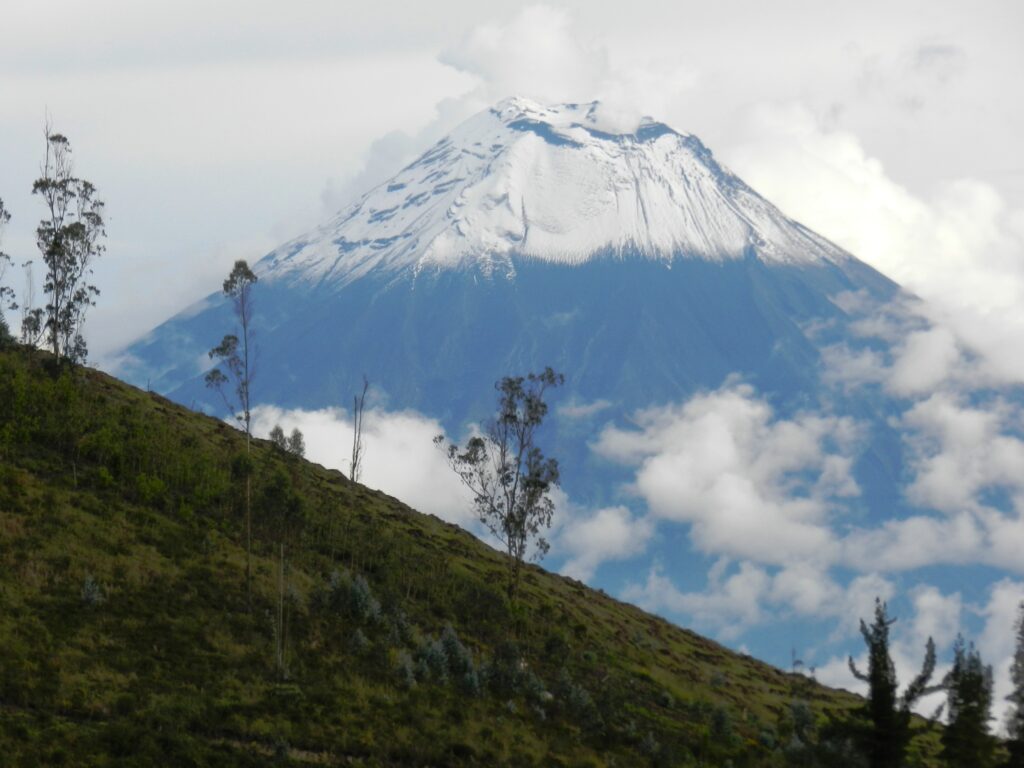
Wild camping in the Ecuadorian Sierra involves managing intense ambient moisture. The páramo ecosystem acts as a massive sponge: high-altitude grasslands absorb cloud moisture, creating perpetually sodden ground, moss-covered turf, and high relative humidity even when precipitation is not actively falling.
At elevations between 3,500 and 4,200 metres, night-time temperatures routinely plunge below freezing (-2°C to -8°C). When sub-zero air hits a moisture-laden tent fabric, condensation forms instantly on interior walls. Sleep systems must be engineered to isolate the camper from frozen ground moisture while providing structural stability against sudden katabatic winds descending from volcanic glaciers.
Free-standing tents are strongly preferred over non-freestanding stake-dependent shelters. Ground substrate in the Sierra varies from impenetrable volcanic rock to soft, spongy peat where standard tent pegs fail to hold tension under high wind loads. A full-coverage rainfly that extends completely to the ground line is non-negotiable to prevent wind-driven rain and mist from swirling under the fly.
For sleep insulation, the ground pad is as critical as the sleeping bag. Conductive heat loss to the frozen mountain soil will drain body core heat faster than cold air around the shelter. A pad with an ASTM R-value of at least 4.5 is required for high-altitude Sierra camping.
Sleep system specifications
| Item | Required specification | Sierra-specific context |
| Tent/Shelter | 3-season or 4-season free-standing double-wall tent; 3000mm+ floor rating | Withstands high winds and prevents condensation from dripping onto down insulation. |
| Sleeping bag | Comfort rating -5°C to -10°C; hydrophobic down or high-end synthetic | Night temperatures regularly drop below freezing on high volcanic plateaus. |
| Sleeping mat | Insulated air mattress or foam combination with R-value $\ge 4.5$ | Blocks severe conductive heat loss from cold, saturated páramo soil. |
| Dry bags | Fully waterproof roll-top dry sacks (70D nylon minimum) | Ensures sleep gear remains bone-dry during torrential downpours in transit. |
| Tent pegs | Heavy-duty Y-beam aluminium or titanium stakes plus guyline extension cord | Holds tension in soft peat or allows pitching using heavy rocks on exposed stone. |
Navigation, power, and communication off the grid
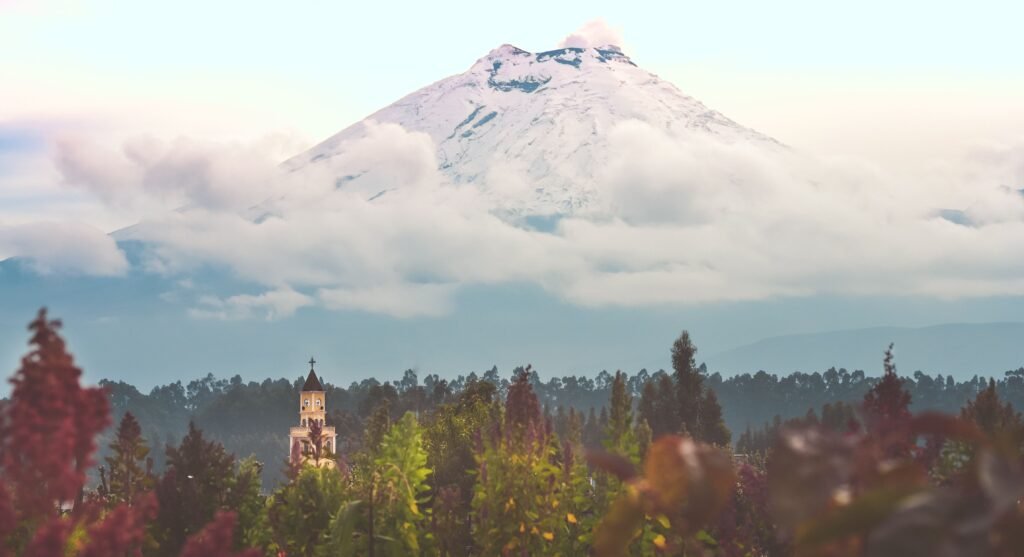
Navigation in the Ecuadorian Andes requires layered redundancy. Deep river valleys and steep volcanic canyons obscure satellite sightlines, while thick cloud cover and mountain mist reduce visual navigation landmarks to zero. Signage on rural tracks is sparse or absent, and roads frequently split into unmapped agricultural tracks used solely by local livestock farm vehicles.
Cellular networks (primarily Claro and Movistar) deliver reliable LTE coverage within major urban centres and along primary highways. However, once you drop into mountain valleys or ascend onto high-altitude plateaus, network connectivity drops out completely. Relying on live-streamed mapping applications is a primary failure point for independent travellers.
Electrical power generation and battery maintenance also face environmental obstacles. Cold ambient temperatures accelerate the self-discharge rate of lithium-ion batteries. Equipment left exposed in a tent overnight can lose 20% to 40% of its stored charge simply due to temperature drop.
Solar panel efficiency, while high under direct equatorial sun, drops sharply during afternoon cloud build-ups and rain. Power banks must be protected in insulated sleeves during transit and night storage.
Navigation and electronics gear matrix
| Item | Required specification | Sierra-specific context |
| Satellite messenger | Garmin InReach or equivalent 2-way satellite communicator | Essential for SOS emergency calls and tracking where cell service is non-existent. |
| Primary navigation | Rugged GPS unit or dedicated phone running offline vector maps (Gaia GPS/OSM) | Maps must be pre-downloaded locally; topographic contour lines are mandatory. |
| Power bank | 20,000mAh+ capacity with USB-PD fast charging and cold-weather protection | Keeps navigation units, lights, and satellite gear operational over multi-day legs. |
| Solar panel | Compact 21W–28W panel with high-efficiency cells (SunPower) | Useful for stationary off-grid recharging during sunny morning weather windows. |
| Backup power/Lighting | Dual headlamps (minimum 350 lumens, IPX8 waterproof rating) | Critical for night mechanics, emergency navigation, and camp setup in fog. |
The Galápagos.
Ecuador’s Enchanted Isles
Water, nutrition, and high-altitude medical kit
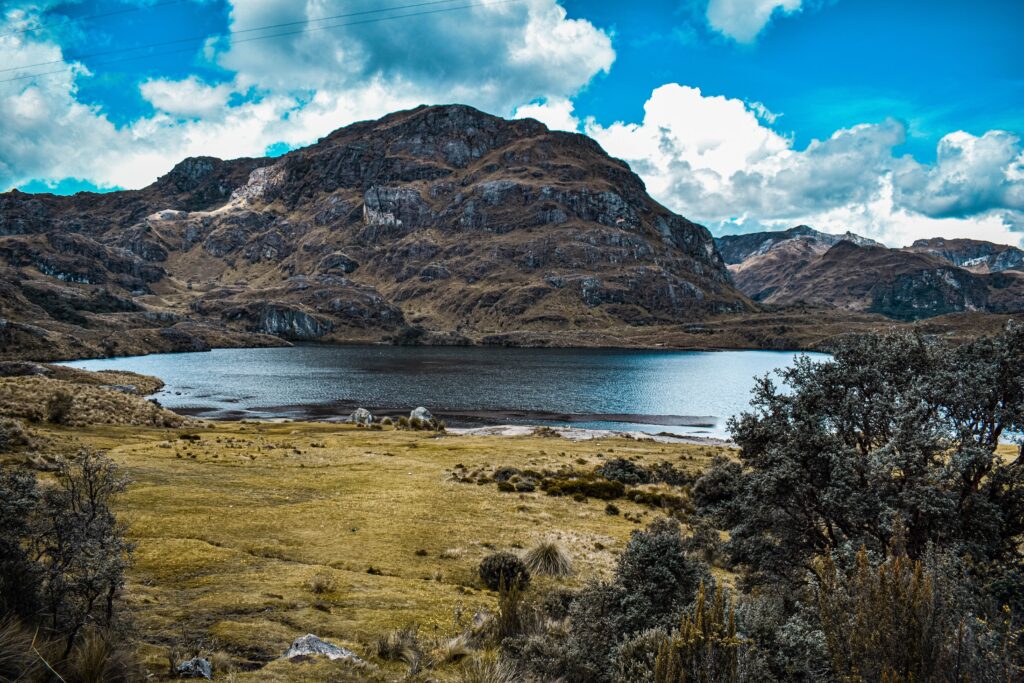
Water sources in the Ecuadorian Sierra are abundant due to high rainfall and glacier runoff. However, almost every surface water source below 4,200 metres is contaminated by cattle and sheep grazing in the high pasturelands. Giardia, Cryptosporidium, and agricultural runoff are prevalent throughout the region. Water must be treated rigorously before consumption.
Boiling water at high altitudes requires adjusting for lowered boiling points. At 4,000 metres, water boils at approximately 86°C, which is insufficient to kill certain pathogens without prolonged boiling times (at least three minutes of sustained rolling boil), consuming excessive cooking fuel.
Hollow-fibre membrane filters (such as Sawyer Squeeze or Katadyn BeFree) combined with chemical purification tablets provide the most reliable field purification system.
Cooking fuel availability dictates stove selection. Liquid-gas canisters (isobutane/propane screw-top cans) are widely available in outdoor stores in Quito, Baños, and Cuenca, but are impossible to find in small rural mountain towns. Multi-fuel stoves capable of burning unleaded petrol (gasolina extra) or white gas (benzina) provide total fuel security in remote provinces.
Medical kits must account for acute mountain sickness (AMS), high-altitude GI distress, and traumatic injuries sustained far from professional emergency services.
Medical and hydration kit checklist
- Water filtration: Primary hollow-fibre membrane filter (0.1 micron) paired with Chlorine Dioxide purification tablets for viral treatment in heavily contaminated agricultural runoff
- Altitude medication: Acetazolamide (Diamox) for prophylactic use or treatment of mild AMS symptoms (consult a travel medicine physician prior to departure)
- Gastrointestinal treatment: Broad-spectrum oral antibiotics (e.g., Ciprofloxacin or Azithromycin, available over-the-counter in Ecuadorian pharmacies/ farmacias), loperamide for acute diarrhoea management, and oral rehydration salts (ORS) packets
- Trauma and wound care: Sterile gauze pads, pressure bandages, medical shears, chlorhexidine antiseptic wipes, butterfly closures, and heavy-duty fabric adhesive plasters for trail injuries
- Personal protection: High-SPF broad-spectrum sun cream (SPF 50+ zinc oxide; equatorial UV at 3,500m will cause severe burns in 15 minutes) and specialised UV400 category 3 or 4 sunglasses to prevent snow blindness/photokeratitis near glaciers
Hydration, fuel, and medical specifications
| Item | Required specification | Sierra-specific context |
| Water filter | 0.1-micron hollow fiber filter + chemical backup | Filters agricultural parasites from high-altitude streams and village taps. |
| Stove system | Multi-fuel liquid stove or standard Lindal-valve canister stove | Multi-fuel stoves run on low-grade petrol available at any rural gas station. |
| Sun protection | SPF 50+ Zinc Oxide sunblock + Cat 3/4 UV sunglasses | Equatorial UV intensity increases by 10–12% for every 1,000m of altitude gain. |
| First aid/Meds | Full trauma kit + ORS + Diamox + broad-spectrum antibiotics | Remote mountain tracks are hours away from major medical facilities. |
| Fuel storage | 1L aluminium fuel bottle (MSR/Primus) for liquid fuel | Allows safe carriage of unleaded petrol inside panniers or vehicle drawers. |
The Ecuadorian Coast.
Where you’ll find the very best food
Respect the ridgeline / Final preparation for the high Andes
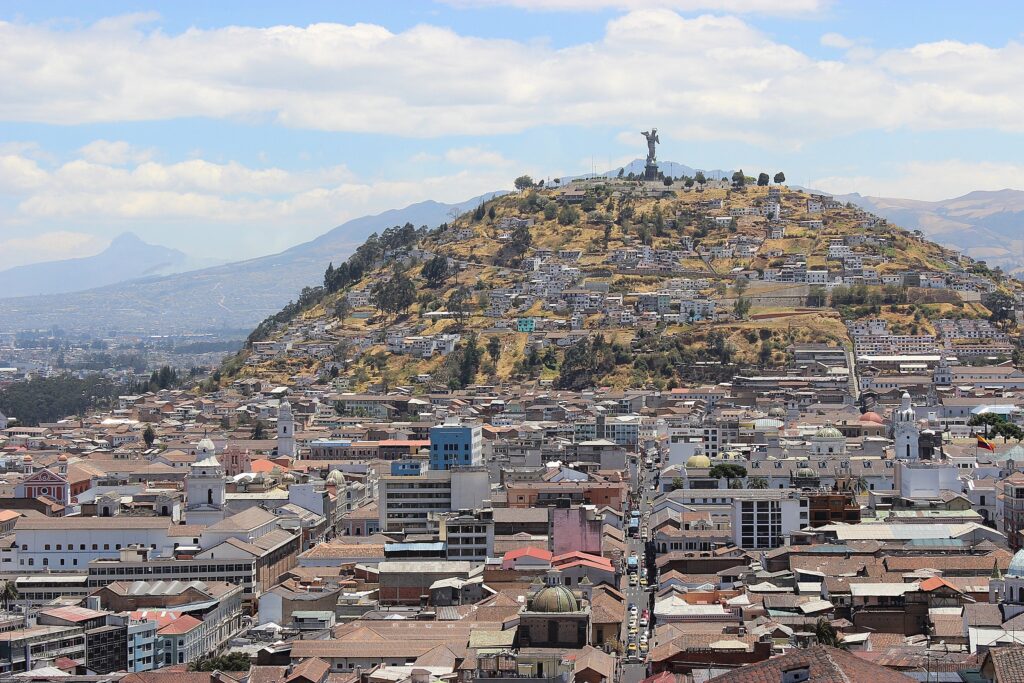
Independent travel across the Ecuadorian Sierra is one of South America’s most rewarding undertakings, precisely because the terrain resists casual compromise. The volcanic spine of Ecuador does not accommodate improvised gear choices or half-baked mechanical setups; it rewards thorough preparation, respect for local microclimates, and an unhurried, self-reliant mindset.
When you drop off the paved Pan-American ribbon onto the hand-laid cobblestones and rutted tracks of the páramo, your equipment becomes your entire support framework. Investing in durable layers, mechanical redundancies, and robust sleep systems isn’t about chasing extreme conditions—it is about buying yourself the freedom to focus on the stark, breathtaking landscapes of Cotopaxi, Chimborazo, and Quilotoa.
Take the time to test every component of your setup before ascending into the clouds. Tighten your bolts, waterproof your insulation, double-check your offline vector maps, and ensure your mindset is tuned to the slower, richer rhythm of high-altitude overlanding. The Andes will test your resilience, but with the right kit packed, every mountain pass becomes an open doorway.
Affiliate Disclaimer: Some of the links on Wheely Tyred are affiliate links. If you click through and make a booking or purchase, we may earn a small commission at no extra cost to you. We only recommend gear, tours, stays, and services we genuinely use, trust, and stand behind — our editorial independence always comes first. These commissions help keep our independent cycling guides and travel stories free to read. Thanks for supporting the ride!
Frequently asked questions about packing for the Ecuadorian Sierra
Liquid multi-fuel stoves running on unleaded petrol (gasolina extra) offer the greatest fuel security in the Sierra. Screw-top isobutane canisters are easily purchased in outdoor shops across Quito, Baños, and Cuenca, but are virtually impossible to locate once you venture into smaller rural pueblos.
Store all lithium-ion batteries, smartphones, and power banks inside an insulated pouch or directly inside your sleeping bag overnight. Sub-zero temperatures at elevations above 3,500 metres rapidly accelerate battery self-discharge if electronics are left exposed in tent pockets.
Yes. Ecuadorians love cycling. However, while technical shorts are suitable during active riding or hiking on the trail, wearing tight athletic clothing inside traditional rural mountain villages stands out. Wearing lightweight, technical stretch trousers over your kit maintains weather protection while respecting local dress standards in Andean communities.
The Sierra features continuous 10% to 15% gradients on wet cobblestones and volcanic dirt. Resin pads wear down rapidly and glaze over under the intense heat generated by extended braking, whereas metallic sintered pads retain stopping power in wet, abrasive mud.
Naturally aspirated engines lose roughly 10% of their power for every 1,000 metres of elevation gained. At 4,000 metres on the flanks of Volcán Chimborazo, unturbocharged engines suffer up to a 40% loss in power, making light packing and low-end engine torque crucial.
No. Even crystal-clear streams below 4,200 metres carry livestock contamination, parasites such as Giardia, and agricultural runoff. Always pass water through a 0.1-micron hollow-fibre membrane filter and treat it with chlorine dioxide tablets before drinking.
Ecuador.
Pure wonder on the equator.

