What to pack for independent & overland travel in Ecuador
In-depth cycling routes, overland travel guides, and gear strategies for independent travellers and active transport enthusiasts
Authentic routes, utilitarian gear, and slow travel away
BEN FINCH
Few destinations collapse as many radical geographic shifts into such tight physical proximity as Ecuador. Within a single day of overland travel, an independent traveller can climb from the humid mangrove estuaries of the Pacific coast, traverse the frost-bound passes of the High Andes at 4,000 metres, and descend into the dense canopy of the Amazon basin.
This intense topographic compression creates a unique packing challenge. Standard luggage strategies—built around single-climate destinations or urban transit—collapse under the weight of Ecuador’s shifting microclimates.
Self-directed overland travel requires a modular packing system: lightweight, highly technical, and strictly organised around functional layering rather than bulk.
Essential gear & overland takeaways
Packing for independent travel across Ecuador is an exercise in managing extreme vertical shifts rather than simple geographic distance. When your itinerary spans freeze-bound mountain passes and equatorial cloud forests, your gear must function as an integrated, modular shelter.
- Microclimate versatility: Master a strict three-layer clothing system capable of adapting seamlessly between 4,000 metres in the páramo and humid lowland cloud forests
- Waterproof integrity: Carry a true 3-layer outer shell (20,000 mm hydrostatic head rating) with pit zips to survive torrential cloud forest rain and high-altitude drizzle
- Autonomous water filtration: Pack a hollow-fibre membrane filter paired with chlorine dioxide tablets to avoid single-use plastics and stay safe in rural sectors
- Off-grid power redundancy: Rely on a heavy-duty 20,000 mAh power bank and multi-port GaN charger to keep digital navigation tools alive through frequent transit power drops
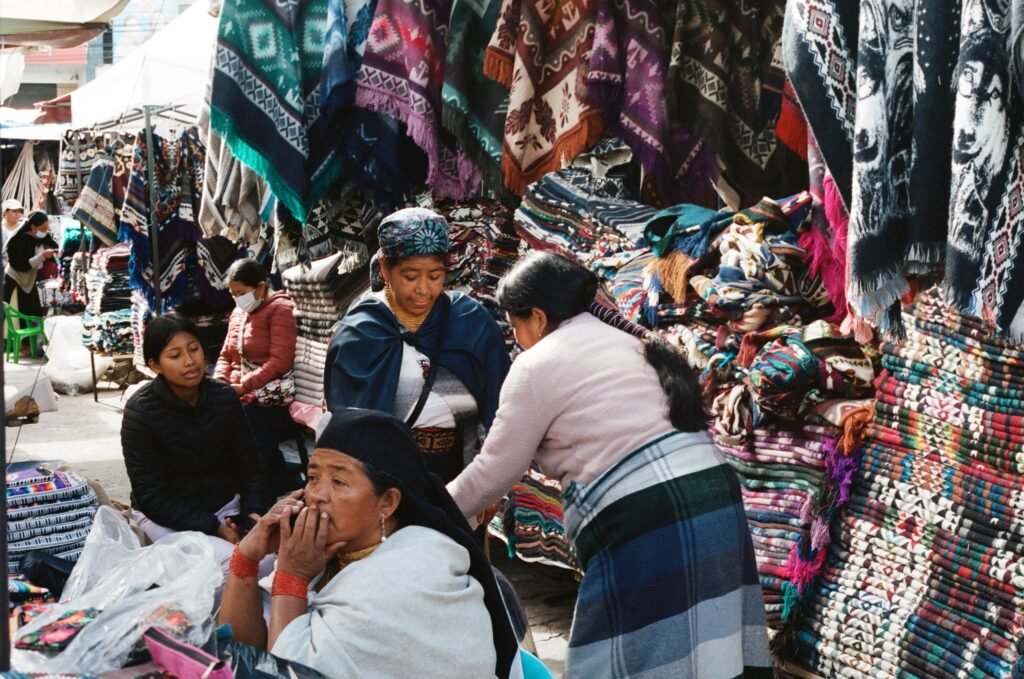
- Micro-denomination cash strategy: Secure a dedicated coin pouch and plenty of $1, $5, and $10 USD notes for rural markets, local buses, and remote camionetas
- Rugged modular luggage: Opt for a heavy-duty roll-top or panel-loading rucksack with internal silnylon dry bags over rigid hard-shell suitcases
The Ecuadorian Sierra.
Get lost in the hills
The microclimate challenge / Altitude, topography, and weather systems
Ecuador is traditionally divided into four distinct geographical regions: La Costa (the Pacific coast), La Sierra (the Andean highlands), El Oriente (the Amazon basin), and the Galápagos Islands.
For the independent overland traveller using local buses, camionetas (shared pickup trucks), long-distance flotas, or active transport like bikepacking, the real operational challenge lies not in regional boundaries, but in rapid vertical elevation changes.
The equatorial sun creates intense daytime heating, but elevation quickly strips that heat away. In Quito (2,850 metres) or Cuenca (2,560 metres), midday temperatures can reach 22°C under clear skies, dropping to 5°C within two hours of sunset.
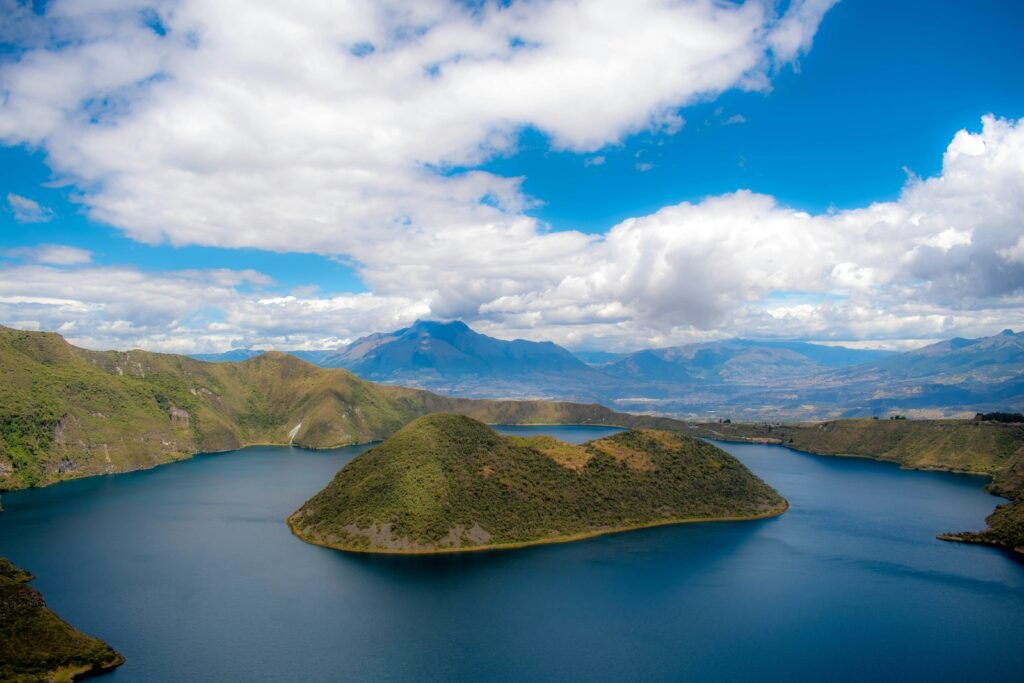
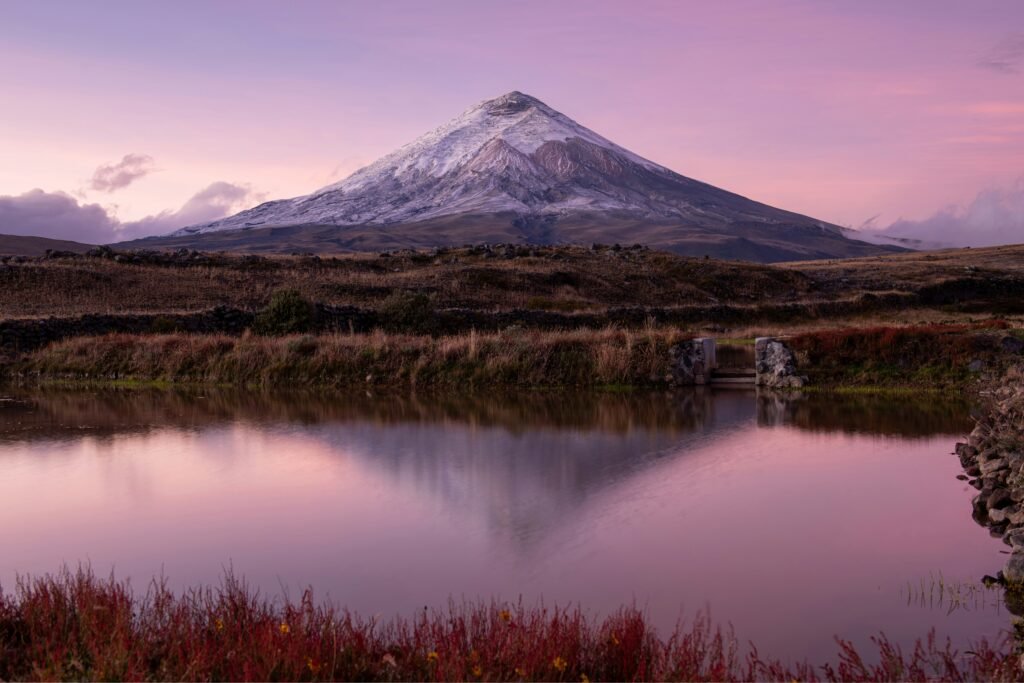
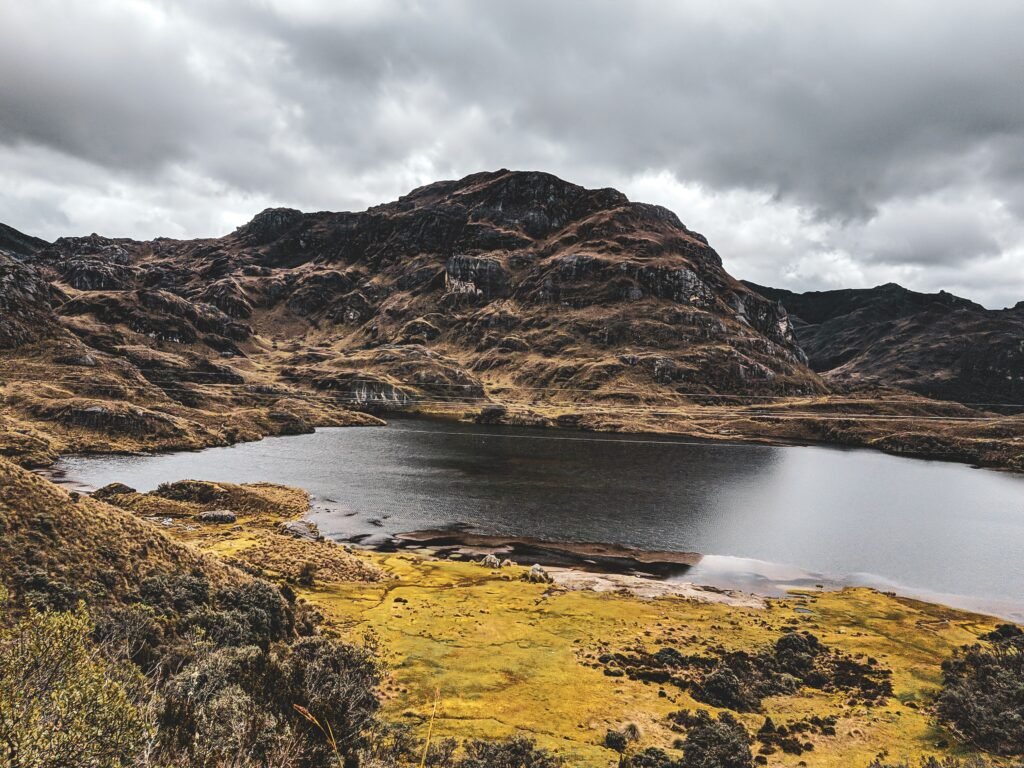
High-altitude ecosystems like the páramo—the tundra-like grasslands found between 3,000 metres and 4,500 metres around Volcán Cotopaxi, Volcán Chimborazo, and Laguna de Cuicocha—experience near-freezing temperatures, gale-force winds, and sudden, horizontal rain at any point during the day.
Ecosystem elevation & temperature distribution
| Region | Elevation Range | Daytime Average | Nighttime Average |
| La Costa | 0–500 m | 26°C–32°C | 20°C–24°C |
| Cloud Forest | 1,000–2,200 m | 18°C–24°C | 12°C–16°C |
| La Sierra | 2,200–3,500 m | 14°C–22°C | 4°C–10°C |
| El Páramo | 3,500–4,800 m | 5°C–12°C | -2°C–4°C |
| El Oriente | 200–1,000 m | 25°C–31°C | 19°C–22°C |
Descending the eastern or western slopes of the Andes into cloud forest zones like Mindo or Baños de Agua Santa introduces extreme humidity and persistent dampness. Gear must move seamlessly between these environments without adding unnecessary volume or weight to your rucksack.
Overland transport in Ecuador also places heavy mechanical demands on equipment. Luggage is regularly loaded onto the metal roofs of regional buses, strapped into the open beds of camionetas, or wedged into cramped undercarriage compartments alongside agricultural produce.
Fragile fabrics, exposed zippers, and delicate hardware rarely survive prolonged self-directed itineraries. Every item in your kit must serve a clear purpose, resist water penetration, and endure rough handling.
The core clothing system / Layering for extreme elevation and humidity
Building a reliable wardrobe for Ecuador depends on a strict three-layer system. Instead of packing separate wardrobes for hot and cold weather, every piece of clothing should stack logically to form a complete shelter against the elements.
Base layers / Moisture management and odour control
The primary function of your base layer is moving perspiration away from the skin before high-altitude winds or sudden temperature drops cause chill. Heavy cotton must be strictly avoided; it holds moisture, dries slowly, and loses all insulating value when damp.
| Garment Type | Material Specification | Target Quantity | Operational Purpose |
| Short-sleeve base layer | Merino wool (150–180 gsm) or high-wicking synthetic | 2 units | Warm-weather transit, coastal days, and base layer during active ascents |
| Long-sleeve base layer | Merino wool (200 gsm) with thumb loops | 2 units | Sun protection in high-UV zones; thermal base layer for cold highland nights |
| Technical underwear | Synthetic mesh (polyamide / elastane blend) | 3–4 units | Fast-drying after washing in guest house sinks; anti-chafing during long walks |
Merino wool is ideal for independent travel in Ecuador due to its natural antimicrobial properties. When travelling through rural areas where laundry facilities are sparse or unreliable, merino garments can be worn for several consecutive days without developing odours.
Mid-layers / Thermal efficiency and insulation
Your mid-layer traps static air created by body heat. Because elevation changes happen rapidly—such as taking a bus from coastal Guayaquil up to Guaranda in five hours—your mid-layer must be easy to reach from your daypack.
- Grid fleece jacket or pullover (100–200 gsm): Grid fleece offers an exceptional warmth-to-weight ratio while allowing excess heat to escape during physical exertion. It dries far quicker than high-loft fleece when exposed to humidity
- Compact synthetic insulation jacket: While goose down provides unmatched packability, synthetic insulation (such as PrimaLoft Gold or Climashield APEX) retains thermal performance even when damp. In cloud forest environments or high-altitude drizzle, synthetic insulation is far more reliable. Select a jacket weighing under 400 grams that packs down into its own chest pocket
Outer shell / Weatherproofing for heavy downpours
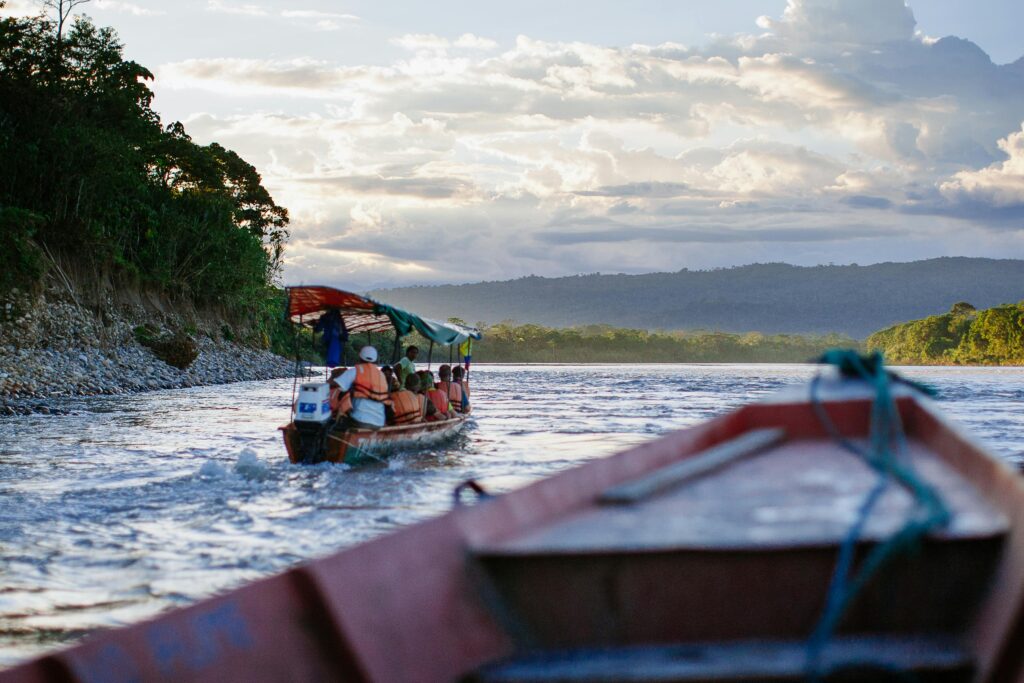
Rainfall in Ecuador can be intense and sudden. In the Amazon basin near Tena or during the rainy season in the Sierra (October to May), rain easily penetrates low-spec water-resistant jackets.
Your outer shell must feature a minimum hydrostatic head rating of 20,000 mm with fully taped seams. Look for the following technical details:
- 3-layer construction: A 3-layer waterproof membrane (such as Gore-Tex Performance, Pertex Shield AP, or Toray Dermizax) separates the waterproof barrier from internal abrasion, ensuring long-term durability under heavy pack straps
- Pit zips: Essential for ventilation when hiking in warm, humid regions like Mindo or when climbing steep cobbled streets in Quito while wearing a rain shell
- Adjustable storm hood: Must feature a stiffened brim and single-pull cinch system to prevent high winds in the páramo from driving rain into your face
Lower body / Legwear for active mobility
Jeans and heavy cotton trousers are impractical for independent travel across South America. They absorb water, retain mud, and take days to dry in cool highland air.
- Stretch-woven synthetic trekking trousers (2 pairs): Choose trousers crafted from a durable nylon / elastane blend treated with a Durable Water Repellent (DWR) finish. Neutral earth tones (grey, olive, dark navy) conceal trail dust and road grime from transit terminals
- Ultralight waterproof overtrousers (1 pair): A lightweight (150–200 grams) pair of packable rain trousers with side zippers for easy donning over boots. Essential for open-air truck rides or sudden downpours on trail loops like Quilotoa
- Quick-dry shorts (1 pair): Dual-purpose athletic shorts with a built-in mesh liner or lightweight swim shorts for coastal stops in Montañita and Olón or thermal springs in Papallacta
Footwear strategy / Versatility across terrains
Footwear takes up substantial volume, so limit your selection to two well-chosen pairs.
| Footwear Type | Primary Terrain | Key Features |
| Trail Runners / Mid-Cut Boots | Andean trails, cobbles, dirt tracks | Aggressive lug pattern, Vibram / Megagrip rubber, breathable / quick-dry |
| Technical Sandals / Camp Shoes | Coastal transits, river crossings, hostel showers | Secure ankle strap, grippy rubber sole, non-absorbent foam |
Heavy, rigid leather boots are rarely necessary unless carrying packs over 20 kg on technical alpine ascents. Modern, grippy trail runners or flexible mid-cut hiking boots provide better agility on wet cobbles and muddy trails while remaining comfortable on long bus rides.
High-altitude accessories / Protecting the extremities
Temperature management in the high Andes often comes down to protecting your head, neck, and hands. These compact items should remain permanently in an exterior pocket of your daypack:
- Windproof thermal beanie: Acrylic or merino wool lining to retain heat during cold nights in mountain villages
- Microfibre neck gaiter (buff): Highly versatile. Serves as dust protection on dry dirt roads, sun protection for the back of the neck at high altitudes, and thermal insulation when pulled over the nose
- Lightweight windproof gloves: Softshell or fleece gloves with touch-screen compatible fingertips
- Polarised sunglasses (Category 3 or 4 protection): Solar radiation increases significantly with altitude. Category 3 or 4 lenses with high UV protection are mandatory to prevent eye strain and photokeratitis around snow-capped peaks like Chimborazo
The Galápagos.
Ecuador’s Enchanted Isles
Hardware, gear and navigation tools
Navigating transit terminals, remote mountain tracks, and off-grid villages requires a reliable hardware kit. Self-sufficiency is paramount when cell coverage drops in rural valleys.
Power management and charging systems
Frequent power outages, long transit rides on rural buses without charging ports, and cold mountain nights that drain lithium-ion batteries rapidly mean power management requires careful planning.
- High-capacity power bank (20,000 mAh): Look for a power bank supporting USB Power Delivery (PD) with a minimum 20W to 30W output. This provides roughly four to five full charges for a smartphone or powers headlamps and GPS units for several days off-grid
- Multi-port GaN wall charger (65W minimum): Gallium Nitride (GaN) chargers deliver high power in a compact form factor. A single plug featuring two USB-C ports and one USB-A port allows you to charge your phone, camera, and power bank simultaneously during short stops at cafes or bus terminals
- Type A and B plug adapters: Ecuador uses standard North American Type A and B electrical outlets supplying 120V at 60Hz. European and British travellers must carry compact adapters
- Durable braided cables: Cold temperatures and frequent packing strain standard plastic cables. Carry reinforced, braided USB-C and Lightning cables
Offline mapping and digital navigation
Cellular coverage across urban centres like Quito, Guayaquil, and Cuenca is excellent on networks such as Claro and Movistar and through eSIMs. However, deep valleys, high passes, and rural dirt tracks frequently lack signal.
- Primary Navigation App: Download offline vector maps using open-source mapping applications like Organic Maps or Maps.me. Ensure the entire Ecuador country map file is stored directly on your phone’s internal memory before leaving major cities
- Topographic & Route Mapping: For active overland routes, trail loops, or bikepacking tracks, use Komoot or Wikiloc. Pre-load all elevation profiles, waypoint markers, and GPX tracks for offline use
- Backup Physical Coordinates: Keep key addresses, bus terminal names (terminales terrestres), and emergency contact phone numbers written down on paper inside a waterproof pouch
Luggage systems / Rugged modular packing
Traditional hard-shell suitcases are impractical for independent travel in Ecuador. They do not fit well on the roofs of camionetas, are difficult to drag over cobbled streets, and crack under rough handling in transit holds.
- Main Pack (40–55 Litres): A durable, carry-on compliant panel-loading rucksack or heavy-duty roll-top duffel crafted from high-denier fabric (500D to 1000D Cordura or TPU-laminated nylon). Stowable shoulder straps prevent buckles from getting crushed in bus compartments
- Modular Dry Bags (3 to 13 Litres): Do not rely solely on an external backpack rain cover; high winds easily strip covers off packs strapped to roof racks. Pack your clothes, electronics, and sleeping gear inside lightweight, roll-top dry bags (silnylon or lightweight PU-coated nylon) within your main pack
- Daypack (18–25 Litres): A lightweight, packable or semi-structured daypack for daily excursions, carrying water, extra layers, camera gear, and valuables. This pack should stay with you in your seat during bus transits, never placed in overhead racks or undercarriage holds
Illumination and camp hardware
Power outages are common in small coastal towns and rural mountain villages during heavy rainstorms. A hands-free light source is essential.
- Rechargeable LED Headlamp (300 lumens): Choose a headlamp featuring a red-light mode (for preserving night vision and avoiding insects) and a lock-out function to prevent accidental activation inside your bag
- Compact Multi-Tool or Pocket Knife: A compact multi-tool featuring scissors, a knife blade, pliers, and a bottle/can opener. Note: Must be packed in checked luggage during international flights
- Lightweight Cable Lock: A thin, flexible steel cable lock (2–3 mm thick) to secure your daypack or main bag frame to luggage racks during overnight transit legs or inside hostel dormitories
The Ecuadorian Amazon.
The most biodiverse place in the world
Water, health and high-altitude care
Maintaining gut health and managing physical fatigue from elevation are critical to sustaining an independent travel schedule across Ecuador.
Water purification protocols
Tap water in Ecuador should not be consumed untreated, even in major metropolitan areas. Relying entirely on single-use plastic bottles creates massive environmental waste and becomes expensive over long trips.
| Method | Primary Removal | Speed / Flow Rate | Weight |
| Hollow-Fibre Membrane Filter | Bacteria, Protozoa, Microplastics | 1–2 litres per minute | 60–90g |
| UV Purifier (e.g. SteriPEN) | Bacteria, Viruses, Protozoa | 90 seconds per litre | 140g |
| Chemical Tablets (Chlorine Dioxide) | Bacteria, Viruses, Protozoa | 30–60 minutes wait time | 10g |
A hollow-fibre membrane filter (such as the Sawyer Squeeze or Katadyn BeFree) combined with a wide-mouth flexible TPU flask provides fast access to safe drinking water.
For complete protection against viruses in untreated rural sources, follow filtration with chlorine dioxide treatment tablets or a UV purifier.
Equatorial sun and insect protection
Ecuador sits directly on the equator, where atmospheric UV filtration is lower than in temperate latitudes. Combined with high elevation in the Andes, solar radiation is exceptionally intense.
- Broad-Spectrum Mineral Sunscreen (SPF 50+): Mineral formulations containing zinc oxide or titanium dioxide offer immediate protection and resist washing off during heavy sweating. Apply every two hours, even on overcast days in the highlands
- Lip Balm with SPF 30+: Cold mountain winds paired with intense sun cause severe chapping; carry multiple tubes
- Insect Repellent (Picaridin or DEET): Essential when descending below 1,500 metres into cloud forest zones, the Amazon basin, or coastal areas where mosquito-borne illnesses (such as dengue) occur. Picaridin (20% concentration) is preferred as it will not melt synthetic technical fabrics or camera plastics like high-concentration DEET can
Medical supplies and altitude mitigation
Access to pharmacies (farmacias) in Ecuadorian towns like Fybeca or Cruz Azul is generally excellent, and many basic medications are available over the counter. However, carrying an emergency medical kit ensures immediate care on long transit legs.
Essential medical kit components
| Category | Specific Items | Primary Indication |
| Altitude Care | Acetazolamide (Diamox) | Prevents / treats acute mountain sickness (AMS) |
| Gastrointestinal Health | Oral Rehydration Salts (ORS) / Loperamide / Bismuth Subsalicylate | Electrolyte recovery from dehydration / Symptom management for traveller’s diarrhoea |
| Basic First Aid | Sterile Gauze & Fabric Plasters / Hydrocolloid Blister Pads | Trail cuts, scrapes, and abrasions / Friction protection for feet on trails |
When arriving in high-elevation areas like Quito (2,850 metres), take the first 24 to 48 hours slowly. Drink plenty of water, avoid heavy alcohol consumption, and allow your body to acclimate before attempting demanding mountain treks.
Local remedies such as mate de coca (coca leaf tea) are widely available and can help ease mild headache symptoms associated with altitude.
The Ecuadorian Coast.
Where you’ll find the very best food
Transit security, currency and digital redundancy
Managing physical security and financial logistics during overland travel requires straightforward routines.
Cash strategy / Handling micro-denominations
Ecuador adopted the United States dollar ($) as its official national currency in 2000. While credit and debit cards are widely accepted in upscale establishments in Quito, Guayaquil, and Cuenca, cash remains essential across rural transport, small eateries (almuerzos), traditional markets, and guesthouses.
- Small Denominations ($1, $5, $10 bills): Large notes ($50 and $100) are almost impossible to break in small towns, on local buses, or in markets. Merchants frequently lack change for a $20 bill on small purchases
- Coin Storage: Ecuador issues its own centavo coins equal in value to US coins. Carry a small zipper pouch specifically to hold heavy metal coins, which accumulate quickly when paying for low-cost bus fares ($0.35 to $1.50)
- Multiple Stash Points: Keep your primary cash and backup debit cards split across two separate locations: one small wallet for daily expenses in a front pocket, and the main reserve hidden inside a secure dry bag within your daypack
Luggage security in bus terminals and transits
Ecuadorian bus terminals (terminales terrestres) are busy hubs. Opportunistic theft occasionally occurs in crowded spaces or during transit stops.
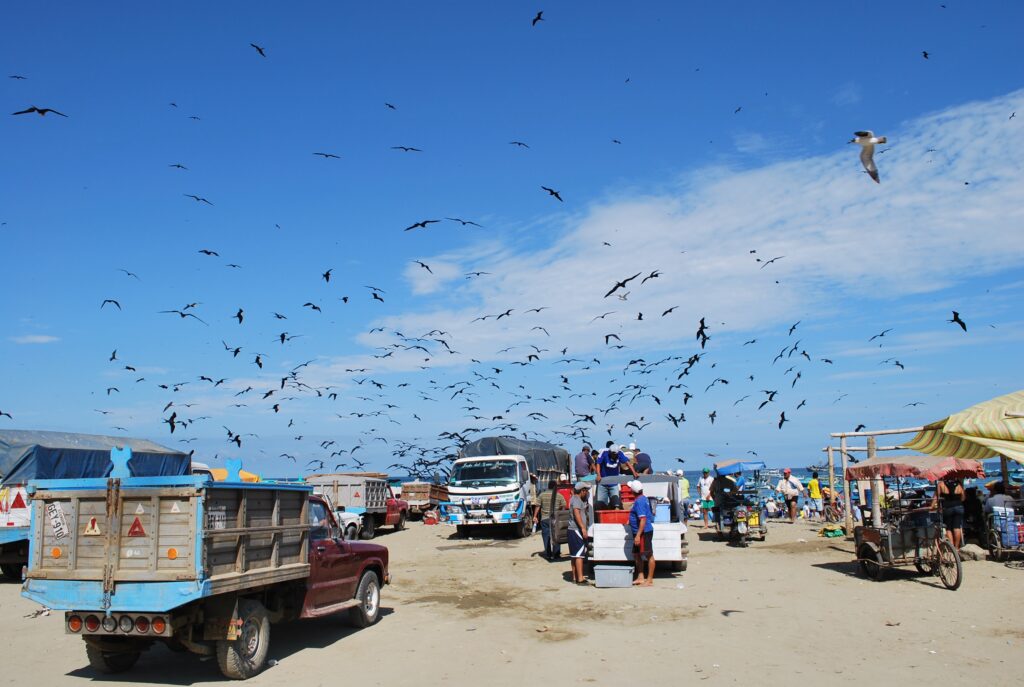
- Keep Valuables Overhead / Lap Side: Always place your daypack containing electronics, passport, power banks, and camera gear on your lap or between your feet on long-distance buses. Never store your daypack in the overhead luggage rack above your seat, where items can be discreetly removed from behind
- Undercompartment Claim Tickets: When placing your main bag in the undercarriage storage of a long-distance bus (flota), ensure the luggage attendant attaches a numbered claim sticker to your bag and hands you the matching stub. Keep this stub safe until arrival
- Use Simple Locks: Secure main pack zippers with small TSA-approved luggage padlocks or carabiners to prevent casual access when bags are being loaded onto trucks or stored in hostel luggage rooms
Data preservation and offline access
- Encrypted Digital Backups: Keep scanned PDF copies of your passport photo page, entry stamps, international health/travel insurance policies, and vaccination records stored in an encrypted cloud folder (such as Google Drive or Apple iCloud) accessible offline on your smartphone
- Hardware Redundancy: Store a secondary debit card from a separate bank account in a location isolated from your main wallet. If your primary card is lost or swallowed by an ATM, you retain immediate access to funds
Quito.
Explore the Middle of the World
The non-essential elimination list
When packing for independent overland travel, knowing what to leave behind is just as critical as selecting technical gear. Heavy or single-use items restrict mobility and increase physical fatigue.
Items to eliminate
| Eliminate This Item | Functional Replacement |
| Heavy denim jeans & cotton hoodies | Quick-dry synthetic trousers & grid fleece jacket |
| Heavy leather hiking boots | Breathable, high-traction trail running shoes |
| Bulky hard-shell suitcases | Flexible, panel-loading rucksack or roll-top bag |
| Full-sized toiletries & bottles | Concentrated soap sheets & solid shampoo bars |
| Single-use plastic water bottles | Squeeze water filter & reusable TPU flexible flask |
Stripping away these non-essential items preserves space, lightens pack weight, and yields an agile kit. Self-directed travel across Ecuador rewards adaptability. By relying on a modular layering system, reliable hardware, and proven water purification tools, you can move seamlessly across mountain passes, Amazonian waterways, and coastal roads.
Move fast and light across the equatorial divide
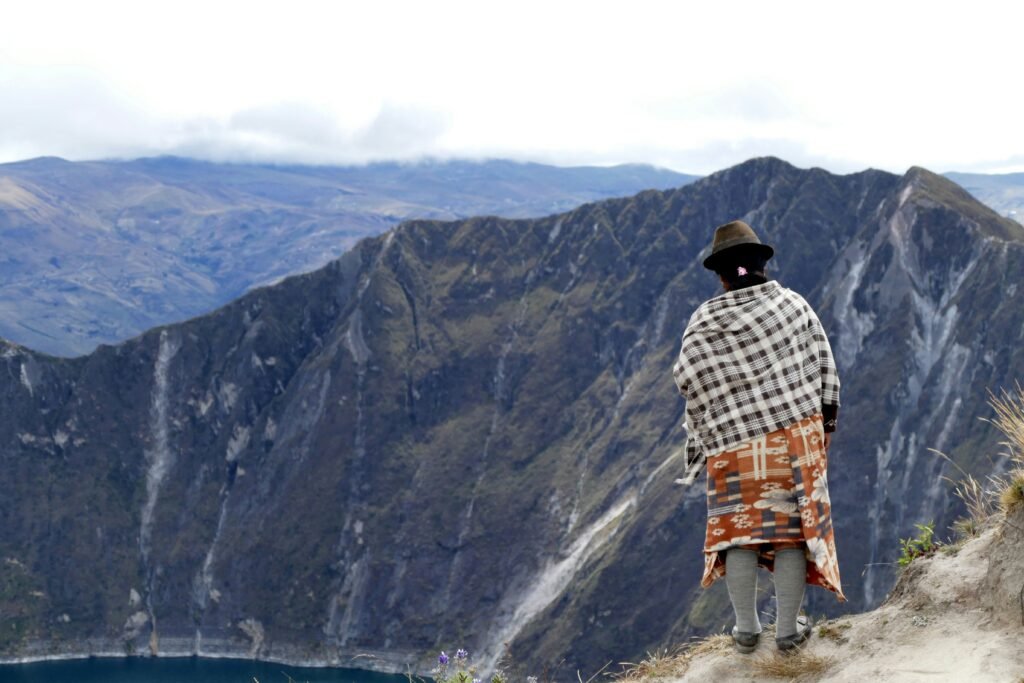
The true reward of independent overland travel across Ecuador is the freedom to change plans on a whim—to jump off a regional flota in a mist-shrouded Andean village, or swap a coastal stay in Montañita for a multi-day dirt-track ride through the cloud forests of Mindo.
That level of spontaneous travel relies entirely on what you carry on your back. If your kit is too heavy, every bus transfer becomes a chore, and every steep cobbled climb in Quito feels like a punishment.
By prioritising technical layering, self-contained water filtration, and rugged modular luggage, you strip away the friction that usually bogs down long-distance journeys. You won’t need a separate outfit for every town, nor will you need to worry when a local bus deposits you at a rural terminal after dark during a sudden rainstorm. Your gear becomes a quiet, dependable background system that handles the terrain so you can focus on the road ahead.
Step onto the bus, keep your daypack on your lap, and watch the landscape fold from high volcanic tundra down to the Pacific surf. Ecuador is a country best experienced close to the ground, at the pace of local transport and your own two feet. Pack light, trust your layering, and let the route unfold.
Affiliate Disclaimer: Some of the links on Wheely Tyred are affiliate links. If you click through and make a booking or purchase, we may earn a small commission at no extra cost to you. We only recommend gear, tours, stays, and services we genuinely use, trust, and stand behind — our editorial independence always comes first. These commissions help keep our independent cycling guides and travel stories free to read. Thanks for supporting the ride!
Frequently asked questions about what to pack for overland travel in Ecuador
Always keep your daypack containing camera gear, cash, passport, and electronics on your lap or between your feet—never in overhead racks where items can be discreetly removed from behind. When placing your main rucksack in the undercarriage storage hold of a flota, ensure the luggage attendant attaches a numbered claim sticker to your bag and hands you the matching stub, which you must present upon arrival.
Tap water across Ecuador is generally unsafe to drink without treatment. Rather than buying single-use plastic bottles, use a hollow-fibre membrane filter (such as a Sawyer Squeeze) for daily purification, combined with chlorine dioxide tablets or a UV purifier if sourcing water from untreated rural streams.
Ecuador uses the US dollar, but small shopkeepers, bus drivers, and market vendors rarely have enough change for $20, $50, or $100 notes. Always break larger bills at major supermarkets or ATMs in big cities like Quito, Cuenca, or Guayaquil, and keep a stash of $1, $5, and $10 notes alongside loose centavo coins for daily overland travel.
The high-altitude páramo experiences rapid temperature drops and fierce winds. A windproof thermal beanie, a microfibre neck gaiter, a merino wool base layer, and a high-spec 3-layer waterproof outer shell are mandatory to stay warm and dry above 3,000 metres.
A rugged panel-loading rucksack or roll-top duffel bag (40–55 litres) is far superior to a hard-shell suitcase. Soft bags fit easily into the beds of camionetas (pickup trucks), withstand rough roof-rack strapping, and can be carried comfortably over wet cobbled streets and unpaved tracks.
Heavy leather hiking boots are unnecessary unless you are carrying extreme loads on technical alpine ascents. A pair of breathable trail running shoes with aggressive rubber lugs (such as Vibram Megagrip) will handle wet cobbles, muddy cloud forest trails, and highland hikes while drying much faster when damp.
Ecuador.
Pure wonder on the equator.