Best places to camp near Laguna de Cuicocha, Ecuador / The independent traveller’s guide
A comprehensive guide to the top-rated campsites, camp spots, and rustic outdoor stays around Laguna de Cuicocha, Cotacachi, and Otavalo, Ecuador
Where Andean volcanic slopes meet quiet starlit nights
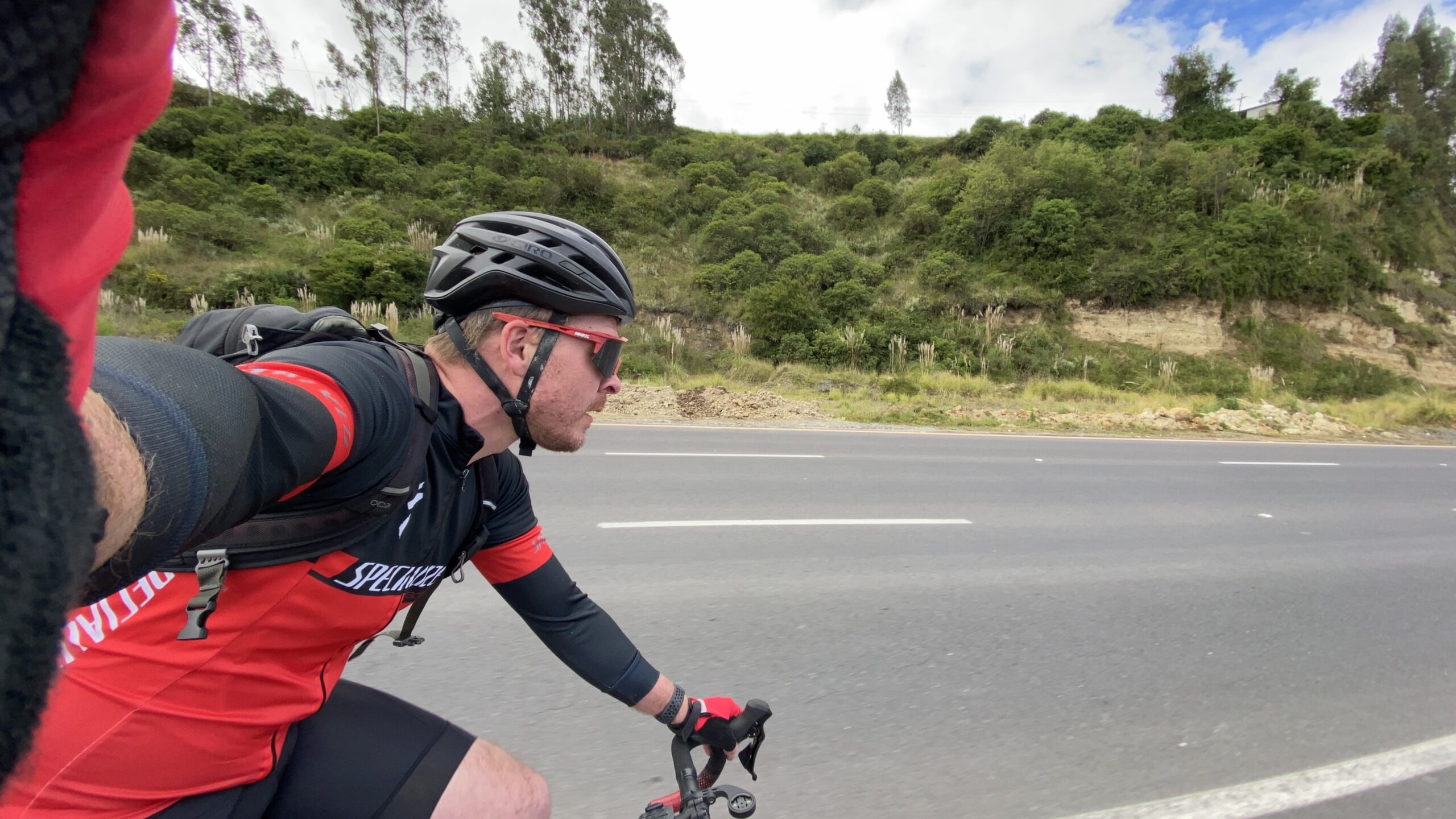
BEN FINCH
There is a precise moment in the northern Ecuadorian highlands when the true spirit of the landscape takes hold. It does not occur while navigating crowded artisan halls, nor does it happen through the glass of a tour bus window.
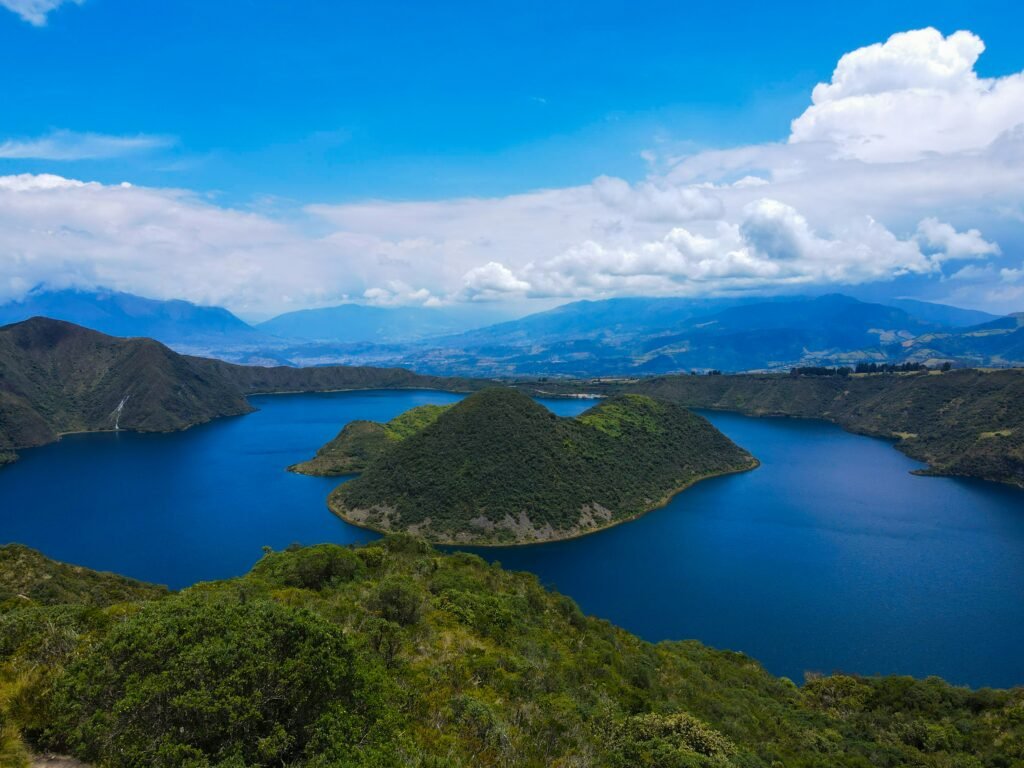
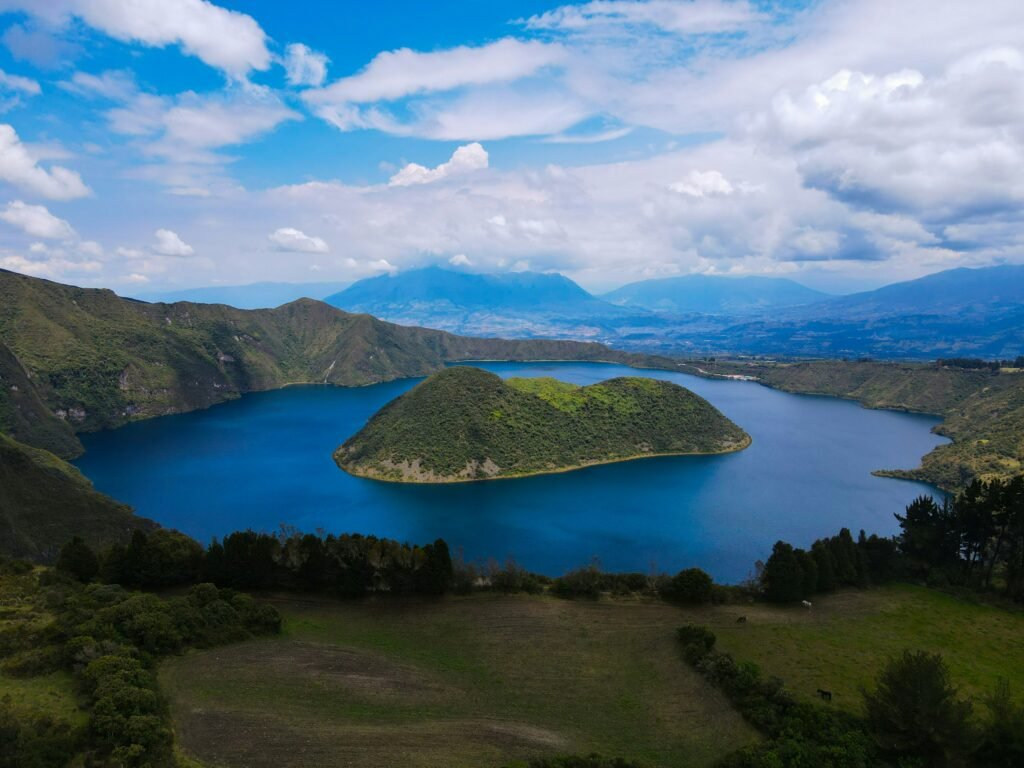
Instead, it happens at dawn along the rim of Laguna de Cuicocha—a crater lake formed thousands of years ago in the shadow of Volcán Cotacachi. As the morning mist lifts off the dark turquoise waters, revealing the dark volcanic domes of Isla Wolf and Yerovi rising from the centre, the stillness of the Andes is complete.
For independent travellers, the Imbabura province in northern Ecuador offers an extraordinary canvas. Choosing to travel by bicycle, regional bus, or on foot allows you to dictate your own pace, explore at your own speed, and gain authentic local knowledge. Rather than rushing back to a distant city hotel at dusk, pitching a tent in these high-altitude valleys keeps you close to the land.
At Wheely Tyred, our editorial team searches for distinct, well-managed campsites that sit comfortably outside the predictable tourist loop. We look for spaces with character, dependable basic facilities, and magnificent surroundings where you can switch off completely and sleep well.
Here are six standout campsites located near Laguna de Cuicocha, Cotacachi, and the surrounding volcanic basin.
High-altitude sanctuaries & practical logistics
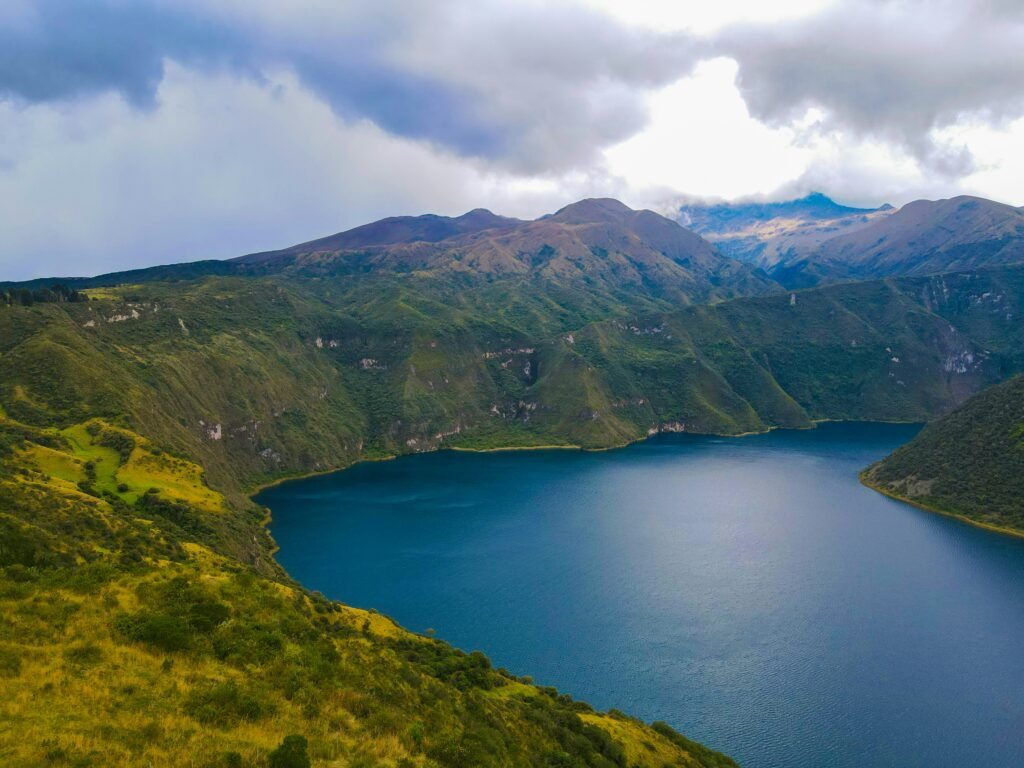
Exploring the volcanic ridges around Laguna de Cuicocha demands time, independence, and an appreciation for quiet mountain nights. Here is everything you need to know about setting up camp in Ecuador’s northern highlands at a glance:
- Mojanda Road Serenity: Hostal & Camping La Luna offers terraced lawn pitches on the stone track toward sacred lakes, serving as a peaceful base at nearly 2,900 metres elevation
- Panoramic Volcanic Vistas: Hostería Rose Cottage provides level garden pitches with 360-degree views across four mountain cones, complete with a wood-heated outdoor hot tub
- Lakeside Tranquillity: Hospedaje Campo Lago in Araque grants direct access to the eastern shore of San Pablo del Lago, sheltered beneath the northern face of Volcán Imbabura
- Cultural Immersion in Ilumán: El Tío Hostal invites travellers to pitch tents within a working Kichwa organic farm with fresh produce and traditional sweat lodge ceremonies
- Sacred Woodland Stays: Bosque Protector Peguche features shaded eucalyptus forest pitches within minutes of the spiritually significant Peguche waterfall
- Crater Rim Wilderness: The Reserva Ecológica Cotacachi-Cayapas páramo campsite puts self-sufficient hikers directly on the rim trail at 3,060 metres above sea level
- Highland Preparation: Camping in the Andes requires warm gear for sub-5°C nights, high-SPF sun protection, and genuine respect for local indigenous Kichwa communities
Laguna de Cuicocha.
Lake of the guinea pig
1. Hostal & Camping La Luna / Mojanda Road
- Location: Mojanda Road, Otavalo canton (approx. 35 minutes from Laguna de Cuicocha)
- Key Facilities: Terraced tent pitches, hot showers, open fireplace, home-cooked food, communal lounge
- Best For: High-altitude mountain views and cool, quiet nights
Tucked away 4.5 kilometres above the valley floor on the stone track leading towards the sacred Mojanda Lakes, Hostal & Camping La Luna is a legendary retreat for independent overlanders and self-sufficient backpackers. Located roughly 18 kilometres south-east of Laguna de Cuicocha, this high-altitude haven offers sweeping mountain views and a genuinely peaceful atmosphere.
The dedicated camping area consists of beautifully terraced lawn pitches overlooking the undulating dawn landscape. Because the property sits at nearly 2,900 metres above sea level, nighttime temperatures drop rapidly. Climbing into a warm sleeping bag in this crisp, clear mountain air guarantees you will sleep well throughout the night.
Facilities at La Luna are tailored to self-reliant travellers who appreciate rustic comfort. The main lodge features a firelit communal lounge, hot showers powered by gas heaters, and a wholesome restaurant serving hearty regional meals. It serves as an ideal base camp if you plan to tackle the trail around Laguna de Cuicocha one day and hike Fuya Fuya or the Mojanda crater circuit the next.
2. Hostería Rose Cottage Campsite / Cotacachi & Imbabura Slopes
- Location: Lower slopes of Volcán Imbabura / Cotacachi road corridor
- Key Facilities: Level garden pitches, wood-fired hot tub, restaurant, viewing decks, hot showers
- Best For: Dramatic volcanic vistas and muscle-soaking comfort after long hikes
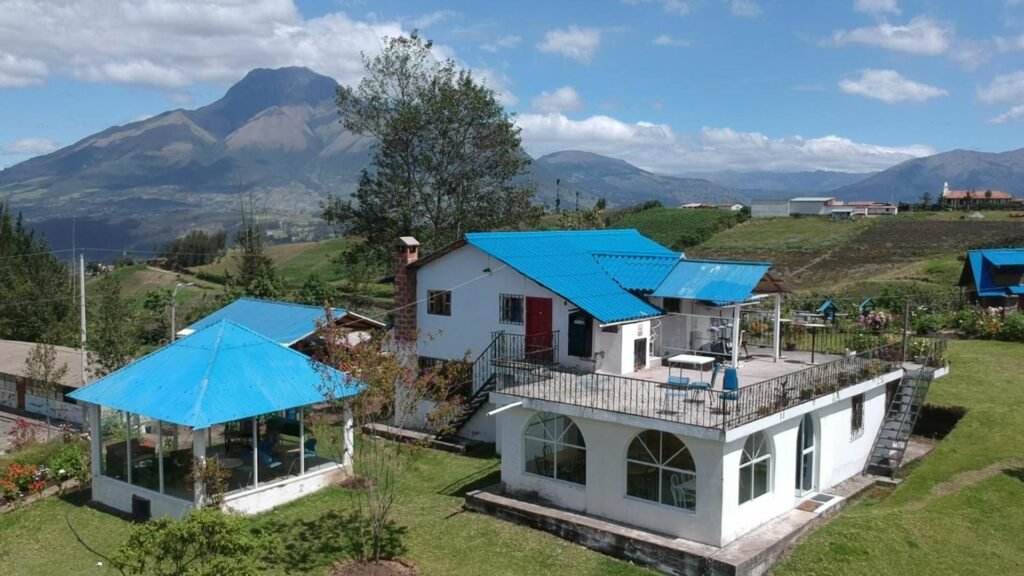
Perched on an elevated ridge between Otavalo and the leather-crafting town of Cotacachi, Hostería Rose Cottage offers a refined blend of rustic lawn camping and striking volcanic panoramas. Situated approximately 14 kilometres east of Laguna de Cuicocha, this independent estate keeps large tour groups at bay while granting campers sweeping 360-degree views across four distinct mountain cones.
Campers at Rose Cottage pitch their tents on lush, well-kept gardens surrounded by native highland flowers. The property offers access to broad wooden viewing decks that face directly toward Volcán Cotacachi. Watching the evening alpine glow fade across the snowy peak before stepping back to your pitch is an unforgettable highland experience.
The site excels in balancing outdoor autonomy with welcoming amenities. Campers have access to clean bathroom facilities, reliable hot water, and a wood-heated outdoor hot tub—an absolute luxury after a full day hiking the 12-kilometre Sendero Grijalva trail around Cuicocha. The on-site kitchen prepares filling breakfasts, allowing you to fuel up before taking on the next leg of your journey.
The Ecuadorian Sierra.
Get lost in the hills
3. Hospedaje Campo Lago / Araque & San Pablo del Lago
- Location: Araque community, San Pablo del Lago (approx. 30 minutes drive to Laguna de Cuicocha)
- Key Facilities: Waterfront grass pitches, fire pits, hot showers, electricity points, secure parking
- Best For: Tranquil lakeside nights and authentic community surroundings
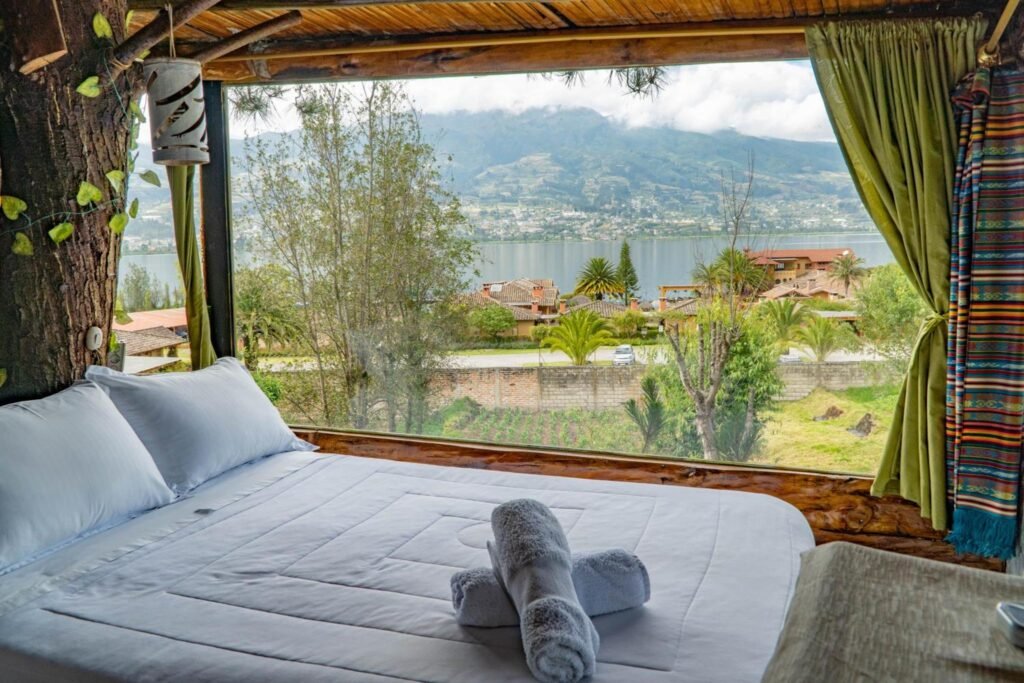
If your ideal mountain morning involves looking out over open water, Hospedaje Campo Lago in the Kichwa village of Araque provides a peaceful lakeside stay. Positioned on the eastern shore of San Pablo del Lago, this quiet site rests directly beneath the northern face of Volcán Imbabura, roughly 20 kilometres south-east of Laguna de Cuicocha.
The camping area is situated on soft grass lawns just metres from the water’s edge. Wake up to misty morning views of fishermen in small traditional rowboats, set against the backdrop of the surrounding peaks. The lakeside setting provides a microclimate that feels gentler and less exposed than the higher páramo ridges, ensuring a quiet, sheltered night where you can sleep well to the gentle lap of the water.
Facilities include well-maintained sanitary blocks, electrical hookups for small camper setups, secure perimeter fencing, and campfire rings. The host family is deeply connected to the local community, offering honest advice on regional bus connections and nearby walking paths.
4. El Tío Hostal & Organic Farm / Ilumán
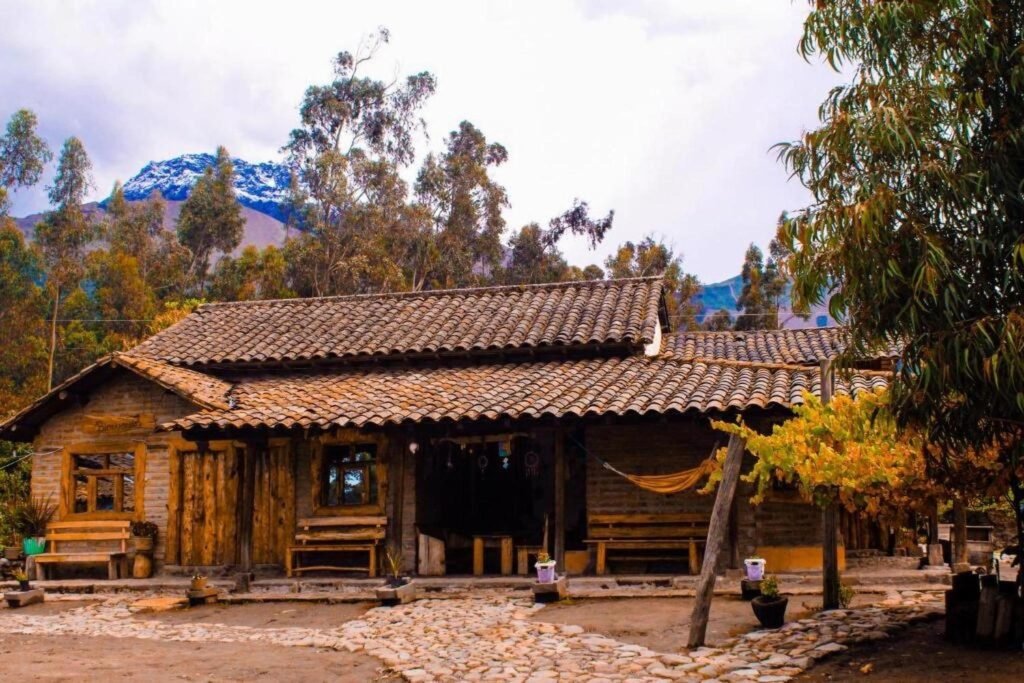
- Location: Ilumán village (north of Otavalo along the Pan-American corridor)
- Key Facilities: Farmyard pitches, communal guest kitchen, hot water, herbal gardens, cultural workshops
- Best For: Eco-minded travellers looking for organic farming and authentic Kichwa hospitality
For travellers eager to trade commercial campsites for deep cultural immersion, El Tío Hostal in the small agricultural village of Ilumán is an exceptional choice. Situated roughly 16 kilometres east of Laguna de Cuicocha, this family-run property doubles as a working regenerative farm managed by a local Kichwa family.
Camping here means setting up your tent on fertile soil amidst rows of organic vegetables, fruit trees, and traditional medicinal herb gardens. The atmosphere is calm, welcoming, and entirely devoid of forced tourist displays. The night brings complete rural silence, disturbed only by the soft mountain breeze through the trees—creating the perfect conditions to sleep well after an active day outdoors.
The facilities are clean and practical, featuring a shared outdoor kitchen where guests can cook using fresh produce gathered straight from the farm. Warm showers, reliable wi-fi near the main house, and traditional Andean temazcal (sweat lodge) ceremonies on request make this one of the most culturally enriching stops in the Imbabura province.
The Galápagos.
Ecuador’s Enchanted Isles
5. Bosque Protector Peguche Camping Area
- Location: Peguche village, Otavalo canton
- Key Facilities: Shaded forest pitches, rustic sanitary facilities, trail access, picnic tables
- Best For: Total immersion in native woodland and early-morning access to sacred sites
Located just 15 kilometres south-east of Cuicocha, the Bosque Protector Peguche offers a nature-first overnight stay inside a protected forest ecosystem. This lush eucalyptus forest surrounds the sacred Cascada de Peguche, a waterfall of deep spiritual importance to the local indigenous population, particularly during the annual Inti Raymi solstice celebrations.
The designated camping space is shaded by tall, fragrant eucalyptus trees that keep the ground sheltered from highland winds. Pitching your tent here puts you within minutes of quiet forest footpaths and the crashing water of the falls. Camping early in the morning allows you to visit the sacred waterfall long before daytime visitors arrive from Otavalo or Quito.
Facilities inside the protected forest are rustic, focused primarily on low-impact outdoor stays. There are basic toilet facilities, marked fire sites, and designated picnic areas managed by the local community administration. It is ideal for self-contained campers who carry their own cooking equipment and water purification tools.
6. Laguna de Cuicocha páramo campsite / Cotacachi-Cayapas Reserve edge
- Location: Reserva Ecológica Cotacachi-Cayapas entrance / Cuicocha crater rim
- Key Facilities: Primitive high-altitude pitches, park registration point, daytime visitor centre access
- Best For: Wilderness enthusiasts who want to wake up directly on the Cuicocha crater track
For the ultimate mountain stay right at the source, wilderness camping options exist near the entrance and high ridges of the Reserva Ecológica Cotacachi-Cayapas, directly overlooking Laguna de Cuicocha itself. Sitting at an elevation of 3,060 metres, this location puts you directly at the trailhead of the crater rim loop.
Pitching your tent in the high páramo grass near the park boundary requires full self-sufficiency. You must carry all your supplies, water, and warm equipment. The reward for this effort is unmatched: unobstructed views across the crater lake at sunset, brilliant starry skies free from light pollution, and absolute tranquillity.
During daytime hours, the park’s visitor centre offers basic restrooms, environmental exhibits, and local ranger advice. Always check in with the park authority at the entrance gate upon arrival to register your details and confirm designated overnight camping zones.
The Ecuadorian Amazon.
The most biodiverse place in the world
Essential camping advice for the Imbabura highlands
Camping at high elevations in northern Ecuador requires proper planning to ensure you stay warm and comfortable. Keep these key practical tips in mind:
Prepare for cold nights
At altitudes between 2,800 and 3,100 metres, night temperatures frequently drop to 5°C or lower. Invest in a sleeping bag rated for freezing temperatures, and always use an insulated sleeping pad to block cold ground humidity so you can sleep well.
Highland sun protection
The equatorial sun at 3,000 metres is intense, even on overcast mornings. Pack a high-factor sunscreen (SPF 50+), sunglasses, and a wide-brimmed hat for daytime hiking around the crater.
Respect local communities
Much of the land surrounding Cotacachi, Otavalo, and Laguna de Cuicocha belongs to indigenous Kichwa communities. Always obtain permission before setting up camp on private or communal property, pay designated camping fees promptly, and practice strict Leave No Trace principles.
Getting around
Local buses run regularly between Otavalo, Cotacachi, and Quiroga. From Quiroga, local pickup trucks (camionetas) can take you directly up to the Cuicocha visitor centre for a reasonable fixed fare. If travelling on two wheels, be prepared for steep, cobblestone climbs that demand low gearing and sturdy tyres.
The Ecuadorian Coast.
Where you’ll find the very best food
Find your rhythm in the Ecuadorian Andes
Taking the time to slow down and sleep beneath the stars near Laguna de Cuicocha offers a perspective on northern Ecuador that standard day-trips simply cannot deliver. When you travel under your own momentum—whether arriving on two wheels, navigating local buses, or setting out on foot—the Imbabura province reveals its true depth.
You gain the freedom to watch dusk settle over the volcanic peaks, share stories with local hosts, and experience the stillness of the high Andes long after the afternoon crowds have returned to Quito or Otavalo.
Choosing the right campsite is about more than just finding a flat patch of ground for your tent; it is about establishing a comfortable base where you can recharge properly. The thin air and crisp nighttime temperatures at 3,000 metres demand good preparation, but falling asleep to the quiet rustle of the páramo grass and waking up to sunbeams piercing the crater mist makes every bit of effort worthwhile.
When you pitch your tent in a place that feels secure, welcoming, and grounded in its surroundings, you ensure you sleep well—giving you the energy needed to tackle the rim trail or push on towards your next highland destination.
At Wheely Tyred, we believe that independent travel is at its best when it respects local environments, supports small-scale community stays, and prioritises authentic discovery over rushed itineraries. Pack your warm layers, treat the high-altitude wilderness with care, and give yourself the time to experience this remarkable corner of Ecuador on your own terms.
Affiliate Disclaimer: Some of the links on Wheely Tyred are affiliate links. If you click through and make a booking or purchase, we may earn a small commission at no extra cost to you. We only recommend gear, tours, stays, and services we genuinely use, trust, and stand behind — our editorial independence always comes first. These commissions help keep our independent cycling guides and travel stories free to read. Thanks for supporting the ride!
Frequently asked questions about the best places to camp near Laguna de Cuicocha
Local buses depart frequently from the main terminal in Otavalo to Cotacachi or the smaller junction town of Quiroga. From Quiroga’s central plaza, local pickup trucks (camionetas) operate as shared or private taxis directly up to the Cuicocha visitor centre for a modest fixed fare.
Because elevations range between 2,800 and 3,100 metres above sea level, temperatures routinely drop to 5°C or lower once the sun sets. An insulated sleeping pad and a sleeping bag rated for freezing conditions are essential to ensure you sleep well throughout the night.
While private campsites (such as Rose Cottage or La Luna) handle their own bookings on arrival, pitching a tent near the crater rim requires checking in with the Reserva Ecológica Cotacachi-Cayapas park authority. Always register your details with the rangers at the main entrance gate to confirm approved wilderness zones.
The daily market in Cotacachi and the central market in Otavalo offer an abundance of fresh fruit, vegetables, grains, and staples at very low prices. If staying at community-focused sites like El Tío Hostal in Ilumán, guests can also cook with fresh organic produce gathered directly from the farm.
The drier months between June and September generally offer the clearest morning views across the crater and drier trail conditions along the 12-kilometre rim loop. However, high-altitude winds and brisk evening air remain constant throughout the entire year.
Much of the surrounding countryside belongs to ancestral Kichwa communities. Support locally run family campsites, pay small entrance or camping fees promptly, ask before taking photographs of residents, and strictly adhere to Leave No Trace principles across all trails and pitches.
Ecuador.
Pure wonder on the equator.