Highland feasts in the páramo / The ultimate food & drink guide to Cajas National Park
The best restaurants, cafes, and rustic eateries near Parque Nacional Cajas, Ecuador
High-altitude mountain trout, steaming locro, and fireside canelazo
BEN FINCH
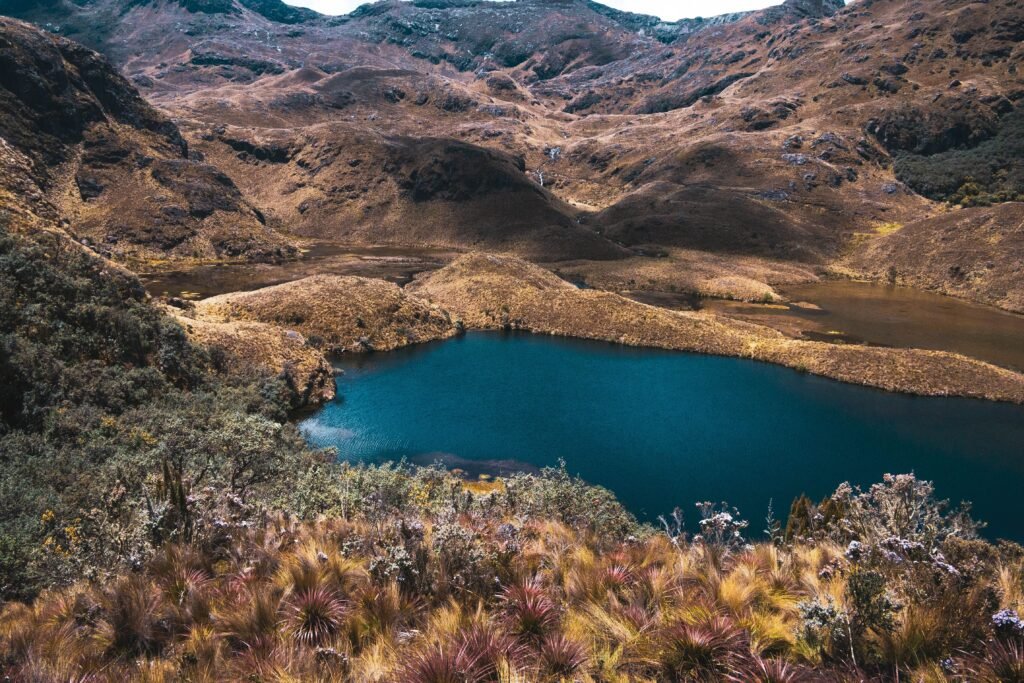
Rising sharply above the colonial rooftops of Cuenca, Parque Nacional Cajas is a realm of stark, breathtaking beauty. Defined by rolling alpine tundra, wind-swept páramo grasses, and more than 200 glacial lakes, this protected highland ecosystem sits anywhere between 3,100 and 4,450 metres above sea level.
Most visitors make the journey from Cuenca to hike through the mist, marvel at the polylepis forests, or watch wild caracaras drift across the skyline.
Yet, for independent travellers who prefer to explore at their own rhythm rather than watch the clock on a tour bus, the high-altitude pass along the Vía al Cajas offers an equally compelling reward: exceptional highland cuisine.
The cold mountain climate and pure glacial runoff create the ideal conditions for rainbow trout, which dominates local menus alongside rich, restorative Andean soups. Dining here is an integral part of the Cajas experience. It is about stepping out of the alpine chill into a timber lodge, warming your hands over a wood-burning stove, and sitting down to a meal that reflects the spirit of the Azuay highlands.
Here is where to eat and drink along the mountain corridor of Cajas National Park to ensure you eat remarkably well.
Páramo plates / Cajas at a glance
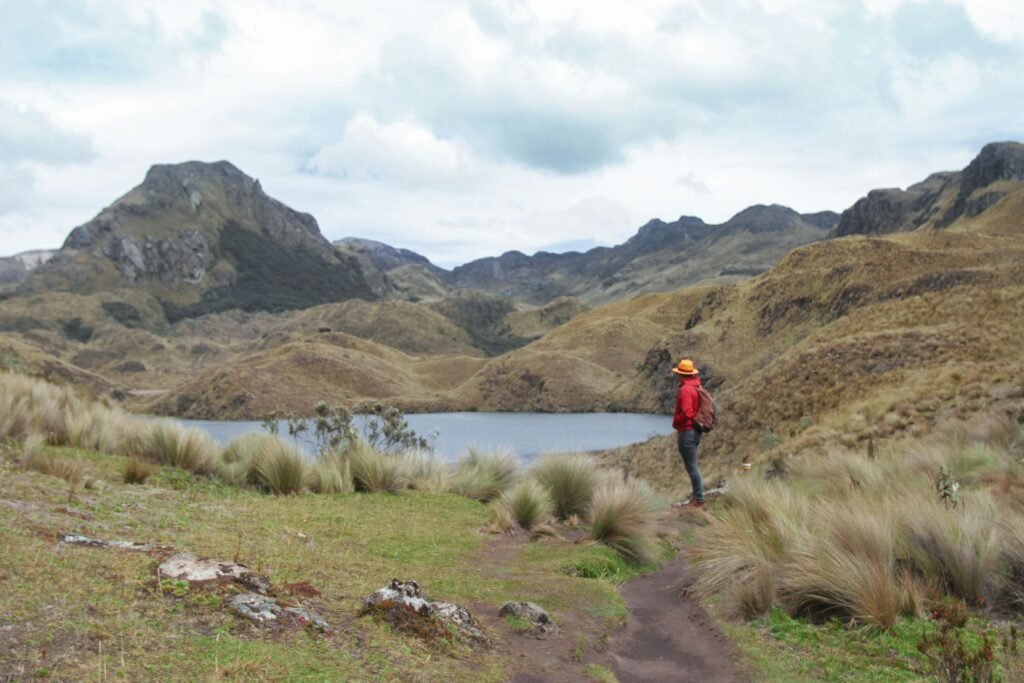
High along the Andean pass of Highway E582, Cajas National Park pairs raw, windswept wilderness with deep-rooted highland hospitality. Here is what every independent traveller should know about eating and drinking across this glacial realm.
- Glacial Trout: Sourced fresh from high-altitude mountain streams and served almond-crusted, garlic-infused, or wood-fired across local eateries like Hostería Dos Chorreras
- Restorative Soups: Traditional, velvety locro de papa garnished with fresh cheese and avocado offers essential nourishment before or after tackling cold alpine trails
- Fireside Warmth: Rustic mountain sanctuaries like Casa Vieja serve piping-hot canelazo brewed with cinnamon and citrus to shake off the high-altitude chill
- Pond-to-Plate Dining: Family-run spots such as Rancho Isabel let you enjoy hyper-local trout caught directly from private stream-fed ponds in Sayausí
- Valley Vistas: Roadside eateries along the E582 pass combine hearty plates of fried trout and hen broth with panoramic views across the clouds
- Smart Altitude Dining: Timing heavy meals for after your hike ensures comfortable trekking through the park’s higher tundras and polylepis forests
Cajas National Park.
The most beautiful national park
1. Restaurante Hostería Dos Chorreras
- Location: Kilometre 21, Vía al Cajas
- Speciality: Almond-crusted mountain trout and hot spiced canelazo
For decades, Dos Chorreras has stood as the culinary anchor of the Vía al Cajas corridor. Situated roughly 21 kilometres from Cuenca, this sprawling mountain lodge feels like an alpine sanctuary, constructed from massive timber logs, hand-cut stone, and glass panels overlooking pine-forested slopes.
While its setting attracts travellers from all over the country, the kitchen remains steadfastly committed to regional high-altitude flavours. Trout is the undisputed star here, sourced directly from nearby glacial waters. The trucha en salsa de almendras (trout in toasted almond sauce) is exceptional, offering a delicate nuttiness that complements the rich, flaky fish. Alternatively, order the trucha al ajillo, where garlic-infused olive oil sizzles against crisp skin.
Beyond trout, Dos Chorreras excels at traditional starters. Their house-made empanadas, stuffed with fresh highland cheese and fried until golden, are legendary. Pair your meal with a mug of hot canelazo to stave off the mountain frost while enjoying views of the mist rolling over the hills.
2. Estancia San Juan Hostería Restaurante
- Location: Kilometre 15, Vía al Cajas
- Speciality: Traditional locro de papa and wood-fired mountain trout
Located closer to the base of the mountain ascent, Estancia San Juan occupies a beautifully restored historic estate. It offers a quieter, more intimate atmosphere for those travelling independently by car or bus who want to experience authentic Azuay hospitality without feeling rushed.
The menu is a homage to highland comfort food. Before tackling a cold trail at higher elevations, stop here for a bowl of locro de papa. This classic Ecuadorian potato soup is simmered until velvety smooth, seasoned with achiote, and served brimming with melted fresh cheese, sliced avocado, and toasted corn kernels (tostado).
The main courses lean heavily into traditional Andean meats and fresh trout cooked over open wood fires, lending a subtle smokiness to the dish. The bread is baked on-site daily, and the dining room—decorated with historic mountain artefacts—invites you to lingering conversations over fresh coffee before heading higher into the park.
The Ecuadorian Sierra.
Get lost in the hills
3. Restaurante Vista Linda
- Location: Kilometre 7, Vía al Cajas
- Speciality: Crispy whole fried trout with patacones and highland chicken broth
As the highway climbs out of the valley, Restaurante Vista Linda offers a classic roadside dining experience with an unbeatable setting. Featuring expansive floor-to-ceiling windows, the dining area clings to the mountainside, offering sweeping views back towards the lush valley floor and the approach to Cajas.
Vista Linda caters to hungry hikers, locals on weekend drives, and road trippers looking for unpretentious, hearty meals. The signature offering is classic trucha frita—a whole trout fried until the skin is perfectly crisp, served alongside golden patacones (twice-fried green plantains), a crisp side salad, and fluffy white rice.
If you are looking for pure restoration after hours exposed to the wind at Lake Laguna Toreadora, order a piping-hot bowl of caldo de gallina (slow-simmered highland hen broth). Rich, deeply savoury, and packed with root vegetables, it is the ultimate cold-weather antidote.
The Galápagos.
Ecuador’s Enchanted Isles
4. Restaurante RAID 1969
- Location: San Felipe de Molleturo sector, Vía al Cajas
- Speciality: Herb-grilled trout served with native Andean tubers
For something entirely distinct along the pass, Restaurante RAID 1969 brings a quirky, motor-inspired personality to the high Andes. Located further along the corridor towards the San Felipe de Molleturo sector, this rustic mountain stop is popular among independent road trippers, overland travellers, and local adventure seekers.
Despite its eclectic decor featuring classic automotive memorabilia and wood carvings, the kitchen takes its culinary output seriously. The team here elevates standard roadside fare by focusing on presentation and bold local seasonings. Their grilled trout comes topped with fresh garden herbs and garlic butter, accompanied by roasted native tubers like mellocos and ocam.
On clear days, the outdoor deck provides wide-open views of the dramatic mountain contours. It is an informal, vibrant spot that proves mountain dining in Ecuador can be creative while retaining its rustic roots.
Essential dishes & drinks of the Cajas highlands
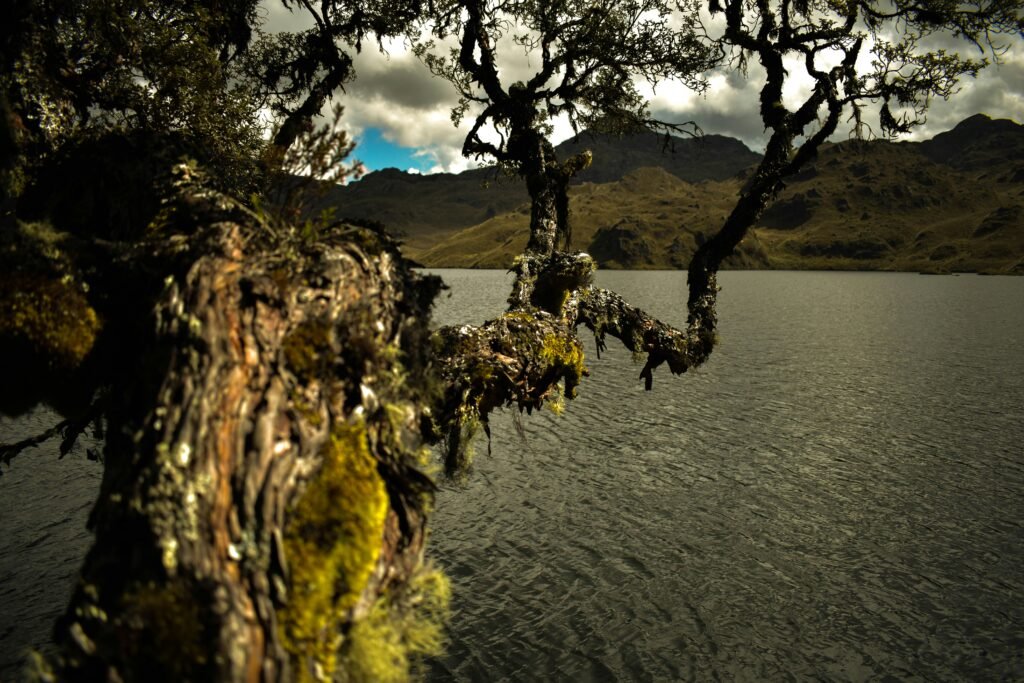
To truly eat well in Cajas National Park, it helps to understand the regional staples that define high-altitude culinary culture in the province of Azuay:
- Trucha (Rainbow Trout): Introduced to the high glacial lakes of Cajas decades ago, trout has become the definitive regional staple. It is served fried (frita), grilled (a la plancha), garlic-marinated (al ajillo), or baked with native herbs
- Locro de Papa: A thick, comforting soup made from native highland potatoes, seasoned with achiote and garlic, and finished with milk and fresh cheese. It is traditionally garnished with fresh avocado and toasted corn (tostado)
- Canelazo: The quintessential highland drink. Made by boiling water with cinnamon sticks, sugar or panela (unrefined cane sugar), and fruit juice (typically naranjilla or passionfruit), then spiked with sugarcane spirit. It is designed specifically to combat the icy mountain air
- Mellocos & Ocas: Native Andean tubers that thrive at high altitudes. They offer a unique, crisp texture and earthy flavour, frequently served alongside grilled meats and trout
- Queso Fresco: Unaged, lightly salted mountain cheese produced by local dairy farmers along the pass. It is eaten alongside empanadas, melted into potato soup, or dropped into hot chocolate
The Ecuadorian Amazon.
The most biodiverse place in the world
Practical tips for independent diners
Mind the altitude
Eating a massive, heavy meal before a rigorous high-altitude hike can lead to sluggishness or digestive discomfort. Plan your day so that you enjoy a lighter meal or warm soup before hitting the trails, saving the feast of trout and canelazo for after your hike.
Transportation & timing
Most mountain eateries along the Vía al Cajas operate between 8:00 and 17:00, with peak service occurring during lunch hours (12:30 to 15:00). If you are travelling by public bus from the Terminal Terrestre in Cuenca (heading towards Puerto Inca or Guayaquil via Cajas), simply ask the driver to let you off at the specific kilometre marker or restaurant name along Highway E582. Buses pass frequently along this main artery throughout the afternoon.
Bring cash
While larger establishments like Dos Chorreras accept credit cards, cellular data signal can be spotty in the high mountain valleys. Carrying cash in small denominations ($5, $10, and $20 notes) ensures seamless payment at smaller roadside spots.
Dress in layers
Mountain weather in Cajas changes rapidly. Even indoor dining rooms can feel chilly when the fog descends, so keep your thermal layers, rain jacket, or warm jumper handy while you dine.
The Ecuadorian Coast.
Where you’ll find the very best food
Embrace the culinary rhythms of Cajas
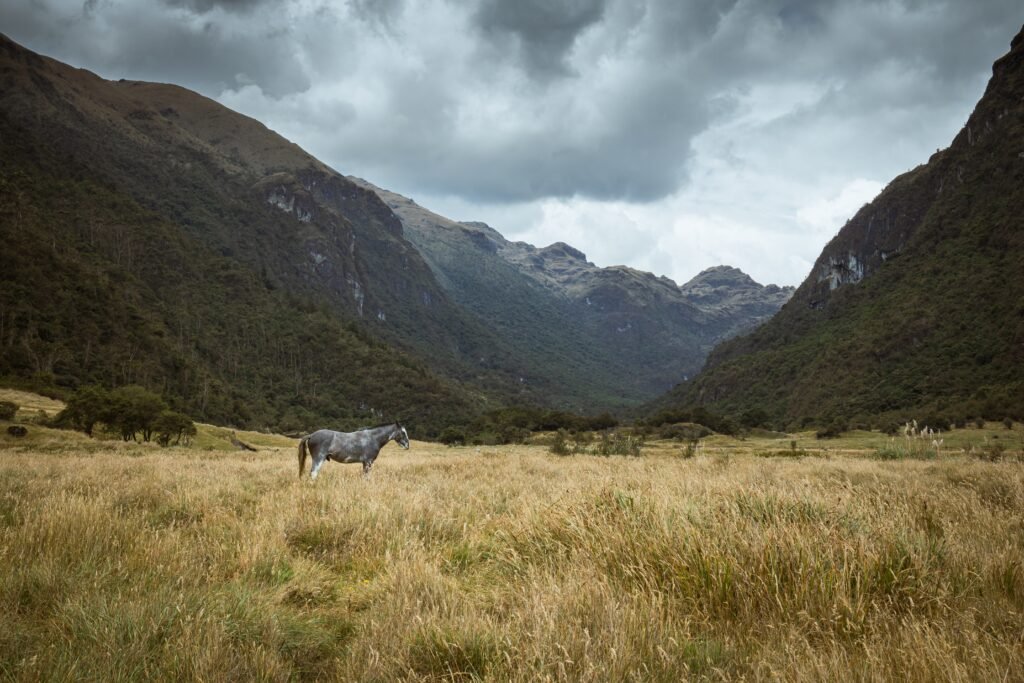
To travel through Parque Nacional Cajas independently is to embrace a slower, more deliberate rhythm. When you are not bound by a rigid tour schedule or hustled into a pre-arranged buffet, a cold afternoon in the páramo transforms from a hasty photo stop into an immersive sensory journey.
The high-altitude pass along the Vía al Cajas is far more than a transport corridor between the coast and the Andes; it is a living culinary ecosystem shaped by pure glacial waters, mountain microclimates, and centuries of Azuay tradition.
Pausing your journey at a wood-beamed roadside tavern to watch trout sizzle over open coals or to feel the warmth of a spiced canelazo restore your circulation is just as vital to understanding this landscape as standing on its wind-swept peaks.
By giving yourself the time to explore these mountain eateries on your own terms, you gain a deeper connection to the place and the people who call these highlands home. Pack warm layers, keep a few small notes in your pocket, and let the aroma of woodsmoke and roasting herbs guide your stops along the pass.
Affiliate Disclaimer: Some of the links on Wheely Tyred are affiliate links. If you click through and make a booking or purchase, we may earn a small commission at no extra cost to you. We only recommend gear, tours, stays, and services we genuinely use, trust, and stand behind — our editorial independence always comes first. These commissions help keep our independent cycling guides and travel stories free to read. Thanks for supporting the ride!
Frequently asked questions about where to eat and drink near Cajas National Park
Catch any regional bus heading towards Guayaquil or Puerto Inca from Cuenca’s Terminal Terrestre. Simply tell the driver the specific kilometre marker or restaurant name along Highway E582 (Vía al Cajas). Buses run frequently along this main artery throughout the day, making it straightforward to hop off for a meal and flag down another bus when you are ready to move on.
Canelazo is a traditional highland hot drink made by boiling water with cinnamon, unrefined cane sugar (panela), and sour citrus juice—typically naranjilla. It is frequently spiked with aguardiente (sugarcane spirit). In the cold, mist-shrouded climate of Cajas, it serves as the ultimate ritual to warm up after hours exposed on the trails.
Most roadside eateries and hosterías cater well to drop-in independent travellers, especially on weekdays. However, popular venues like Hostería Dos Chorreras can get busy during weekend lunch hours (12:30 to 15:00) when locals head into the mountains. Arriving slightly outside peak lunch hours guarantees a relaxed table without waiting.
Larger establishments such as Dos Chorreras accept credit cards, but cellular coverage across the high-altitude pass can be unpredictable. It is essential to carry cash in small denominations ($5, $10, and $20 notes) to pay comfortably at smaller family-run spots and cafes.
It is best to avoid heavy meals immediately before hiking above 3,500 metres. The lower oxygen levels slow digestion, which can lead to discomfort on steep climbs. Enjoy a light soup or hot drink before setting out, and reward yourself with a full trout feast once your trekking is complete.
While trout dominates mountain menus, vegetarians can readily enjoy rich locro de papa (confirming it is prepared with vegetable broth), crisp cheese empanadas, native Andean tubers like mellocos, fresh mountain cheese, and hot chocolate or canelazo by the fire.
Ecuador.
Pure wonder on the equator.