Best Quilotoa day tours 2026 / Emerald crater lake excursions
Best Quilotoa day trips, crater hikes, and volcano tours in Ecuador
Authentic small-group and private expeditions into the High Andes
BEN FINCH
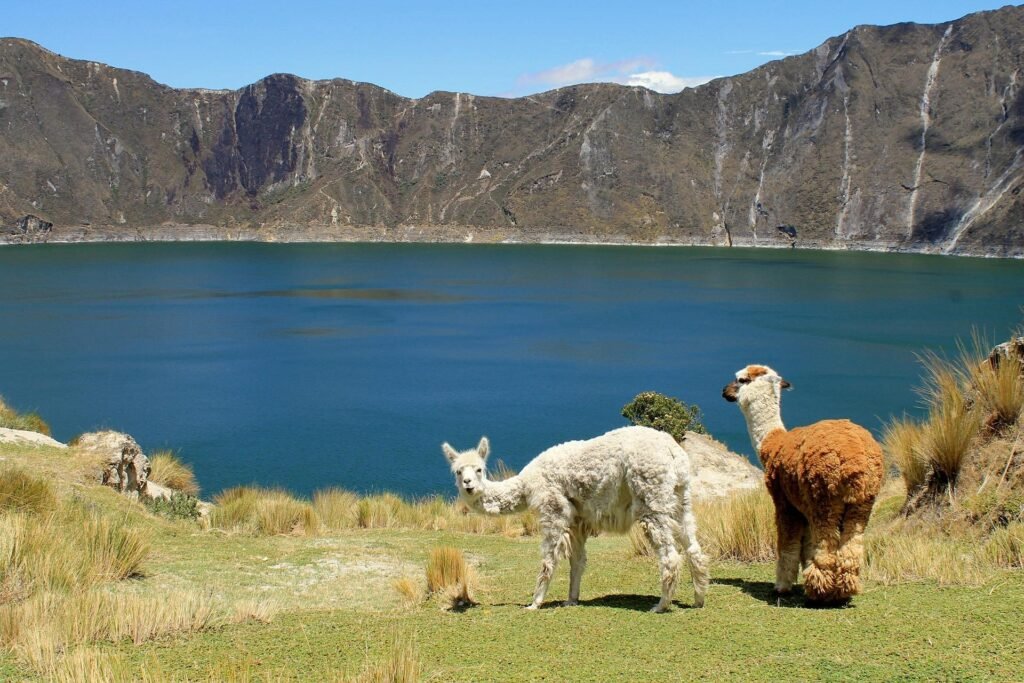
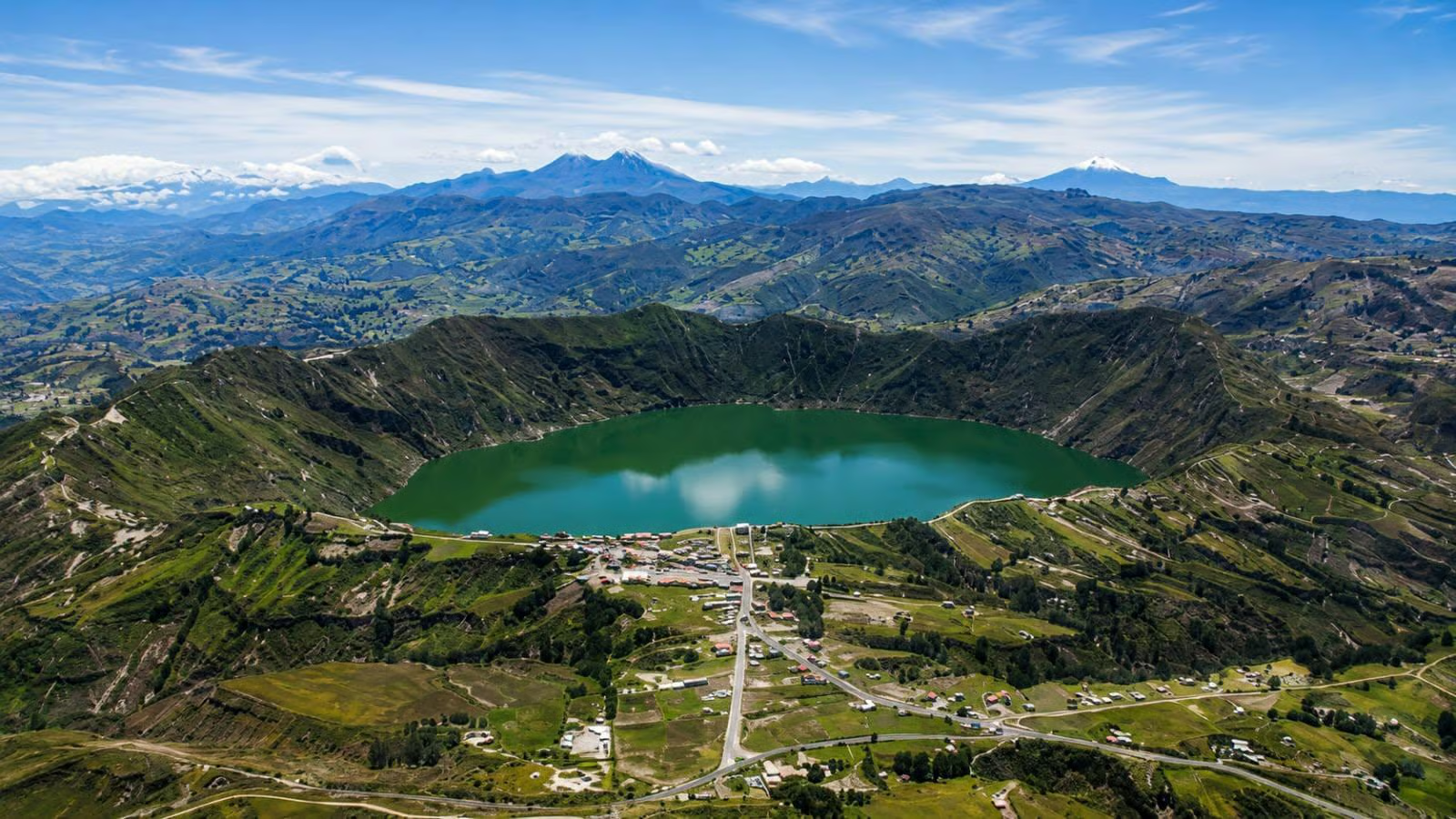
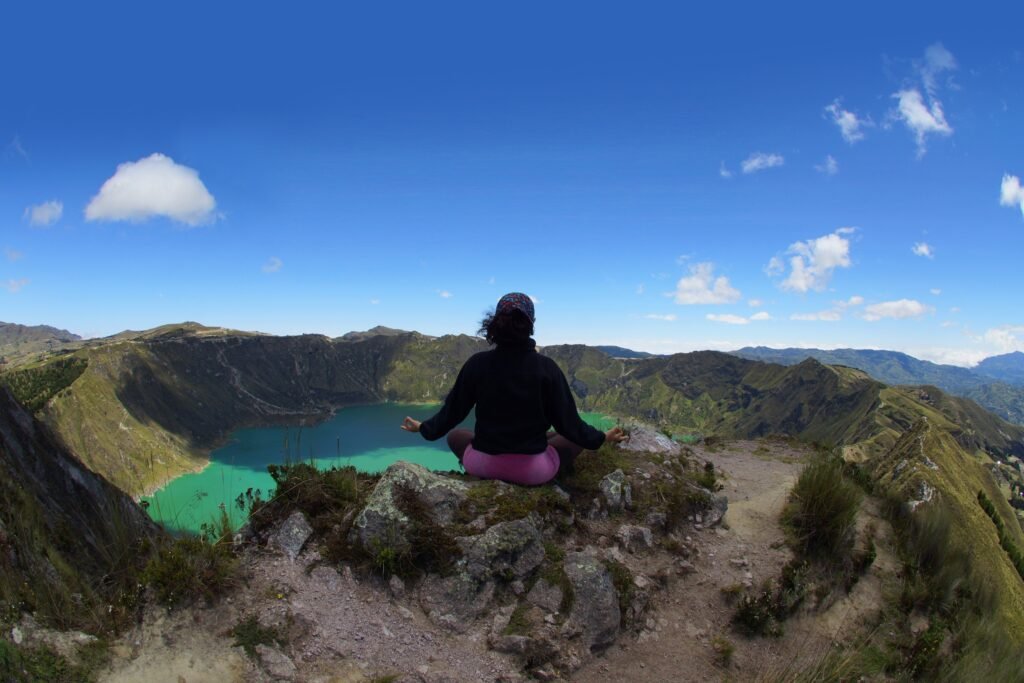
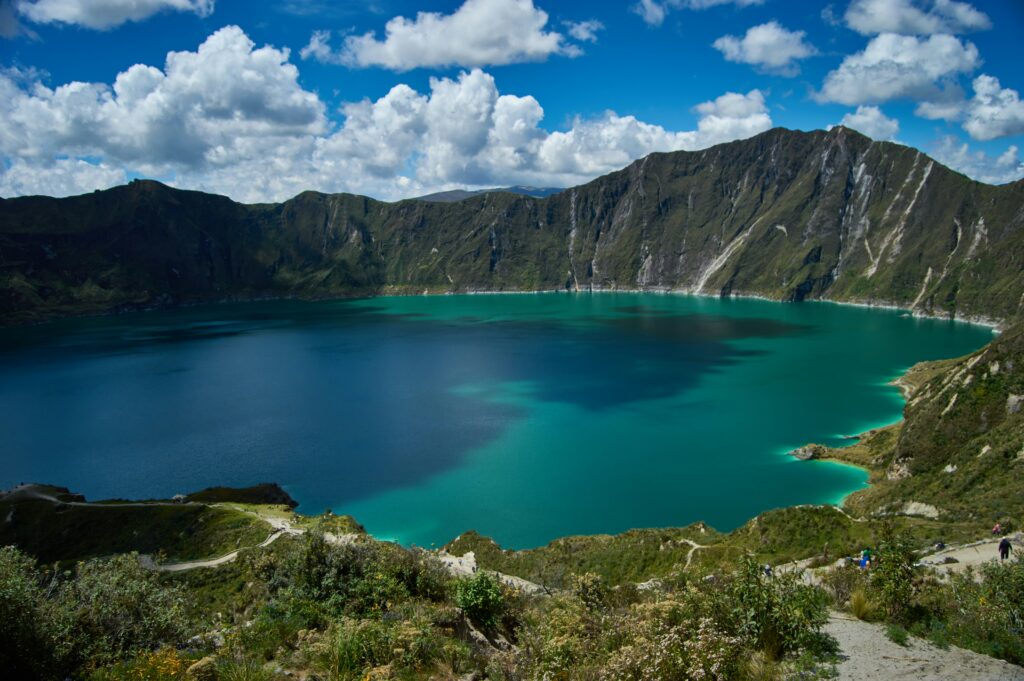
Perched at nearly 3,900 metres above sea level in the western range of the Ecuadorian Andes, Laguna Quilotoa is one of South America’s most staggering natural marvels. Formed when a massive 800-year-old volcanic caldera collapsed and filled with mineral-rich water, this emerald-green crater lake changes hue from turquoise to deep jade as the mountain sunlight shifts across the sky.
Surrounding the crater is a wild landscape of wind-swept páramo grasslands, rugged gorges like the Cañón del Río Toachi, and resilient indigenous Kichwa communities whose vibrant artistic traditions have endured for generations.
At Wheely Tyred, we believe travel should be immersive, respectful, and autonomous. While the Quilotoa Loop is justly famous among multi-day trekkers, not everyone has three or four days to spare for a full backpacking circuit.
If you are based in Quito or the adventure hub of Baños de Agua Santa, booking a thoughtfully curated day excursion is the most rewarding way to experience the high Andes without getting caught in rigid mass-market itineraries.
The secret lies in choosing small-group or private excursions that support local indigenous guides, allow ample time for real walking rather than hurried photo stops, and include authentic cultural encounters in villages such as Tigua and Zumbahua.
Below is our definitive guide to the six absolute best bookable day tours to Quilotoa, tested for guide quality, route logistics, and cultural authenticity.
Essential takeaways for the Quilotoa trek
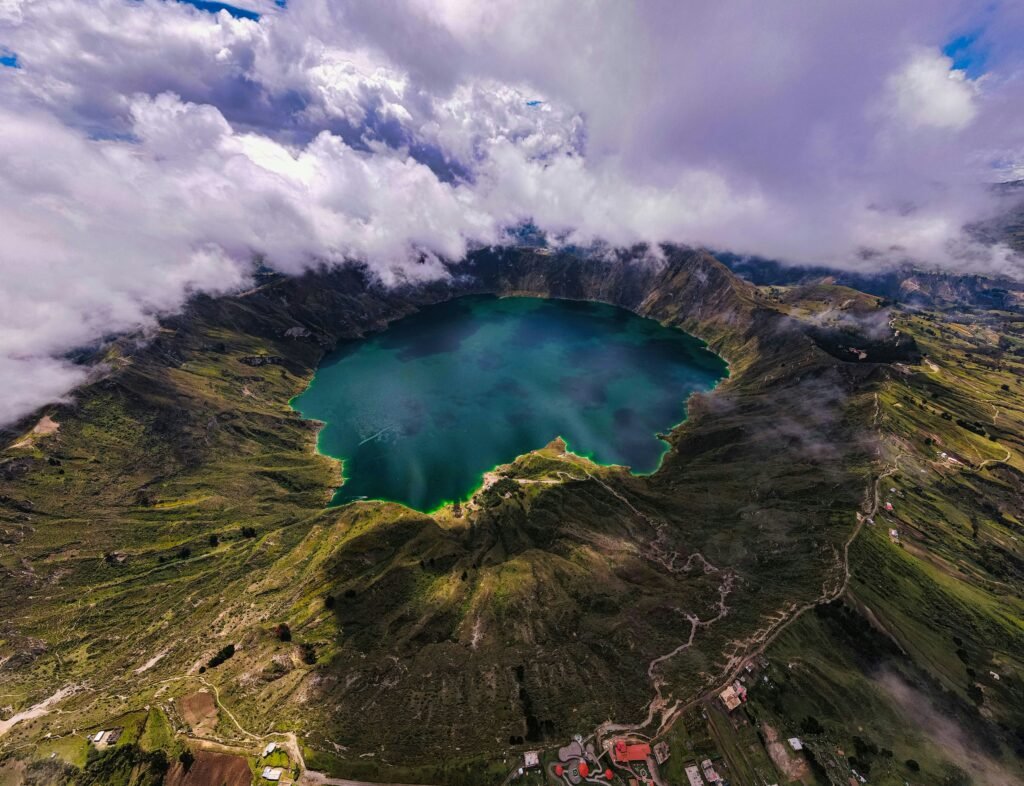
Planning a journey into the high Ecuadorian Andes requires balancing logistical realities with a desire for genuine cultural connection. Here is everything you need to know before venturing out to the emerald water of Laguna Quilotoa.
- The Volcanic Landscape: Formed by a massive caldera collapse over eight centuries ago, Laguna Quilotoa sits at nearly 3,900 metres, where mineral-rich waters shift from deep turquoise to brilliant jade depending on the sunlight
- Baños Departure Hub: For travellers staying in the south, specialist day hikes depart directly from Baños de Agua Santa, focusing on sustained walking along the rim paths rather than long urban transits from Quito
- Cultural Encounters: Stops along the volcanic corridor include the artisan village of Tigua—famous for its traditional drum-hide folk paintings—and regional Kichwa market towns like Saquisilí and Zumbahua
- The Crater Descent Challenge: Trekking down to the water’s edge takes roughly 30 to 45 minutes, but ascending the 350 vertical metres on scree and loose sand at altitude demands good physical stamina (or a small fee for a local mule ride)
- Double Volcano Itineraries: Time-pressed travellers can combine the high-altitude grasslands of Cotopaxi National Park with the crater views of Quilotoa in a single, well-paced day trip
- Acclimatisation Protocol: Spend at least two full days adjusting to the elevation in Quito or Cuenca before tackling the crater rim to minimise the risk of altitude sickness (soroche)
- Local Economy Support: Carry small US dollar bills ($1, $5, $10) to pay community entry fees directly, support family-run food stalls, and purchase crafts straight from local indigenous artisans
Quilotoa.
The emerald crater lake
1. The high-altitude ridge trek from Baños
Rating & reviews
(New activity on GetYourGuide)
Why this tour stands out
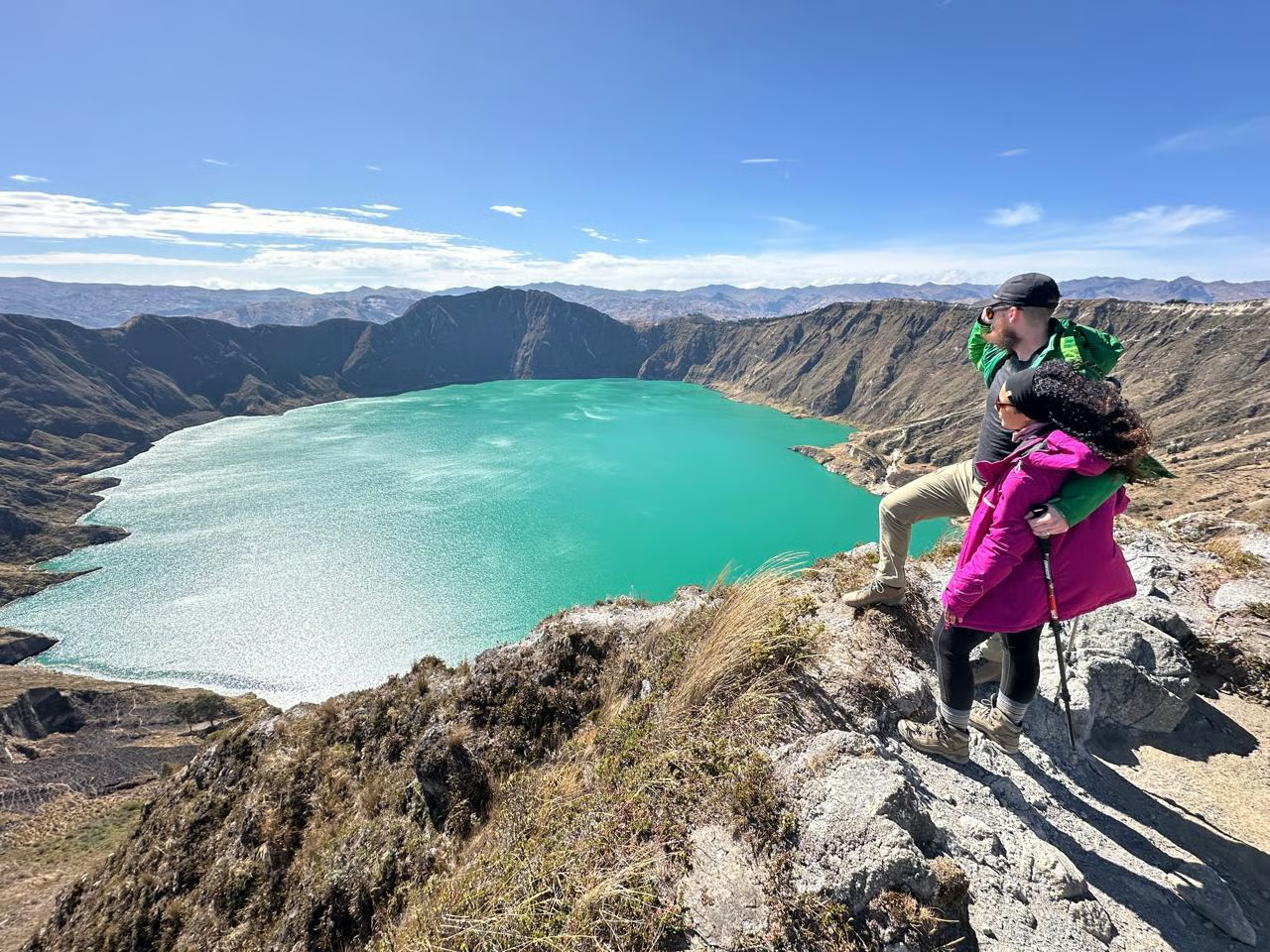
Most day trips to Quilotoa originate in Quito, but travellers exploring Ecuador’s southern adventure corridor often struggle to find dedicated day trips departing from Baños de Agua Santa. Executed by Next Adventure Travel Agency, this small-group trek is specifically designed for active travellers who want to focus on the dramatic topography of the crater rim.
Instead of a quick glance from an overlook, this trip prioritises sustained walking along the undulating volcanic perimeter. The journey begins early with a scenic drive up from the subtropical valley of Baños into the chilly Andean high plateau. Upon arrival, you are fueled with a wholesome local breakfast and provided with a hot cup of traditional Andean herbal tea (mate de coca or cedrón) to assist with the elevation.
Your local guide leads you along designated ridge paths that reveal sweeping, unobstructed views of the water below before distributing packed lunches for an authentic open-air picnic high above the caldera.
Key highlights
- Dedicated round-trip transportation from Baños de Agua Santa through changing ecological zones
- Guided high-altitude rim hike offering multi-angle views across the entire volcanic crater
- Nutritious local breakfast, packed trail lunch, and traditional hot mountain tea included
- Knowledgeable local mountain guide focused on safe pacing at 3,900 metres elevation
Ideal for
Fit, active travellers and hikers based in Baños who want a trail-focused day trip without returning north to Quito.
Local insight
Because the rim path is exposed to fierce Andean winds, temperatures can plummet rapidly even on sunlit afternoons. Pack a quality windproof outer shell, lightweight gloves, and a warm fleece layer.
The Ecuadorian Sierra.
Get lost in the hills
2. The comprehensive cultural expedition from Quito
Rating & reviews
(643+ verified reviews on Viator)
Why this tour stands out
If you are starting from Quito and seeking a classic, small-group trip that perfectly balances dramatic landscapes with indigenous cultural heritage, this daily departure is the gold standard. Operating with a limited group size to ensure personal attention, the itinerary follows the famous Avenue of the Volcanoes before ascending the winding mountain roads towards the crater lake.
What makes this particular tour exceptional is its commitment to context. Along the way, the vehicle pauses at the dramatic Cañón del Río Toachi—a stark volcanic fissure carved out by ancient lava flows—and stops at local artisan workshops in Tigua. Tigua is famous throughout South America for its folk art, painted with sheep-hair brushes on stretched drum hides.
Depending on the day of the week, the tour also visits traditional indigenous market towns like Saquisilí. At the lagoon itself, guests have the flexibility to either hike down to the water’s edge or enjoy the panoramic ridge viewpoints at their own pace.
Key highlights
- Pickups at primary Quito hotel clusters, including La Carolina, Plaza Foch, and Plaza Grande
- Visit to traditional Tigua art galleries to observe local painters utilising ancestral techniques
- Photo stop at the geological spectacle of the Cañón del Río Toachi
- Flexible free time at Laguna Quilotoa for crater descent, rim walking, or photography
Ideal for
Solo travellers, couples, and small groups looking for an all-round introduction to Andean culture, art, and landscapes.
Local insight
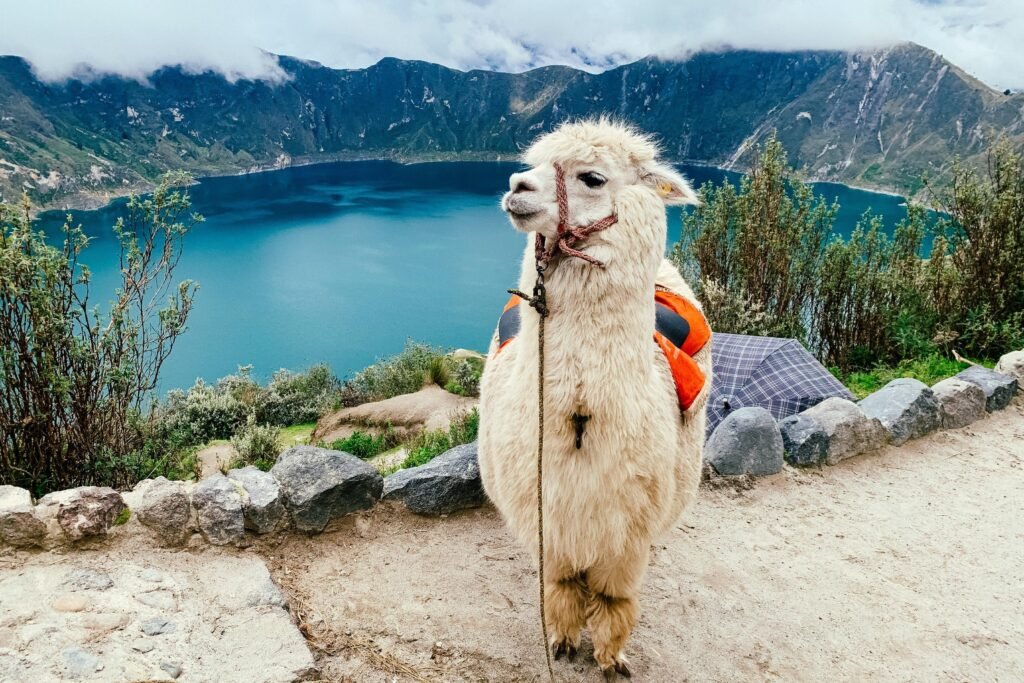
If you choose to hike down to the lake shore, remember that the descent takes roughly 30–45 minutes, but the climb back up gains nearly 350 vertical metres on loose sand and gravel at high altitude. If your lungs struggle on the ascent, local Kichwa community members offer mule rides back to the top for a standard fee of around $10 USD.
The Ecuadorian Amazon.
The most biodiverse place in the world
3. The tailored private Andean highway voyage
Rating & reviews
4.9 / 5 stars (116+ verified reviews on Viator)
Why this tour stands out
For travellers who prefer full autonomy over their schedule—or who are travelling with family or a group of close friends—this private day trip is unmatched. A private vehicle and dedicated bilingual guide collect you directly from your doorstep in Quito, eliminating the multi-stop pickup process of shared coaches.
Because the day is entirely yours, your guide can adjust the timing to beat the morning cloud cover that often rolls over the crater rim by mid-afternoon.
The private itinerary includes entry fees, a sit-down traditional Andean lunch, and an extended visit to a local indigenous Kichwa home in the countryside. Here, you can learn directly from local families about traditional guinea pig (cuy) rearing, mountain agriculture, and daily life in the high-altitude páramo.
Key highlights
- Seamless, door-to-door private hotel transfers from anywhere in Quito
- Fully customizable schedule with unhurried time at every stop
- Exclusive cultural visit to an authentic rural Kichwa home and community
- Traditional sit-down lunch menu included in the private service package
Ideal for
Families, photography enthusiasts requiring flexible lighting stops, or travellers seeking a private pace.
Local insight
Ask your private guide to stop at roadside stalls near Zumbahua to try bizcochos (traditional buttery biscuits) or local mountain cheeses. Supporting these small roadside vendors puts money directly into family-run micro-enterprises.
4. The iconic glass viewpoint & crater descent excursion
Rating & reviews
(106+ verified reviews on GetYourGuide)
Why this tour stands out
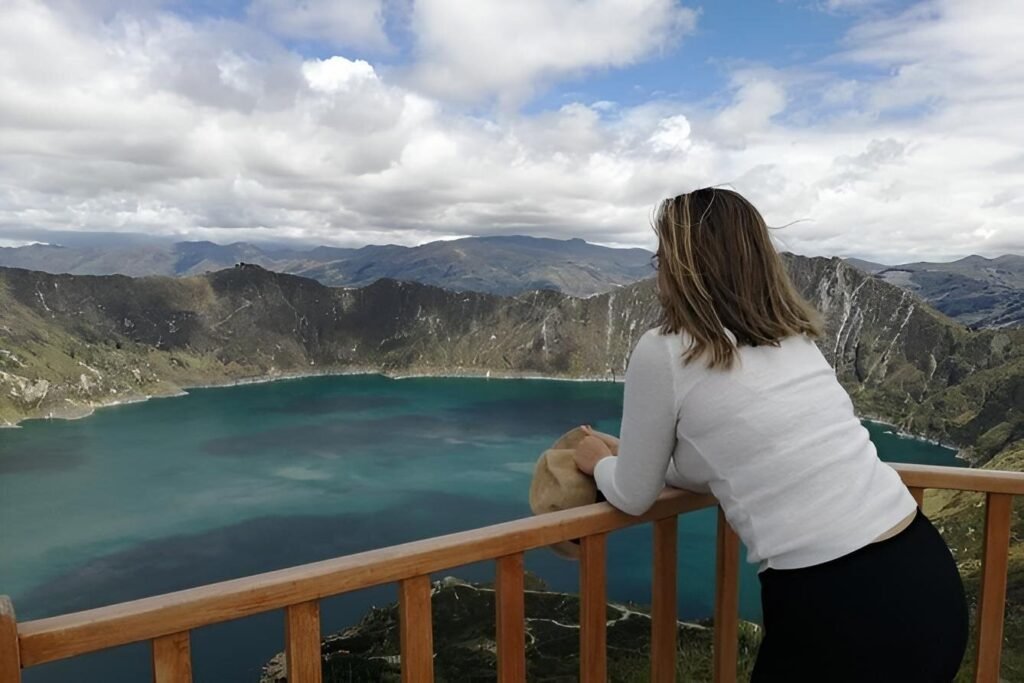
Operated by experienced local guides who know the terrain intimately, this popular day trip focuses on capturing Quilotoa’s most famous vistas while offering sufficient time to explore the lake basin. The tour includes access to the famous Mirador Shalala, a sleek architectural wooden and glass balcony projecting over the edge of the crater that offers breathtaking views of the mineral water below.
Following the glass viewpoint visit, the guide leads the group down the switchback trail to the crater floor. At the bottom, travellers have time to rent small kayaks to paddle across the calm, sulphur-tinged waters or simply relax along the shoreline under the towering crater walls. The return journey includes cultural stops in the Toachi Canyon and a visit to local craft shops in Tigua before heading back to Quito.
Key highlights
- Visits to both Mirador Shalala (glass platform) and the community crater overlook
- Guided descent down the caldera switchbacks with an option for lakeside kayaking
- Stops at Cañón del Río Toachi and regional artisan galleries
- Professional bilingual guide fluent in English and Spanish
Ideal for
Photographers keen on modern architectural viewpoints and active travellers wanting to paddle on the crater lake itself.
Local insight
Sunlight reflected off the alkaline water inside the caldera is intensely bright due to the altitude. Apply high-factor reef-safe sunscreen and wear UV-blocking sunglasses, even if the weather feels overcast or chilly.
The Galápagos.
Ecuador’s Enchanted Isles
5. Cotopaxi & Quilotoa small group quest
Rating & reviews
(658+ verified reviews on GetYourGuide)
Why this tour stands out
For travellers facing tight schedules who want to experience Ecuador’s two most iconic volcanic destinations in a single day, this combined excursion is an efficient solution. Strictly capped at a maximum of eight participants, this small-group trip minimises transit delays while maximising scenic exposure along the high-altitude volcanic belt.
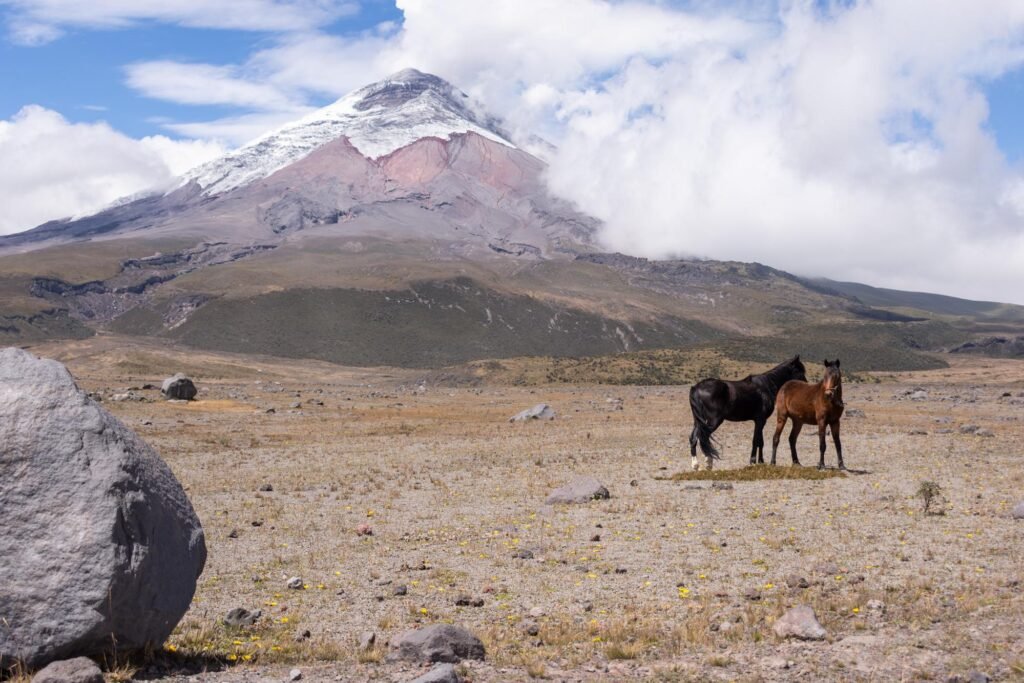
The morning begins inside Cotopaxi National Park, where you explore the glacial shores of Laguna de Limpiopungo at the base of the snow-capped Cotopaxi volcano (5,897m). Here you can spot high-Andean birds and wild horses grazing in the páramo. Afterwards, the journey continues through dramatic mountain passes to Quilotoa for afternoon views, photo opportunities along the crater rim, and a warm cup of Andean tea served with homemade empanadas.
Key highlights
- Strictly limited small group size (maximum 8 travellers) for a private-feeling group dynamic
- Combined visits to Cotopaxi National Park (Limpiopungo Lagoon) and Laguna Quilotoa
- Includes entrance tickets to national parks and community reserves
- Freshly baked homemade empanadas and warm hot drinks are provided en route
Ideal for
Time-conscious travellers and solo explorers who want to tick off two major volcanic milestones in one day.
Local insight
Because this tour visits two separate high-altitude zones in one day, drink plenty of water throughout the morning. Staying hydrated is the most effective way to prevent mountain sickness (soroche) as you move between elevations.
6. The dual peak express / Cotopaxi Volcano & Quilotoa Crater
Rating & reviews
(9+ verified user reviews on Viator)
Why this tour stands out
Run by Overland Adventure, this top-rated dual-volcano tour offers an exceptionally structured and comfortable journey connecting Quito, Cotopaxi, and the Quilotoa caldera. With prompt early-morning pickups across major hotel hubs in Quito, the operators run a precise timeline that ensures you arrive at both natural sights during optimal weather windows.
The route incorporates rich cultural stops between the volcanic parks, including time spent in the indigenous markets and artisan centres of Zumbahua and Tigua. Rather than rushing through the sights, the guide provides detailed commentary on volcanic geology, tectonic history, and local Kichwa folklore. All park entry fees are included in the package, making the day smooth and completely hassle-free.
Key highlights
- Comprehensive door-to-door logistics with fixed pickup points at major Quito hotels
- In-depth guided tours of Cotopaxi National Park, Tigua, Zumbahua, and Laguna Quilotoa
- Small-group structure (capped at 8 guests), ensuring ample space in the transport vehicle
- Full entry fees are included for all parks and indigenous community zones
Ideal for
Travellers seeking a highly structured, seamless experience led by seasoned local drivers and expert natural guides.
Local insight
The drive between Cotopaxi and Quilotoa winds through steep mountain passes with sharp turns. If you are prone to motion sickness on mountain roads, keep motion sickness tablets handy in your daypack.
The Ecuadorian Coast.
Where you’ll find the very best food
Our practical Quilotoa excursion planning guide
Acclimatise before you trek
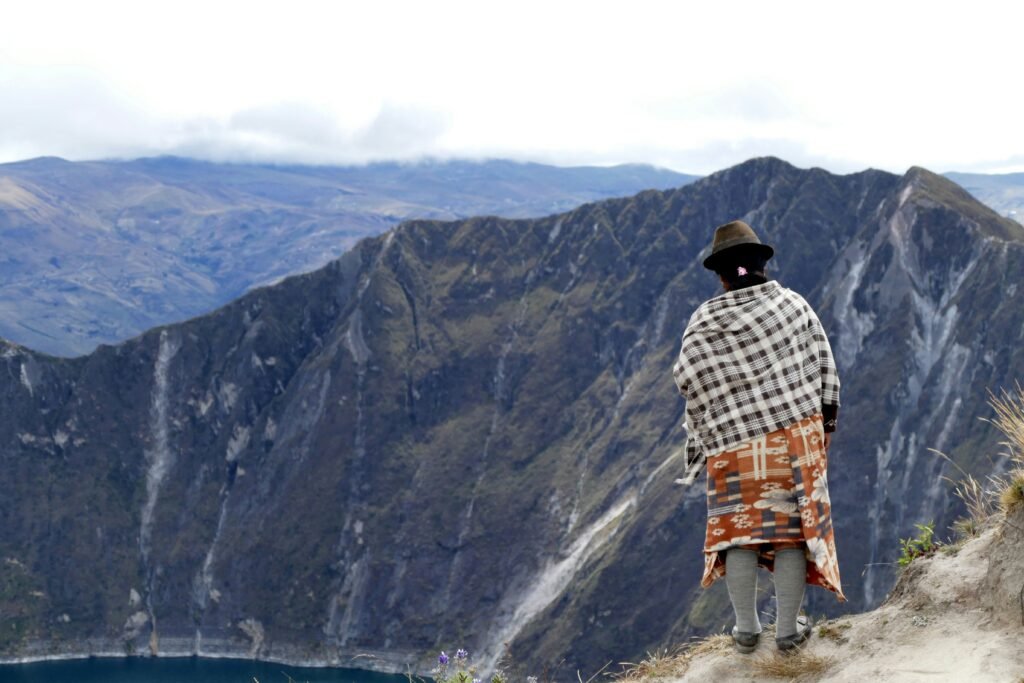
Laguna Quilotoa sits at nearly 3,900 metres elevation. Never make a Quilotoa day trip your very first activity upon landing in Ecuador. Spend at least two full days in Quito (2,850m) or Cuenca to allow your body time to adjust before heading higher.
Master the layering system
The high-altitude páramo weather is notoriously changeable. Within a single hour, you may experience crisp sunshine, biting icy winds, or mountain mist. Wear a breathable moisture-wicking base layer, an insulating fleece mid-layer, and a windproof, waterproof outer jacket.
Carry cash in small denominations
While your main tour fee is paid online, bring $20–$30 USD in small cash notes ($1, $5, and $10 bills). You will need small change for community entrance fees ($2 USD per person), hiring mules ($10 USD), purchasing handmade Tigua artwork, or buying snacks from local vendors.
Respect local communities
The villages around Quilotoa are self-governing Kichwa indigenous communities. Always ask for permission before taking close-up photographs of local people, particularly elders and children. Buying directly from local weavers and painters is a direct, meaningful way to support the local economy.
Leave no trace on the trails
High-alpine ecosystems are fragile. Stay on designated paths to prevent erosion along the crater rim, pack out all your litter, and avoid picking wild alpine flora.
Stand on the rim of the Andes / Why Quilotoa endures
Read this far?
There is a quiet majesty to the high páramo that simple photography can rarely capture. Standing on the sweeping lip of the Quilotoa caldera, with the mountain wind biting at your cheeks and the mineral water glowing almost impossibly green hundreds of metres below, you feel the raw, untamed power of the Avenue of the Volcanoes. It is a corner of Ecuador where geography dictates the rhythm of daily life, where ancient Kichwa customs remain woven into the fabric of the high-altitude landscape.
Choosing to explore this region via a small-group or private excursion allows independent travellers to bridge the gap between convenience and authenticity. You avoid the stress of complex mountain bus transfers without sacrificing the freedom to wander, observe, and connect with the mountain communities that call these high ridges home. Whether you choose to trek the rim paths, paddle across the quiet crater floor, or simply sit with a warm cup of mate de coca taking in the expanse, Quilotoa remains one of South America’s most rewarding natural encounters.
Pack your windbreaker, respect the altitude, and leave plenty of space in your pack for local textiles and art. The high Andes are waiting.
Affiliate Disclaimer: Some of the links on Wheely Tyred are affiliate links. If you click through and make a booking or purchase, we may earn a small commission at no extra cost to you. We only recommend gear, tours, stays, and services we genuinely use, trust, and stand behind — our editorial independence always comes first. These commissions help keep our independent cycling guides and travel stories free to read. You can also buy me a coffee here — thanks for supporting the ride!
Frequently asked questions about the best Quilotoa day tours
The rim walk itself is moderately challenging due to the altitude (3,900m) and exposed, windy terrain, but it is manageable for anyone with a reasonable level of fitness. The descent inside the crater to the shoreline is steep and sandy; while going down takes about 30 minutes, climbing back up takes 1 to 1.5 hours and can feel quite strenuous on the lungs.
Weather in the Andes changes rapidly. Bring a quality windproof and waterproof outer jacket, a warm thermal fleece, sturdy walking boots or trail shoes with good grip, a woolly hat, and gloves. High-factor sunscreen, UV-blocking sunglasses, and a refillable water bottle are also essential due to the intense solar radiation at high altitude.
Yes. Local Kichwa community members operate a mule service along the main trail leading up from the lake shore back to the crater rim. The cost is typically around $10 USD per person. This is a direct, practical way to support the local community if you find the steep, sandy ascent too taxing.
Ecuador uses the United States dollar ($ USD). Cash is essential for your excursion to Quilotoa, as card reader infrastructure is virtually non-existent in the mountain villages. Bring 20–30 USD per person in small denominations ($1, $5, and $10 notes) for community entrance fees, snacks, mule rides, and artisan purchases.
The most effective strategy is proper acclimatisation: spend at least two days in Quito (2,850m) or another mid-altitude city before heading up to Quilotoa. Stay well-hydrated throughout the day, avoid heavy meals or alcohol the night before, pace yourself slowly on the trails, and sip local herbal teas such as mate de coca.
Morning hours generally offer the clearest skies and the calmest wind conditions across the Andes. By mid-to-late afternoon, cloud cover and mountain mist often roll over the crater rim, which lowers visibility and drops temperatures quickly. Early-departing tours are highly recommended for this reason.
Ecuador.
Pure wonder on the equator.