The ultimate guide to Cotopaxi day tours / Glacier peaks, páramo trails, and Andean culture
Best Cotopaxi National Park day trips and excursions
How to experience Ecuador’s sacred active volcano
BEN FINCH
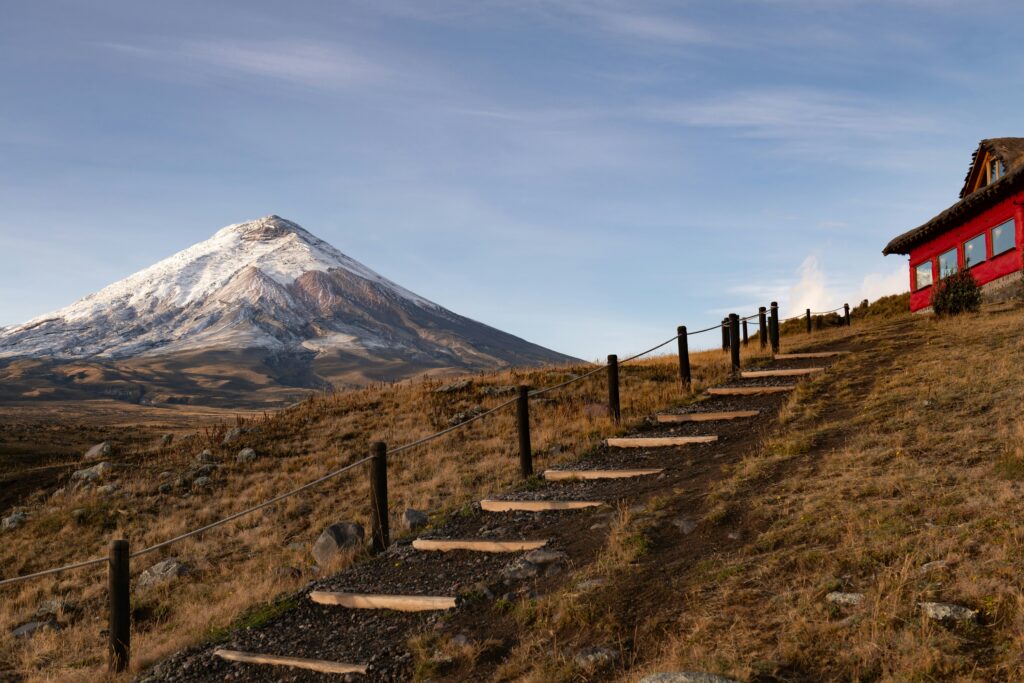
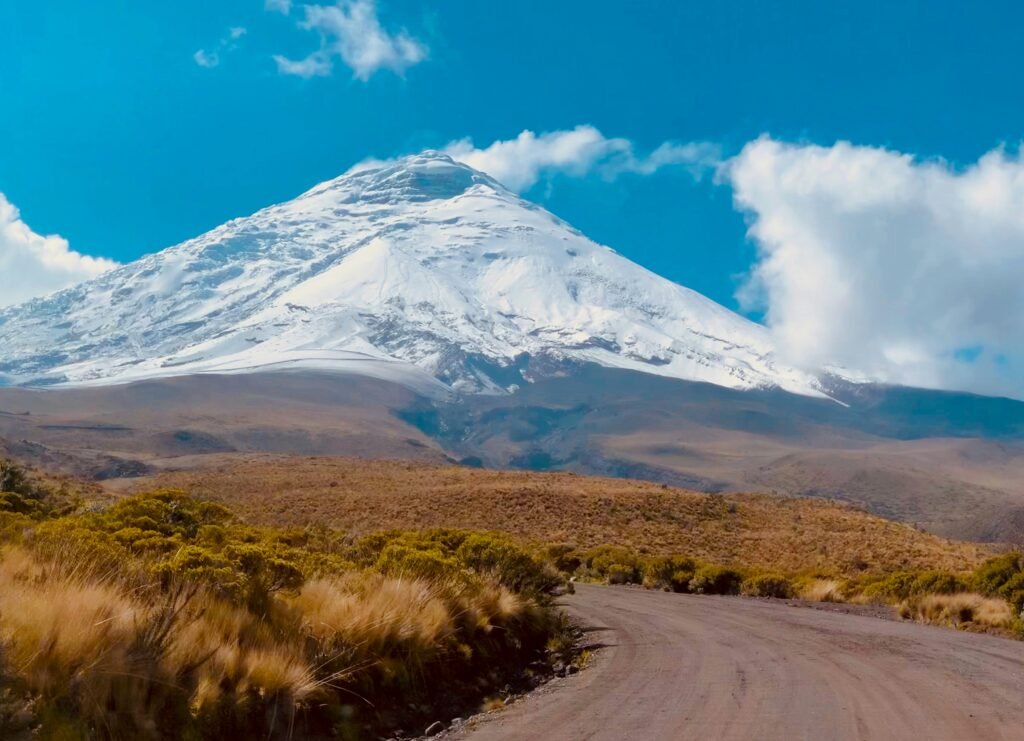
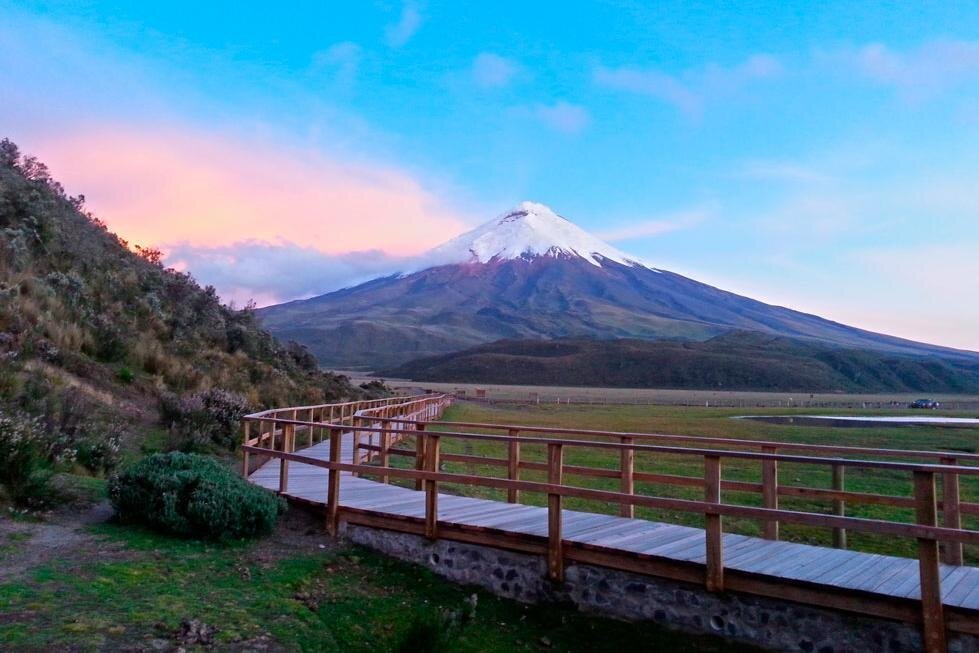
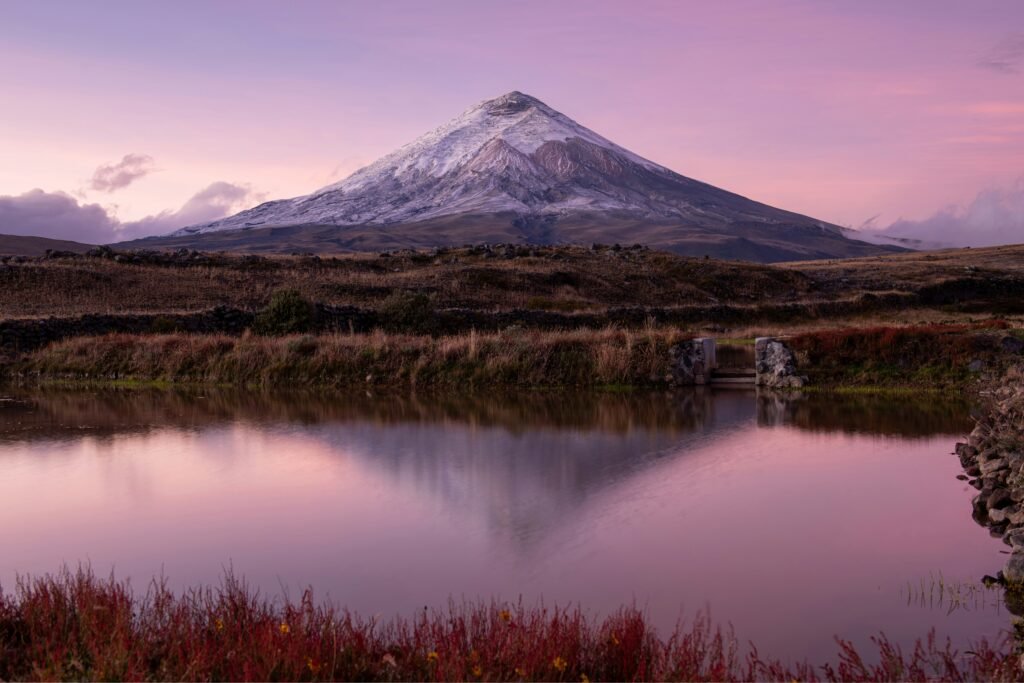
Rising majestically from the high Andean plateau to an astounding height of 5,897 metres above sea level, Cotopaxi is the quintessential icon of Ecuador’s Avenida de los Volcanes (Avenue of Volcanoes). Cotopaxi’s nearly perfectly symmetrical, snow-capped cone dominates the northern horizon, calling out to trekkers, nature lovers, and curious wanderers alike.
Known in indigenous Quichua as the Neck of the Moon, Cotopaxi is not merely a breathtaking backdrop; it is an active ecological giant, a sacred mountain, and home to the high-altitude páramo—a fragile, sponge-like grassland ecosystem found only in the northern Andes.
At Wheely Tyred, we champion independent, slow, and intentional travel. We believe that hitting the open road with autonomy yields the richest experiences. However, navigating Cotopaxi National Park independently can present distinct logistical hurdles. Park regulations require certified mountain guides for high-altitude ascents, navigating rough, unpaved cobblestone and dirt tracks that demand seasoned 4×4 drivers, and careful altitude management.
Joining a small-group, expert-led day excursion from Quito offers the perfect bridge between independent flexibility and seamless, safe logistics. A great day tour takes care of park entry permits, high-clearance transport, and altitude safety, leaving you free to absorb the stark beauty of the tundra, watch wild horses gallop across the plains, and feel the thin, crisp air of 4,864 metres at the glacier’s edge.
To save you from generic, rushed mass-market itineraries, we have researched, curated, and vetted the top six bookable day tours to Cotopaxi. Whether you want to trek to the glacier refuge, descend the mountain on two wheels, ride horseback with local chagras (Andean cowboys), or combine Cotopaxi with the emerald waters of Quilotoa crater lake, here are the absolute finest choices for your journey.
High-altitude essentials / Cotopaxi at a glance
Stepping into the thin, crisp air of the northern Andes requires smart preparation and an appetite for authentic mountain adventure. Here is everything you need to know about exploring Ecuador’s most iconic active volcano, distilled into key takeaways for the independent traveller:
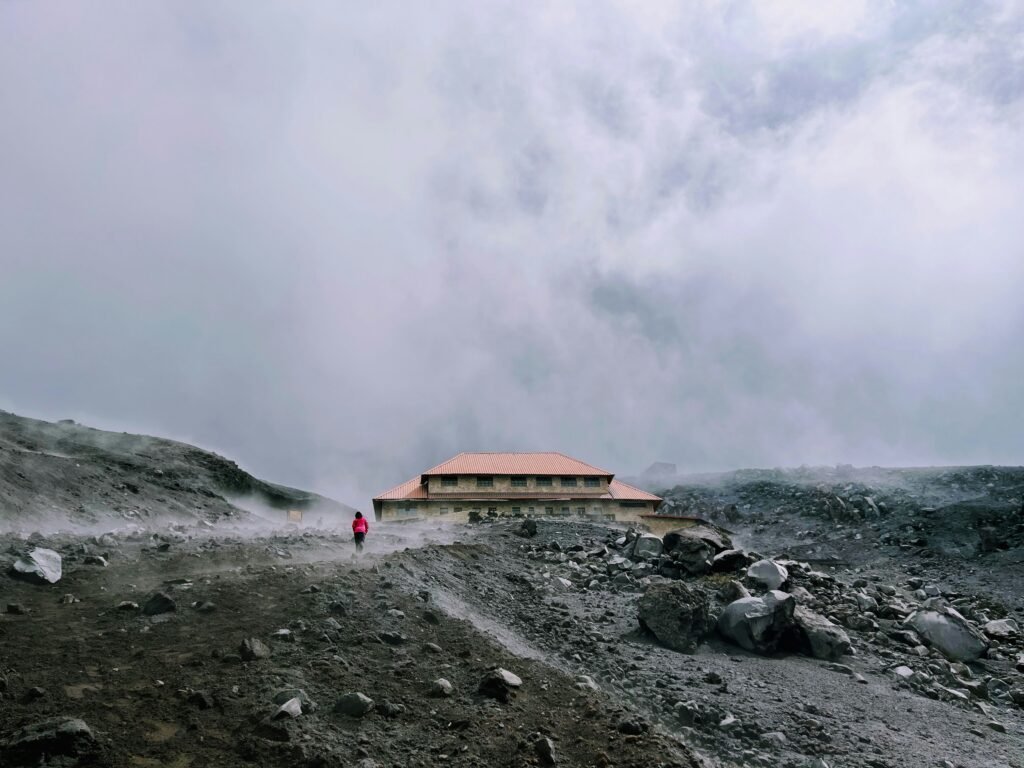
- Refugio José Rivas: The classic mountain trekking benchmark, sitting at 4,864 metres above sea level, serving as the resting point before pressing onward to the Cotopaxi glacier edge at 5,000 metres
- Laguna de Limpiopungo: A serene high-altitude wetland circuit situated at the base of the volcano, perfect for observing wild horses, caracaras, and the rare Andean Condor
- Two-Wheel Descents: Gravity-assisted mountain bike rides down volcanic ash tracks and gravel paths that provide an exhilarating way to take in the vastness of the páramo
- Quilotoa Crater Double-Header: Efficient combination itineraries that pair Cotopaxi’s icy peak with the striking emerald-green waters of the Quilotoa caldera in a single day
- Chagra Equestrian Culture: Traditional horseback riding excursions across open grasslands, guided by authentic Andean horsemen on sure-footed native Criollo steeds
- Altitude Acclimatisation: Spending at least two to three full days adjusting to the altitude in Quito (2,850 metres) beforehand is vital to prevent soroche on the upper slopes
- Three-Layer Dressing: Crucial wardrobe planning combining a thermal base layer, insulating fleece, and windproof hard-shell outer jacket to handle rapidly shifting mountain weather
Cotopaxi.
The iconic volcano
The classic high-altitude volcano ascent
Rating & reviews
(1,525+ verified reviews on Viator)
Why this tour stands out
If you are seeking the definitive, gold-standard introduction to Cotopaxi National Park, this seamless day trip delivers precisely what you need without unnecessary fluff. Starting with an early morning pickup in Quito, the journey travels south down the iconic Pan-American Highway. Your guide provides continuous narrative context regarding the geological formation of the Andes and the indigenous communities inhabiting the valleys.
Upon entering the national park, the vehicle winds past the scrublands up to the Mariscal Sucre Interpretation Centre before parking at the high-altitude parking area (4,600 metres). From here, you embark on the famous foot trek up the scree and switchbacks to the Refugio José Rivas at 4,864 metres. The climb is steep and challenging due to the thin air, but the guides maintain an inclusive, gentle pace (paco a paco).
After resting at the refuge with a steaming cup of coca tea or hot chocolate, weather permitting, you can press on to the edge of the glacier ice wall at 5,000 metres. The day finishes with a soothing, flat walk around the perimeter of Laguna de Limpiopungo, where high-Andean waterfowl and wild horses frequent the shore.
Key highlights
- Pick-up and return transport from central Quito hotels in comfortable vehicles
- Guided hike from the 4,600-metre parking lot to Refugio José Rivas (4,864 metres)
- Optional extension trek to the Cotopaxi glacier edge at 5,000 metres elevation
- Ecological nature walk around Laguna de Limpiopungo in the shadow of the volcano
- Visit Mariscal Sucre Interpretation Centre to learn about the park’s geology and fauna
Ideal for
Active travellers, first-time visitors to Ecuador, and classic hikers looking for a well-organised, high-altitude mountain experience.
Local insight
Do not underestimate the wind at the parking lot and refuge. Temperatures can plunge to freezing within minutes if cloud cover rolls in. Wear windproof, water-resistant outerwear and carry a pair of warm gloves, even if Quito felt warm and sunny when you boarded the van at sunrise.
The Ecuadorian Sierra.
Get lost in the hills
The thrilling two-wheel Andean descent
Rating & reviews
(237+ verified reviews on Viator)
Why this tour stands out
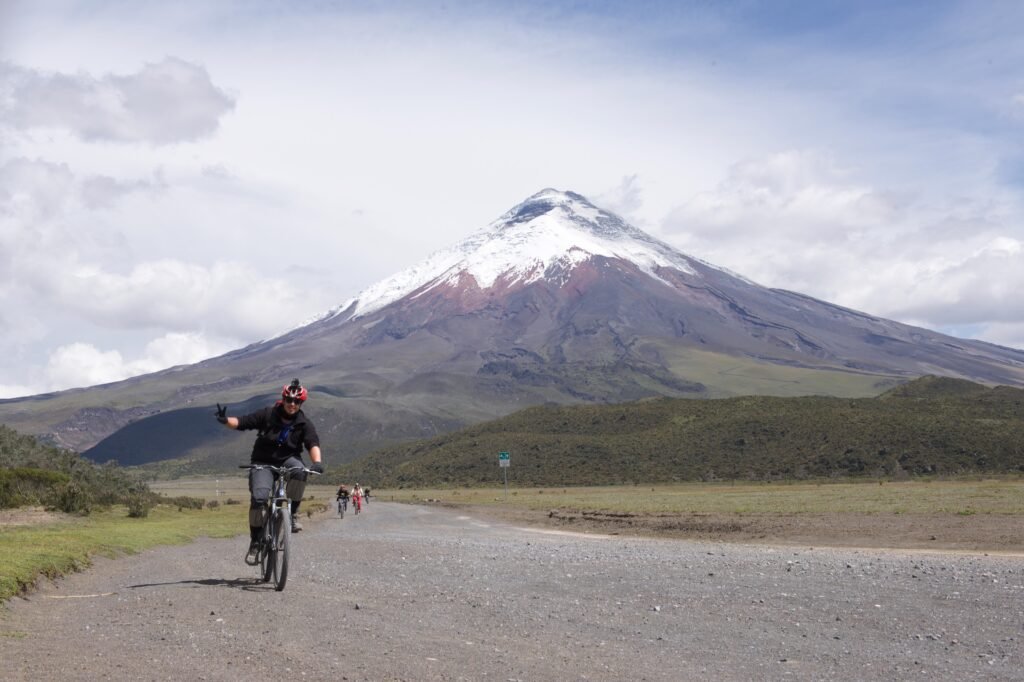
At Wheely Tyred, anything involving two wheels immediately catches our attention—and this action-oriented itinerary is a standout favourite. Operated by Ecosportour, this full-day adventure combines the classic high-altitude summit trek with an exhilarating downhill mountain bike ride down the gravel flanks of the volcano.
After completing the hike up to Refugio José Rivas, you descend back to the vehicle park, where front-suspension mountain bikes, helmets, and protective gear await. Under the supervision of a support vehicle, you ride downhill along gravel tracks, dirt trails, and open páramo paths all the way down to Laguna de Limpiopungo.
It is a thrilling, gravity-assisted ride that allows you to experience the vastness of the Andean landscape at speed, feeling the cool mountain air while surrounded by sweeping 360-degree views of the surrounding peaks.
Key highlights
- All-inclusive equipment: front-suspension mountain bikes, helmets, and safety gear
- Professional mountain guide and dedicated support vehicle following the cycling group
- Full summit-refuge hike up to 4,864 metres prior to the bike descent
- Downhill ride passing volcanic ash fields, wild grasslands, and mountain lakes
- Traditional Andean lunch included at a local restaurant near the park borders
Ideal for
Adventure seekers, cycling enthusiasts, and energetic travellers who want an adrenaline boost alongside their natural sightseeing.
Local insight
The gravel road down Cotopaxi can be bumpy and loose in places. Keep your weight centred slightly back over the rear wheel, hold the handlebars with a firm but relaxed grip, and use your rear brake smoothly rather than slamming on the front brake.
The Galápagos.
Ecuador’s Enchanted Isles
The ultimate volcano double-bill / Glacier peak to emerald crater
Rating & reviews
(220+ verified reviews on Viator)
Why this tour stands out
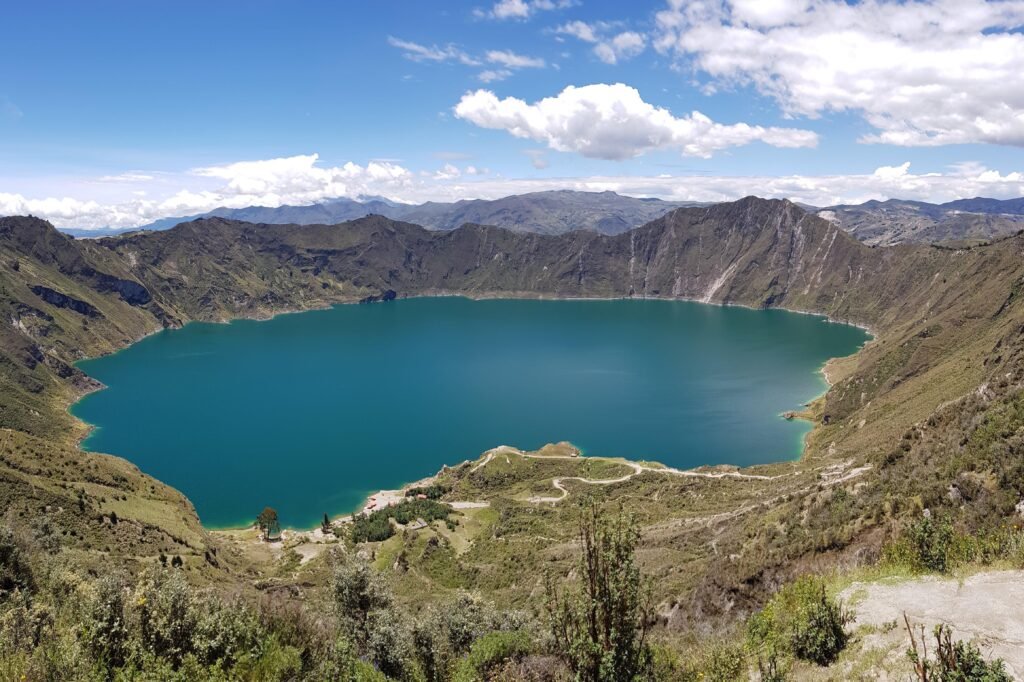
For travellers operating on a tight schedule who want to experience Ecuador’s two most iconic volcanic landscapes in a single day, this ambitious private and small-group trip by Real Dreams Tour is unmatched. It pairs the glacial majesty of Cotopaxi with the breathtaking emerald-green crater lake of Laguna Quilotoa.
The day starts early to maximise daylight. First, you visit Cotopaxi National Park for a guided exploration around Laguna de Limpiopungo and the lower slopes. From there, your driver routes southwest through the dramatically carved Toachi Canyon towards Quilotoa crater.
Arriving at the rim of the 3-kilometre-wide caldera, you are greeted by dazzling emerald waters caused by dissolved mineral deposits. You will have time to trek down to the water’s edge or walk along the rim lookout points before enjoying a warm, traditional lunch at a community-run eatery.
Key highlights
- Two major bucket-list Andean destinations covered in one well-paced day
- Scenic drive through Toachi Canyon and remote highland agricultural villages
- Guided stop at Laguna de Limpiopungo inside Cotopaxi National Park
- Viewpoint access and hiking options at the rim of Quilotoa Crater Lagoon
- Private or small-group transport providing comfort over long mountain road segments
Ideal for
Time-conscious travellers, photographers, and visitors who want maximum visual variety across the Ecuadorian Sierra.
Local insight
This is a long day involving roughly 9 to 10 hours of travel across winding mountain roads. If you are prone to motion sickness, bring travel sickness remedies or ginger sweets for the twisty road between Cotopaxi and Quilotoa.
Deep Andean naturalism / Páramo flora and high-altitude trekking
Rating & reviews
(370+ verified reviews on GetYourGuide)
Why this tour stands out
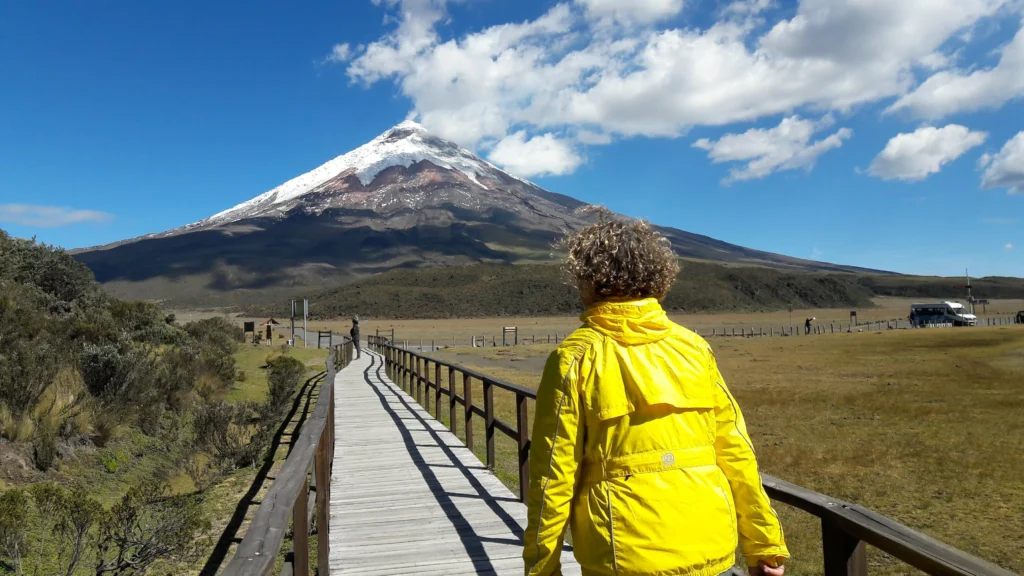
This experience leans heavily into natural history, botany, and high-altitude conservation. Led by certified naturalist guides, it focuses on helping travellers understand the complex, fragile ecology of the Andean tundra.
Rather than rushing up the trail, the guide takes time to point out endemic flora species such as the Chuquiragua (the flower of the mountaineer), cushion plants, and dwarf Andean shrubs adapted to extreme UV radiation and freezing night temperatures. You will search the skies for the endangered Andean Condor, spot caracaras, and look for wild horses grazing along the marshlands.
The itinerary includes the essential trek to Refugio José Rivas (16,000 feet / 4,864 metres) and a guided circuit of Laguna de Limpiopungo, placing environmental education at the forefront.
Key highlights
- Certified naturalist guide specialising in Andean ecology, flora, and wildlife
- Guided high-altitude trek up to Refugio José Rivas
- In-depth ecological exploration of Laguna de Limpiopungo marshlands
- Small group sizing to ensure personal interaction and minimal environmental impact
- Convenient pickup and drop-off points in Quito
Ideal for
Ecotourists, birdwatchers, botanical enthusiasts, and curious minds interested in high-altitude mountain ecology.
Local insight
Keep your eyes peeled on the open plains near Limpiopungo for the Chuquiragua plant—its bright orange flowers are a vital nectar source for the Ecuadorian Hillstar hummingbird, a unique species that survives at higher altitudes than almost any other bird on Earth.
The Ecuadorian Amazon.
The most biodiverse place in the world
Indigenous heritage and cultural connection across the highlands
Rating & reviews
(655+ verified reviews on GetYourGuide)
Why this tour stands out
This highly popular day tour seamlessly weaves indigenous Andean spiritual traditions and cultural heritage into a full day of sightseeing across Cotopaxi and Quilotoa. Capped at just 8 participants per group, it maintains an intimate, respectful atmosphere that aligns with Wheely Tyred’s core values.
Before entering Cotopaxi National Park, the group stops for a traditional coca tea ceremony and a spiritual welcome led by local guides, asking Pachamama (Mother Earth) for safe passage and a blessing for the journey.
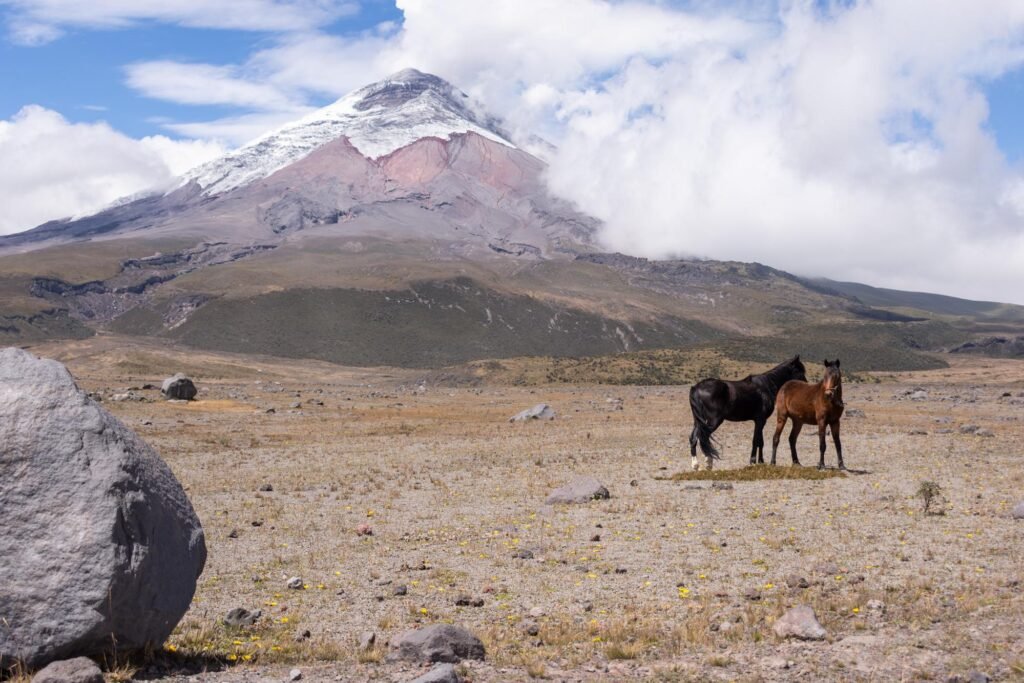
The tour includes a walk along Laguna de Limpiopungo, views of Cotopaxi’s snowline, and a visit to Quilotoa crater. Along the way, you stop at indigenous family workshops to learn about traditional weaving, agriculture, and life in the high Andes.
Key highlights
- Intimate small-group guarantee (maximum 8 travellers)
- Traditional coca leaf tea welcome ritual honouring indigenous highland customs
- Visits to both Cotopaxi National Park and Quilotoa Lagoon
- Cultural interaction with local indigenous communities and artisan workshops
- Included regional snacks (homemade empanadas and warm beverages)
Ideal for
Cultural travellers, solo adventurers, and families seeking an authentic connection with local indigenous heritage alongside natural sights.
Local insight
When participating in cultural stops or visiting local artisan markets along the route, always ask permission before taking close-up portraits of indigenous locals, particularly elders and children. Buying small handmade crafts or textiles directly from weavers is a wonderful way to support the local economy.
Andean equestrian adventure
Rating & reviews
(New activity on GetYourGuide)
Why this tour stands out
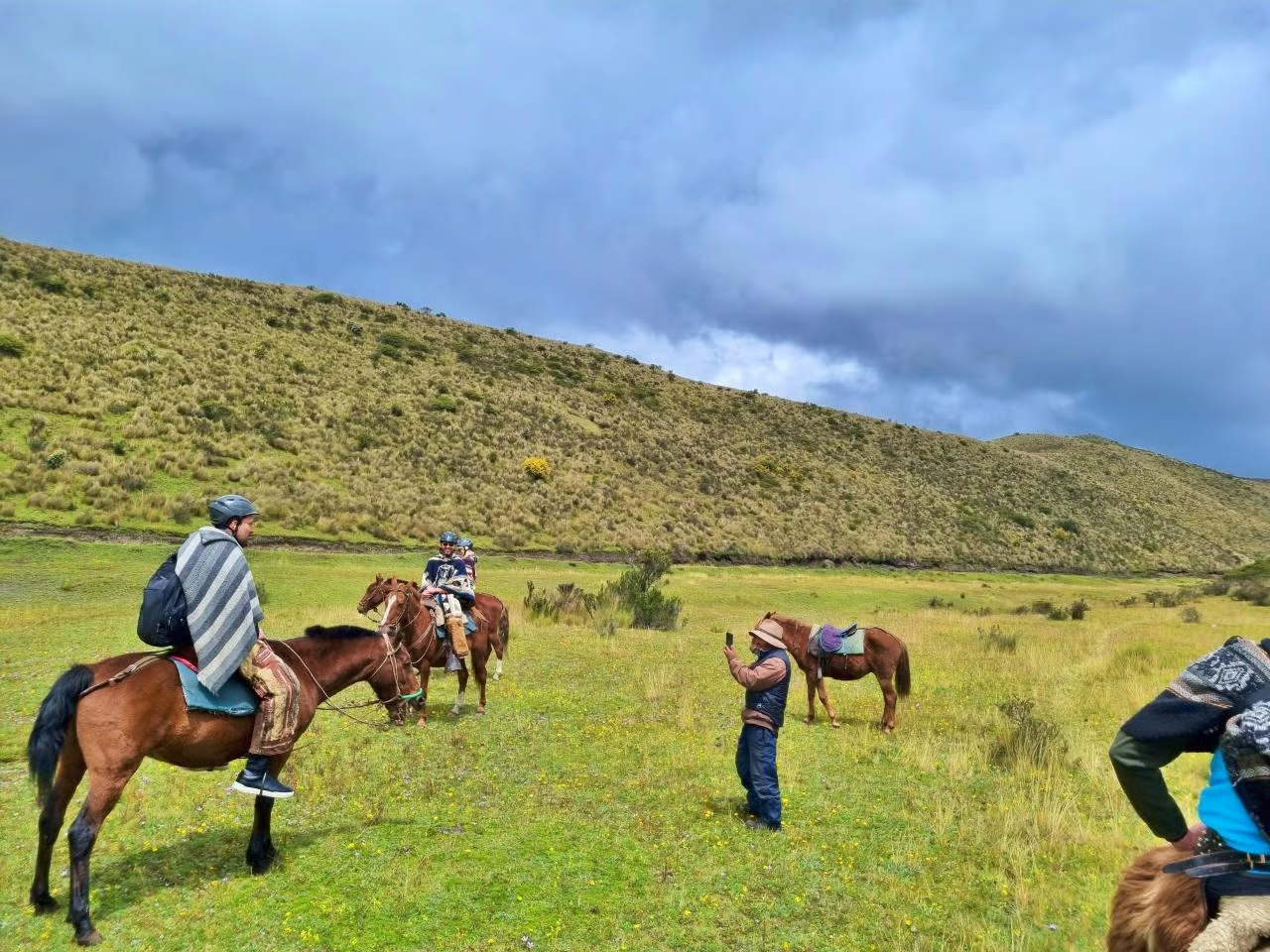
For centuries, the high plateau surrounding Cotopaxi has been horse country, home to the famous chagras—the skilled mountain horsemen of the Ecuadorian Andes. This unique excursion allows you to explore the vast, open rolling plains of Cotopaxi National Park from the saddle.
After arriving from Quito, you are matched with sturdy, sure-footed Criollo horses bred specifically for high-altitude terrain. Guided by experienced local chagras, you ride across open páramo fields, crossing glacial streams and taking in unobstructed vistas of Cotopaxi’s snow-capped peak.
Following the 2-hour ride, the tour continues on foot to explore Laguna de Limpiopungo, providing a peaceful, immersive way to experience the landscape without the drone of motor engines.
Key highlights
- 2-hour guided horseback ride across the high Andean páramo plains
- Well-cared-for, sure-footed native horses suitable for both beginners and experienced riders
- Instruction and leadership from genuine local chagra horsemen
- Guided walk along the wetlands of Laguna de Limpiopungo
- Door-to-door round-trip transport from Quito in private 4×4 vehicles
Ideal for
Animal lovers, slow-travel enthusiasts, couples, and beginner-to-intermediate horseback riders looking for an iconic Andean experience.
Local insight
Even if you have ridden horses before, riding at 3,800 metres elevation is physically demanding. Let the horse do the work on uphill sections, keep your posture relaxed, and remember to drink plenty of water before and after the ride to stay hydrated in the dry mountain air.
The Ecuadorian Coast.
Where you’ll find the very best food
Our practical Cotopaxi excursion planning guide
To ensure your day trip to Cotopaxi National Park is comfortable, safe, and memorable, keep these essential planning tips in mind:
1. Altitude acclimatisation is essential
Cotopaxi National Park sits between 3,800 and 5,000 metres above sea level. Attempting this day tour on your first day after flying into Quito (2,850 metres) is a recipe for severe altitude sickness (soroche). We strongly recommend spending at least two full days in Quito or the Sacred Valley prior to your Cotopaxi tour. Drink plenty of water, avoid heavy alcohol consumption the night before, and sip mate de coca (coca leaf tea) at breakfast.
2. Master the art of three-layer clothing
Weather on Cotopaxi can change within 15 minutes—shifting from clear sunshine to biting wind, freezing rain, or snow showers. Follow the classic three-layer system:
- Base Layer: Moisture-wicking thermal long-sleeve shirt (merino wool or synthetic, never cotton)
- Mid Layer: Insulating fleece jacket or lightweight down jacket
- Outer Layer: Windproof and waterproof hard-shell jacket with a hood
- Accessories: Warm beanie, UV-rated sunglasses, high-SPF sunscreen, lip balm, and sturdy, broken-in hiking boots with good ankle support
3. Currency and tipping etiquette
Ecuador uses the US dollar ($). While major day tour bookings are paid in advance online, you will need physical cash for day-to-day extras. Carry small bills ($1, $5, and $10 notes)—vendors inside the park and in rural villages cannot break $20 or $50 notes.
- Tipping Guidelines: Tipping your tour guide and driver is customary for good service. A tip of $5–$10 per person for the guide and $3–$5 for the driver is widely appreciated
4. Respect the environment and leave no trace
The páramo ecosystem acts as a giant natural sponge, holding water that supplies much of Ecuador’s central highlands. It is extremely fragile and takes decades to recover if damaged. Always stay on marked trails, carry all rubbish back out with you, and never pick wildflowers or disturb grazing livestock and wild horses.
Why Cotopaxi belongs on your Ecuadorian itinerary
Read this far?
Cotopaxi is far more than a dramatic silhouette on Quito’s southern horizon; it is the beating, volcanic heart of the Ecuadorian Sierra. Standing at nearly 5,000 metres above sea level, watching the mountain mist roll across the golden grasses of the páramo while glacial ice sparkles above, offers a profound reminder of the raw, untamed power of the high Andes. Whether you choose to tackle the steep scree switchbacks on foot, feel the rush of cold mountain air on a gravel bike descent, or observe the landscape from the saddle of a local Criollo horse, visiting this sacred peak leaves an indelible mark on every traveller.
While independent travel is the core ethos of everything we do at Wheely Tyred, the environmental demands and strict conservation regulations of Cotopaxi National Park make expert-led excursions the smartest choice. Navigating high-altitude dirt tracks, securing mandatory park guides, and managing safety at high elevation require seamless logistics. Partnering with responsible, small-group tour operators ensures that your environmental footprint remains light, your safety is paramount, and your dollars directly support certified mountain guides, family-run eateries, and indigenous highland communities.
As you prepare to journey south along the historic Avenue of Volcanoes, remember that the high Andes demand both respect and patience. Pace yourself on the ascents, embrace the shifting mountain weather, and sip your coca tea with gratitude. Cotopaxi’s wild, wind-swept beauty rewards those who approach it with an open mind, proper preparation, and a genuine reverence for the natural world.
Affiliate Disclaimer: Some of the links on Wheely Tyred are affiliate links. If you click through and make a booking or purchase, we may earn a small commission at no extra cost to you. We only recommend gear, tours, stays, and services we genuinely use, trust, and stand behind — our editorial independence always comes first. These commissions help keep our independent cycling guides and travel stories free to read. You can also buy me a coffee here — thanks for supporting the ride!
Frequently asked questions about the best Cotopaxi day tours
The climb from the high-altitude parking lot (4,600 metres) to Refugio José Rivas (4,864 metres) is physically demanding primarily due to the thin air, low oxygen levels, and loose volcanic scree underfoot. Although the trail is relatively short—taking roughly 45 to 60 minutes—the gradient and altitude mean every step requires deliberate effort. A slow, steady pace (paco a paco) and proper acclimatisation in Quito beforehand are essential for a comfortable hike.
Yes, several combined full-day excursions depart early from Quito to cover both destinations. However, keep in mind that these trips involve a long day on the road, typically lasting between 10 and 12 hours with substantial driving through winding mountain passes. It is an excellent option for time-conscious travellers, though those who prefer a slower, more immersive pace may wish to dedicate a separate day to each location.
Weather inside Cotopaxi National Park is notoriously unpredictable and can change from bright sunshine to freezing winds within minutes. You should adopt a strict three-layer system: a moisture-wicking thermal base layer, an insulating fleece or down mid-layer, and a waterproof, windproof hard-shell jacket. Sturdy hiking boots with ankle support are strongly advised. Bring a warm beanie, insulated gloves, high-SPF sunscreen, lip balm, and at least 1.5 litres of water.
No advanced mountain biking experience is necessary, but you should feel confident operating a bicycle on loose gravel roads and downhill gradients. The cycling route follows wide, unpaved park tracks, and a support vehicle follows closely behind the group at all times. Tour operators supply front-suspension mountain bikes, helmets, and safety gear, and guides conduct a safety briefing on braking and posture before you set off.
Ecuador uses the US dollar ($). While your main tour booking will be handled online in advance, you must carry physical cash in small denominations ($1, $5, and $10 notes) for day-to-day incidentals. Vendors at the park entrance, refuge, and nearby villages cannot break $20 or $50 notes. Bring enough cash for hot beverages at the refuge, small artisan crafts, and tips for your guide ($5–10 per person) and driver ($3–5 per person).
The most effective way to prevent soroche is to allow your body time to adapt by spending at least two to three full days acclimatising in Quito (2,850 metres) or the surrounding Northern Highlands before heading to Cotopaxi. During your first few days, drink plenty of water, avoid heavy meals and alcohol, get adequate rest, and consider drinking traditional mate de coca (coca leaf tea) before starting your trek.
Ecuador.
Pure wonder on the equator.