Unlock Quito / The ultimate guide to must-see historic landmarks, thermal springs, and timed-entry attractions
Premier Quito attractions guide / Pre-booked tickets and historic tours
Secure advance venue entries across Quito, Papallacta, and more
BEN FINCH
Quito is a city where towering volcanic peaks meet centuries of layered heritage, spanning pre-Columbian Incan empires to South America’s most intricate colonial urban centres, lush cloud forests, and natural thermal springs.
Whether standing atop high-altitude Andean ridges, exploring ancient sun temples, stepping across the equator, admiring expressionist art, or soaking in mineral-rich volcanic pools, navigating Quito’s landscape offers an extraordinary journey for the independent traveller.
At Wheely Tyred, our travel ethos centres on autonomous, intelligent exploration. Popular historic landmarks, equatorial monuments, high-altitude transport hubs, and protected thermal reserves—such as the TelefériQo gondola station, the equatorial park at Mitad del Mundo, and the hot springs of Papallacta—regularly draw substantial crowds, resulting in long queues or strict daily limits on admission.
Spending your morning standing in hot ticketing lines or missing out on peak mountain weather windows due to sold-out slots can easily disrupt a carefully planned itinerary. By securing timed-entry passes, hosted venue tickets, and skip-the-line small-group entries ahead of time, you guarantee prompt access, bypass ticket counter delays, and gain valuable historical context from expert local guides.
Below is our updated, curated selection of Quito’s top 6 bookable cultural, natural, and heritage experiences, complete with live booking links, verified traveller scores, and essential local ticketing advice.
The Andean rhythm of Quito
Navigating Quito’s breathtaking Andean heights, ancient Incan corridors, and natural thermal springs requires equal parts curiosity and smart planning. Here is everything you need to know to make your independent cultural journey seamless.
- On Top of the City: Experience the gothic spires of Basílica del Voto Nacional with its famous gargoyles and views
- Volcanic Heights: Ascend the TelefériQo cable car to Cruz Loma at nearly 4,000 metres for sweeping panoramas across the high Andean páramo
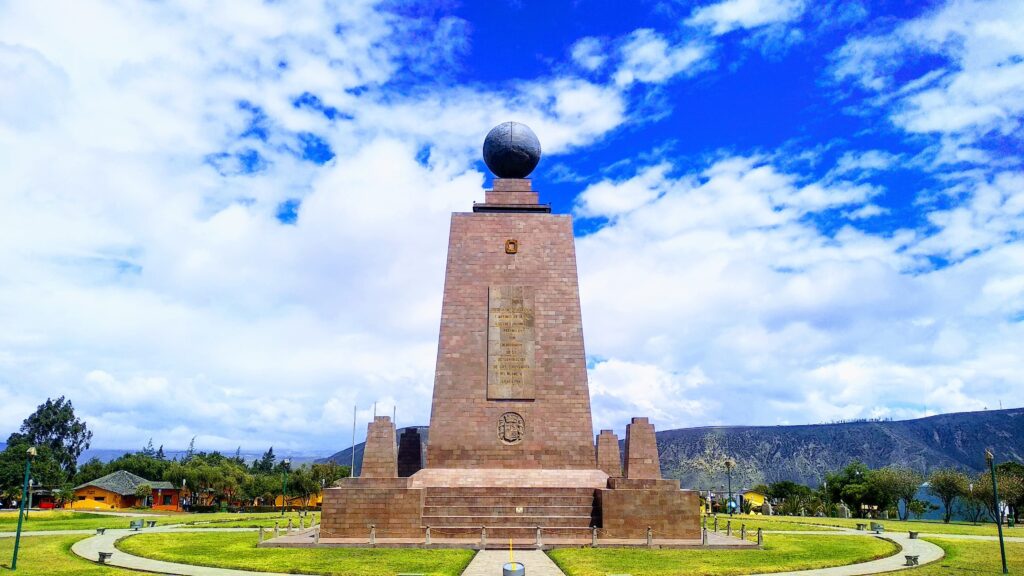
- Equatorial Magic: Walk across both hemispheres at Latitude 0°0’0” at Mitad del Mundo and test physical phenomena at the interactive Intiñán Solar Museum
- Modernist Heritage: Explore expressionist masterworks and Latin American identity at Oswaldo Guayasamín’s striking Capilla del Hombre in Quito
- Golden City Centre Splendour: Marvel at precision gold leaf art at La Compañía de Jesús, the Golden Church
- Volcanic Thermal Relaxation: Unwind in naturally heated mineral baths nestled in the high-altitude cloud forests of Papallacta with private pre-booked spa transfers
- Smart Ticketing Strategy: Secure timed-entry passes two to three weeks in advance to bypass queues and align high-altitude visits with proper acclimatisation
The Ecuadorian Sierra.
Get lost in the hills
1. Ascend the gothic spires of the Basílica del Voto Nacional
Rating & reviews
(New activity on GetYourGuide)
Why this attraction stands out
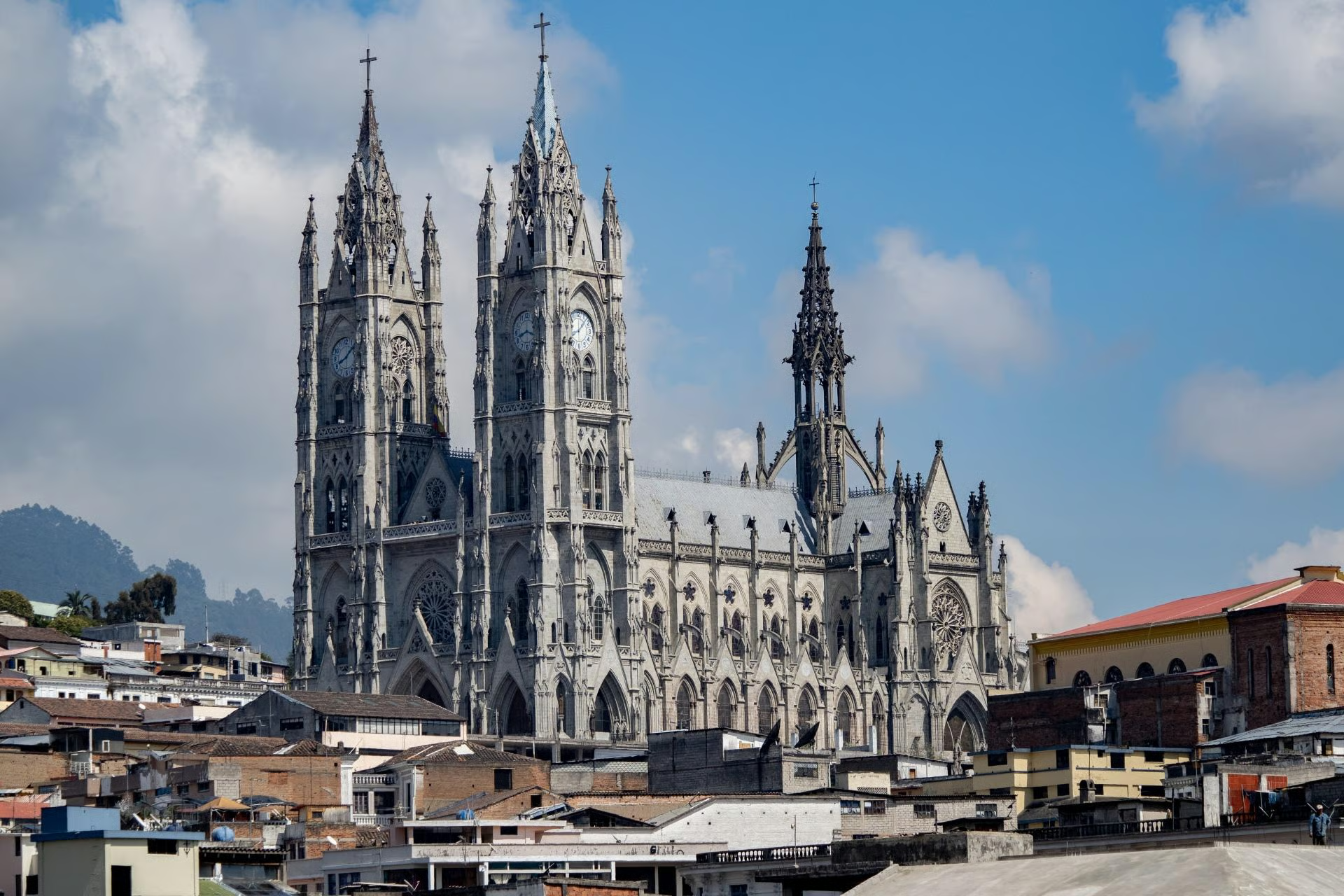
Dominating the northern skyline of Quito’s Historic Centre, the Basílica del Voto Nacional is the largest neo-Gothic cathedral in the Americas. Built out of Andean stone over a span of decades, the cathedral’s architecture stands out for its unique local embellishments—most notably its whimsical stone gargoyles depicting native Ecuadorian fauna such as iguanas, armadillos, tortoises, and toucans instead of traditional mythical beasts.
This dedicated hosted entry experience pairs you with an expert guide to navigate the expansive nave, rich stained-glass interiors, and historical crypts. Crucially, having a dedicated host bypasses general admission queues at the primary portal, providing immediate access to the central sanctuary and clear instructions for ascending the wooden ladders into the clock towers.
The open-air walkways along the roof ridge offer some of the most striking vantage points in South America, looking directly towards El Panecillo and the surrounding volcanic crests.
Key highlights
- Ecuadorian Animal Gargoyles: Detailed stone carvings of Galápagos tortoises, pumas, and toucans framing the buttresses
- Tower Viewpoints: Thrilling climb across the interior roof bridge and up steep iron staircases to the spire balconies
- Stained-Glass Windows: Expansive Rose Windows illuminating the nave in vibrant hues of gold, red, and blue
Ideal for
Architecture enthusiasts, photographers seeking broad urban vistas, and first-time visitors looking for an iconic historic orientation of Old Town Quito.
Local insight
Temperatures inside the stone cathedral can be crisp, while the high spire balconies are exposed to strong high-altitude winds and sun. Carry a light windproof jacket and secure your phone or camera with a wrist strap when stepping onto the open-air catwalks.
2. Soar above the Andes on the TelefériQo Cable Car
Rating & reviews
(1+ verified review on Viator)
Why this attraction stands out
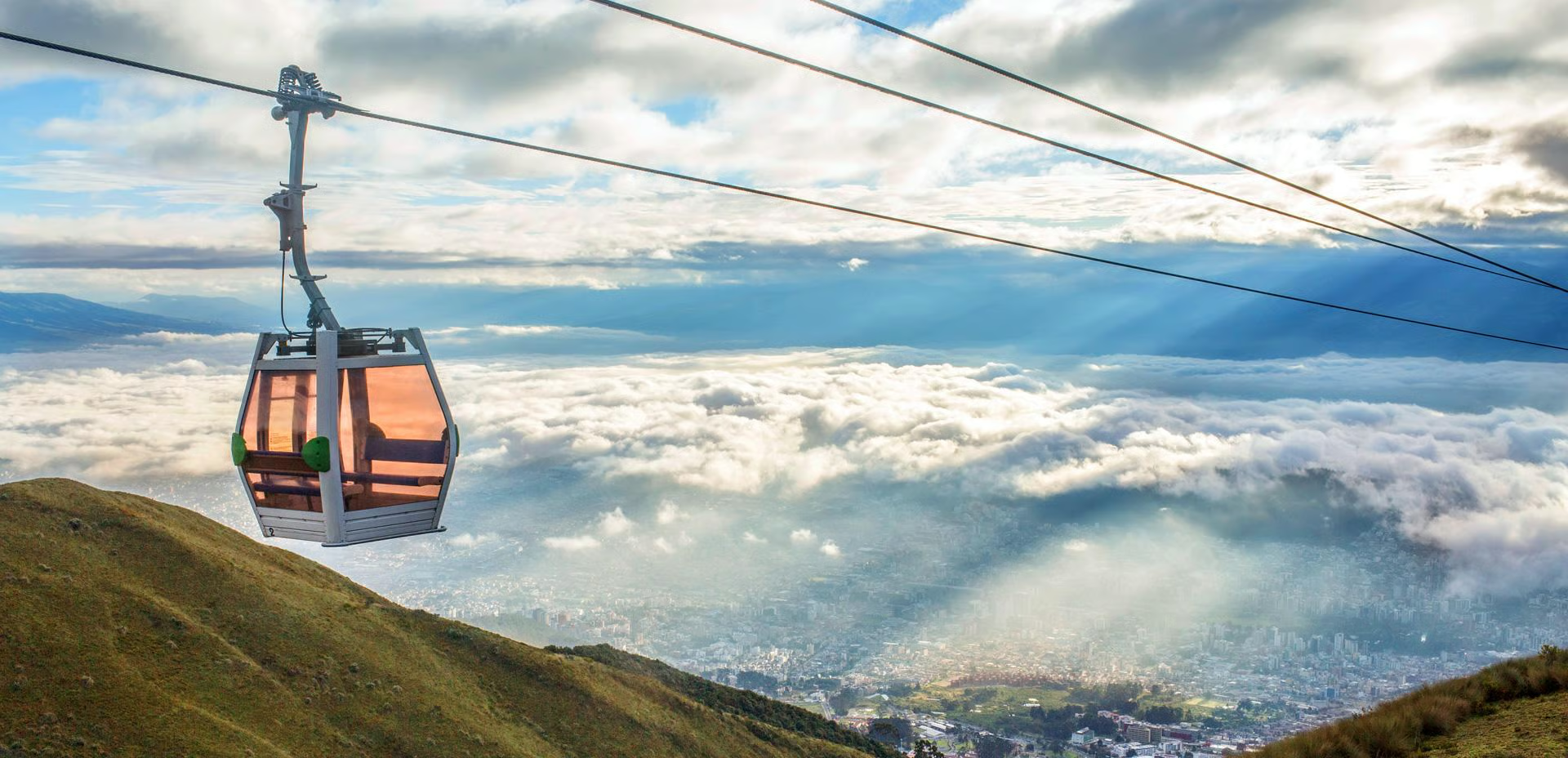
The TelefériQo is one of the highest aerial lift systems in South America, transporting visitors from the base of the city up the eastern slopes of Volcán Pichincha to the lookout point at Cruz Loma, sitting at an elevation of nearly 4,100 metres above sea level.
On a clear morning, the 18-minute gondola ride reveals a sweeping, bird’s-eye panorama of the narrow city grid stretched out below, framed by distant snow-capped volcanic peaks such as Cotopaxi, Cayambe, and Antisana.
Lines at the lower TelefériQo terminal can stretch significantly on sunny mornings and weekends. Choosing a tour package that includes pre-purchased ticket vouchers guarantees pre-arranged access to the boarding queues.
Having transport and tickets bundled eliminates the hassle of negotiating taxis up the steep access road, allowing you to focus on enjoying the high-altitude Páramo trails and scenic swings at the top.
Key highlights
- Altitude Ascent: Smooth travel from 2,950 metres to 4,050 metres aboard comfortable 6-passenger cabins
- Cruz Loma Viewpoint: Panoramic walking trails offering uninterrupted views of Quito and the Avenue of the Volcanoes
- Coloma Hiking Trails: Access to the trailheads leading towards the summit of Rucu Pichincha for experienced hikers
Ideal for
Nature lovers, high-altitude landscape photographers, and travellers seeking a grand geographical perspective of the Ecuadorian Andes.
Local insight
Always schedule your TelefériQo excursion for the early morning. Mountain clouds and mist typically roll over the ridge by midday, obscuring the valley views and dropping temperatures significantly.
The Galápagos.
Ecuador’s Enchanted Isles
3. Stand on the equator at Mitad del Mundo & Intiñan Museum
Rating & reviews
(71+ verified reviews on GetYourGuide)
Why this attraction stands out
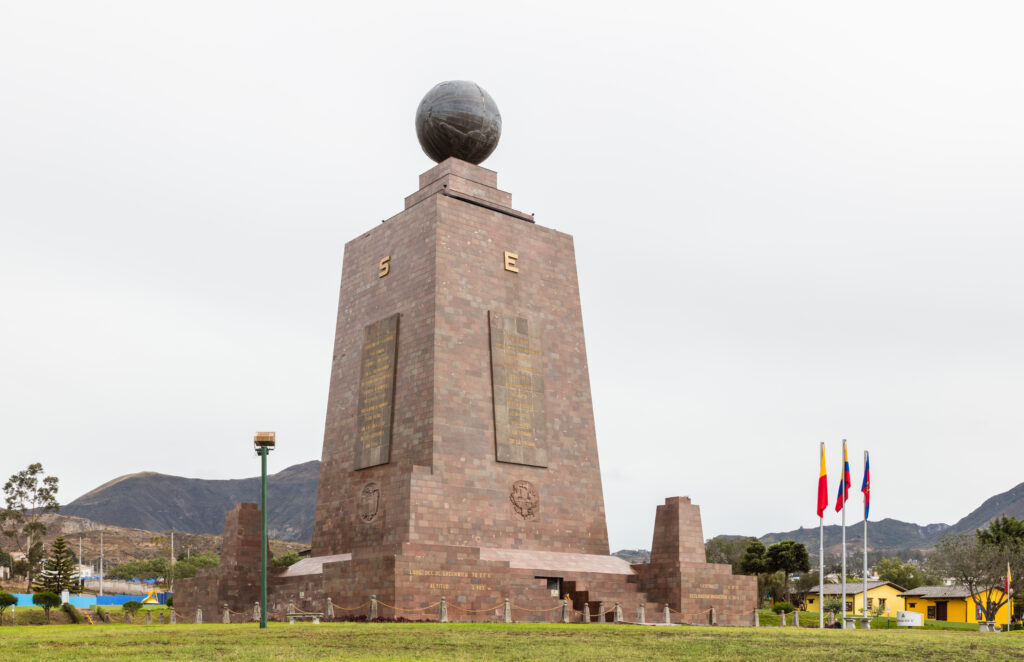
Located approximately 26 kilometres north of central Quito, the Ciudad Mitad del Mundo is home to the iconic 30-metre-tall trapezoidal monument erected to commemorate the 18th-century French Geodesic Mission. Just a short walk away lies the interactive Museo Solar Intiñan, positioned precisely on the GPS-calculated latitude 0°0’0”
This fast-track, small-group entry experience covers admissions to both sites, letting you contrast the historical monument with the hands-on equatorial physics demonstrations at Intiñan.
Pre-booking provides streamlined, skip-the-line passage through the main turnstiles and includes a dedicated guide who demonstrates physical phenomena unique to the equator, such as the Coriolis effect on water drainage and balancing an egg on the head of a nail.
Key highlights
- Equatorial Latitude Line: Stand with one foot in the Northern Hemisphere and the other in the Southern Hemisphere
- Intiñan Physics Experiments: Hands-on activities demonstrating gravitational forces and magnetic fields at 0°0’0” latitude
- Ethnographic Exhibits: Recreated indigenous dwellings showcasing traditional lifestyle and historical crafts of the Andean tribes
Ideal for
Curious travellers, families, science enthusiasts, and anyone wanting to tick off a classic geographical milestone.
Local insight
Bring your physical passport with you on this excursion. Inside the site, you can receive an official Mitad del Mundo souvenir stamp directly on one of your passport pages.
4. Immerse yourself in modernist masterpieces at La Capilla del Hombre
Rating & reviews
(1+ verified review on GetYourGuide)
Why this attraction stands out
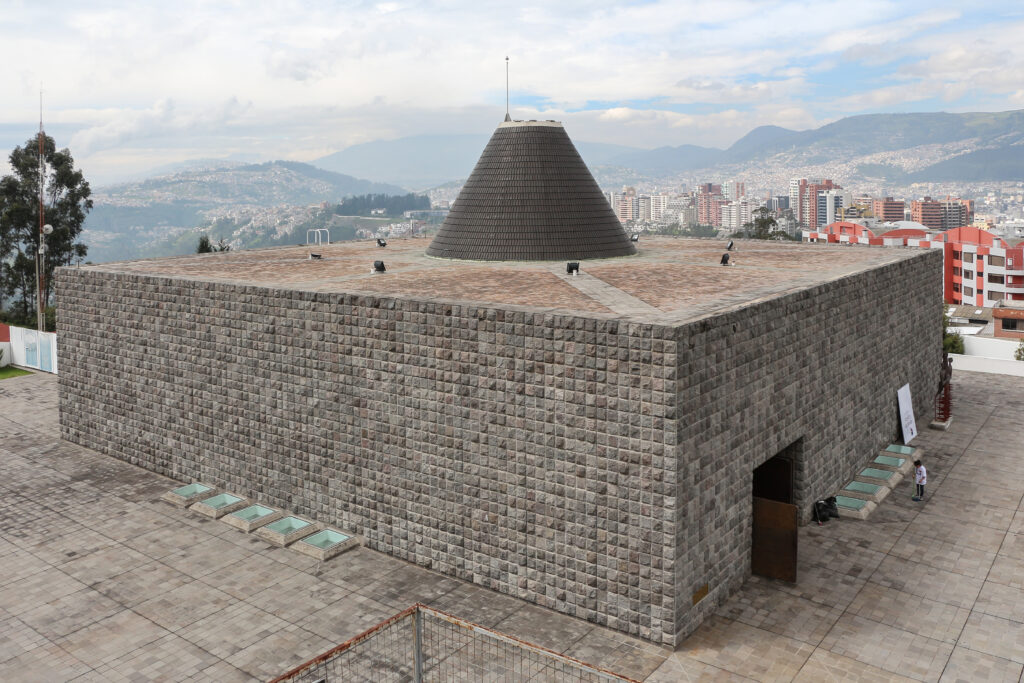
Perched on the hills of the Bellavista neighbourhood overlooking the city, La Capilla del Hombre (The Chapel of Man) is a magnificent artistic complex designed by Ecuador’s master painter and sculptor, Oswaldo Guayasamín.
Conceived as a monument to human suffering, resilience, and the historical struggles of the indigenous peoples of Latin America, the museum features giant copper-clad domes, stone walls, and large-scale expressionist masterpieces.
This ticketed cultural tour includes fast-track entry into both the main Capilla del Hombre monument and Guayasamín’s former personal residence and studio (Casa-Museo Guayasamín).
Pre-booking ensures immediate access to the timed guided tours conducted in English or Spanish, which detail the artist’s personal collection of pre-Columbian artefacts, colonial religious art, and unfinished final works preserved exactly as he left them.
Key highlights
- The Eternal Flame: Central copper bowl and bronze dome designed to reflect the eternal light of human hope and remembrance
- Expressionist Murals: Towering original oil paintings depicting Latin American history, human rights, and social justice
- Guayasamín’s Studio: Intact workshop containing his easel, paints, personal art collection, and sweeping garden views
Ideal for
Art lovers, history buffs, and travellers seeking a moving, thought-provoking encounter with modern Latin American art.
Local insight
Photography is strictly prohibited inside the main Capilla del Hombre sanctuary to protect the delicate canvas pigment, but you are free to photograph the outdoor sculptures and garden courtyards framing the Quito valley.
The Ecuadorian Amazon.
The most biodiverse place in the world
5. Marvel at the golden splendour of La Compañía de Jesús
Rating & reviews
(113+ verified reviews)
Why this attraction stands out
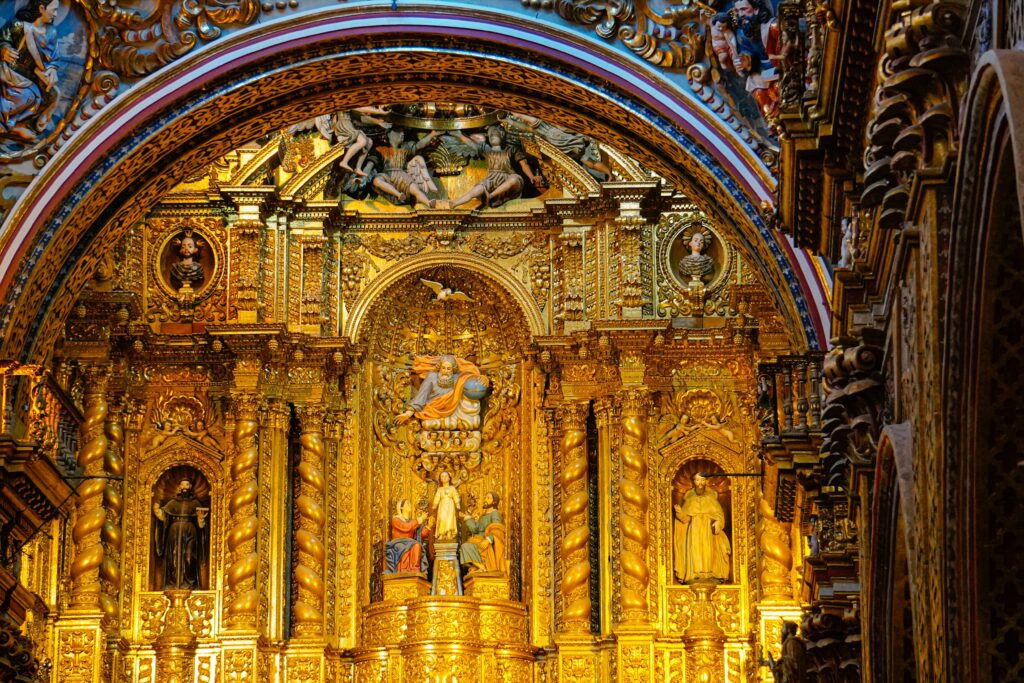
Often referred to simply as La Iglesia Dorada (The Golden Church), the Iglesia de la Compañía de Jesús is considered the pinnacle of Spanish Baroque architecture in South America.
Construction of this Jesuit sanctuary spanned 160 years (1605–1765), resulting in a striking volcanic stone façade carved in intricate detail and an interior gilded with over seven tonnes of 23-karat gold leaf covering the vaults, altars, and pillars.
Due to strict venue preservation guidelines and high visitor volume along Calle García Moreno (the Street of the Seven Crosses), general entry lines can be long and slow-moving.
Securing a private hosted entry pass grants seamless access into the golden nave, accompanied by an expert who explains the syncretic blend of European Baroque and indigenous Escuela Quiteña artistic craftsmanship embedded in the woodcarvings and paintings.
Key highlights
- Gilded Vaulted Ceiling: Moorish-influenced geometric patterns covered in gold leaf running along the central barrel vault
- Mesoamerican & Indigenous Motif Details: Native flora, sun symbols, and local faces carved into the gilded wooden columns
- The High Altar: Monumental gold-sheathed altarpiece framing intricate carvings of saintly figures and religious iconography
Ideal for
Cultural historians, enthusiasts of religious architecture, and fine arts admirers looking to view the crown jewel of the Quito School of Art.
Local insight
To keep the interior sacred and preserved, flash photography and tripod usage are prohibited. Modest attire covering the shoulders and knees is required for entry into active places of worship.
6. Soak in thermal high-altitude volcanic waters at Papallacta
Rating & reviews
(58+ verified reviews on Viator)
Why this attraction stands out
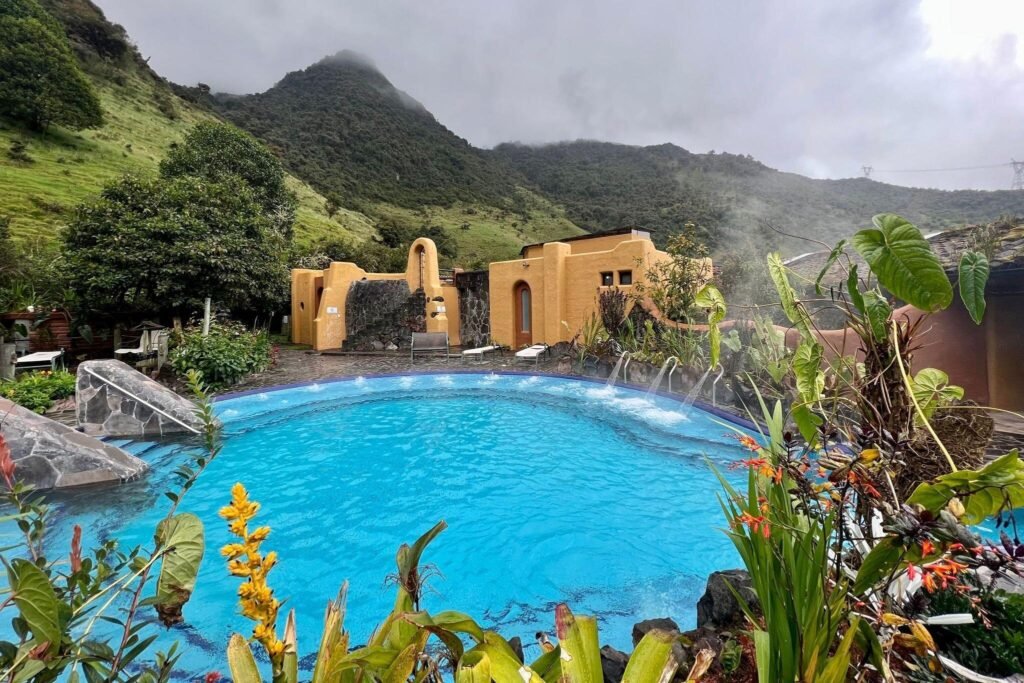
Nestled in a high-altitude Andean cloud forest valley at 3,300 metres elevation between Cotopaxi and Cayambe-Coca reserves, Termas de Papallacta is Ecuador’s premier thermal wellness destination.
The natural hot springs are fed by subterranean volcanic magma from the nearby Antisana volcano, creating crystal-clear pools naturally rich in sulphate, sodium, and calcium.
Pre-booking a private day pass guarantees door-to-door transit from Quito, reserved spa entry passes, and access to thermal pools, cold plunge pools, and private nature trails without navigating public bus transfers or arriving at sold-out weekend capacity limits.
Key highlights
- Volcanic Mineral Pools: Multiple outdoor thermal pools varying in temperature from 36°C to 40°C, fed by volcanic springs
- Antisana Volcano Views: Panoramic vistas of snow-capped volcanic ridges and high Andean Páramo landscapes
- Papallacta River Nature Trail: Private guided walking trail through primary cloud forest, home to native orchids and hummingbirds
- Hydrotherapy Facilities: Hydromassage jets and cold-water plunges sourced directly from pristine mountain streams
Ideal for
Wellness seekers, weary cyclists, couples, and travellers wanting a relaxing mountain thermal retreat with private door-to-door comfort from Quito.
Local insight
Bring a swimsuit, a change of warm, dry clothing, flip-flops, and a fleece. Mountain temperatures in Papallacta drop rapidly when stepping out of the 40°C thermal pools, so keeping warm between soaks is essential.
The Ecuadorian Coast.
Where you’ll find the very best food
Our practical Quito attraction booking & visiting guide
To make the most of your visits to Ecuador’s historic sites, cultural museums, and natural reserves, keep these practical travel tips in mind:
Book timed slots 2–3 weeks in advance
Popular attractions like the TelefériQo, Baños waterfall tours, Papallacta thermal passes, and La Capilla del Hombre experience high demand, particularly during peak dry-season months (June to September and December). Booking your tickets two to three weeks early secures your preferred entry times.
Plan around high-altitude acclimatisation
Destinations such as TelefériQo (nearly 4,000 m), Papallacta (3,300 m), and Ingapirca (3,160 m) require proper altitude adjustment. Schedule indoor city-level venues—like the Guayasamín Museum—for your first 24 to 48 hours in the country before taking on higher elevations.
Save digital ticket vouchers offline
Mobile connectivity can be unreliable in high mountain valleys like Papallacta or Cañar, and at high elevations like Cruz Loma. Download your digital ticket barcodes, PDF vouchers, and venue confirmation codes directly to your device for offline scanning.
Respect security and dress rules at historic sites
Religious monuments and protected heritage parks enforce bag checks and modest dress codes (covered shoulders and knees). Travel light to pass quickly through venue security checkpoints.
Take the high road through the Ecuadorian Andes
Ecuador proves that small geographical footprints can harbour staggering cultural and natural complexity. From the cobblestone plazas of UNESCO-listed colonial capitals to the windswept grasslands of the high Andean páramo and steam-filled thermal valleys of Papallacta, travelling here rewards those who move with intention, curiosity, and a willingness to step off the standard tour bus circuit.
Whether you find yourself gazing down into the lush canyon of the Pastaza River, standing with a foot in each hemisphere, tracing the mortarless joins of Incan stone at Ingapirca, or soaking in volcanic mineral pools beneath snow-capped peaks, the key to unlocking these experiences lies in thoughtful preparation. Pre-booking timed entries and guided venue passes isn’t just about avoiding an hour in a sun-drenched queue—it is about preserving your time and energy for the moments that truly matter.
As independent travellers, we thrive on the autonomy of the road—whether exploring on two wheels, navigating local bus routes between Quito and Cuenca, or wandering through quiet museum corridors at our own pace. With your tickets secured and your itinerary grounded in local reality, you are free to immerse yourself fully in the layered stories, vibrant traditions, and spectacular landscapes of this remarkable South American nation.
Pack your layers, keep your digital vouchers handy, give yourself time to breathe at high altitude, and embrace the rhythm of the Andes. Safe travels, and we look forward to seeing you on the road.
Affiliate Disclaimer: Some of the links on Wheely Tyred are affiliate links. If you click through and make a booking or purchase, we may earn a small commission at no extra cost to you. We only recommend gear, tours, stays, and services we genuinely use, trust, and stand behind — our editorial independence always comes first. These commissions help keep our independent cycling guides and travel stories free to read. Thanks for supporting the ride!
Frequently asked questions about the best Quito attractions
For high-demand experiences like the TelefériQo cable car, Baños waterfall day trips, Papallacta hot springs, and popular galleries in Quito, we recommend booking two to three weeks in advance. This is particularly important during the peak dry season from June to September and over the Christmas and New Year holidays when daily capacity caps are reached quickly.
Quito sits at 2,850 metres, Papallacta at 3,300 metres, and Cuenca at 2,560 metres above sea level. Allocate your first 24 to 48 hours to low-exertion city sights—such as indoor museums or street-level historical tours—before ascending to higher points like Cruz Loma (3,947 m) or Ingapirca (3,160 m). Stay well hydrated, avoid heavy meals during your first few days, and drink local herbal infusions like mate de cedrón or coca tea to ease acclimatisation.
While digital PDF vouchers on your smartphone are sufficient for ticket validation at almost all venues, bringing your physical passport to Mitad del Mundo and the Intiñán Solar Museum allows you to receive the official zero-latitude equatorial souvenir stamp in your passport.
Ecuador has an extensive intercity bus network. Buses depart frequently from Quito’s terminals to Baños (3.5 hours) and Cuenca (8 to 9 hours). For destination spots like Papallacta or specific archaeological sites, private transfers or organised day passes from Quito offer direct, hassle-free transport without complex connections.
Weather in the Andes fluctuates rapidly from intense equatorial sunshine to chilly mountain winds and rain. Dress in breathable layers, wear sturdy walking shoes for uneven cobblestone streets and dirt trails, and carry a waterproof jacket. For Papallacta, bring swimwear, flip-flops, and a warm fleece for after soaking. When visiting active churches or sacred heritage sites, modest dress covering shoulders and knees is required.
While major ticketed venues and tour operators accept credit cards online and at main ticket counters, smaller artisanal markets, rural entry gates, and local cafes operate strictly in cash. Ecuador uses the US dollar ($); carry small denominations ($1, $5, and $10 notes), as vendors frequently struggle to provide change for $20 or $50 bills.
Ecuador.
Pure wonder on the equator.