Best bus tours in Ecuador / Scenic city loops & high-altitude overland journeys
Comprehensive guide to Ecuador hop-on hop-off city buses, Cotopaxi day trips, and regional sightseeing coaches
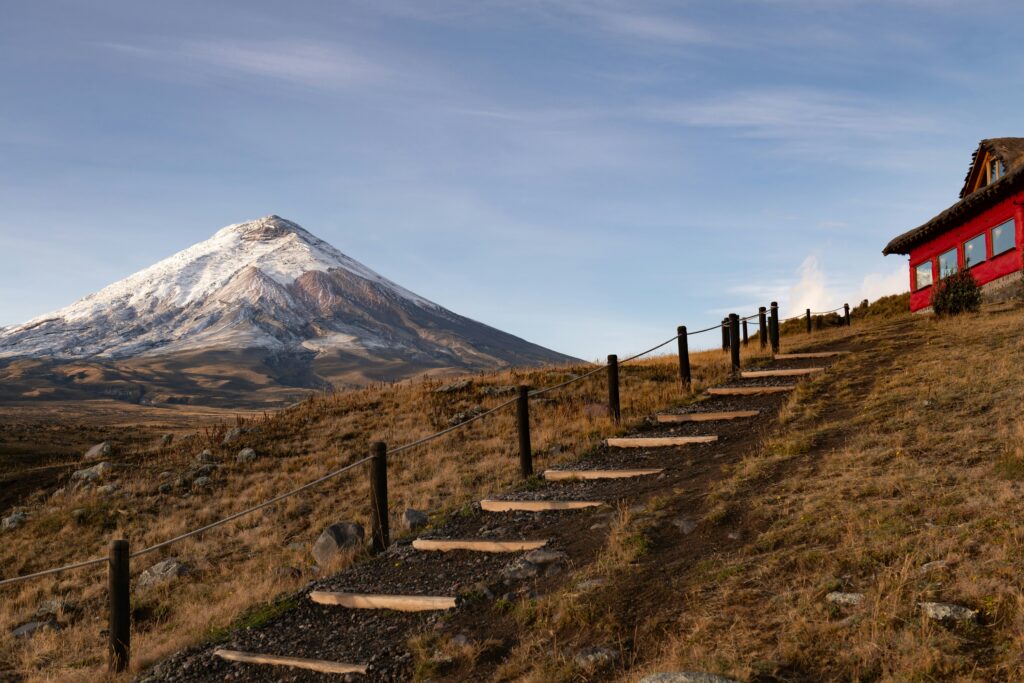
Master the Avenue of Volcanoes and historic colonial quarters
BEN FINCH
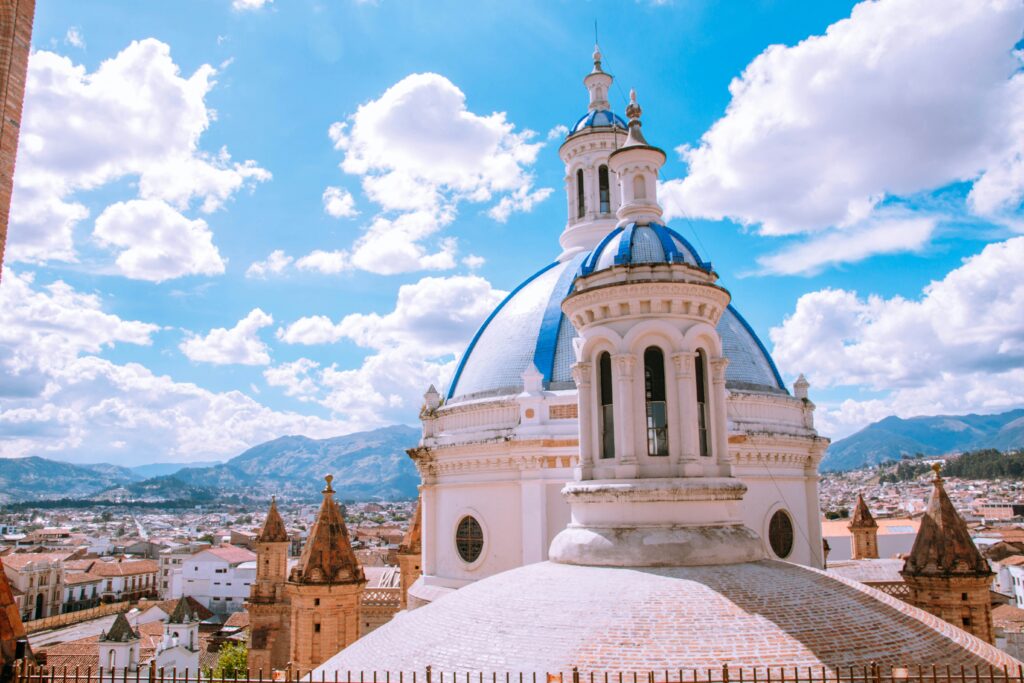
Navigating Ecuador’s dramatic vertical topography is one of South America’s most rewarding travel experiences. Tucked into the equatorial Andes, this compact nation squeezes snow-capped volcanic peaks, UNESCO World Heritage historic centres, dense cloud forests, and subtropical river gorges into remarkably close quarters.
However, moving between these landscapes independently can prove challenging. Mountain passes require expert driving, public transit terminals can be overwhelming, and negotiating winding switchbacks at 3,800 metres above sea level demands seamless, reliable logistics.
At Wheely Tyred, we advocate for well-designed overland coach trips and open-top sightseeing loops as the ultimate way to master a destination’s layout. A high-quality bus tour removes the friction of navigating mountain roads or complex urban transit systems, allowing you to settle into a comfortable window seat, absorb expert local commentary, and take in sweeping panoramic vistas.
From the cobblestone avenues of colonial Quito to the thundering waterfalls of Baños de Agua Santa, here is our curated selection of the absolute best bookable bus and coach tours across Ecuador.
Ecuador by coach and canopy
Ecuador compresses an astonishing sweep of high-altitude volcanic plains, UNESCO-listed colonial squares, and subtropical cloud forests into a remarkably compact footprint. These curated coach journeys and city loops strip away the logistical friction of mountain transit, letting you focus entirely on the landscape.
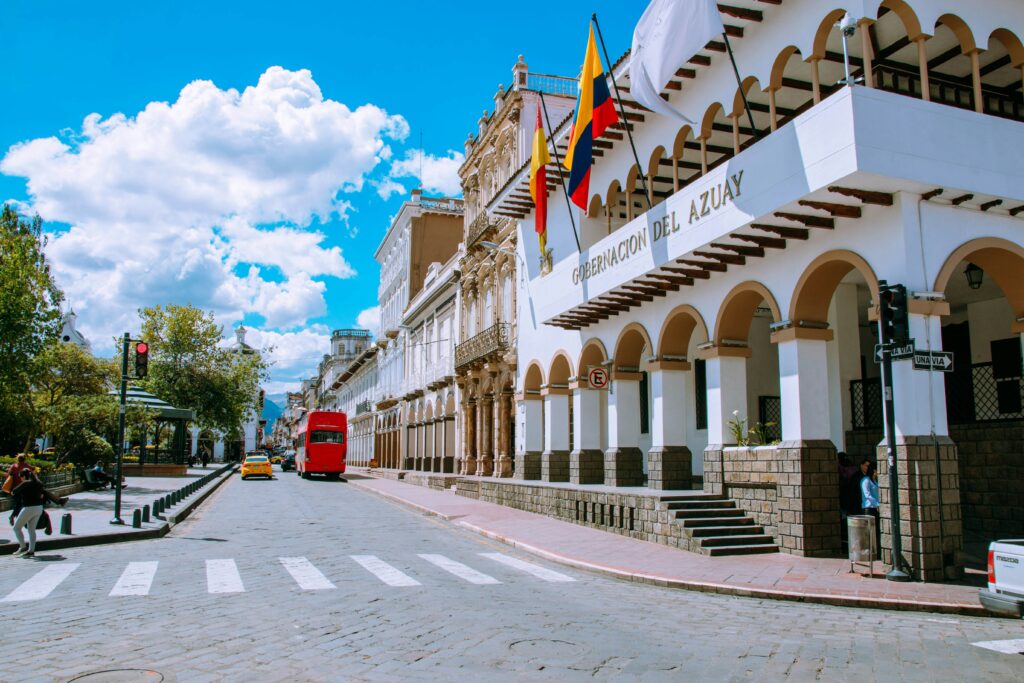
- Quito’s Historic Core: Navigating the steep, cobblestone lanes and volcanic viewpoints of the world’s highest official capital from the breezy top deck of a double-decker bus
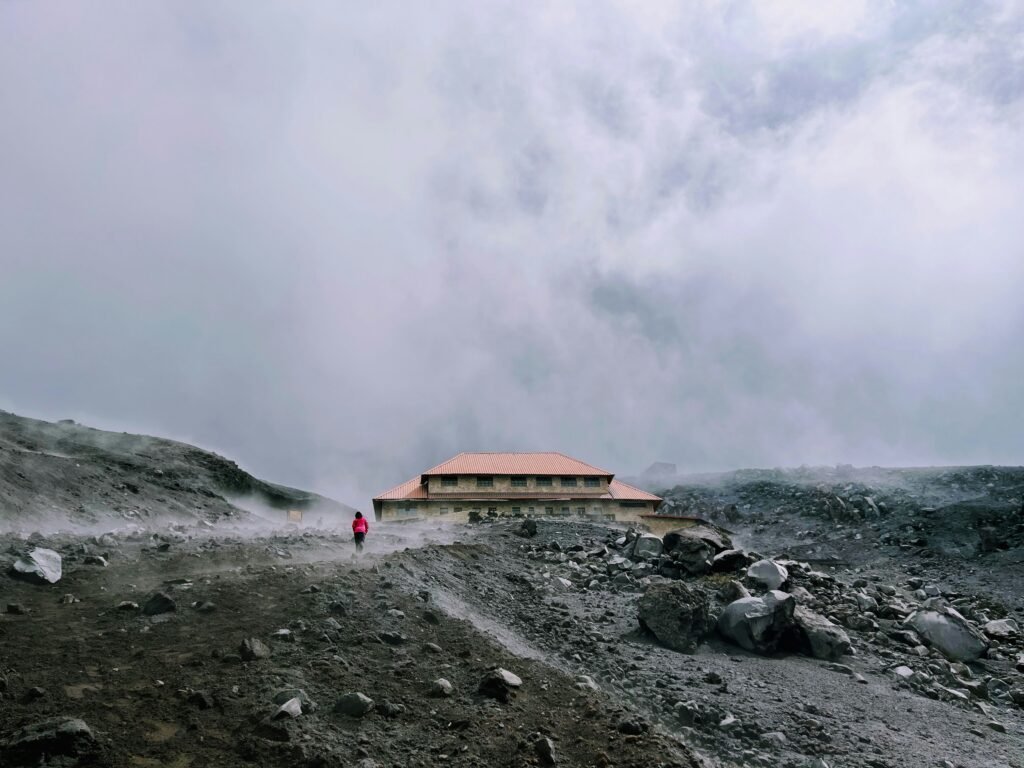
- The Avenue of Volcanoes: Ascending past rural agricultural valleys straight into the high-altitude páramo and glacial vistas of Cotopaxi National Park
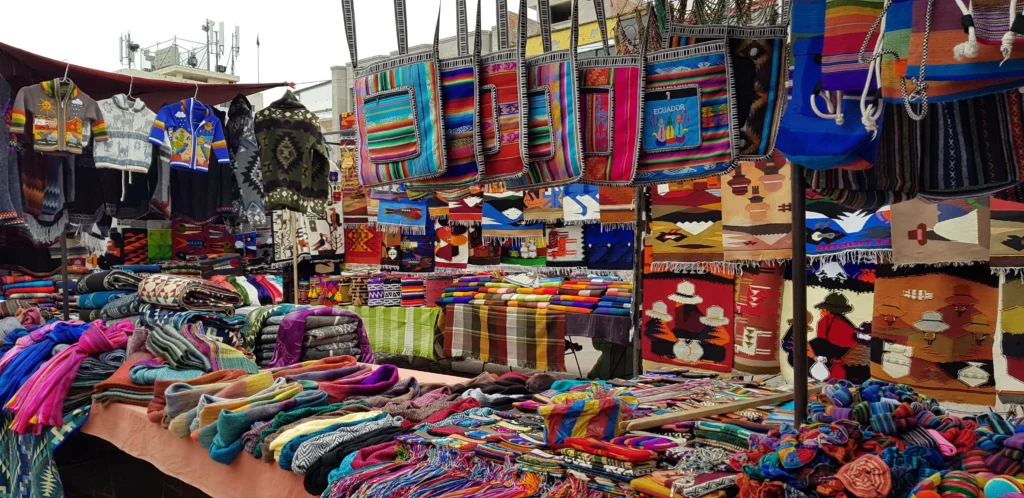
- Otavalo’s Indigenous Market: Traversing northern Imbabura Province for textile heritage, vibrant artisan trading, and traditional wood-fired bizcochos
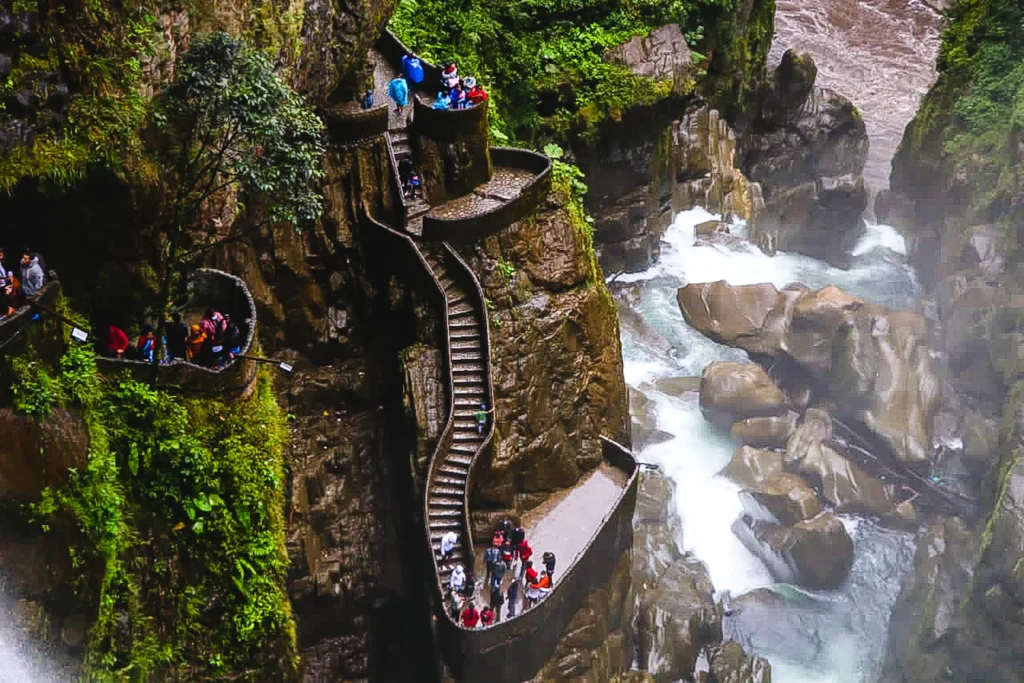
- The Route of the Waterfalls: Dropping from cool Andean plateaus into the lush, subtropical cloud forest gateways of Baños along the roaring Pastaza River canyon
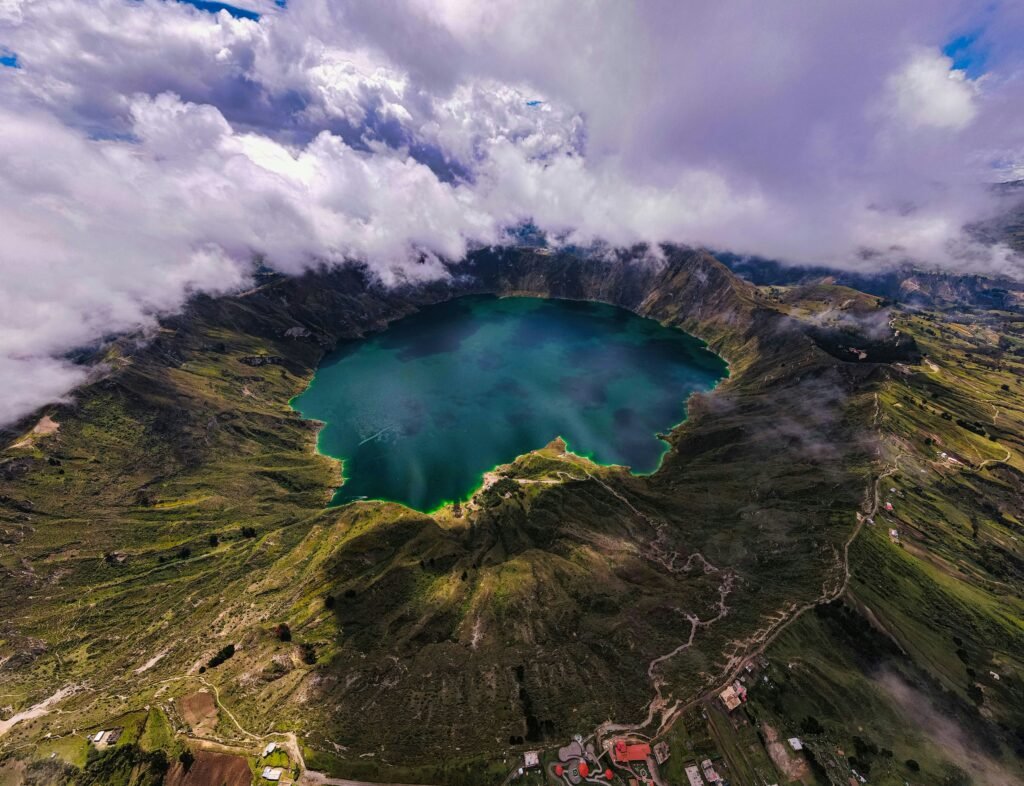
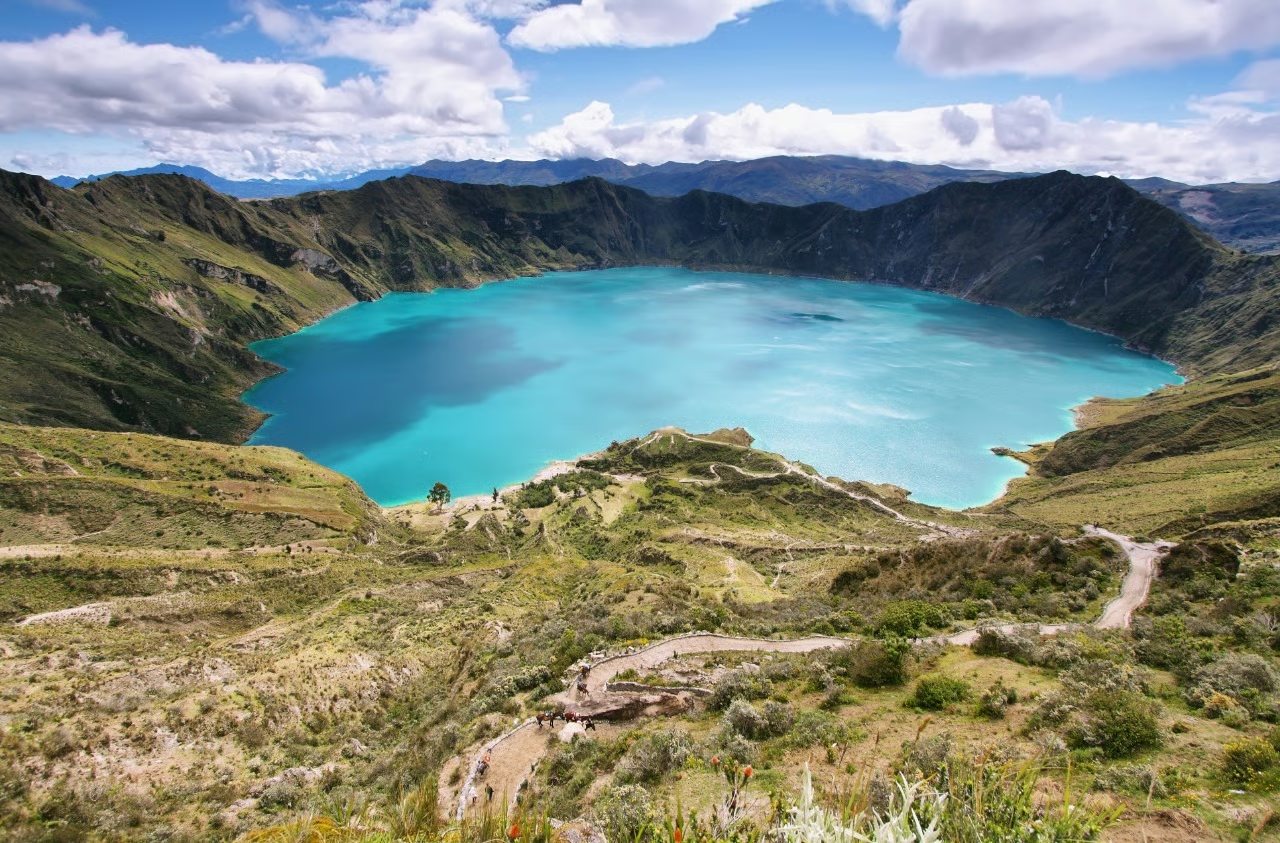
- Quilotoa’s Emerald Crater: Winding through remote Western Cordillera mountain passes to gaze down at a three-kilometre-wide volcanic lagoon
- Altitude & Transit Strategy: Mastering high-altitude hydration, strategic window seating, and smart cash management for seamless, stress-free mountain travel
The Ecuadorian Sierra.
Get lost in the hills
Master Quito’s colonial heart via panoramic open-top double-decker
Rating & reviews
(251+ verified reviews on GetYourGuide)
Why this specific tour stands out
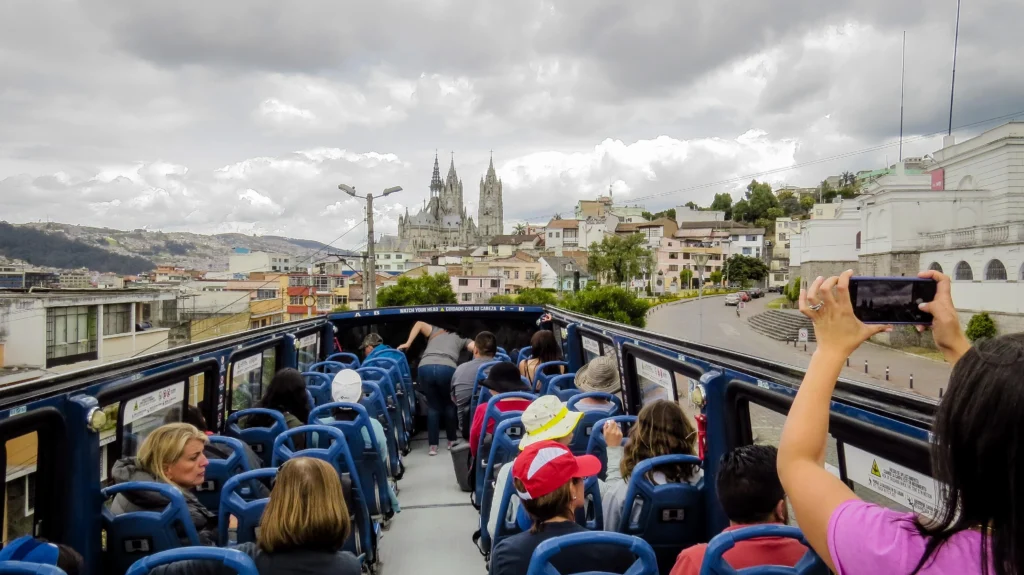
Quito sits at 2,850 metres above sea level, making it the highest official capital city in the world. For travellers arriving in the Andes, pounding the pavement up and down steep colonial inclines on day one can quickly lead to exhaustion. The official double-decker Quito City Bus Tour offers a sensible, panoramic orientation loop through the city’s contrasting districts.
Departing from Boulevard Naciones Unidas in the modern financial north, the double-decker bus glides past Parque La Carolina before winding into the narrow streets of the UNESCO-listed Centro Histórico. Equipped with a multi-channel audio guide in English, Spanish, French, and German, the tour provides context on Ecuador’s pre-Columbian heritage, Spanish conquest, and Republican architecture.
The crowning highlight of the route is the steady climb up El Panecillo, a volcanic hill crowned by the iconic aluminium statue of the Virgin of Quito. Here, the bus pauses for 30 minutes, allowing passengers to step off and enjoy 360-degree views across the red-tiled roofs of Old Town and the surrounding Andean peaks.
Key highlights
- Panecillo Hill Lookout: Panoramic photo stop at 3,000 metres overlooking Old Town and New Town
- Centro Histórico Architecture: Drive past the Neo-Gothic Basilica del Voto Nacional, Plaza Grande, and San Francisco Church
- Commercial District Loop: Scenic ride through the tree-lined avenues of La Carolina and La Mariscal
- Multi-Language Audio: Clear commentary detailing Quito’s history, art, and urban transformation
Ideal for
First-time visitors orienting themselves in Quito, senior travellers, multi-generational families, and anyone seeking low-effort sightseeing while acclimatising to high altitude.
Local tourist insight
Claim a seat on the top deck’s right-hand side for optimal, unobstructed photography angles as the bus manoeuvres past the Basilica del Voto Nacional and ascends El Panecillo. Because equatorial UV rays are severe at 2,850 metres—even under cloud cover—pack a brimmed hat, high-SPF sunscreen, and a windbreaker for the open-air upper deck.
Traverse the Avenue of Volcanoes to Cotopaxi’s high-altitude slopes
Rating & reviews
(34+ verified reviews on GetYourGuide)
Why this specific tour stands out
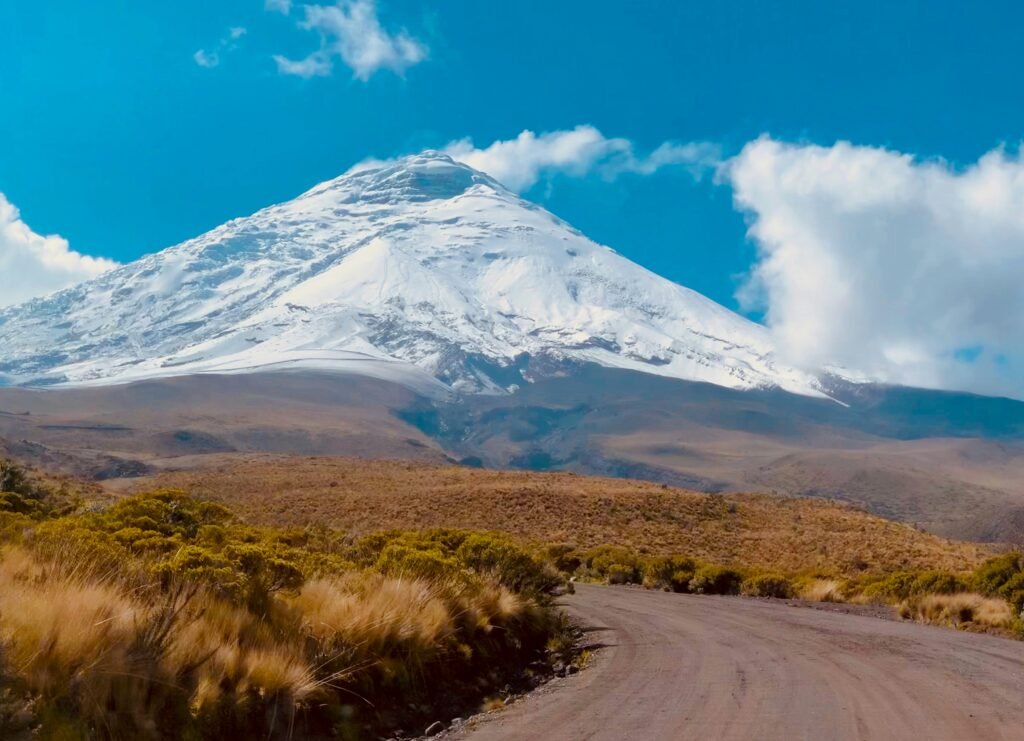
Heading south from Quito along the Pan-American Highway brings you onto the famous Avenida de los Volcanes (Avenue of Volcanoes), a term coined by German explorer Alexander von Humboldt. This full-day overland coach tour takes you directly into Cotopaxi National Park, home to one of the highest active snow-capped volcanoes in the world (5,897 metres).
Travelling aboard a modern, air-conditioned executive coach, passengers enjoy expansive views of rural Andean farmlands before climbing past the park gates into the high-altitude páramo moorlands. Accompanied by a certified naturalist guide, the bus stops at the Mariscal Sucre Interpretation Centre to examine volcanic geology and high-alpine ecosystems.
The coach then continues to Limpiopungo Lagoon at 3,800 metres for a flat, scenic nature walk where wild horses and Andean birds are frequently spotted. For active travellers, the coach ascends further up the volcanic slopes to the parking area, serving as the launching point for an optional hike up to the José Rivas Refuge at 4,864 metres.
Key highlights
- Avenue of Volcanoes Drive: Scenic highway transit through high Andean valleys flanked by volcanic peaks
- Limpiopungo Lagoon Walk: Guided shoreline loop at the base of Volcán Cotopaxi with mirror-like water reflections
- José Rivas Refuge Hike: High-altitude ascent to 4,864 metres for panoramic glacial views
- Expert Naturalist Commentary: Deep insights into Andean flora, fauna, and volcanic history
Ideal for
Nature enthusiasts, landscape photographers, and active explorers eager to touch Cotopaxi’s volcanic slopes without the stress of driving on mountain dirt roads.
Local tourist insight
Mountain weather along the Avenue of Volcanoes shifts rapidly. Clear skies are most common in the early morning, while afternoon fog often rolls across the páramo. Reserve a forward-facing window seat on the left side of the coach when departing Quito for the best early views of Cotopaxi’s conical summit.
The Galápagos.
Ecuador’s Enchanted Isles
Overland to Imbabura & the indigenous Otavalo market
Rating & reviews
(5+ verified reviews on GetYourGuide)
Why this specific tour stands out
Heading north from Quito through the rugged canyons of Guayllabamba, the highway into Imbabura Province—known as Ecuador’s Lake District—offers spectacular window views. This guided coach tour connects several key cultural and geographic stops along the northern Pan-American Highway.
The journey begins with a stop in Cayambe to visit a traditional bakery for warm, wood-fired bizcochos (buttery local biscuits) served with fresh leaf cheese (queso de hoja) and manjar blanco. The coach then pauses at the Quitsato Astronomical Sundial, an equatorial monument situated directly on the 0°0’0″ latitude line.
Upon arriving in Otavalo, travellers have dedicated free time to explore the world-renowned Plaza de los Ponchos market, where Kichwa Otavalo artisans trade hand-woven woollen blankets, ponchos, alpaca garments, and intricate silver jewellery. The return route includes a scenic detour to Cuicocha Crater Lake, a deep blue volcanic lagoon situated at the foot of Cotacachi Volcano.
Key highlights
- Plaza de los Ponchos: Extended stop at South America’s largest indigenous handicraft market
- Equatorial Heritage Stop: Interactive visit to the Quitsato Sundial on the true Equator line
- Cuicocha Crater Lake: Breathtaking photo stop overlooking an active volcanic crater lagoon
- Cayambe Culinary Tasting: Sample authentic Andean bizcochos and local cheeses fresh from the oven
Ideal for
Cultural travellers, textile collectors, souvenir hunters, and visitors looking for a comfortable overland journey through Ecuador’s northern indigenous heartland.
Local tourist insight
Bargaining at the Otavalo Market is expected but should always remain friendly and respectful. Ensure your day bag has sufficient room for soft textiles, and keep small US dollar bills ($1, $5, and $10) handy, as market vendors rarely have change for $20 or $50 notes.
Descend the Route of the Waterfalls to the gateway to the Amazon
Rating & reviews
(63+ verified reviews on GetYourGuide)
Why this specific tour stands out
For sheer geographic contrast, few overland routes in Ecuador match the drive from high-altitude Quito down into the subtropical cloud forest of Baños de Agua Santa. As the coach descends from the cool mountain plateau along the Pastaza River canyon, the vegetation transforms into lush ferns, wild orchids, and dense jungle canopy.
This long-distance day excursion traverses the famous Ruta de las Cascadas (Route of the Waterfalls) aboard an air-conditioned tour coach. The primary highlight is a guided walk down to Pailón del Diablo (Devil’s Cauldron), a massive 80-metre waterfall where the Pastaza River cascades through a narrow rock gorge.
Visitors walk across swaying suspension bridges and carved stone staircases to feel the thunderous spray up close. The tour also includes a stop at La Casa del Árbol (The Tree House), where travellers can ride the famous Swing at the End of the World over a steep mountain ridge overlooking active Volcán Tungurahua.
Key highlights
- Pailón del Diablo: Walk down to South America’s most powerful and iconic subtropical waterfall
- Ruta de las Cascadas: Scenic coach transit past Agoyán, Manto de la Novia, and Pastaza Gorge
- La Casa del Árbol: Panoramic hilltop stop featuring the Swing at the End of the World
- Climatic Transition: Dramatic drive transitioning from Andean páramo to Amazonian cloud forest
Ideal for
Thrill-seekers, landscape photographers, and travellers keen to witness Ecuador’s ecological diversity without booking separate domestic flights.
Local tourist insight
The spray at Pailón del Diablo is extremely dense. Keep a light waterproof jacket or rain poncho packed in your hand luggage on the coach, along with a dry bag to protect smartphones and camera gear during the waterfall walk.
The Ecuadorian Amazon.
The most biodiverse place in the world
Wind through the Central Andes to the emerald crater lake of Quilotoa
Rating & reviews
(100+ verified reviews on GetYourGuide)
Why this specific tour stands out
Tucked deep within the Western Cordillera of the Andes, the Quilotoa Loop represents rural mountain travel at its finest. Driving these winding high-country roads independently can be challenging due to unpredictable mountain fog and remote terrain. This organised day coach trip provides a comfortable, hassle-free way to reach one of South America’s most spectacular natural wonders.
Leaving Quito early, the tour bus winds through small agricultural villages where traditional Quechua farming methods are still practised. En route, the coach stops at Toachi River Canyon, a dramatic 150-metre-deep volcanic fissure formed by prehistoric eruptions. The trip also visits a local artisan workshop in Tigua, famous for naive-style paintings produced on sheepskin canvases that depict Andean folklore and rural life.
Upon reaching the Quilotoa crater rim at 3,800 metres, travellers are greeted by views of a three-kilometre-wide emerald-green volcanic lagoon. Guests can take in the view from the glass-and-wood Shalalá balcony or hike down the steep zig-zag path to the water’s edge.
Key highlights
- Quilotoa Crater Viewpoint: Breathtaking vistas over the 3km-wide emerald volcanic crater lake
- Toachi River Canyon: Photo stop at a deep, carved volcanic ravine
- Tigua Naive Art Community: Cultural stop to meet local artists and view sheepskin paintings
- High Andean Countryside: Scenic coach route passing traditional indigenous farming hamlets
Ideal for
Avid hikers, cultural travellers, and landscape photographers looking for an off-the-beaten-path mountain excursion with solid transportation logistics.
Local tourist insight
Hiking down to the shore of Quilotoa Lagoon takes roughly 30 minutes, but climbing back up to the crater rim at 3,800 metres can take over an hour due to the steep, sandy incline and thin air. Local community members offer mule rides back up for around $10 to $15 cash—a great option if you begin to feel the effects of high altitude.
Our practical guide to Ecuador bus tour planning
1. Hydration & altitude management on mountain routes
When taking overland coach excursions from Quito (2,850m) to high-altitude destinations like Cotopaxi (4,864m) or Quilotoa (3,800m), altitude sickness (soroche) can develop quickly. Drink plenty of water before and during your bus trip, avoid heavy meals prior to mountain transit, and consider drinking traditional coca tea (mate de coca), which is widely available at Andean stops.
2. Time city sightseeing around rush hours
Quito experiences heavy traffic congestion during peak commuter hours (7am to 9am and 5pm to 7pm). When booking open-top double-decker city tours, opt for mid-morning departures (between 9.30am and 2pm). This guarantees smooth transit through Old Town’s narrow streets and maximises your sightseeing time at scenic lookouts.
3. Dress in layers for open-top decks
Ecuador’s high-altitude climate can feel surprisingly cool, especially on open-top double-decker buses moving at speed. Temperatures can shift from warm equatorial sunshine to chilly mountain winds in minutes. Wear adaptable layers—a breathable base layer, an insulating fleece, and a packable windproof jacket—so you stay comfortable throughout the ride.
4. Carry small cash denominations
While major tour platforms accept online credit card bookings, rural coach stops along the Pan-American Highway operate almost exclusively on cash. Carry small US dollar bills ($1, $5, and $10) and coins for bathroom access ($0.25–$0.50), tipping tour guides, purchasing local snacks like bizcochos or melcocha, and paying for mule rides at high-altitude crater lakes.
The Ecuadorian Coast.
Where you’ll find the very best food
Follow ancient indigenous trade paths through the high Andes
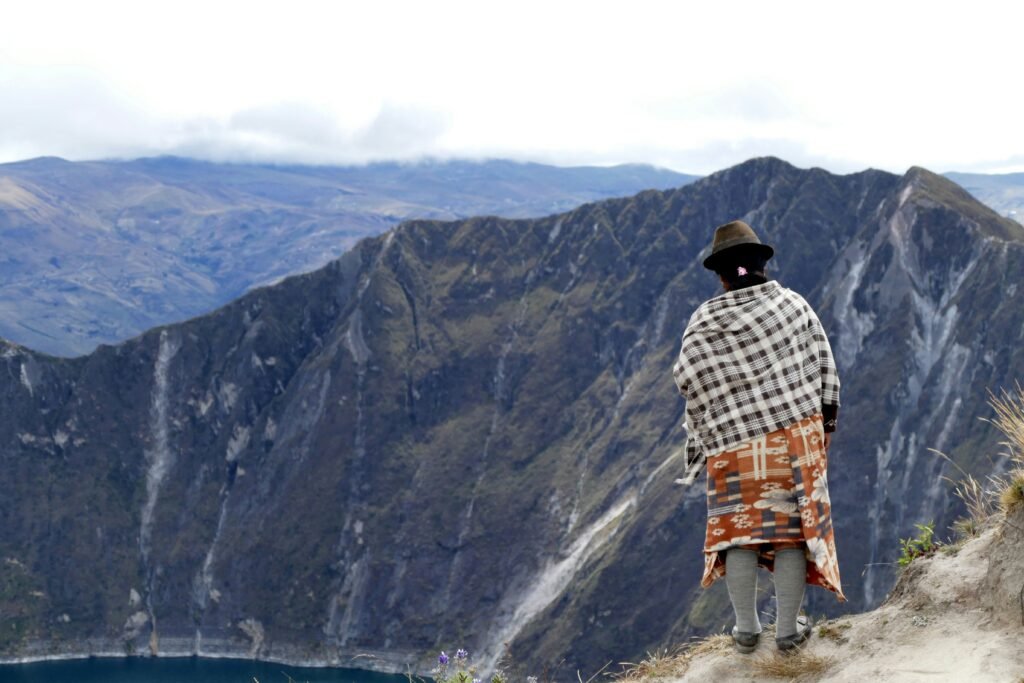
Ecuador’s geography is an exercise in dramatic contrasts. Within the span of a single morning, a traveller can transition from freezing, windswept high-altitude passes where wild horses roam to steamy, fern-draped river gorges pulsing with subtropical life. Trying to orchestrate these transitions independently through local transit networks can quickly turn an adventurous holiday into an exhausting exercise in terminal waiting times and complicated route changes.
Opting for well-designed overland coaches and structured city loops liberates the independent traveller from the fatigue of navigating blind mountain switchbacks and congested urban cores. By securing a comfortable window seat on a vetted vehicle, you bypass the unpredictable friction of mechanical guesswork or confusing rural timetables. Instead, your energy remains focused where it belongs: absorbing the rich cultural tapestry, ancient agricultural traditions, and staggering biodiversity unfolding beyond the glass.
Ultimately, thoughtful transit planning transforms a standard journey into a profound geographical education. Whether you are tracing the historic avenues of Quito or following ancient indigenous trade paths through the high Andes, these overland pathways invite a deeper, more mindful connection with South America’s equatorial heart. It is travel that respects both the majesty of the terrain and the comfort of the explorer.
Affiliate Disclaimer: Some of the links on Wheely Tyred are affiliate links. If you click through and make a booking or purchase, we may earn a small commission at no extra cost to you. We only recommend gear, tours, stays, and services we genuinely use, trust, and stand behind — our editorial independence always comes first. These commissions help keep our independent cycling guides and travel stories free to read. Thanks for supporting the ride!
Frequently asked questions about the best bus tours in Ecuador
Yes, travelling rapidly from Quito (2,850m) up to Cotopaxi or Quilotoa (3,800m+) can trigger mild symptoms if you haven’t fully acclimatised. Stay well-hydrated throughout the journey, avoid heavy meals right before heading into the high mountains, and consider sipping traditional coca tea (mate de coca) offered at highland stops.
They certainly can be. Quito’s elevated position means mountain breezes are brisk even when the equatorial sun is shining brightly. Always pack a windproof jacket or fleece, along with high-SPF sunscreen and a brimmed hat to protect against intense UV rays on the upper deck.
While public interprovincial buses are inexpensive, navigating rural connections, remote trailheads like Quilotoa, or high mountain passes requires multiple transfers and intricate local knowledge. Guided coach excursions handle all logistics seamlessly, ensuring safety, reliable door-to-door timing, and informative commentary.
Major tour booking platforms accept online card payments, but rural artisan markets, roadside bakeries (such as those in Cayambe), and small community fees rely almost exclusively on cash. Always carry a healthy supply of small US dollar bills ($1, $5, $10) and coins.
Opt for mid-morning departures, roughly between 9.30am and 2.00pm. This window avoids heavy commuter gridlock during morning and evening rush hours, ensuring smooth transit through narrow colonial streets and crystal-clear visibility at elevated viewpoints like El Panecillo or Mirador de Turi.
Absolutely. They offer a secure, highly structured environment for solo explorers wanting to reach remote landscapes safely, while providing multi-generational families with comfortable seating, expert local guides, and zero driving stress on unfamiliar roads.
Ecuador.
Pure wonder on the equator.