The ultimate guide to camping on Isla Isabela and the Galápagos Islands
Discover the best campsites, eco-camps, and glamping sites on Isla Isabela and nearby Galápagos islands for independent travellers
Sleep beside giant tortoises under the equatorial stars
BEN FINCH
The Galápagos Islands are frequently painted as a destination reserved for luxury cruise ships and tightly managed group tours. For the independent traveller, the idea of being ushered along a strict itinerary, forced to board a bus before you have fully taken in the rugged beauty of a lava field, is the antithesis of a good journey. You want to travel at your own pace, uncover the local culture, and gain a deep, unfiltered knowledge of your surroundings.
Isla Isabela, the largest and arguably most volcanically active island in the archipelago, offers a sanctuary for the slow traveller. Here, the town of Puerto Villamil remains unpaved, marine iguanas sunbathe on the boardwalks, and the highlands rise into misty, fertile slopes.
But where do you sleep when wild camping is entirely banned by the Galápagos National Park Directorate to protect fragile ecosystems?
The answer lies in the archipelago’s highland eco-camps, working farms, and designated national park sites. Staying at these locations requires a bit more planning, but it rewards you with unparalleled access to endemic wildlife, complete autonomy, and the kind of quiet isolation you cannot find in a crowded port.
To help you sleep well and prepare for days of hiking, cycling, or simply watching the tides, we have curated a list of the standout campsites and tented eco-lodges on Isla Isabela, expanding to the neighbouring island of Santa Cruz to give you a complete picture of Galápagos camping.
Camping on the archipelago’s terms
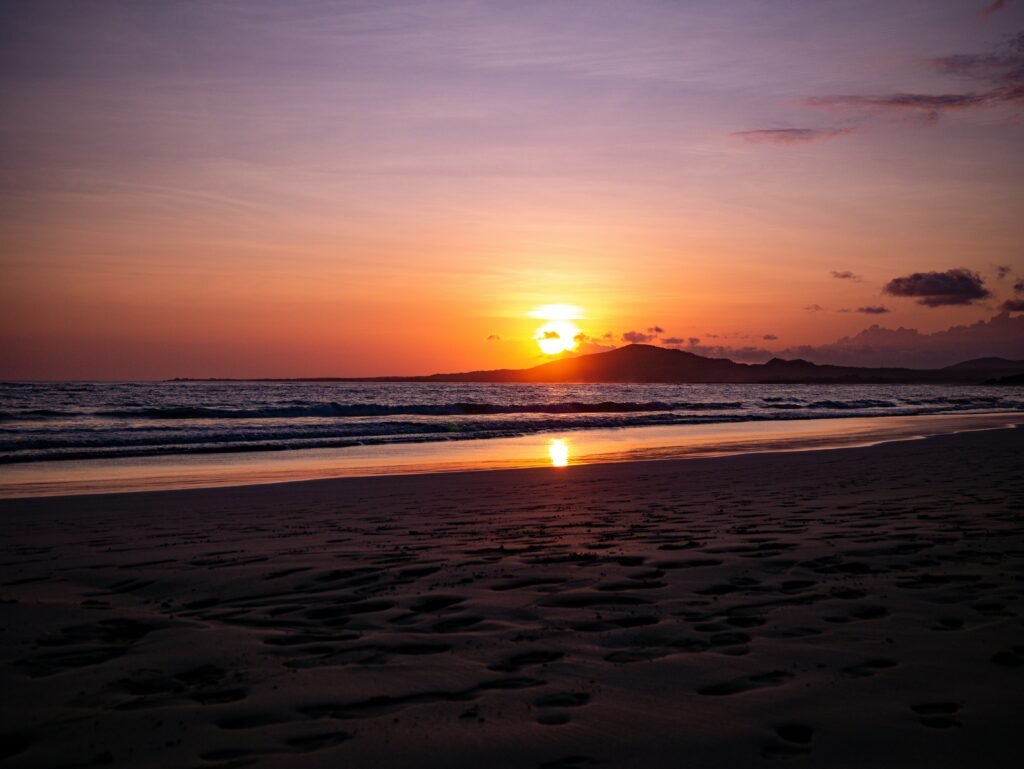
Forget the rigid cruise schedules and the rush of tour groups. These carefully selected highland camps and fincas offer a rare, grounded way to experience the islands at your own pace and sleep well under the equatorial sky.
- Campo Duro EcoCamp: Pitch your tent in the lush highlands of Isla Isabela, sharing the space with free-roaming giant tortoises in a designated sanctuary
- Volcán Chico GNPD Site: A rugged, restricted wilderness camp near the Sierra Negra caldera, strictly requiring advance permits and a certified local guide
- Hacienda Esperanza: A working agricultural farm on Isla Isabela offering genuine highland hospitality, fresh local coffee, and grassy clearings for tents
- Galapagos Magic Tented Camp: Located on neighbouring Santa Cruz, this site features raised safari tents in a scalesia forest and a dining room nestled inside a subterranean lava tube
- Galapagos Safari Camp: Premium, eco-conscious canvas tents on Santa Cruz that prove you can enjoy profound comfort without a heavy environmental footprint
- Leave No Trace: Strict GNPD regulations apply everywhere; you must pack everything out and never wild camp on beaches or unmarked areas
- The Garúa Mist: The highland microclimates bring cool, damp weather between June and November, making reliable waterproofing and warm layers essential for a good night’s rest
Isla Isabela.
Escape the tourist traps and explore
Campo Duro EcoCamp / Isla Isabela
Nestled in the lush, green highlands of Isla Isabela, Campo Duro EcoCamp is the quintessential independent accommodation for those exploring the slopes of Volcán Sierra Negra. Located about 20 kilometres from the coastal town of Puerto Villamil, this camp offers a dramatic contrast to the arid, sun-baked beaches below.
The most captivating feature of Campo Duro is its resident population of giant tortoises. The camp doubles as a sanctuary, meaning you will literally be pitching your tent or staying in one of their pre-erected canvas structures while these magnificent, prehistoric creatures slowly graze just metres away. The ambient noise here is the rustle of leaves, the calls of Darwin’s finches, and the heavy, rhythmic breathing of the tortoises.
Facilities: Campo Duro offers covered wooden platforms to protect tents from the highland mist, known locally as the garúa. They provide basic but very clean communal bathrooms, hot showers, and a sprawling organic garden. Their open-air restaurant is famous on the island for its traditional Ecuadorian barbecue, slow-cooked over volcanic wood.
Why it stands out: It provides an authentic, off-the-beaten-path experience that feels entirely integrated with the Galápagos ecosystem. It is an ideal basecamp for hikers and cyclists acclimatising before a major volcano trek.
Volcán Chico Designated GNPD Campsite / Isla Isabela
For the truly adventurous independent traveller, the Galápagos National Park Directorate (GNPD) maintains a handful of highly restricted, designated campsites for researchers and permitted hikers. The site near Volcán Chico, a parasitic cone of the massive Sierra Negra volcano, is one of the most otherworldly places you can spend a night on Earth.
Getting here is an exercise in logistics, which is exactly why it appeals to those who shun standard tours. You must apply for a special permit from the GNPD offices in Puerto Villamil well in advance, and park rules dictate that you must be accompanied by a certified local guide.
Facilities: Zero. This is absolute wilderness camping. You must bring everything in, including all your drinking water, a sturdy tent, and cold-weather gear, as the altitude brings freezing night temperatures. Crucially, you must pack everything out. Leave No Trace principles are strictly enforced here.
Why it stands out: The landscape is raw, jagged, and heavily scarred by recent lava flows. Watching the sunrise illuminate the immense, 10-kilometre-wide caldera of Sierra Negra from your tent is a solitary, humbling experience that very few visitors to the Galápagos ever achieve.
The Galápagos.
Ecuador’s Enchanted Isles
Hacienda Esperanza / Isla Isabela
Located further into the agricultural zone of the Isabela highlands, Hacienda Esperanza is a working farm that has opened its land to independent travellers seeking a rustic, nature-forward place to rest. This is not a manicured resort; it is a genuine slice of highland agricultural life, making it perfect for travellers who value authenticity over thread counts.
The hacienda is surrounded by native guava trees and scalesia forests. The owners are deeply knowledgeable about the local terrain and the history of human settlement on the island, offering a cultural perspective that is often missing from purely wildlife-focused itineraries.
Facilities: The camping area is set on soft, grassy clearings. There are modest washing facilities and a communal kitchen area. The real draw is the hospitality of the local family who runs it, often providing fresh coffee grown right on the property and hearty, home-cooked breakfasts to fuel your daily explorations.
Why it stands out: It bridges the gap between environmental appreciation and cultural immersion, allowing you to support the local agricultural economy while enjoying a deeply peaceful night’s sleep.
Galapagos Magic Tented Camp / Santa Cruz
Because pristine campsites are exceedingly rare on Isabela, expanding your journey a short two-hour ferry ride east to Santa Cruz Island unlocks a few remarkable tented experiences. Galapagos Magic Tented Camp is situated in the Santa Cruz highlands and elevates the camping experience without losing the connection to nature.
You sleep in heavy-duty, raised safari tents nestled among a forest of endemic scalesia trees. Much like Campo Duro, the property is a natural corridor for giant tortoises migrating from the lowlands.
Facilities: The tents are spacious and feature proper beds, which is a welcome luxury after days of rigorous travel. The camp includes en-suite bathrooms, hot running water, and an exceptional central lodge with a crackling fire pit. One of the most unique facilities is their dining area, which is partially built into a naturally formed subterranean lava tube.
Why it stands out: It offers the romance of traditional canvas camping with enough comfort to ensure you sleep well and recover fully. The ability to sip a local craft beer inside a volcanic cave is an unmatched architectural marvel.
The Ecuadorian Sierra.
Get lost in the hills
Galapagos Safari Camp / Santa Cruz
While this edges toward the premium side of independent travel, the Galapagos Safari Camp is a masterclass in eco-conscious, low-impact accommodation. Designed by a couple who wanted to bring the African safari ethos to the Galápagos, this camp is perched on a ridge overlooking the Pacific Ocean and the northern islands of the archipelago.
This is an excellent option if you have spent the previous week roughing it on the trails and want to cap off your independent journey with a few nights of profound comfort, without retreating to a generic, walled-off hotel.
Facilities: The camp features nine luxury canvas tents built on elevated wooden decks, each with a private balcony overlooking the canopy. The central lodge features panoramic windows, an infinity pool, and a library. The camp runs on a rigorous sustainability programme, utilising rainwater harvesting and solar energy.
Why it stands out: It proves that you can have world-class amenities without laying vast concrete foundations over fragile ecosystems. It is quiet, discreet, and deeply respectful of the surrounding environment.
How to camp responsibly in the Galápagos
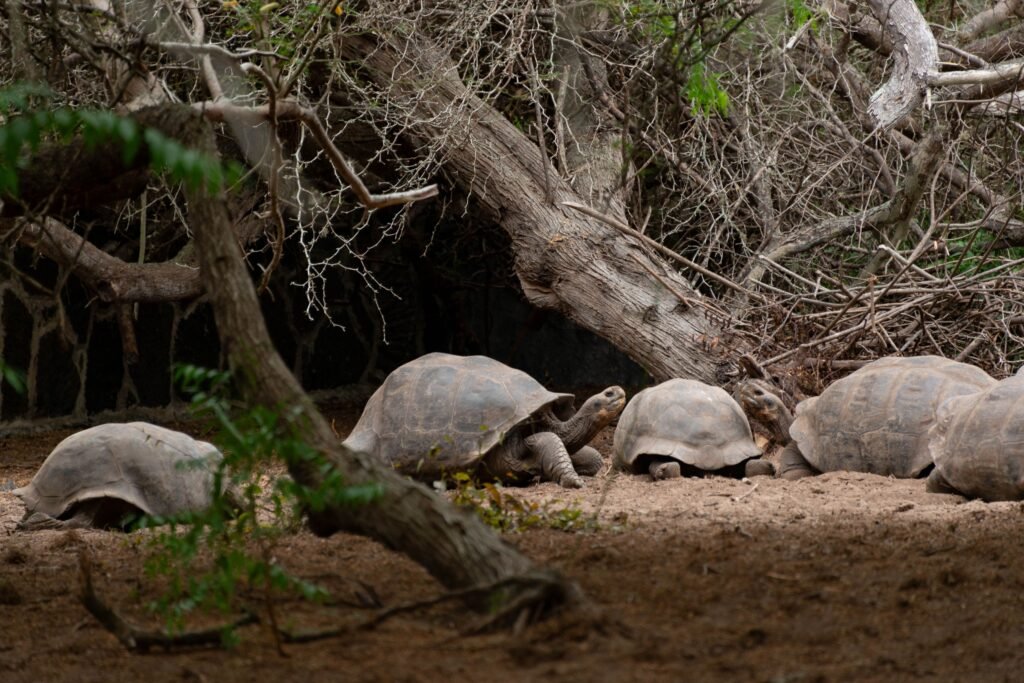
Travelling independently in a heavily protected UNESCO World Heritage site requires a different mindset.
Firstly, you must respect the zoning. Never attempt to wild camp on a beach or in an unmarked highland area. The penalties are severe, and the risk of introducing invasive species or disturbing nesting wildlife—such as marine iguanas or blue-footed boobies—is incredibly high.
Secondly, prepare for the microclimates. While the coastal towns of Puerto Villamil and Puerto Ayora are hot and dry, the highlands where these camps are located have their own weather systems. During the garúa season (June to November), the highlands are perpetually shrouded in a cool, damp mist. Ensure you pack high-quality waterproofing for your tent and warm layers for the evening so you can sleep well regardless of the altitude.
By choosing these eco-camps and highland fincas, you are directing your travel budget directly into the local community, bypassing the massive cruise conglomerates, and ensuring your footprint on the Galápagos remains as light as possible.
The Ecuadorian Amazon.
The most biodiverse place in the world
Leave the itineraries behind and sleep well
Read this far?
The Galápagos Islands do not have to be a spectator sport experienced from the deck of a rigid cruise ship or the confines of a strict group tour. By pitching a tent in the lush highlands of Isla Isabela or resting beneath the canvas of a Santa Cruz eco-camp, you strip away the barrier between yourself and one of the most remarkable ecosystems on the planet.
You are not just passing through; you are waking up to the garúa mist, sharing the morning quiet with giant tortoises, and exploring volcanic trails at your own pace. This is travel on your own terms. It demands a bit more logistical preparation and a profound respect for the strict conservation laws that keep these islands pristine, but the reward is total autonomy and a deep, unfiltered knowledge of your surroundings.
Pack your hardiest waterproof gear, adhere strictly to the Galápagos National Park Directorate boundaries, and take the time to truly absorb the landscape. When you travel independently, you do more than just view the wildlife. You sleep well, knowing you have experienced the islands exactly as they are — wild, untamed, and entirely on your own schedule.
Affiliate Disclaimer: Some of the links on Wheely Tyred are affiliate links. If you click through and make a booking or purchase, we may earn a small commission at no extra cost to you. We only recommend gear, tours, stays, and services we genuinely use, trust, and stand behind — our editorial independence always comes first. These commissions help keep our independent cycling guides and travel stories free to read. You can also buy me a coffee here — thanks for supporting the ride!
The Ecuadorian Coast.
Where you’ll find the very best food
Frequently asked questions about the best campsites on Isla Isabela, Galápagos
Absolutely not. Wild camping is strictly prohibited to protect fragile ecosystems and nesting wildlife. You must stick to designated eco-camps, working farms, or official Galápagos National Park Directorate (GNPD) sites.
You need to apply for a special permit from the GNPD offices in Puerto Villamil well in advance. Park rules also dictate that a certified local guide must accompany you for the duration of the trek.
Facilities vary dramatically. GNPD wilderness sites have zero facilities, meaning you must bring all water and gear, and pack all waste out. Eco-camps and fincas like Campo Duro offer clean communal bathrooms, hot showers, and covered wooden platforms to protect against the damp.
Bring high-quality waterproof gear for your tent and warm clothing for yourself. While the coastal towns like Puerto Villamil are hot and dry, the highland camps frequently experience the garúa, a cool, damp mist, especially from June to November.
Yes. Sites like Campo Duro on Isla Isabela and Galapagos Magic Tented Camp on Santa Cruz are located along natural migration corridors, meaning you can often observe giant tortoises slowly grazing just metres from your accommodation.
Choosing locally run fincas and eco-camps channels your travel budget directly into the local agricultural economy and community, rather than large cruise conglomerates, ensuring your environmental footprint remains light.
Ecuador.
Pure wonder on the equator.