Stepping off the grid / The best camps for independent spirits in the Galápagos
An insider’s guide to the best places to camp in Santa Cruz, Galápagos, for slow and independent travellers
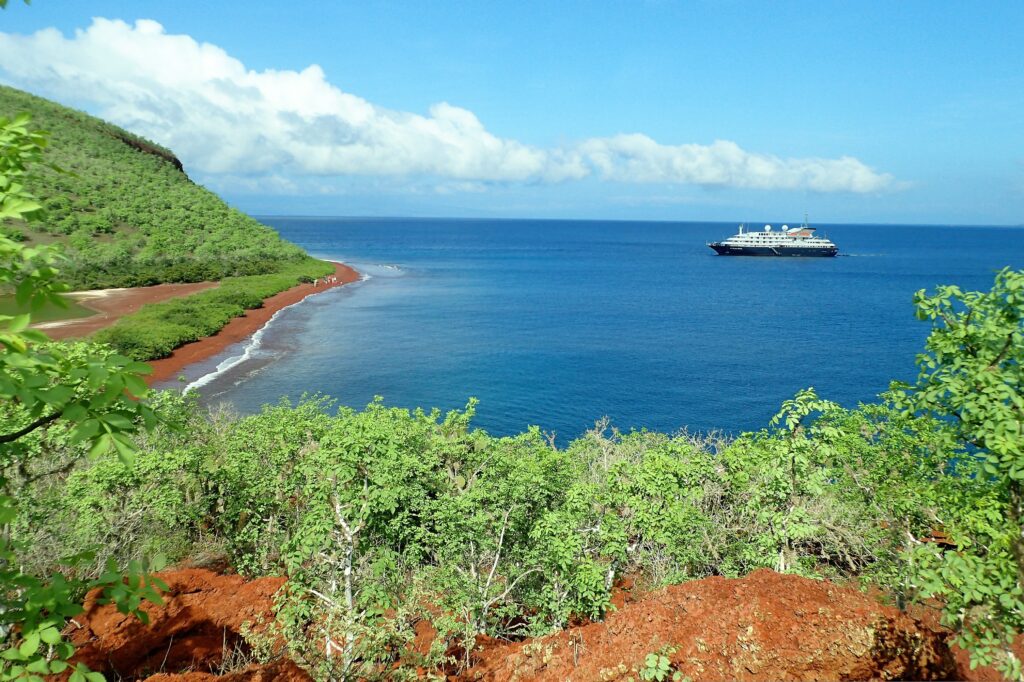
Trade the cruise ships for a canopy
BEN FINCH
The Galápagos Islands are frequently framed as a destination reserved exclusively for luxury cruise liners and rigid, highly regimented tour groups. For travellers who prefer to set their own pace, step away from the crowd, and absorb the deep rhythm of a destination, this can feel incredibly restrictive. If you are the type of person who refuses to chase a tour guide’s umbrella or be hurried back onto a multi-deck vessel before you have truly experienced a place, independent land-based exploration is the answer.
On Santa Cruz, the central hub of the archipelago, exploring independently allows you to engage with one of the most delicate ecosystems on Earth with genuine intimacy. However, accommodation here requires a shift in perspective. Due to the strict environmental regulations enforced by the Galápagos National Park to protect endemic flora and fauna, traditional, open-access commercial campsites do not exist.
Instead, outdoor accommodation on Santa Cruz splits into two distinct, fascinating models: tightly controlled, primitive wilderness sites managed by the National Park, and private, family-run highland eco-farms or estates offering low-impact tent spaces and sustainable glamping setups.
By choosing these alternative stays, you escape the concrete blocks of the main port and the tourist-heavy hotels. You get to fall asleep to the gentle rustle of Scalecia forests or the distant crash of Pacific waves, ensuring you sleep well after a long day of self-guided exploration.
Pitching in the Enchanted Isles / Core takeaways for camping on Santa Cruz
Exploring Santa Cruz on foot, by bike, or via local buses reveals a side of the Galápagos completely missed by the cruise ship crowds. This summary distills the essential regulations, wilderness spots, and eco-lodges needed to plan a seamless, self-guided outdoor stay.
- Strict Permit Protocols: Pitching a tent in National Park zones requires an official permit obtained up to fifteen days in advance, with stays strictly capped at two consecutive nights to protect the habitat
- Freestanding Tents Essential: The volcanic terrain makes driving traditional tent pegs into the ground impossible, meaning you must bring a freestanding shelter that can be anchored by lava stones or sandbags
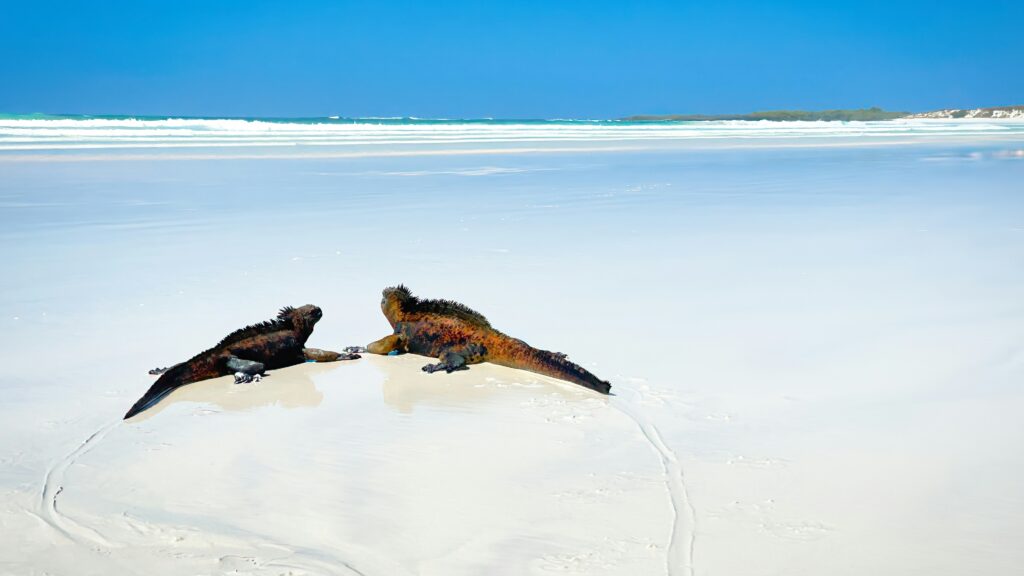
- Playa El Garrapatero: This remote, white-sand coastal site provides a completely unassisted wilderness experience where you sleep in proximity to marine iguanas and a flamingo-filled lagoon
- Highland Farm Immersions: Stays like Highland View offer a rustic glimpse into local agriculture, complete with private trails through lava tunnels and access to traditional home-cooked meals
- Tortoise Path Glamping: Low-impact spaces such as Galápagos Magic Camp and The Tortoise Dome Lodge place you directly inside the natural migratory corridors of free-roaming giant tortoises
- Microclimate Management: The highland interior is prone to a damp, cooling mist known as the garúa, requiring independent travellers to pack reliable wet-weather gear and sturdy walking shoes
- Affordable Transit Rhythms: Bypassing expensive private transfers is simple using the $1 public buses or the ubiquitous white pickup-truck taxis that service the rural communities of Bellavista and El Cascajo
The Galápagos.
Ecuador’s Enchanted Isles
Ground rules / How outdoor accommodation works in the Galápagos
Before packing your kit, it is vital to understand the logistics of staying outdoors in this protected province. For the designated National Park wilderness sites, wild camping on a whim is strictly illegal. You must apply for an official camping permit (Autorización de Campamento) directly from the Galápagos National Park directory at least two to fifteen days before your intended stay.
The fee is $10 per person, and stays are strictly limited to a maximum of two consecutive nights to minimise environmental impact. Furthermore, because the ground is often composed of unyielding volcanic rock, standard tent pegs are useless; a freestanding tent anchored by smooth lava stones or sandbags is an absolute necessity.
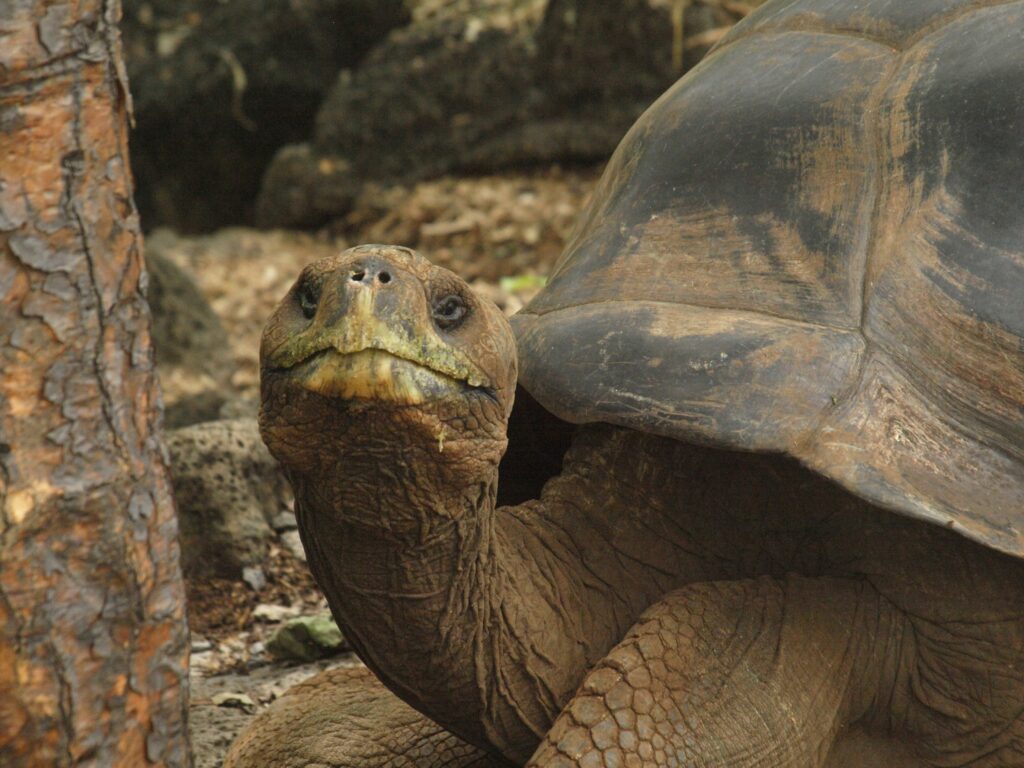
For those who want a blend of outdoor immersion and simple creature comforts, the private eco-farms and glamping sites in the Santa Cruz highlands provide an excellent alternative. These spaces do not require complex park permits, offer a direct look into local agricultural life, and put you face-to-face with free-roaming giant tortoises.
Here are five standout, highly reviewed places to stay within and just beyond the rural boundaries of Santa Cruz that offer genuine character, excellent facilities, and absolute independence.
1. Playa El Garrapatero
The ultimate coastal wilderness experience
Located approximately 19 kilometres north-east of the main town of Puerto Ayora, Playa El Garrapatero is one of the very few coastal spots where the National Park permits overnight camping. Reached via a scenic drive through the highland villages of Bellavista and El Cascajo, followed by a brief one-kilometre walk through an arid zone forest of Palo Santo trees, this white-sand beach is entirely divorced from modern development.
- The Experience: When the day-trippers head back to town in the late afternoon, campers have this 1,500-metre stretch of pristine coastline completely to themselves. The beach sits adjacent to a brackish lagoon where pink flamingos and white-cheeked pintail ducks feed. Sleeping here means sharing the shoreline with marine iguanas and waking up to the calls of Darwin’s finches
- Facilities: Highly primitive. There are basic dry pit toilets and designated barbecue areas, but absolutely no running water, electricity, or waste collection. You must carry in every drop of your own fresh water, food, and cooking supplies, and carry out all your rubbish
- Authenticity Factor: This is raw, self-sufficient wild camping. It requires meticulous planning, but it rewards you with an unfiltered connection to the natural world that no hotel can match
The Ecuadorian Sierra.
Get lost in the hills
2. Highland View Galápagos
A rustic rural farmstead in the foothills
For an authentic look into the agricultural heritage of the islands, Highland View Galápagos offers a dedicated camping area on a working eco-farm in the misty highland zone of El Cascajo. Known informally among locals as the home of the giant magic swings, this family-run estate sits in a lush, humid transition forest, offering a cool contrast to the arid heat of the coast.
- The Experience: Independent travellers can pitch their own tents under a sprawling canopy of native trees, well away from the coastal humidity. The property is packed with self-guided exploration opportunities, featuring trails that wind through rainforest vegetation, an authentic timber sugarcane press (trapiche), a deep volcanic crater, and a naturally formed lava tunnel just steps from the camping zone
- Facilities: Unlike the primitive park sites, Highland View provides a comfortable middle ground. Campers have access to proper bathrooms, running water, showers, and a farm-to-table restaurant serving traditional Ecuadorian highland dishes made with ingredients grown directly on the property. Tents, mats, and sleeping bags can also be rented on-site if you are travelling light
- Authenticity Factor: Managed by the welcoming Loyola family, a stay here offers deep cultural relevance and historical context, including a quirky on-site house of bones museum filled with local artefacts and historical relics
3. Galápagos Magic Camp
Low-impact glamping in tortoise territory
Perched on a hillside northwest of Puerto Ayora, Galápagos Magic Camp bridges the gap between rugged outdoor living and sustainable comfort. This mid-range glamping site offers sweeping views across the south-west corner of Santa Cruz Island down to the Pacific Ocean, making it an idyllic spot for evening stargazing.
- The Experience: The standout feature of Magic Camp is its resident wildlife. The grassy meadow where the camp is situated serves as a natural migratory corridor for wild giant tortoises. It is entirely common to wake up, step out of your canvas door, and find a century-old tortoise grazing quietly on the grass right in front of you
- Facilities: Accommodation consists of six spacious canvas cabanas erected on raised wooden decking, each featuring private en-suite bathrooms with hot water showers. For those looking for something even more unique, the property includes basic treehouses built into the canopy. Meals are served in a truly spectacular, low-lit restaurant built entirely inside a natural underground lava cave on the estate
- Authenticity Factor: While it leans towards glamping, the camp avoids the detached feel of corporate luxury. The focus remains heavily on the natural environment, local reforestation efforts, and unhurried evenings spent sharing stories around an open campfire
The Ecuadorian Amazon.
The most biodiverse place in the world
4. The Tortoise Dome Lodge
Independent geodesic living in Bellavista
Situated in the quiet rural community of Bellavista, just a short distance from the boundary of the national park, The Tortoise Dome Lodge provides a distinct, modern approach to independent outdoor lodging. It is an exceptional base for travellers who want complete autonomy over their schedule while staying immersed in nature.
- The Experience: Guests stay in private, self-contained geodesic domes that blend seamlessly into the surrounding native forest and organic fruit orchards. The layout allows for complete privacy, with personal terraces and outdoor campfire spaces designed for long, quiet evenings under the stars. Giant tortoises roam the grounds freely, and a private lava tunnel sits just 20 metres from the accommodation
- Facilities: The domes are exceptionally well-equipped for independent travellers, featuring private bathrooms with hot water, a dedicated workspace, and fully equipped kitchenettes with a fridge and stovetop. This self-catering capability is a massive plus for independent spirits who prefer to source local ingredients and cook on their own time. Additional amenities include bicycle parking and a small coffee shop
- Authenticity Factor: Run by a licensed local nature guide, a stay here includes an informative, deeply knowledgeable tour of the ranch’s flora and fauna, ensuring you gain a profound understanding of the local habitat
5. Galápagos Safari Camp
Elevated canvas luxury on the national park border
For travellers who want to experience the absolute pinnacle of low-impact canvas accommodation, Galápagos Safari Camp sits elegantly on a 55-hectare farm along a highland ridge bordering the National Park. Inspired by the classic, lightweight footprint of African safari camps, this family-owned property is a masterclass in eco-conscious luxury.
- The Experience: The camp features nine luxury tents nestled into the hillside below a central timber lodge. The tents are built on elevated wooden platforms and protected by three distinct layers of canvas to handle the highland mist and sun. Large private balconies complete with hammocks offer expansive, panoramic views over the Pacific Ocean and the distant northern islands of Baltra, Santiago, and Isabela
- Facilities: Each tent features plush bedding, local Ecuadorian rugs, and beautifully designed private bathrooms with high-pressure hot showers and flush toilets. The main lodge offers a panoramic veranda, a cosy open fireplace, and an infinity pool that blends into the forest line. The kitchen focuses heavily on reimagined regional recipes using ingredients sourced directly from the estate or nearby farms
- Authenticity Factor: Despite the premium comfort, the camp remains intensely focused on conservation, active reforestation of native tree species, and providing a quiet, restorative sanctuary far removed from the urban noise of Puerto Ayora
The Ecuadorian Coast.
Where you’ll find the very best food
Practical tips for the independent Galápagos traveller
Navigating Santa Cruz without a tour operator is remarkably straightforward if you know the local transit rhythms. To reach the highland sites in Bellavista, El Cascajo, or the park borders, you can utilise the local public buses that depart from the main gates of Puerto Ayora at fixed intervals for a nominal fee of around $1. Alternatively, white pickup-truck taxis are abundant and can be hailed across the island for a flat, regulated rate depending on the distance.
When staying in the highlands, always pack a lightweight rain jacket and sturdy, closed-toe walking shoes. The weather here can change rapidly from bright sunshine to a damp, cooling mist known locally as the garúa.
Most importantly, remember that you are a guest in a highly sensitive wildlife sanctuary. Always maintain a respectful distance from the giant tortoises, never use a camera flash when photographing them, and stick strictly to marked trails to prevent the degradation of native flora.
By bypassing the generic hotel strips and choosing to sleep close to the earth — whether in a primitive beach tent or an eco-dome in the forest — you ensure that your journey through the Galápagos is completely unique, deeply educational, and entirely yours.
Frequently asked questions about the best places to camp in Santa Cruz
You must apply for an official camping permit (Autorización de Campamento) directly at the Galápagos National Park directory in Puerto Ayora between two and fifteen days before your intended stay. The fee is $10 per person, and it guarantees you access to protected wilderness zones like Playa El Garrapatero.
Independent travellers can easily use the local public buses that depart regularly from the main gates of Puerto Ayora for around $1. For more remote farm locations, the island’s regulated white pickup-truck taxis are widely available and operate on flat, distance-based rates.
While specialised outdoor gear shops are rare in town, certain private eco-farms like Highland View Galápagos offer on-site rentals for tents, sleeping mats, and bags. However, if you plan to camp at primitive park sites, you should bring your own self-sufficient kit to the island.
Unlike the dry, hot coast, the Santa Cruz highlands experience a unique microclimate dominated by the garúa—a dense, cooling mist that occurs primarily between June and December. A lightweight waterproof jacket and sturdy, closed-toe shoes are essential for navigating these damp environments.
The regulations dictate a strict leave-no-trace policy. At primitive sites, there is no waste disposal, meaning every piece of rubbish must be packed out. You must also maintain a respectful distance from all wildlife, avoid using camera flashes, and stick strictly to designated paths to prevent the degradation of native flora.
Yes. While primitive beach sites require you to pack in all food and cooking gear, independent glamping options like The Tortoise Dome Lodge feature fully equipped kitchenettes. This allows self-catering travellers to buy fresh ingredients in local villages and prepare meals on their own schedule.
Ecuador.
Pure wonder on the equator.