Navigating the Andean slopes / A complete guide to travel safety in Alausí
Comprehensive Alausí, Ecuador, travel safety tips for travellers
High-altitude wonder meets down-to-earth caution along the rails of Chimborazo
BEN FINCH
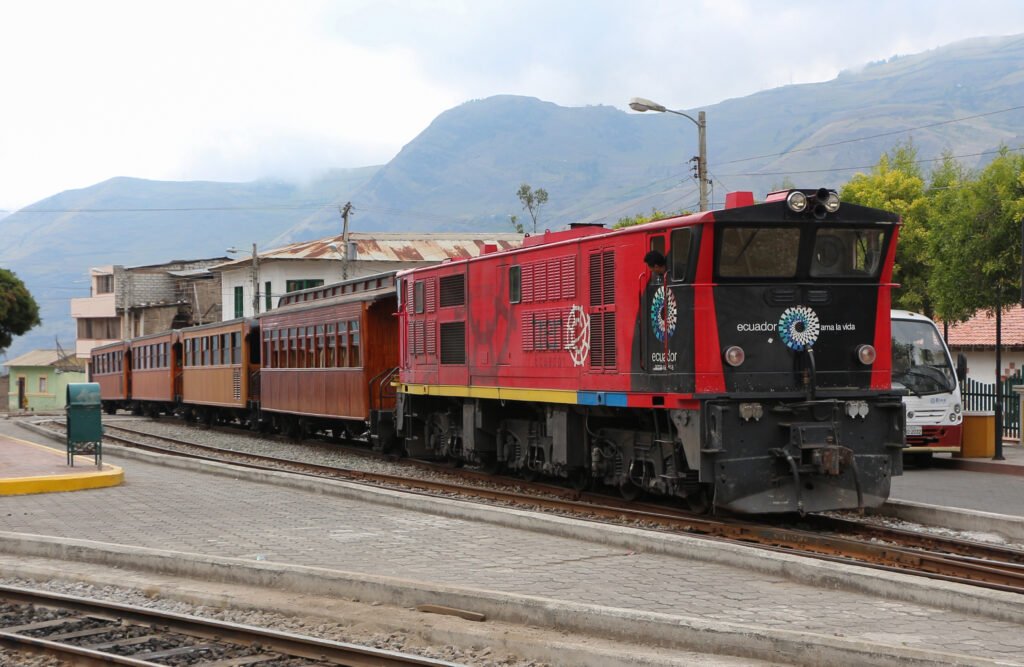
Tucked away in a dramatic valley within the Chimborazo province, the historic town of Alausí stands as a monument to human engineering and Andean beauty. Sitting at an altitude of roughly 2,340 metres above sea level, this traditional settlement has captured the imagination of global adventurers for over a century. The recent restoration of the legendary Nariz del Diablo, or Devil’s Nose, railway has solidified its position on the international map, even earning a spot on the prestigious list of the World’s Greatest Places.
Yet, as global interest in this highland enclave surges, understanding the local security and environmental landscape remains paramount. At Wheely Tyred, the core belief is that the best adventures are the ones where you travel safely. Whether arriving with a touring bicycle packed for rugged mountain passes or stepping off a long-distance bus to witness the engineering marvels of the Trans-Andean Railroad, here is everything required to navigate Alausí with confidence, clarity, and peace of mind.
The ridge-lines and iron rails of Alausí
Perched high in the jagged valleys of the Chimborazo province, Alausí represents the rugged spirit of independent Andean travel. This structured summary distils the essential safety, terrain, and cultural insights required to navigate its iconic slopes securely.
- Regional Security Distinctions: While parts of coastal Ecuador experience heightened security challenges, the rural Andean highlands—including Alausí—remain isolated from major unrest and are highly secure for international visitors practising standard situational awareness
- Active Terrain Vulnerabilities: The steep topography is highly susceptible to landslides during intense rainfall, as demonstrated by the tragic 2023 event in the El Causal sector, making real-time route checks via official channels an absolute priority
- Demanding Cycling Infrastructure: Cyclists face relentless altitude gains and variable road surfaces, from historic urban cobblestones to loose gravel mountain paths, requiring top-tier braking systems and thorough physical acclimatisation
- Defensive Road Strategy: The narrow, winding shoulders of the Pan-American Highway demand hyper-vigilant riding habits, high-visibility clothing, and a strict rule against cycling after dark due to fast-moving commercial traffic
- Supportive Local Shelter: Independent travellers caught between mountain passes can look to the community for support; the local fire stations (Cuerpo de Bomberos) are widely known for offering safe haven to long-distance cyclists
- Cultural Boundaries: Alausí is a conservative Andean community where solo female travellers and minority groups are welcomed, provided they respect local norms by dressing modestly and seeking explicit permission before photographing indigenous community members
- Modernised Rail Safety: The legendary Nariz del Diablo (Devil’s Nose) heritage railway operates under strict modern safety protocols, swapping out the historic but hazardous roof-riding practices for secure, beautifully restored wooden carriages
The Ecuadorian Sierra.
Get lost in the hills
Understanding the broader security context in Ecuador
When planning a journey through the Ecuadorian Sierra, it is vital to separate sensationalist headlines from the day-to-day reality on the ground. It is true that Ecuador has navigated a complex security landscape recently, with the national government utilising tools like states of emergency and localised curfews to combat gang-related activities along major transnational drug routes. These geopolitical tensions have led many international bodies to issue heightened travel advisories for the country as a whole.
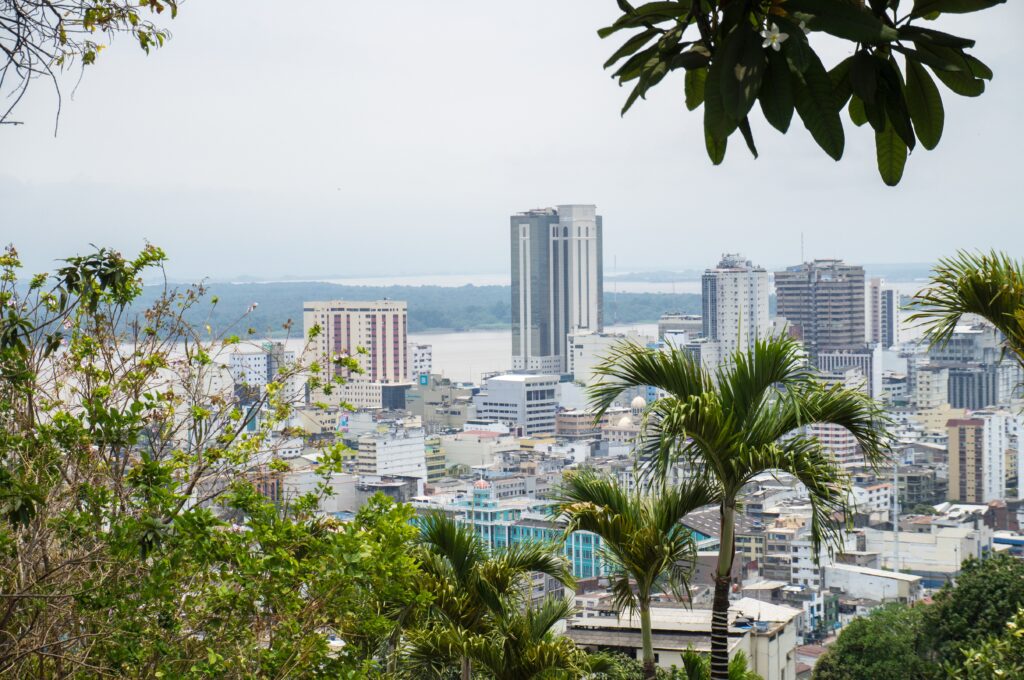
However, the geographic distribution of these security concerns is highly uneven. The vast majority of violent crime and organised unrest is concentrated within the coastal lowlands, particularly around major port cities such as Guayaquil and specific border sectors near Colombia. In sharp contrast, the rural Andean highlands, including the Chimborazo province and the town of Alausí, remain relatively isolated from this type of conflict.
Low population densities, a close-knit community fabric, and a visible protective presence from local authorities mean that daily life and tourism in Alausí continue to thrive peacefully. Travellers are highly unlikely to encounter any organised security threats here, provided they practice fundamental situational awareness.
Environmental awareness and the memory of 2023
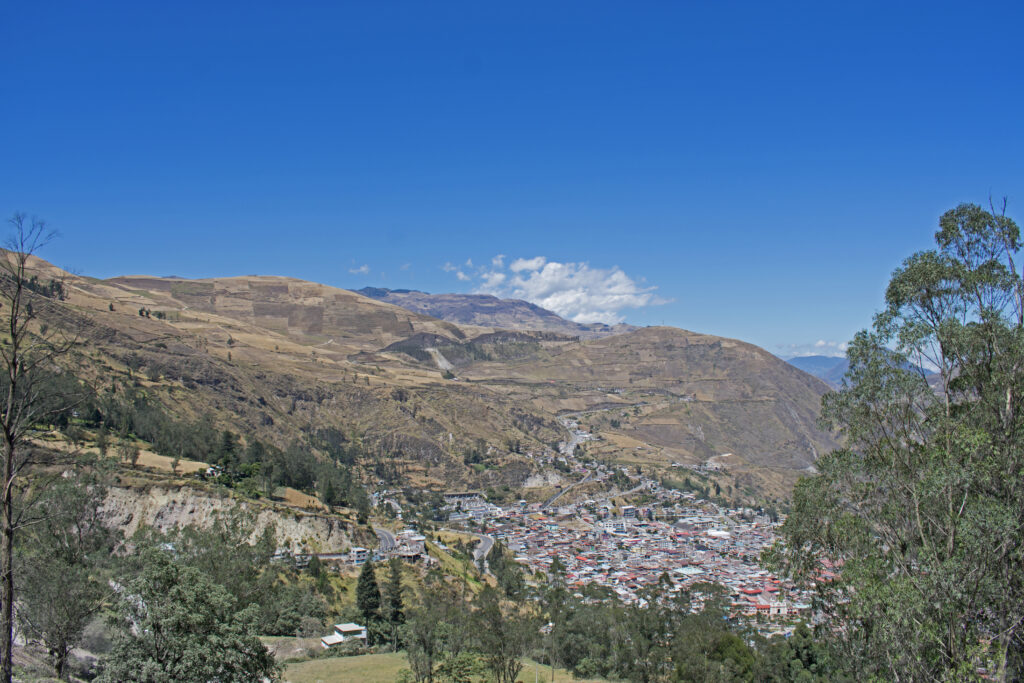
While the threat of violent crime is low, the physical landscape of Alausí introduces a completely different set of safety considerations. The town is built upon steep Andean plateaus, surrounded by narrow, towering mountains that are beautiful but inherently unstable during periods of intense weather. This reality was tragically illustrated in March 2023, when a massive landslide occurred in the El Causal sector of Alausí, burying a substantial portion of the local infrastructure and taking a severe toll on the community.
The geography of the area means that land stability, road saturation, and mudslides remain active concerns, especially during the heavy rainy seasons. For anyone planning a route through this region, checking real-time environmental conditions is the single most important safety step. Before setting out, consult official channels such as the ECU 911 emergency service dashboard and the Secretaría de Gestión de Riesgos.
If heavy rains have persisted for several days, consider delaying transit through mountain passes, as mudslides can wash out sections of the highway with little warning. Staying informed through official local media guarantees that you never find yourself cornered by unpredictable mountain terrain.
The Galápagos.
Ecuador’s Enchanted Isles
On two wheels / Cycling safety and mountain infrastructure
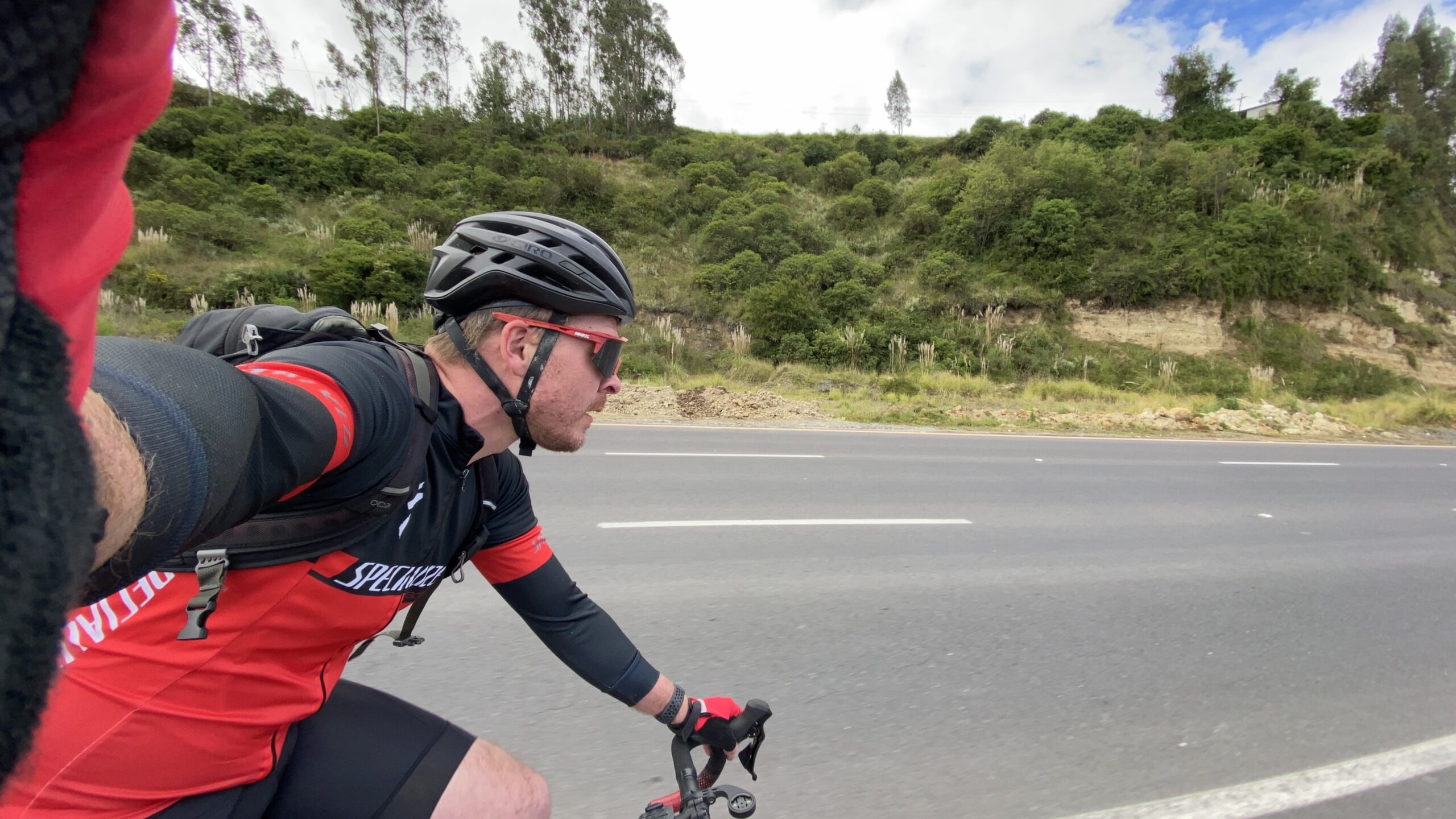
Ecuador is a dream destination for cyclists seeking dramatic altitude gains, breathtaking high moorlands, and deep cultural immersion, but it is also an exceptionally demanding environment. Cycling in Alausí requires a blend of physical preparation and defensive riding habits. The climbs entering and exiting the valley are unforgivingly steep, and the high altitude can rapidly deplete your stamina if you have not properly acclimatised in nearby cities like Riobamba or Cuenca.
Road conditions around Alausí vary significantly. While the main arteries are generally paved, you will frequently encounter historic cobblestone streets within the town centre and loose gravel on secondary mountain paths. Ensure that your bicycle is equipped with high-traction, puncture-resistant tyres and that your braking systems are fully checked before tackling long descents.
Traffic safety is another critical variable. The Pan-American Highway, which connects Alausí to the rest of the country, features narrow shoulders and tight switchbacks. Heavy commercial vehicles, long-distance buses, and local drivers often navigate these curves at speed and may pass unexpectedly on blind bends.
For your own safety, absolutely avoid cycling after dark when visibility plummets and road hazards become invisible. Always use powerful front and rear lights, and be prepared to cede the right of way to larger vehicles. If you plan to camp along your route, utilise established locations or seek permission from local landowners; alternatively, the local fire stations, known as the Cuerpo de Bomberos, are famously hospitable and frequently offer safe shelter to passing cyclists.
Solo travellers, women, and minorities in Alausí
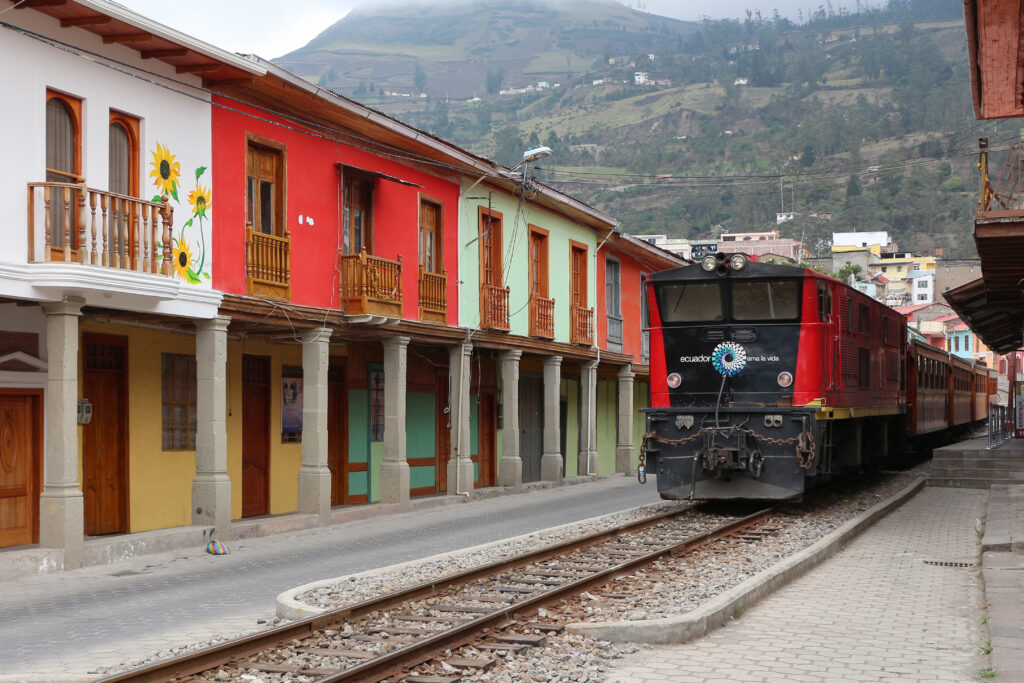
Alausí is fundamentally a welcoming, conservative Andean community where family structures and traditional indigenous cultures shape daily interactions. For solo travellers, women, and minority groups, the town presents a secure environment, though navigating it smoothly relies on understanding local cultural norms.
Solo female travellers generally experience a respectful reception here compared to larger urban centres, but traditional male-dominated gender norms persist in rural Ecuador. Verbal harassment or unwanted attention can occasionally occur in public spaces or around busy transport hubs. The most effective approach is to maintain firm personal boundaries and clear communication. Sticking to well-lit, populated commercial zones after dark and avoiding isolated hiking paths when alone are standard, smart precautions.
For all travellers, showing respect for the local indigenous communities—such as those in nearby Tolte or Nizag—goes a long way. Always ask for permission before taking photographs of individuals or community property. By dressing modestly and matching the polite, soft-spoken demeanour of the locals, visitors will find that the community is deeply protective of the guests who choose to visit their home.
The Ecuadorian Amazon.
The most biodiverse place in the world
Protecting valuables and preempting petty crime
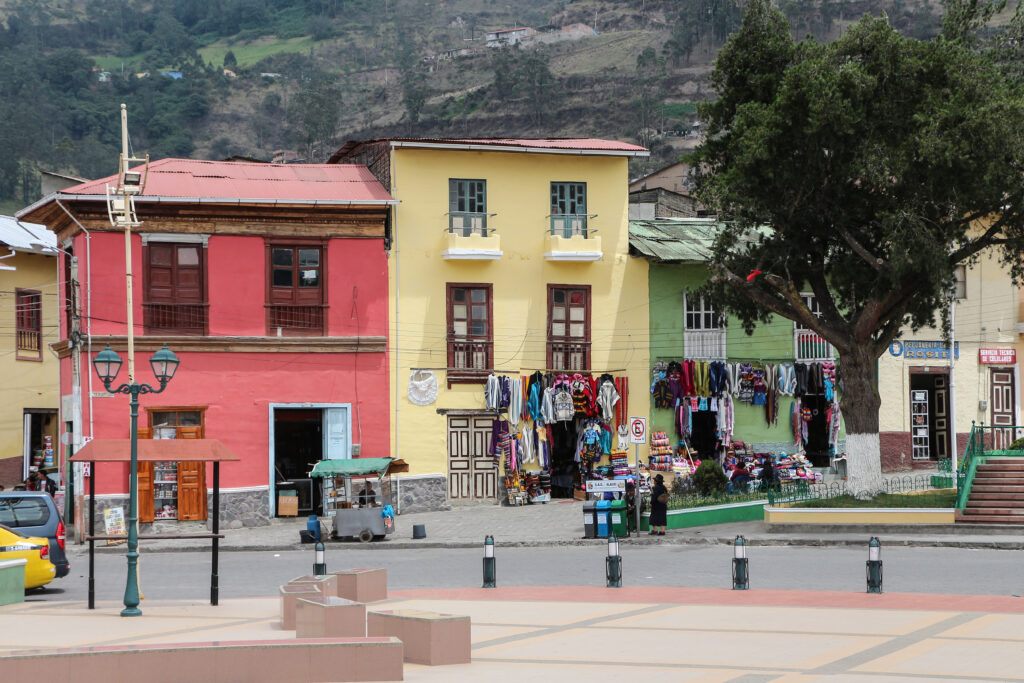
While violent crime targeting tourists in Alausí is almost unheard of, opportunistic petty theft can happen anywhere crowds gather. The primary areas where you must stay vigilant are bus terminals, busy market streets, and during transit on public transportation.
Pickpockets and bag snatchers often rely on classic distraction techniques. When travelling by bus, never store your most valuable items, electronics, or travel documents in the overhead luggage racks or on the floor beneath your seat. Keep your daypack on your lap where it can be constantly monitored.
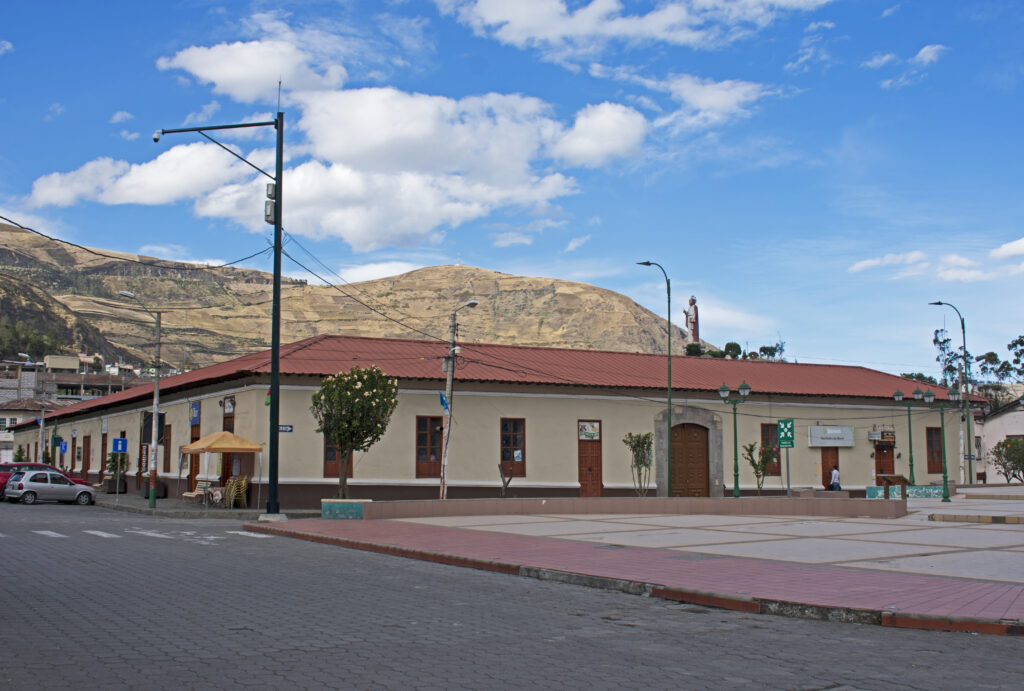
When exploring the town centre or visiting viewpoints like the majestic San Pedro monument, avoid flaunting expensive jewellery, high-end cameras, or large amounts of cash. Use a secure crossbody bag or an internal money belt for your essentials. When using automated teller machines, always select an ATM located inside a bank during daylight hours, and verify that no one is observing your transaction.
The reimagined Devil’s Nose Train / Safety on the rails
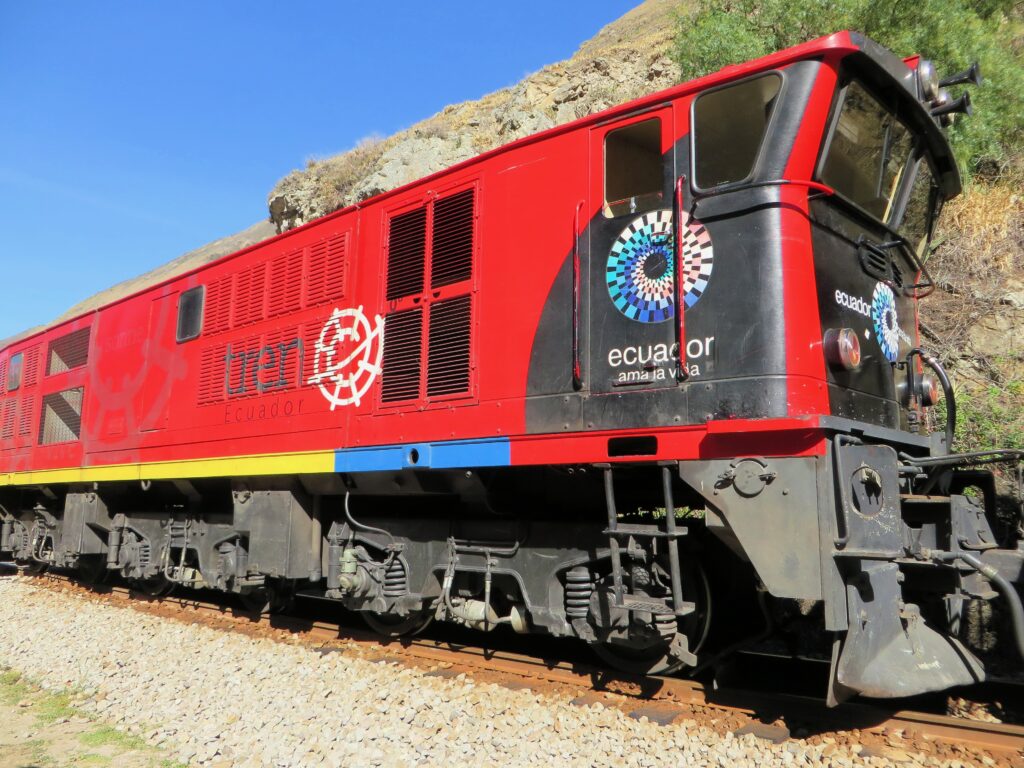
No guide to Alausí would be complete without mentioning the Nariz del Diablo railway. After a prolonged period of dormancy, the iconic zigzagging train route has returned as a meticulously restored heritage experience. For decades, a major draw for thrill-seekers was the ability to ride on the roof of the train cars as they descended the sheer cliff faces to Sibambe station.
While that practice provided a classic travel photo, it carried undeniable risks. Today, modern safety regulations have completely transformed the journey. Passengers are now securely seated inside beautifully restored, historic wooden carriages. This shift prioritises passenger safety without compromising the exhilarating views of the mountain switchbacks. When booking your excursion, ensure you secure tickets through verified operators, follow the instructions of the onboard bilingual guides, and wear sturdy footwear for the cultural excursions and walking paths at the base of the mountain.
The Ecuadorian Coast.
Where you’ll find the very best food
Frequently asked questions about safety in Alausí
No. Cycling after dark should be completely avoided. The narrow mountain corridors, tight switchbacks, and total lack of road lighting combine with fast-moving commercial buses to create highly hazardous conditions for anyone on two wheels.
Because the steep terrain remains vulnerable to mudslides and soil saturation during the rainy season, you should always consult the live emergency dashboards of ECU 911 and the Secretaría de Gestión de Riesgos before setting out.
No. Modern transport regulations have completely phased out roof-riding to protect passengers from the obvious physical dangers of the sheer cliff descents. All travellers are now seated safely inside the train carriages.
Petty opportunistic theft can occur at busy transit hubs. To protect your gear, never place your daypack or valuables in the overhead luggage racks or on the floor beneath your feet; always keep your primary luggage on your lap where it is fully visible.
The traditional communities surrounding Alausí are deeply protective of their heritage. Travellers should maintain a polite, quiet demeanour, dress modestly, and always ask for clear, verbal permission before taking any photographs of local residents or their property.
Ecuador.
Pure wonder on the equator.