High-altitude flavour / Where to eat and drink in Papallacta
The definitive independent guide to the best restaurants and local eateries in Papallacta, Ecuador

Cold mountain air, steaming thermal pools, and fresh páramo trout cooked over open flame
BEN FINCH
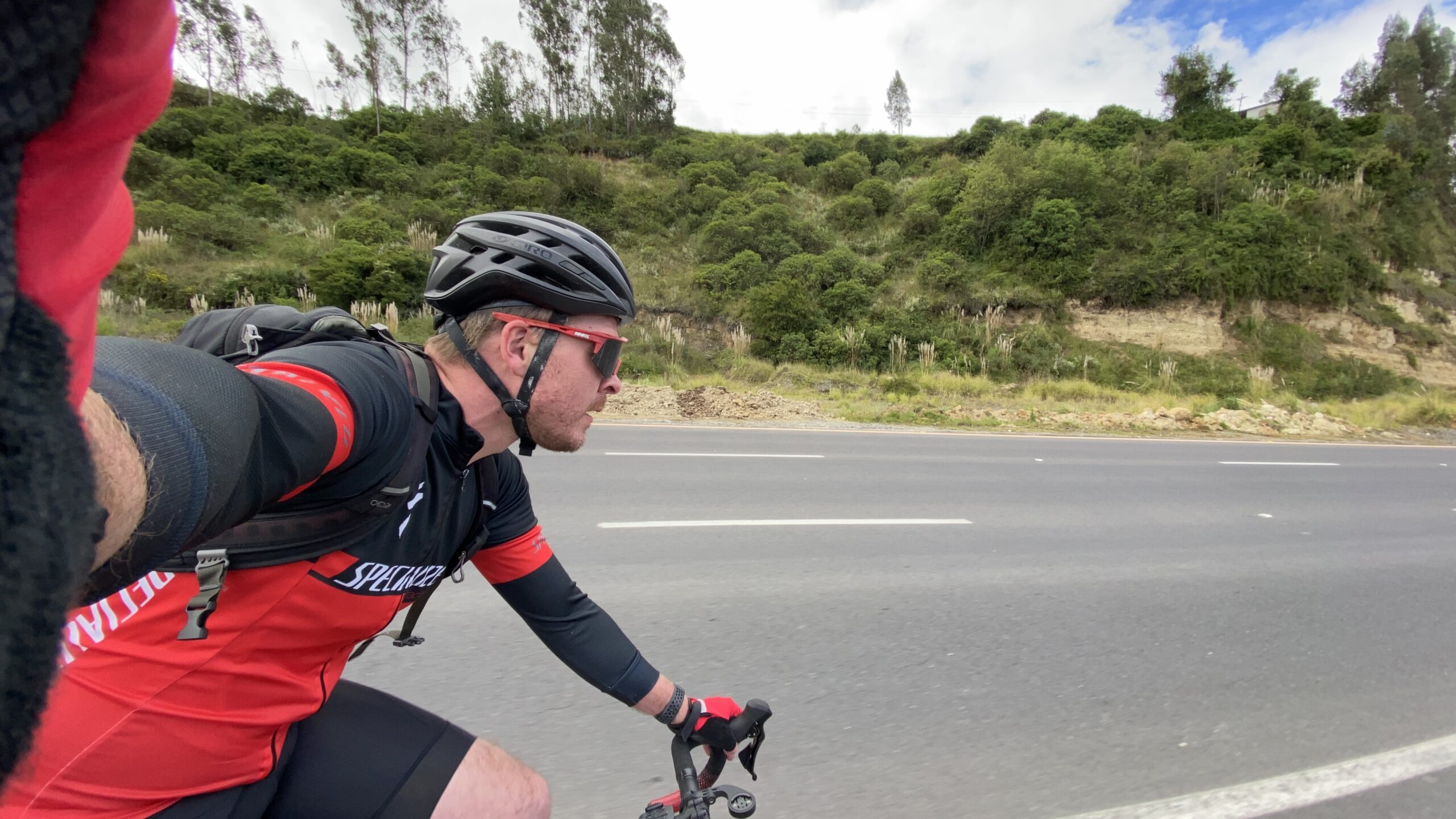
Perched at 3,300 metres above sea level in Napo Province, Papallacta sits precariously on the high ridge where the frigid winds of the Andean páramo begin their long descent into the Amazon basin. Most visitors arrive here with one purpose: to soak in the mineral-rich thermal springs that bubble up from the underlying volcanic bed. Yet after an hour floating in geothermal water or navigating the cold high-altitude mountain passes by bus or bicycle, appetite takes over.
Eating well in Papallacta requires stepping outside the immediate resort enclosures. While the bath complexes cater to day-trippers with standard international menus, the surrounding village and mountain bypass host dedicated cooks working with the region’s finest asset: crystal-clear glacial water.
This pristine environment makes Papallacta the trout capital of the northern Andes. Here, trucha is served within hours of being pulled from mountain streams, accompanied by rich potato stews, toasted corn (cancha), and fiery ají salsas.
For independent travellers who value regional depth, proper flavour, and authentic local hospitality, these six food and drink establishments represent the finest dining in Papallacta.
Highland harvest / Papallacta at a glance
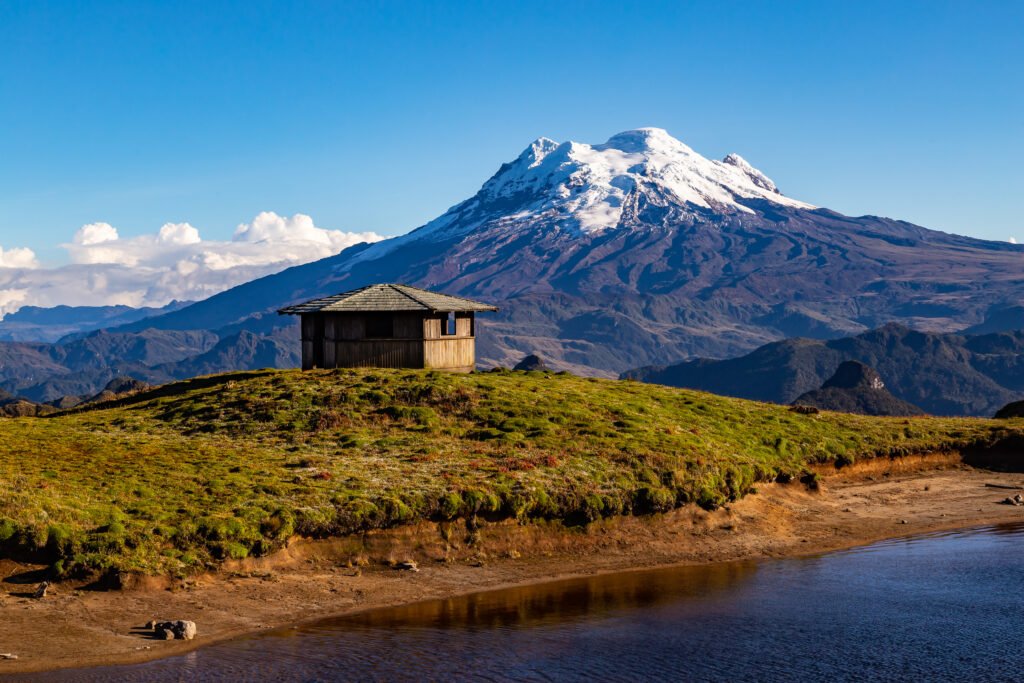
High up in the Andean páramo, dining is defined by glacial waters, fire-roasted meats, and unpretentious mountain hospitality. Here are the core takeaways for independent travellers looking to fuel their journey in Papallacta.
- Allpamanta Restaurante: Refined regional Andean dining specialising in pan-seared and herb-crusted cold-water trout served in a warm, timber-lined room
- Sierra Virgen: A countryside trout farm where diners can catch their own meal or order ultra-fresh trucha served right alongside rushing mountain streams
- El Leñador: Wood-fired mountain cooking anchored by slow-braised pork fritada, hearty steaks, and steaming cups of spiced canelazo
- Restaurant El Refugio: A classic highland eatery serving generous set lunches, rich locro de papa potato soup, and straightforward grilled trout
- NAHOMY: Excellent high-altitude, stone-baked pizzas with crisp crusts and local highland cheese toppings, located steps from the hot springs
- Sunfo Restaurante & Bar: An alpine lounge offering wild-harvested páramo herb teas, Ecuadorian craft beers, and slow-cooked mountain stews
- High-Altitude Dining Logistics: Plan heavy meals for lunchtime to assist high-altitude digestion, and carry small US dollar cash notes for local family-run spots
Papallacta.
The cloud forest’s volcanic thermal spa
1. Allpamanta Restaurante
- Must-try: Trucha al Ajillo (garlic trout) served with warm potato cakes (llapingachos) and traditional Andean corn soup
- Atmosphere: Cosy, rustic, and impeccably clean with timber finishes
- Price point: Budget to Mid-range ($5–$12)
For those who believe high-altitude dining should be executed with precision and care, Allpamanta Restaurante is the undisputed standout in Papallacta. Situated just off the main approach road, this family-run restaurant has built an exceptional reputation among domestic road-trippers and observant international travellers alike.
The kitchen specialises in regional Andean cuisine, elevated through careful preparation and beautiful presentation. Trout is naturally the hero ingredient here, sourced directly from local cold-water hatcheries.
Rather than simply deep-frying the fish, Allpamanta offers nuanced variations: pan-seared with crisp skin, smothered in a delicate garlic and mountain-herb cream sauce, or grilled simply over high heat to preserve the delicate sweetness of the flesh. Each main course arrives alongside golden roasted potatoes, fresh vegetable salads, and house-made sauces.
The atmosphere is warm and welcoming—a vital quality when the high mountain mist sets in during the late afternoon. Service is attentive without being intrusive, and prices remain exceptionally reasonable given the quality on the plate.
2. Restaurant y Pesca Deportiva Sierra Virgen
- Must-try: Trucha Frita Traditional (whole fried trout) with garlic-seasoned patacones
- Atmosphere: Open-air rural dining surrounded by trout ponds and mountain views
- Price point: Budget ($6–$10)
Located slightly further out along the scenic valley road, Sierra Virgen offers a true farm-to-table experience rooted in rural mountain traditions. Part active trout farm and part country restaurant, this venue sits alongside rushing mountain streams supplied by the surrounding protected watersheds.
The dining concept here revolves around absolute freshness. Diners sit overlooking the stone-lined trout ponds framed by towering mountain peaks and native Polylepis forests. If you choose, you can catch your own fish before handing it over to the kitchen, though most guests simply leave the selection to the experienced staff.
Within minutes, your fish is pan-fried or grilled to order. The skin is blistered and crisp, while the pale pink meat remains moist and flaky. Served simply with lemon wedges, hot rice, and thick-cut fries or fried plantains (patacones), it is an unpretentious meal that relies entirely on the quality of the raw ingredient.
For travellers traversing the country under their own steam, a long lunch here provides crucial nourishment and an authentic glimpse into local agriculture.
The Ecuadorian Sierra.
Get lost in the hills
3. El Leñador
- Must-try: Fritada de Cerdo accompanied by a hot mug of canelazo (a warm, spiced Andean drink made with cinnamon, naranjilla juice, and sugarcane spirit)
- Atmosphere: Rustic mountain cabin with wood panelling and an open-fire hearth
- Price point: Budget ($5–$11)
Positioned strategically near the upper path leading toward the thermal baths, El Leñador (The Woodcutter) is built around a roaring open hearth. When the páramo air brings damp chill to your bones, the scent of burning Eucalyptus and oak smoke drawing from El Leñador’s chimney acts as an irresistible beacon.
While trout remains available, El Leñador excels in hearty, wood-fired meat dishes designed for serious energy replenishment. Their fritada—tender chunks of pork braised in spiced water until dry, then browned in their own rendered fat—is among the best in the province. The meat arrives tender on the inside with caramelised edges, accompanied by boiled hominy (mote), sweet fried plantain, and rich potato cakes.
They also serve a robust churrasco (thinly pounded grilled steak topped with a fried egg, served over rice and avocado), providing substantial fuel for anyone who spent the morning trekking or cycling over high mountain passes.
4. Restaurant El Refugio
- Must-try: Locro de Papa followed by Trucha a la Plancha (grilled trout)
- Atmosphere: Simple, unpretentious local dining hall
- Price point: Budget ($4–$8)
Unassuming from the outside, Restaurant El Refugio is a quintessential highland eatery that has fed independent wanderers and local transport drivers for years. Located within easy walking distance of the central village cluster, it avoids the inflated prices of the luxury resort restaurants while delivering generous, soul-warming food.
The operational focus at El Refugio is on traditional multi-course set meals (almuerzos and meriendas) alongside an extensive à la carte list of local specialities. Every meal starts with a steaming bowl of soup—often locro de papa (a thick potato soup laced with annatto, melt-in-the-mouth cheese, and sliced avocado) or caldo de gallina (rich country chicken broth loaded with root vegetables).
For the main course, their grilled trout in mushroom sauce (trucha en salsa de champiñones) offers a rich, earthy twist on the regional staple. The staff operate with quiet, efficient mountain hospitality, ensuring travellers are well taken care of before heading back into the cold.
The Galápagos.
Ecuador’s Enchanted Isles
5. NAHOMY / Pizzeria / Restaurante
- Must-try: House special stone-baked pizza loaded with fresh local vegetables and extra melted highland cheese
- Atmosphere: Casual, relaxed, and welcoming
- Price point: Budget to Mid-range ($6–$14)
Located roughly 100 metres from the entry gates to the main hot springs complex, NAHOMY provides a welcome culinary alternative when you want something outside the traditional Ecuadorian staple plate. While many mountain pizza joints rely on basic oven toaster setups, NAHOMY takes pride in crafting handmade doughs baked at high temperatures.
The crusts here achieve a crisp exterior with a soft, chewy interior—no small feat at an altitude exceeding 3,000 metres, where water boils at lower temperatures and yeast dough behaves unpredictably. Toppings range from classic marinara and pepperoni to regional creations featuring local herbs, Andean cheeses, and thinly sliced grilled vegetables.
In addition to pizzas, NAHOMY retains a full kitchen offering traditional trout preparations and warm pasta bowls, making it an ideal compromise spot for groups with varied cravings after a long afternoon in the thermal pools.
6. Sunfo Restaurante & Bar
- Must-try: A cup of hot wild-harvested Sunfo tea followed by an artisan craft beer alongside a bowl of hot mountain beef stew
- Atmosphere: Trendy yet cosy alpine lounge with warm lighting and wooden accents
- Price point: Mid-range ($6–$15)
Situated near the upper hot springs access road, Sunfo offers a slightly more modern, artisan approach to mountain dining and drinking. Named after the native sunfo herb—a low-growing alpine plant harvested in the páramo and prized for its digestive and medicinal qualities—this venue bridges the gap between a cosy mountain eatery and a relaxed evening drinking hole.
During the late afternoon, Sunfo functions as a warm sanctuary where travellers gather around low wooden tables. Their beverage selection features artisan teas brewed from wild high-altitude herbs, freshly pressed tree-tomato juices, local Ecuadorian craft beers, and expertly spiced hot cocktails such as spiked canelazo and warm herbal infusiones.
The food menu mirrors this thoughtful approach, featuring slow-cooked mountain stews, grilled freshwater fish, and vibrant vegetable soups enriched with local cream. It is the single best spot in Papallacta to linger slowly over a hot drink after sunset as the mountain air turns bitterly cold.
The Ecuadorian Amazon.
The most biodiverse place in the world
Practical dining advice for independent travellers in Papallacta

Timing your meals
High-altitude digestion slows down, especially in cold weather. Eat your heaviest meal (such as whole fried trout or fritada) during lunch. Keep evening meals lighter—such as a warm bowl of locro de papa or a light herbal infusion—to ensure a comfortable night’s rest.
Getting there
Interprovincial buses running between Quito’s Quitumbe terminal and Baeza or Tena pass directly by the Papallacta turn-off. From the main road highway junction, it is a pleasant 3-kilometre uphill walk, bike ride, or quick local taxi ride up to the village and thermal baths area.
Payment
Cash is essential. While upscale resort hotels take credit cards, small independent restaurants such as El Refugio and Sierra Virgen operate exclusively in US dollars in cash (preferably smaller $5 and $10 notes).
The Ecuadorian Coast.
Where you’ll find the very best food
Savour the high Andean ridge
Read this far?
Papallacta is often treated as a brief pause—a place to wash off the dust of the road in geothermal waters before pushing onwards down the eastern slopes of the Andes. Yet taking the time to sit at a simple timber table over a steaming bowl of locro de papa or freshly netted páramo trout reveals a community intimately tied to its extraordinary landscape. The food here is not designed for flash or spectacle; it is honest, restorative nourishment forged by altitude, pure glacial watersheds, and wood smoke.
For the independent traveller navigating Ecuador by bus, bicycle, or foot, stepping past the immediate resort gates unlocks the true character of the village. Engaging with local cooks who know precisely how to crisp trout skin or brew wild sunfo tea adds a rich layer of cultural understanding to any Andean journey. It reminds us that the best travel memories are often found in quiet mountain dining rooms while rain patters against the glass and the stove crackles nearby.
As you prepare your route over the high pass toward the Amazon basin or back toward the capital, let Papallacta’s culinary stopovers set the pace for your journey. Travel slowly, eat according to the rhythm of the mountains, and take comfort in knowing that warm hearths and pristine local flavours await around every bend in the road.
Affiliate Disclaimer: Some of the links on Wheely Tyred are affiliate links. If you click through and make a booking or purchase, we may earn a small commission at no extra cost to you. We only recommend gear, tours, stays, and services we genuinely use, trust, and stand behind — our editorial independence always comes first. These commissions help keep our independent cycling guides and travel stories free to read. You can also buy me a coffee here — thanks for supporting the ride!
Frequently asked questions about the best restaurants in Papallacta
Interprovincial buses running between Quito’s Quitumbe terminal and eastern destinations such as Tena or Baeza drop passengers at the main Papallacta highway junction. From there, local pick-up truck taxis, a 3-kilometre hike, or a steady uphill bike ride bring you directly to the village centre and thermal bath road.
Papallacta sits at 3,300 metres above sea level, fed directly by icy, highly oxygenated runoff from the protected Andean páramo. These pristine glacial waters create ideal conditions for cold-water trout farming, resulting in exceptionally fresh, delicate fish served hours after harvest.
Yes. Lower atmospheric pressure and cool temperatures slow down digestion significantly. To maintain energy and sleep comfortably, eat your heaviest meals—such as fried trout or pork fritada—during lunch, and keep evening meals lighter with warm vegetable soups or herbal infusions.
Most independent restaurants and village eateries operate strictly on cash. Bring US dollar bills in small denominations ($5 and $10 notes), as small family businesses often struggle to make change for $20 or $50 bills.
Canelazo is a traditional warm Andean beverage crafted from water simmered with cinnamon, sugarcane spirit (aguardiente), and local naranjilla fruit juice. It is the definitive local remedy for cold mountain evenings, best enjoyed beside the hearth at El Leñador or Sunfo.
While trout and pork dominate regional menus, vegetarians can readily enjoy traditional highland staples such as locro de papa (a thick potato and cheese soup), llapingachos (seared potato cakes), fried plantains (patacones), and freshly baked pizzas at spots such as NAHOMY.
Ecuador.
Pure wonder on the equator.