Shadows of the canopy / Unveiling the Ecuadorian Amazon’s best-kept secrets
A comprehensive guide to hidden attractions and independent travel in the Ecuadorian Amazon
Travel slow, breathe deep, and discover the rainforest the world forgot
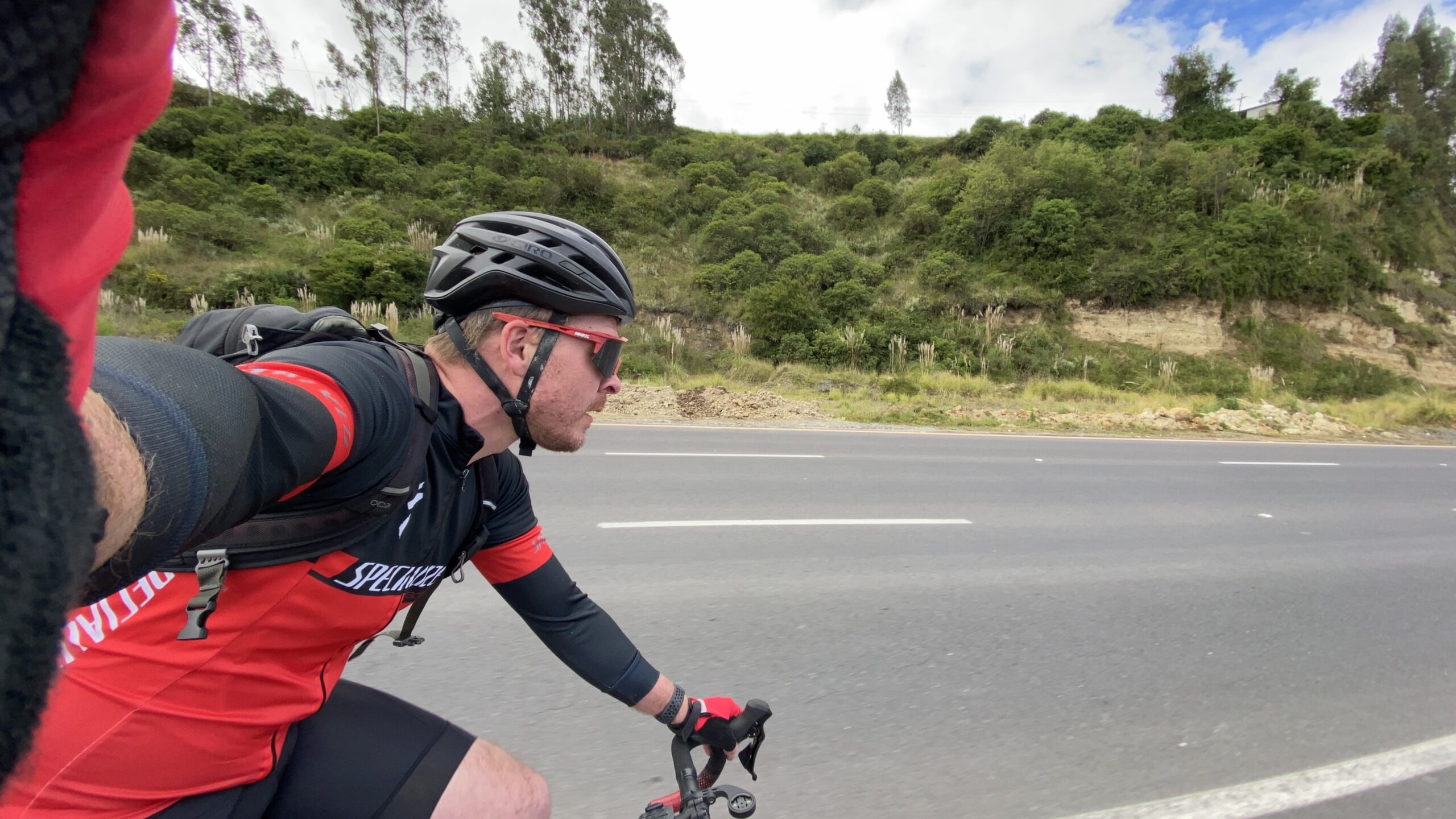
BEN FINCH
The Amazon Rainforest is often described in superlatives: the largest, the densest, the most biodiverse. But for those who travel with Wheely Tyred, the Amazon isn’t a list of statistics—it is a collection of whispers. It is the sound of a paddle dipping into black water, the smell of damp earth after a tropical deluge, and the sight of a prehistoric bird vanishing into the emerald gloom. Most travellers see the Amazon through the window of a motorised canoe, rushed from lodge to lodge. To truly understand this place, you must slow down. You must look where others aren’t looking.
In the Ecuadorian stretch of this Great Green Kingdom, the Oriente offers a rare opportunity for the independent traveller to find solitude. While the crowds congregate in the well-worn paths of Baños or the main hubs of Tena, a wealth of mystery lies just a few kilometres further into the brush.
The green labyrinth of the Oriente
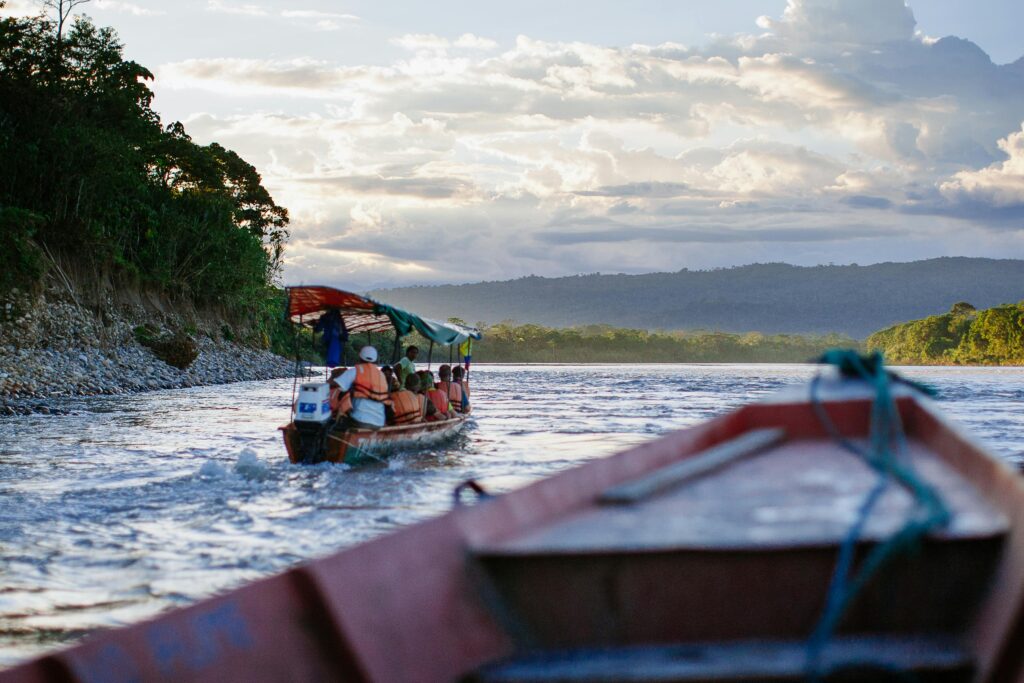
Forget the whistle-stop boat tours and the crowded lodges of the mainstream trail. This is the Amazon experienced at the speed of a pedal stroke, where the humidity tells a story and the silence is louder than any city.
- Ancient Sentinels: The Ceibo tree at Añangu offers a rare chance to sit with a living monument that bridges the forest floor and the sky, far from the hurried crowds
- Subterranean Mysteries: Cueva de los Tayos is a limestone cathedral deep in the earth, once explored by astronauts and still shrouded in indigenous legend and geological wonder
- Mirroring Wilderness: Pañacocha Lake provides a serene, black-water retreat where pink river dolphins break the surface of a lagoon that acts as a perfect glass mirror
- Ethical Encounters: AmaZOOnico serves as a vital rescue centre on the Napo River, offering a grounded look at wildlife rehabilitation rather than standard tourist entertainment
- Stone Chronicles: The Petroglyphs of Pusharo offer a cryptic, tactile connection to ancient civilisations through mysterious symbols etched into the rainforest rock
- Secluded Falls: Cascada Hola Vida provides a peaceful, local alternative to the bustling waterfalls of Baños, ideal for a solitary swim in a private ecological reserve
- The Two-Wheeled Edge: Cycling routes around Puyo and Tena allow independent travellers to navigate the forest boundary, connecting with remote Kichwa communities and riverside beaches
The Ecuadorian Amazon.
The most biodiverse place in the world
The giants among us / The ceibo of Añangu
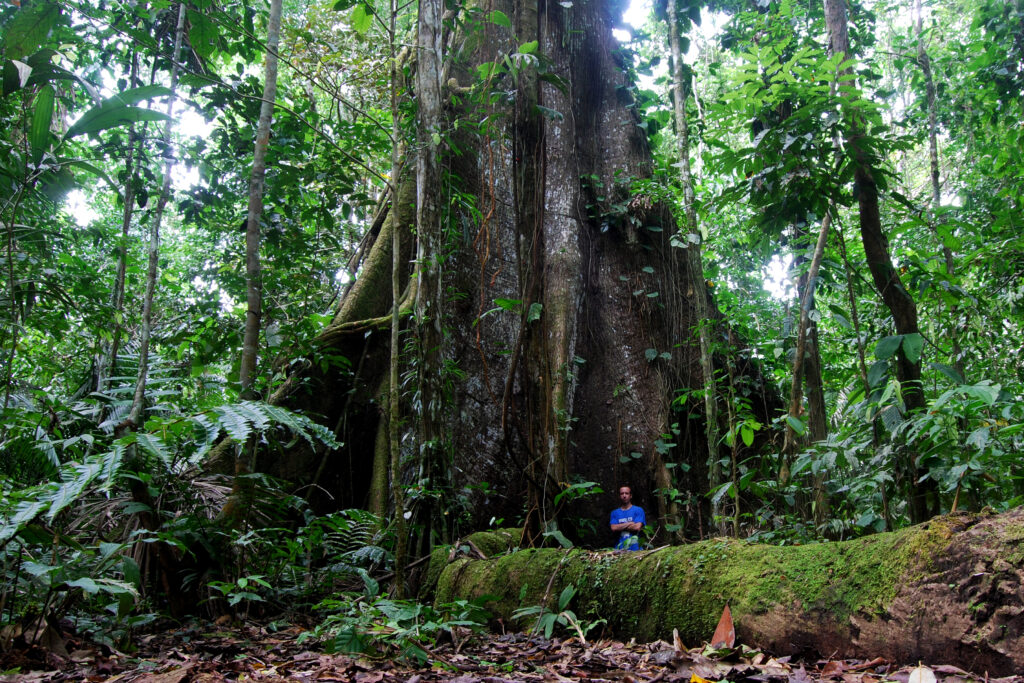
In the heart of the Yasuní Biosphere Reserve stands a living monument that predates modern Ecuador. The ceibo tree is sacred to many indigenous cultures, often seen as a ladder between the earthly realm and the spirit world. While many tours point them out from a distance, the ceibo at Añangu allows for a rare moment of stillness.
Reaching it requires a patient trek through the primary forest, where the air grows thick with the scent of orchids and decaying leaves. Standing at the base of its buttress roots, which flare out like the fins of a rocket, you realise the scale of time here. It is a place to stop, lean your bike against a nearby trunk (if the terrain allows), and simply listen to the heartbeat of the forest.
Echoes in the earth / Cueva de los Tayos
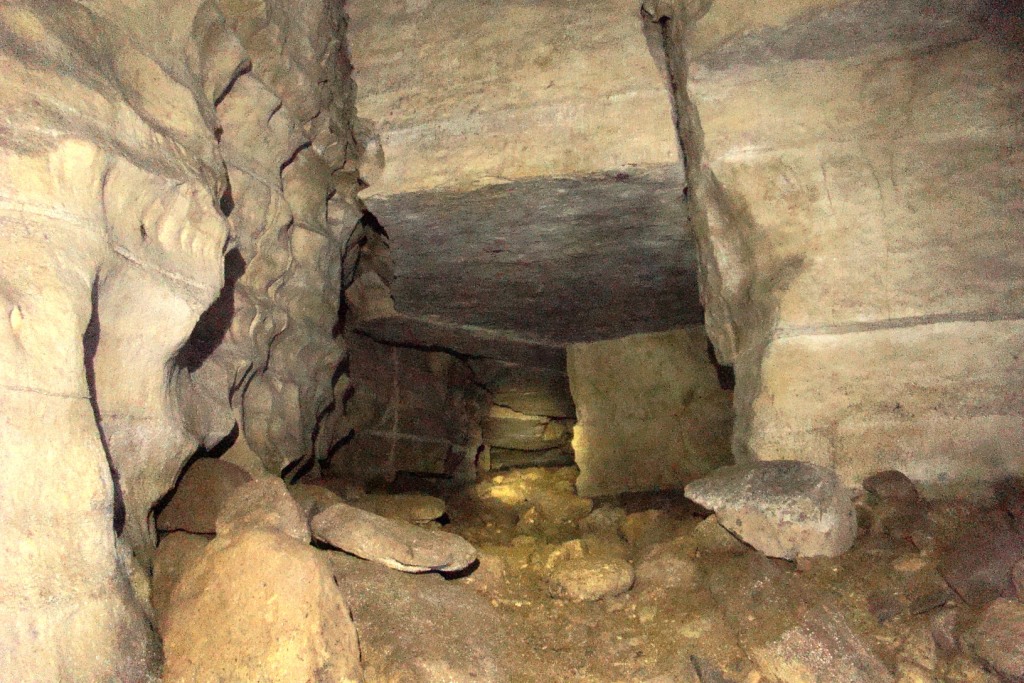
For those willing to venture into the Morona-Santiago province, the Cueva de los Tayos offers a journey not just into the forest, but into the earth itself. Named after the Tayos (oilbirds) that nest within its depths, this cave system has fascinated explorers for decades—including Neil Armstrong.
The cave is a cathedral of limestone and mystery, with rock formations that look almost man-made. This is not a casual afternoon stroll; it is a pilgrimage for the soul. It represents the Amazon’s hidden vertical dimension, a reminder that the rainforest is as deep as it is wide.
The Ecuadorian Sierra.
Get lost in the hills
The black mirror / Pañacocha Lake
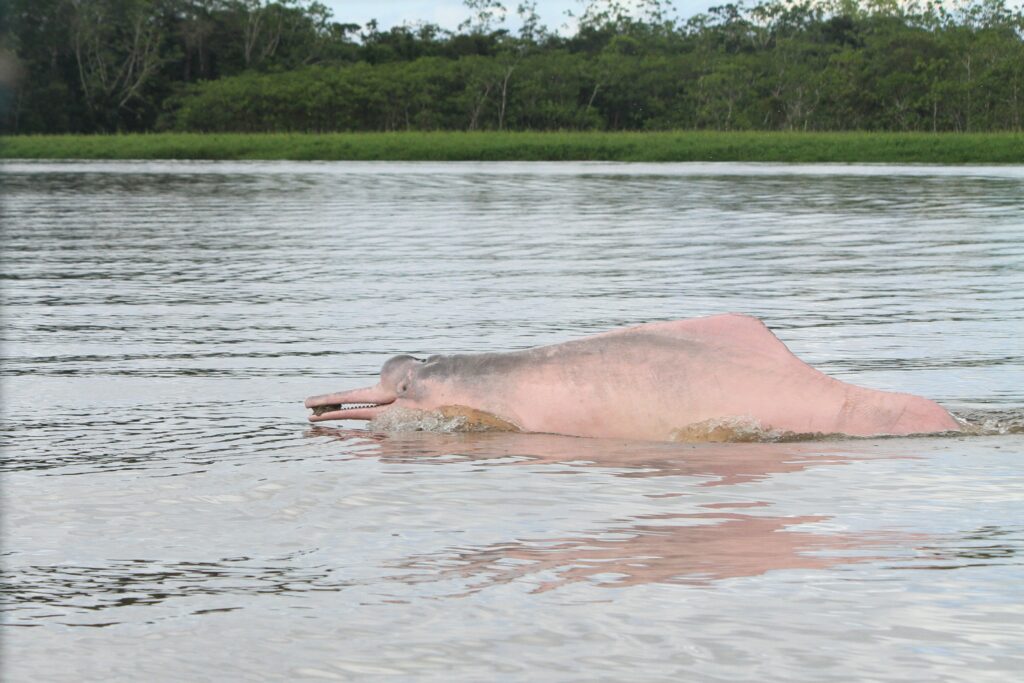
Pañacocha, or Piranha Lake, is a protected forest area that remains one of the Amazon’s most serene secrets. Accessible by the Napo River, this black-water lagoon acts as a perfect mirror for the sky. Because it is a protected corridor between the Yasuní and the Cuyabeno reserves, the wildlife density is staggering, yet the human footprint is minimal.
Here, the pink river dolphins break the surface with a gentle puff, and the water is so still it feels like glass. It is the ultimate reward for the traveller who chooses the long way round, avoiding the high-traffic lodges in favour of a quiet eco-camp or a local homestay.
Conservation in action / AmaZOOnico
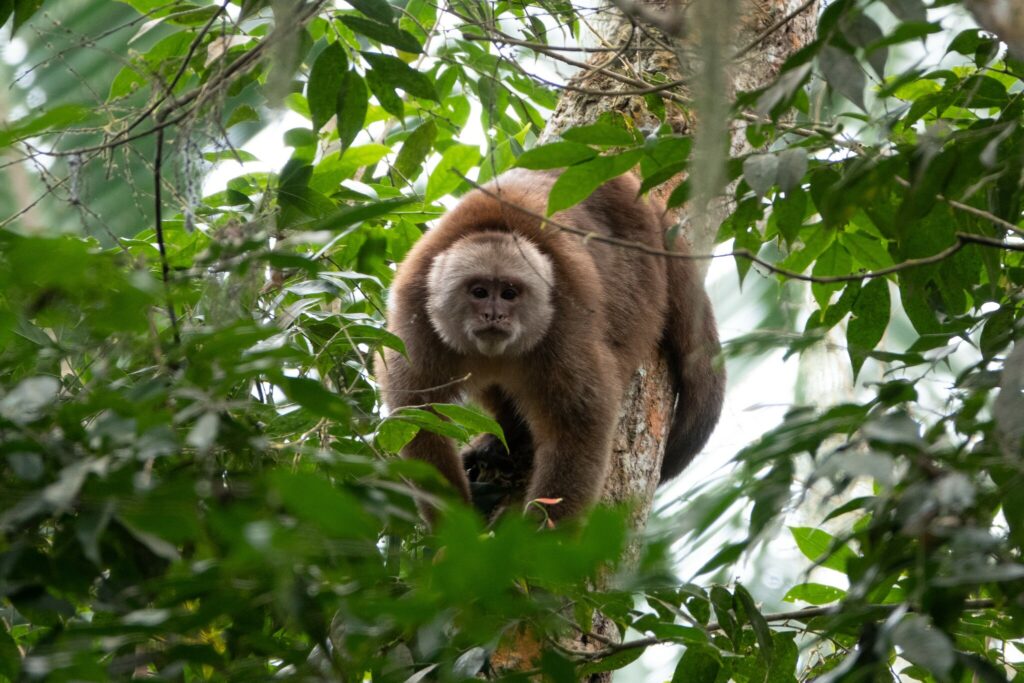
Travelling independently means taking responsibility for the impact we have. AmaZOOnico, located on the banks of the Napo River, serves as a vital reality check. This is a rescue centre, not a display. Many of the animals here have been rescued from illegal trafficking.
Visiting AmaZOOnico provides a deep dive into the complex relationship between humans and the jungle. It is a place of education and quiet reflection, tucked away from the main tourist docks, offering a chance to see spider monkeys and toucans not as attractions, but as survivors.
The Galápagos.
Ecuador’s Enchanted Isles
The ancient script / Petroglyphs of Pusharo
Deep in the upper reaches of the Amazon basin lie the Petroglyphs of Pusharo. These ancient rock carvings are a testament to the civilisations that thrived here long before the first Europeans arrived. The symbols—spirals, faces, and celestial maps—remain largely undeciphered.
Visiting these sites requires a local guide and respect for the indigenous Shuar and Kichwa territories you cross. It is a humbling experience to run your hand near a carving that has watched the river flow for millennia, a silent bridge to a forgotten past.
The quiet refreshment / Cascada Hola Vida
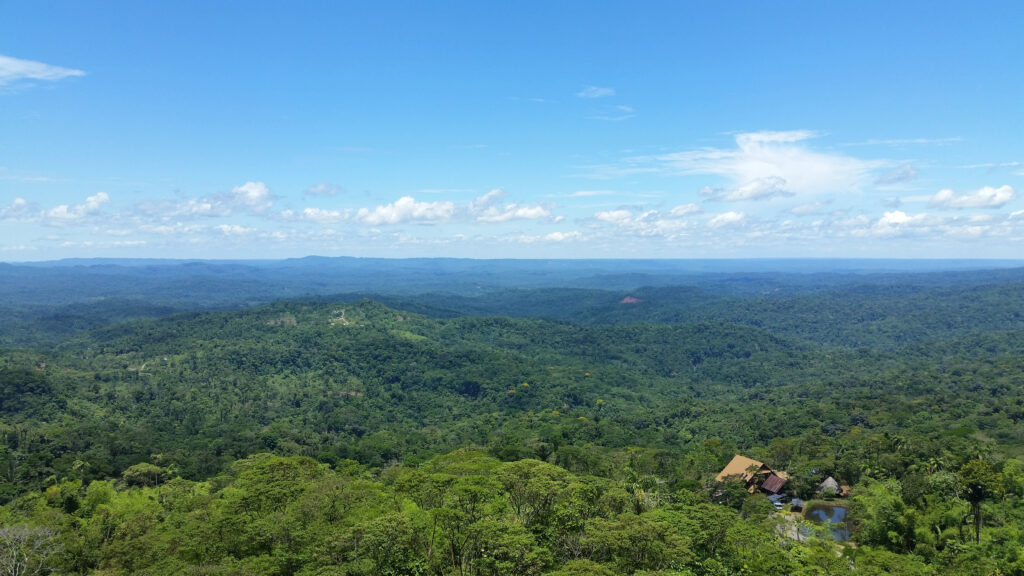
While the waterfalls of Baños are spectacular, they are often crowded with tour buses. For the independent spirit, Cascada Hola Vida near Puyo is a breath of fresh air. Located within a private ecological reserve, the trail to the falls is an easy walk through secondary forest filled with medicinal plants.
The waterfall itself drops into a shallow, clear pool perfect for a swim. It is the kind of place where you can spend three hours and not see another soul, save for the blue morpho butterflies that dance over the water.
The Ecuadorian Coast.
Where you’ll find the very best food
Explore the Amazon by bike
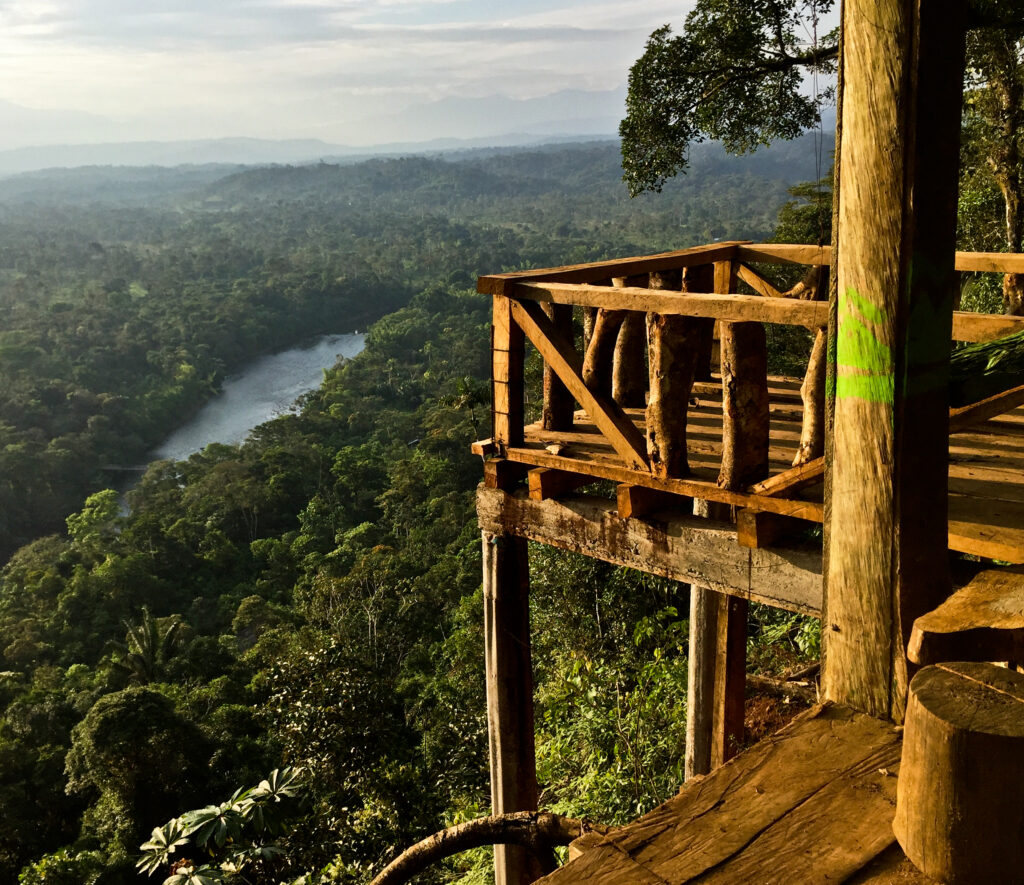
You might think the Amazon is no place for a bicycle, but the edge of the rainforest—where the Andes tumble into the basin—offers some of the most spectacular riding on the planet. The roads around Puyo and Tena are gateways to the deep green.
If you find yourself based in Puyo, there are incredible rides within a 20-kilometre radius. A cycle out to the Paseo de los Monos offers a flat, manageable route that gets you out of the urban bustle and into the canopy’s shadow. For a day trip, the route from Puyo to Canelos takes you toward the Bobonaza River, offering a glimpse into more remote Kichwa communities.
Alternatively, if you are in Tena, a ride to the small village of Misahuallí is a classic. It’s about 12 kilometres of paved road with rolling hills, ending at a river beach famous for its resident capuchin monkeys. For the more adventurous, the gravel tracks leading toward Archidona offer a rugged look at the karst landscapes and hidden cavern entrances that pepper this region.
Cycling here isn’t about speed; it’s about the humidity on your skin, the changing scents of the flora, and the ability to stop at a roadside stall for a fresh maito de pescado (fish steamed in a leaf) whenever the mood strikes. This is the essence of Wheely Tyred: the freedom to discover the world at your own pace, one pedal stroke at a time.
Frequently asked questions about the Ecuadorian Amazon’s hidden gems
While the deep jungle lacks roads, the edge of the Amazon, where the Andes meet the basin, is excellent for cycling. Hubs like Puyo and Tena offer paved roads and gravel tracks that lead to waterfalls, river beaches, and small villages. It is a humid challenge, but perfectly suited for those who prefer to travel at their own pace.
It is a traditional Amazonian dish and a must-try for any traveller. Local river fish is seasoned and wrapped tightly in bijao leaves, then steamed or grilled over a fire. It is the ultimate slow-food fuel for a long day of exploring or cycling.
Independent travel here often involves a mix of transport. You can take a local bus or cycle to river ports like Coca or Misahuallí, and from there, negotiate passage on a motorised canoe (collectivo) that locals use to move between riverside communities.
Yes. For sites like Cueva de los Tayos or the Petroglyphs of Pusharo, a guide is essential for both physical safety and cultural respect. These sites are often on indigenous territories, and having a local expert ensures you understand the history and don’t inadvertently cause damage.
Hydration is key, but so is timing. Start your cycling or trekking at dawn to make the most of the cooler hours. Always carry a dry bag for your electronics and a lightweight, breathable rain jacket—the rain in the rainforest is frequent and unpredictable.
Most small eco-lodges or family-run hostales in Puyo and Tena are very accommodating. It is always best to stay at a place for a night and ask the owner to store your bike in a secure area while you take a multi-day trip deeper into the forest by boat.
Ecuador.
Pure wonder on the equator.