The deep history of the Ecuadorian Amazon
Understanding the indigenous heritage and colonial expeditions of Ecuador’s rainforest
A journey through the myths and resilience of the Oriente
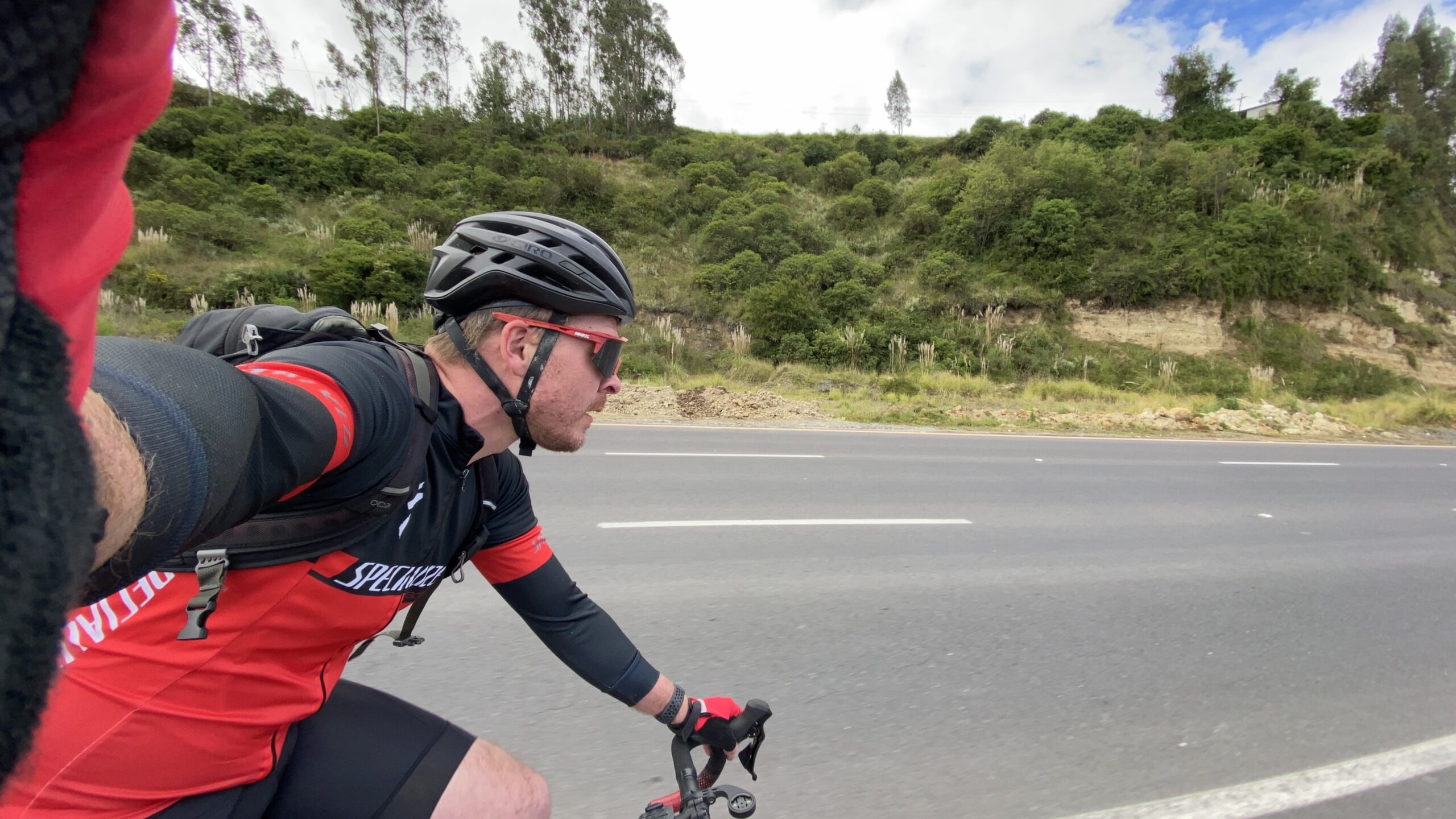
BEN FINCH
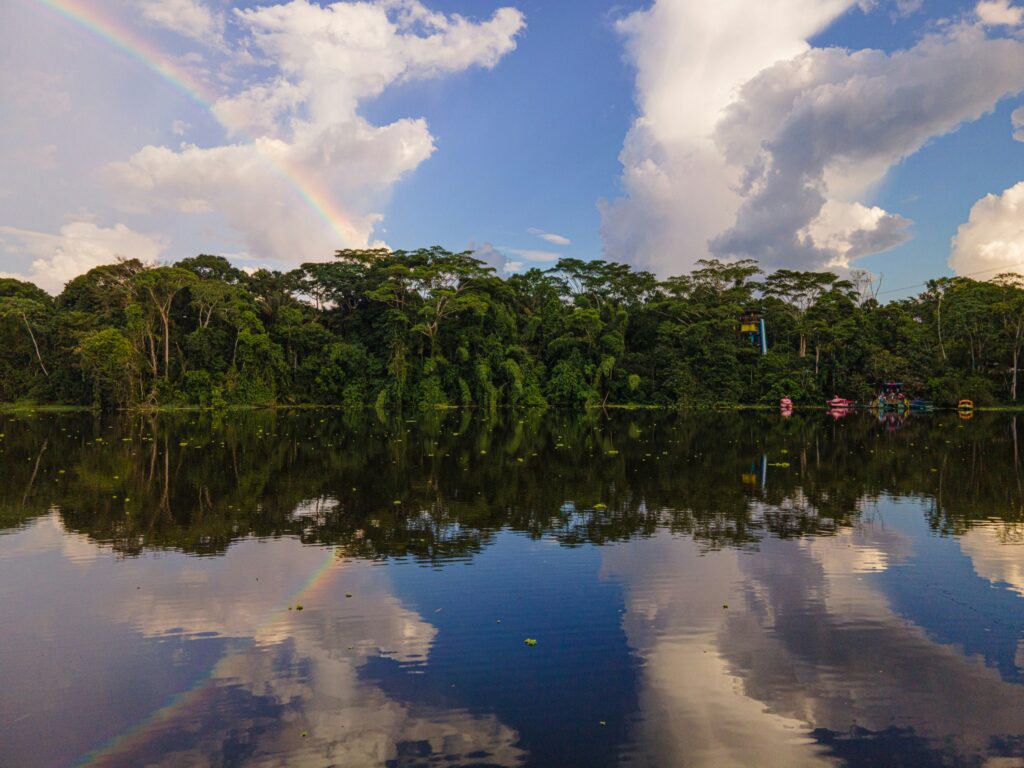
The Amazon is not a wilderness; it is a library. For those of us arriving on two wheels, the humidity of the Ecuadorian Oriente hits like a physical weight, but the air carries more than just moisture. It carries the weight of five centuries of myth-making and thousands of years of human endurance.
While most travellers see the Amazon as a green wall of biodiversity, the history of this region—Ecuador’s eastern frontier—is a complex tapestry of ancient trade, failed conquests, and a landscape that has consistently defied those who sought to tame it.
The emerald library of the Oriente

The Ecuadorian Amazon is a landscape where ancient trade routes meet the ghosts of conquistadors. It is a region defined by resilience, stretching from the high Andes to the deep, navigable veins of the Napo River.
- Ancient roots: Archaeological evidence shows the Napo culture developed complex social and trade networks over 2,400 years ago, bridging the rainforest and the Andes
- The El Dorado myth: The 1541 Pizarro-Orellana expedition inadvertently led to the European discovery of the Amazon River through a desperate, failed search for gold
- Indigenous resistance: The Quijos people, now known as the Napo Quichua, successfully defended their cultural identity against centuries of missionary and colonial pressure
- Industrial infrastructure: Former oil and rubber tracks now provide a rugged, functional network for intrepid gravel cyclists and independent explorers
- Community empowerment: Modern travel in the region is shifting toward community-led lodges, where the local Kichwa people narrate their own history
- The Yasuní frontier: As one of the most biodiverse places on Earth, this park remains a critical site for the protection of uncontacted tribes and ancestral lands
The Ecuadorian Amazon.
The most biodiverse place in the world
The ancient architects of the Napo
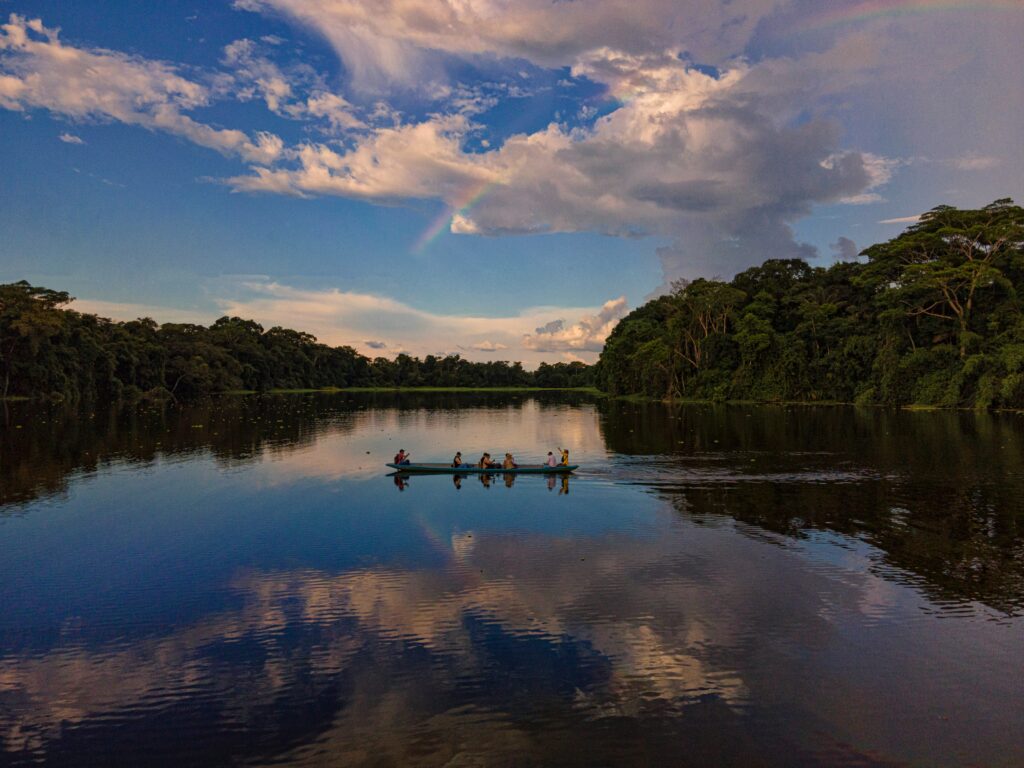
Before the first Spanish boot ever sank into the Napo mud, the Amazon was home to a sophisticated network of civilisations. Archaeological evidence suggests that humans have inhabited the provinces of Napo, Pastaza, and Orellana for at least 2,450 years. These were not the isolated, primitive groups of colonial imagination. Cultures like the Tayos and those of the Yasuní phase were part of a vast, interconnected web of trade.
They exchanged pottery, medicinal plants, and obsidian with Andean neighbours, proving that the mountains were never a barrier, but a bridge. The Napo culture, which flourished between 1200 and 1500 AD, left behind intricate polychrome ceramics that hint at a society with a deep understanding of cosmology and social hierarchy. For the independent traveller, standing on the banks of the Napo River today is a reminder that this waterway has been a busy commercial artery for millennia.
The fever of El Dorado
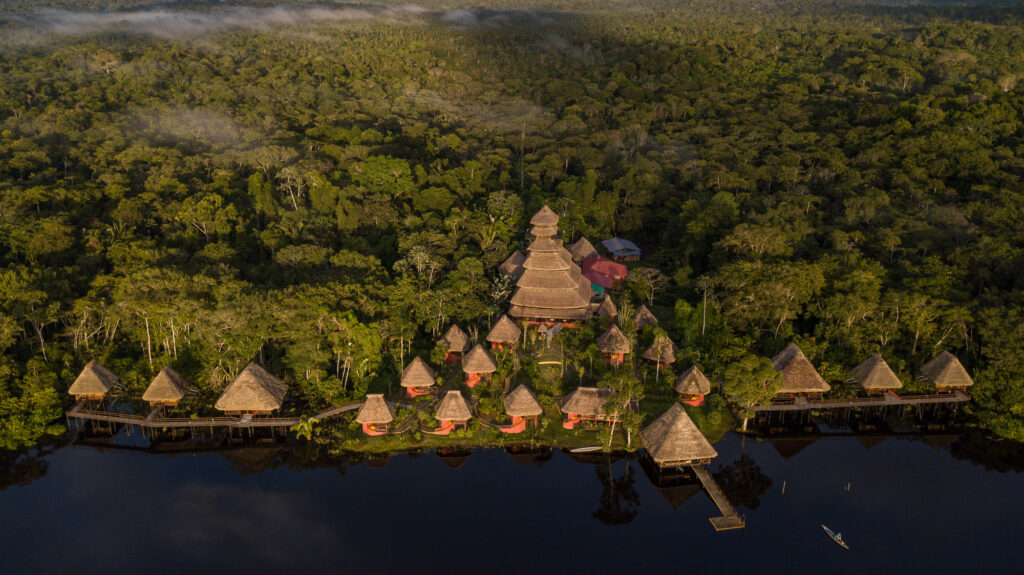
The European arrival changed the narrative of the Amazon from one of trade to one of obsession. In 1541, Gonzalo Pizarro, lured by tales of El País de la Canela—the Land of Cinnamon—and the shimmering mirage of El Dorado, led an expedition out of Quito. It was a logistical nightmare. Thousands of indigenous porters and hundreds of Spaniards struggled through the cloud forests of the Andes and into the sodden lowlands. Starvation and disease decimated the ranks.
When the expedition reached the Coca River, Francisco de Orellana was sent ahead in a makeshift boat to find food. He never returned to Pizarro. Instead, Orellana and his crew drifted further into the unknown, eventually navigating the main artery of the Amazon River and sailing all the way to the Atlantic. This journey fixed the Amazon in the global psyche as a place of infinite riches and infinite danger—a reputation that dictated its history for the next 400 years. The city of Puerto Francisco de Orellana, commonly known as Coca, stands today as a gateway to the deep jungle, named after the man whose accidental voyage mapped a continent.
The Ecuadorian Sierra.
Get lost in the hills
Spiritual conquest and the Quijos resistance
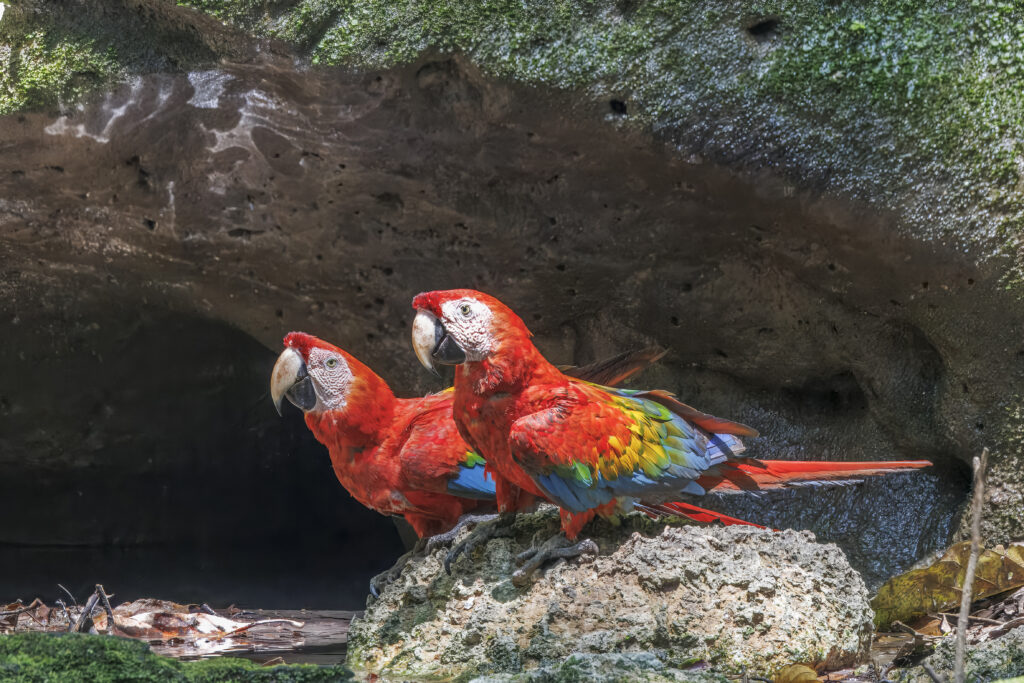
For the cyclist today, the roads we travel often follow the very routes carved out by these historical pressures. The road from Quito to Tena, for example, is a dramatic descent from the high parámo into the heat of the basin. As the altitude drops, the history shifts from the colonial stones of the capital to the mission towns of the Oriente.
During the 17th and 18th centuries, Jesuit and Franciscan missionaries established reducciones—settlements designed to concentrate and convert indigenous populations. The resistance to these missions was fierce. The Quijos people, now known as the Napo Quichuas, were forced to move downriver, merging with other groups and creating the resilient, syncretic culture that welcomes travellers today. Their survival is a testament to the strength of their ancestral systems, which survived both the sword of the conquistador and the cross of the missionary.
The scars of rubber and oil
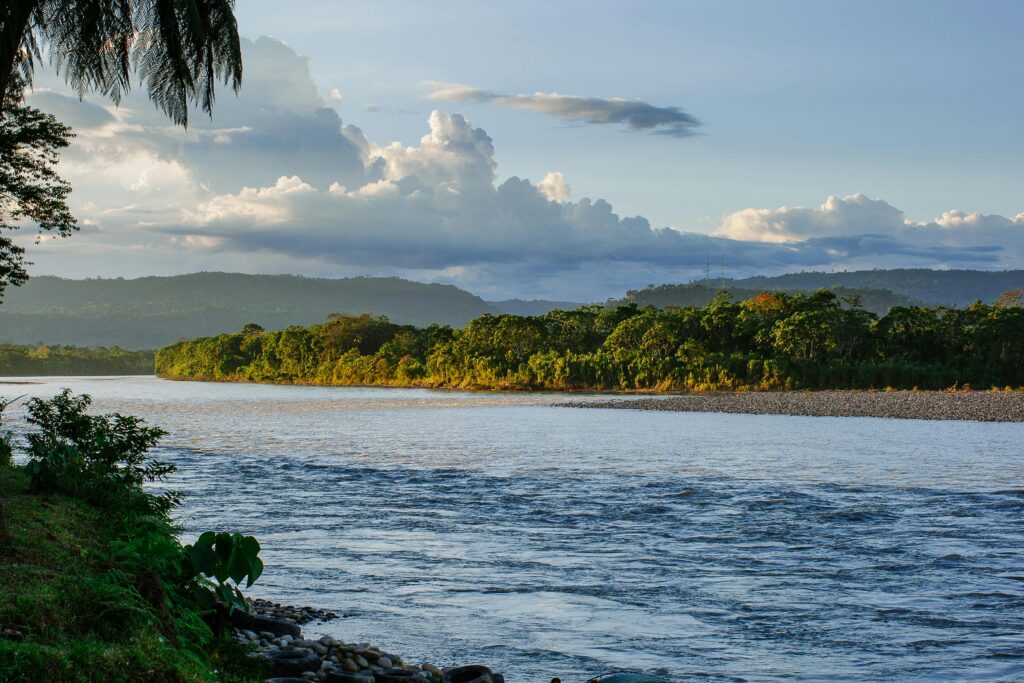
The 19th and 20th centuries introduced new, more industrial scars to the land. The rubber boom of the late 1800s brought a wave of exploitation that devastated indigenous populations across the Amazon basin. While the most intense rubber activity was further east in Brazil and Peru, the Ecuadorian Oriente was not immune to the social upheavals of this extractive era.
In the 1940s, a new era began with the arrival of the Shell Oil Company. The infrastructure left behind by these industries—the first permanent airstrips and gravel tracks—unintentionally laid the groundwork for the modern explorer. In places like Tena and Misahuallí, the transition from extraction to eco-tourism and adventure travel is palpable. The rivers that Orellana used as highways are now the domain of whitewater rafters and kayakers, while the backroads provide some of the most challenging and rewarding cycling in South America.
The Galápagos.
Ecuador’s Enchanted Isles
Modern resilience and community tourism
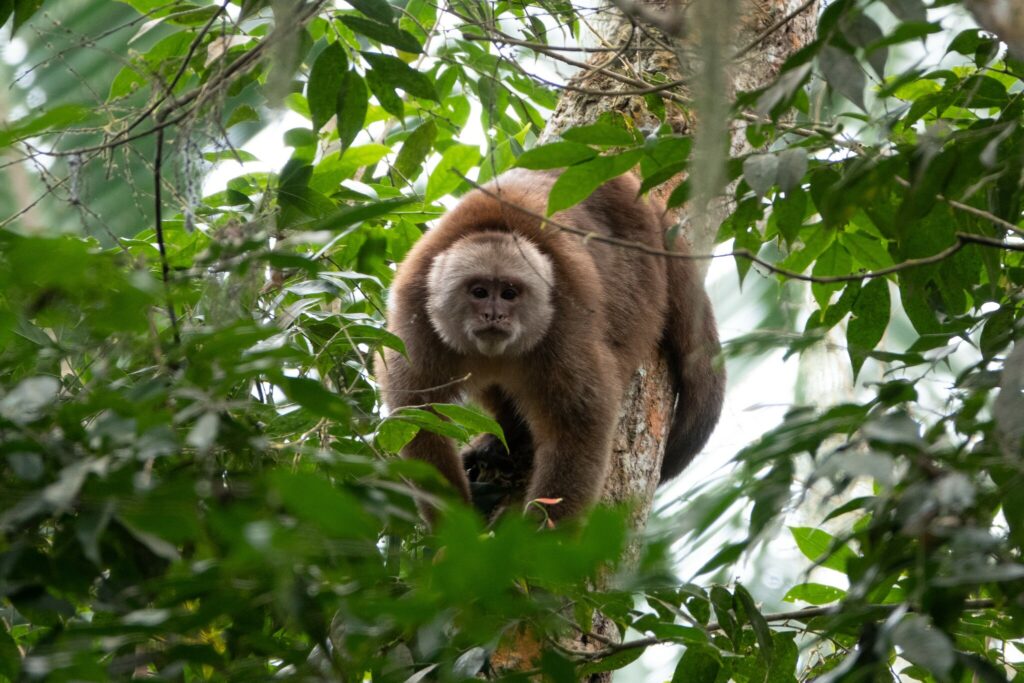
Exploring the Amazon independently requires a shift in perspective. It is about understanding that the rainforest is a lived-in space. When you stop for a rest in a small Quichua community or visit the waterfalls near Las Latas, you are interacting with a lineage of land stewardship that predates the written word.
The history here is not found in monuments or museums; it is found in the way a guide describes the medicinal use of a tree or the way a community has fought to protect the Yasuní National Park from further oil exploration. Yasuní is perhaps the most biodiverse place on Earth, but it is also a site of historical and ongoing struggle for the rights of uncontacted tribes like the Tagaeri and Taromenane. Their existence is a living link to the pre-colonial past, a reminder that parts of the Amazon remain unconquered.
Navigating the Oriente today
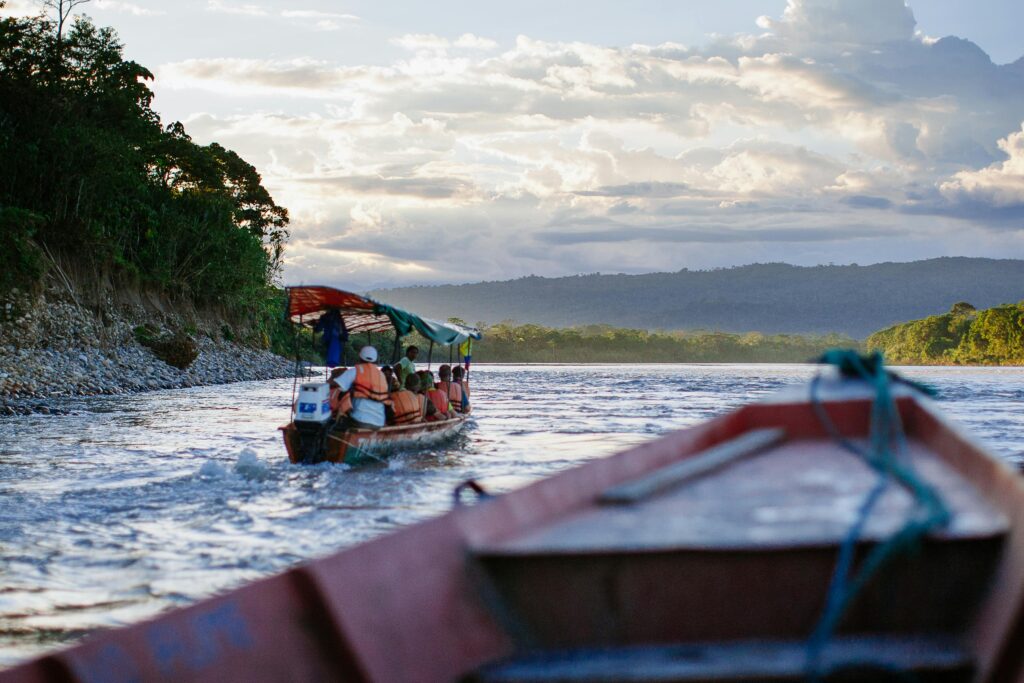
For the modern traveller, the Oriente offers a chance to engage with history in a way that is visceral and unvarnished. Whether you are cycling the undulating roads near Puyo or taking a motorised canoe down the Aguarico, you are moving through a landscape that has been shaped by the dreams and despairs of many.
The rise of community-owned lodges and sustainable travel initiatives in the Napo province represents a new chapter. Rather than being subjects of an expedition, indigenous communities are now the hosts and narrators of their own story. This shift from exploitation to empowerment is the most vital part of the contemporary Amazonian identity.
The Ecuadorian Coast.
Where you’ll find the very best food
A landscape of endurance
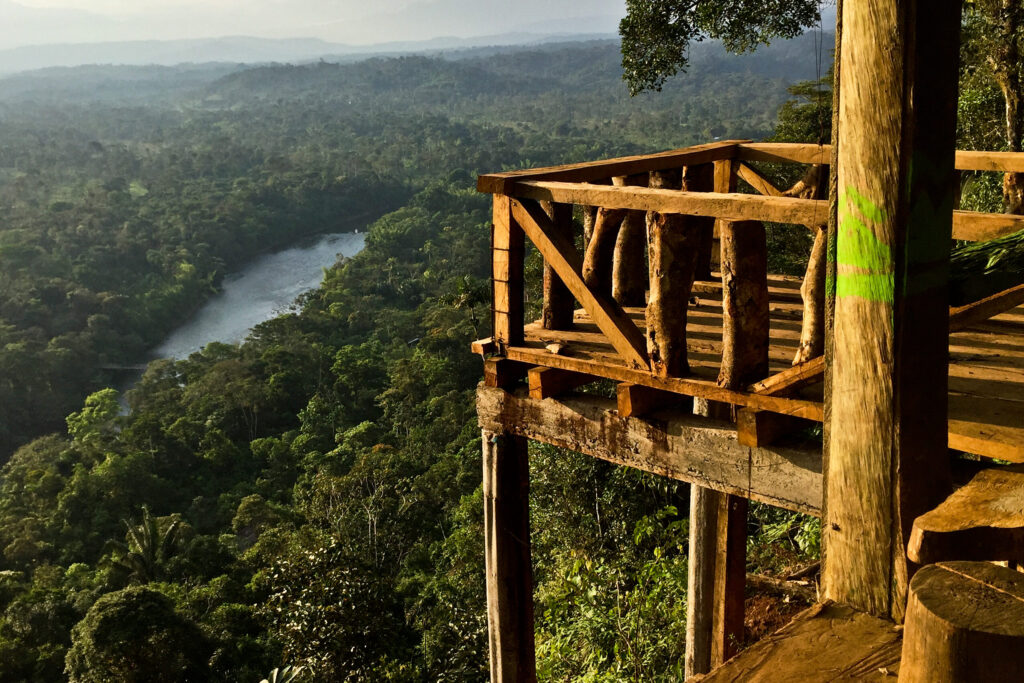
The Amazon remains one of the final frontiers for the independent traveller. It demands respect—for its climate, its terrain, and its past. By looking beyond the greenery and acknowledging the centuries of struggle and survival that have shaped the Oriente, we gain a deeper appreciation for the trails we ride. This is a place where the map is still being written, and every journey into the basin adds a new page to the story.
The history of the Ecuadorian Amazon is not just a tale of what was lost, but a celebration of what has been defended. As you navigate the humid turns and river crossings, remember that you are following in the footsteps of ancient traders, failed dreamers, and a people who have called this emerald library home for thousands of years.
Frequently asked questions about the history of the Ecuadorian Amazon
The most common route is the dramatic descent from Quito to the jungle gateway towns of Tena or Puyo. This journey takes you from the high Andean paramo through the cloud forest, eventually levelling out into the humid tropical basin. For those on two wheels, the road offers one of the most significant elevation drops in the country.
Yes, but it requires preparation. The main roads are generally well-maintained, though humidity and sudden tropical downpours are constant factors. The secondary gravel roads, often carved out by historical industrial projects, are excellent for bikepacking, provided you have a self-sufficient setup and a high tolerance for heat.
The Napo Quichua, descendants of the Quijos and other indigenous groups, are the primary inhabitants of the Napo province. They have a long history of resisting colonial incursions and today are leaders in community-based tourism, managing several lodges and conservation projects that allow travellers to experience the forest authentically.
While the main body of the Amazon River is further east in Peru and Brazil, its massive tributaries—the Napo, Pastaza, and Putumayo—all begin in Ecuador. A boat journey from the town of Coca (Puerto Francisco de Orellana) allows you to travel down the Napo River, which is a major artery of the Amazon basin.
Yasuní is a global biodiversity hotspot and a UNESCO Biosphere Reserve. Beyond its nature, it is historically significant as the home of the Tagaeri and Taromenane, uncontacted tribes who live in voluntary isolation. Visiting the fringes of the park should always be done through community-authorised guides to ensure their protection and privacy.
Unlike the stone ruins of the Andes, history in the Amazon is often found in the landscape itself. You can visit ancient petroglyphs near Tena, explore the Jumandy Caves—named after a famous indigenous leader who led a revolt against the Spanish—or visit the mission-style plazas in towns like Archidona.
Ecuador.
Pure wonder on the equator.