Where to eat near Ingapirca / A local food guide to Ecuador’s sacred valley
The ultimate dining guide to the best restaurants, cafes, and traditional eateries near the Ingapirca ruins in Ecuador
High-altitude flavours, ancestral Cañari recipes, and lingering lunches
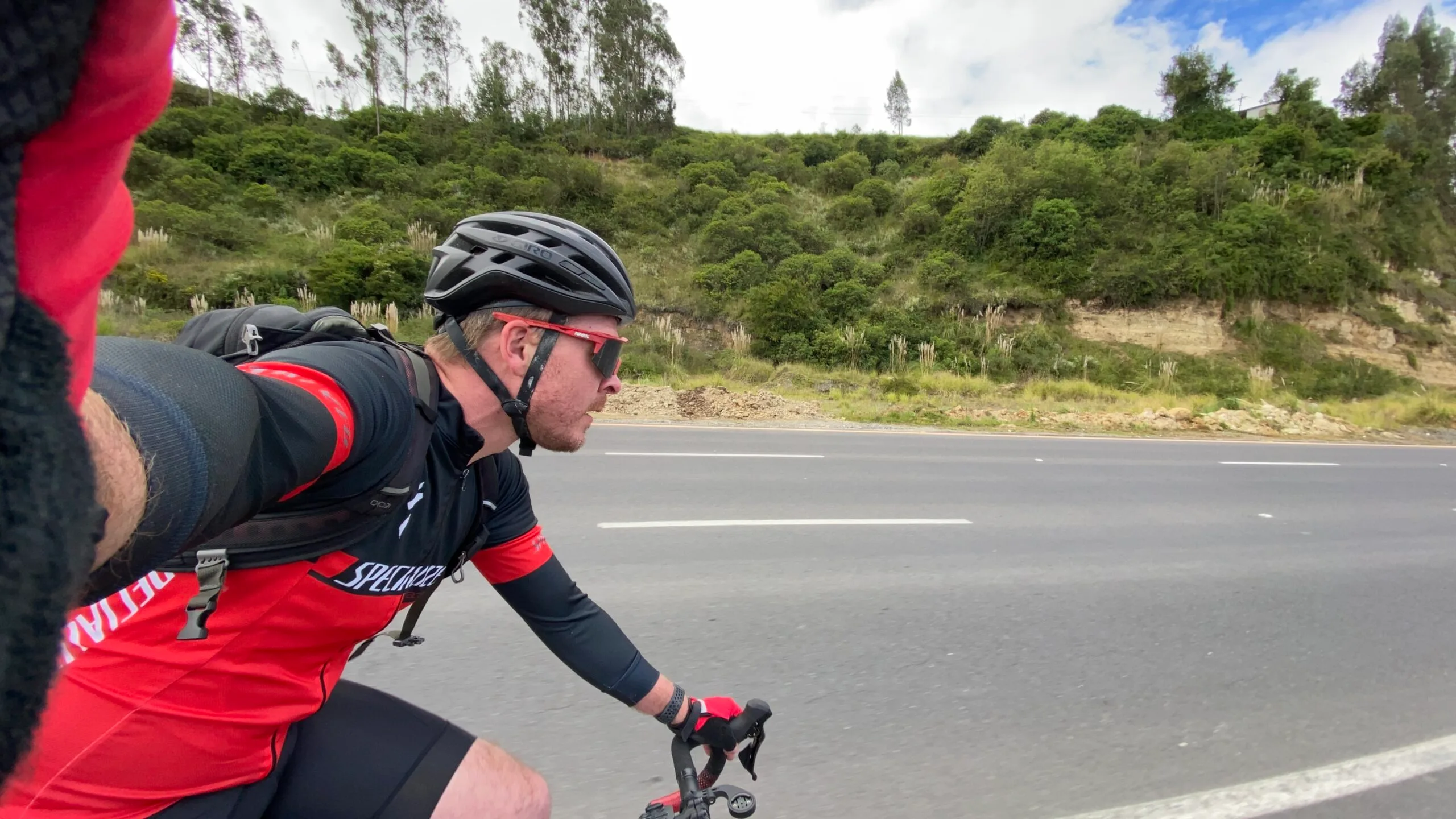
BEN FINCH
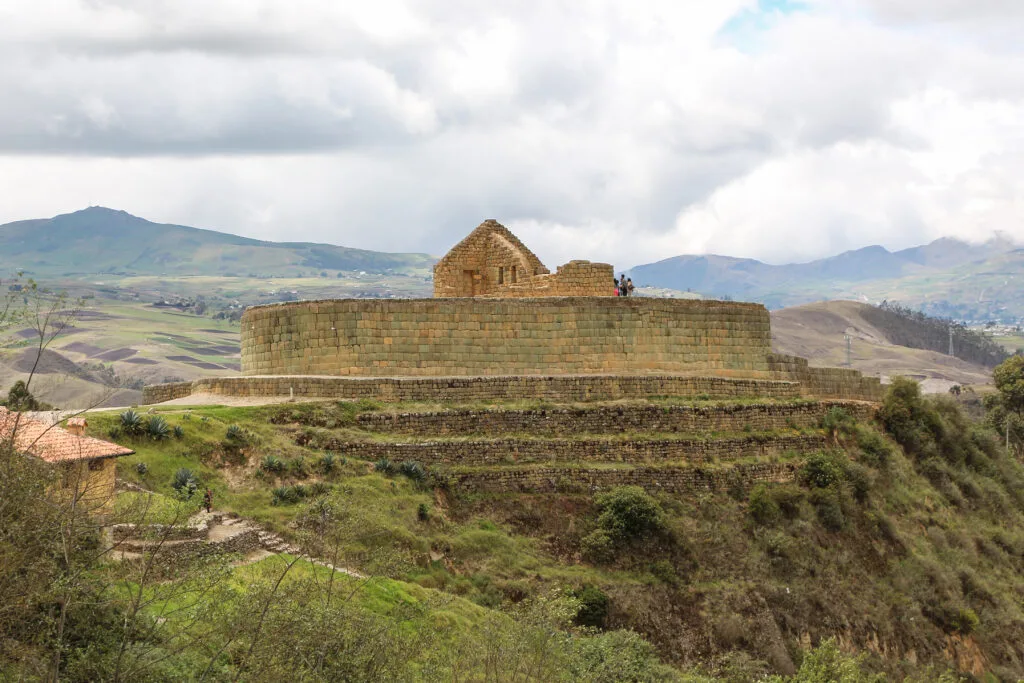
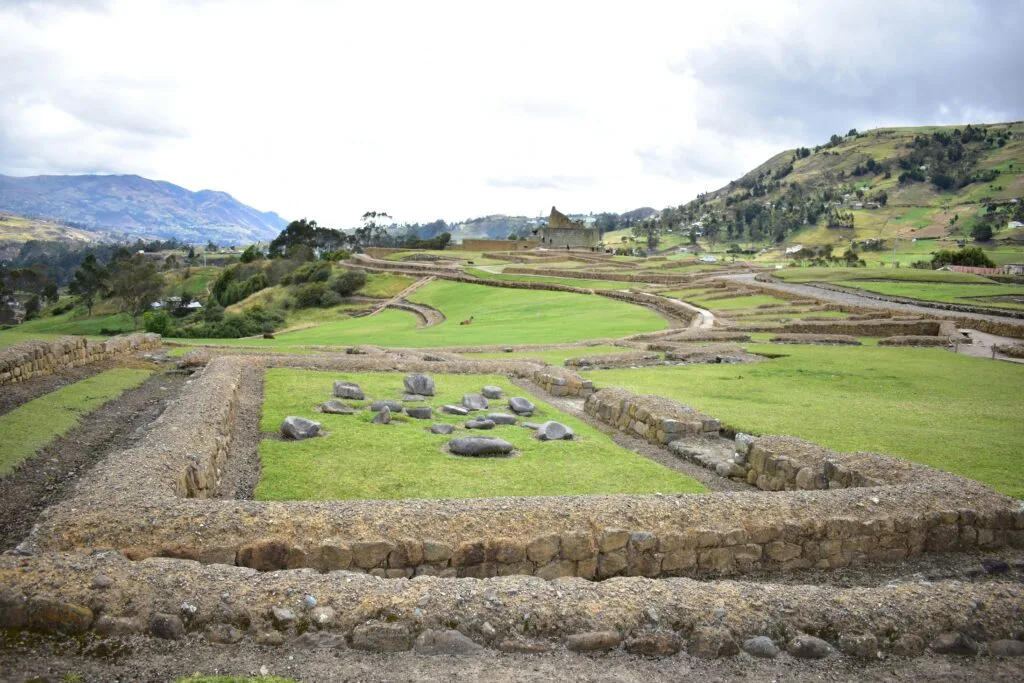
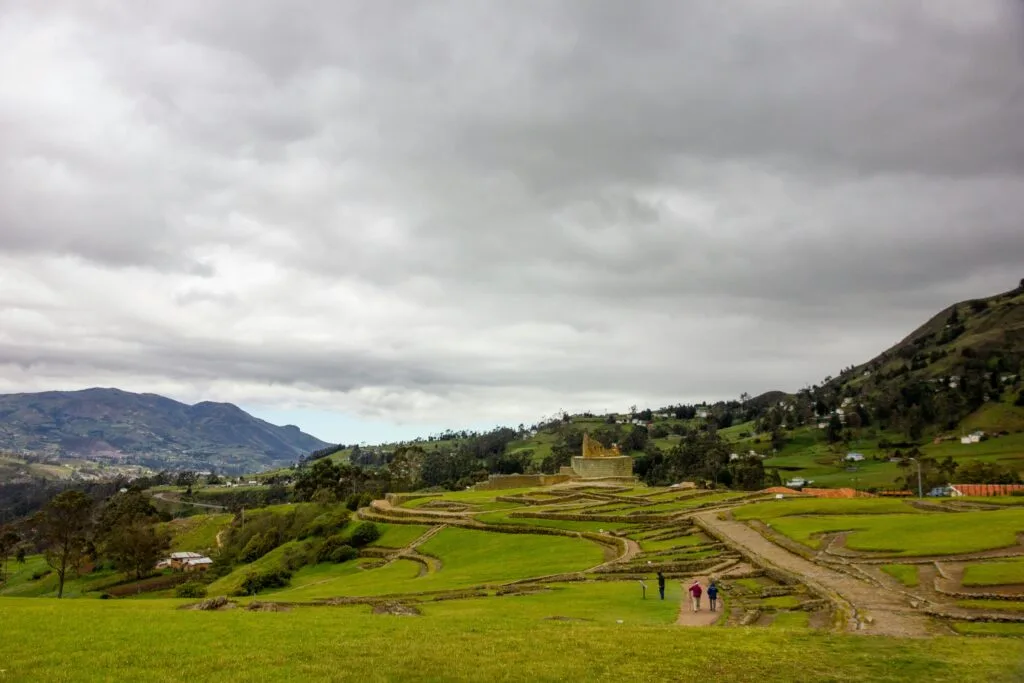
High in the southern Ecuadorian Andes, surrounded by windswept páramo grasslands and patchwork hillsides, lies Ingapirca. Known primarily as the country’s most significant archaeological site, this ancient complex represents a rare architectural blend of the indigenous Cañari civilisation and the expansionist Inca Empire.
Most visitors arrive on tightly timed tour buses from Cuenca, march through the stone Temple of the Sun with a guide holding an umbrella, and are quickly whisked away before exploring the surrounding valley.
Independent travellers know better. Taking the journey by public bus, bicycle, or personal transport allows time to linger, breathe the crisp mountain air, and explore an exceptionally rich culinary culture.
Eating around Ingapirca is not about white-tablecloth fine dining; it is about mountain comfort, agricultural heritage, and ancestral continuity. The soils of Cañar Province produce vibrant native tubers, rich highland corn, and fresh dairy that feed traditional kitchens across the valley.
Choosing to eat well here means sitting near an open hearth, sipping steaming herbal infusions, and enjoying food cooked slowly by people who take immense pride in their land.
Ingapirca at a glance / High-altitude dining essentials
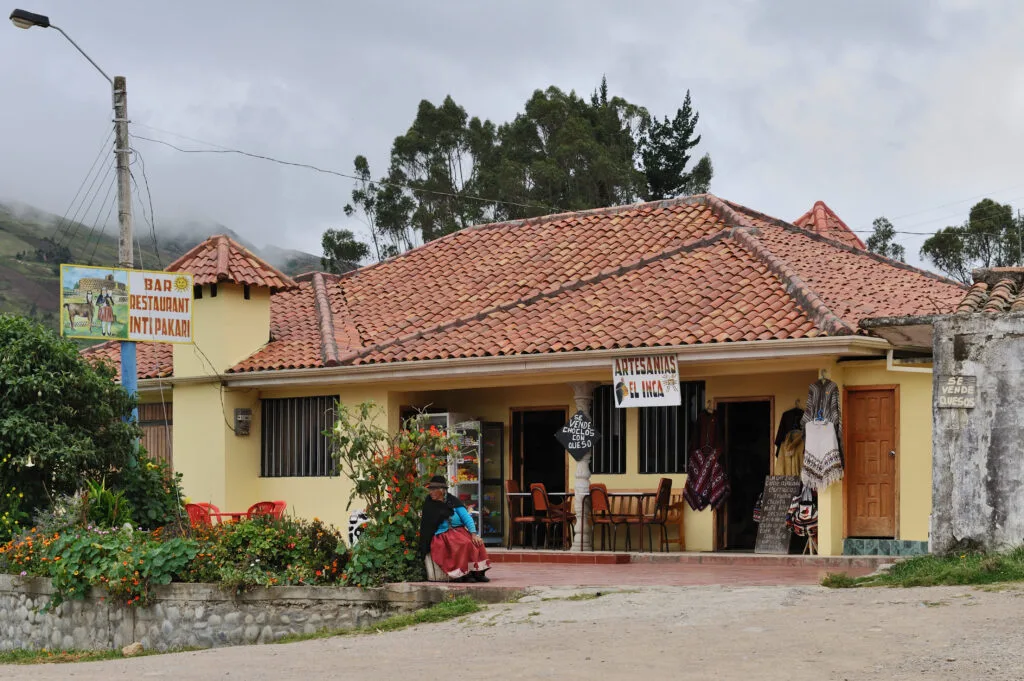
Exploring the Cañar valley at your own pace opens up a world of rich Andean heritage, where centuries-old recipes meet generous mountain hospitality. Here are the key culinary stops, regional specialities, and practical takeaways for your journey.
- Posada Ingapirca Restaurant: Refined organic dining set inside a restored 200-year-old hacienda just moments from the entrance to the ruins
- AKLLAWASI: Authentic indigenous-led hospitality serving slow-simmered mountain stews and traditional house-brewed chicha de jora
- Restaurante Los Geranios: Cosy village comfort food featuring freshly steamed humitas beside a roaring wood-fired hearth
- Hostería La Condesa: Historic country estate dining near Coyoctor specialising in wood-fired meats and warming canelazo
- La Cima & Punto Café: Outstanding stopping points in nearby Cañar for generous bandeja cuencana platters and single-origin speciality coffee
- Andean Staples: Must-try regional foods including velvety locro de papas, creamy quinoto, and fresh ají de piedra
- Independent Logistics: Plan around lunchtime when kitchens are at their peak, carry small US dollar cash notes, and embrace slow mountain timing
Ingapirca.
Where Cañari history meets the grandeur of the Inca
What to try / Ancient grains and mountain comforts
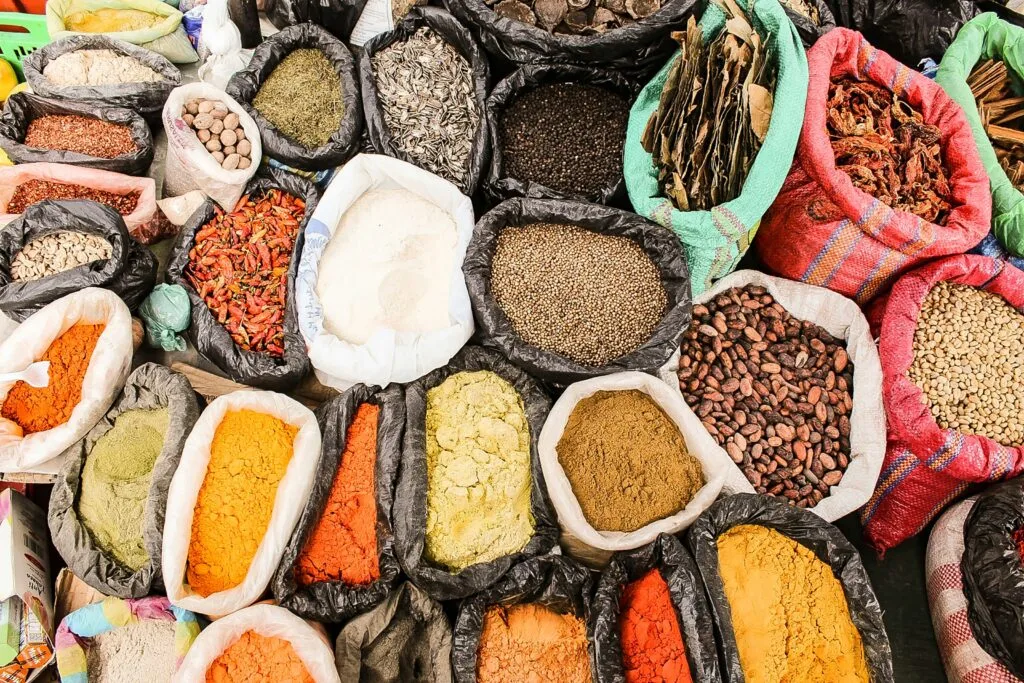
Before sitting down to dine, understanding the regional staples helps navigate local menus with confidence. The cooking of Cañar is deeply rooted in the harsh climate of the high Andes, designed to warm the body and sustain energy for hard physical work.
- Locro de Papas: A velvety, deeply satisfying soup made from native Ecuadorian potatoes, flavoured with achiote and garlic, finished with fresh highland cheese and slices of ripe avocado
- Quinoto: An Andean evolution of Italian risotto, substituting high-altitude quinoa for rice, cooked down with garlic, mountain herbs, heavy cream, and local trout or wild mushrooms
- Humitas & Tamales: Freshly ground sweet corn mixed with farmer’s cheese, wrapped in corn husks, and gently steamed over wood fires
- Chicha de Jora: A traditional fermented corn beverage with ancient roots, offering a slightly sour, effervescent taste that accompanies traditional Cañari meals
- Canelazo: A comforting hot toddy crafted from boiled water infused with cinnamon, star anise, and naranjilla fruit juice, spiked with sugarcane spirit (aguardiente)
The best places to eat and drink near Ingapirca
1. Posada Ingapirca Restaurant / Heritage dining beside the ruins
- Address: 300m from Ingapirca Archaeological Site, Ingapirca
- Highlights: Organic garden ingredients, pan-seared mountain trout, historic hacienda setting
Stepping into the restaurant at Posada Ingapirca feels like stepping back centuries into southern Ecuador’s rural history. Occupying a restored 200-year-old highland hacienda just 300 metres from the entrance of the archaeological park, this establishment balances historical charm with carefully crafted regional cooking.
The dining room features thick stone walls, hand-hewn wooden beams, and expansive windows looking out over the misty valley. The kitchen prioritises organic ingredients, sourcing much of its produce directly from the hacienda’s surrounding vegetable patches and greenhouse gardens.
The standout dish is their signature quinoto, an exceptionally creamy quinoa risotto topped with pan-seared river trout caught fresh from regional streams. Their locro de papas is equally memorable, served piping hot in earthenware bowls with thick wedges of creamy avocado and crumbly local cheese.
For travellers seeking a refined meal without losing touch with authentic Andean flavours, this is the premier lunch stop after walking the ruins.
2. AKLLAWASI / Ancestral flavours and Cañari hospitality
- Address: Main Access Road, Ingapirca
- Highlights: House-brewed chicha de jora, authentic Cañari set lunches, exceptional value
Located just off the main approach road leading to the archaeological complex, AKLLAWASI is a genuine, indigenous-run eatery dedicated to preserving and sharing Cañari culinary traditions. Free from the glossy commercial polish of standard tourist stops, this small, humble dining space offers warm, personal hospitality and remarkably affordable meals.
The kitchen focuses on simple, slow-cooked dishes prepared using time-honoured techniques. Visiting during the middle of the day reveals their popular almuerzo ejecutivo (set lunch), which consistently includes a hearty vegetable or grain soup, a main plate featuring tender seco de carne (slow-simmered beef stewed with cilantro and spices), fragrant rice, fresh avocado, and a house-made hot sauce (ají).
AKLLAWASI is also one of the few places in the immediate area where guests can sample authentic chicha de jora, brewed in-house using traditional corn fermentation methods. It provides a rare opportunity to support local indigenous enterprise while enjoying a nourishing meal alongside residents.
3. Restaurante Los Geranios / Village comfort food by the hearth
- Address: Calle Central, Ingapirca Village
- Highlights: Freshly steamed humitas, cosy open hearth, pan-seared llapingachos
Tucked away in the quiet residential streets of Ingapirca village, a short walk down the hill from the complex, Restaurante Los Geranios offers a cosy haven for chilly high-altitude afternoons. Named after the colourful geraniums framing its wooden entrance, this family-operated restaurant serves rustic mountain comfort food designed to revive cold travellers.
The focal point of the dining room is a roaring wood-fired hearth that warms the space on misty days. The menu centres on traditional snacks and light meals that showcase local dairy and corn production.
Their humitas are widely regarded as the best in the village: sweet, tender corn cakes steamed inside husks, served steaming hot alongside thick slices of fresh, salty panela cheese and pots of freshly brewed mountain coffee. For a fuller meal, they serve excellent roasted pork chop platters (chuleta) accompanied by crispy llapingachos (seared potato cakes filled with cheese) and fresh beet salad.
The Ecuadorian Sierra.
Get lost in the hills
4. Hostería La Condesa Restaurant / Historic estate feasting in Coyoctor
- Address: Sector Coyoctor, Honorato Vásquez
- Highlights: Country-style grilled meats, traditional canelazo, tranquil courtyard setting
For those taking the time to explore the broader archaeological area, the nearby sector of Coyoctor houses the intriguing Baños del Inca (Inca Baths). Situated within a historic, tile-roofed estate in this quiet valley, the restaurant at Hostería La Condesa offers an atmospheric retreat away from all main tour routes.
The restaurant specialises in robust, country-style feasts using traditional wood-fired cooking methods. Tables are arranged around a sunlit courtyard surrounded by manicured gardens and Andean mountain peaks.
Order the grilled mountain meats, which come served on wooden platters accompanied by roasted corn kernels (mote), grilled plantains, and homemade ají de piedra—a spicy chilli condiment hand-ground using traditional volcanic stone mortars.
As late afternoon temperatures drop, the kitchen serves aromatic, steaming pots of canelazo, providing the perfect warmth after a day spent traversing ancient stone paths.
5. La Cima Restaurant / Charcoal grills and traditional platters in Cañar
- Address: Panamericana Norte, Cañar
- Highlights: Authentic bandeja cuencana, expert charcoal grilling, vibrant local atmosphere
Located in the nearby municipal hub of Cañar, approximately 20 minutes from the ruins, La Cima Restaurant is where local families gather for serious weekend meals. Unpretentious and brightly lit, this independent establishment has built an outstanding local reputation based entirely on generous portions, pristine hygiene, and exceptional charcoal grilling.
While many tourists miss Cañar entirely by taking direct transport back to Cuenca, stopping at La Cima provides an authentic slice of modern highland dining culture. Their speciality is the bandeja cuencana, an expansive sampler platter that includes tender roasted pork (hornado), fried pork bites (fritada), golden llapingachos, sweet plantains, toasted corn (mote tostado), and pickled red onions.
Every table receives a fresh bowl of house-made ají, striking the perfect balance between spicy chilli, tree tomato, and chopped cilantro.
6. Punto Café / High-altitude beans in the heart of Cañar
- Address: Calle Bolívar, Cañar
- Highlights: Ecuadorian coffee, artisan pastries, quiet welcoming space
Rounding out the regional selection is Punto Café, a welcoming coffee spot situated in central Cañar. While basic instant coffee remains common throughout rural highland eateries, this modern café is dedicated to highlighting Ecuador’s world-class coffee production.
Punto Café sources single-origin beans grown in high-altitude microclimates across Ecuador, offering expertly pulled espressos.
The interior is bright, clean, and warm, featuring high-speed connectivity and comfortable seating that makes it an ideal pitstop for independent travellers needing to review maps, work, or write. Pair a cappuccino with one of their freshly baked blackberry tartlets or warm paninis for an invigorating mid-day break.
The Ecuadorian Amazon.
The most biodiverse place in the world
Essential dining advice for independent travellers
To get the absolute best out of dining in the Cañar region, keep these practical considerations in mind:
Adjust to highland timing
Rural mountain communities rise early and eat early. Lunch (el almuerzo) is the primary meal of the day, served between 12:00 PM and 2:30 PM. Many smaller village eateries close early in the evening once their fresh lunch stock has sold out.
Carry physical cash
Credit card processing is uncommon in smaller establishments across Ingapirca and Coyoctor. Carry small denomination US dollar bills ($1, $5, and $10) as change for larger bills ($20) can be difficult to find in rural villages.
Embrace the local warmth
High altitude means lower atmospheric pressure, causing food and hot drinks to cool rapidly. Keep soups covered and enjoy hot beverages like canelazo while freshly poured to combat the crisp mountain air.
Respect the ingredients
The native potatoes, corn varieties, and grains consumed here have been cultivated in these exact valleys for over a millennium. Take time to savour the unique textures and natural sweetness of high-altitude agricultural produce.
The Galápagos.
Ecuador’s Enchanted Isles
Savour the Cañar Valley on your own terms
Read this far?
Travelling independently through the southern Ecuadorian Andes reveals a rhythm that organised tour buses simply cannot match. When you arrive on a local bus, by bike, or on foot, you earn the freedom to step off the worn tourist trail and sit down to a meal that genuinely reflects the land beneath your feet. The cooking around Ingapirca is deeply tied to the high altitude, the fertile soil, and centuries of overlapping Cañari and Inca heritage.
Taking the time to linger over a steaming bowl of locro de papas or a coffee in Cañar turns a simple archaeological excursion into a memorable cultural experience. Instead of rushing past village life to meet an arbitrary itinerary, you support independent family-run kitchens, taste ingredients grown only a few hundred metres away, and experience true highland warmth.
Whether you are refuelling after hours spent exploring ancient stone masonry or pausing during a longer journey across Ecuador’s volcanic spine, remember that eating well is an essential part of understanding a place. Pack a warm layer, bring small cash notes, and let the authentic flavours of the Cañar valley guide your journey.
Affiliate Disclaimer: Some of the links on Wheely Tyred are affiliate links. If you click through and make a booking or purchase, we may earn a small commission at no extra cost to you. We only recommend gear, tours, stays, and services we genuinely use, trust, and stand behind — our editorial independence always comes first. These commissions help keep our independent cycling guides and travel stories free to read. You can also buy me a coffee here — thanks for supporting the ride!
The Ecuadorian Coast.
Where you’ll find the very best food
Frequently asked questions about where to eat near Ingapirca
Public buses run daily to Ingapirca directly from the main bus terminal in Cuenca, as well as from the nearby town of Cañar. Alternatively, you can take a regional bus to Cañar and hop on a frequent local bus or taxi for the final short leg, giving you complete freedom over your departure time and itinerary.
In the Ecuadorian highlands, lunch (el almuerzo) is the primary meal of the day, traditionally served between 12:00 PM and 2:30 PM. It is best to explore the archaeological park in the mid-morning and plan your sit-down meal for early afternoon, when local kitchens have their full menu and daily soups freshly prepared.
Cash is essential throughout rural Ecuador. While larger hacienda hotels like Posada Ingapirca accept cards, small village restaurants, cafes, and family-run eateries in Ingapirca and Coyoctor operate exclusively on cash. Always carry small bills ($1, $5, and $10 notes), as getting change for a $20 or $50 note can be difficult in smaller establishments.
Chicha de jora is a traditional Andean beverage made from sprouted corn that has been fermented in terracotta earthenware. It offers a slightly sour, effervescent flavour with a low alcohol level. Ordering it from clean, established local spots such as AKLLAWASI ensures an authentic, safe, and culturally rich tasting experience.
Yes, high-altitude Andean cuisine naturally features outstanding vegetarian options built around native tubers, corn, and grains. Classic dishes like locro de papas (creamy potato soup topped with fresh cheese and avocado), quinoto (quinoa risotto), fresh humitas, and llapingachos (seared potato cakes) are widely available across most local menus.
Ecuador.
Pure wonder on the equator.