The ultimate overland packing guide to the Ecuadorian Amazon
Essential Amazon, Ecuador, packing list / Overland & independent travel gear
Prepare for the unforgiving realities of El Oriente
BEN FINCH
Travelling overland into the Ecuadorian Amazon—known locally as El Oriente—presents one of the most abrupt environmental shifts in South American travel. Within a single day of transit, an independent traveller can descend from the freezing, wind-scoured Andean páramo at over 4,000 metres down into the dense, rain-drenched rainforest basin of the Napo or Pastaza rivers.
For the self-directed expeditioner, bikepacker, or regional bus traveller, packing for Ecuador’s lowland jungle requires a distinct approach compared to guided lodge stays. When you travel independently through hub towns like Baños, Puyo, Tena, or El Coca, your gear is subject to rough regional bus holds, roof-rack exposure in torrential downpours, high ambient humidity, and open motorised canoe (canoa) transits.
Trail-tested essentials for the Amazon
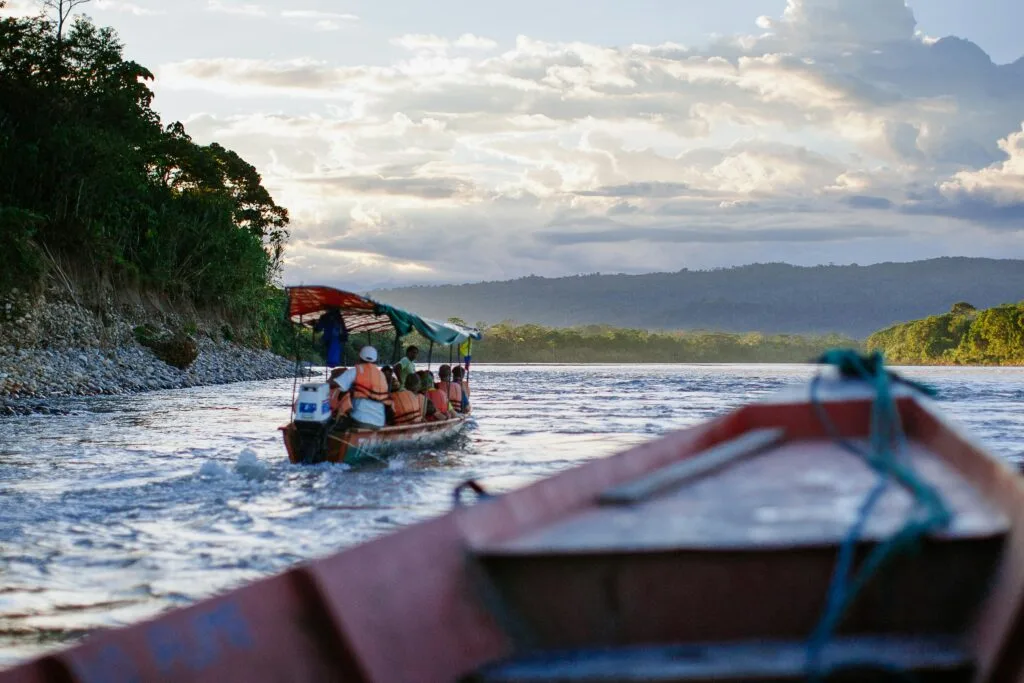
Stepping off the beaten track into Ecuador’s lowland rainforest demands absolute gear discipline and modular waterproofing. From high Andean passes down into the Napo River basin, these are the vital takeaways for navigating the Amazon independently.
- Modular Waterproofing: Standard rain covers fail during canoe transits; line your primary backpack with a heavy-duty IPX6 or IPX8 dry liner and divide gear into roll-top dry sacks
- Hydrophobic Fabrics: Avoid cotton entirely as it rots in 90 per cent humidity, opting instead for quick-drying synthetic ripstop nylon and lightweight merino wool blends
- Local Footwear Strategy: Leave bulky leather hiking boots at home and purchase cheap rubber boots (botas de caucho) in hub towns like Tena or Puyo for under $12 USD
- Gear-Safe Insect Protection: Choose Picaridin 20 per cent over DEET to prevent the chemical melting of synthetic apparel, watch crystals, and camera housing
- Off-Grid Power Management: Electricity in river communities is limited to brief generator windows, making a high-capacity 20,000mAh power bank with dust-capped cables essential
- Small Cash Denominations: Carry crisp, untorn $1, $5, and $10 USD notes split across waterproof pouches, as large or damaged bills are universally rejected in remote areas
- Dual-Stage Water Purification: Combine a 0.1-micron hollow-fibre membrane filter with chlorine dioxide tablets to eliminate both biological sediment and viral pathogens
The Ecuadorian Amazon.
The most biodiverse place in the world
Environmental realities / High Andes to lowland jungle
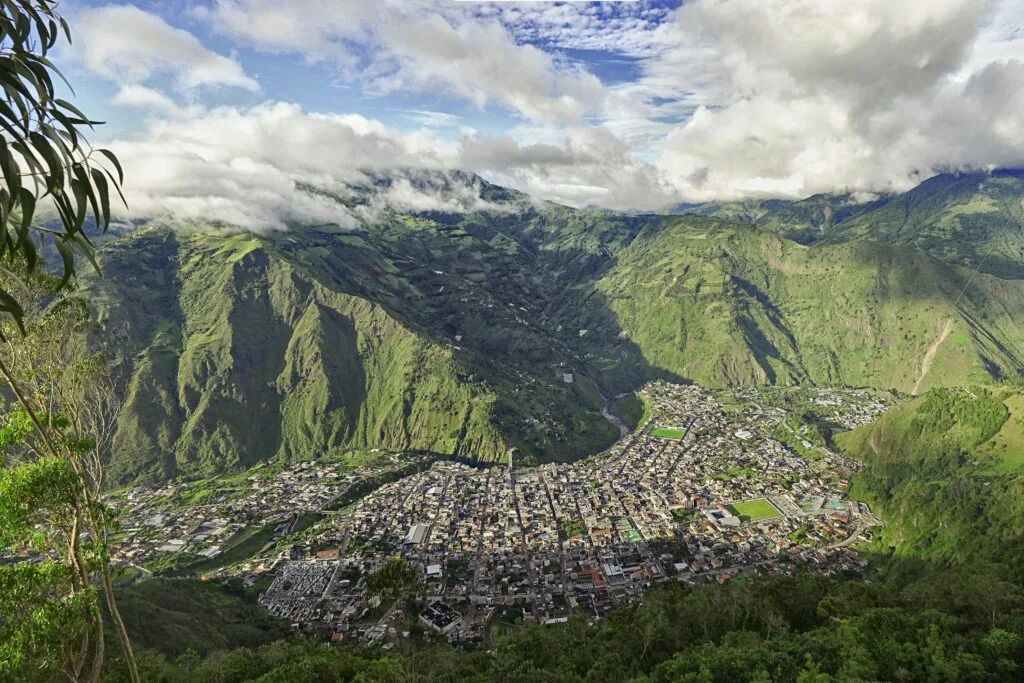
Understanding the microclimates of Ecuador’s eastern slope is critical to selecting gear that functions rather than rots. The transition begins along the descent from the central sierra. The cold, damp air of the high altitude gives way to tropical warmth around 1,500 metres, where moisture-laden air masses from the Amazon basin hit the Andean wall and condense into near-constant rainfall.
By the time you reach lowland towns like Tena or Puerto Misahuallí, ambient conditions stabilise into classic equatorial rainforest metrics:
- Relative Humidity: Consistently between 85 per cent and 98 per cent. Moisture does not evaporate readily; saturated gear will not dry overnight unless exposed to direct sunlight or forced airflow
- Precipitation: The Ecuadorian Amazon does not have a strict dry season, but rather periods of high rainfall and extreme rainfall. Downpours are sudden, heavy, and often accompanied by high winds during river crossings
- Substrate and Mud: Trail networks in reserves such as Cuyabeno, Yasuní National Park, or community lands around the Napo River consist of heavy clay and decomposing organic topsoil. Mud routinely reaches mid-calf depth
- Ultraviolet Exposure: Despite frequent cloud cover, proximity to the equator results in extreme UV indices (11+). Reflected sunlight on open river channels doubles exposure
Overland transport amplifies these environmental stresses. Regional buses (rancheras or inter-provincial coaches) frequently stash luggage in unsealed lower compartments that collect road spray. Transferring from road to river involves loading bags into open-deck wooden canoes where bilge water, engine oil, and rain spray accumulate rapidly.
Core packing philosophy / Modular waterproof systems
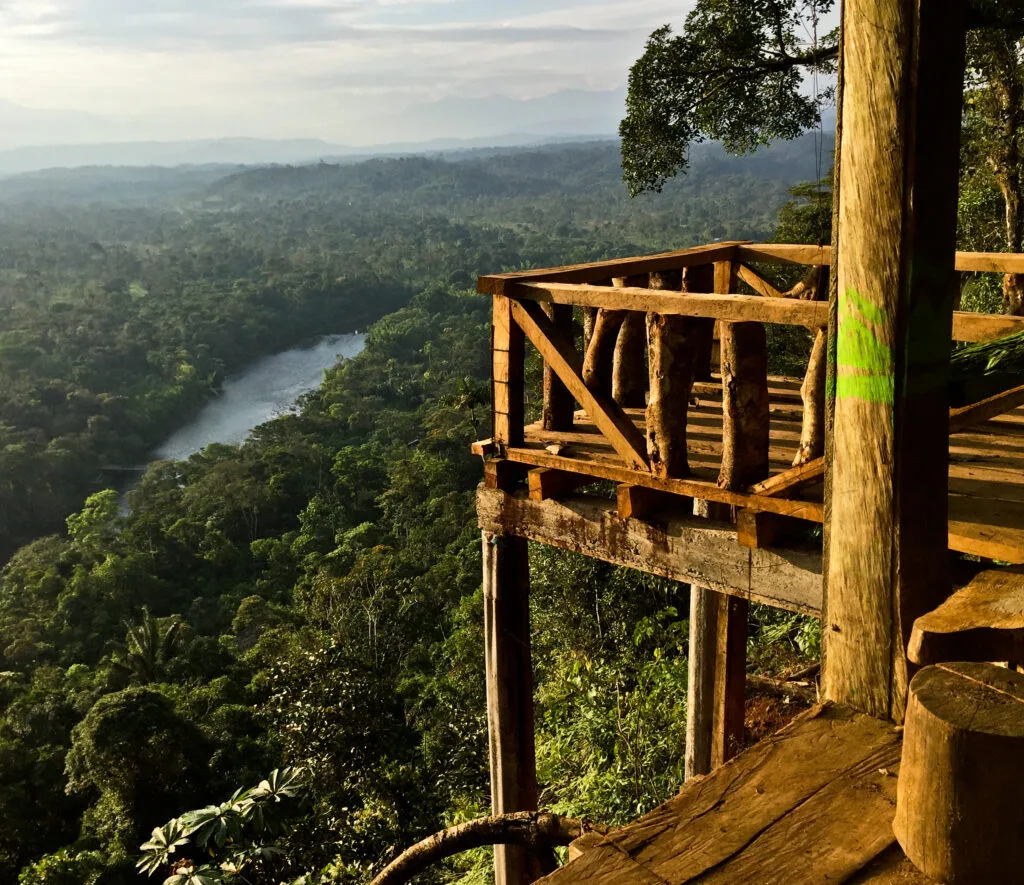
In an environment where humidity penetrates conventional luggage zips within hours, external backpack rain covers are insufficient. A single hole in a rain cover during a two-hour canoe deluge will submerge the bottom half of your pack. Independent travellers must rely on an absolute, modular waterproofing strategy: the bag-within-a-bag method.
1. Heavy-duty external duffels vs lightweight internal liners
If your itinerary relies heavily on motorised canoes or open vehicle beds, consider a heavy-duty, waterproof PVC or TPU roll-top duffel bag as your primary piece of luggage. A 60-litre to 90-litre dry duffel with an IPX6 or IPX8 rating provides structural protection against abrasion, mud, and total submersion.
If you are travelling with a standard internal-frame hiking backpack, line the entire main compartment with a heavy-gauge dry sack or a heavy-duty contractor trash bag before loading gear.
2. Secondary modular dry sacks
Divide your gear into colour-coded, roll-top dry sacks (5-litre to 15-litre capacities) made from lightweight 70D nylon with taped seams.
- Red Sack: First aid and emergency medical supplies
- Blue Sack: Daily synthetic clothing and spare socks
- Green Sack: Camp clothing and sleep system (kept dry at all costs)
- Yellow Sack: Cables, power banks, and secondary electronics
Roll-top closures must be folded a minimum of three tight turns before clipping to ensure a splash-proof seal.
3. Protection for optics and sensitive electronics
High humidity encourages fungal growth on camera lenses and damages circuit boards.
- Pack silica gel desiccant packs inside all electronics bags. Redry these packs in a skillet over low heat whenever you have access to a kitchen
- For high-value electronics or camera bodies, use a rigid, O-ring-sealed hard case equipped with a manual pressure equalisation valve
- Double-seal mobile phones and navigation devices inside clear, touch-compatible IPX8 waterproof pouches during river transits
The Galápagos.
Ecuador’s Enchanted Isles
Technical clothing / Fabrics for high humidity
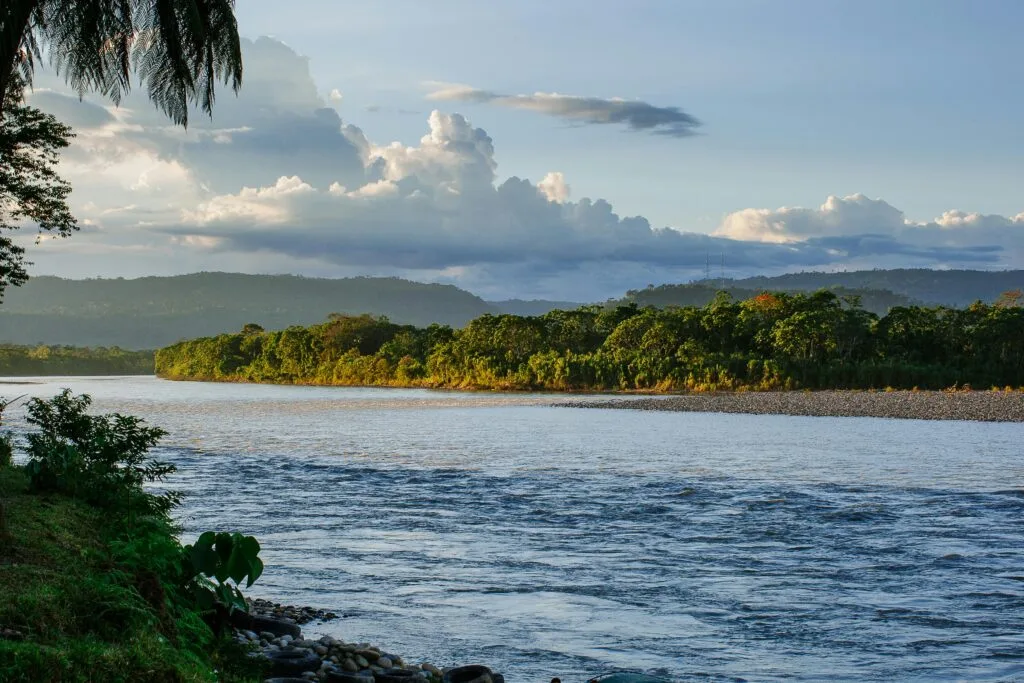
Cotton is a severe liability in the Amazon basin. It absorbs up to 27 times its weight in water, holds ambient moisture, loses insulation value when wet, and becomes a breeding ground for skin fungi within 24 hours. Every textile in your pack must be selected for hydrophobic performance, durability against thorns, and insect resistance.
Material selection criteria
- Synthetic Fabrics / Nylon 6,6 and Polyester: Nylon offers superior abrasion resistance against rough vegetation and bus interiors, making it the ideal choice for trousers and outer shells. Polyester dries slightly faster than nylon and handles prolonged UV exposure better, making it suitable for shirts
- Merino Wool: While merino wool excels at odour suppression during multi-day overland stretches, choose lightweight blends (120g/m² to 150g/m²) combined with synthetic fibres to increase durability and speed up drying times
| Item | Recommended Specification | Material | Function |
| Long-Sleeve Trekking Shirts (2) | UPF 50+, ventilated back panel, roll-up sleeve tabs | 100% Ripstop Polyester or Nylon | Primary barrier against sun, mosquitoes, and abrasive brush |
| Convertible Trekking Trousers (2) | Quick-dry finish, reinforced seat and knees, deep zip pockets | Lightweight Ripstop Nylon with DWR | Insect protection on trails; convert to shorts in dry camp areas |
| Rain Shell (1) | 2.5-layer or 3-layer membrane, pit zips, fully taped seams | Lightweight Nylon Shell (min 10,000mm hydrostatic head) | Wind and rain barrier during high-speed open canoe runs |
| Camp T-Shirts (2) | Ultralight, loose fit, anti-odour treatment | Polygiene-treated Polyester or Merino Blend | Dry clothing reserved strictly for evening camp or lodging |
| Technical Underwear (3) | Moisture-wicking, flatlock seams | Synthetic Mesh (Polyester/Elastane) | Prevents chafing during long humid treks and dries rapidly |
| Trekking Socks (4 pairs) | Lightweight crew length, reinforced heel/toe | Merino Wool / Nylon / Elastane blend | Cushioning and blister prevention inside damp footwear |
| Sun Hat (1) | Wide brim (7cm+), chin cord, packable | UPF 50+ Nylon | Sun protection during unshaded river transits |
Overland transit and security hardware
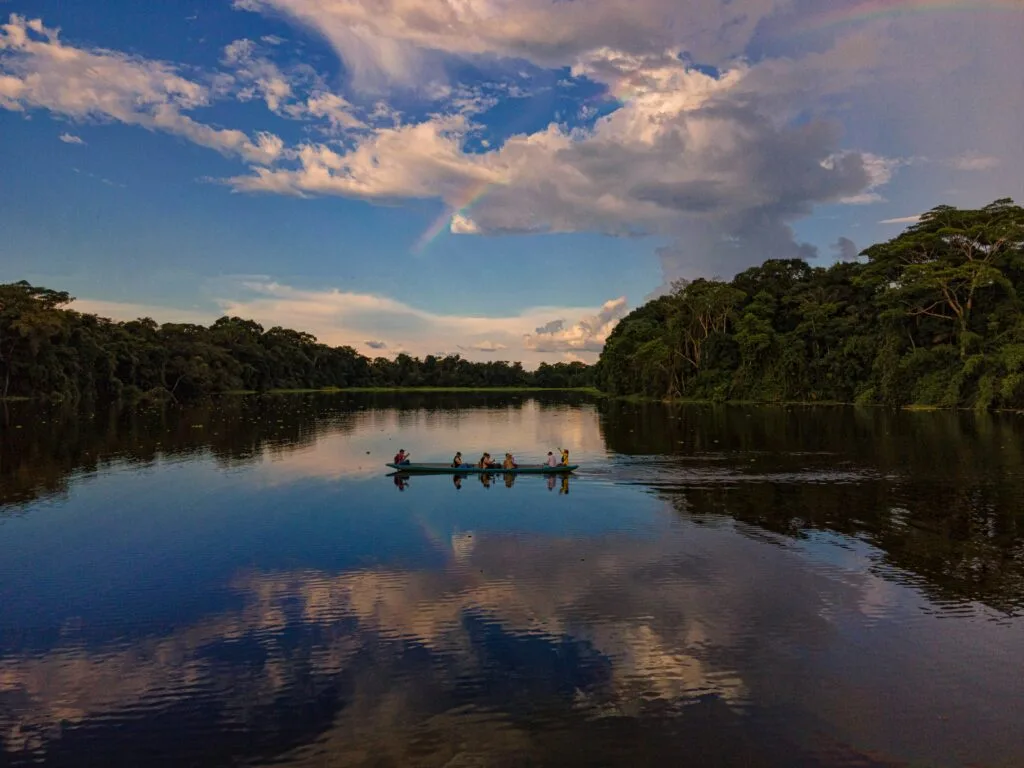
Navigating public transport corridors across the Oriente—such as the E45 highway connecting Puyo, Tena, and El Coca—requires gear built to endure physical impact and opportunistic security risks.
Luggage security and reinforcement
- Flexible Cable Locks: Thread a 1.2-metre braided steel cable lock through the zipper pulls and frame handles of your main pack when securing it to roof racks on local transport or bus luggage racks
- Lockable Zip Sliders: Use TSA-accepted brass padlocks or combination cable locks on your main bag compartments. In crowded transport hubs like the Terminal Terrestre in Quitumbe (Quito) or Baños, open pockets are vulnerable targets
- Packable Waterproof Daypack: Keep a 15-litre to 20-litre ultralight dry-pack folded in your main luggage. Use this as your carry-on for motorised canoes and local buses, holding your travel documents, medicine, power bank, and water filter
Overland bus & canoe transit security checklist
- Primary pack lined with IPX6/IPX8 dry liner
- Zips locked with cable locks or padlocks
- High-value items isolated in waterproof daypack
- Daypack stays on lap during canoe transits
- Rain cover fitted over daypack during rain
Power management strategy
Off-grid power in remote communities along the Napo, Aguarico, or Pastaza rivers is unpredictable. Generators in indigenous communities (such as those around Shiripuno or Cuyabeno) typically operate for only two to three hours per evening.
- High-Capacity Power Banks: Carry two 10,000mAh or one 20,000mAh external battery packs rated with flame-retardant casings. Ensure they support USB Power Delivery (PD) for fast charging during short generator windows
- Solar Panel Limitations: Do not rely exclusively on solar chargers. The dense Amazonian canopy blocks up to 95 per cent of sunlight on forest trails. Solar panels are effective only during open river transits or on unshaded boat decks. If bringing a panel, select a rugged, folding 15W to 21W unit with IP65 water resistance
- Charging Cables and Ports: High humidity corrodes micro-USB and Lightning pins rapidly. Protect cable tips with rubber dust caps, and clean contacts regularly with an alcohol wipe
The Ecuadorian Sierra.
Get lost in the hills
Health, medical, and sanitation field kit
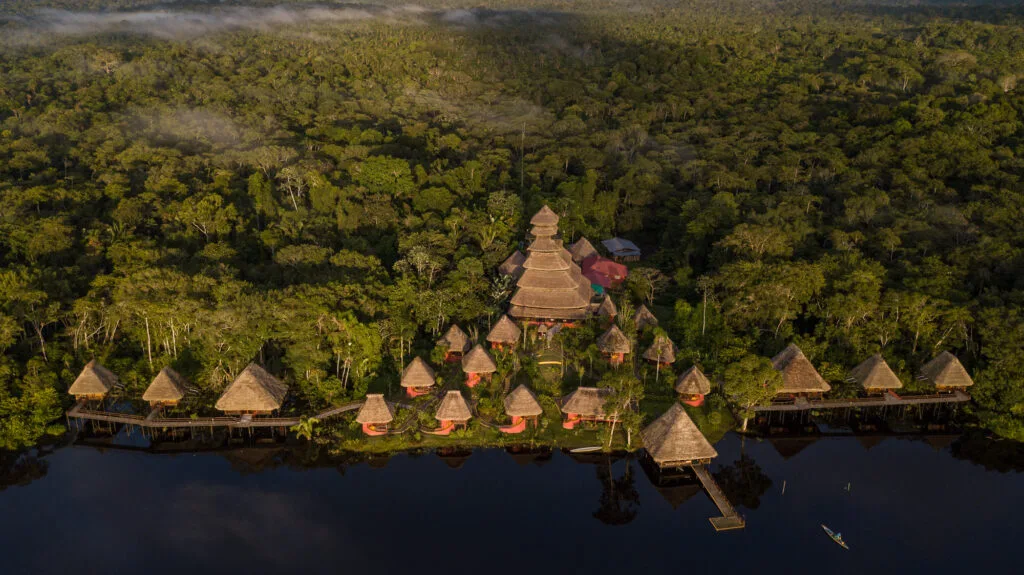
Independent travellers operating without a tour operator’s medical backup must carry a comprehensive self-preservation kit tailored to tropical medicine realities.
1. Mandatory documentation and immunisations
Ecuadorian health officials and transport officers periodically check health documentation at checkpoints entering regional provinces like Orellana or Sucumbíos.
- Yellow Fever Certificate: The International Certificate of Vaccination or Prophylaxis (ICVP) for Yellow Fever is required for entry into Ecuador’s Amazonian provinces. Keep the physical yellow card inside a waterproof document sleeve alongside your passport
- Digital Copies: Store encrypted offline PDFs of your passport bio page, Yellow Fever card, travel insurance policy, and emergency contact details on your smartphone
2. Insect repellent strategy / Picaridin vs DEET
Managing insect vectors (mosquitoes, sandflies or mantiquillas, and chiggers) is both a comfort and health priority.
- Picaridin (Icaridin) 20%: The preferred choice for technical clothing and expensive gear. Picaridin is effective against mosquitoes and flies, does not degrade synthetic fabrics, and will not melt watch crystals, camera grips, or sunglasses
- DEET (Diethyltoluamide) 30% to 50%: Highly effective, but poses a risk to technical outdoor equipment. DEET acts as a solvent on plastics, nylon coatings, synthetic shirts, and waterproof membranes. If using DEET, apply it strictly to exposed skin, avoiding contact with synthetic apparel and equipment
- Permethrin Clothing Treatment: Treat your trekking pants, long-sleeve shirts, and socks with 0.5% Permethrin spray prior to departure. Permethrin binds to fabric fibres and remains effective through five to six washings, providing a passive barrier against ticks, chiggers, and mosquitoes
3. Water treatment protocols
Untreated water sources in the Oriente carry high risks of bacterial pathogens (E. coli, Salmonella), protozoan cysts (Giardia, Cryptosporidium), and viral contamination near human settlements.
- Primary Filtration: Use a 0.1-micron hollow-fibre membrane filter (eg, Sawyer Squeeze or Katadyn BeFree) to eliminate bacteria and protozoa from clear stream or tap water
- Chemical Purification: Membrane filters do not remove viruses. When treating water taken from large river systems like the Napo or municipal supply taps in remote villages, follow mechanical filtration with Chlorine Dioxide tablets. Allow a 30-minute reaction time (or up to four hours for cold, turbid water) for complete viral neutralisation
4. Specialised jungle medical supplies
Standard travel first aid kits lack the supplies needed for tropical skin infections and gastrointestinal distress:
- Anti-Fungal Creams and Powders: High heat and moisture rapidly lead to fungal skin infections (tinea pedis and tinea cruris). Pack a tube of Clotrimazole 1% or Miconazole nitrate cream, alongside a dry anti-fungal dusting powder
- Oral Rehydration Salts (ORS): Sweating in high humidity combined with potential gastrointestinal distress causes rapid electrolyte depletion. Carry at least six WHO-formula ORS sachets
- Prescription Antibiotics: Consult a travel medicine physician prior to your trip to secure a course of broad-spectrum antibiotics (such as Azithromycin or Ciprofloxacin) for severe traveller’s diarrhoea or secondary bacterial skin infections from insect bites
- Topical Antihistamines and Hydrocortisone: Apply 1% Hydrocortisone cream to insect bites to suppress itching. Scratching open bites in a high-bacteria environment frequently leads to secondary staph or strep infections
Footwear strategy / Trail runners and local rubber boots
Footwear selection for the Amazon causes significant confusion among independent travellers. Heavy leather hiking boots are unsuitable for the Amazon basin: once soaked, leather takes days to dry, rots in humid climates, and causes severe friction blisters.
1. Primary trail footwear / Non-membrane trail running shoes
Choose synthetic trail running shoes without a waterproof Gore-Tex or membrane lining. Waterproof membranes in shoes create a bucket effect in the jungle: water enters over the ankle cuff during deep mud crossings or rainstorms, and the membrane prevents it from draining out.
- Select shoes made from open synthetic mesh with generous drainage ports
- Ensure deep, aggressive lug patterns (5mm+ Vibram or similar rubber outsoles) for traction on wet clay slopes
- Pair with synthetic or lightweight merino socks to minimise skin breakdown when submerged
2. Deep jungle footwear / Local tall rubber boots (Botas de Caucho)
For multi-day treks, deep muddy trails, or excursions into pristine reserves, tall rubber boots reaching just below the knee are the standard footwear across South America.
- Buy Locally: Do not purchase expensive rubber boots at home or haul them across international flights. Upon arrival in regional hubs like Tena, Puyo, Baños, or El Coca, visit a local hardware store (ferretería) or market square
- Cost: Standard black or yellow botas de caucho cost between $8 USD and $12 USD
- Sizing and Insoles: Buy boots one size larger than your standard shoe size. Purchase a pair of thick, cushioned orthotic insoles at the same shop to place inside the flat rubber boot bed. Pair them with tall crew socks that extend higher than the top rubber rim to prevent friction chafing on your calves
The Ecuadorian Coast.
Where you’ll find the very best food
Logistics, currency, and regional connectivity
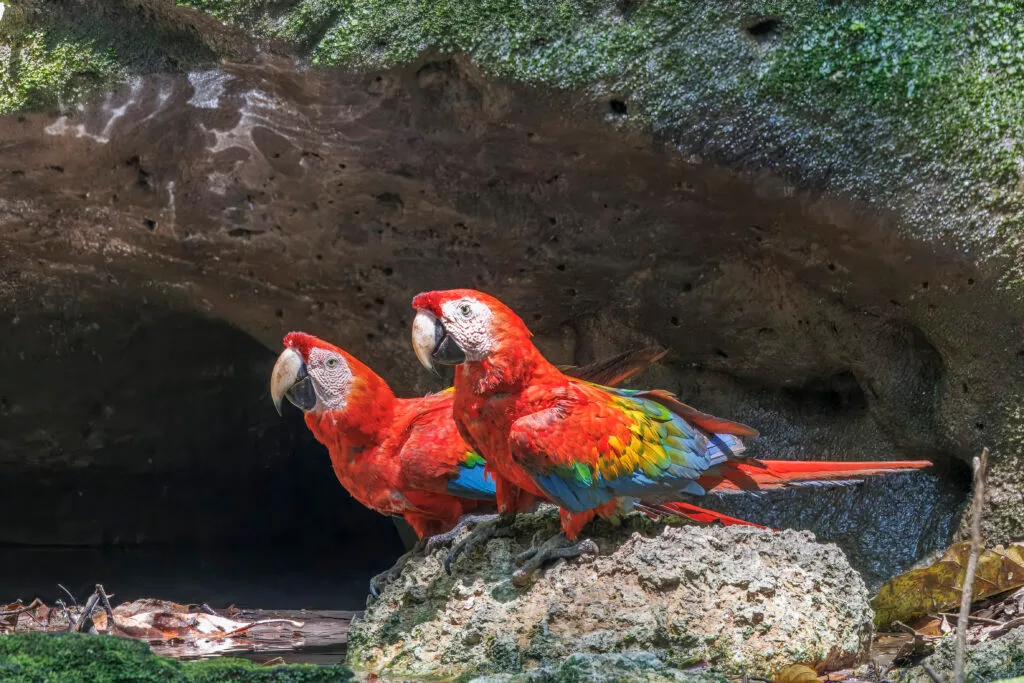
Independent travel across Ecuador’s eastern provinces requires logistical adaptability. Outside major towns, electronic payment systems are non-existent, and cell coverage drops quickly once you head downriver.
Cash strategy and currency denominations
Ecuador uses the US dollar ($ USD). While credit and debit cards are accepted at hotels and established restaurants in Baños or central Tena, cash is essential along river routes.
- Small Denominations Only: Carry cash almost exclusively in $1, $5, and $10 bills. Community transport drivers, canoe operators, and local fruit stands cannot break a $20 note, let alone a $50 note
- Condition of Currency: Inspect your banknotes carefully when receiving change in urban centres. Merchants and transport operators in rural Amazonian communities will refuse bills with tears, heavy fraying, or ink markings
- Storage: Divide your cash reserves into two sealed, waterproof Ziploc bags. Store your main reserve in a hidden neck pouch or internal pack pocket, keeping only $15 USD to $20 USD in loose small bills in an easily accessible pocket for daily transit purchases
Mobile connectivity / Physical SIM vs eSIM systems
Maintaining communication and GPS capability is essential for independent overland navigation along the Oriente transit corridors.
- Local Physical SIM Cards: If your phone is unlocked, purchase a physical local SIM card upon arrival at Quito airport or in major urban centres. Claro provides the broadest coverage across rural Ecuador and Amazonian river corridors. While Movistar has strong coverage in main towns like Baños, Tena, and Puyo, its signal fades rapidly along downriver channels
- eSIM Options: International travel eSIMs (such as Airalo or Maya Mobile) operate by roaming on local partner networks (usually Movistar or Claro). Verify which local network partner your eSIM provider uses in Ecuador before purchasing; select providers that route through Claro’s network infrastructure for better rural coverage
Offline digital navigation setup
Do not count on cellular data service along rural highways or river routes. Prepare your navigation devices while connected to Wi-Fi in Quito or Baños:
- OSMAnd / Maps.me: Download the complete offline vector map files for Ecuador. These open-source mapping applications display small jungle footpaths, river tributaries, and community docks missing from standard web maps
- Komoot: Download offline topographic maps and route profiles if you plan to navigate overland tracks or mountain bike down the eastern Andean slopes
- Google Maps: Download offline map squares covering the entire E45 corridor from Ambato/Baños down through Puyo, Tena, Archidona, and north to El Coca
Complete Amazon packing checklist
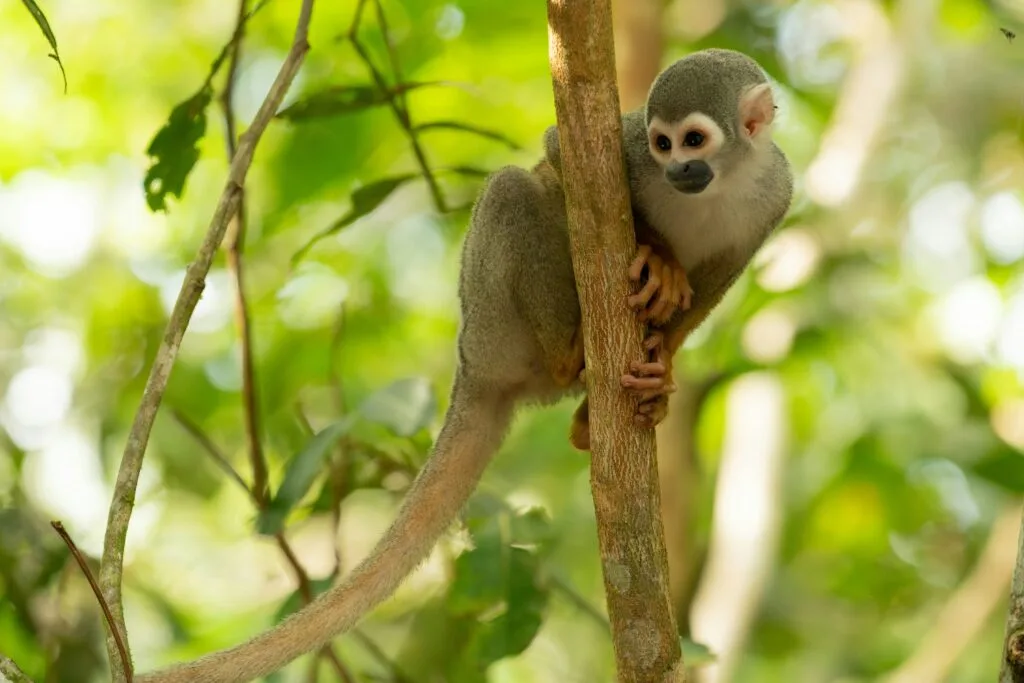
Use this field-tested checklist to review your loadout before departing transit hubs like Baños or Quito for the lowland Oriente.
Waterproofing & luggage
- Primary Backpack or Heavy-Duty TPU Duffel (50L–65L)
- Main Compartment Dry Liner (IPX6/IPX8 rated)
- Lightweight Dry Sacks (3x 5L, 2x 10L)
- Packable Waterproof Daypack (15L–20L)
- Heavy-Duty Ziplock Bags (x6 for organization/trash)
- Cable Lock and Small Brass Padlocks
Technical apparel
- 2x Long-Sleeve Synthetic Trekking Shirts (UPF 50+)
- 2x Quick-Dry Convertible Trekking Trousers
- 1x Lightweight Rain Shell with Pit Zips
- 2x Camp T-Shirts (Merino or Polygiene-treated synthetic)
- 3x Technical Moisture-Wicking Underwear
- 4x Lightweight Synthetic/Merino Crew Socks
- 1x Wide-Brim Sun Hat with Chin Strap
- 1x Polarised Sunglasses (Category 3 UV protection)
Footwear
- Non-Membrane Trail Running Shoes (Aggressive tread)
- Locally Purchased Rubber Boots (Botas de Caucho – bought in Tena/Puyo)
- Cushioned Orthotic Insoles (For rubber boots)
- Lightweight Camp Sandals or Flip-Flops
Electronics & hardware
- 20,000mAh Power Bank (Fast-charging PD capability)
- Rugged USB-C Charging Cables with Dust Caps
- Waterproof Phone Case (IPX8 rated)
- Headlamp (Min 300 lumens, IPX8 waterproof rating) + Spare Batteries
- Silica Gel Packs (x6 for camera/electronics storage)
- Multi-tool or Pocket Knife (Stored in checked luggage during flights)
Health & sanitation
- Yellow Fever Immunisation Certificate (ICVP physical card)
- Picaridin 20% Insect Repellent Spray (100ml+ bottle)
- Permethrin-treated clothing (pre-treated at home)
- Hollow-Fibre Water Filter (Sawyer Squeeze or equivalent)
- Chlorine Dioxide Water Purification Tablets
- Clotrimazole 1% Anti-Fungal Cream & Powder
- Hydrocortisone 1% Cream
- Oral Rehydration Salts (WHO formula, 6+ sachets)
- Personal Prescription Antibiotics & Medications
- High-SPF Sunscreen (Mineral-based, non-greasy)
Currency & documents
- Passport (Valid 6+ months past travel dates)
- Waterproof Document Sleeve
- $150–$300 USD in Small, Crisp Bills ($1, $5, $10 notes)
- Primary Credit/Debit Cards (Stored separately)
- Offline Navigation Maps & Data Pre-Downloaded
The Ecuadorian Amazon.
The most biodiverse place in the world
Respect the rhythm of the lowland basin
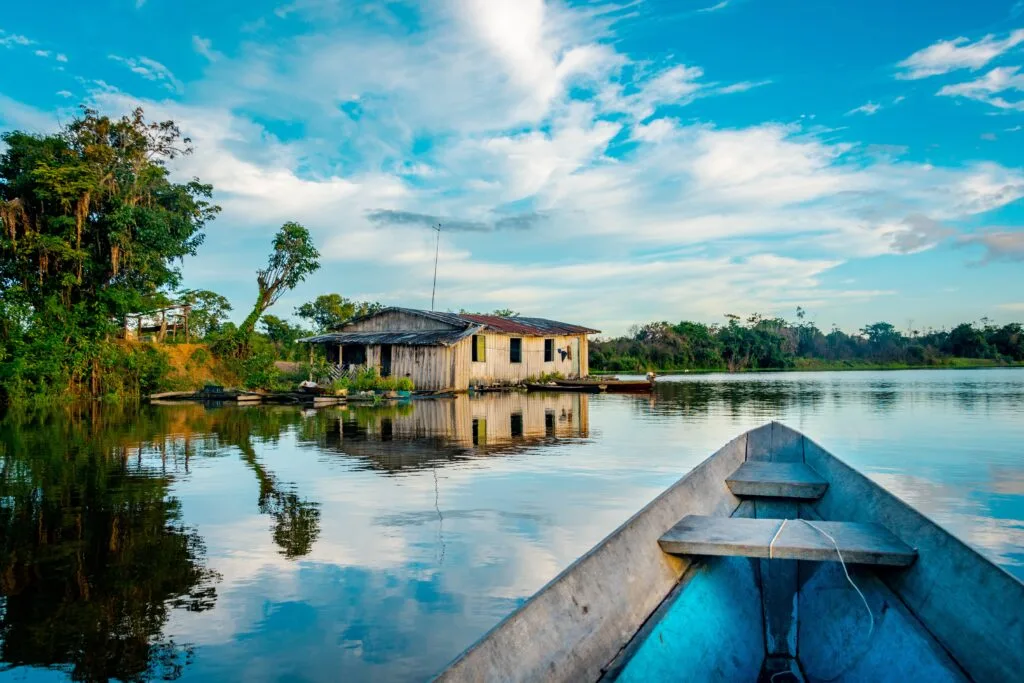
Travelling overland through El Oriente strips away the artificial buffering of pre-packaged tourism, forcing you to move at the natural pace of the landscape. When your equipment is thoroughly protected against persistent humidity and your logistics are anchored in local realities, the Amazon transforms from an intimidating climate into an extraordinarily rewarding realm for independent exploration.
Success along the Napo and Pastaza river corridors hinges on adaptability and self-reliance. Whether hopping inter-provincial buses along the E45 highway or boarding an open motorised canoe at Puerto Misahuallí, accepting that damp gear, sudden downpours, and deep clay mud are fundamental to the journey allows you to focus on the sheer ecological vitality of the rainforest.
By prioritising functional equipment, supporting local merchants for gear like botas de caucho, and respecting community health protocols, you ensure your operational footprint remains light while your experience stays authentic. Pack thoughtfully, secure your kit against the elements, and let the river currents carry you into one of South America’s most captivating wildernesses.
Affiliate Disclaimer: Some of the links on Wheely Tyred are affiliate links. If you click through and make a booking or purchase, we may earn a small commission at no extra cost to you. We only recommend gear, tours, stays, and services we genuinely use, trust, and stand behind — our editorial independence always comes first. These commissions help keep our independent cycling guides and travel stories free to read. Thanks for supporting the ride!
Frequently asked questions about packing for the Ecuadorian Amazon
It is best to purchase rubber boots locally upon reaching transit hubs like Tena, Puyo, or El Coca. Local hardware stores (ferreterías) and markets sell durable rubber boots (botas de caucho) for $8 to $12 USD. Buying them in Ecuador saves significant luggage weight during international transit and ensures you get the exact style suited to local mud conditions.
High concentrations of DEET act as an aggressive chemical solvent on synthetic materials. DEET can melt plastic watch crystals, dissolve waterproof polyurethane coatings, and permanently damage synthetic trekking shirts or camera grips. Picaridin 20 per cent provides comparable insect protection without degrading technical gear or clothing.
Yes. Ecuadorian health officials and transport police periodically conduct checks for the International Certificate of Vaccination or Prophylaxis (ICVP) at regional checkpoints entering provinces such as Orellana and Sucumbíos. Keep your physical yellow card inside a sealed waterproof sleeve with your passport.
Store all sensitive electronics, cables, and camera gear inside roll-top dry sacks or O-ring sealed hard cases packed with fresh silica gel desiccant packs. Avoid leaving devices exposed to ambient air inside humid backpacks, and fit rubber dust caps over charging ports to prevent pins from corroding.
No. Card readers and internet terminals are virtually non-existent once you travel beyond primary towns like Baños or central Tena. You must carry sufficient cash in small, undamaged US dollar notes ($1, $5, and $10 bills). Merchants and boat operators cannot break $20 or $50 notes and will refuse torn currency.
Waterproof membranes create a bucket effect in tropical environments. Once water or deep mud breaches the top ankle collar of a Gore-Tex shoe during a stream crossing or heavy downpour, the membrane traps the liquid inside. Non-membrane mesh trail runners allow water to drain instantly while walking and dry far quicker.
Ecuador.
Pure wonder on the equator.