Best multi-day tours from Quito, Ecuador / The ultimate overland & regional expedition guide
Bookable Ecuador overland expeditions, volcanic treks, and small-group regional tours from Quito
From High Andean páramo to Amazonian cloud forests
BEN FINCH
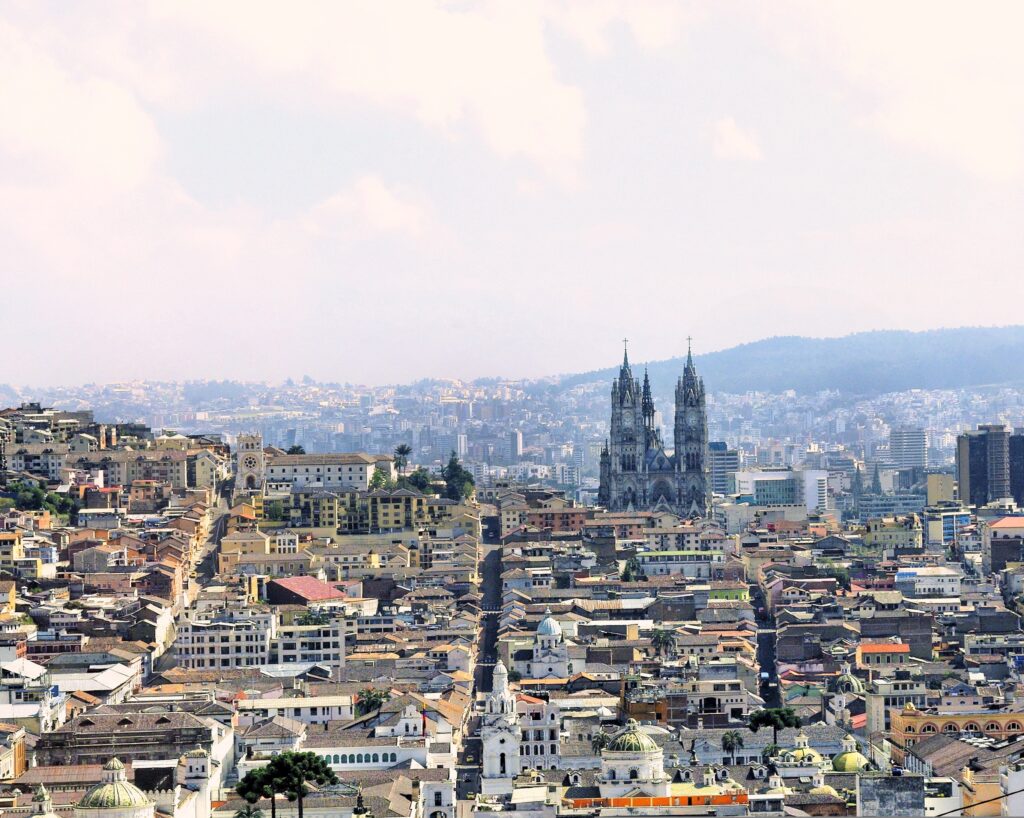
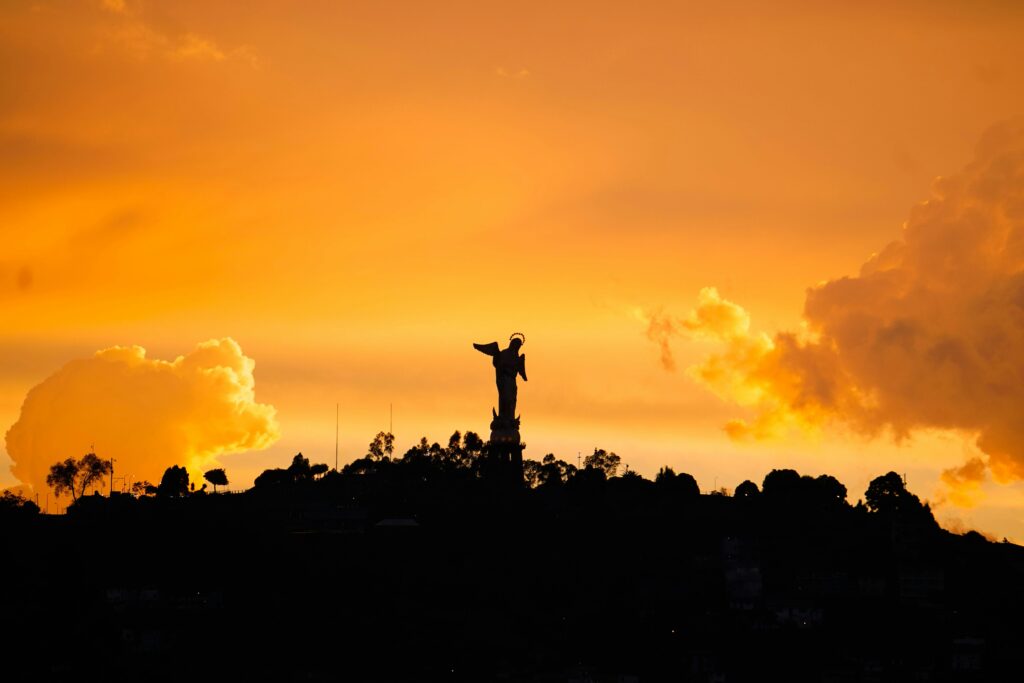
Perched high in the northern Andes at 2,850 metres above sea level, Quito is far more than a staging ground for international arrivals. Squeezed between towering volcanic peaks and draped across steep green ridges, Ecuador’s capital boasts one of South America’s best-preserved UNESCO-listed colonial cores.
Yet, for independent travellers and outdoor enthusiasts, Quito’s true magic lies in its role as a launching pad for immersive, multi-day journeys into some of the most ecologically diverse terrain on Earth.
Within a few hours’ drive of the capital, you can transition from high-altitude alpine páramo and active snow-capped volcanoes to misty cloud forests, lush Amazonian river basins, and traditional indigenous market towns.
However, tackling Ecuador’s complex mountain roads and remote wilderness reserves on rushed, single-day whistle-stop bus excursions often leaves travellers exhausted and barely scratching the surface of local culture.
At Wheely Tyred, we advocate for slow, intentional travel. Choosing small-group, multi-day overland expeditions allows you to properly acclimatise, support rural host communities, and experience the cadence of Andean and Amazonian life.
Below, we have curated the absolute best bookable multi-day tours starting in or seamlessly connecting from Quito, ranging from high-altitude trekking loops to deep Amazon jungle immersions and classic Andes-to-Galápagos expeditions.
Quito’s ultimate multi-day routes
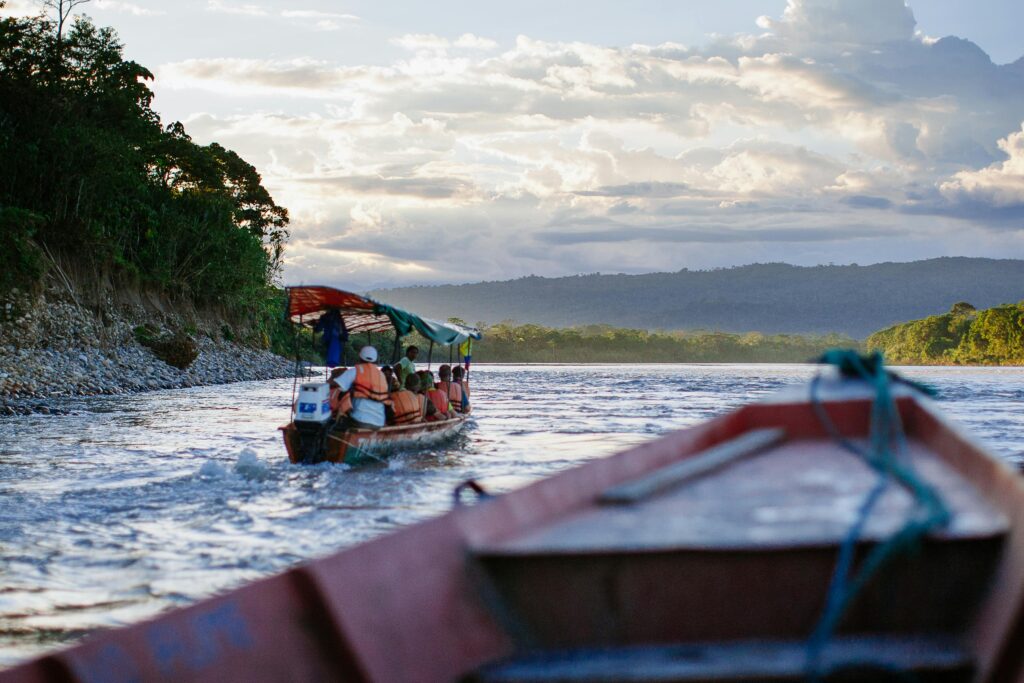
Choosing how to navigate Ecuador comes down to how deeply you want to connect with its varied topography and vibrant host communities. Here is a snapshot of what makes multi-day overland expeditions from Quito so extraordinary.
- Volcanic Spine: Traversing the Avenue of the Volcanoes connects high-altitude national parks, taking travellers from Cotopaxi’s snow-capped cone to the emerald waters of the Quilotoa crater lake
- Amazonian Descents: Dropping down the eastern Andean slopes from high-altitude páramo into the lush cloud forests of Baños and Tena opens up immediate access to primary rainforests and native river basins
- Colonial Heritage: Southbound overland routes through the central highlands link the ancient Inca-Cañari ruins of Ingapirca with traditional craft communities in Guamote, Gualaceo, and Chordeleg
- Galápagos Extensions: Land-based island-hopping itineraries departing from Quito directly support island-owned lodgings while offering marine encounters at Tortuga Bay and Santa Fé
- Acclimatisation Strategy: Setting aside 24 to 48 hours in Quito (2,850 metres) ensures your lungs and body adapt smoothly before taking on high-altitude mountain passes
- Layering Essentials: Moving through four distinct microclimates across a single journey requires technical thermal layers, broken-in hiking boots, and waterproof dry bags for jungle waterways
The Ecuadorian Sierra.
Get lost in the hills
1. Traverse the grand circuit of the central Andes and Imbabura
Rating & reviews
(2+ verified user reviews on TourRadar)
Why we recommend it
If you want a definitive, unhurried expedition across Ecuador’s central geographic spine, this 11-day itinerary hits the perfect balance between active nature exploration and deep cultural engagement. Rather than cutting corners, the route takes you down the famous Avenue of the Volcanoes before swinging north to the craft villages of Imbabura province.
It prioritises sustainable local engagement—such as visiting indigenous markets in Guamote and supporting traditional artisans in Gualaceo and Chordeleg—ensuring your tourism expenditure directly benefits local family workshops.
Itinerary highlights
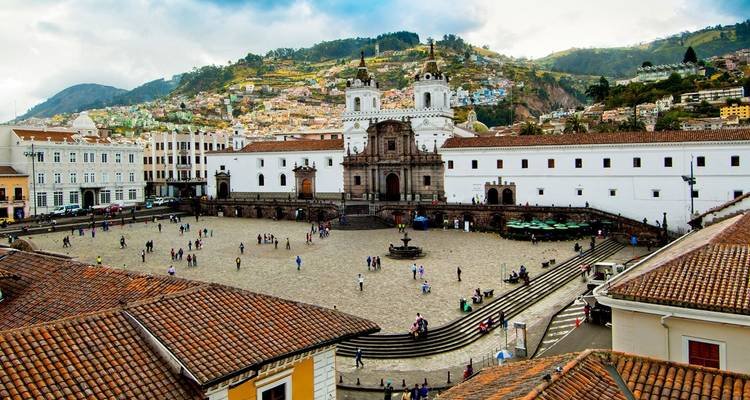
- Days 1–2 / Quito Acclimatisation & The Volcanic Circuit: Begin with a guided walk through Quito’s colonial core before heading south into Cotopaxi National Park. Walk the shores of Limpiopungo Lagoon (3,800m elevation) under the cone of Cotopaxi Volcano, then hike along the rim of the turquoise Quilotoa crater lake
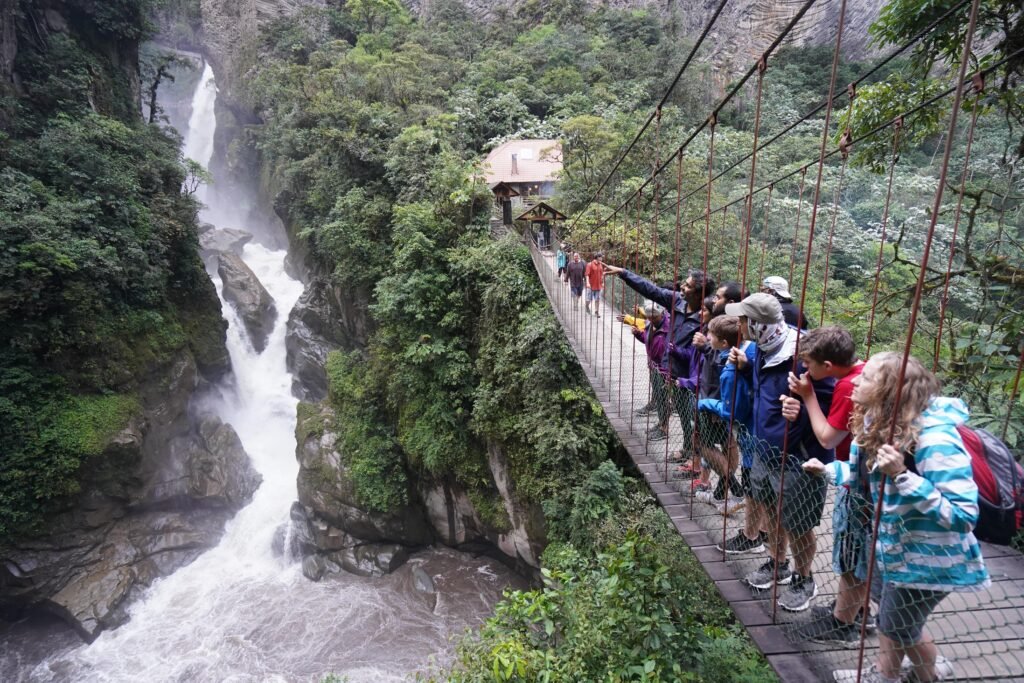
- Days 3–4 / Baños de Agua Santa & Thermal Valley: Descend into the subtropical adventure valley of Baños de Agua Santa. Explore the Ruta de las Cascadas, cross the Pastaza River canyon by tarabita (cable car), and hike to the thunderous Pailón del Diablo (Devil’s Cauldron) waterfall
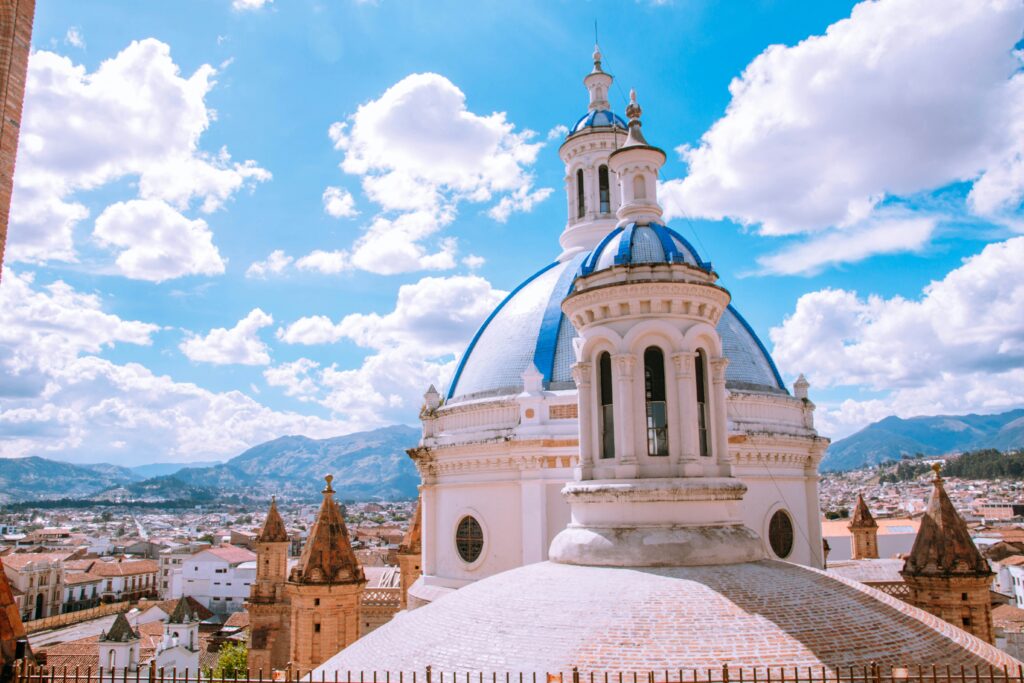
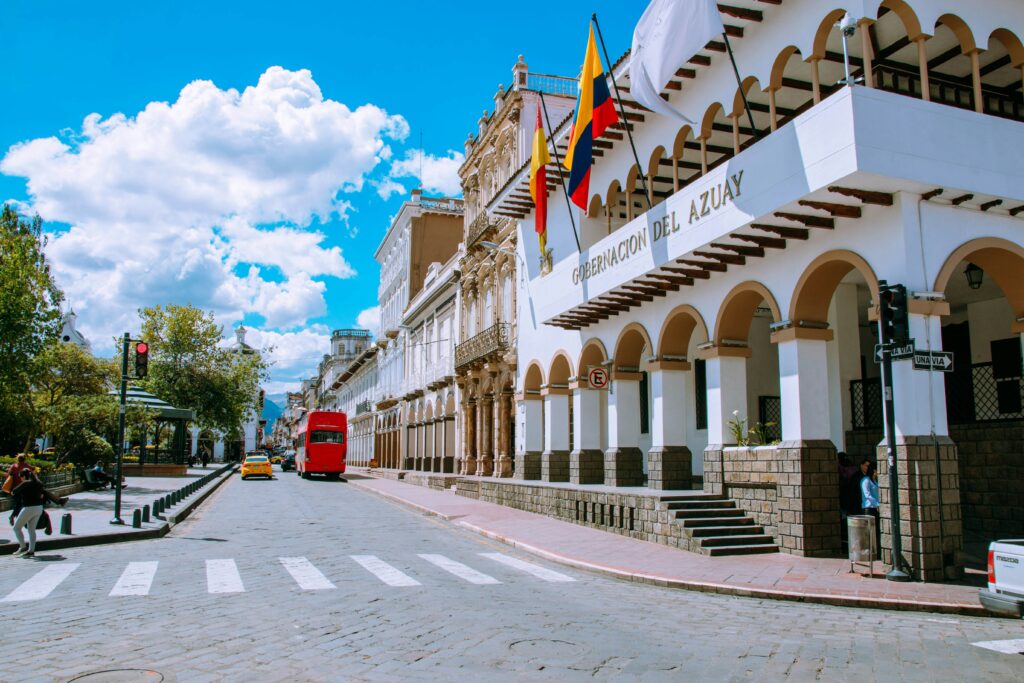
- Days 5–7 / High Andes to Colonial Cuenca: Travel through the high lagoons of Sangay National Park at Ozogoche, visit the ancient Inca-Cañari archaeological complex at Ingapirca, and spend two full days exploring UNESCO-listed Cuenca and the silver filigree artisans of Chordeleg
- Days 8–11 / Northern Highlands & Indigenous Markets: Return north to Quito before heading to Otavalo. Tour the Quitsato Solar Clock on the Equator line, shop at the famous Plaza de los Ponchos market, and hike around the deep emerald crater lake of Cuicocha at the foot of Mount Imbabura
Target traveller
Ideal for culture-focused wanderers, photography enthusiasts, and long-haul travellers looking for a comprehensive overland itinerary without the hassle of organising multi-leg public transit.
2. Multi-sport adventures across the Andes and Amazon Basin
Rating & reviews
(55+ verified user reviews on Viator)
Why we recommend it
For outdoor purists who prefer to explore on foot, by bike, or on water, this small-group expedition (capped at just 10 participants) is a standout choice. The trip replaces standard bus touring with dynamic physical activities across three distinct climate zones: high Andean páramo, cloud forest, and the lowland Amazon basin. Accommodation stays at charming eco-lodges and historic colonial haciendas, providing comfortable rest after active days.
Itinerary highlights
- Days 1–3 / Volcanic Trekking & Crater Trails: Kick off with high-altitude acclimatisation hikes inside Cotopaxi National Park, testing your legs on the slopes of one of the world’s highest active volcanoes. Hike down into the massive volcanic caldera of Laguna Quilotoa, taking in the mineral-rich green waters
- Days 4–5 / Baños Multi-Sport Base: Dive into multi-sport activities around Baños de Agua Santa. Options include white-water rafting on the Pastaza River, canyoning down mountain waterfalls, and road cycling along the dramatic canyon road to Rio Verde
- Days 6–8 / Amazon Basin Jungle Trekking: Travel east down the eastern slopes of the Andes into the rainforest near Tena. Trek to Cascadas Pimpilala, navigate jungle streams, learn about medicinal plants from local Quichua guides, and observe native wildlife before returning over the Papallacta mountain pass to Quito
Target traveller
Active adventurers, solo travellers, and small groups who want an energetic outdoor itinerary packed with mountain biking, trekking, and water sports.
The Galápagos.
Ecuador’s Enchanted Isles
3. Bridge continental highlands with island wildlife sanctuaries
Rating & reviews
(1+ verified user reviews on TourRadar)
Why we recommend it
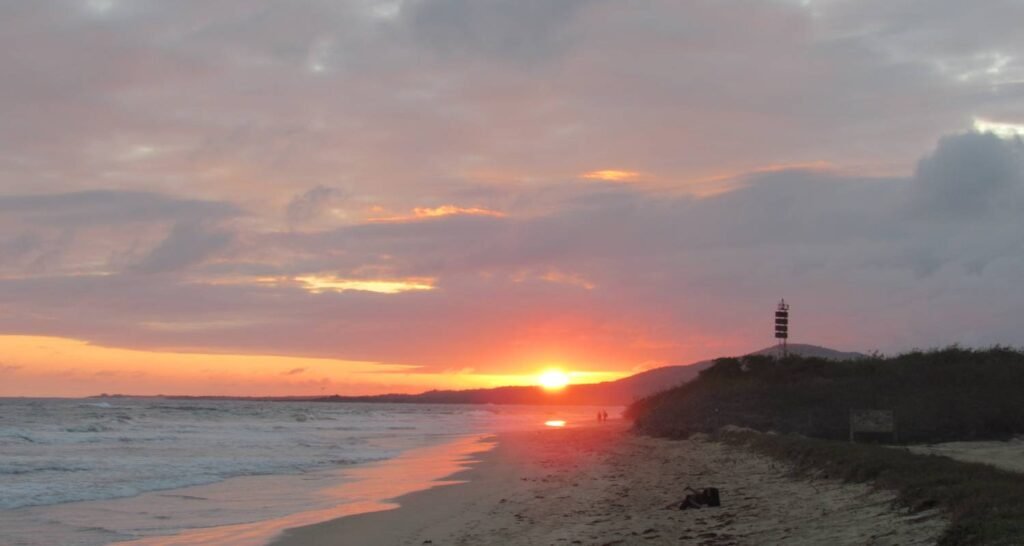
Combining continental Andean history with the natural wonders of the Galápagos Archipelago can be logistically challenging to arrange independently. This 7-day land-based adventure solves that seamlessly while maintaining a strong commitment to sustainable island-hopping. Land-based tours are a fantastic alternative to massive cruise ships; they support locally owned hotels, family-run water taxis, and island restaurateurs directly on Santa Cruz and Isabela.
Itinerary highlights
- Days 1–2 / Colonial Quito & Equator Line: Explore Quito’s historic centre—including the ornate gold leaf of La Compañía de Jesús and Plaza de la Independencia—followed by an interactive physics demonstration at the Intiñan Solar Museum right on the Equator line
- Days 3–4 / Santa Cruz Highlands & Tortuga Bay: Fly to Baltra and transfer to Santa Cruz Island. Visit the lava tunnels and see giant tortoises roaming free in the highland reserves. Kayak and snorkel alongside white-tip reef sharks and marine iguanas along the white quartz sands of Tortuga Bay
- Days 5–7 / Isabela & Santa Fé Marine Expeditions: Board a speedboat to Isabela Island to explore the volcanic islet of Las Tintoreras and visit the Arnaldo Tupiza Giant Tortoise Breeding Centre. Take a day navigation excursion to Santa Fé Island to snorkel with wild sea lion pups and marine turtles before flying back to Quito
Target traveller
Wildlife enthusiasts and eco-conscious travellers looking for a well-paced, land-based Galápagos extension tied directly to a Quito cultural stopover.
4. Southbound volcanic / Connect Quito to colonial Cuenca
Rating & reviews
(2+ verified user reviews on GetYourGuide)
Why we recommend it
For travellers planning an extended journey through Ecuador, backtracking to Quito after visiting the central Andes wastes valuable time. This point-to-point 4-day trip functions as an extraordinary overland transfer between Ecuador’s two most beautiful cities—Quito and Cuenca—taking in all the natural highlights along the way. It avoids commercial tourist traps in favour of small artisan stops, such as meeting the famous folk painters of Tigua.
Itinerary highlights
- Day 1 / Cotopaxi & High-Altitude Lagoons: Pick up in Quito and travel south down the Pan-American Highway. Hike around Limpiopungo Lagoon inside Cotopaxi National Park, taking in views of the snow-capped peak
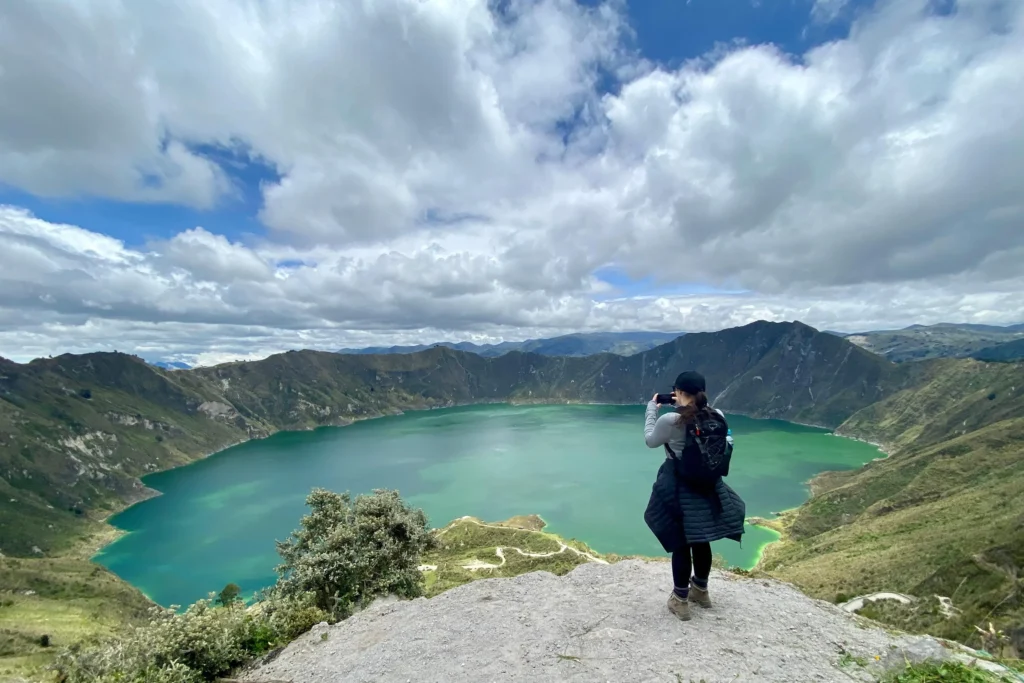
- Day 2 / Toachi Canyon, Quilotoa & Tigua Art: Walk the rim of the stunning turquoise Quilotoa crater lake, visit local indigenous art studios in Tigua, and stop at the dramatic Toachi Canyon overlook before driving into Baños
- Day 3 / Waterfalls & Riobamba: Experience the roaring Pailón del Diablo waterfall and ride a cable car across the river canyon in Baños, then transfer south to historic Riobamba
- Day 4 / Mount Chimborazo & Nariz del Diablo: Ascend into the reserve surrounding Chimborazo—Ecuador’s highest mountain, whose summit is the closest point on Earth to the sun. Hike among herds of wild vicuñas, view the engineering marvel of the Nariz del Diablo (Devil’s Nose) mountain pass, and complete the journey in colonial Cuenca
Target traveller
Independent overland travellers who want an efficient, scenic route from Quito to southern Ecuador without missing out on remote mountain national parks.
The Ecuadorian Amazon.
The most biodiverse place in the world
5. Rainforest immersions on the Andean-Amazonian interface
Rating & reviews
(9+ verified user reviews)
Why we recommend it
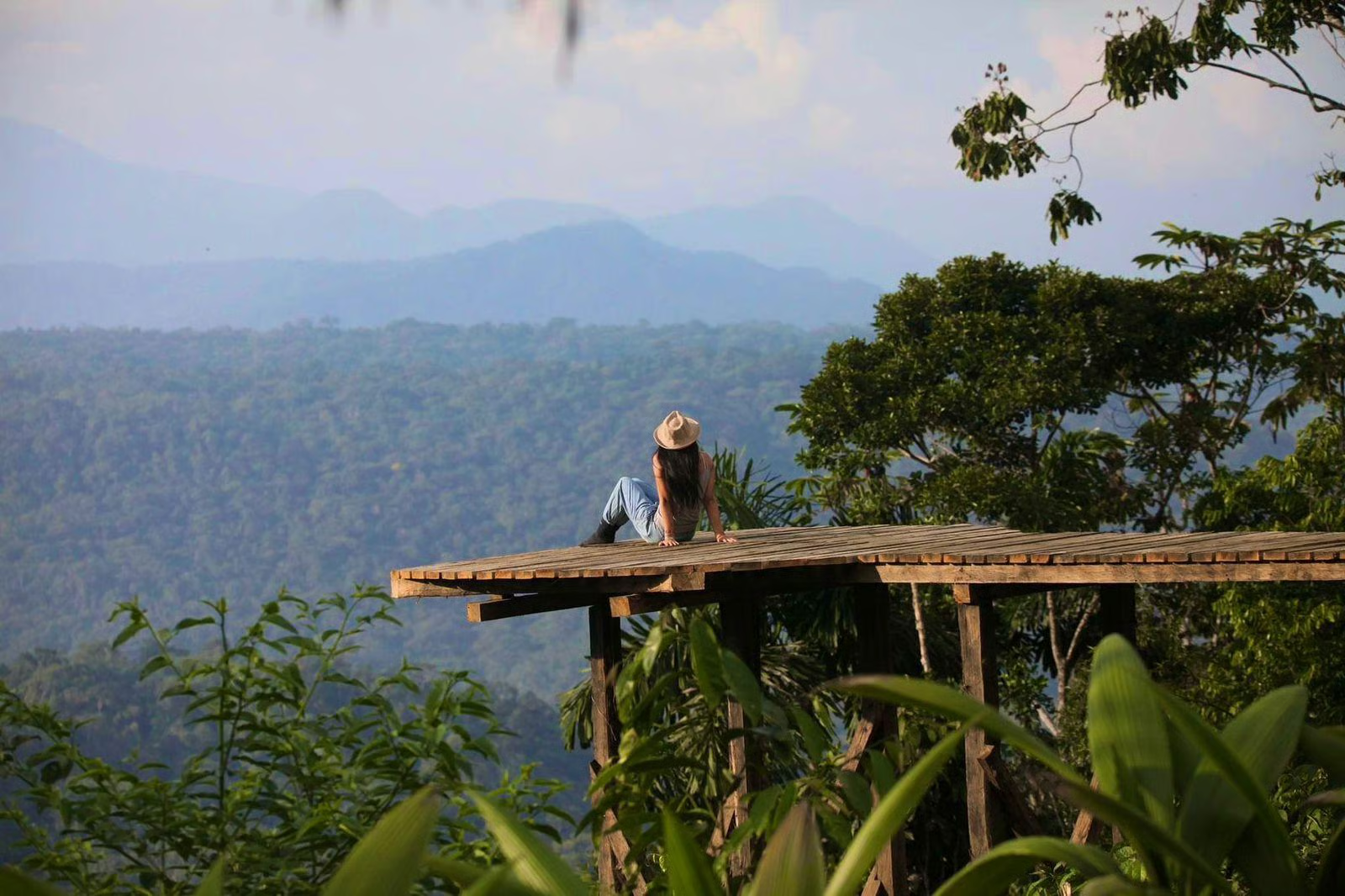
If you want to experience the deep biodiversity of the Amazon basin but have limited time, this 3-day eco-lodge journey offers direct overland access straight from Quito. Located in a biological reserve in Pastaza province where rescued wildlife is rehabilitated and released, Tamandua Ecolodge focuses heavily on habitat conservation and direct community participation.
Itinerary highlights
- Day 1 / Scenic Andes-to-Amazon Descent & Pusculin Waterfall: Depart Quito early for a scenic drive down the eastern Andean slopes through Puyo. Settle into your jungle lodge and embark on an afternoon trek through primary forest to the 70-metre-high Pusculin Waterfall
- Day 2 / River Exploration & Native Cacao Workshop: Hike along the Upper Anzu River to spot tropical bird species, toucans, and monkeys. In the afternoon, take part in a hands-on workshop learning how local Quichua producers craft artisan chocolate from raw, native Amazonian cacao
- Day 3 / Canopy Observation & Seed Crafting: Climb the lodge’s canopy observation tower for panoramic morning views over the rainforest mist. Join a seed-crafting workshop to create traditional travel keepsakes from sustainably gathered jungle seeds before returning to Quito
Target traveller
Nature lovers, birdwatchers, and families looking for a manageable, high-impact Amazonian rainforest experience without needing additional domestic flights.
Practical advice for multi-day expeditions from Quito
Acclimatisation & altitude preparation
Quito sits at 2,850 metres above sea level. Before embarking on high-altitude treks around Cotopaxi (4,600m refuge level) or the Quilotoa rim (3,900m), spend at least 24 to 48 hours exploring Quito’s Old Town at a relaxed pace. Stay hydrated, drink local coca tea or mate de cedrón, avoid heavy alcohol on your first night, and give your lungs time to adapt to the thin mountain air.
Pack for microclimates
Ecuador is famous for packing four distinct worlds—Andes, Amazon, Coast, and Galápagos—into a compact geographical footprint. During a multi-day journey from Quito, you can easily experience scorching equatorial sun, freezing mountain winds, and torrential jungle rain all in forty-eight hours.
- Highlands (Sierra): Pack breathable thermals, a fleece mid-layer, a windproof and waterproof outer jacket, a woolly hat, and sturdy, broken-in trekking boots
- Amazon (Oriente): Lightweight, quick-drying long-sleeved shirts and trousers are essential to guard against insects and the sun. Bring high-DEET insect repellent, a dry bag for electronics, and lightweight trail shoes (most eco-lodges provide rubber knee boots for muddy trails)
Supporting local ecosystems & heritage
When booking your multi-day itinerary, look for operators that employ certified local naturalists and community guides. Purchasing woven textiles directly at indigenous markets like Otavalo or craft workshops in Tigua puts funds directly into rural households. Always stick to established trails in sensitive environments like the high-altitude páramo—this unique grassland acts as a vital natural water sponge for the entire Andean ecosystem.
The Ecuadorian Coast.
Where you’ll find the very best food
Embrace the slow road from Quito
Exploring Ecuador is far more than ticking off isolated sights on a map; it is about adjusting your pace to match the natural rhythms of the Andes and the rainforest. When you opt for a multi-day overland journey, you trade the friction of rushed itineraries for early mornings overlooking mist-shrouded volcanic valleys, meaningful conversations with local artisans, and the deep satisfaction of earned vistas.
Whether your path leads along the windswept rim of Laguna Quilotoa, deep into the canopy of the Pastaza River basin, or across the coastal waters of the Galápagos, taking a multi-day approach creates the space needed for authentic discovery. By backing small-group expeditions and eco-conscious local lodges, your journey leaves a positive footprint in rural host communities while revealing a side of Ecuador that rapid tour buses simply miss.
Pack your layers, respect the altitude, and leave plenty of room for unexpected detours. The roads heading out of Quito are waiting—and the journey across the equator promises to be one of the most rewarding travel experiences on earth.
Affiliate Disclaimer: Some of the links on Wheely Tyred are affiliate links. If you click through and make a booking or purchase, we may earn a small commission at no extra cost to you. We only recommend gear, tours, stays, and services we genuinely use, trust, and stand behind — our editorial independence always comes first. These commissions help keep our independent cycling guides and travel stories free to read. Thanks for supporting the ride!
Frequently asked questions about the best multi-day tours from Quito
We strongly recommend spending at least 24 to 48 hours in Quito (2,850 metres) prior to starting any high-altitude trekking itinerary. Use this time to wander the historic centre at a leisurely pace, stay hydrated with water or local herbal teas (mate de cedrón or coca tea), and avoid heavy meals or alcohol so your body adapts comfortably before tackling 4,000-metre mountain passes.
Requirements vary depending on the focus of your chosen itinerary. Culture- and wildlife-focused overland journeys generally require moderate mobility for walking along cobblestone streets and unpaved trails. Multi-sport and high-altitude trekking expeditions—such as hiking around Cotopaxi National Park or ascending the Quilotoa crater rim—demand solid cardiovascular fitness due to steep ascents and thin mountain air.
Ecuador uses the United States dollar ($). While credit cards are widely accepted in major hotels and restaurants in Quito and Cuenca, smaller Andean village markets, indigenous craft workshops, and remote Amazonian eco-lodges operate almost exclusively on cash. Bring small denominations ($1, $5, $10, and $20 notes), as vendors rarely have change for larger bills.
Layering is key to staying comfortable across Ecuador’s microclimates. For the high Andes (Sierra), pack thermal base layers, a fleece mid-layer, a windproof and waterproof outer jacket, and warm headwear for cold nights. For the Amazon basin (Oriente), lightweight, quick-drying long trousers and long-sleeved shirts are essential to protect against the sun and insects. A sturdy waterproof dry bag is also recommended to protect electronics during river excursions.
Land-based multi-day itineraries support island economies directly by placing guests in locally owned hotels, dining at independent family restaurants, and employing resident naturalists. Land-based travel also offers greater schedule flexibility, reduces carbon footprints, and is often much more comfortable for travellers prone to seasickness.
While public buses connect major provincial capitals like Quito, Baños, and Cuenca, travelling between remote national park trailheads, volcanic crater lakes, and indigenous craft villages via public transit requires multiple transfers and complex scheduling. Guided multi-day expeditions handle regional logistics and transfers seamlessly, leaving you free to focus entirely on the landscape, wildlife, and culture.
Ecuador.
Pure wonder on the equator.