Top attractions on Isla Isabela / Uncovering the crown jewel of the Galápagos Islands
Comprehensive guide to the best sights, wildlife snorkelling, and volcanic hikes on Isla Isabela, Ecuador
Raw volcanic horizons, fearless wildlife, and the art of autonomous island travel
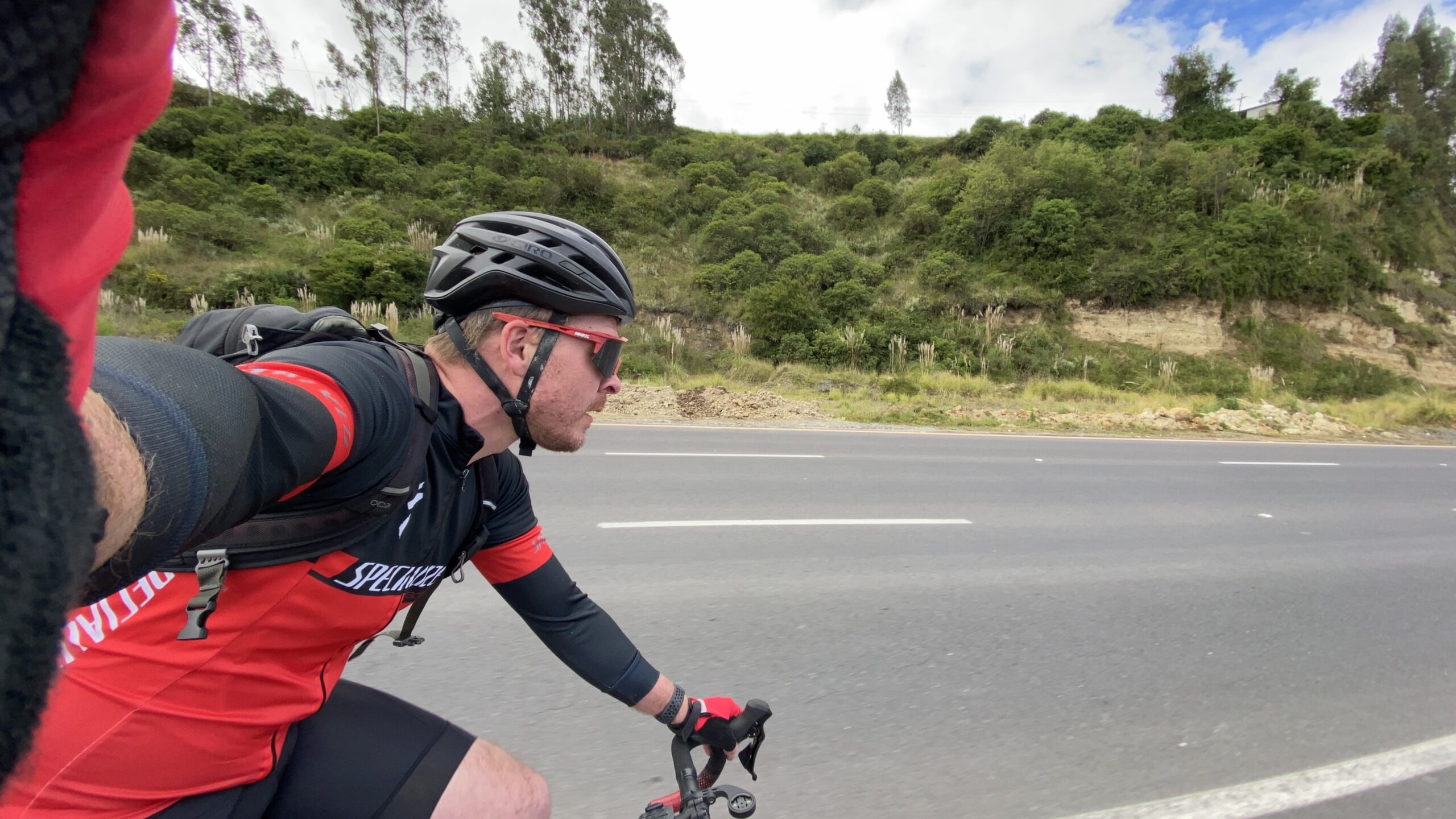
BEN FINCH
The Galápagos archipelago contains some of the most extraordinary natural landscapes on Earth, yet Isla Isabela stands out as its most dramatic setting. Shaped like a seahorse and formed by the fusion of six shield volcanoes, Isabela is the largest and geologically youngest island in the chain.
While many visitors experience these enchanted islands from the deck of a structured cruise ship, settling into the relaxed coastal town of Puerto Villamil unlocks an entirely different dimension of travel. Setting your own schedule allows you to appreciate the raw volcanic terrain, observe endemic wildlife without feeling rushed, and absorb the quiet rhythm of island life.
At Wheely Tyred, independent exploration is at the heart of every memorable journey. Having the freedom to linger beside a quiet mangrove lagoon or pause along a coastal trail to watch a giant tortoise cross the path transforms a simple holiday into an immersive experience. Here is the definitive guide to the essential sights and natural wonders that make Isla Isabela an unforgettable destination for the curious traveller.
Volcanic beauty and wild freedom / The essentials of Isla Isabela
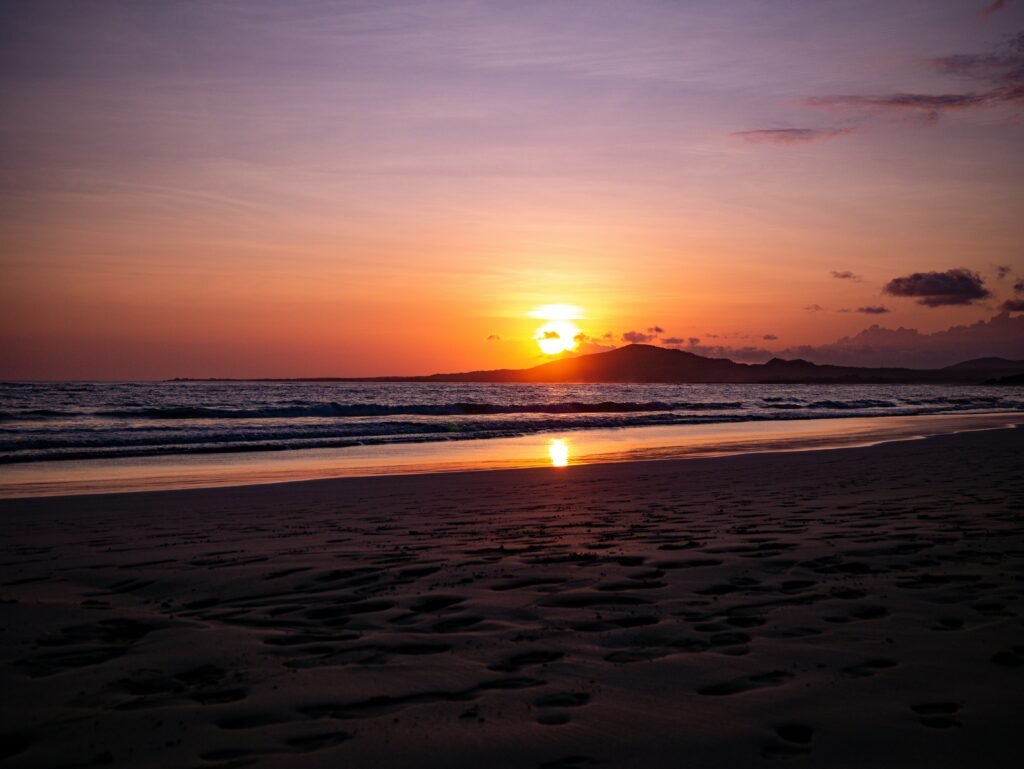
Isla Isabela offers an extraordinary mix of dramatic volcanic geology and intimate wildlife encounters. Here are the key sights and experiences that define independent exploration across the largest island in the Galápagos.
- Los Túneles: A remarkable marine sanctuary of underwater lava arches and calm lagoons, ideal for swimming alongside green sea turtles, sea lions, and white-tip reef sharks
- Sierra Negra Volcano: The second-largest active caldera on the planet, featuring a stark 10-kilometre crater rim hike that leads across raw basalt lava fields and steaming fumaroles
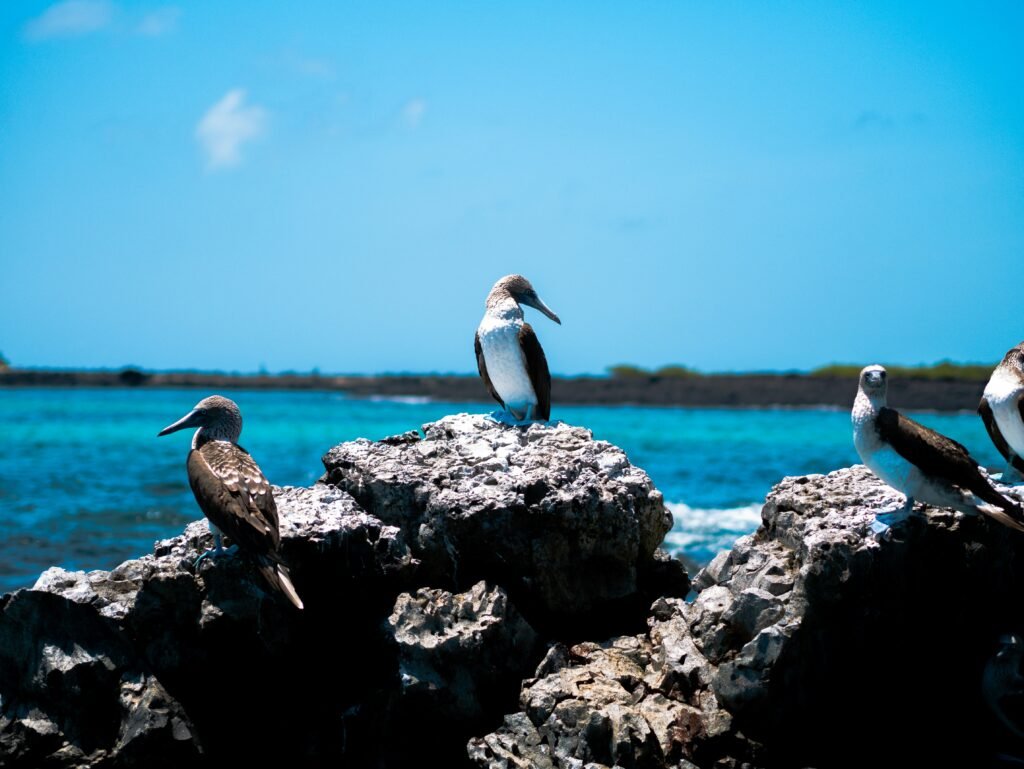
- Las Tintoreras Islets: Jagged volcanic islets situated just off Puerto Villamil where resting reef sharks, basking marine iguanas, and nesting boobies gather in high concentrations
- Wall of Tears: A historical lava-rock wall built by prisoners of a former penal colony, accessible via a quiet coastal trail rich with roaming giant tortoises
- Concha de Perla: A tranquil mangrove lagoon located near the main pier, offering exceptional self-guided snorkelling with curious sea lions and sea turtles without needing a booked tour
- Arnaldo Tupiza Breeding Centre: A dedicated conservation facility safeguarding native giant tortoise subspecies, reached via a scenic wooden boardwalk running past flamingo-filled wetlands
- Coastal Cycling Route: A peaceful 12-kilometre round trip on flat gravel tracks from Puerto Villamil to the Wall of Tears, taking in secluded beaches, lava caves, and mangrove sanctuaries
Isla Isabela.
Escape the tourist traps and explore
Los Túneles / Cabo Rosa
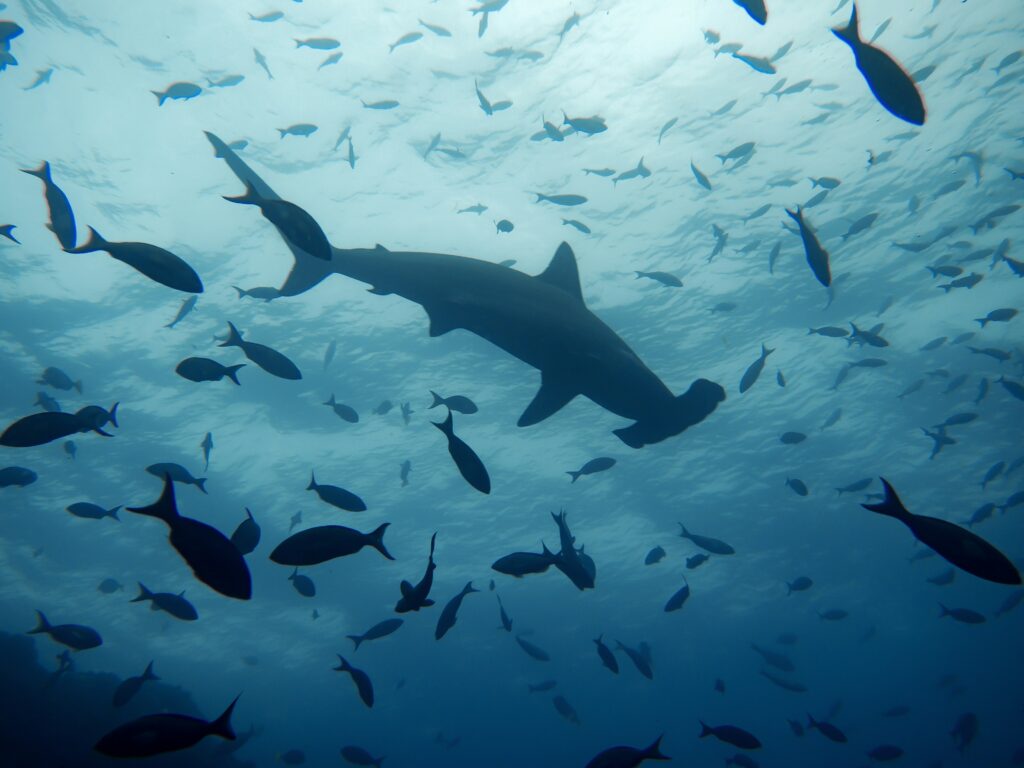
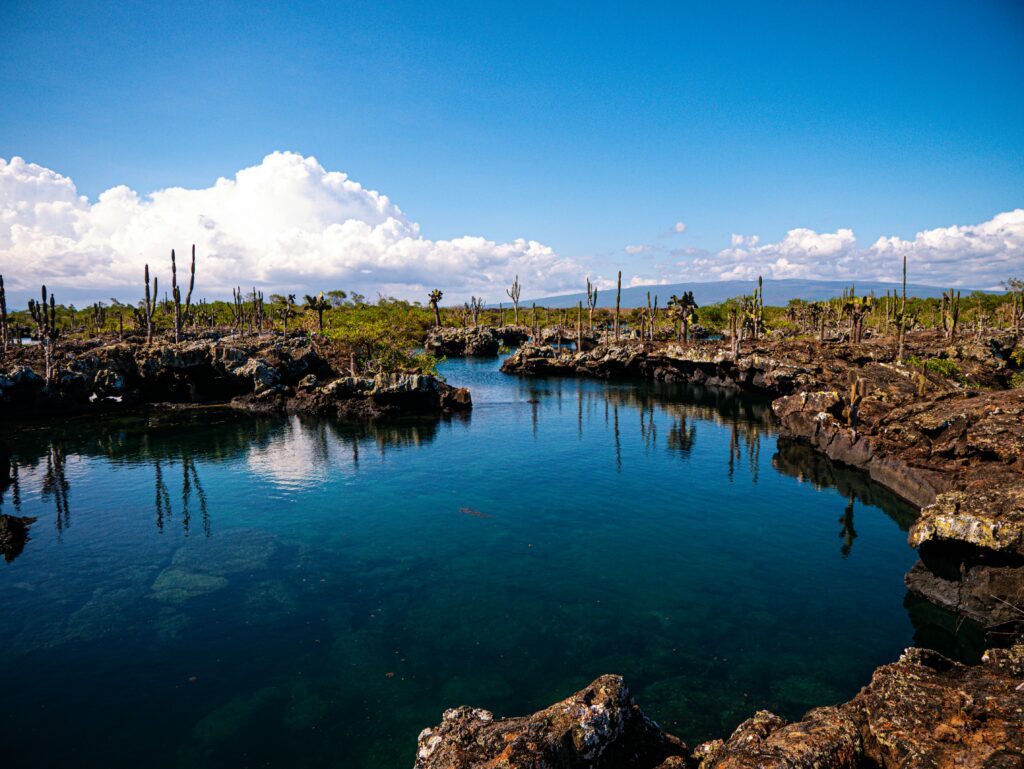
Located on the south-western coast of Isla Isabela, Los Túneles is widely regarded as one of the most remarkable marine sanctuaries in the Galápagos archipelago. This unique geological maze was created centuries ago when molten lava flows met the cool ocean waters, forming a series of stone arches, underwater tunnels, and calm, crystal-clear lagoons protected from the open ocean swells.
The journey to Cabo Rosa requires a short boat ride from Puerto Villamil, but the reward is an unparalleled snorkelling environment where marine life thrives in astonishing concentration. The shallow waters permit exceptionally clear viewing of creatures resting on the sandy floor or gliding effortlessly beneath basaltic rock bridges.
- Marine Diversity: Snorkel in calm turquoise waters alongside Pacific green sea turtles, playful Galápagos sea lions, harmless white-tip reef sharks, and the rare Galápagos penguin
- Birdwatching on Lava Arches: Walk along the top of natural lava bridges to observe nesting pairs of blue-footed boobies performing their courtship dances at close quarters
- Unique Seascape: Explore a labyrinth of lava tubes where cacti grow directly out of dark volcanic rock surrounded by vivid blue water
Sierra Negra Volcano / Volcán Sierra Negra
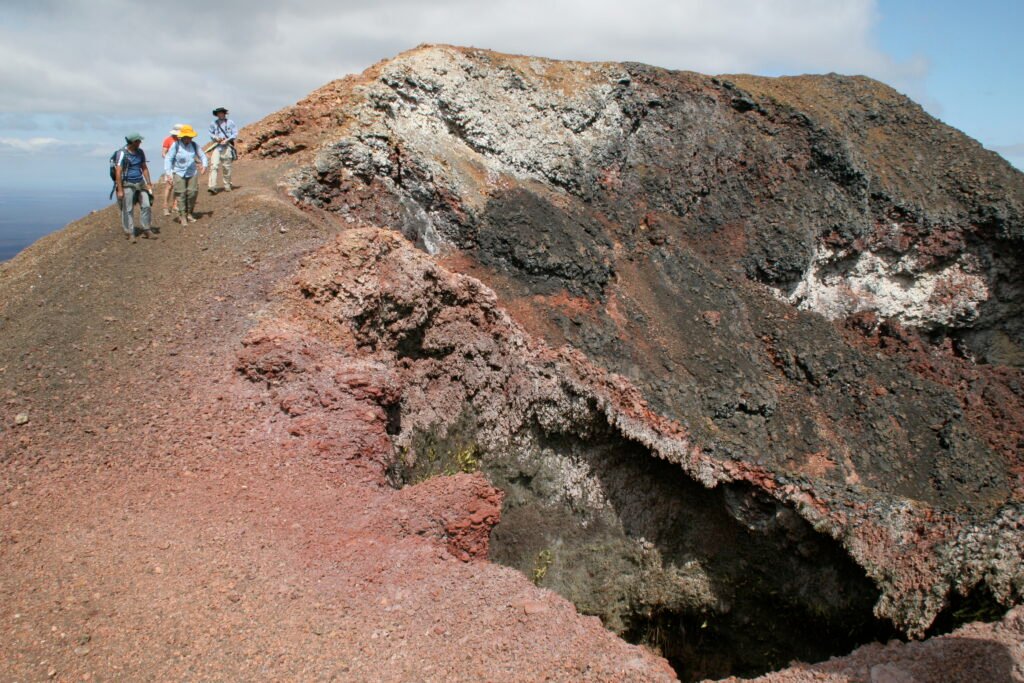
Rising to over 1,000 metres above sea level, Sierra Negra dominates the southern portion of Isla Isabela. It possesses the second-largest active volcanic caldera in the world, measuring nearly ten kilometres across at its widest point. Hiking along the rim of this colossal crater offers an unforgettable encounter with the forces that formed the archipelago.
The trek to the summit begins in the lush, humid highlands, where agricultural land gradually gives way to native scalesia forests and fern-covered slopes. As you ascend toward the rim, the green vegetation abruptly transitions into a stark expanse of dark lava fields and active fumarole steam vents that showcase the geological activity beneath your feet.
- Colossal Caldera Views: Stand on the edge of the rim for breathtaking views across an expanse of black basaltic lava spanning nearly 100 square kilometres
- Volcán Chico Extension: Continue the hike to Volcán Chico to witness yellow sulphur deposits, steam vents, and panoramic views stretching across Elizabeth Bay toward Fernandina Island
- Ecological Contrast: Experience the shift from misty highland cloud forests to arid volcanic wasteland within a single afternoon
The Galápagos.
Ecuador’s Enchanted Isles
Las Tintoreras Islets / Islote Las Tintoreras
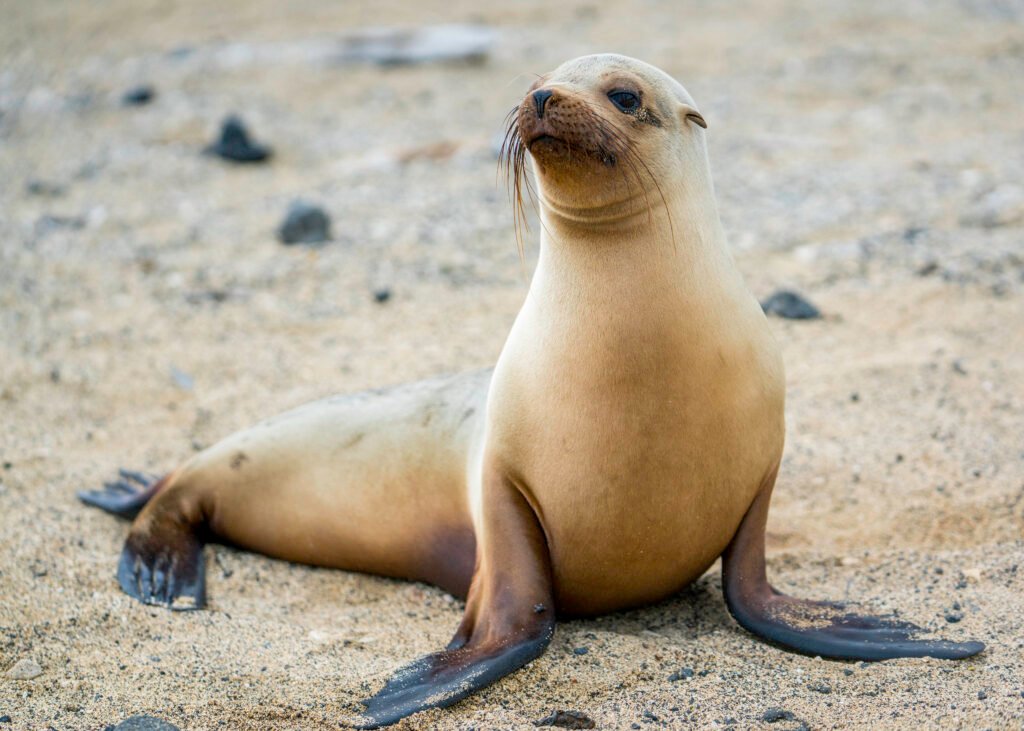
Situated just a stone’s throw from the harbour at Puerto Villamil, Las Tintoreras is a group of small, jagged islets named after the white-tip reef sharks, known locally as tintoreras, that frequent its sheltered waters. This miniature archipelago offers a concentrated showcase of Galápagos fauna within an easily accessible area.
A low-tide visit reveals a natural water crevasse where dozens of white-tip reef sharks rest peacefully in the clear, shallow water. The surrounding black lava rocks are covered in massive colonies of marine iguanas, which crowd together to share body heat before diving into the cold ocean to feed on algae.
- Shark Observation: View white-tip reef sharks resting in a narrow, crystal-clear volcanic crevasse directly from an elevated trail
- Dense Wildlife Colonies: Encounter hundreds of marine iguanas, blue-footed boobies, Sally Lightfoot crabs, and resting Galápagos penguins
- Protected Snorkelling: Swim in the calm channel alongside young sea lions and sea turtles in a sheltered natural harbour
Wall of Tears / El Muro de las Lágrimas
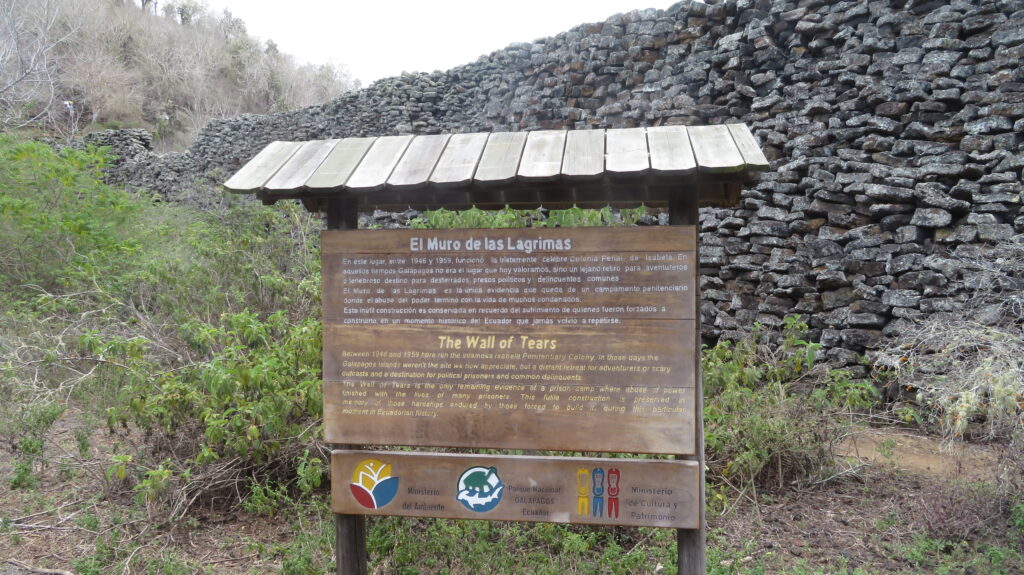
The Wall of Tears stands as a poignant historical monument amidst the pristine wilderness of Isla Isabela. Constructed between 1945 and 1959 by prisoners of the island’s former penal colony, this massive wall was built entirely out of heavy lava rocks under harsh conditions, earning its sombre name from the suffering endured during its construction.
Measuring roughly 100 metres long and up to 8 metres high, the structure serves as a reminder of the island’s human history prior to its designation as a national park. The journey out to the wall follows an ancient coastal track through dry coastal forest, mangrove sanctuaries, and elevated viewpoints overlooking the Pacific Ocean.
- Historical Significance: Stand before a historic stone monument that tells the story of human trials on the isolated islands
- Wildlife along the Trail: Spot wild giant tortoises roaming freely through the dry vegetation along the approach road
- Scenic Lookouts: Climb the wooden steps at Cerro Orchilla for a sweeping view over the southern coastline, mangrove wetlands, and Puerto Villamil in the distance
The Ecuadorian Sierra.
Get lost in the hills
Concha de Perla Lagoon
Located mere minutes from the main pier in Puerto Villamil, Concha de Perla is a pristine natural mangrove pool that offers some of the best self-guided snorkelling on the island. A wooden boardwalk winds through a thick canopy of red mangroves, leading visitors to a quiet tidal bay fed by the sea.
Because the lagoon is sheltered from heavy ocean waves, water clarity is consistently high, making it an ideal location for independent swimmers and snorkelers. It is common to share the boardwalk with resting sea lions and marine iguanas, illustrating the harmonious cohabitation of human visitors and native animals on Isabela.
- Accessible Snorkelling: Enjoy world-class underwater viewing without needing a guided boat trip or advance booking
- Frequent Animal Interactions: Swim alongside curious sea lions, green sea turtles, and colourful schools of parrotfish and surgeonfish
- Mangrove Ecosystem: Observe mangrove finches and lava herons among the tangle of red mangrove roots edging the pool
Arnaldo Tupiza Giant Tortoise Breeding Centre
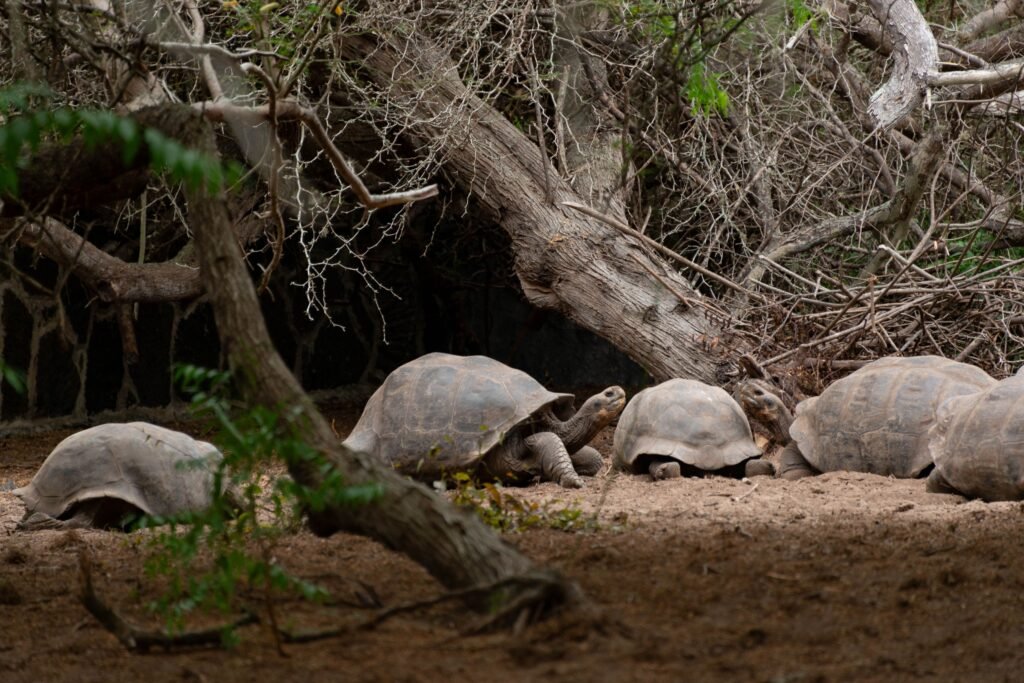
Located roughly 1.5 kilometres from the centre of Puerto Villamil, the Arnaldo Tupiza Giant Tortoise Breeding Centre plays a vital role in protecting and restoring the island’s native giant tortoise populations. Because Isabela’s five distinct volcanoes separated tortoise populations into unique subspecies, dedicated breeding programmes are necessary to ensure their survival.
Visitors can walk along shaded pathways to view tortoises at various stages of life, from newly hatched infants in temperature-controlled incubators to massive adults weighing over 200 kilograms. The centre is connected to Puerto Villamil by a raised wooden boardwalk that traverses freshwater wetlands where wild pink flamingos feed.
- Conservation Insights: Learn about the recovery initiatives that have saved several subspecies of giant tortoise from extinction
- Framed Wetland Walk: Access the facility via a scenic wooden boardwalk passing through coastal lagoons populated by flamingos, pintail ducks, and gallinules
- Close Encounters: Observe giant tortoises up close in naturalised enclosures designed to replicate their varied habitats
The Ecuadorian Amazon.
The most biodiverse place in the world
Exploring beyond the hub / Local routes and day trips
Read this far?
For travellers who appreciate the autonomy of exploring on two wheels, Puerto Villamil is a peaceful base. A gentle gravel track leads west out of town towards El Muro de las Lágrimas, providing a 12-kilometre round trip that ranks among the finest coastal rides in the Galápagos. Along this route, cyclists can pause at quiet coastal spots including La Playita, Playa del Amor with its colony of marine iguanas, the lava cave at El Estero, and Poza de los Flamencos. The entire route remains flat, peaceful, and rich with wildlife sightings.
When looking to expand your itinerary with day trips, Isabela offers excellent options within easy reach. Maritime boat excursions depart daily from the harbour towards Cabo Rosa for snorkelling at Los Túneles, while land tours head inland for day treks across the caldera of Sierra Negra and the lava fields of Volcán Chico.
For those interested in exploring further afield, regional day trips by boat connect Isabela with Floreana Island and Santa Cruz Island, allowing you to discover the broader archipelago while returning to the quiet, unhurried atmosphere of Puerto Villamil at sunset.
Affiliate Disclaimer: Some of the links on Wheely Tyred are affiliate links. If you click through and make a booking or purchase, we may earn a small commission at no extra cost to you. We only recommend gear, tours, stays, and services we genuinely use, trust, and stand behind — our editorial independence always comes first. These commissions help keep our independent cycling guides and travel stories free to read. You can also buy me a coffee here — thanks for supporting the ride!
The Ecuadorian Coast.
Where you’ll find the very best food
Frequently asked questions about the top things to do in Isla Isabela
The coastal town of Puerto Villamil is easily navigated on foot, while hiring a bicycle or walking along the flat gravel tracks allows for effortless exploration of coastal attractions such as the Wall of Tears, local lagoons, and secluded beaches.
Unlike many marine sites across the archipelago that require accredited boat tours, Concha de Perla is accessible directly on foot via a wooden boardwalk through red mangroves. It offers world-class self-guided snorkelling in calm tidal waters free of charge.
The trail ascends through lush highland cloud forests before reaching the stark rim of the 10-kilometre-wide caldera. The path is well-defined, and continuing to Volcán Chico adds dramatic volcanic scenery, steaming vents, and colourful mineral deposits across an active landscape.
Built between 1945 and 1959 by inmates of the island’s former penal colony, the structure was built under severe hardship using heavy blocks of sharp volcanic rock. It stands today as a solemn historic landmark amidst the island’s natural landscape.
Yes. Wild giant tortoises frequently roam the coastal vegetation along the track leading towards the Wall of Tears, and travellers can learn about ongoing subspecies recovery programmes at the nearby Arnaldo Tupiza Breeding Centre.
Beyond the 12-kilometre coastal bike ride to the Wall of Tears, local day trips include boat rides to Cabo Rosa for Los Túneles, highland treks across the Sierra Negra caldera, and island-hopping maritime trips to neighbouring Floreana Island and Santa Cruz Island.
Ecuador.
Pure wonder on the equator.