More than blue-footed boobies / Secret corners of Santa Cruz Island
Best hidden gems on Santa Cruz, Galápagos / Lesser-known attractions and alternative things to do on Santa Cruz Island
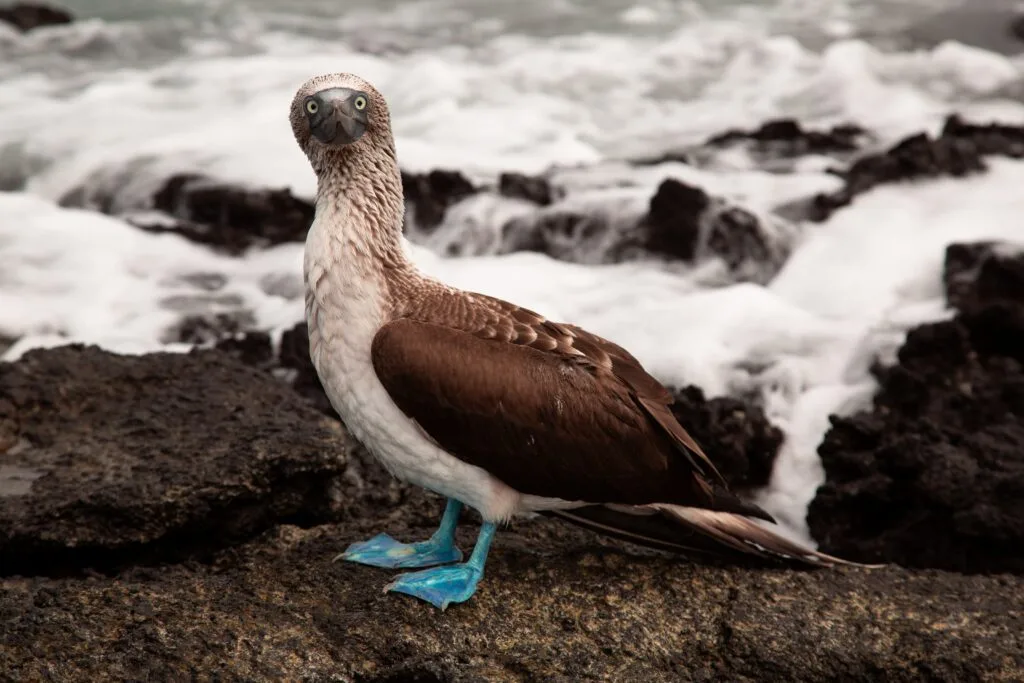
Quiet volcanic wonders, hidden shores, and old-world farmsteads of the Galápagos highlands
BEN FINCH
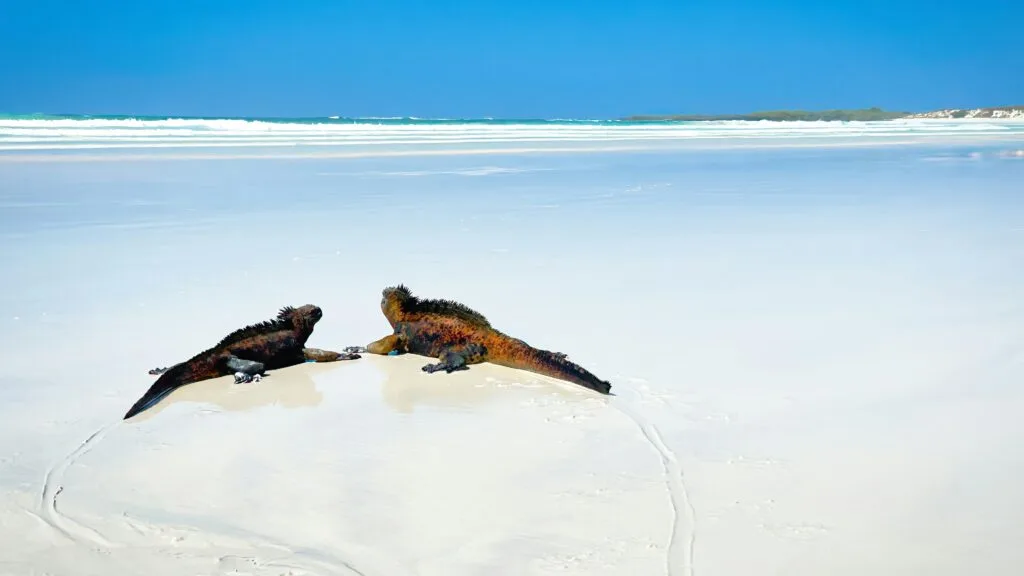
The bustling waterfront of Puerto Ayora is the undeniable energetic heart of the Galápagos archipelago. It is a place where marine iguanas sun themselves on boat docks, sea lions doze on passenger benches, and the main thoroughfares hum with the chatter of travellers preparing to board massive cruise vessels.
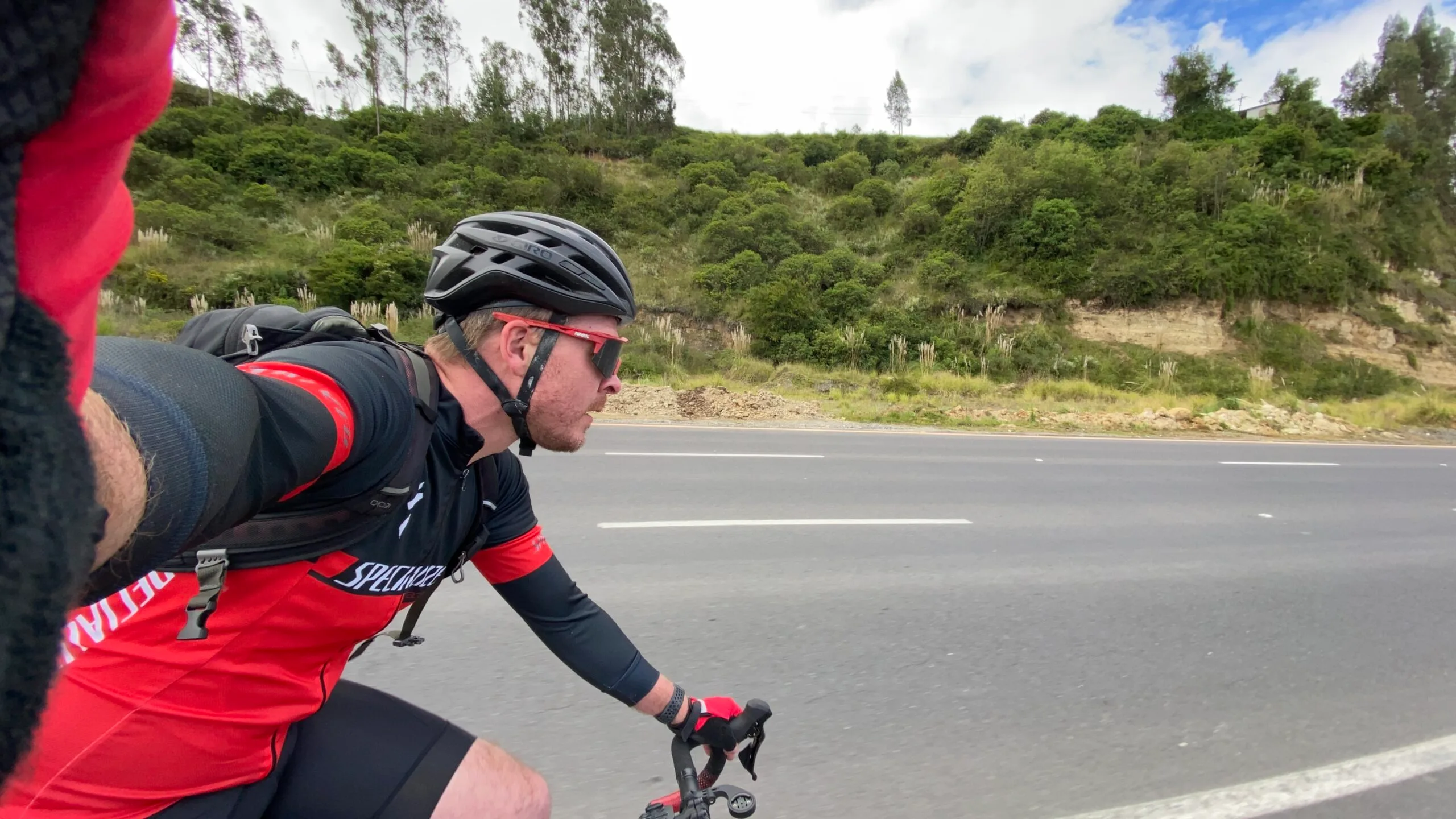
For the independent explorer, however, the true magic of Santa Cruz Island reveals itself only when you step away from the coordinated crowds, leave the tour guide umbrellas behind, and choose to uncover the environment on your own schedule. Travelling by bike, public bus, or on foot grants you the freedom to move at your own pace and acquire a profound understanding of this delicate ecosystem.
While the majority of visitors follow a rigid itinerary between the most famous wildlife hubs, Santa Cruz harbours an array of quiet, compelling spots that showcase the authentic lifestyle, dramatic geology, and understated natural beauty of the island.
By adopting a slower, more deliberate approach to your journey, you can experience the wild, untamed spirit of the archipelago without the pressure of a group schedule. These six exceptional hidden gems offer a refreshing, immersive perspective on Santa Cruz Island that most tourists completely overlook.
Unearthing the quiet rhythms of Santa Cruz
Beyond the well-trodden waterfront of Puerto Ayora lies an island defined by misty volcanic highlands, secluded shores, and deep agrarian roots. This curated digest captures the essential secret corners and self-guided tracks for the deliberate explorer.
- Cerro Mesa Ecological Reserve: A family-run sanctuary in the misty uplands home to a massive volcanic sinkhole, dense scalesia forests, and free-roaming giant tortoises
- Finca El Trapiche Ecológico: An organic farm showcasing the heritage of the island through artisanal coffee production and a traditional donkey-driven sugar cane mill
- Playa El Garrapatero: A remote, uncrowded white-sand beach on the eastern coast featuring a pristine brackish lagoon frequented by wild flamingos
- Laguna de las Ninfas: A quiet estuarine lagoon hidden on the edge of Puerto Ayora where a wooden boardwalk reveals clear waters filled with juvenile reef sharks and rays
- Steve Devine’s Butterfly Farm: A historic 500-acre estate settled in 1949 where native bird species thrive alongside giant tortoises resting in open pastures
- The Bellavista Lava Tubes: An echoing underground network of ancient basaltic tunnels that offers a raw, tactile look into the volcanic blueprint of the archipelago
- Highland Cycling Routes: A network of safe, dedicated cycle paths connecting the coast to inland villages, perfect for independent day trips under 20 kilometres
The Galápagos.
Ecuador’s Enchanted Isles
Cerro Mesa Ecological Reserve
Perched high in the mist-shrouded highlands of Santa Cruz, roughly 390 metres above sea level, the Cerro Mesa Ecological Reserve provides a stark and spectacular contrast to the arid coastal lowlands. This private reserve is a dedicated environmental restoration project managed by a local family, aimed at preserving the unique flora and fauna of the island interior.
The crown jewel of the property is a colossal volcanic sinkhole that opens abruptly amidst the dense vegetation. During the wetter months, the landscape is blanketed by a persistent, horizontal drizzle known locally as la garúa, which feeds a lush ecosystem dominated by endemic scalesia and miconia plants.
Walking along the quiet trails of Cerro Mesa, you can enjoy sweeping panoramic views across the volcanic hills of the island, extending toward the distant Pacific horizon on a clear day. Because the reserve sits well off the standard cruise-ship circuit, it offers a remarkably peaceful sanctuary for wildlife watching.
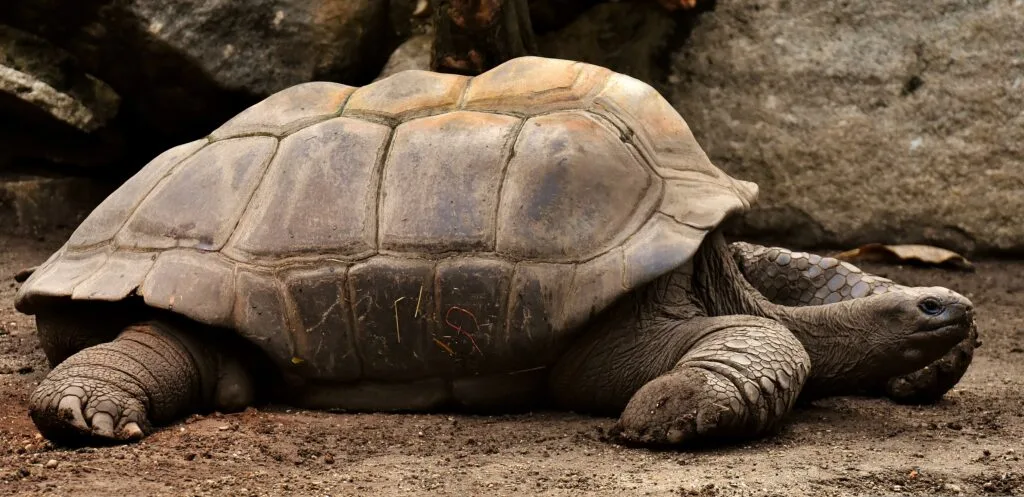
The dense canopy is a vital nesting ground for the rare, endemic Galápagos petrel, and eagle-eyed travellers can easily spot vibrant vermilion flycatchers and numerous subspecies of Darwin’s finches flitting through the branches. Massive giant tortoises frequently wander across the grassy paths of the estate, allowing for intimate, unhurried encounters with these ancient creatures in a completely natural, undisturbed setting.
Finca El Trapiche Ecológico
To truly connect with the human history and agricultural heritage of the Galápagos, a journey to Finca El Trapiche Ecológico is essential. Located in the eastern highlands near the quiet community of Bellavista, this working agricultural farm offers an authentic glimpse into the traditional island lifestyle that existed long before the advent of modern tourism.
Founded generations ago and currently preserved by the Cabrera family, the farm operates with a steadfast commitment to organic, chemical-free farming methods that respect the surrounding wilderness.
The centre of the experience is the traditional wooden sugar cane mill, or trapiche, from which the farm derives its name. Visitors can witness the historical process of extracting sweet juice from freshly harvested cane using a rustic mill turned by donkeys. This juice is subsequently boiled down to create rich panela sugar or distilled into artisanal aguardiente.
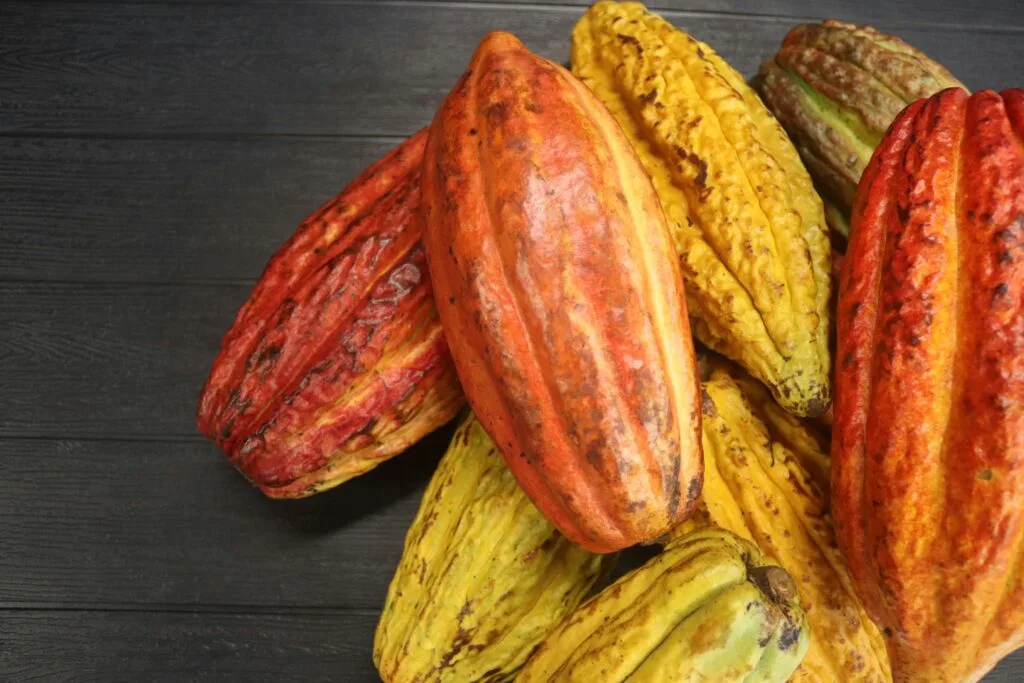
Beyond sugar cane, the fertile volcanic soil of the farm supports flourishing plantations of organic coffee and cacao. A stroll through the orchards allows you to sample exotic seasonal fruits picked directly from the trees and learn the subtle nuances of old-world coffee roasting. It is a deeply rewarding cultural stop that celebrates local sustainability and heritage.
The Ecuadorian Sierra.
Get lost in the hills
Playa El Garrapatero
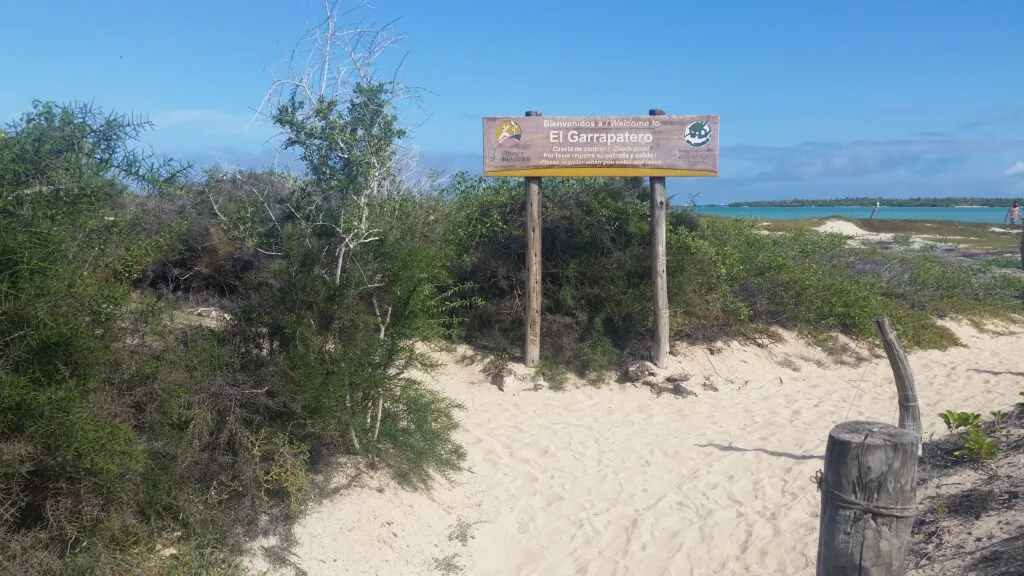
While the sweeping sands of Tortuga Bay receive the vast majority of coastal accolades on Santa Cruz, Playa El Garrapatero offers an unmatched sense of isolated coastal wilderness. Situated on the remote eastern shore of the island, approximately 20 kilometres from Puerto Ayora, this breathtaking white-sand beach remains beautifully uncrowded due to its distance from town. The beach is dramatically framed by dark, jagged formations of ancient lava rock and thick walls of emerald-green mangroves, creating a striking contrast of colours.
Directly behind the sandy shoreline lies a pristine brackish lagoon that serves as a vital sanctuary for local birdlife. Independent travellers who sit quietly along the water’s edge are frequently rewarded with sightings of vibrant pink Galápagos flamingos filtering the shallow waters for food, alongside white-cheeked pintail ducks and various migratory wading birds.
The water within the sheltered bay is exceptionally calm and clear, making it a peaceful haven for a refreshing swim or a self-guided coastal exploration. Without the noise of large tour groups, the gentle rustle of the mangroves and the lap of the tide create a profoundly tranquil coastal experience.
Laguna de las Ninfas
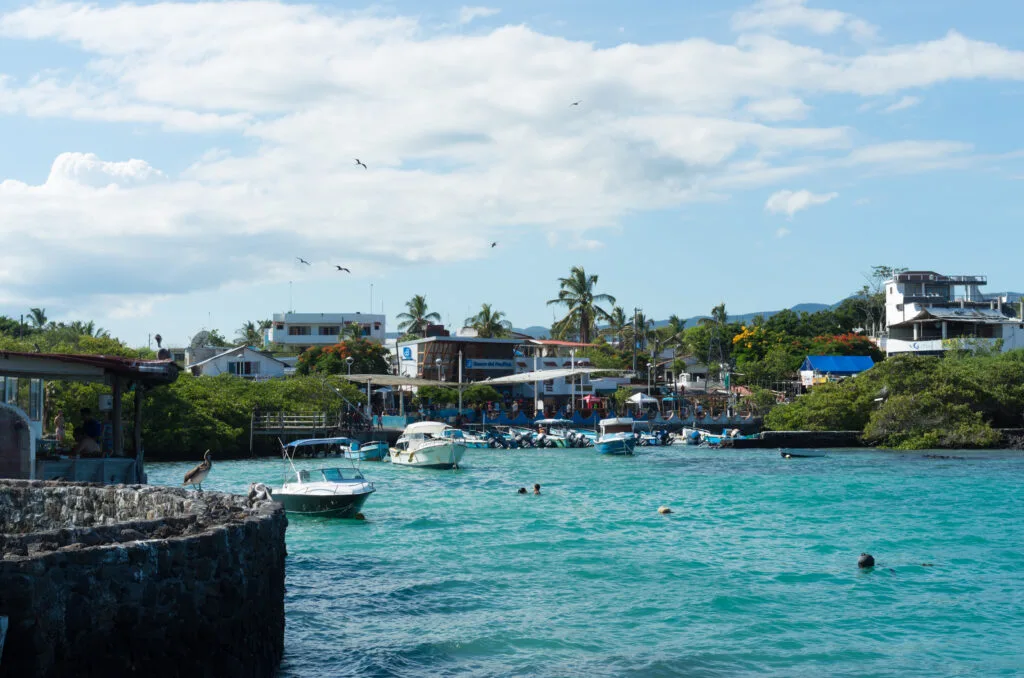
Tucked quietly into the urban fabric of Puerto Ayora, just a short walk from the main harbour docks, lies Laguna de las Ninfas. Despite its proximity to the main tourist strip, this serene estuarine lagoon is frequently bypassed by visitors hurrying toward their next boat departure.
The lagoon is a delicate natural intersection where fresh water filtering down through the inland volcanic fissures meets the rising salt water of the ocean tides, resulting in a unique brackish environment.
A beautifully constructed wooden boardwalk completely encircles the quiet, mirror-like waters, guiding you beneath the dense shade of white, red, black, and button mangroves. The complex, tangled root systems of these trees serve as an essential nursery for a wealth of marine life.
Peer closely into the clear waters from the wooden viewing platforms, and you will often spot juvenile white-tip reef sharks, green sea turtles, and golden rays gliding effortlessly among the roots. It is a spectacular spot for morning contemplation, birdwatching, and soaking in the absolute silence of nature right on the edge of town.
The Ecuadorian Amazon.
The most biodiverse place in the world
Steve Devine’s Butterfly Farm
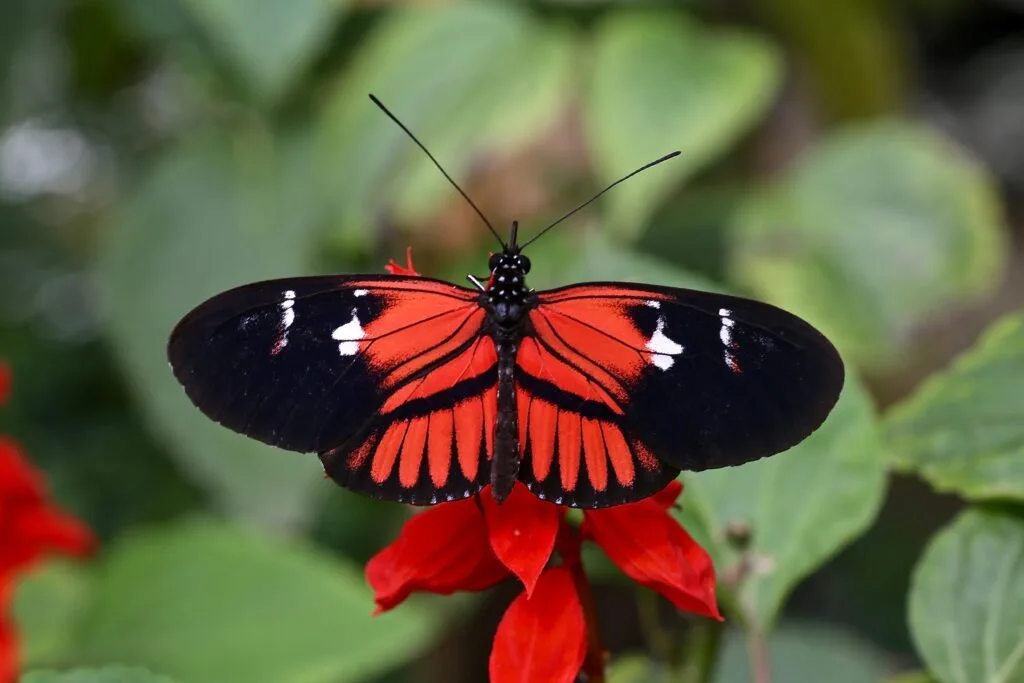
Situated in the verdant highland belt between the villages of Santa Rosa and Bellavista, Steve Devine’s Butterfly Farm offers an expansive, 500-acre private sanctuary that showcases the gentler side of the island interior. The Devine family represents some of the earliest modern settlers on Santa Cruz, having established their roots on the island in 1949.
Today, their vast estate serves as a safe haven where dozens of giant tortoises roam freely across open pastures, wallow in muddy pools, and rest beneath the shade of native trees away from the more heavily visited public reserves.
While the free-roaming tortoises are a magnificent sight, the estate is equally famous for its incredible avian diversity. More than 20 species of native and endemic Galápagos birds can be spotted across the property, including short-eared owls, Galápagos doves, flycatchers, and mockingbirds.
The farm features a peaceful, rustic café and restaurant where independent travellers can unwind with a fresh cup of locally grown tea or coffee, taking in the rolling, mist-draped scenery at a completely relaxed pace.
The volcanic tunnels of Bellavista
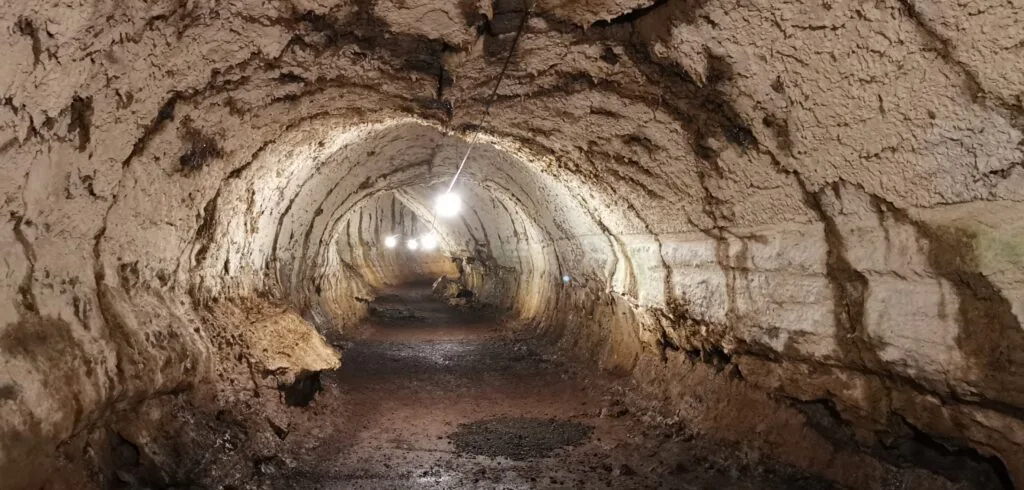
The extraordinary landscape of Santa Cruz was entirely forged by fiery volcanic activity, and there is no better place to comprehend this subterranean history than within the ancient lava tunnels near Bellavista. While several lava tubes across the island have been heavily altered for commercial tourism, the subterranean conduits in this particular sector offer a wonderfully raw, echoing look into the geological framework of the archipelago.
These massive underground tunnels were formed thousands of years ago during active eruptions. As flowing rivers of molten basaltic lava moved toward the sea, the outer layer exposed to the air cooled and solidified into a thick crust, while the superheated interior continued to drain through, leaving behind vast, hollow chambers.
Walking through these cool, dark volcanic basements reveals fascinating surface textures, ripples, and mineral formations left behind by the molten rock. It provides a powerful, tactile connection to the primal forces that gave birth to the Galápagos Islands.
The Ecuadorian Coast.
Where you’ll find the very best food
Exploring the highlands and coastlines on two wheels
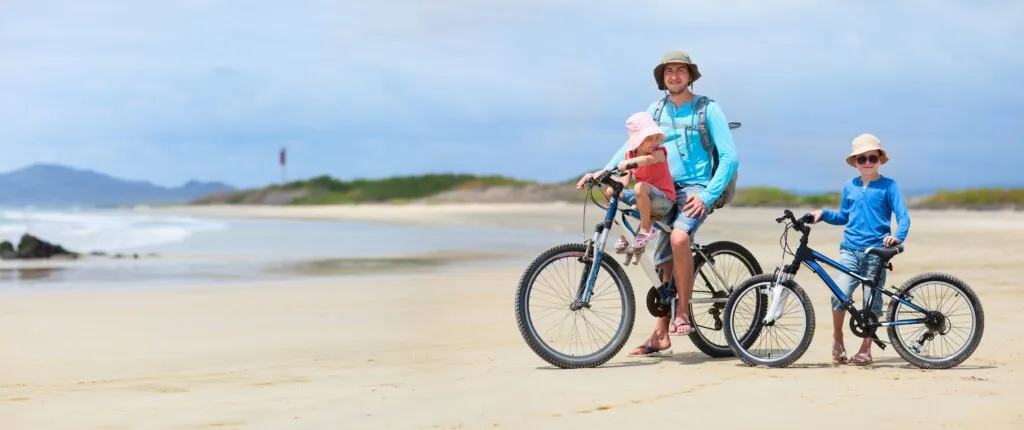
To fully appreciate the dramatic transition between the microclimates and distinct topographies of Santa Cruz, the absolute best method of transport is travelling by bike. The island boasts an excellent, dedicated cycle path that runs parallel to the main highway, leading smoothly from the coastal streets of Puerto Ayora straight up into the rolling green hills of the highlands, ensuring that independent two-wheeled travel is safe, accessible, and profoundly rewarding. Several of the finest alternative destinations on the island sit comfortably within a 20-kilometre radius of the town centre.
A steady ride up to the village of Bellavista, located just seven kilometres inland, introduces you to the refreshing cooler air of the uplands and serves as the perfect starting point for an exhilarating, mostly downhill 20-kilometre coast along the scenic paved road to the white sands of Playa El Garrapatero.
For a classic, full-day independent trip, energetic cyclists can push further up the main path to Santa Rosa, explore the winding dirt tracks of the Cerro Mesa Ecological Reserve, and view the nearby Twin Craters before enjoying a thrilling, continuous descent back down to the harbour. By avoiding the rigid structure of the tour buses, travelling by bike empowers you to discover the secret, authentic heart of the Galápagos entirely on your own terms.
The reward of the deliberate traveller
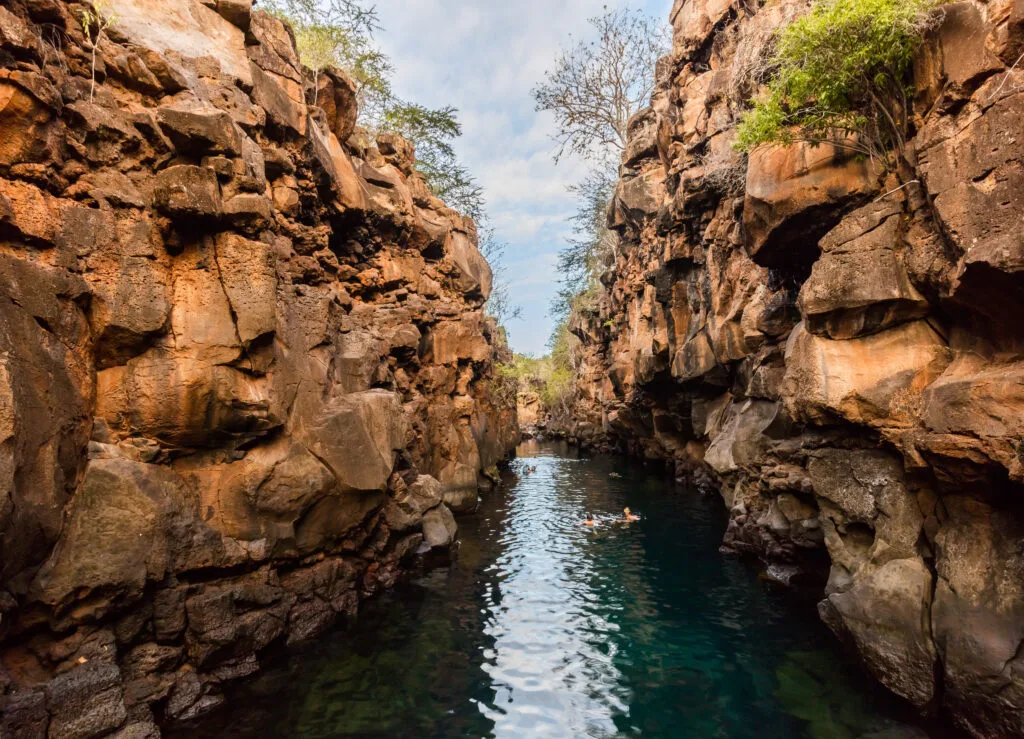
Slowing down in a destination as iconic as the Galápagos Islands reveals a layer of travel that a standard cruise itinerary simply cannot provide. When you choose to step away from the crowd, the islands stop feeling like a sequence of highly curated wildlife exhibits and start feeling like a living, breathing home.
It is in the quiet exchanges with local farmers at old agricultural estates, the soft rustle of the wind through the highland scalesia forests, and the completely unexpected sight of a sea turtle gliding beneath a secluded boardwalk where the real spirit of independence thrives.
By allowing yourself the luxury of time and the freedom of your own transport, your journey becomes defined not by the checklists of famous sights ticked off, but by the depth of the memories you construct along the way.
Santa Cruz is far more than a mere transit hub; it is an island of profound geological drama and deep-rooted community history waiting for those willing to look a little closer.
Frequently asked questions about the hidden gems in Santa Cruz Island
The infrastructure is remarkably well-suited for two-wheeled exploration. The island features a dedicated cycle path running parallel to the main highway, connecting the coastal hub of Puerto Ayora directly to highland villages like Bellavista, which sits just seven kilometres inland. This makes it straightforward to avoid the rigid schedules of tour buses and explore the interior at your own pace.
La garúa is a dense, horizontal drizzle characteristic of the highland cooler season. It creates a mist-shrouded environment that feeds the lush endemic forests at sites like Cerro Mesa. Because the climate transitions rapidly from the arid coast to the damp uplands, independent travellers should always pack a light waterproof layer when heading inland.
Yes, independent arrival is highly encouraged. Destinations such as Finca El Trapiche Ecológico and the volcanic tunnels near Bellavista welcome solo travellers and small independent parties. This allows you to support local family-run conservation and heritage projects directly, spending as much time as you like observing old-world sugar mills or subterranean structures without being rushed.
At Playa El Garrapatero, the brackish lagoon behind the beach acts as a vital sanctuary for pink Galápagos flamingos and white-cheeked pintail ducks. Laguna de las Ninfas serves as a sheltered marine nursery; if you look closely into the clear water from the wooden boardwalk, you can frequently spot juvenile white-tip reef sharks, green sea turtles, and golden rays swimming among the mangrove roots.
Local estates focus heavily on sustainable, organic agriculture utilising the fertile volcanic soil. At El Trapiche, you can observe the processing of raw sugar cane into panela sugar or artisanal aguardiente. The highland microclimate is also ideal for cultivating high-quality coffee and cacao, which are harvested and roasted using traditional, chemical-free methods.
Ecuador.
Pure wonder on the equator.