Exploring Santa Cruz / The ultimate guide to the heart of the Galápagos
Santa Cruz, Galápagos, attractions and must-see sights
A slow travel blueprint for sweeping sands and roaming tortoises
BEN FINCH
The volcanic landscape of Santa Cruz Island serves as the vibrant operational heart of the Galápagos archipelago. For the independent traveller who rejects rigid group schedules and the confinement of tour buses, this island offers an extraordinary sandbox of ecological wonders. Stepping away from the standard maritime cruise crowd allows for a far deeper connection with the prehistoric wildlife and dramatic geology defining this corner of Ecuador.
By remaining grounded on terra firma, you gain the autonomy to witness these world-famous landscapes entirely on your own terms, spending as much time as you desire observing the intricate behaviours of the local species. Wheely Tyred has compiled this definitive guide to the essential landmarks that must feature on any comprehensive itinerary.
Volcanic chasms and ancient giants / The Santa Cruz blueprint
Grounding yourself on the central hub of the Galápagos opens up a world of primaeval wildlife and dramatic geology. For the independent adventurer, exploring Santa Cruz without a rigid group schedule reveals the true, unhurried rhythm of the islands.
- The Darwin Legacy: The Charles Darwin Research Station provides essential conservation context, featuring the Fausto Llerena Breeding Centre and boardwalks winding through giant prickly pear cacti
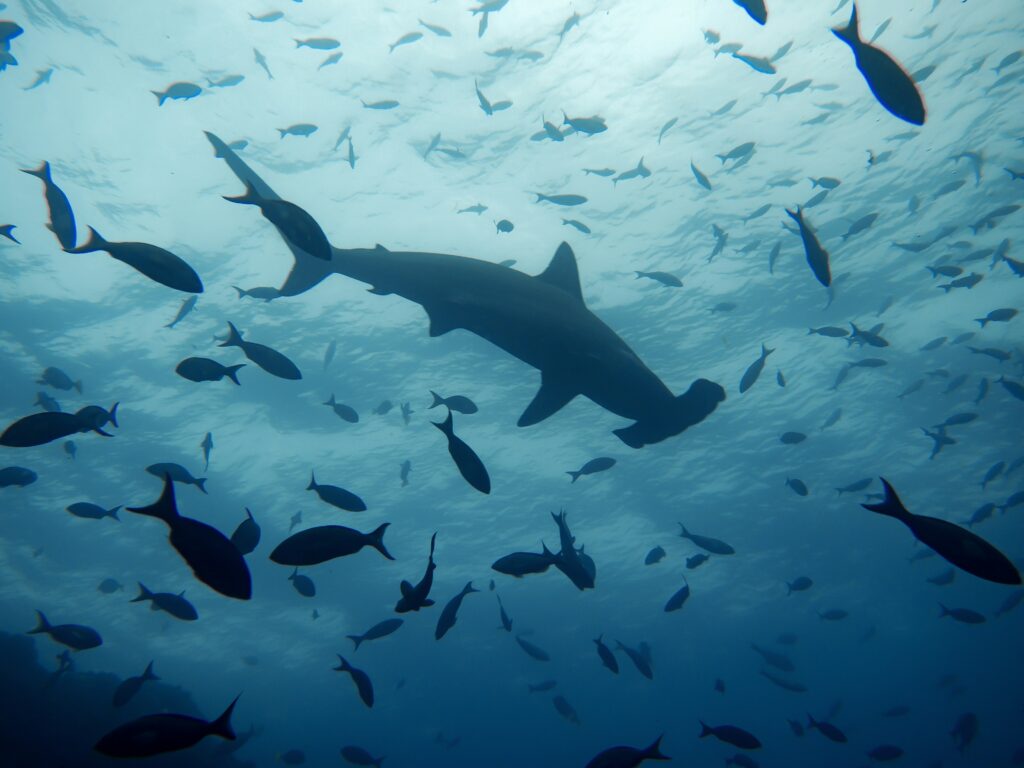
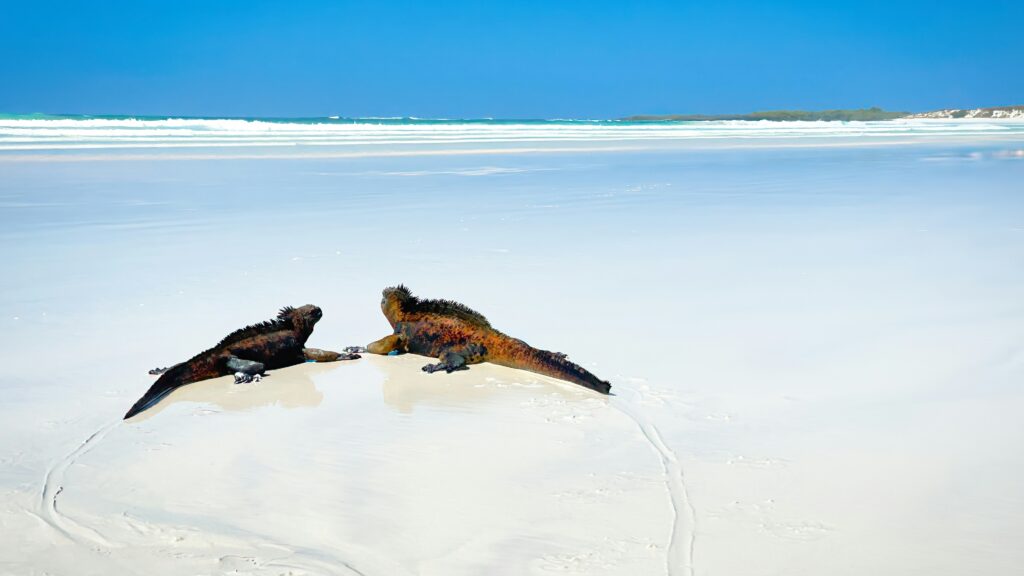
- Untamed Shorelines: Bahía Tortuga boasts the sweeping, high-surf sands of Playa Brava and the tranquil, mangrove-lined waters of Playa Mansa, where marine iguanas and white-tip reef sharks rule the coast
- Subterranean Wonders: The island’s fiery tectonic past is laid bare at Las Grietas, a sheer volcanic fissure of crystal-clear brackish water, and through the illuminated underground lava tunnels of the highlands
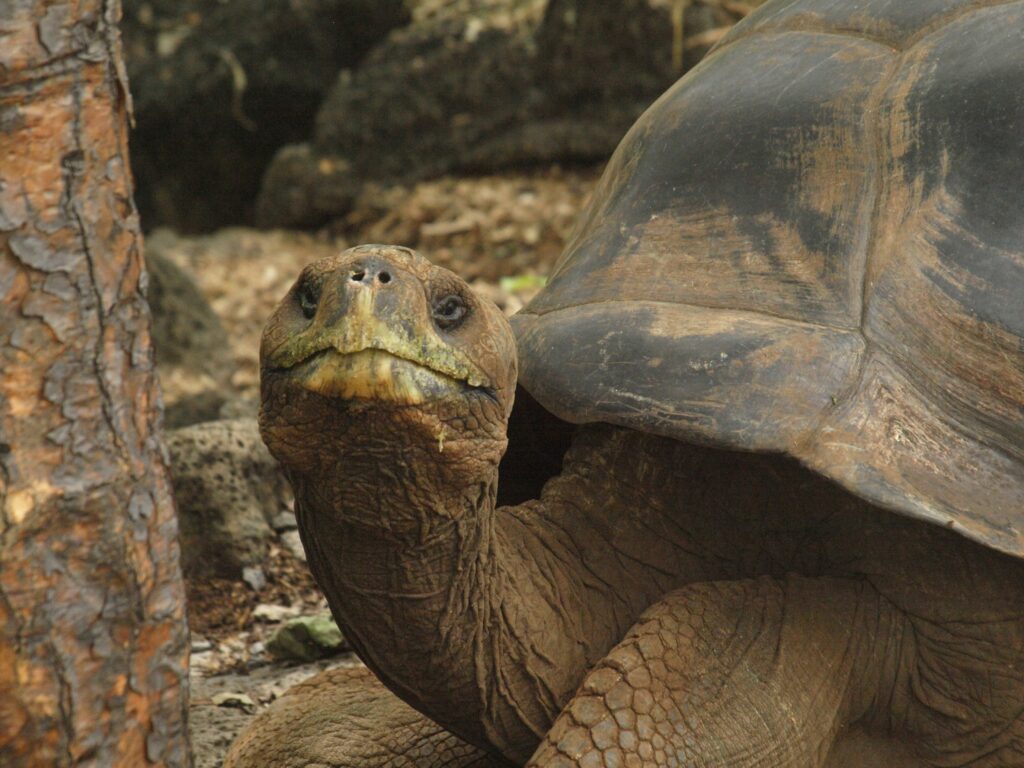
- Roaming Giants: El Chato Ranch offers a rare chance to observe wild giant tortoises migrating freely across lush green pastures and natural mud-wallows without fences or human management
- The Verdant Interior: Los Gemelos pit craters plunge into a misty, cloud-forest microclimate dominated by endemic Scalesia trees, epiphytes, and vibrant highland birdlife like the vermilion flycatcher
- Waterfront Theatre: Puerto Ayora’s local markets, particularly the open-air Muelle de Los Pescadores, host a daily spectacle of cheeky sea lions and pelicans vying for fresh fish scraps
- Autonomous Pedalling: An 18-kilometre multi-use bicycle path links the coast to highland outposts like Santa Rosa and the secluded, flamingo-frequented sands of El Garrapatero beach
The Galápagos.
Ecuador’s Enchanted Isles
Estación Científica Charles Darwin
The foundational starting point for any meaningful visit to the island is the Charles Darwin Research Station. Functioning as an international non-profit research hub, this facility provides crucial context regarding the ongoing conservation efforts required to preserve the delicate balance of the archipelago.
Walking through the dry-zone vegetation reveals the complex evolutionary history of the region, ensuring that subsequent explorations across the island are informed by true ecological understanding. It is an educational sanctuary that honours the natural heritage of the islands while allowing visitors to see critical breeding work up close.
- The Fausto Llerena Breeding Centre: Witness tiny hatchlings and massive adult tortoises meticulously nurtured to ensure the survival of threatened lineages, including the legacy of the famous Lonesome George
- Educational Exhibition Halls: Discover detailed displays on the historical impact of human arrival, early whaling expeditions, and the modern scientific methodology used to eradicate invasive species
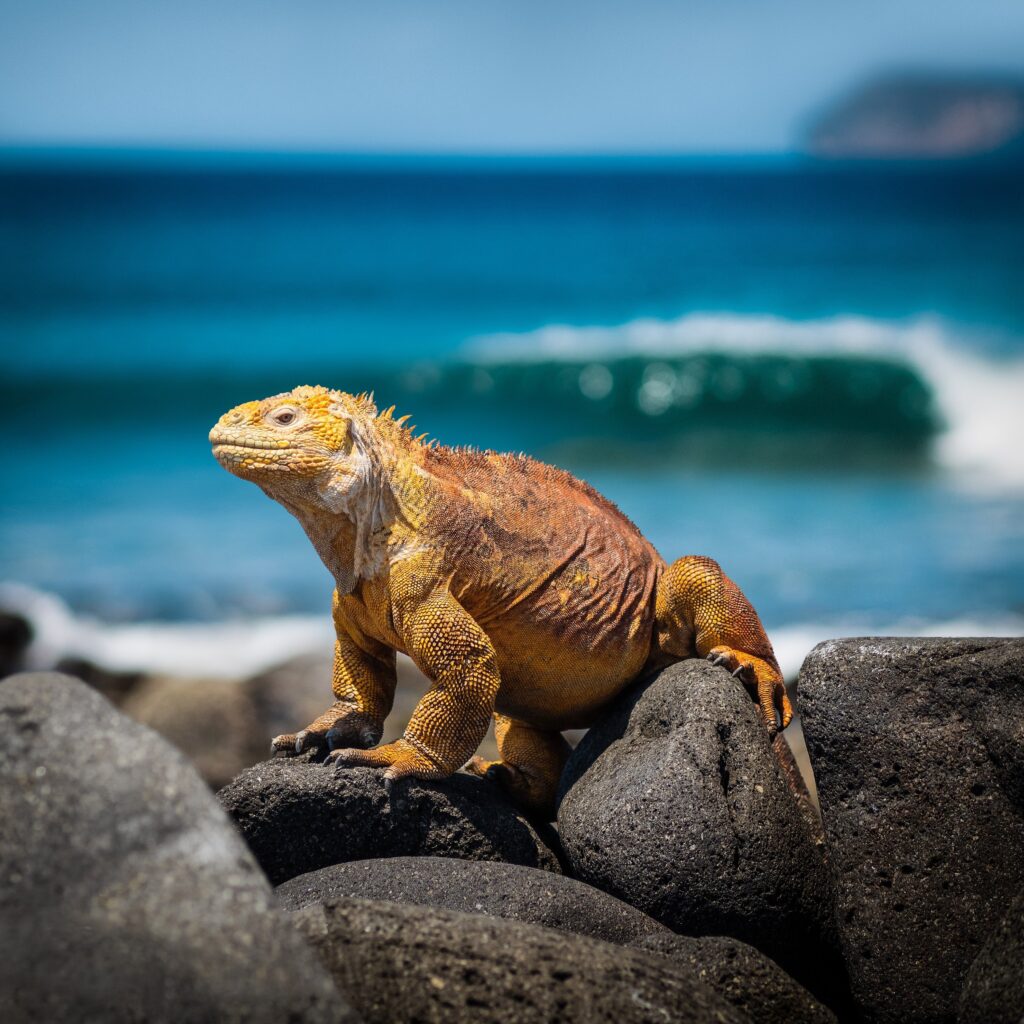
- Arid-Zone Walking Pathways: Meander along shaded, well-signed boardwalks that wind through forests of giant prickly pear cacti, providing early encounters with Darwin finches, mockingbirds, and land iguanas
Bahía Tortuga
Widely celebrated as one of the most spectacular coastal stretches in South America, Bahía Tortuga is a testament to the pristine beauty of the Pacific. Reached via a beautifully maintained brick path that cuts through a tranquil arid forest, the journey itself acts as a peaceful transition from the town to the coast.
The final destination opens out into an expansive vista of blindingly white coral sand contrasted against black basalt rocks and turquoise waters, where wildlife dominates the landscape without a hint of human encroachment.
- Playa Brava: A sweeping, high-surf beach that is ideal for coastal walking, beachcombing, and watching marine iguanas march across the sand in distinct, prehistoric lines
- Playa Mansa: A hidden, mangrove-lined lagoon situated just beyond the main point that offers calm, mirror-like waters perfect for swimming, kayaking, and seeking shade under the native canopy
- Marine Life Encounters: Take advantage of unparalleled wildlife viewing opportunities where blue-footed boobies dive-bomb into the shallows and pelicans roost above white-tip reef sharks resting in the mangroves
The Ecuadorian Sierra.
Get lost in the hills
Las Grietas
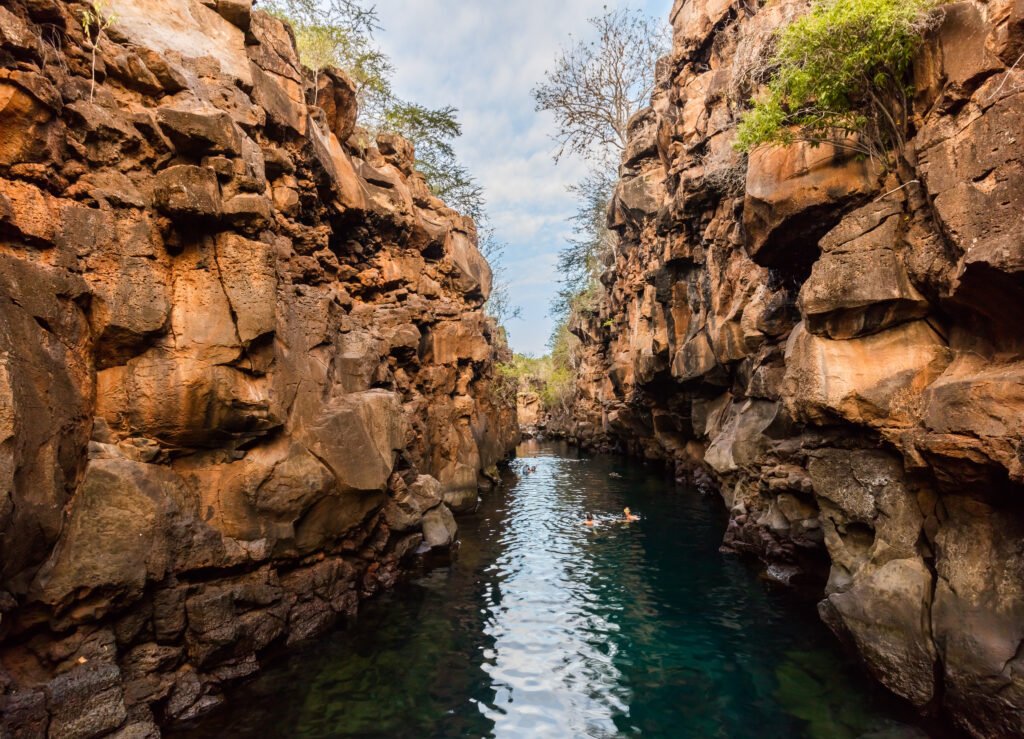
Hidden away across Academy Bay, Las Grietas represents one of the most geometrically striking geological features on the island. This spectacular earth fracture consists of a massive volcanic fissure where crystal-clear ocean water feeds into a deep, shaded canyon.
Fed by both filtered seawater and freshwater filtration from the highlands, the brackish pools inside the canyon provide an otherworldly environment for swimming, surrounded by vertical rock walls that rise dramatically on either side.
- Volcanic Stratification: Admire the stunning layers displayed along the sheer basalt cliffs, showcasing the fiery tectonic origins and successive lava flows of the island
- Exceptional Underwater Visibility: Peer down into the deep channel to observe large parrotfish, damselfish, and occasional marine life navigating the rocky floor in perfectly clear water
- The Scenic Boardwalk Approach: Walk past historic salt lagoons and low-lying coastal shrubbery where unique shorebirds frequently gather to feed in the shallows before arriving at the canyon entry
El Chato Ranch / Giant Tortoise Reserve
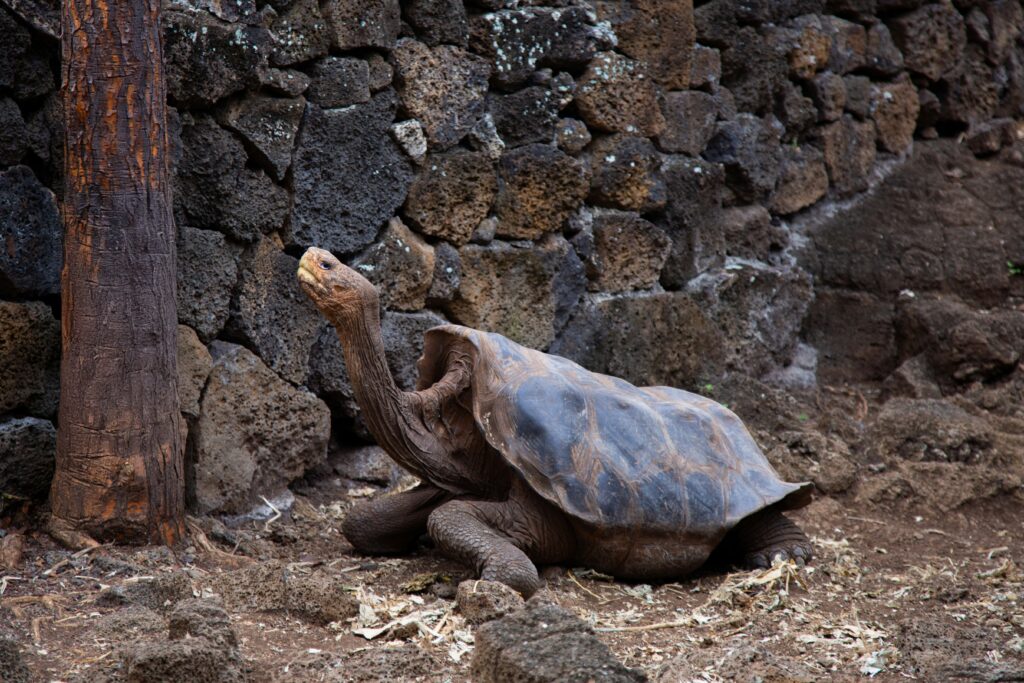
To observe the true icons of the archipelago living completely free of fences or human management, a trip into the misty highlands to visit El Chato Ranch is an absolute priority.
This expansive private estate shares a porous border with the national park, allowing wild giant tortoises to migrate freely through the pastures according to the seasons and food availability. Walking quietly through the mud-wallows and fields provides a humbling glimpse into an ancient world.
- Wild Giant Tortoises: Watch these magnificent creatures roaming completely unhindered across lush green pastures, cooling themselves in natural ponds, and grazing on native flora
- Subterranean Lava Tunnels: Walk directly through massive, illuminated underground tunnels created by primordial volcanic flows, showcasing the hollow crust of the island
- Highland Birdwatching: Explore dense canopy environments that shelter vibrant vermilion flycatchers, Darwin finches, and short-eared owls away from the coastal heat
The Ecuadorian Amazon.
The most biodiverse place in the world
Los Gemelos
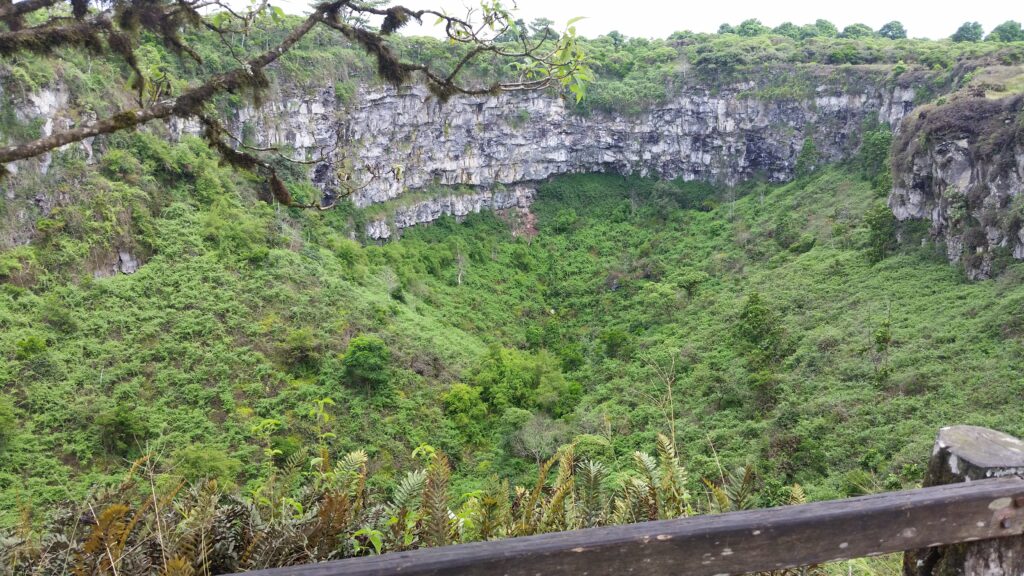
Perched at the highest point of the trans-island road, Los Gemelos are two colossal pit craters that slice deep into the highland landscape. Rather than being formed by volcanic explosions, these twin sinkholes were created by the collapse of empty underground magma chambers centuries ago.
The damp, misty microclimate at this elevation supports a dense, ethereal forest of endemic Scalesia trees, creating a starkly different sensory experience from the arid coastal zones.
- Verdent Viewing Platforms: Stand on platforms constructed right on the brink of the sheer, verdant drops, offering expansive views over the moss-covered crater walls
- Scalesia Forest Ecosystem: Walk beneath a thriving canopy of epiphytes, bromeliads, and ferns that wrap around the trees, creating an atmospheric, cloud-forest aesthetic
- Scalesia Forest Trails: Enjoy gentle, refreshing walks through unique highland terrain, offering a cool respite from the intense coastal sun found at sea level
Puerto Ayora town and local markets
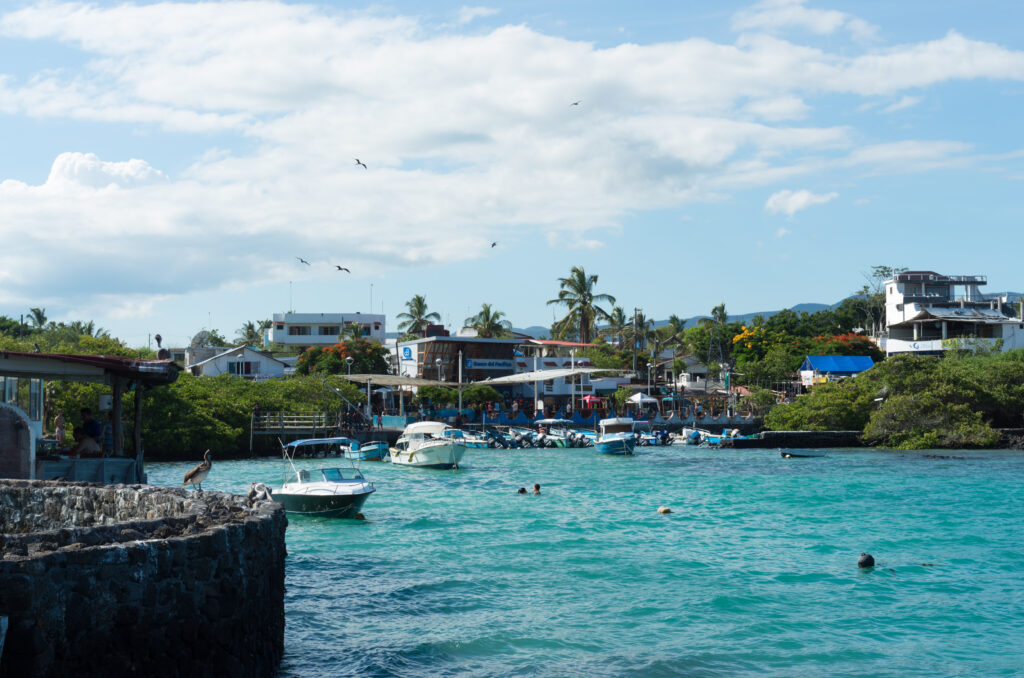
The energetic heartbeat of the island resides in Puerto Ayora, a coastal town that balances standard travel conveniences with authentic local life. The true focal point of the waterfront is the Muelle de Los Pescadores, an open-air fish market where local fishers bring their daily catch.
It functions as a delightful theatre of nature, where animals and humans interact daily. Beyond the docks, exploring the town reveals the Mercado Municipal, which serves as an excellent evening spot for local food, while the Proinsular Market supplies essential goods for independent exploration, and the Mercado Artesanal showcases the creative works of local residents.
- Muelle de Los Pescadores: Observe amusing wildlife interactions at the open-air stalls as cheeky sea lions and patient pelicans jostle for discarded fish scraps
- Calle de los Kioskos: Experience the vibrant evening food culture along the nearby streets where fresh, locally caught spiny lobsters and traditional brujo fish are grilled to order over open flames
- Authentic Local Commerce: Step away from the polished tourist venues at the Mercado Municipal and Mercado Artesanal to support local vendors and experience genuine island community life
The Ecuadorian Coast.
Where you’ll find the very best food
Travel by bike on Santa Cruz Island
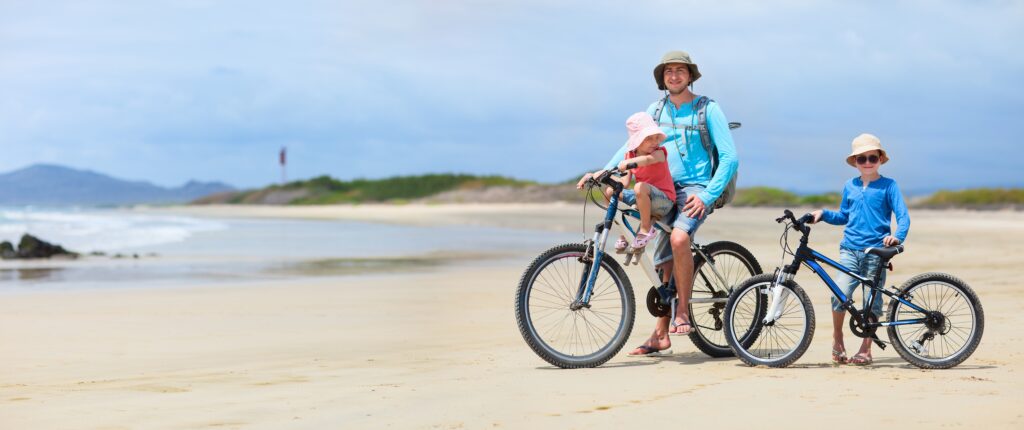
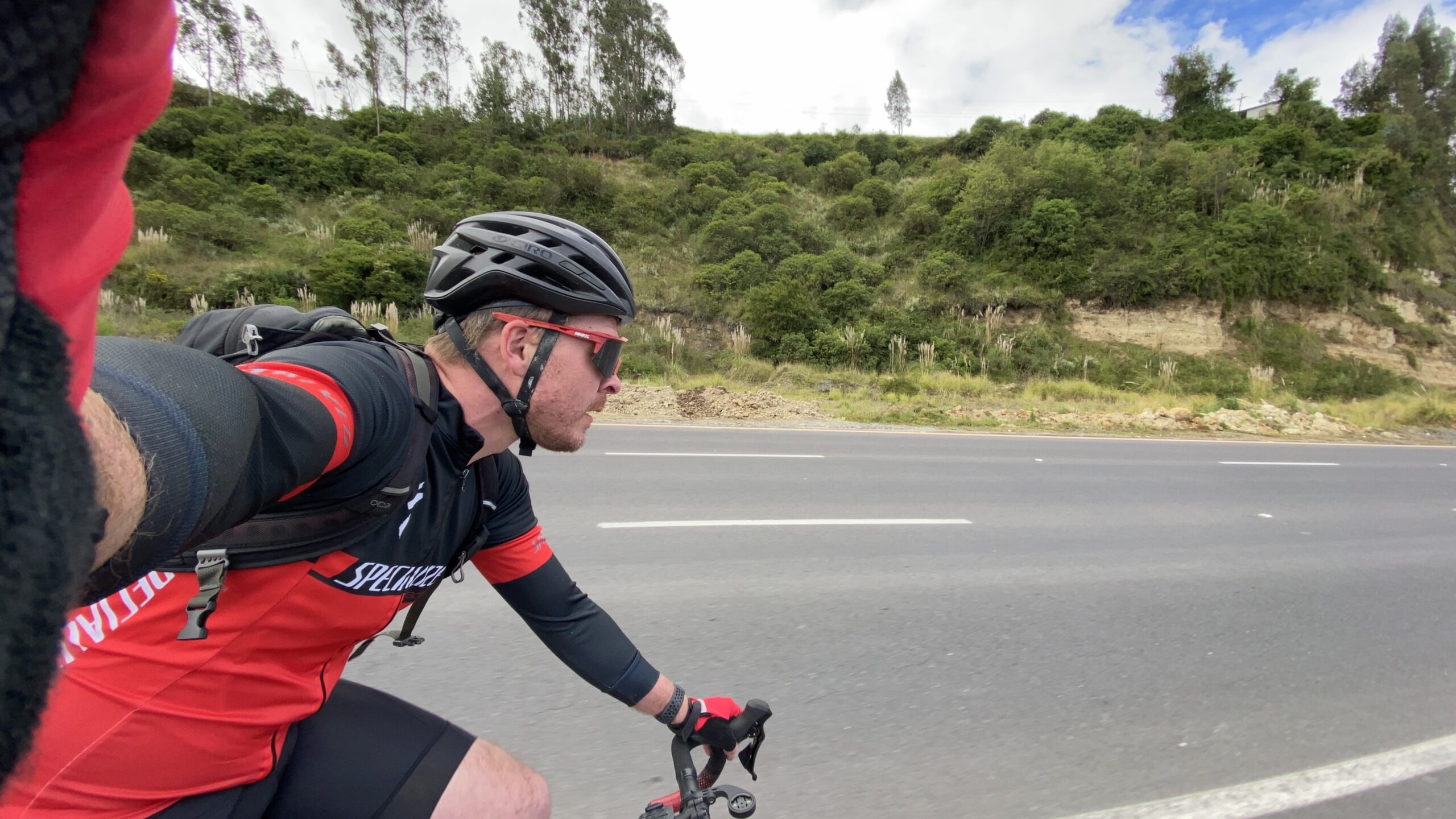
Travelling by bike provides the ultimate sense of freedom on this island, allowing you to connect major landmarks seamlessly without relying on pre-arranged taxis. A paved multi-use bicycle path runs parallel to the main highway across the island, making it highly accessible for independent riders.
Within an easy 18-kilometre ride from the main pier of Puerto Ayora, you can pedal up into the cooler air of Santa Rosa to visit the tortoise reserves, or challenge your legs on the rolling topography towards Bellavista, located just 7 kilometres inland, to explore alternative lava tunnels.
For an unforgettable coastal day trip, packing a pannier and cycling roughly 19 kilometres east to the pristine sands of El Garrapatero beach reveals a secluded paradise complete with a freshwater lagoon often visited by flamingos.
Alternatively, you can catch a local water taxi from the main pier to explore the remote trails of nearby islets or coordinate a boat excursion to the dramatic volcanic landscapes of Bartolomé Island for an excellent day trip.
Frequently asked questions about the top attractions on Santa Cruz, Galápagos
By remaining grounded on terra firma rather than booking a traditional maritime cruise, you gain the autonomy to explore landmarks at your own pace and spend as much time as you like observing local species.
Cycling is highly accessible thanks to a paved multi-use bicycle path running parallel to the main trans-island highway, seamlessly connecting Puerto Ayora to the highlands and distant beaches.
Head into the misty highlands to El Chato Ranch. This private reserve shares a porous border with the national park, allowing wild giant tortoises to migrate freely through pastures and ponds according to the season.
The open-air stalls along the Calle de los Kioskos come alive at night, serving fresh, locally caught spiny lobsters and traditional brujo (witchfish) grilled to order over open flames.
Within a manageable radius, you can cycle 7 kilometres inland to Bellavista’s lava tunnels, 18 kilometres to the highland village of Santa Rosa, or roughly 19 kilometres east to the secluded sands of El Garrapatero beach.
Both features stem from the island’s tectonic history; Las Grietas is a massive volcanic fissure fed by filtered seawater and freshwater, while Los Gemelos are colossal pit craters formed by the collapse of empty underground magma chambers.
Ecuador.
Pure wonder on the equator.