Beneath the canopy / The best nature stays and campsites in Mindo
An independent traveller’s guide to the top campsites, glamping sites, and sustainable nature retreats in the Ecuadorian cloud forest
Where the forest hums, the air cools, and the stars feel remarkably close
BEN FINCH
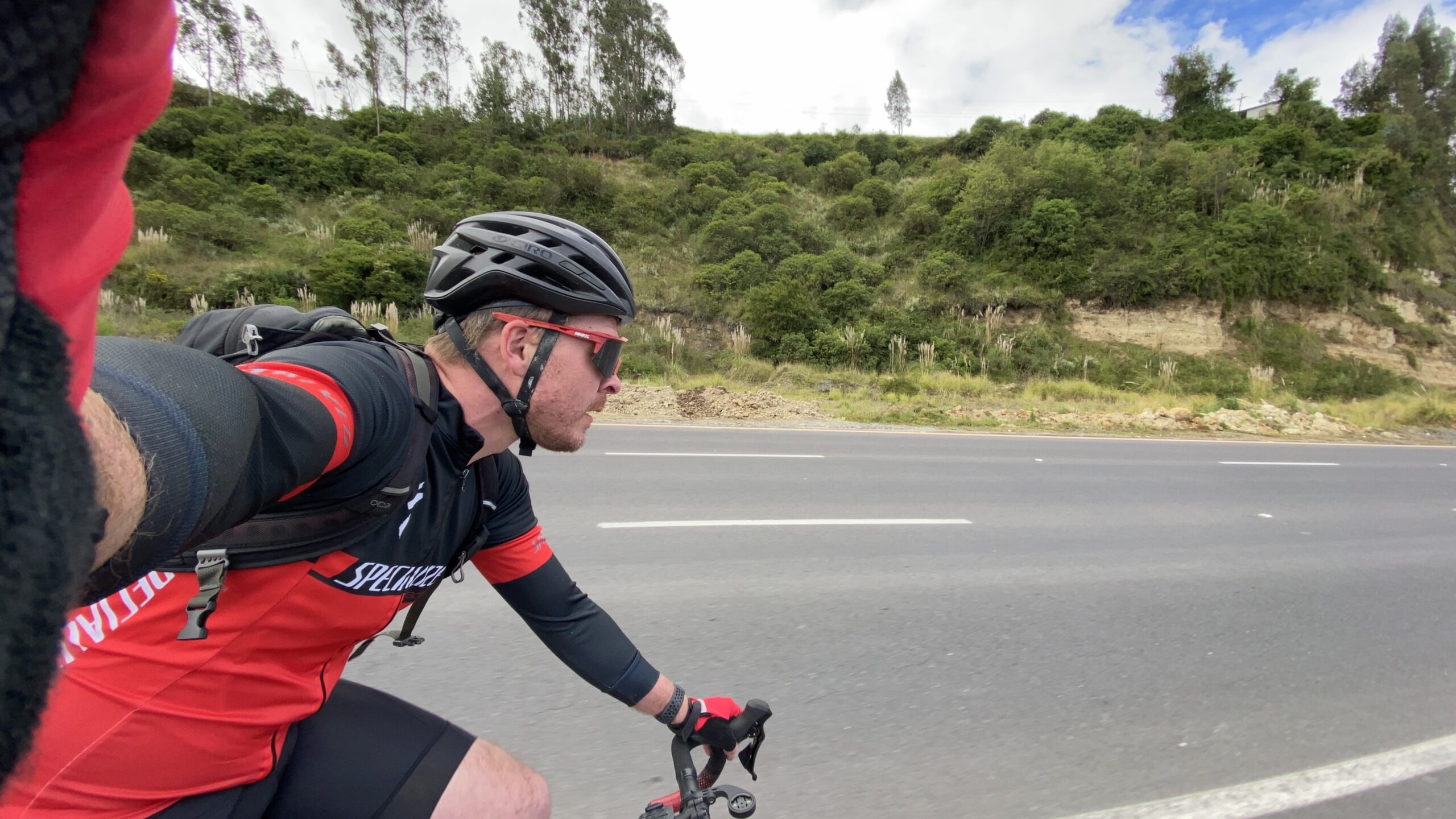
Mindo is not a destination to be rushed. Straddled across the western slopes of the Andes, where the high-altitude páramo drops dramatically into the humid Chocó-Andean biosphere, this basin is defined by its verticality, its moisture, and its sheer density of life. For the independent traveller arriving by public bus from Quito’s Ofelia station, or navigating the sweeping descent on two wheels, the transition is physical. The thin, dry air of the capital quickly gives way to a thick, oxygen-rich atmosphere scented with damp earth and wild orchids.
To truly experience this unique microclimate, one must avoid the temptation of standard brick-and-mortar hotel rooms. The concrete walls of town-centre hostels act as acoustic and sensory barriers, shutting out the very environment that makes Mindo world-famous. Sleeping close to the earth—whether suspended in a forest canopy cabin, tucked into a canvas glamping dome, or pitching a tent on a grassy river bank—is the key to unlocking the region’s true character.
At Wheely Tyred, the philosophy is simple: travel at your own pace, choose autonomy over pre-packaged tours, and ensure you sleep well. After an active day of hiking to hidden waterfalls or birdwatching along the muddy forest trails, a restorative night of sleep is non-negotiable.
Here is our comprehensive, deep-dive guide to the finest nature stays and campsites in and around Mindo, selected for their authenticity, environmental integrity, and high-quality rest.
Canopy sleepers / Where to find quiet in the cloud forest
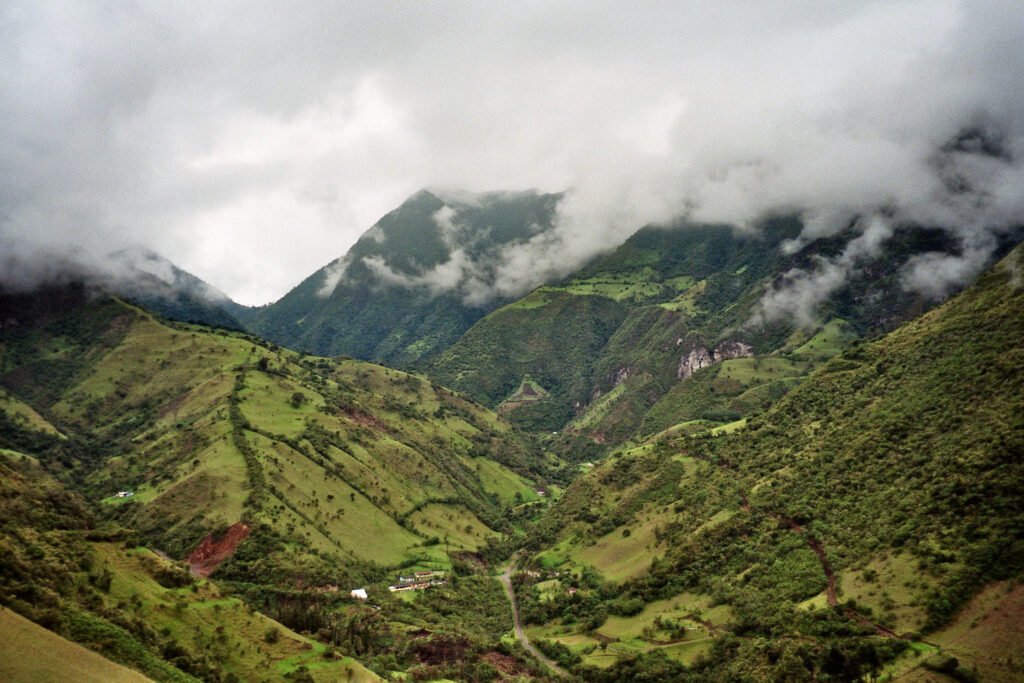
Descending into the Mindo cloud forest is a profound sensory shift, where the cool Andean air dissolves into a humid, life-filled basin. Here is our curated guide to finding authentic shelter, natural stillness, and a restorative night of sleep beneath the trees.
- Glamping Mindo Suyana: Elevated fabric domes and wood-framed cabins with transparent panelling that turns the forest canopy into your ceiling while protecting against the evening dampness
- Mindo GlamBird: A secluded getaway on the valley’s edge where geodesic domes suspended on wooden platforms provide an exceptional, light-pollution-free space for stargazing
- El Monte Sustainable Lodge: An off-grid, riverfront eco-sanctuary accessed via a hand-operated cable car, perfect for travellers seeking total disconnection and the therapeutic sound of rushing water
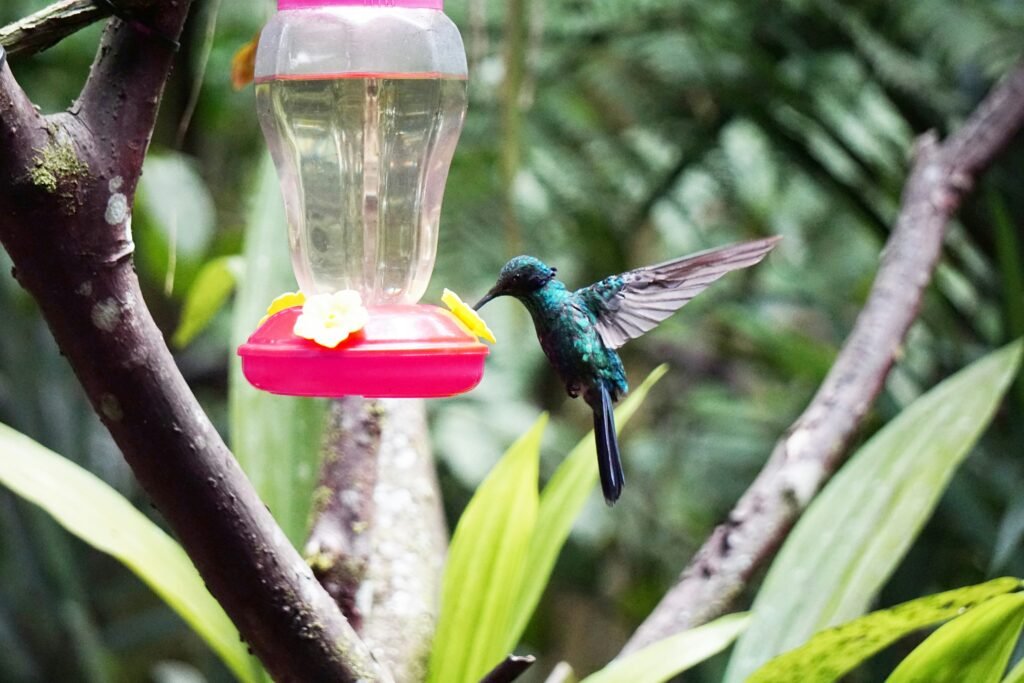
- Cabañas Armonía: Quiet garden cabins integrated with a world-class orchid sanctuary home to more than 200 species, where mornings begin with the natural alarm of feeding hummingbirds
- Mindo Eco Chalet: A rustic river retreat situated close to the cascade trails, offering spacious ground campsites and open-sided wooden chalets for deep-forest immersion
- Yellow House Trail & Lodge: A self-contained, 200-hectare private reserve where independent hikers and birdwatchers can pitch tents directly inside an extensive, pristine trail network
- Moisture management: A critical survival tip for the cloud forest—always pack gear in dry bags, choose synthetic sleeping bags over down, and ensure tent footprints are completely tucked away
Mindo.
The birds and the butterflies
The standout nature stays and campsites
1. Glamping Mindo Suyana
Located slightly elevated from the valley floor, Mindo Suyana offers a highly refined take on outdoor living. For travellers who appreciate the sensory experience of camping but require a structurally sound bed to ensure they sleep well, this site delivers.
The accommodation consists of elevated, high-tensile fabric domes and wood-framed cabins that feature large, transparent panelling. At night, the forest canopy becomes your ceiling, allowing you to watch the mist roll over the hills without leaving your bed. The site is meticulously integrated into the surrounding foliage, ensuring that each unit feels private.
- The Sleep Experience: The structures are engineered to manage the high humidity of the cloud forest, featuring excellent ventilation and premium, heavy bedding to combat the cool night air
- Facilities: Hot water showers, private outdoor seating decks, and communal fire pits perfect for evening reflection
2. Mindo GlamBird Glamping & Lodge
Positioned further into the lush periphery of Mindo, GlamBird is designed for those who want to escape the weekend crowds that occasionally descend on the town centre. This property is characterised by its geodesic domes, which sit on sturdy wooden platforms suspended over natural slopes.
The architectural design maximises the acoustic beauty of the forest while keeping the damp climate at bay. It is an exceptional spot for stargazing on clear nights, as light pollution is practically non-existent here.
- The Sleep Experience: The gentle, repetitive patter of rain on the dome’s exterior serves as a natural white noise machine, guaranteeing deep, undisturbed rest
- Facilities: Well-insulated private bathrooms, comfortable mattresses, and private hammocks overlooking the forested valley
The Ecuadorian Sierra.
Get lost in the hills
3. El Monte Sustainable Lodge
For the purist who demands genuine ecological responsibility, El Monte is a masterclass in sustainable architecture. Located on the opposite side of the rushing Mindo River, access to the lodge is an adventure in itself: guests and their gear cross the water via a hand-operated cable car (Tarabita).
There are no manicured lawns or concrete pathways here. The cabins are constructed using local, renewable materials like bamboo and thatch, designed to age naturally alongside the surrounding trees. This is slow travel in its most authentic form—unplugged, secluded, and highly respectful of the river ecosystem.
- The Sleep Experience: The persistent, powerful rush of the Mindo River acts as a therapeutic soundscape, washing away the mental clutter of transit
- Facilities: Natural spring-fed pools, biological wastewater filtration systems, and home-cooked meals prepared using organic ingredients grown on-site
4. Cabañas Armonía y Jardín de Orquídeas
Nestled on the edge of the town but feeling worlds apart, Cabañas Armonía is a family-run property integrated directly with a world-class orchid garden. Boasting over 200 species of orchids, the air here is sweet, and the property is constantly visited by a dizzying array of hummingbirds.
This stay is ideal for those who want a direct connection to nature without being completely isolated from local amenities. The wooden cabins are modest, clean, and warm, offering a cosy retreat after a damp day in the forest.
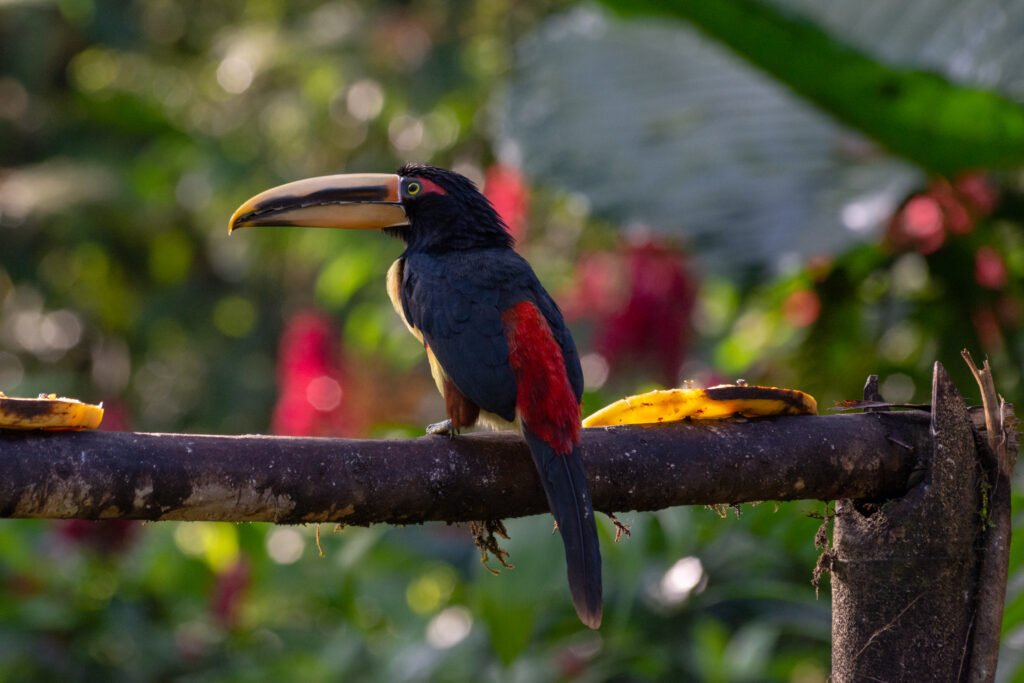
- The Sleep Experience: A peaceful, garden-sheltered sleep where the morning alarm is simply the chattering of toucans and tanagers
- Facilities: Access to the private orchid sanctuary, shared kitchen facilities for independent meal prep, and highly knowledgeable local hosts
The Galápagos.
Ecuador’s Enchanted Isles
5. Mindo Eco Chalet, Río y Cascadas
This property sits closer to the rugged headwaters of the valley, near the famous trail of cascades. It caters to the true outdoor enthusiast who prefers a rustic, wilder setting.
The camping sector here is spacious, allowing you to pitch a tent on solid ground within earshot of tumbling waterfalls. For those travelling light, they also offer simple, open-sided wooden chalets that provide a roof over your head while keeping you entirely open to the forest breeze.
- The Sleep Experience: Cool, crisp mountain air and the deep, low-frequency rumble of the nearby waterfalls make for an incredibly deep sleep
- Facilities: Basic covered cooking areas, shared rustic bathrooms with heated water, and direct, private access to forest trails and swimming holes
6. Yellow House Trail & Lodge
Yellow House is a private, family-owned reserve spanning over 200 hectares of primary and secondary cloud forest. It is a legendary destination for ornithologists and independent hikers.
While they offer simple lodge rooms, their wilderness camping spots are the real draw for self-sufficient travellers. By pitching your tent here, you are granted immediate access to a private network of six distinct trail loops ranging from easy ridge walks to steep, challenging climbs through the dense undergrowth.
- The Sleep Experience: Total, deep-forest isolation. The only sounds are the nocturnal calls of owls and the wind rustling the high canopy
- Facilities: Standard, well-maintained campsites with clean composting toilets, access to fresh spring water, and self-guided trail maps provided upon arrival
The Ecuadorian Amazon.
The most biodiverse place in the world
Practical guide to cloud forest camping
Camping or staying in high-humidity environments requires a specific set of skills and preparations to ensure that you actually sleep well and keep your gear functional.
Humidity and moisture management
In Mindo, relative humidity rarely drops below 80 per cent, and afternoon downpours are common year-round. This constant moisture presents challenges for maintaining dry gear.
- The Golden Rule of Packing: Everything must go into dry bags. Do not rely on water-resistant backpack covers; instead, pack your sleeping bag, dry clothing, and electronics into lightweight, roll-top dry bags inside your main pack
- Synthetic Over Down: If you are bringing your own sleeping gear, choose synthetic insulation. Down loses its ability to loft and trap heat when damp, whereas synthetic bags dry much faster and retain warmth even in high humidity
- Ground Tarps: When pitching a tent, always use a footprint or ground tarp tucked completely under the tent floor. If any part of the tarp extends beyond the tent edge, it will collect rainwater and pool it directly underneath you
Insects and wildlife
The biodiversity of the Chocó-Andean region means you will share your campsite with countless fascinating creatures. While larger wildlife poses no threat, smaller insects require management.
- Manta Blanca (Sandflies): These tiny, almost invisible biting gnats are common near riverbanks and damp grass. Their bites can itch for days. Wear lightweight, long-sleeved shirts and trousers during dawn and dusk
- Repellent Protocol: Natural repellents based on lemon eucalyptus oil work well, but if the sandflies are particularly active, a picaridin-based spray is highly effective without damaging synthetic gear fabrics (unlike DEET, which can melt plastic and technical clothing)
- Critter Inspections: Always keep your tent zipped shut at all times. Before sliding into your sleeping bag or putting on your boots in the morning, shake them out to ensure no curious beetles, spiders, or frogs have taken shelter inside
Sustenance and water safety
Independent travellers must take responsibility for their own health and hydration.
- Water Purification: Never drink untreated tap or river water in the region. Carry a reliable filtration system—such as a hollow-fibre membrane filter—or use purification tablets. Many of the established nature lodges listed above provide large carboys of filtered water for guests to refill their bottles
- Local Provisioning: Mindo town has several small, family-run fruit markets, bakeries, and small grocers where you can stock up on staples like avocados, fresh plantains, beans, and local cheese. It is highly recommended to buy locally and support the community
The Ecuadorian Coast.
Where you’ll find the very best food
The value of slowing down
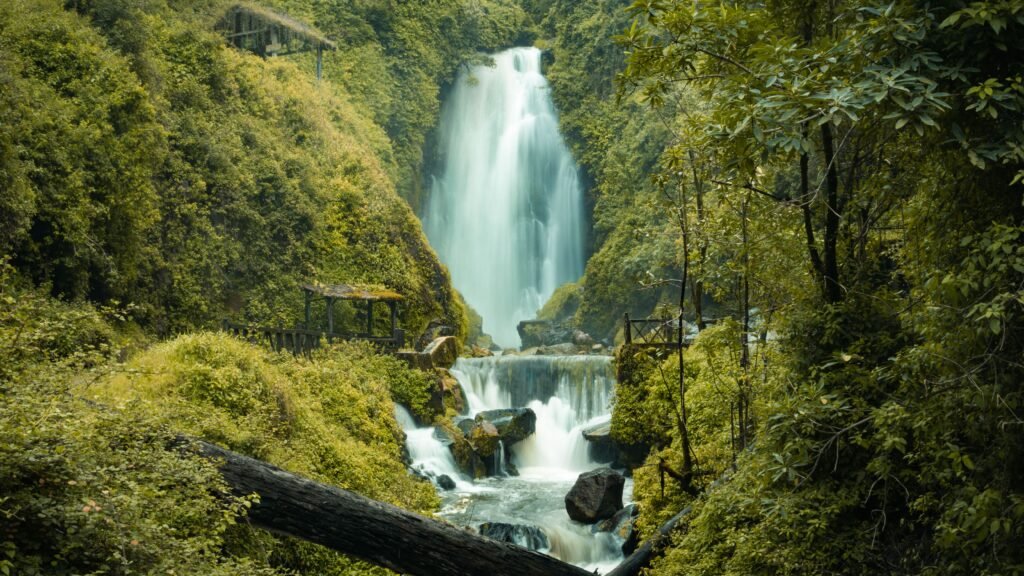
The true magic of Mindo reveals itself not during the midday rush of tourist groups visiting the butterfly gardens, but in the quiet margins of the day. It is found in the stillness of 5:30 AM, when the mist sits low in the valley and the first golden light hits the bromeliads. It is found in the slow evening, as the forest transitions from its daytime symphony to its nocturnal hum.
By choosing to stay in nature, you choose to be a participant in this ecosystem rather than a mere spectator. Pitch your tent, hang your hammock, listen to the river, and sleep well. The road will still be there tomorrow, but tonight, the forest is yours.
Affiliate Disclaimer: Some of the links on Wheely Tyred are affiliate links. If you click through and make a booking or purchase, we may earn a small commission at no extra cost to you. We only recommend gear, tours, stays, and services we genuinely use, trust, and stand behind — our editorial independence always comes first. These commissions help keep our independent cycling guides and travel stories free to read. Thanks for supporting the ride!
Frequently asked questions about the best campsites in Mindo
Travelling independently to the cloud forest is straightforward. Regular public buses depart from Quito’s Ofelia terminal, winding down the western slopes of the Andes directly into Mindo town. The journey takes around two and a half hours, offering spectacular views of the changing landscape as you drop in altitude.
Yes, though the terrain demands respect. The descent from the Andean highlands is exhilarating, but the roads are winding, wet, and often shrouded in mist. Ensuring your bicycle has excellent wet-weather braking, mudguards, and highly visible lighting is essential for navigating the mountain roads safely.
The cloud forest is perpetually damp, with relative humidity often exceeding 80 per cent. Use synthetic sleeping bags, which retain warmth when damp and dry much quicker than down. Always pack your dry clothing and sleeping gear in roll-top dry bags within your main pack to protect them from the saturated air.
The tiny, biting gnats known locally as manta blanca (white cloak) are common near riverbanks and damp grass. Wear lightweight, long-sleeved clothing during dawn and dusk, keep your tent zipped at all times, and use a picaridin-based repellent to avoid damaging technical fabrics.
Mindo town has excellent small fruit markets, bakeries, and family-run grocers stocked with fresh plantains, avocados, and local cheese. Tap water is not safe to drink, so carry a reliable hollow-fibre filter or use the filtered water stations provided by your host.
The cloud forest is a highly active acoustic environment, filled with nocturnal frog calls, insect hums, and early-morning bird choruses. Choosing a nature stay that respects these natural sounds, whilst keeping you dry and comfortable, ensures your body fully recovers from active exploration.
Ecuador.
Pure wonder on the equator.