Navigating the Amazon / A complete guide to safety in Cuyabeno, Ecuador
Is Cuyabeno safe? Essential safety tips for travelling to Ecuador’s Amazon reserve in 2026
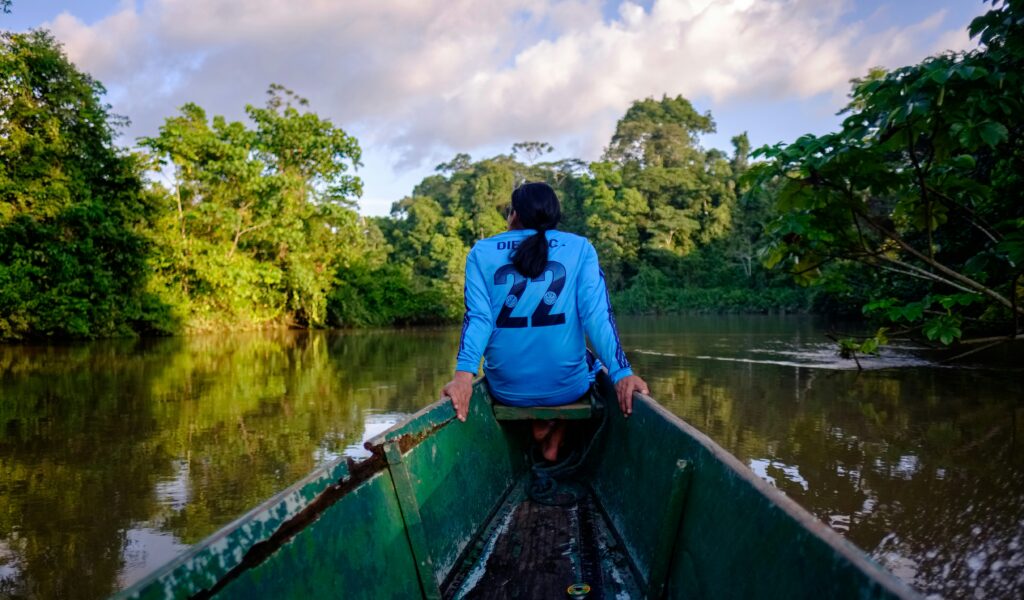
Deep in the rainforest, peace of mind is found through preparation
BEN FINCH
The allure of the Amazon rainforest is undeniable. For cyclists, adventurers, and wildlife enthusiasts, the Cuyabeno Wildlife Reserve represents one of the most biodiverse spaces on the planet. Flooded forests, winding blackwater rivers, and the chance to spot pink river dolphins draw thousands of international visitors to this corner of Ecuador every year. However, executing a dream trip to the jungle requires a clear-eyed understanding of the security landscape.
With shifting travel advisories and regional security updates dominating the news in recent years, a primary question surfaces for every cautious planner: Is Cuyabeno safe for international travellers?
At Wheely Tyred, we believe that safe travel does not mean avoiding adventure; it means arming yourself with accurate local knowledge. While Ecuador has faced undeniable security hurdles in its coastal provinces and urban hubs, the reality within the remote eco-tourism circuits of the Amazon is vastly different. By understanding the logistics, managing your transit carefully, and choosing the right partners, an expedition to Cuyabeno remains a profoundly rewarding and secure experience.
Safety in the sunken forests of Cuyabeno
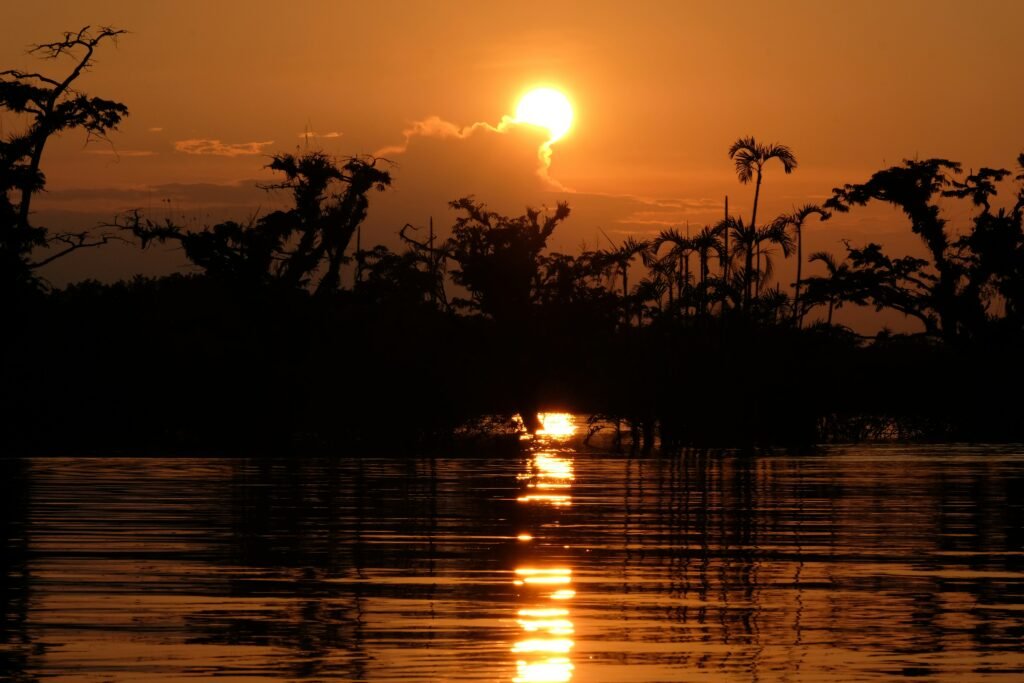
Navigating the deep Ecuadorian Amazon requires balancing a respect for its wilderness with a smart approach to overland transit. Once inside the reserve, the urban anxieties of the coast melt away into a tightly monitored ecosystem of pristine blackwater rivers.
- Regionalised security: While Ecuador faces complex security challenges, the conflict is concentrated along specific coastal drug routes, leaving the remote Amazonian tourism circuits heavily insulated and peaceful
- The gateway strategy: Lago Agrio is the essential frontier transition point; passing through safely means avoiding independent exploration and relying entirely on pre-arranged tourist shuttles from Quito or direct airport collections
- Controlled access: Entry beyond the El Puente checkpoint is strictly regulated by park rangers, with all subsequent travel restricted to motorised canoes operated by licensed local guides
- Community safeguards: Security within the interior relies on deep, reciprocal partnerships with indigenous nationalities, including the Siona, Secoya and Cofán peoples, who actively protect their ancestral lands
- Group integration: Solo and female travellers benefit from the structured, group-led nature of the eco-lodges, which removes the vulnerability of independent navigation
- Environmental mindfulness: Staying safe means preparing for nature itself—prioritising insect precautions against dengue, keeping vaccinations current and ensuring travel insurance covers remote medical evacuation
Cuyabeno Wildlife Reserve.
Explore the Amazon’s flooded forest
Understanding the security landscape in Ecuador
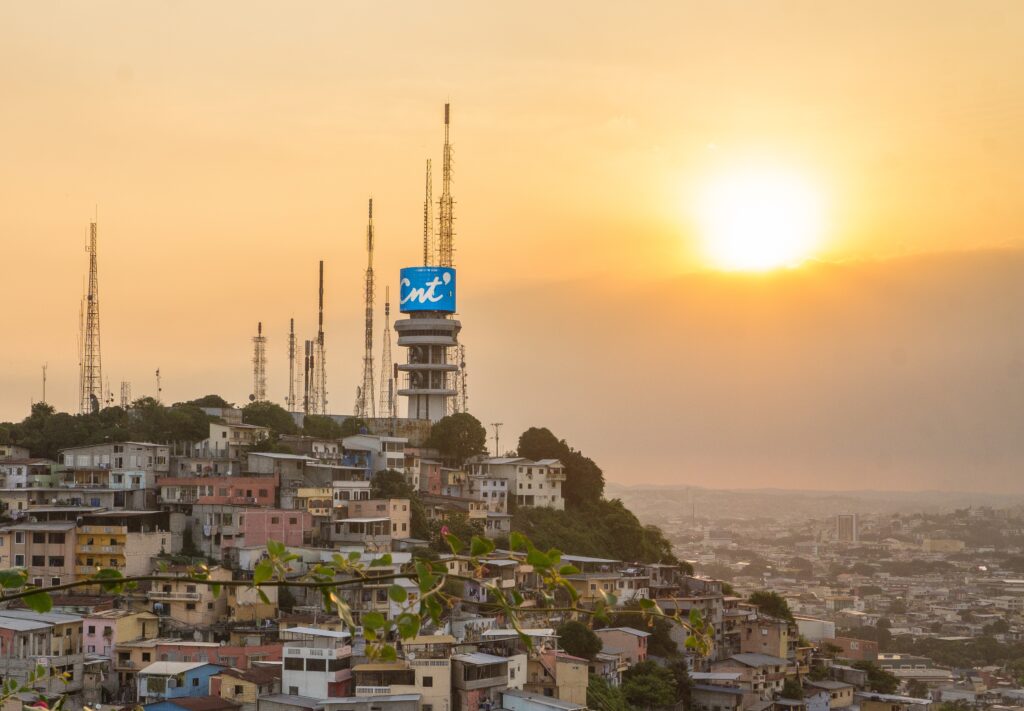
To understand safety in Cuyabeno, one must first look at the broader picture of Ecuador. The country has experienced a complex security situation, with the government implementing various states of emergency to combat organised crime. Official advisories from bodies like the UK Foreign, Commonwealth & Development Office (FCDO) maintain a high degree of caution for the country as a whole.
Crucially, these risks are highly regionalised. The vast majority of violent incidents are linked to drug trafficking networks operating heavily along the Pacific coast and specific border zones. The Amazonian provinces, particularly the interior of the Cuyabeno Wildlife Reserve, are heavily insulated from these urban and coastal conflicts. Tourism is the economic lifeblood of the local communities and indigenous nationalities within the reserve, meaning that community vigilance and structural security are exceptionally high.
The primary distinction that travellers must make is between the reserve itself and the transit hubs used to reach it. While the jungle lodges offer an environment of absolute tranquillity, the journey there requires strict adherence to specific transport protocols.
The gateway dilemma / Navigating Lago Agrio safely
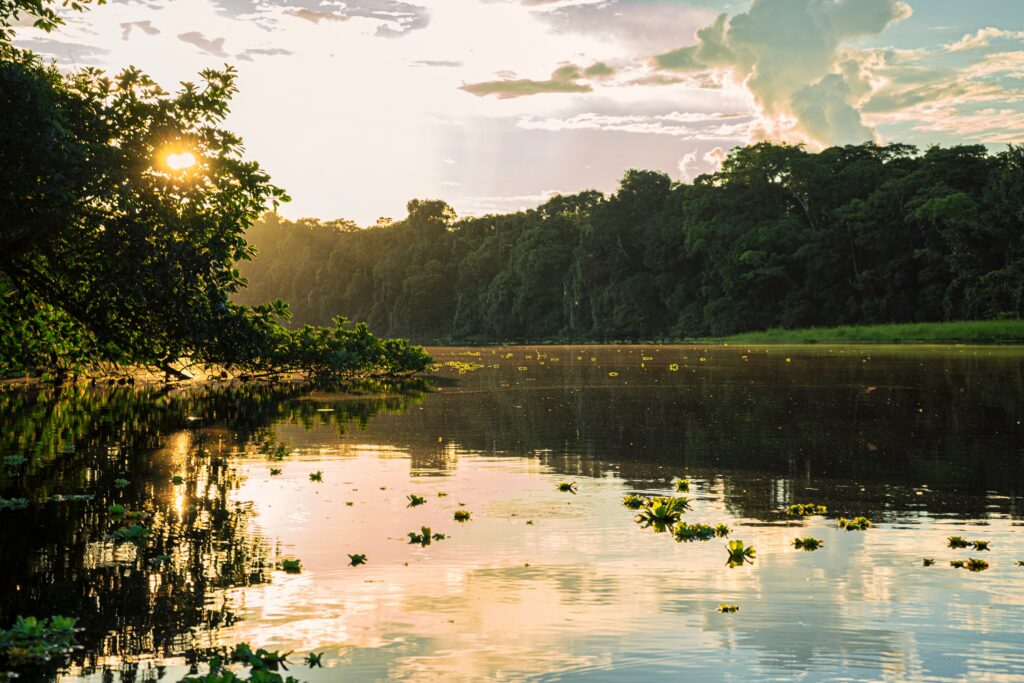
The primary overland gateway to the Cuyabeno Wildlife Reserve is the town of Lago Agrio, also known as Nueva Loja, located in the Sucumbíos province. Because of its proximity to the Colombian border, Lago Agrio falls within the zone where foreign governments often advise against all but essential travel. It is a bustling oil and frontier town, and independent exploration here after dark is not recommended for tourists.
The secret to bypassing the security risks of Lago Agrio lies entirely in your transport logistics. Reputable eco-lodges do not expect guests to wander through the town or find their own way to the river ports. Instead, safe travel is achieved through seamless, pre-arranged transfers.
Most travellers opt for the specialised tourist shuttle buses that depart directly from Quito. These buses travel overnight or in the early morning hours, arriving directly at a designated meeting point or heading straight to El Puente, the official entry checkpoint into the reserve. Alternatively, if you fly into the nearby airport at Coca or Lago Agrio, your lodge coordinator should meet you directly at the arrivals terminal with a private vehicle.
By ensuring you do not store bags in overhead luggage spaces on public buses, avoiding independent foot travel in frontier towns, and remaining within the custody of your tour operator, the potential risks of the gateway zone are effectively neutralised.
The Ecuadorian Amazon.
The most biodiverse place in the world
Safety inside the Cuyabeno Wildlife Reserve
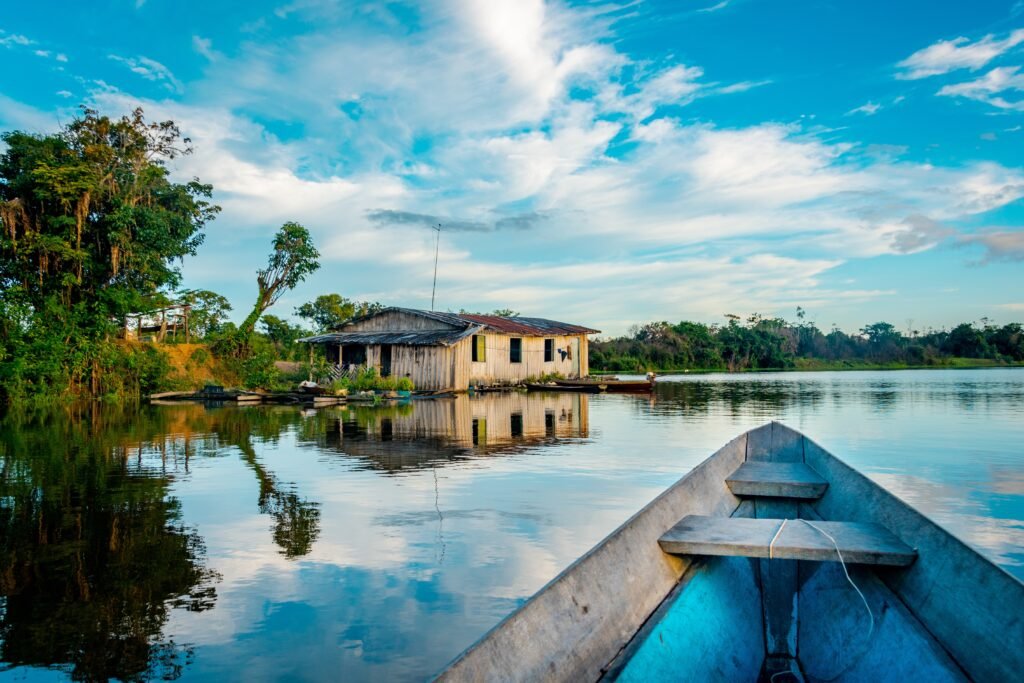
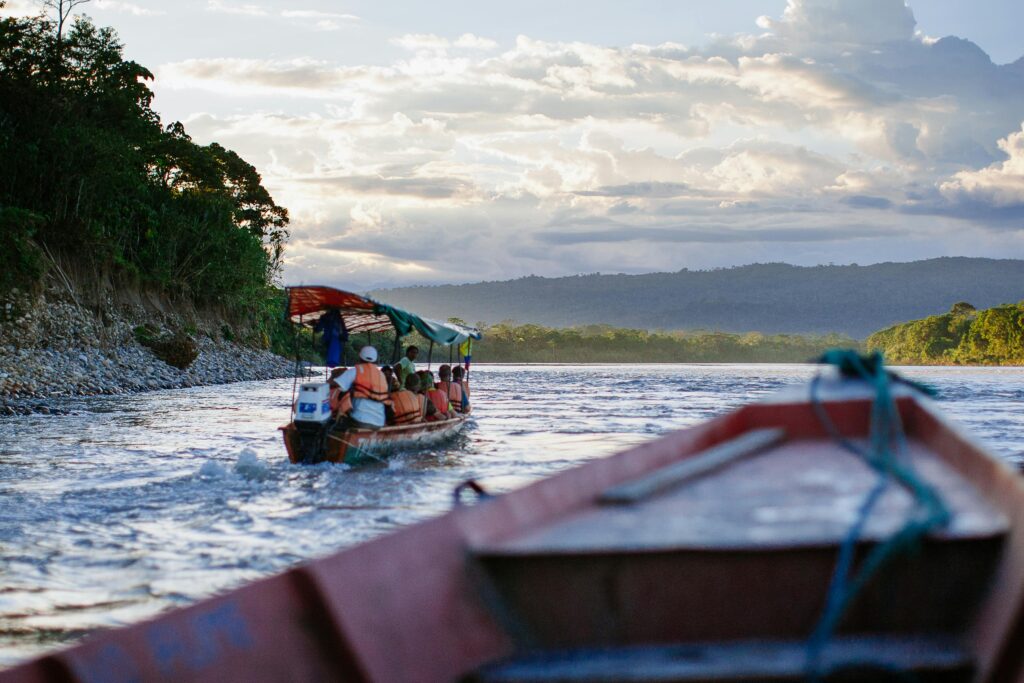
Once you arrive at El Puente, the security dynamic shifts entirely. El Puente is a controlled entry point managed by park rangers and ministry officials. From this point forward, all travel deeper into the reserve occurs via motorised canoes operated by licensed lodge guides.
Inside the reserve, standard street crimes like pickpocketing, muggings, and scams are virtually non-existent. There are no roads, no public thoroughfares, and no opportunistic crowds. The only people moving along the river networks are park authorities, indigenous community members, and registered tour groups.
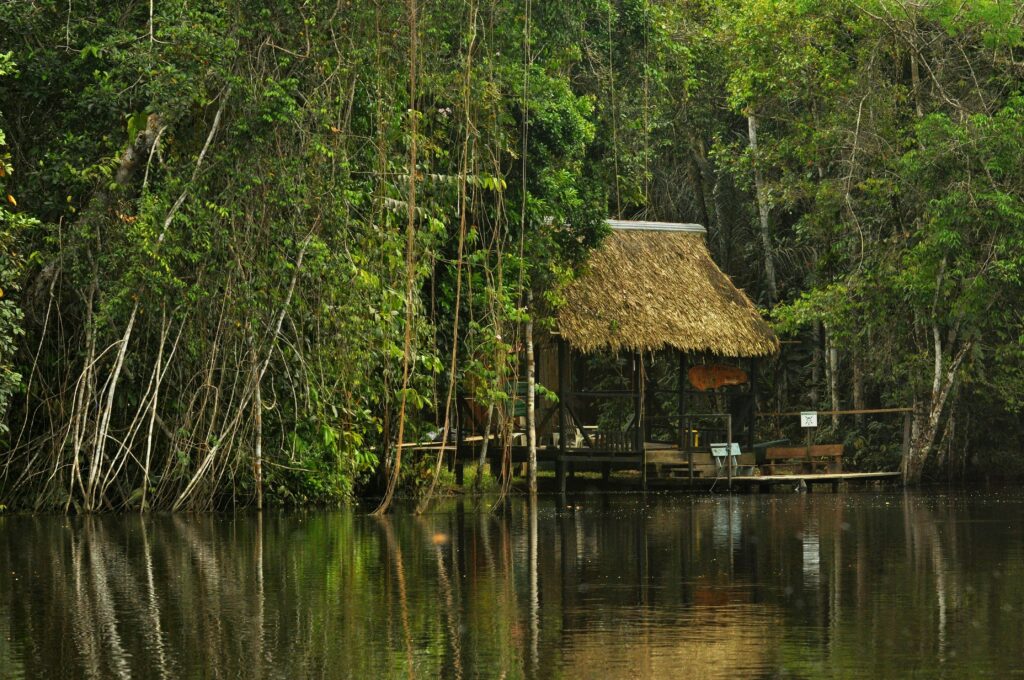
The lodges themselves are self-contained sanctuaries. Because they are remote and accessible only by water, uninvited outsiders cannot easily access them. Security within the lodges relies heavily on the close-knit relationship between the operators and the local indigenous communities, such as the Siona, Secoya, and Cofán peoples. These communities are active partners in conservation and tourism, creating a collective environment of protection and mutual respect that benefits every visitor.
Solo travellers, female adventurers, and minorities in the Amazon
For solo travellers and women, navigating South America often brings an extra layer of hesitation. In large cities, solo female travellers may experience unwanted attention or verbal harassment. However, the structured nature of a Cuyabeno tour provides an incredibly supportive environment for solo adventurers.
From the moment you board the lodge-coordinated transport in Quito, you are part of a curated group. Activities within the reserve—whether night walks, bird watching, or cultural visits—are strictly guided. This eliminates the vulnerability of navigating unfamiliar terrain alone. Solo travellers are seamlessly integrated into the small-group dynamic of the lodges, which fosters immediate community and shared awareness.
For ethnic, religious, and sexual minorities, the eco-lodges of Cuyabeno are universally welcoming spaces. The staff and guides are highly accustomed to hosting international clientele from diverse backgrounds. The guiding philosophy of the region focuses heavily on environmental stewardship and global cultural exchange, making the interior of the reserve a highly inclusive and respectful destination.
The Ecuadorian Sierra.
Get lost in the hills
Health, wildlife, and environmental hazards / Beyond human threats
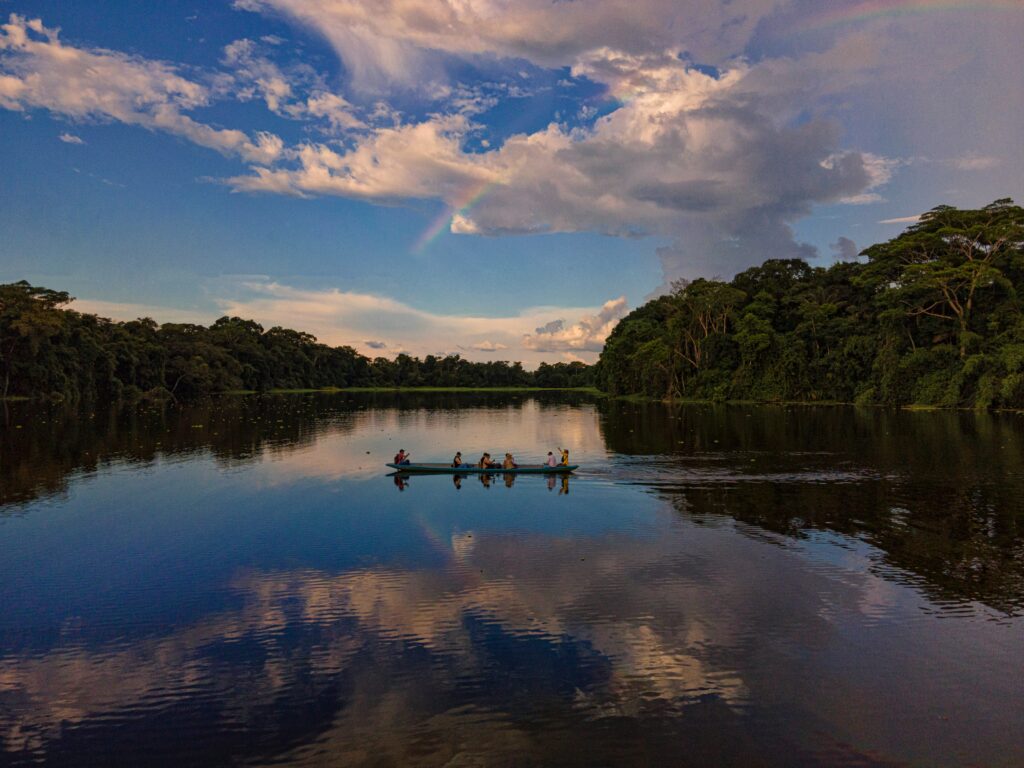
When assessing whether Cuyabeno is safe, it is vital to look past crime statistics and consider the natural environment. The Amazon presents environmental factors that require deliberate preparation.
Insect-borne diseases and vaccinations
Cuyabeno sits at a low altitude, well below 1,500 metres, meaning insect-borne illnesses are a factor. While malaria risks are considered low in the heavily visited tourist zones of the reserve, dengue fever is present. Travellers must prioritise high-factor insect repellent containing DEET or Picaridin, and wear long-sleeved clothing during dawn and dusk when mosquitoes are most active. Regarding yellow fever, it is highly recommended to ensure your routine UK vaccinations are up to date and to carry your vaccination certificate, as entry requirements between regional borders can occasionally shift at short notice.
Wildlife encounters
The reserve is home to caimans, anaconda snakes, spiders, and jaguars. However, wildlife incidents involving tourists are extraordinarily rare. Guides are trained to spot hazards long before you see them. Safe exploration means adhering strictly to your guide’s instructions: never wander off established paths during jungle treks, always use a torch during night walks to check where you step, and only swim in designated areas of the lagoon where the water is clear and safe from strong currents.
Remote medical access
It is important to remember that Cuyabeno is a remote wilderness. Some lodges are located several hours by boat from the nearest basic medical facility in Lago Agrio, and serious emergencies will require transport back to Quito. Carrying a personal first-aid kit with specific personal medications, rehydration sachets, and broad-spectrum antibiotics is a wise precaution. Comprehensive travel insurance that covers emergency medical evacuation from remote areas is absolutely non-negotiable.
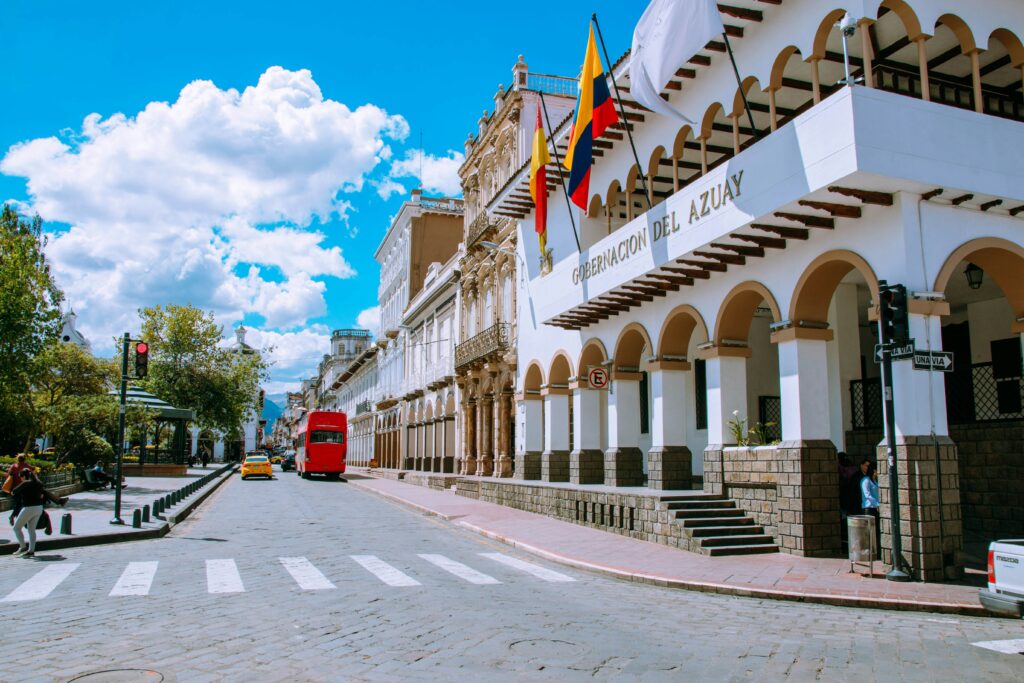
The Galápagos.
Ecuador’s Enchanted Isles
Key takeaways for a secure Cuyabeno expedition
Read this far?
To guarantee that your journey into the extraordinary Ecuadorian Amazon remains memorable for all the right reasons, keep these core rules at the forefront of your planning:
- Book Solely Through Certified Operators: Ensure your chosen lodge is fully licensed by the Ecuadorian Ministry of Tourism and possesses clear, verified reviews regarding their transport safety
- Insist on Daylight Transit: If you are travelling by road between Quito and the Amazonian gateway, ensure your transfers are scheduled to take place during daylight hours to mitigate risks associated with unpredictable road conditions and remote driving
- Maintain Constant Communication: Let family or friends know your exact itinerary before you enter the reserve. Be aware that cellular service inside the jungle is minimal to non-existent; choose a lodge that maintains reliable radio or satellite communication links at their base
- Carry Physical Documentation: Keep a colour copy of your passport and your entry stamp page inside a waterproof bag while out on the river, leaving the original safely secured in your lodge locker
Cuyabeno remains an unparalleled wonderland for those eager to experience the living heart of the rainforest. By respecting the logistics of the journey and stepping into the wilderness with a prepared mind, you can fully embrace the magic of the Amazon with absolute confidence.
Affiliate Disclaimer: Some of the links on Wheely Tyred are affiliate links. If you click through and make a booking or purchase, we may earn a small commission at no extra cost to you. We only recommend gear, tours, stays, and services we genuinely use, trust, and stand behind — our editorial independence always comes first. These commissions help keep our independent cycling guides and travel stories free to read. You can also buy me a coffee here — thanks for supporting the ride!
The Ecuadorian Coast.
Where you’ll find the very best food
Frequently asked questions about safety in Cuyabeno
Independent exploration in Lago Agrio, especially after dark, is not recommended due to its frontier-town dynamics. The safest approach is to treat it purely as a transit hub, staying within the bubble of pre-arranged transport provided by your eco-lodge or a dedicated tourist shuttle from Quito.
Access is entirely river-based. Independent travellers head to the El Puente checkpoint via coordinated transport, where park rangers log entry. From there, you board motorised canoes run by certified lodge guides to travel down the blackwater river networks.
Wildlife encounters are highly managed and safe if you follow your guide’s instructions. The more practical health concerns are insect-borne illnesses like dengue fever. Travellers should wear long sleeves during peak mosquito hours, apply high-factor repellent and ensure routine vaccinations are up to date.
The reserve is highly secure for solo female travellers because independent wandering is practically impossible. By joining a lodge-based itinerary, you are seamlessly integrated into small group excursions and shared transport from day one, minimising isolation.
Because Cuyabeno is a remote wilderness several hours by boat from basic medical facilities, advanced care requires evacuation to Quito. It is essential to carry a personal medical kit for minor ailments and to secure comprehensive travel insurance that explicitly covers remote emergency evacuation.
Ecuador.
Pure wonder on the equator.