Tasting Quito / A Deep dive into the culinary heritage of the Andean capital
The ultimate Quito food guide featuring traditional Ecuadorian dishes and top-rated independent restaurants
High-altitude flavours, ancestral traditions, and the independent spaces
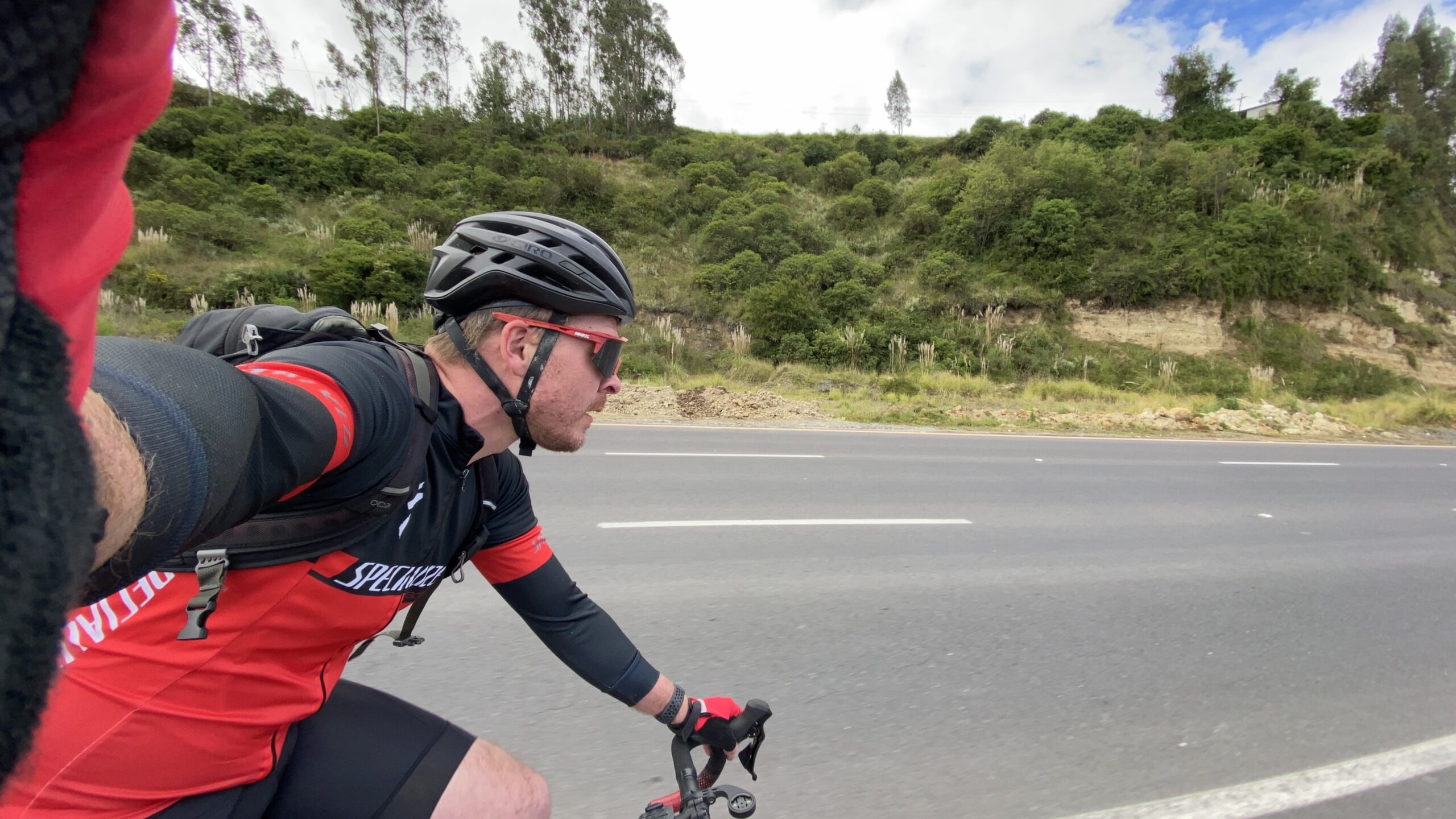
BEN FINCH
To arrive in Quito is to step into a city suspended between earth and sky. Stretched across a narrow valley at 2,850 metres above sea level, under the watchful gaze of the active Pichincha volcano, the Ecuadorian capital demands an unhurried pace. For the independent traveller navigating its steep, cobblestone streets on foot or watching the urban landscape shift from the window of a local trolleybus, the city reveals its true character slowly.
Understanding Quito requires looking past the colonial facades and diving straight into its culinary heritage. The food here is a direct reflection of the surrounding geography—a dramatic landscape of high-altitude páramo, volcanic valleys, and nearby cloud forests. It is a cuisine built on ancient foundations, where pre-Columbian agricultural techniques meet Spanish colonial influences.
At Wheely Tyred, we believe the best way to understand a culture is through the independent businesses, market stalls, and local kitchens that refuse to compromise on authenticity. This guide is designed for those who want to skip the packaged tour groups, step off the beaten track, and experience the real culinary heart of Quito.
The culinary soul of the High Andes
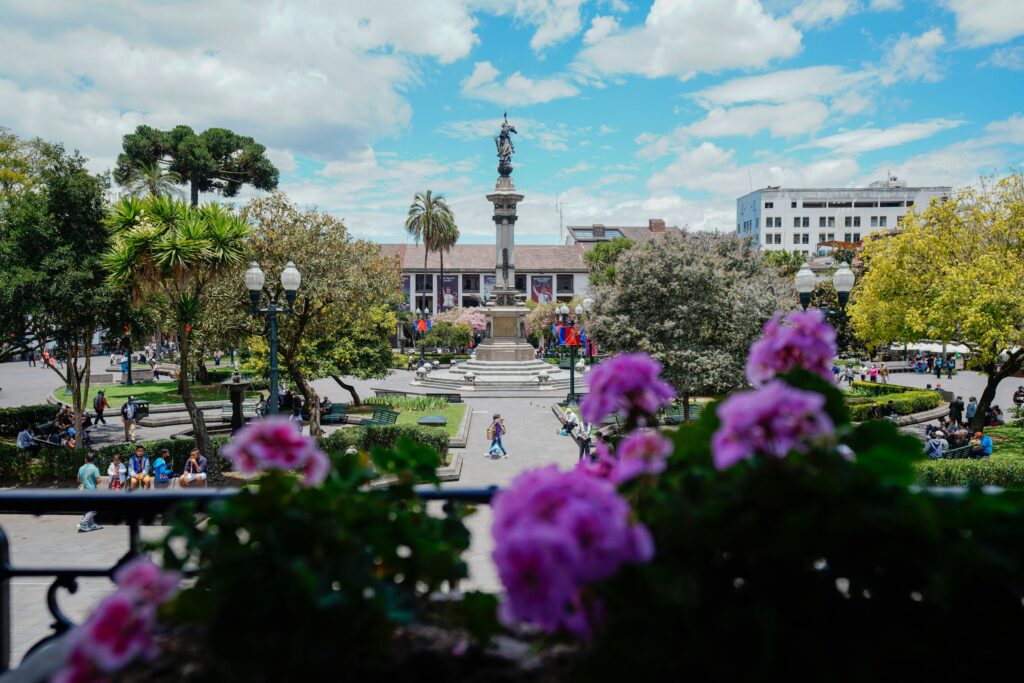
Perched amidst volcanic peaks, Quito offers a sensory journey where ancient pre-Columbian techniques meet contemporary Andean gastronomy. This high-altitude capital invites the independent traveller to slow down and savour a landscape defined by volcanic soils and deeply rooted traditions.
- Locro de Papa: A foundational potato soup, enriched with milk and achiote, traditionally served with fresh avocado and salty queso de hoja
- Mote Pillo: A hearty, traditional scramble of hominy corn, onions, and eggs—perfect for fuelling a long day of urban exploration on foot
- Ceviche de Chochos: An inventive, plant-based ceviche utilising protein-rich Andean lupini beans, lime, and cilantro, often found at local stalls
- Guayusa Infusions: An energising, natural brew sourced from Amazonian holly leaves, offering a smooth, grounded alternative to high-altitude coffee
- URKO Cocina Local: An exploration of Ecuador’s biodiversity through seasonal tasting menus thoughtfully designed around the traditional Andean calendar
- Historic Atmosphere: Hasta La Vuelta, Señor provides a refined, colonial-era backdrop within the Palacio Arzobispal for experiencing authentic traditional dishes
- Craft Culture: Bandidos del Páramo marries historic 1850s architecture with a modern craft beer programme infused with native botanicals like guayusa and cacao
The Ecuadorian Sierra.
Get lost in the hills
The staples of the Sierra / What to eat in Quito
Locro de papa
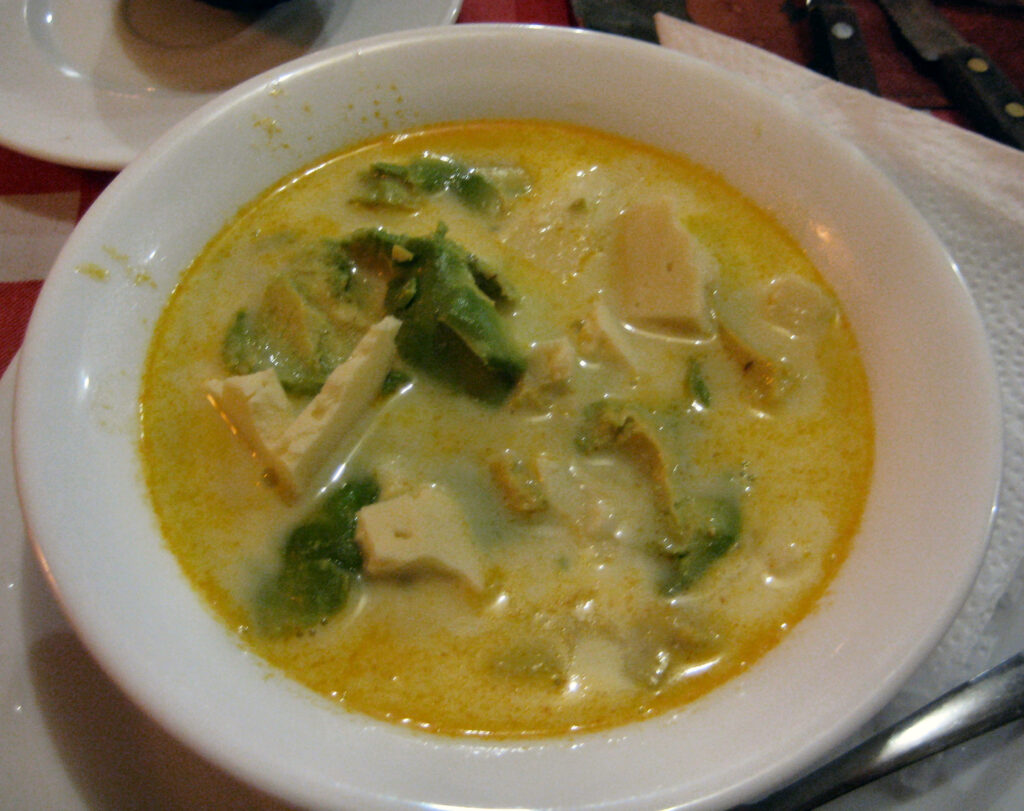
If Quito had an official dish, it would undoubtedly be locro de papa. This is not merely a potato soup; it is a masterclass in texture and a celebration of Andean biodiversity. Long before European contact, hundreds of varieties of potatoes thrived in the volcanic soils of the Sierra. Locro utilises starchy local potatoes that break down during a long, slow simmer with milk, garlic, onions, and a touch of achiote oil, which imparts a characteristic golden hue.
The magic happens just before serving. A classic locro is finished with fresh, creamy avocado slices and generous crumbles of queso de hoja—a salty, fresh local cheese. The contrast between the velvety, hot soup and the cool, rich avocado is spectacular, making it the ultimate remedy for a cool Andean evening.
Mote pillo
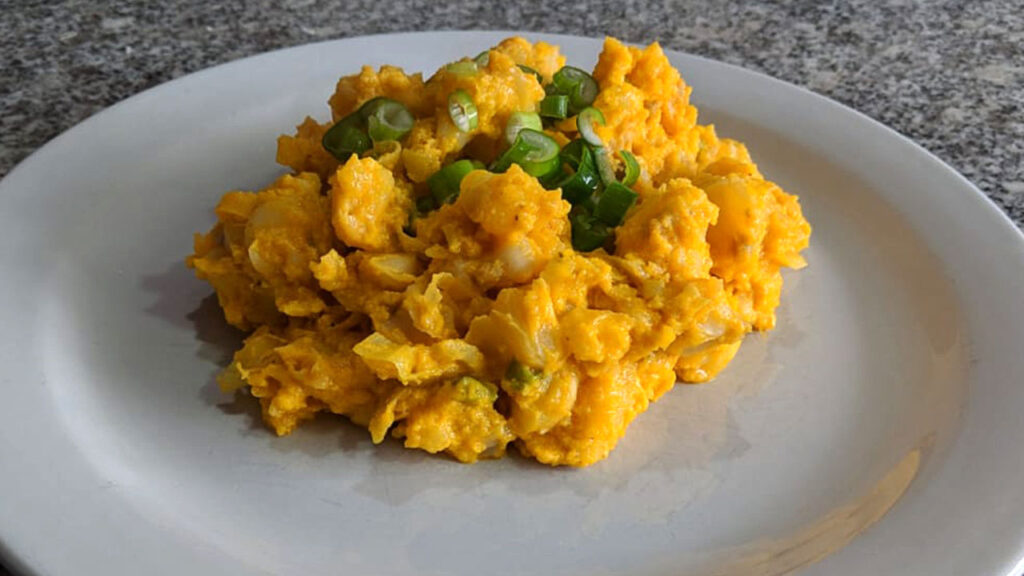
Corn is another pillar of ancestral Ecuadorian agriculture, and in the highlands, it often takes the form of mote—large, peeled hominy kernels that are beautifully chewy. Mote pillo is a classic comfort food born in the southern provinces but deeply embraced in the capital.
The hominy is sautéed in a pan with achiote, green onions, and garlic, then gently scrambled with fresh eggs and a splash of milk or cream. The result is a rich, satisfying dish that balances the earthy sweetness of the corn with the savoury warmth of the eggs. It is traditionally served alongside a thick slice of fried sweet plantain, providing a perfect breakfast or midday fuel for travellers spending the day exploring on foot.
The Galápagos.
Ecuador’s Enchanted Isles
Ceviche de chochos
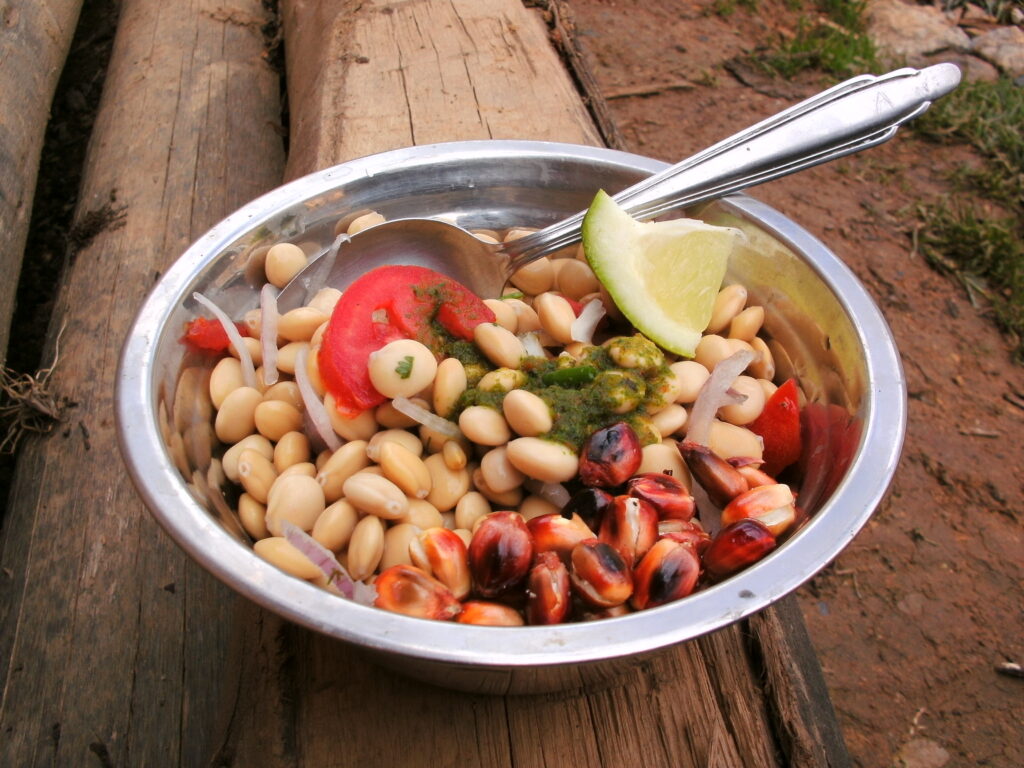
While Ecuador is famous for its coastal seafood ceviches, the Andean highlands offer a brilliant, completely plant-based alternative that can be found on almost every street corner in Quito. The star of this dish is the chocho, an ancient lupini bean native to the Andes that is packed with protein and has a distinctively nutty texture.
To create ceviche de chochos, the beans are marinated in a vibrant mixture of fresh lime juice, orange juice, tomato essence, and finely sliced red onions. It is seasoned with fresh cilantro and topped with toasted corn kernels (maiz tostado) and plantain chips (chifles) for an addictive crunch. It is a refreshing, light, yet incredibly nourishing dish that showcases how pre-Hispanic ingredients continue to dominate modern daily life.
Guayusa and high-altitude infusions
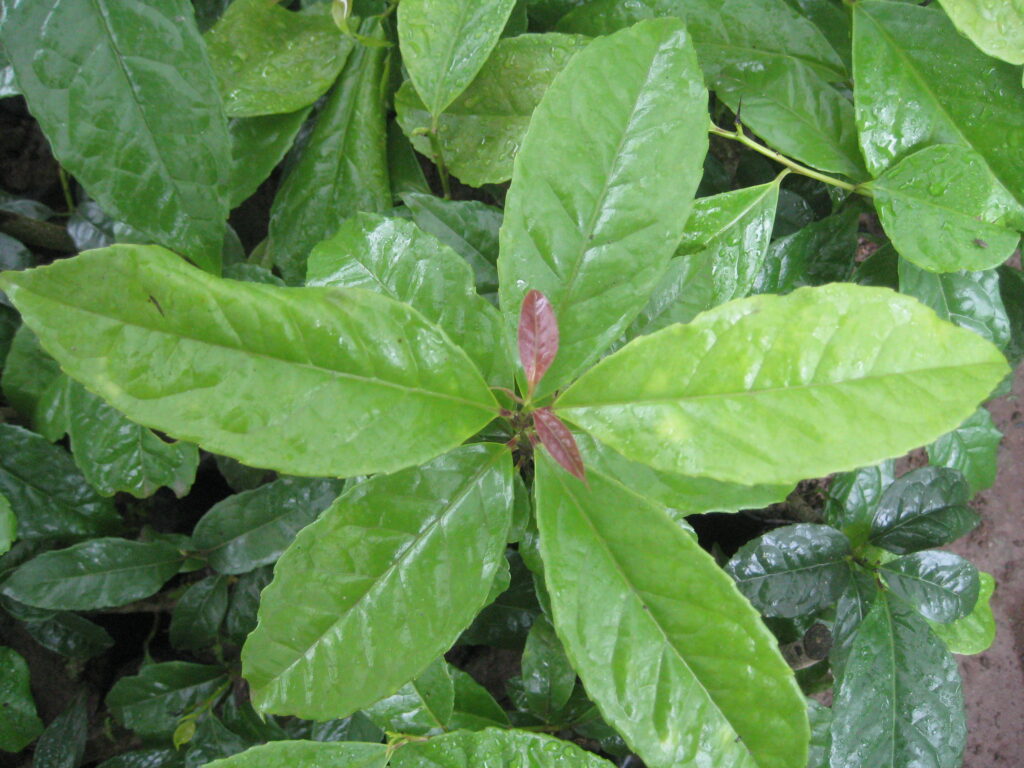
To wash down these rich flavours, Quiteños look to the land. While Ecuador produces some of the finest speciality coffee in the world, the traditional beverage culture extends deep into herbal folklore.
One of the most fascinating infusions gaining traction in the capital is guayusa. Sourced from a native holly tree grown in the upper Amazon basin just east of the Andes, guayusa leaves have been brewed for millennia by indigenous communities for mental clarity and sustained energy. Unlike coffee, it is packed with antioxidants and L-theanine, offering a smooth, grounded vitality without any jitteriness. In Quito, you will find it served both hot in traditional ceramic mugs or chilled as a refreshing counterpoint to a spicy meal.
The Ecuadorian Amazon.
The most biodiverse place in the world
The curated Quito dining map
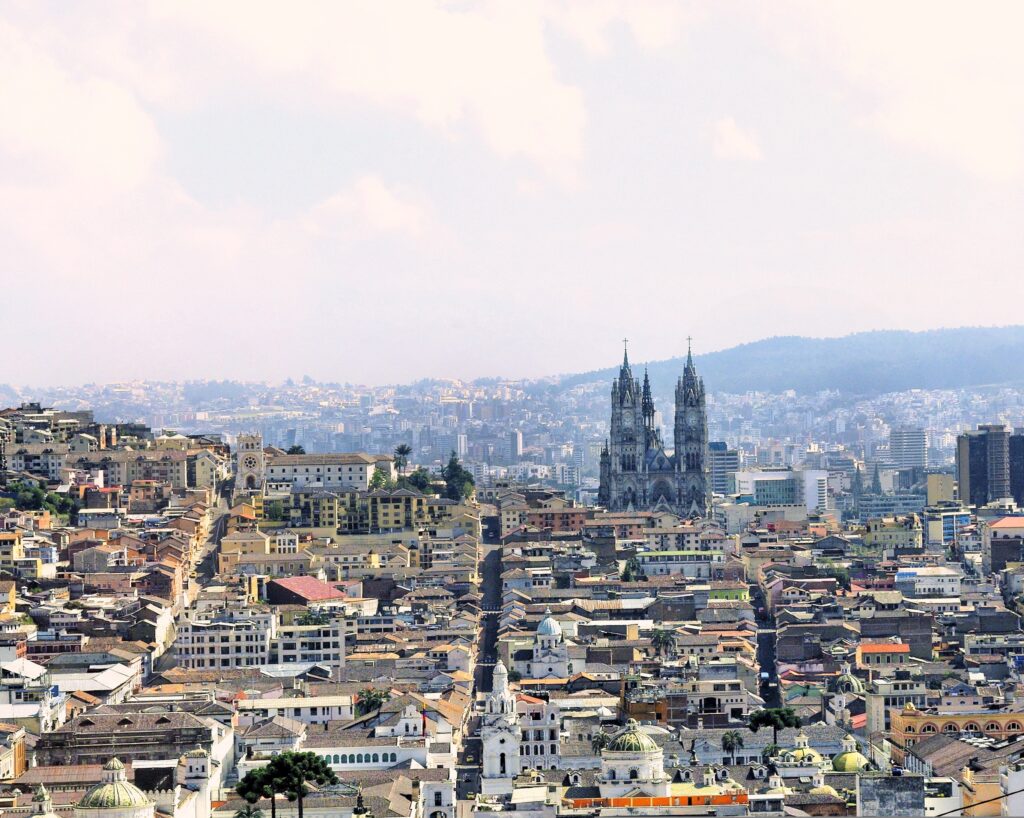
Finding an authentic meal in a capital city can be challenging, particularly when navigating areas heavily geared towards international tourists. To help you bypass the generic chains and uninspired tourist menus, we have selected four exceptional, independent venues. Each establishment offers excellent quality, deep cultural relevance, and easy access for independent travellers.
URKO Cocina Local
Address: Calle Coruña E12-116 y Valladolid, Quito
Vibe: Contemporary, sophisticated, and deeply respectful of ancestral roots
For those wishing to understand the sheer breadth of Ecuador’s ecological diversity through a contemporary lens, URKO is an unmissable destination. Located in the vibrant Whymper neighbourhood, this independent restaurant has captured the attention of international culinary critics for its uncompromising dedication to local ingredients.
URKO operates on a concept they call the raymi, or celebration, structuring their tasting menus around the four traditional solstices and equinoxes of the Andean calendar. Rather than sourcing standard commercial ingredients, the culinary team collaborates directly with small-scale farmers, coastal fishermen, and Amazonian foragers.
Here, ingredients like native corn, wild mushrooms, and traditional Sierra pork are transformed into complex, multi-textured dishes. It is a formal yet deeply grounded dining experience that tells a story with every course, making it ideal for the traveller seeking a profound intellectual and sensory connection to the land.
De La Llama
Address: Gaspar de Villarroel E10-121, Quito
Vibe: Bright, artistic, casual, and energetic
Situated within easy walking distance of the expansive La Carolina park, De La Llama is a brilliant, independent gem that bridges the gap between traditional family cooking and modern culinary innovation. It is highly rated by locals who appreciate clever, playful interpretations of classic Sierra comfort food.
The menu at De La Llama takes familiar Ecuadorian staples and elevates them with unexpected pairings. A standout option is their duck mote pillo, which introduces rich, slow-rendered duck meat to the classic comforting hominy and egg scramble.
Their slow-cooked pork belly, served with a crisp crackling and a tangy tree tomato reduction, is another masterclass in balancing traditional flavours with modern technique. The atmosphere is unpretentious and welcoming, decorated with contemporary local art, making it an excellent spot for a leisurely, substantial lunch.
The Ecuadorian Coast.
Where you’ll find the very best food
Hasta La Vuelta, Señor
Address: Chile 924, Palacio Arzobispal, Centro Histórico, Quito
Vibe: Colonial elegance, historic storytelling, and old-world charm
If you want to immerse yourself completely in the historic atmosphere of the old town, Hasta La Vuelta, Señor offers an unmatched setting. Located on the upper floors of the historic Palacio Arzobispal right on the Plaza de la Independencia, this restaurant allows you to dine within the architectural fabric of the first UNESCO World Heritage site city.
The restaurant’s name is taken from a famous Quiteño legend involving a rebellious colonial priest, setting the tone for an evening steeped in history. The tables are arranged around an open-air internal courtyard, allowing you to look down onto the stone arches below. The kitchen excels at executing the most traditional, unadulterated versions of Quito’s classic dishes.
Their locro de papa is legendary—thick, rich, and served with generous portions of avocado and cheese. It is also the perfect place to sample empanadas de viento, large, air-filled pastries dusted with sugar that are a staple of traditional Quiteño afternoons.
Bandidos del Páramo
Address: Chile 211 y Guayaquil, Centro Histórico, Quito
Vibe: Historic, atmospheric, communal, and uniquely characterful
To experience Quito’s booming independent craft beverage scene, head to Bandidos del Páramo in the historic centre. This exceptional establishment is a collaboration between two of the country’s most respected microbreweries, creating a space that is deeply embedded in the local community.
Set inside a beautifully restored 1850s colonial building, the bar famously shares its architectural footprint with an ancient, non-consecrated stone chapel. The setting alone makes it worth the visit, but the liquid offerings are the true draw. The brewers are known for infusing native Ecuadorian botanicals into classic beer styles.
Travellers should seek out their pale ale brewed with Amazonian guayusa leaves, which offers a clean, herbaceous bitterness, or their rich stouts that utilise organic cacao nibs from the Mindo cloud forest. It is a relaxed, grounded environment where independent travellers can sit at communal tables, chat with locals, and process the sights of the day over an exceptional pint.
Quito.
Explore the Middle of the World
Visit Quito with an open palate
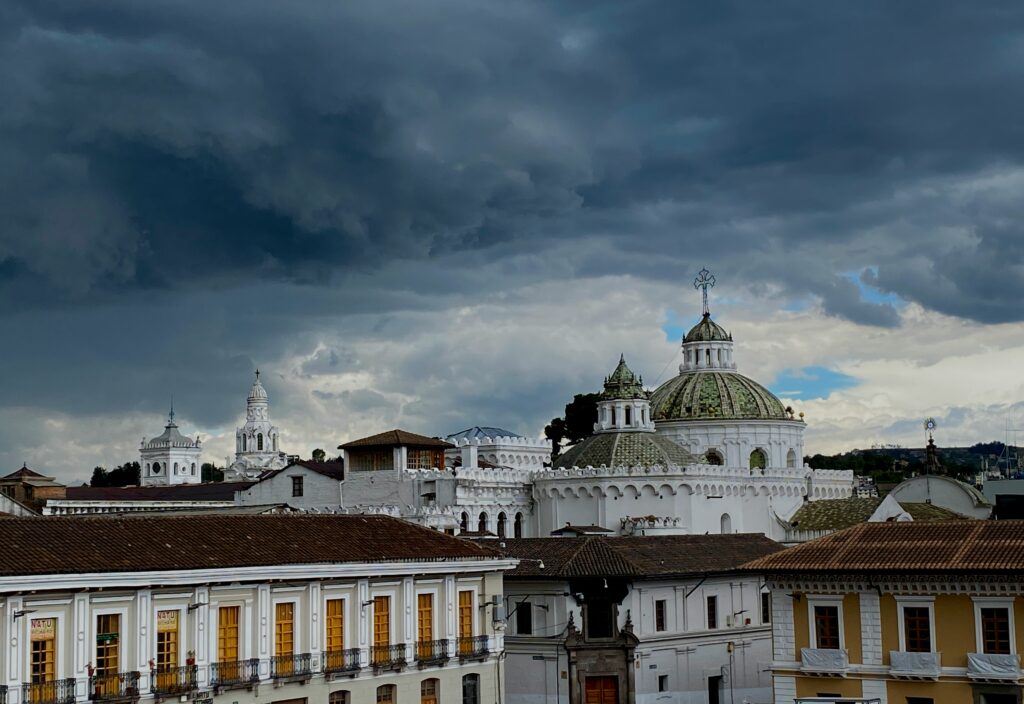
The true joy of independent travel lies in the freedom to observe, absorb, and savour a destination on your own terms. Quito rewards those who take the time to look beyond the surface. By choosing independent dining rooms, seeking out ancient ingredients, and respecting the slow, deliberate pace of Andean cooking, you gain an authentic insight into the history and identity of this remarkable high-altitude city.
Frequently asked questions about dining in Quito
Quito is best experienced at a slow pace. While the city is mountainous and the altitude can be challenging, the historic centre is highly walkable. For longer distances, the local trolleybus system is an excellent way to observe the urban landscape as you travel between neighbourhoods.
Absolutely. The ceviche de chochos is a brilliant, plant-based staple of the Andean highlands. It replaces the traditional seafood of the coast with chochos (lupini beans), which provide a satisfying, protein-dense, and completely authentic flavour profile.
Hasta La Vuelta, Señor is situated in the historic Palacio Arzobispal on the Plaza de la Independencia. It offers an unparalleled setting within a UNESCO World Heritage site, making it the ideal choice for travellers who wish to dine within the architectural heart of the city.
It is not merely about standard ales; the local scene, exemplified by Bandidos del Páramo, focuses on integration. Brewers are experimenting by infusing native Ecuadorian botanicals—such as Mindo cacao nibs or Amazonian guayusa leaves—into classic beer styles, creating flavours you will not find elsewhere.
URKO focuses on the raymi, or celebration, aligning their culinary offerings with the four traditional solstices and equinoxes of the Andean calendar. It is a sophisticated way to connect with the local ecosystem and understand what the land provides during specific times of the year.
The traditional cuisine of the Sierra, such as locro de papa and mote pillo, is designed to be substantial and comforting, providing necessary fuel for the thin air and cool evenings of the high Andes. It is hearty, soul-warming food that rewards the hungry traveller.
Ecuador.
Pure wonder on the equator.