Exploring Alausí / A guide to the best restaurants and cafés
Where to eat in Alausí, Ecuador / The ultimate independent traveller’s guide to authentic local food, traditional restaurants, and speciality coffee
Uncover the true culinary soul of the Devil’s Nose
BEN FINCH
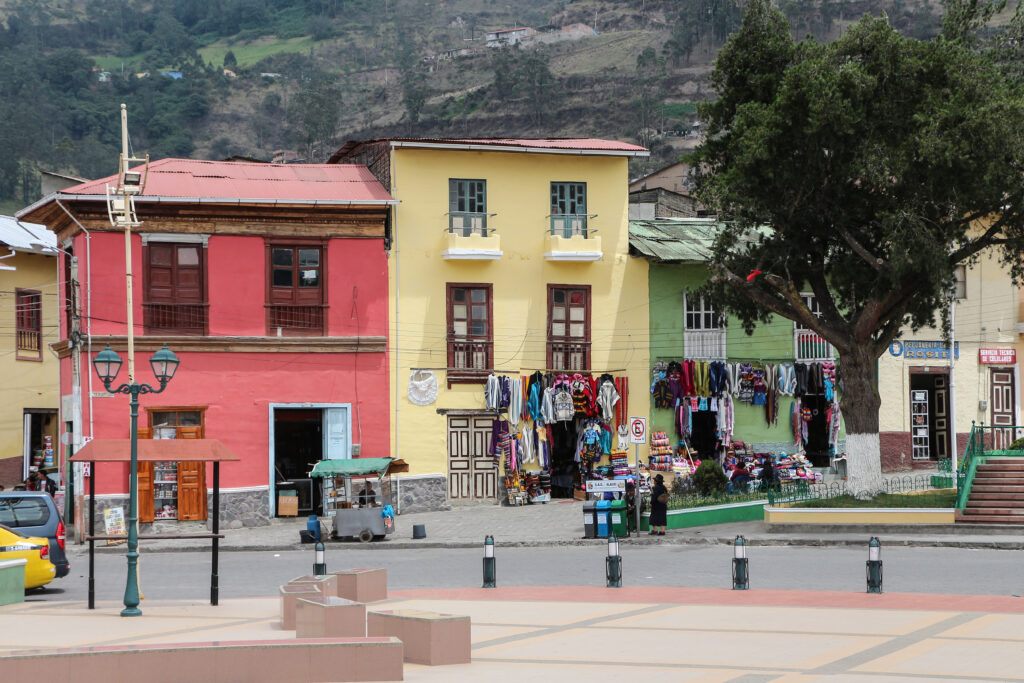
Alausí is far more than a brief logistical intermission on a journey through the Chimborazo province. To the casual observer arriving by bus or navigating the steep, switchback descents on two wheels, this steep mountain town might appear to revolve entirely around its famous engineering marvel, the Nariz del Diablo railway line. Yet, for those who choose to step away from the immediate station platforms and explore the secondary streets, Alausí reveals a quiet, resilient culinary identity.
The high-altitude climate of the Andean valley demands hearty, warming food, and the surrounding agricultural communities supply the town with exceptional local produce. From heritage corn varieties and native potatoes to single-origin coffees grown on the lower coastal slopes, the local gastronomy is deeply tied to the landscape. For the independent traveller moving at their own pace, taking the time to seek out genuine local establishments yields a far richer understanding of the region. The guiding principle here is simple: eat well, support independent kitchens, and look beyond the surface.
This editorial guide highlights five exceptional, distinct dining spots in Alausí that embody local culinary craftsmanship, avoiding commercial chains in favour of deep, authentic flavours.
The Highland Soul of Alausí
Beyond the immediate railway platforms and the shadow of the Devil’s Nose lies a resilient mountain community. For the independent traveller navigating these steep slopes, Alausí reveals its true character through slow-cooked heritage dishes, artisanal coffee, and a deep connection to the surrounding Andean landscape.
- El Mesón del Tren: A traditional institution preserving regional heritage with exceptional hornado (slow-roasted pork marinated in fermented corn beer) and pan-seared llapingachos
- Tikal Café Restaurante: An intimate, independent culinary retreat on Calle Eloy Alfaro that pairs local art with refined plates of fresh páramo mountain trout
- Bukardia Parrilladas-Cafeteria: A vibrant, local gathering point on Avenida 5 de Junio specialising in robust, open-fire mixed grills and fresh herb chimichurris
- Cafetería ROGERS: A dedicated artisanal bakery serving slow-fermented sourdough pizzas alongside expertly brewed, single-origin Ecuadorian speciality coffee
- Cafetería Restaurante Estación del Tren: An eco-conscious kitchen working with local cooperatives to deliver organic, plant-based dishes centred on indigenous Andean grains
- Highland Agriculture: A culinary landscape built entirely upon hardy, high-altitude staples including native potatoes, corn, quinoa, and fava beans
The Ecuadorian Sierra.
Get lost in the hills
1. El Mesón del Tren
Stepping into El Mesón del Tren feels like entering a living archive of Alausí’s railway heritage. Situated a short walk from the historic tracks, this traditional restaurant acts as a guardian of classic Andean highland cuisine. The interior is unpretentious and functional, focusing entirely on long-established recipes that have sustained residents of the Chimborazo region for generations.
The undisputed cornerstone of the menu is hornado, a traditional Ecuadorian dish of slow-roasted pork. The meat is marinated for hours in a seasoned blend of garlic, cumin, and chicha de jora—a fermented corn beer that dates back to the Inca Empire—before being roasted until the skin reaches a glassy, brittle crispness. It is served alongside llapingachos, which are pan-seared potato patties stuffed with cheese, and a generous portion of mote (large, peeled hominy corn kernels). For travellers requiring substantial sustenance after a demanding day of independent exploration, this kitchen provides an uncompromisingly authentic, nutrient-dense introduction to highland cooking.
2. Tikal Café Restaurante
Located on Calle Eloy Alfaro, Tikal Café Restaurante offers a distinctly contemporary yet deeply rooted alternative to the more industrial eateries near the town centre. This independent establishment is characterised by its artistic, intimate environment, featuring local artwork on the walls and a layout that encourages guests to slow down and stay a while. It represents the evolving face of Alausí’s food culture, where traditional ingredients are handled with modern culinary refinement.
The kitchen excels at elevating simple regional staples. While you can find flawlessly prepared classic Ecuadorian stews, the menu also introduces subtle fusion elements that showcase the versatility of local produce. Fresh mountain trout, sourced from the clean streams of the nearby páramo, is prepared with precision, highlighting its delicate flavour rather than masking it in heavy batters. The beverage selection is equally thoughtful, featuring artisanal herbal infusions made from plants gathered in the surrounding valley. It is an ideal refuge for the conscious traveller looking for a quiet space to write, plan the next leg of their route, and enjoy a meticulously prepared lunch.
The Galápagos.
Ecuador’s Enchanted Isles
3. Bukardia Parrilladas-Cafetería
For those seeking the robust, smoky flavours that define South American grill culture, Bukardia Parrilladas-Cafetería on Avenida 5 de Junio is a vital destination. Positioned away from the immediate tourist thoroughfares, this restaurant is a favoured gathering point for local families and residents, offering an accurate snapshot of daily life in Alausí. The atmosphere is warm, lively, and filled with the aroma of open-fire cooking.
Bukardia specialises in parrillada, or mixed grills, featuring high-quality cuts of meat cooked over hardwood coals. The cooking technique ensures that the meat remains exceptionally tender while developing a deeply charred exterior. Accompanying sauces are made in-house, utilising fresh local herbs like cilantro and mountain oregano to create vibrant chimichurris that cut through the richness of the grill. The portions are inherently generous, reflecting the hospitality of the Ecuadorian highlands. Dining here provides an opportunity to observe the authentic rhythms of the town, completely detached from the curated experiences of commercial tour groups.
4. Cafetería Rogers
In the realm of baking and coffee culture, Cafetería Rogers stands out as a beacon of artisanal dedication. This highly regarded establishment operates with a commitment to European-style baking techniques while remaining firmly anchored in Ecuadorian raw materials. The interior is cosy and welcoming, smelling permanently of freshly baked dough and roasting beans.
The café has earned a stellar reputation for its sourdough breads and artisanal pizzas, which feature a slow-fermented crust that is both light and flavourful. However, the true highlight for the discerning traveller is the coffee programme. Cafetería Rogers serves exceptional single-origin Ecuadorian coffee, carefully sourced and roasted to highlight the complex tasting notes characteristic of the country’s unique microclimates. Whether you prefer a clean, pour-over brew or a rich espresso, the preparation here respects the hard work of the coastal and highland farmers who cultivate the beans. It serves as the perfect morning staging ground to sit back, watch the morning mist clear from the surrounding peaks, and enjoy a world-class cup of coffee.
The Ecuadorian Amazon.
The most biodiverse place in the world
5. Cafetería Restaurante Estación del Tren
Navigating the dining landscape of the Andean highlands as a vegetarian or vegan can occasionally prove challenging, given the regional emphasis on pork, beef, and poultry. Cafetería Restaurante Estación del Tren addresses this gap beautifully, balancing traditional Ecuadorian heritage with an eco-conscious, organic philosophy. The restaurant works directly with small-scale agricultural cooperatives in the area to ensure that 100% of its produce is ecologically and ethically sourced.
The menu features a brilliant array of nutrient-rich options that celebrate the indigenous grains of the Andes. Quinoa takes centre stage here, transformed into comforting soups, savoury patties, and vibrant salads that provide excellent plant-based protein. For those wishing to try classic dishes, the kitchen prepares a vegetarian variant of locro de papa—the iconic Ecuadorian potato soup thickened with milk and cheese, served with fresh avocado. By choosing to dine here, travellers not only enjoy clean, wholesome food that supports physical endurance but also contribute to an economic model that values local biodiversity and sustainable farming practices.
Understanding highland gastronomy

To fully appreciate the food in Alausí, it helps to understand the agricultural realities of the Chimborazo province. The high elevation means that crops must be hardy. Native potatoes, corn, quinoa, and fava beans form the foundational architecture of almost every meal.
When exploring the town, look for these traditional components:
| Ingredient / Dish | Description | Cultural Context |
| Locro de Papa | A creamy, velvety potato soup featuring creamy avocado and fresh local cheese. | The ultimate comfort food designed to combat the damp mountain chill. |
| Morocho | A thick, sweet beverage crafted from cracked white corn, milk, cinnamon, and raisins. | Frequently enjoyed as a warming afternoon snack alongside a fresh empanada. |
| Chicha de Jora | A fermented corn beverage with ancient roots, offering a pleasantly tart flavour profile. | Used extensively both as a refreshing drink and a foundational marinade for meats. |
By stepping away from the main transit hubs and engaging with these independent business owners, you gain access to an unhurried, genuine side of Ecuador. Each restaurant and café listed represents a commitment to culinary heritage, ensuring that you eat well while uncovering the true spirit of Alausí.
The Ecuadorian Coast.
Where you’ll find the very best food
Frequently asked questions about where to eat in Alausí
The town’s food culture is shaped by its high-altitude valley climate and its proximity to independent farming communities. The gastronomy relies on hearty, warming dishes designed to combat the mountain chill, utilising heritage crops and traditional cooking techniques that have remained unchanged for generations.
Hornado is a foundational Ecuadorian highland dish consisting of slow-roasted pork. The meat is marinated for hours in a seasoned blend of garlic, cumin, and chicha de jora (a traditional fermented corn beer) before being roasted until the skin becomes perfectly crisp. It is typically accompanied by potato patties and hominy corn.
While traditional Andean cuisine leans heavily toward meat, independent travellers can easily find plant-based options. Establishments like Cafetería Restaurante Estación del Tren focus specifically on organic, ecological dining, offering wholesome dishes made from local quinoa, fava beans, and vegetarian variations of classic potato soups.
Chicha de jora is a traditional Andean fermented corn beverage with ancient roots dating back to the Inca Empire. It possesses a pleasantly tart, distinct flavour profile and is used widely across the region both as a refreshing drink and as a rich, acidic base for marinating meats.
Alausí benefits from its geographic position near lower coastal slopes where exceptional coffee beans are cultivated. Local speciality spots, such as Cafetería Rogers, source single-origin Ecuadorian beans directly from farmers, preparing precise pour-overs and espressos that highlight the complex microclimates of the country.
Ecuador.
Pure wonder on the equator.