The deep green frontier / An independent guide to Yasuní National Park
Yasuní National Park, Ecuador, travel guide for independent travellers
Trails into the heart of the living Amazon
BEN FINCH
The classic image of a holiday involves timelines, crowded coaches, and following a tour guide holding a brightly coloured umbrella through a sea of snapping cameras. For those who prefer to set their own pace, to pause when a moment demands reflection, and to understand the deep mechanics of a destination, such restrictions are a complete mismatch. True exploration requires the space to breathe and the freedom to look closer. Nowhere on Earth demands this level of slow, deliberate attention quite like Yasuní National Park in Ecuador.
Situated deep within the Ecuadorian Amazon basin, Yasuní is not merely another wilderness destination. It is a place where scale and diversity shatter global records. For the independent traveller who wants to gather authentic local insights and see a pristine ecosystem entirely on their own terms, navigating this complex biosphere provides the ultimate reward. At Wheely Tyred, the belief has always been that the best journeys are the ones you control yourself. This guide is designed to help you unlock the extraordinary secrets of the park without compromising your independence.
Discover the ancient canopy of the Americas
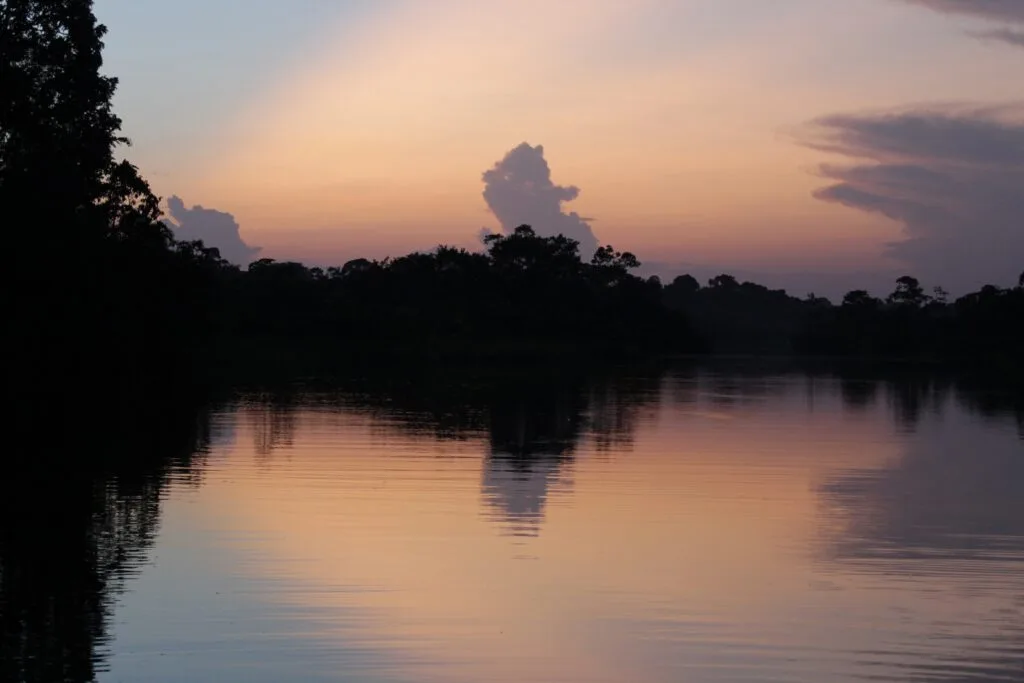
The living heart of the Ecuadorian Amazon provides an unparalleled destination for those who prefer to travel on their own terms. Immersing oneself in this uninterrupted biosphere reveals the complex natural mechanics and rich cultural heritage of a world entirely left to nature.
- Global Biodiversity Capital: Yasuní spans nearly 10,000 square kilometres of primary rainforest, hosting more distinct living species in a single hectare than the entire European continent
- The Río Napo Highway: This grand tributary serves as the primary aquatic corridor into the park, where independent travellers transition from the transport hub of Coca to local, motorised river canoes
- Vertical Exploration: Canopy observation towers, built up to 40 metres high around ancient kapok trees, offer an unhurried vantage point to witness forest life at eye level with the treetops
- Quiet Waterways: Navigating the blackwater streams and oxbow lagoons via traditional paddle canoes allows for silent, non-intrusive observation of rare giant otters
- The Saladeros Spectacle: Exposed mineral cliffs along the riverbanks attract thousands of vibrant parrots and parakeets daily, creating a natural theatre of sound and colour
- Indigenous Stewardship: The ancestral lands are protected and managed through sustainable, community-led initiatives by the Kichwa and Waorani peoples, ensuring authentic cultural preservation
- Independent Preparation: Navigating this strictly regulated biosphere requires pre-arranged access through verified eco-lodges or community projects, alongside high-utility gear
Yasuní National Park.
Home to the black water
The staggering scale of global biodiversity
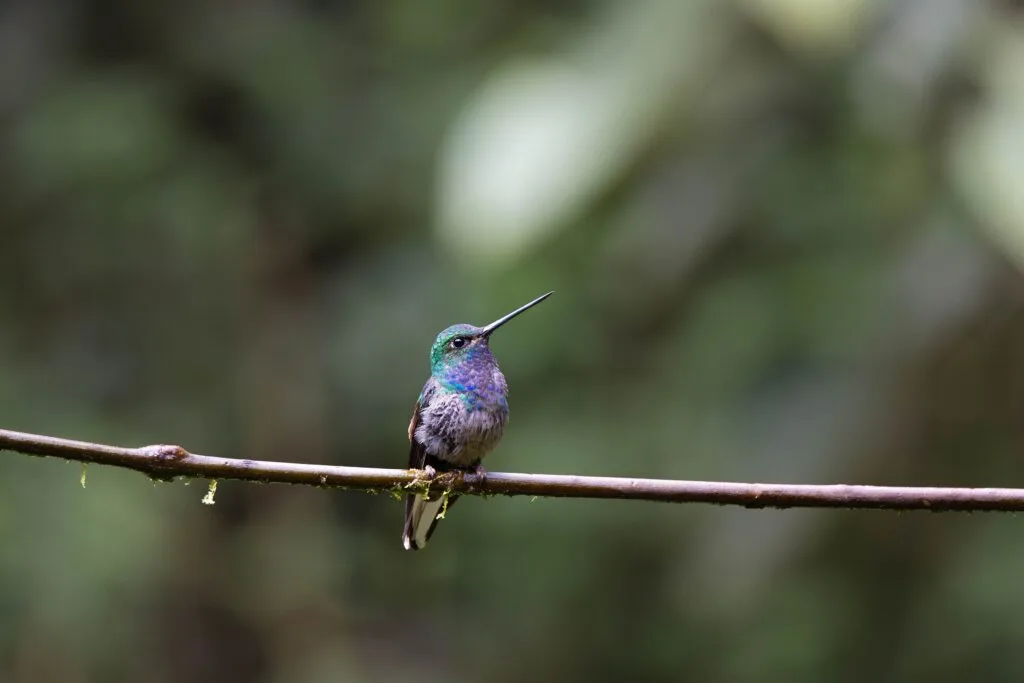
To truly appreciate Yasuní National Park, one must look at the data that leaves scientists completely awestruck. The park spans nearly 10,000 square kilometres of primary tropical rainforest across the Orellana and Pastaza provinces. Because this specific region went untouched by glaciers during the last ice age, its evolutionary journey has remained entirely uninterrupted for millions of years. The result is an ecological concentration that defies logic.
A single hectare of land within Yasuní contains more distinct living organisms than the entire European continent. It holds roughly 140 species of amphibians, a world record for any concentrated area, which easily surpasses the total found across the whole of North America. If you look upwards into the dense, multi-layered canopy, the numbers remain just as astonishing. More than 600 species of birds flit through the branches, representing a full third of all avian life found across the entire Amazon basin. For travellers who value deep, unhurried observation, a morning spent with binoculars here reveals a dizzying array of tanagers, macaws, and toucans that would take months to spot anywhere else.
The Ecuadorian Amazon.
The most biodiverse place in the world
Navigating the waters of the Río Napo
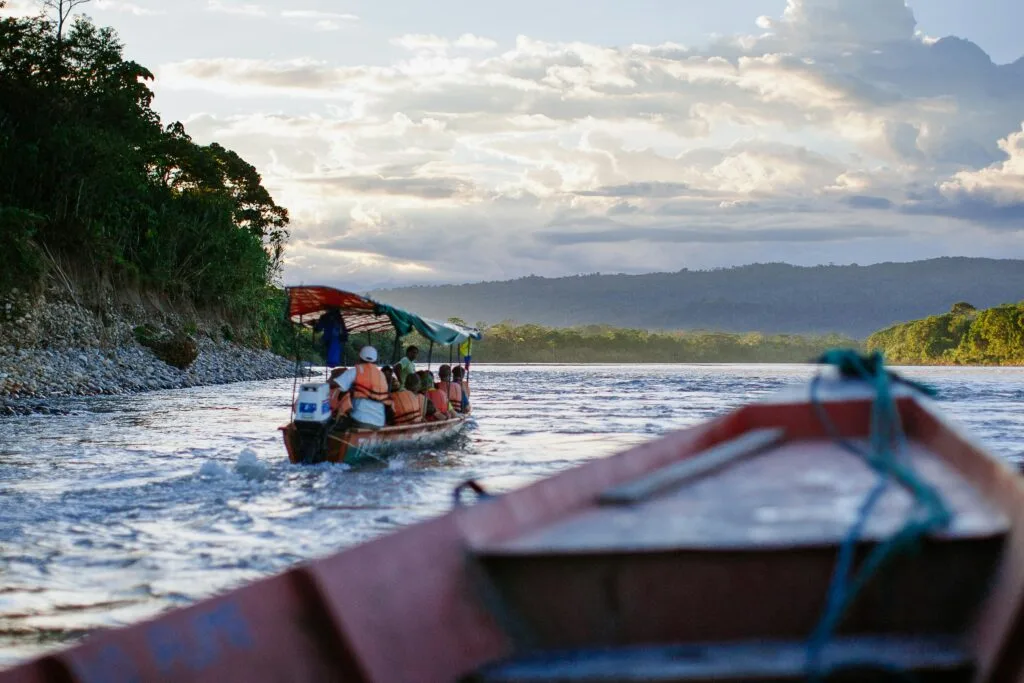
The journey into this wilderness is an adventure in its own right, functioning as a natural transition away from urban noise. The primary gateway to the park is the town of Puerto Francisco de Orellana, known locally as Coca. From Quito, independent travellers can opt for a brief 45-minute flight over the snow-capped Andes or choose a dramatic eight-hour overland journey by bus to experience the shifting landscapes of Ecuador firsthand.
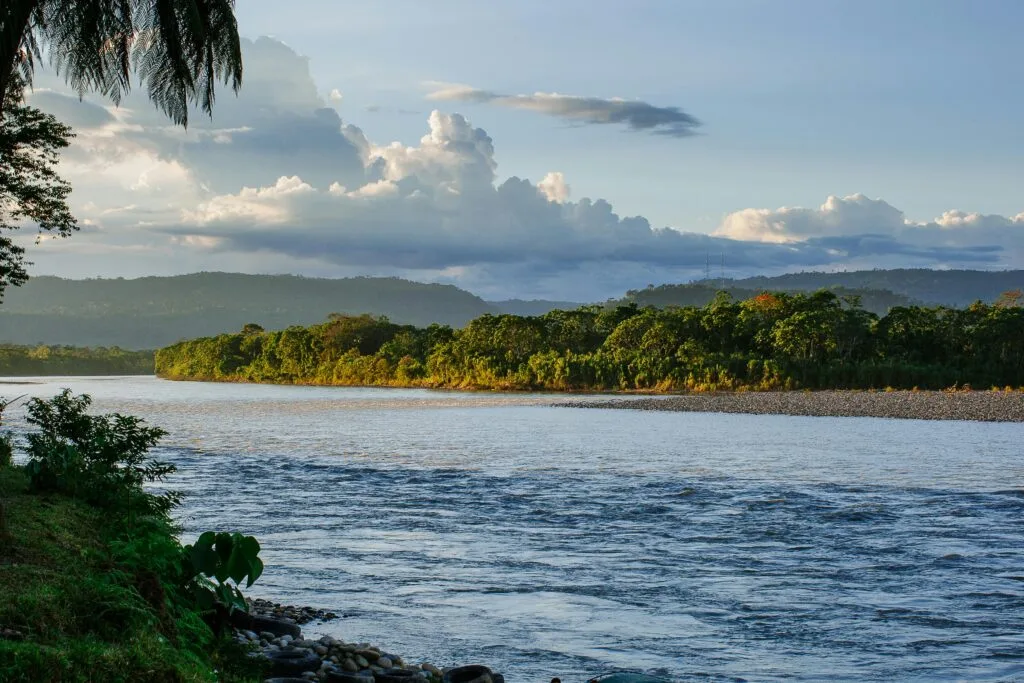
Once in Coca, the modern world is left firmly behind at the docks of the Río Napo. This massive, silt-laden river is one of the principal tributaries of the Amazon River, cutting a wide path through the emerald landscape. Independent exploration within a protected reserve like Yasuní requires working alongside local community transport, usually taking the form of long, motorised canoes that skim across the water. The trip downriver takes between two and three hours. As the breeze hits, look along the riverbanks to spot river turtles sunning themselves on half-submerged logs and white-winged swallows dipping low over the wake.
True independence means choosing a base that avoids mass tourism. Pristine areas like Mandari Panga along the remote Tiputini River offer an escape from the more crowded corridors, allowing travellers to experience parts of the forest that remain blissfully quiet.
The Ecuadorian Sierra.
Get lost in the hills
Scaling the canopy via the ancient kapok trees
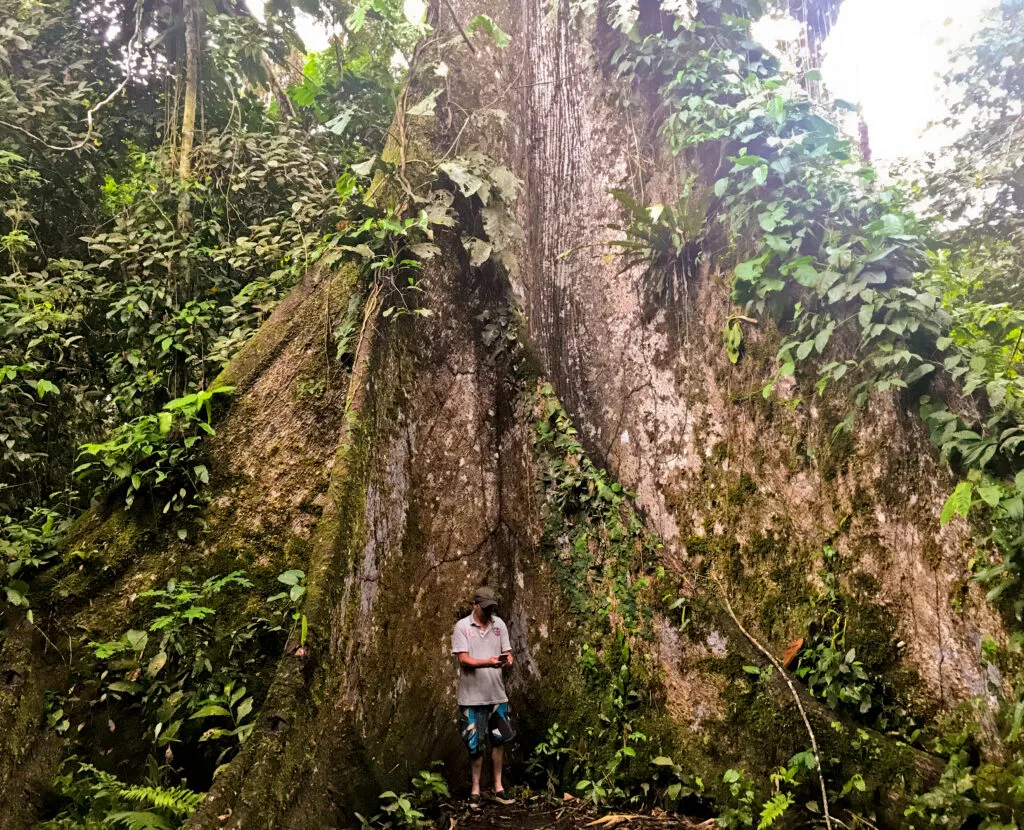
In a primary rainforest, life is strictly stratified. The dark forest floor belongs to leafcutter ants, intricate fungi, and elusive jaguars, but the real energy of the jungle happens tens of metres above the ground. To truly understand this environment, you must change your vertical perspective.
Several eco-lodges within the park boundaries, built in close collaboration with indigenous communities, feature magnificent canopy observation towers. These structures are expertly engineered around massive, ancient kapok trees, with staircases winding around the trunk to reach platforms perched up to 40 metres in the air.
Climbing these towers in the early morning mist is a transcendent experience for the self-guided mind. As the mist clears, you are left sitting at eye level with the topmost branches of the jungle. Without a group rushing you along, you can spend hours watching squirrel monkeys leap effortlessly across the gaps in the branches or tracking the slow, deliberate movements of a three-toed sloth. It is a masterclass in slow travel, where patience is rewarded with the sight of blue-and-yellow macaws soaring past against a backdrop of endless green.
Clay licks and river predators / Wildlife at your own pace
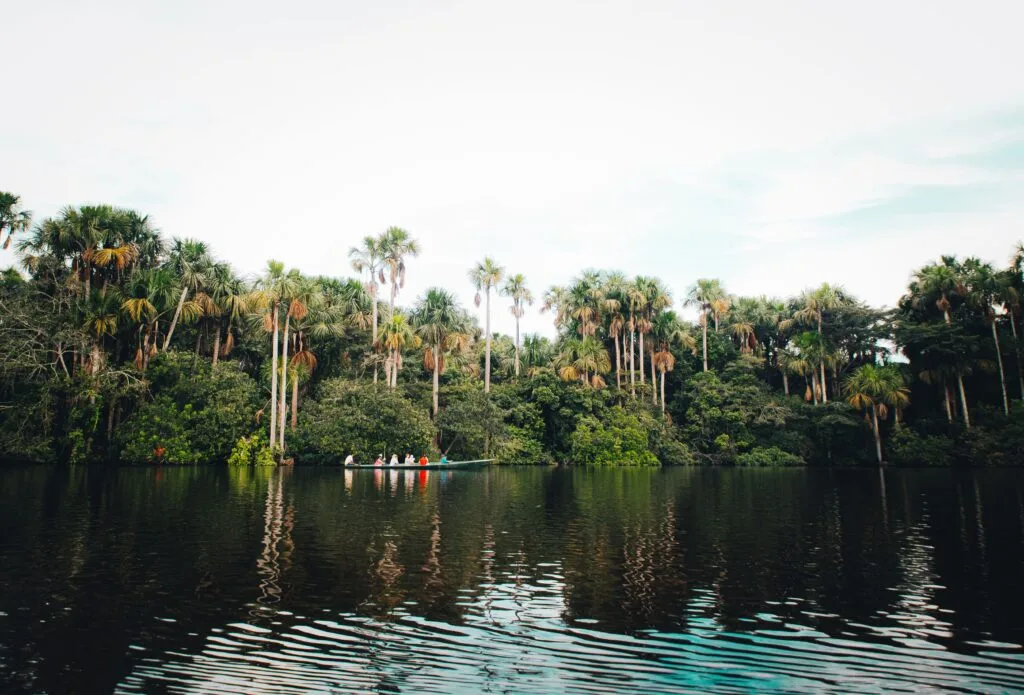
While the canopy offers grand vistas, the hidden tributaries and oxbow lakes of Yasuní hold an entirely different set of natural wonders. Blackwater lagoons, coloured deeply by decaying organic matter from the surrounding forest, create mirror-like surfaces that reflect the sky perfectly.
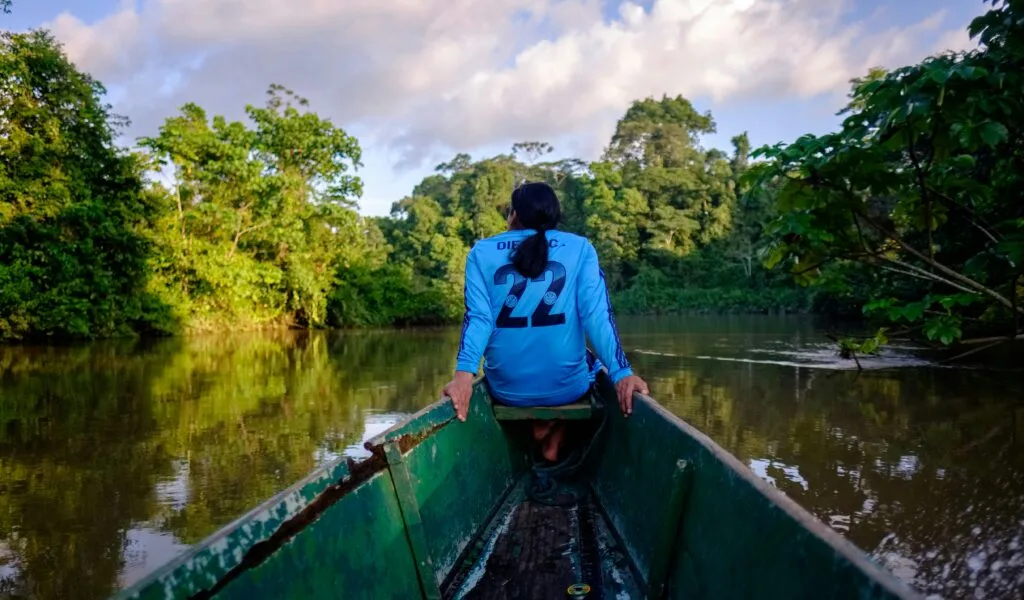
Navigating these channels requires stepping into a traditional paddle canoe, allowing you to move through the water in absolute silence. It is within these quiet corridors that you might catch a rare glimpse of giant otters. Growing up to 1.8 metres in length, these highly social, vocal apex predators are a rare symbol of an ecosystem in perfect balance.
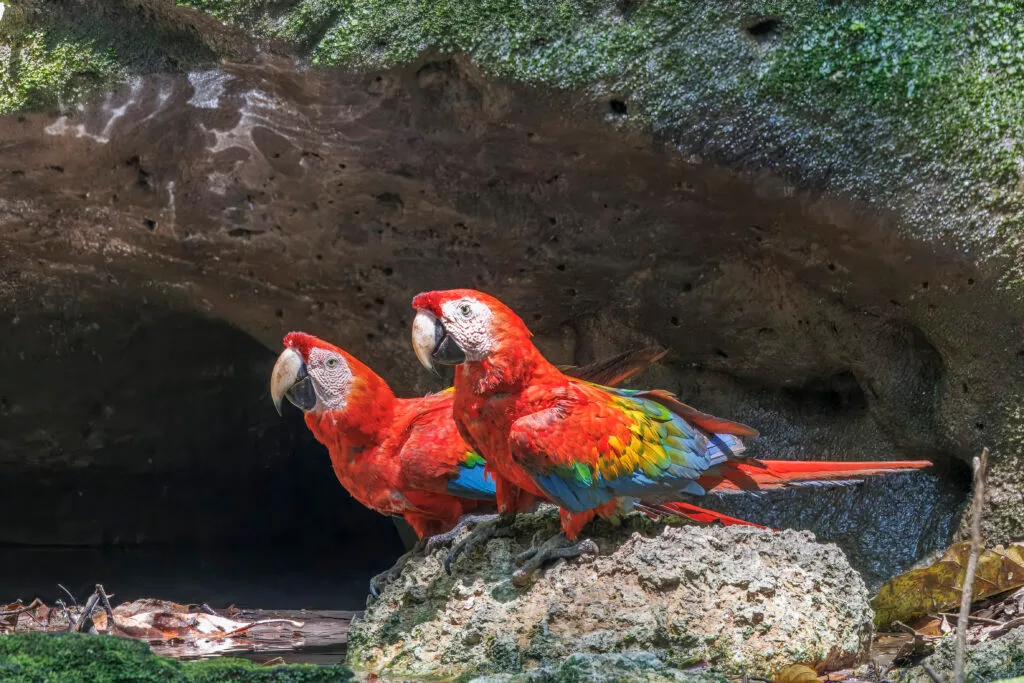
Another extraordinary phenomenon unique to the region is the presence of parrot clay licks, known as saladeros. These are exposed mineral-rich clay cliffs along the riverbanks where thousands of brightly coloured parrots and parakeets gather daily to eat the soil, which helps neutralise toxins in their diet of wild seeds. Standing at a viewing point without the distraction of a rigid tour schedule allows you to witness this explosion of sound and colour in its natural rhythm, observing how different species wait their turn in the surrounding trees before descending to the clay.
The Galápagos.
Ecuador’s Enchanted Isles
Deep cultural roots / The Kichwa and Waorani
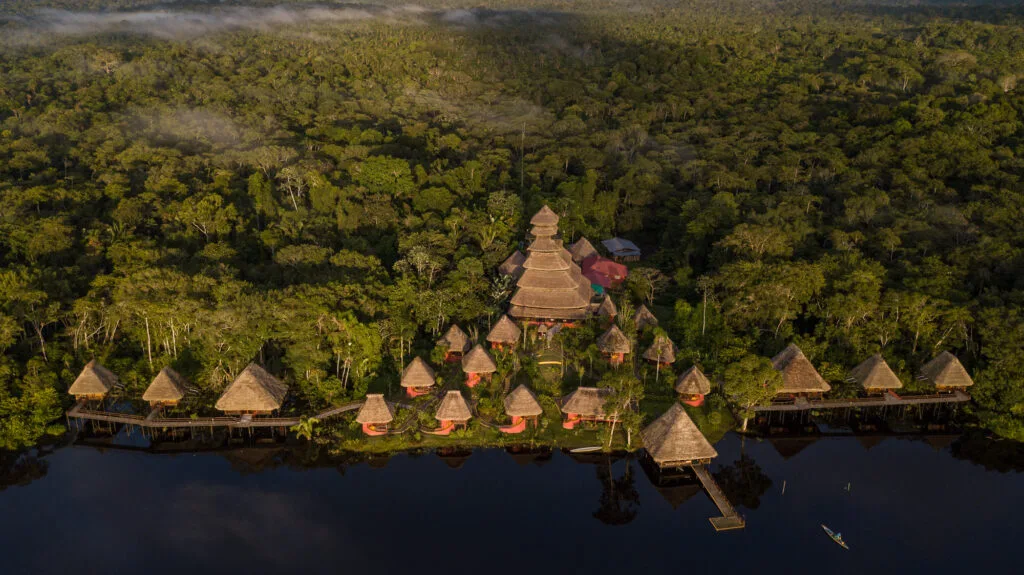
Yasuní is far more than a spectacular nature reserve; it is a living cultural landscape. The park is the ancestral territory of several indigenous groups, including the Kichwa and the Waorani, who have developed an intimate, sophisticated understanding of the forest over centuries.
Sustainable tourism in the park is largely driven by these communities. For instance, the Añangu Kichwa community completely owns and operates its own eco-accommodations, ensuring that tourism revenue goes directly into local education, healthcare, and conservation projects. Visiting centres like the Kuri Muyu community centre provides a genuine, unscripted window into traditional life.
Here, you can learn about the early morning ritual of drinking guayusa tea to build strength and focus, or study how local experts utilise native plants for medicine, construction, and textile creation. This is not a staged performance for a passing bus tour; it is a meaningful exchange that respects the dignity and living heritage of the forest’s original guardians.
Practical realities for the self-guided traveller
An independent journey to the deep Amazon requires careful preparation and an adaptable mindset. Because Yasuní is a highly protected biosphere reserve, access is strictly regulated to prevent environmental degradation and protect indigenous groups living in voluntary isolation within the deeper intangible zones. Independent travellers cannot simply hike into the park with a backpack; you must arrange your entry via verified eco-lodges or community-led cultural initiatives.
When packing for the Amazon, think of utility and comfort. Light, quick-drying clothing is essential to combat the intense tropical humidity. High-quality binoculars are non-negotiable for observing wildlife tucked deep into the foliage, and a reliable headlamp is crucial for taking quiet night walks along the forest trails to spot tarantulas, colourful frogs, and bioluminescent fungi.
The Ecuadorian Coast.
Where you’ll find the very best food
The Wheely Tyred philosophy of exploration
Read this far?
The magic of Yasuní National Park lies in its ability to humble anyone who enters. It is a destination that cannot be rushed, ticked off a bucket list, or fully appreciated from the window of an organised tour vehicle. It requires you to slow down, to listen to the dense wall of sound generated by thousands of insect species, and to move at the speed of nature itself.
By taking charge of your travel choices, seeking out community-owned initiatives, and choosing to dig deeper into the ecology of the land, you ensure your journey leaves a positive footprint on this vital global ecosystem. Whenever you look for your next great independent adventure, planning with a focus on self-paced depth will always lead you to the most extraordinary corners of our world.
Affiliate Disclaimer: Some of the links on Wheely Tyred are affiliate links. If you click through and make a booking or purchase, we may earn a small commission at no extra cost to you. We only recommend gear, tours, stays, and services we genuinely use, trust, and stand behind — our editorial independence always comes first. These commissions help keep our independent cycling guides and travel stories free to read. You can also buy me a coffee here — thanks for supporting the ride!
Frequently asked questions about Yasuní National Park
The primary entry point to the region is the town of Puerto Francisco de Orellana, commonly known as Coca. Independent travellers can reach Coca from Quito by taking a short 45-minute flight across the Andes or by booking an eight-hour overland journey on a local bus, which offers an excellent view of changing geographical zones. From the docks in Coca, travel into the park continues via motorised river canoes, navigating down the Río Napo.
No. Because Yasuní is a highly protected biosphere reserve with strict regulations to protect the environment and indigenous communities living in voluntary isolation, independent travellers cannot simply turn up to hike or camp. All entries must be coordinated in advance through verified community-led tourism projects or eco-lodges that possess official permits to operate within the park.
Guayusa is a traditional caffeinated herbal infusion brewed from the leaves of a native holly tree. For local indigenous groups like the Kichwa, drinking guayusa is an essential early morning ritual used to build physical stamina, sharpen mental focus, and discuss community matters before the day begins. It represents a vital element of daily social and cultural life rather than a commercial product.
Saladeros are natural clay licks found on exposed river cliffs. The clay is rich in essential minerals that various parrot and parakeet species need to consume to help neutralise the toxins found in their wild diet of seeds. To observe them sustainably, travellers use hidden, stationary viewing blinds that allow for quiet, patient watching without disrupting the birds’ natural rhythms or causing them to flee.
While large motorised canoes are necessary to cover distances on the expansive Río Napo, the smaller blackwater streams and oxbow lakes require traditional paddle canoes. Moving silently through these narrower channels prevents acoustic disruption to wildlife, ensuring that sensitive apex predators like giant otters can be observed without altering their natural behaviour.
Ecuador.
Pure wonder on the equator.