Beyond the Equator / Uncovering the hidden soul of Ecuador
A guide to authentic travel and Andean adventure
The independent road to the Middle of the World
BEN FINCH
Ecuador is a country that consistently punches above its weight. Tucked between the giants of Brazil and Peru, this Andean jewel is often distilled down to a single archipelago or a yellow line painted on the ground. But for those who prefer the hum of tyres on gravel to the drone of a tour guide’s megaphone, the real Ecuador exists in the spaces between the highlights.
At Wheely Tyred, we believe that travel is best served slowly. It is about the freedom to stop when the light hits a volcanic peak just right, or the ability to spend an extra hour in a village square because the coffee is too good to leave. If you are looking to escape the tourist bubbles of Quito and the Galápagos, these six hidden gems offer a glimpse into the country’s profound history, surreal landscapes, and quiet corners.
The resilient spirit of the Equator
Ditch the pre-packaged tours for a more granular look at the Ecuadorian highlands. Here, the history is carved into cypress hedges and the landscapes are measured by the rhythm of your pedals.
- Tulcán’s Green Labyrinth: A surreal garden of living sculptures where Incan myths and geometric wonders are painstakingly carved into ancient cypress trees
- The Shalalá Perspective: A quiet, architecturally-led alternative to the main Quilotoa lookout, offering a more contemplative and private experience of the emerald crater
- Ingapirca Masonry: The pre-eminent site for Incan history in Ecuador, showcasing a unique elliptical Sun Temple that stands as a testament to ancient engineering
- Agua Blanca Heritage: An immersive encounter with Manteño culture, featuring an indigenous-led archaeological site and a restorative, medicinal sulfur lagoon
- The Altar of Rumicucho: A pre-colonial solar observatory that offers a raw, wind-swept connection to the true equatorial line, far from the commercial tourist hubs
- Chordeleg’s Filigree: A southern village where master jewellers weave gold and silver into delicate art amidst quiet, mural-lined streets and creative enclaves
- The Chimborazo Gravity-Feed: An essential 50-kilometre descent for independent cyclists, dropping from the heights of the sun-nearest peak through breathtaking Andean scenery
The Ecuadorian Sierra.
Get lost in the hills
The living sculptures of Tulcán
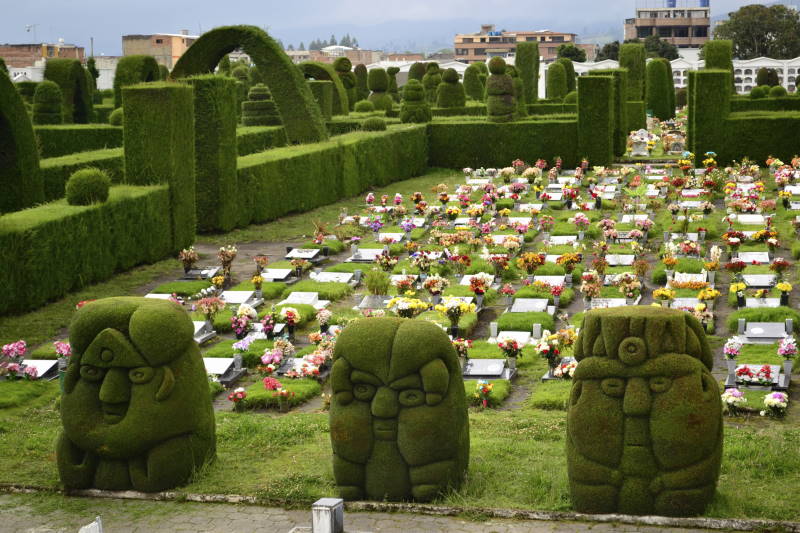
High in the northern Andes, almost touching the Colombian border, lies a site that defies easy categorisation. The Tulcán Cemetery is not a place of mourning so much as it is a living gallery. Since the 1930s, the cypress hedges here have been painstakingly sculpted into intricate shapes representing Incan legends, Egyptian symbols, and geometric wonders. It is a labyrinth of green that feels like a fever dream in the best possible way. For the independent traveller, it offers a serene, slightly eerie, and utterly unique walking experience that puts standard botanical gardens to shame.
The architectural edge of Quilotoa
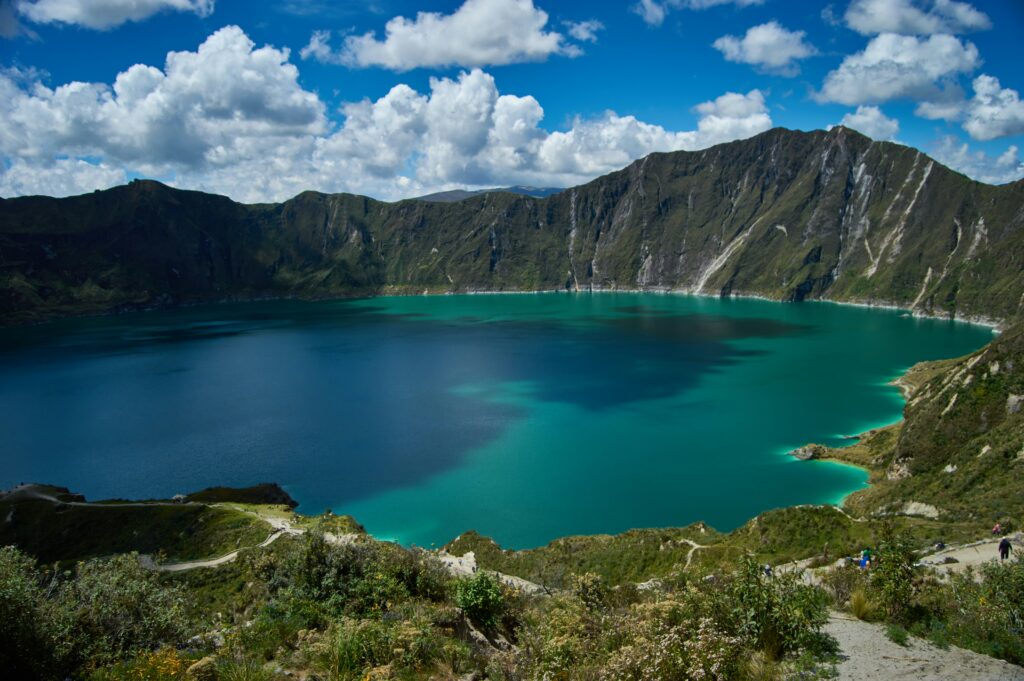
Most visitors to the Quilotoa Crater follow the well-trodden path to the main lookout. However, those who value a bit of solitude should head for the Shalalá side. Here, a stunning wooden overlook juts out over the emerald volcanic lake, providing a perspective that is both modern and primal. The hike around the rim from this side feels like a private audience with the Andes. It is the perfect spot for those who want to appreciate the sheer scale of the caldera without the background noise of a hundred snapping shutters.
The Galápagos.
Ecuador’s Enchanted Isles
Sun worship at Ingapirca
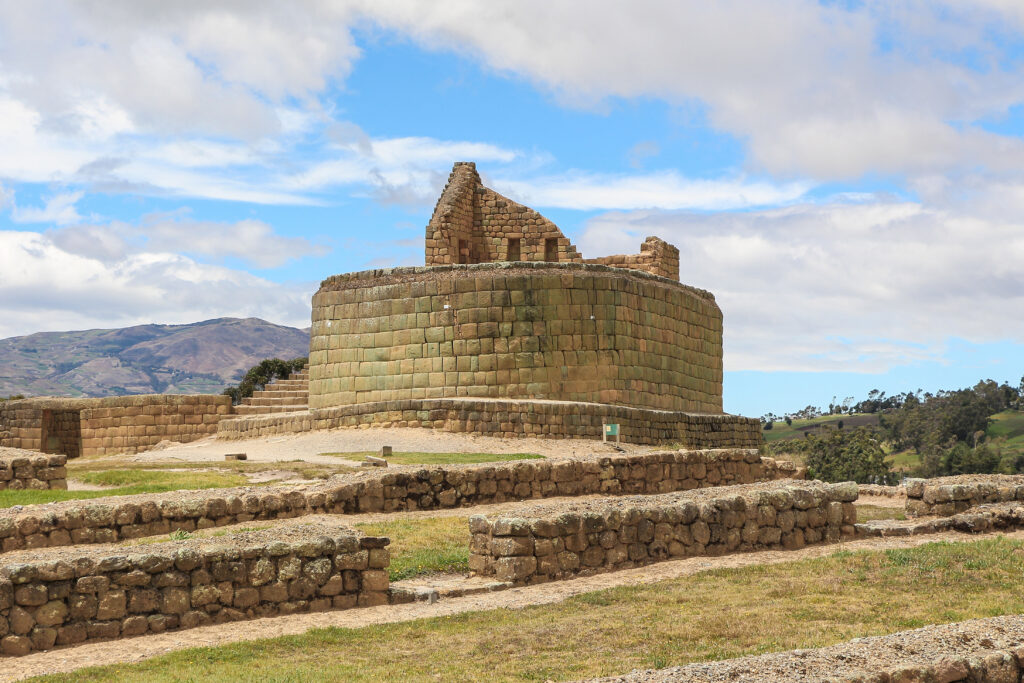
While the world flocks to Machu Picchu, Ecuador’s Ingapirca remains one of the most underrated archaeological sites in South America. This was a site of both Cañari and Inca significance, and the Temple of the Sun—an elliptical fortress built without mortar—is a marvel of ancient engineering. Because it doesn’t receive the massive footfall of its Peruvian cousins, you can actually feel the weight of history here. The surrounding countryside is a patchwork of emerald fields, ideal for those who enjoy exploring rural landscapes at their own pace.
The ancestral waters of Agua Blanca
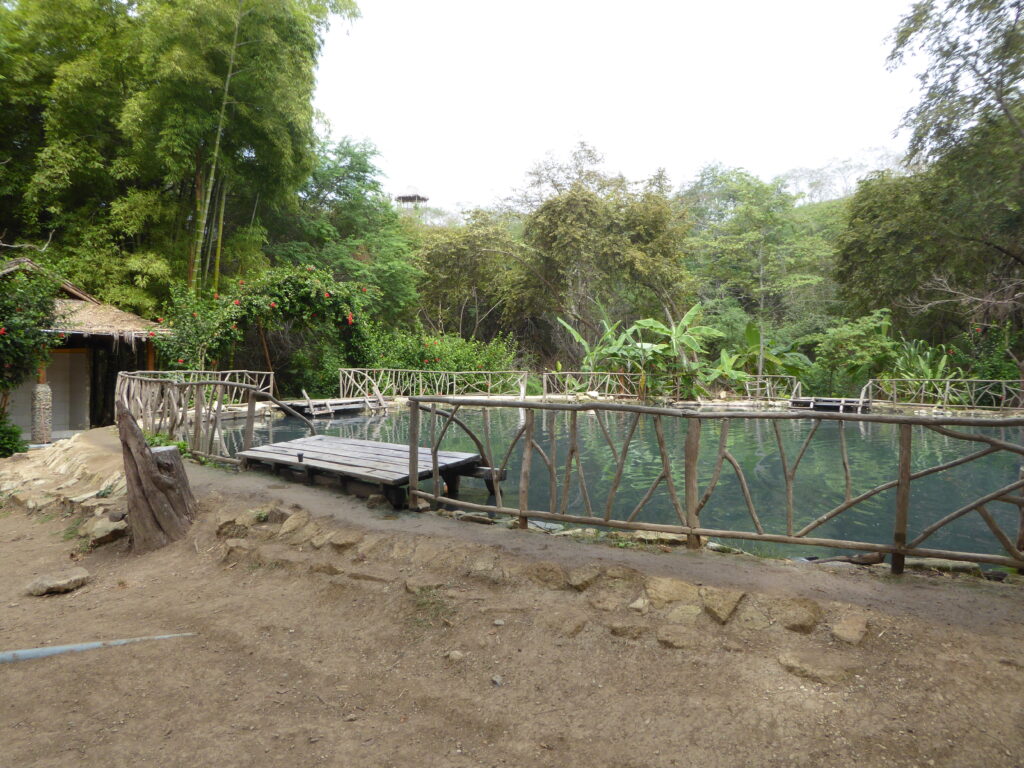
Deep within the Machalilla National Park, the community of Agua Blanca maintains a connection to the Manteño culture that dates back over 800 years. This isn’t a staged cultural village; it is a living community. You can wander through the dry tropical forest to find ancient stone seats and burial urns before ending your visit with a dip in the medicinal sulphur lagoon. It’s a place that demands you slow down and listen to the stories of the land.
The Ecuadorian Amazon.
The most biodiverse place in the world
Rumicucho / The true Equator
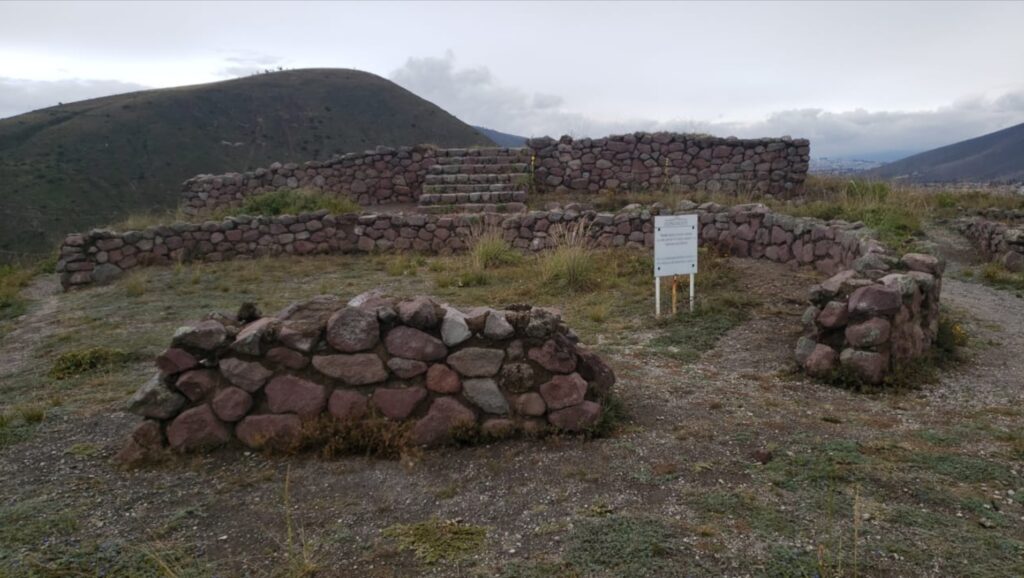
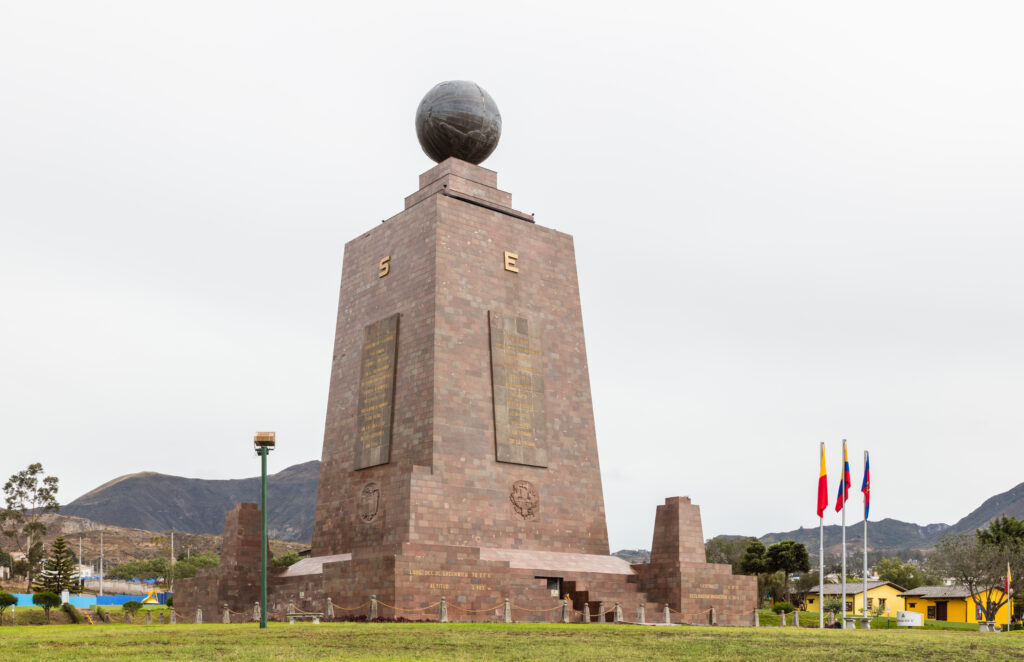
The Mitad del Mundo monument is a fine photo opportunity, but if you want to stand where the ancients actually tracked the sun, you go to Rumicucho. This pre-Inca Pucará (fortress) was used as a solar observatory long before modern GPS confirmed the location of the equator. Perched on a hill with 360-degree views of the surrounding valleys, it feels far more connected to the heavens than any museum exhibit. It is raw, windy, and magnificent.
The filigree streets of Chordeleg
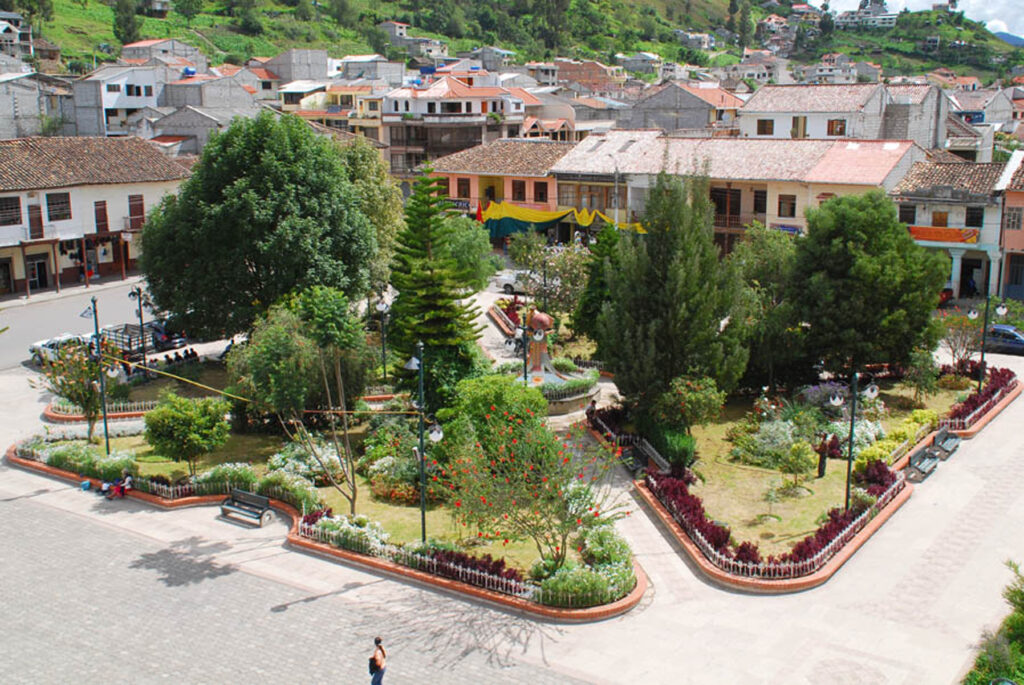
Just a short distance from the colonial grandeur of Cuenca, Chordeleg is a town that sparkles—literally. Known for its exquisite silver and gold filigree jewellery, the town is a masterclass in craft. Look up from the shop windows to see the giant metallic jewellery pieces adorning the street lamps and murals that celebrate the local artisans. It is a quiet, creative enclave that offers a much more personal shopping and cultural experience than the larger markets of the north.
The Ecuadorian Coast.
Where you’ll find the very best food
The view from the saddle / Cycling Ecuador
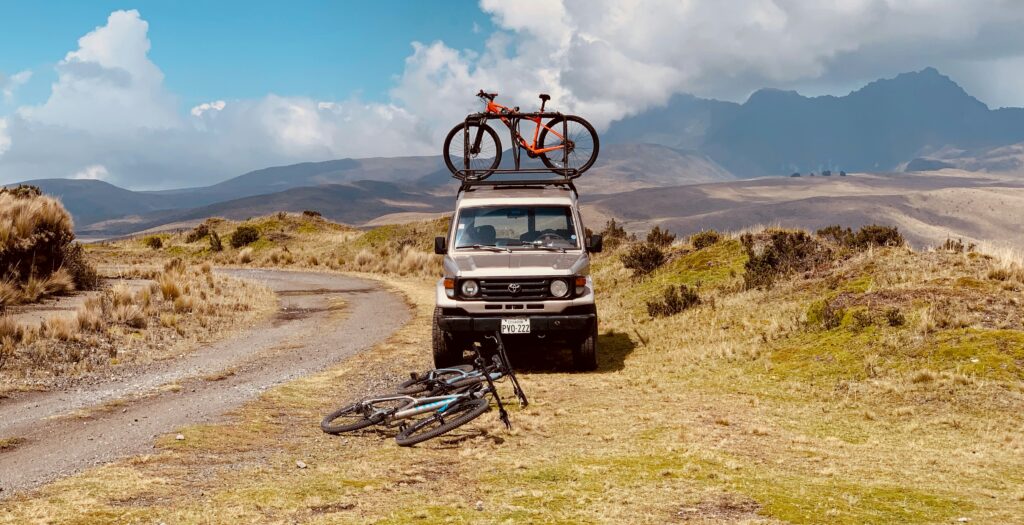
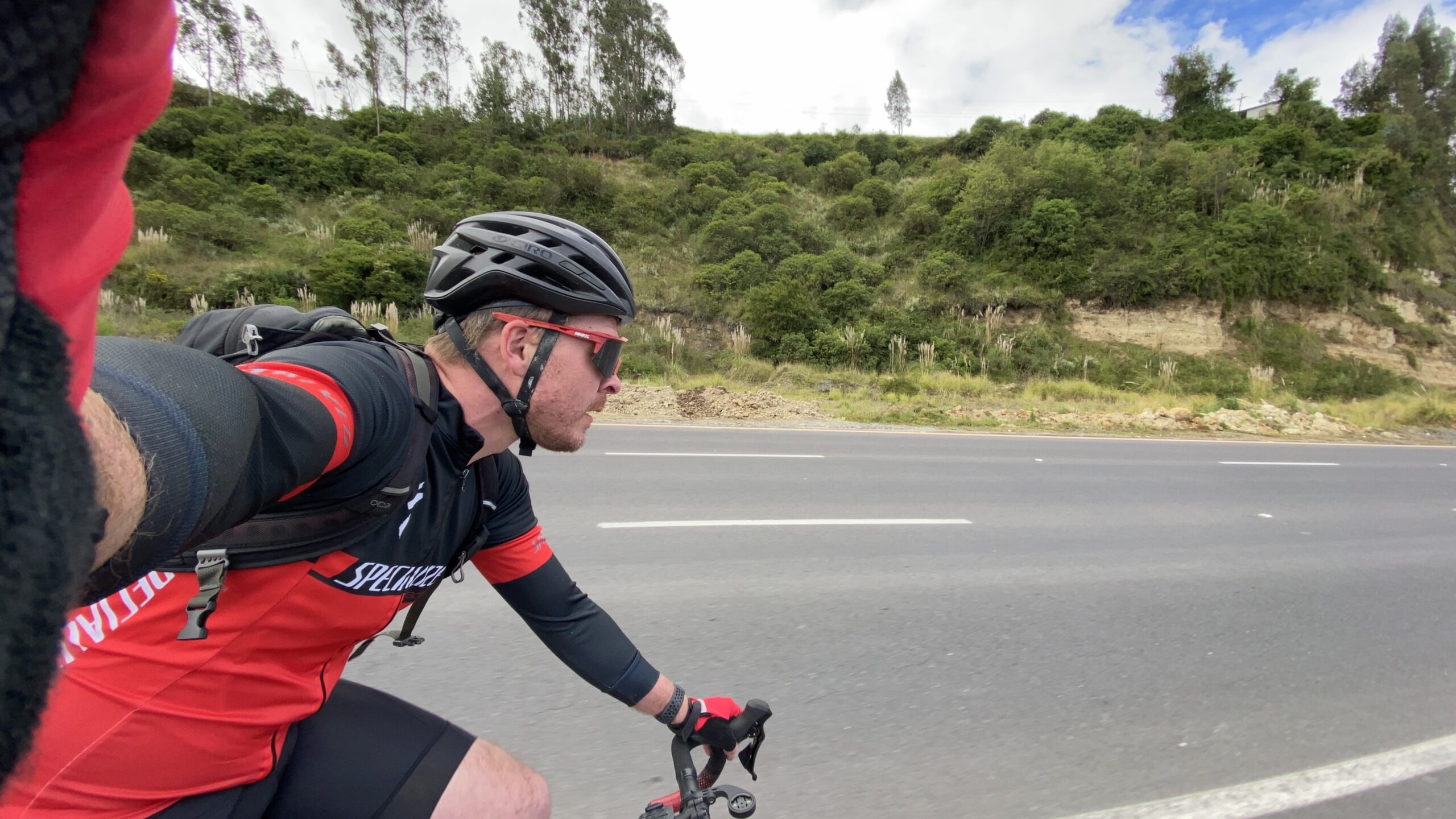
For the Wheely Tyred traveller, Ecuador is a challenging but immensely rewarding destination. The terrain is vertical, the air is thin, and the rewards are unparalleled.
If you find yourself based in the southern hub of Cuenca, there are incredible rides to be had within 20 kilometres of the city centre. The ride out to the Cajas National Park offers a dramatic climb into a tundra-like landscape of 700 lakes, though your lungs will certainly feel the 4,000-metre altitude.
For something slightly gentler, the valley floor routes towards Gualaceo provide stunning river views and a chance to see traditional weaving techniques in action.
Local day trips are plentiful; a train journey (where available) or a local bus can take you to the base of Chimborazo, the point on Earth closest to the sun. From there, the descent back towards Riobamba by bike is a legendary 50-kilometre gravity-fed rush that every independent cyclist should experience at least once.
Ecuador isn’t just a place you see; it’s a place you feel in your legs and your spirit.
Affiliate Disclaimer: Some of the links on Wheely Tyred are affiliate links. If you click through and make a booking or purchase, we may earn a small commission at no extra cost to you. We only recommend gear, tours, stays, and services we genuinely use, trust, and stand behind — our editorial independence always comes first. These commissions help keep our independent cycling guides and travel stories free to read. Thanks for supporting the ride!
Frequently asked questions about Ecuador’s hidden gems
Yes, Ecuador has an incredibly extensive and affordable bus network. Most of these sites, including the ruins at Ingapirca and the artisan village of Chordeleg, are easily accessible from regional hubs like Cuenca or Riobamba for those travelling without a support vehicle.
Acclimatisation is non-negotiable. We recommend spending at least three to four days at altitude in a city like Cuenca before attempting the climbs in Cajas National Park. Stay hydrated and remember that the thin air makes every kilometre feel significantly longer.
While the main monument is a popular photo spot, Rumicucho offers historical and archaeological authenticity. It allows the traveller to stand where ancient civilisations actually tracked the sun’s path, providing a deeper, more grounded connection to the geography.
Absolutely. The lagoon is naturally occurring and has been used for its medicinal and skin-healing properties for centuries. It is managed by the local indigenous community, and a dip is a fantastic way to soothe your muscles after a long day of walking or riding.
Most of the main routes connecting these sites are well-paved, but once you head into the páramo or towards sites like Rumicucho, you may encounter gravel and cobbles. A sturdy touring bike or a gravel bike with wider tyres is the ideal companion for the varied Ecuadorian terrain.
This is a 50-kilometre gravity-fed rush, but it isn’t for the faint-hearted. Ensure your brakes are in top condition and you have adequate layers; the temperature drops rapidly as you descend from the high-altitude peaks into the valley. If you aren’t carrying your own gear, local buses frequently run to the base of the mountain.
Ecuador.
Pure wonder on the equator.