Peaks and páramos / Uncovering the secret soul of the Ecuadorian Sierra
Best hidden gems in the Ecuadorian Sierra for independent travellers
A wanderer’s guide to the high Andes
BEN FINCH
The Ecuadorian Sierra is often reduced to a series of postcards featuring the perfectly symmetrical cone of Cotopaxi or the bustling markets of Otavalo. While those landmarks are undeniably magnificent, they represent only the surface of a region defined by its rugged independence and deep-rooted traditions. At Wheely Tyred, we believe the best way to experience the Andes is to slow down, leave the tour groups behind, and seek out the spots that do not always make the front page of the glossy brochures.
Travelling independently—whether by bike, bus, or on your own two feet—allows the landscape to reveal its secrets at its own pace. It is about the smell of woodsmoke in a mountain village, the unexpected taste of high-altitude artisanal cheese, and the quiet satisfaction of standing alone before a thousand-year-old stone wall. If you are looking to truly understand the heart of the Ecuadorian highlands, here are the hidden gems that deserve a place on your itinerary.
The granite and gradients of the High Sierra
Leave the scripted itineraries behind and embrace the thin, crisp air of the Ecuadorian highlands. This is a region where the true reward lies in the slow ascent, the artisan’s workshop, and the quiet dignity of ancient stone.
- Salinas de Guaranda: A profound look at community-led social enterprise, where high-altitude limestone cliffs provide the backdrop for world-class chocolate and artisanal cheese cooperatives
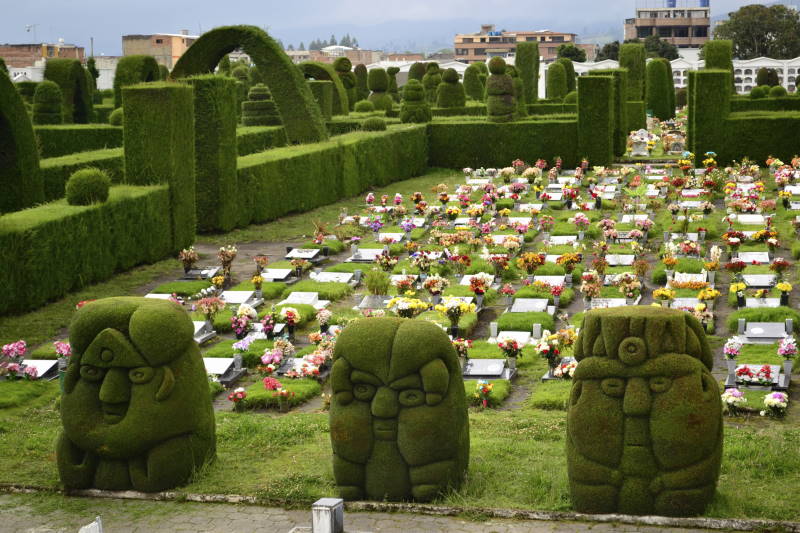
- Tulcán’s Living Gallery: The spiritual home of Ecuadorian cycling, featuring a municipal cemetery transformed into a surrealist masterpiece of sculpted cypress hedges and Incan iconography
- The Ruins of Ingapirca: An atmospheric archaeological site where Incan sun worship met Cañari tradition, offering a secluded alternative to the crowded ruins found further south in the Andes
- Iglesia de la Balbanera: A modest yet historically heavy 16th-century stone church sitting on the shores of Laguna de Colta, marking the very first footprints of colonial architecture in the country
- Chordeleg’s Filigree: A southern sanctuary for silverwork where independent travellers can bypass the gift shops to watch master craftsmen twist delicate silver wire in their own workshops
- Laguna Llaviucu: A misty, lower-altitude gateway to El Cajas National Park that trades the popular trekking routes for ancient Polylepis forests and exceptional birdwatching opportunities
- Cayambe’s Equator Fuel: The essential roadside stop for bizcochos—buttery, wood-fired biscuits that have fuelled travellers through the northern Sierra for generations
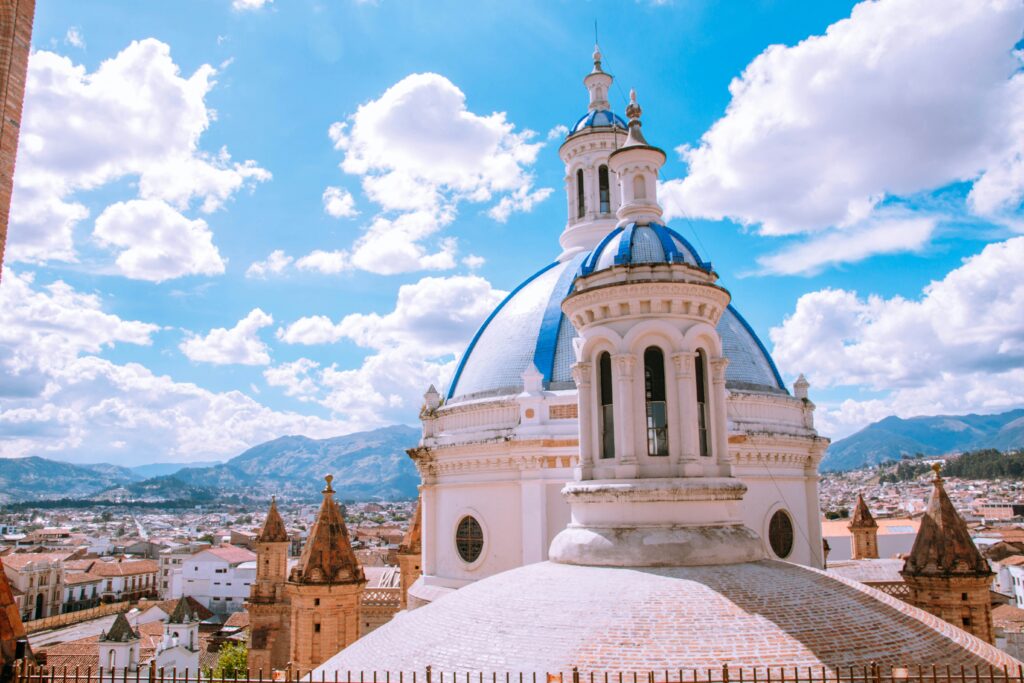
Quito.
Explore the Middle of the World
1. Salinas de Guaranda / The chocolate village of the clouds
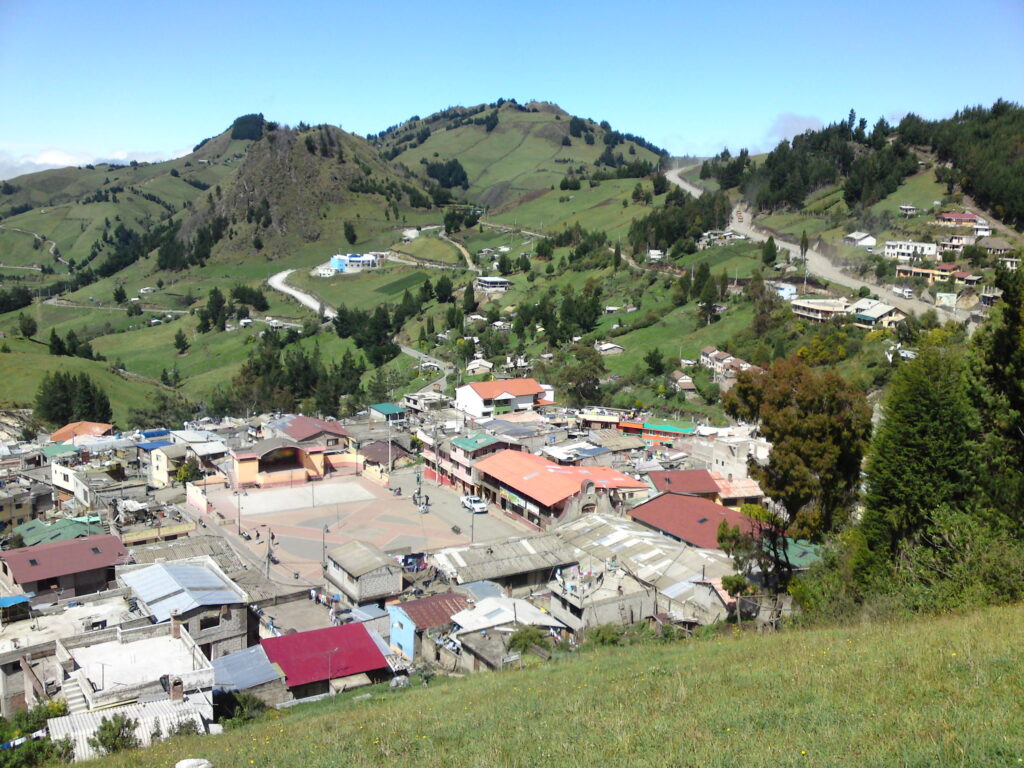
Tucked away in the province of Bolívar, far from the standard Pan-American Highway route, lies Salinas de Guaranda. This is not to be confused with the coastal city of Salinas; this is a high-altitude community project that has become a model for social enterprise across South America.
Once a town struggling with extreme poverty, Salinas transformed itself into a hub of cooperative industry. Today, the village is famous for its high-quality chocolates, cheeses, and woollen goods. For the independent traveller, it offers a fascinating look at how community-led tourism can thrive. You can wander through the small-scale factories where local residents produce everything from herbal teas to world-class truffles. The atmosphere here is one of quiet pride and industry, surrounded by dramatic limestone cliffs and rolling green hills. It is the perfect spot for those who want to see the modern, collaborative spirit of the Andes in action.
2. Tulcán / The high-altitude heart of cycling
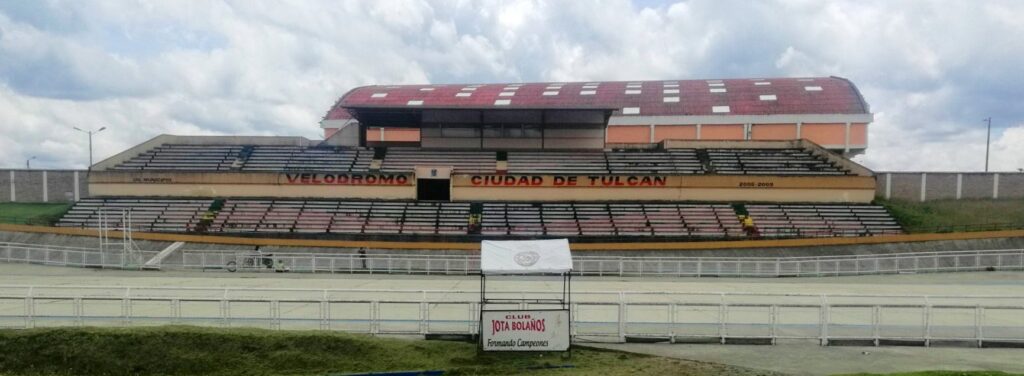
In the far north, bordering Colombia, sits Tulcán, the capital of Carchi province. To the casual observer, it might seem like a standard border town, but for anyone with a passing interest in cycling, this is hallowed ground. This is the region that produced Richard Carapaz, the Locomotive of Carchi, and the local culture is deeply intertwined with the sport. You will see more people on two wheels here than anywhere else in the country, often grinding up inclines that would make a professional wince.
The town’s most iconic site is the Tulcán Municipal Cemetery. Far from being a sombre place, it is a surrealist masterpiece of topiary art. Since 1936, the cypress hedges have been meticulously sculpted into intricate shapes representing Incan symbols, mythological creatures, and geometric arches. It is a sprawling, living gallery that invites quiet reflection. For the independent traveller, Tulcán offers a gritty, authentic Andean experience where the air is thin, the coffee is strong, and the respect for the road is absolute.
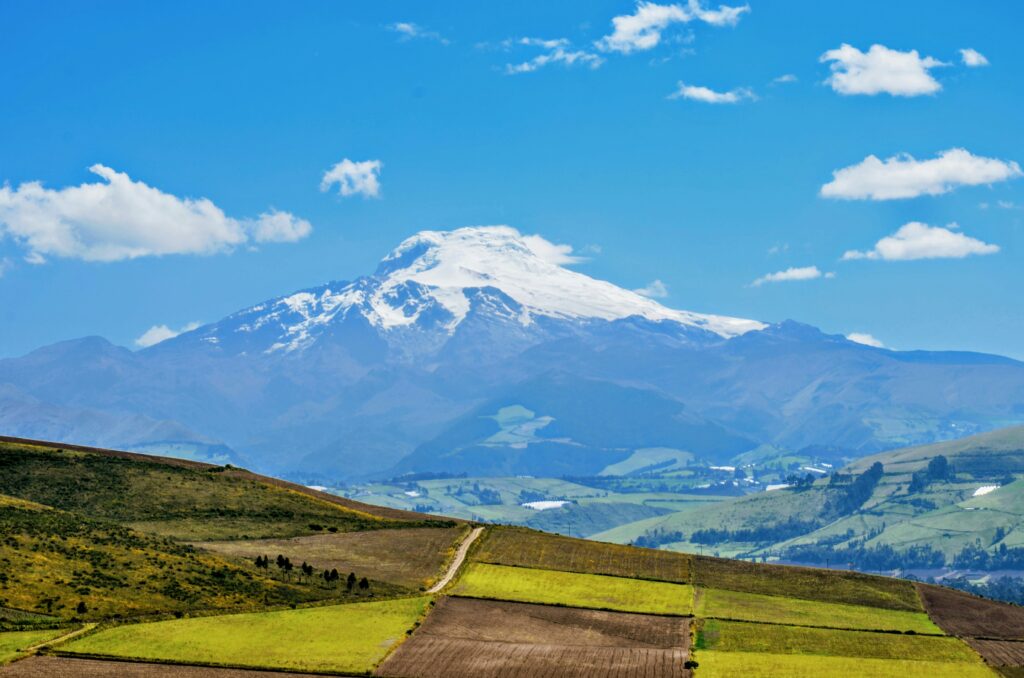
The Ecuadorian Sierra.
Get lost in the hills
3. Ingapirca / Echoes of the Inca and Cañari
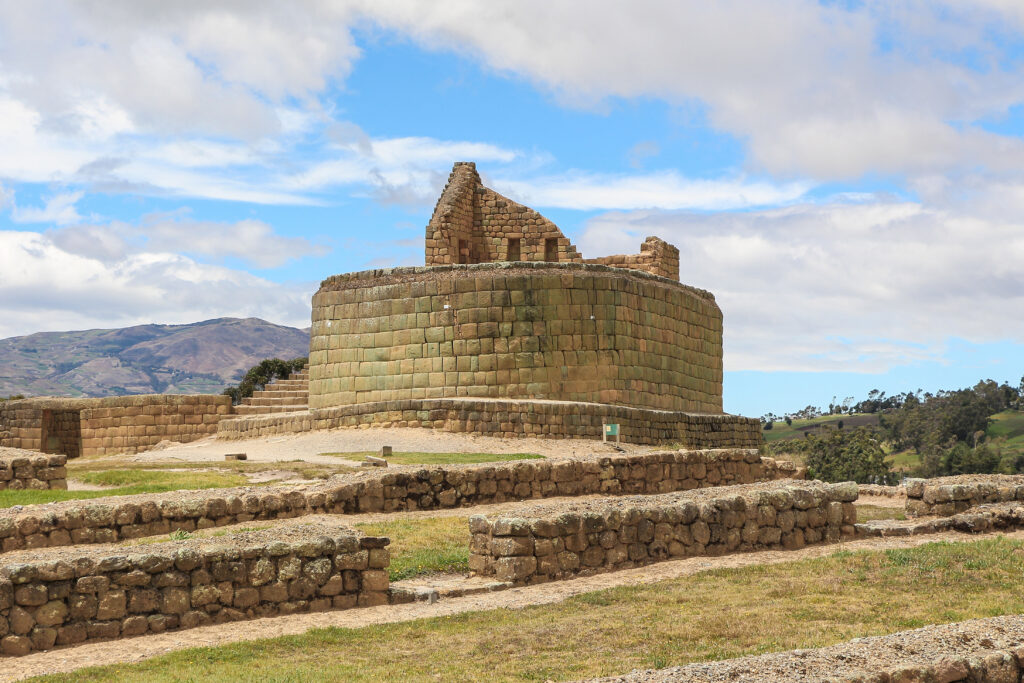
While Machu Picchu in Peru dominates the global imagination when it comes to Incan history, Ecuador holds its own architectural treasure in the form of Ingapirca. Located in the Cañar Province, it is the most significant archaeological site in the country, yet it remains blissfully quiet compared to its southern neighbours.
What makes Ingapirca truly special is the blend of cultures. The site features an elliptical Temple of the Sun—a rarity in Incan architecture—built atop the foundations of the earlier Cañari civilisation. This peaceful coexistence of styles is visible in the stonework itself. Visiting here independently allows you to sit amongst the ruins and listen to the wind whistling through the páramo, imagining the complex layers of history that built this high-altitude outpost. It is a place that demands time and silence, something rarely found on a whistle-stop tour.
4. Laguna de Colta and the Balbanera Church
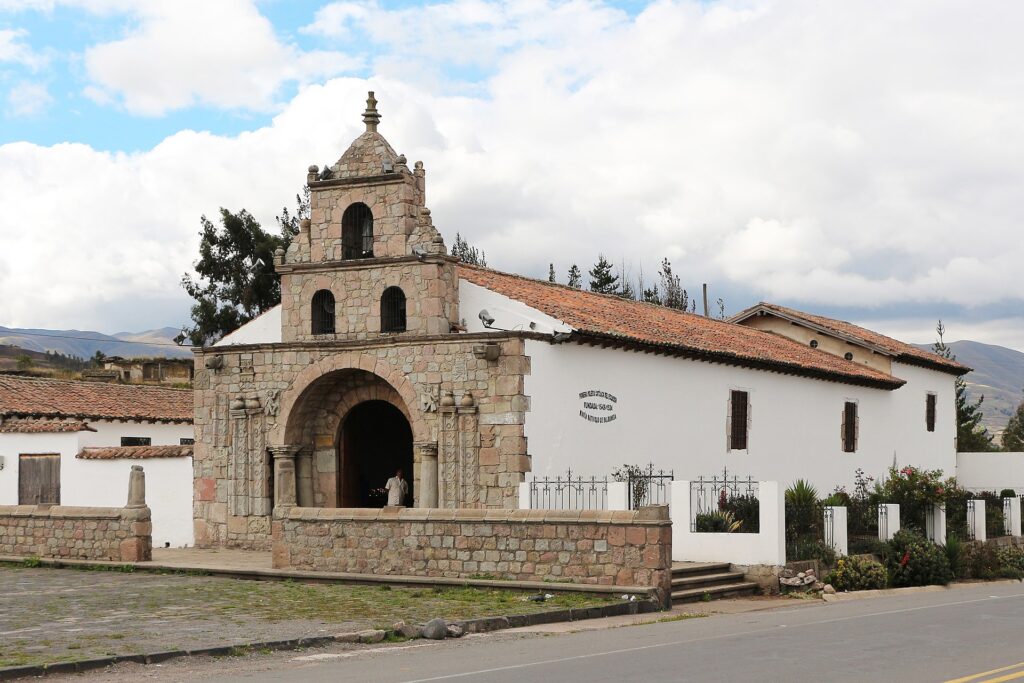
The shores of Laguna de Colta offer a serene break from the verticality of the Sierra. Located just south of Riobamba, this shimmering lake is surrounded by totora reeds and the distant, daunting peaks of the Chimborazo volcano. However, the real hidden gem sits right on the roadside: the Iglesia de la Balbanera.
Constructed in 1534, this is the first Catholic church built in what is now Ecuador. It is a modest, weathered stone structure that has survived centuries of seismic activity. Its facade features intricate carvings that represent a unique fusion of Spanish and indigenous artistry, a style known as Mestizo Baroque. Most visitors rush past on their way to more famous peaks, but stopping here offers a profound sense of historical weight. It is a place where you can feel the very beginning of the colonial era in the Andes, set against a backdrop of timeless natural beauty.
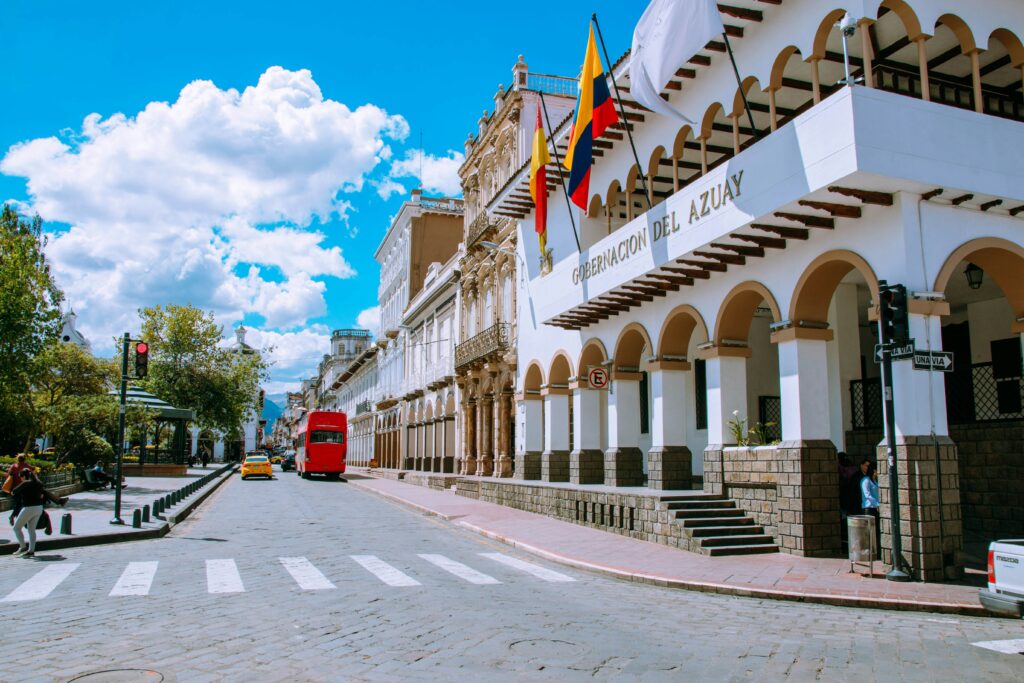
Cuenca.
The Athens of Ecuador
5. Chordeleg / The village of silver filigree
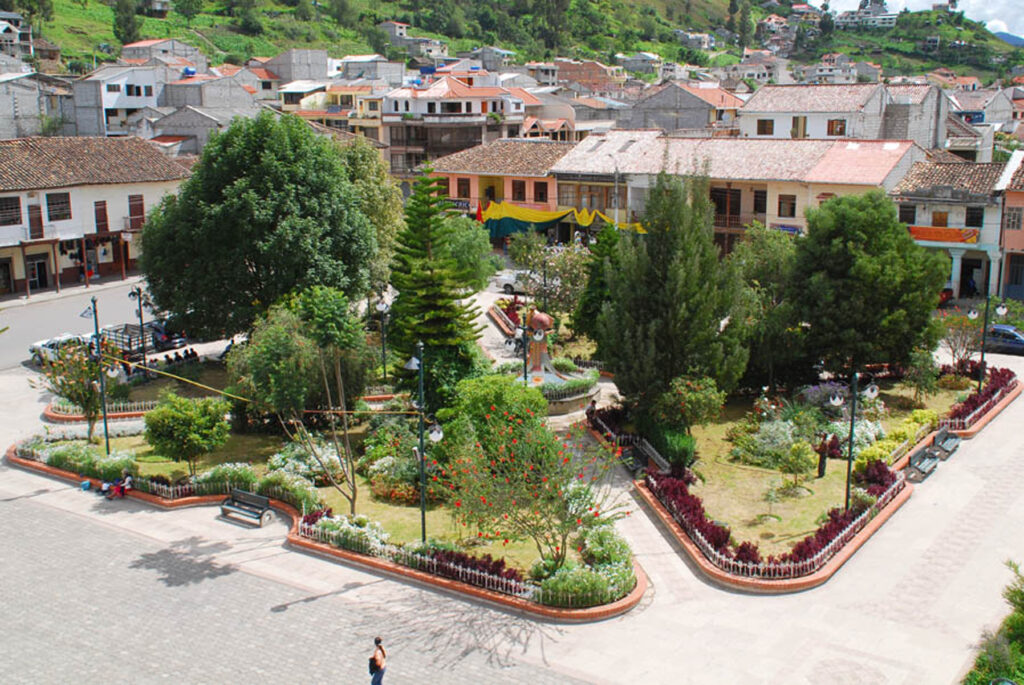
If you find yourself near the southern city of Cuenca, bypass the more commercial shopping districts and head to Chordeleg. This town is a sanctuary for artisans, particularly those specialising in the delicate art of silver filigree. The central plaza is lined with workshops where you can watch craftsmen twist hair-thin silver wires into intricate earrings, necklaces, and brooches.
The town itself is charmingly laid back, with many buildings decorated with giant silver-coloured symbols of the craft. For the traveller who values authenticity, Chordeleg provides an opportunity to support local families directly and take home a piece of Andean heritage that has not been mass-produced. It is a place that rewards those who take the time to poke their heads into small doorways and engage with the makers, rather than just browsing a gift shop window.
6. Laguna Llaviucu / The underrated side of El Cajas
El Cajas National Park is famous for its tundra-like landscapes and hundreds of glacial lakes, but most visitors only stop at the main visitor centre at Laguna Toreadora. For a more secluded experience, seek out the lower-altitude entrance to Laguna Llaviucu (also known as Zorrocucho).
This area feels like a secret garden within the park. The trail around the lake is relatively flat and winds through ancient Polylepis forests, often shrouded in a mystical mist. Keep an eye out for the local alpacas that roam the fields and the ruins of an abandoned brewery that add a touch of eerie charm to the scenery. Because it is lower in altitude, it is also a fantastic spot for birdwatching, with many endemic species flitting through the moss-covered branches. It is the ideal destination for a slow afternoon hike away from the crowds of high-altitude trekkers.
The Ecuadorian Amazon.
The most biodiverse place in the world
7. Cayambe / The taste of the Sierra
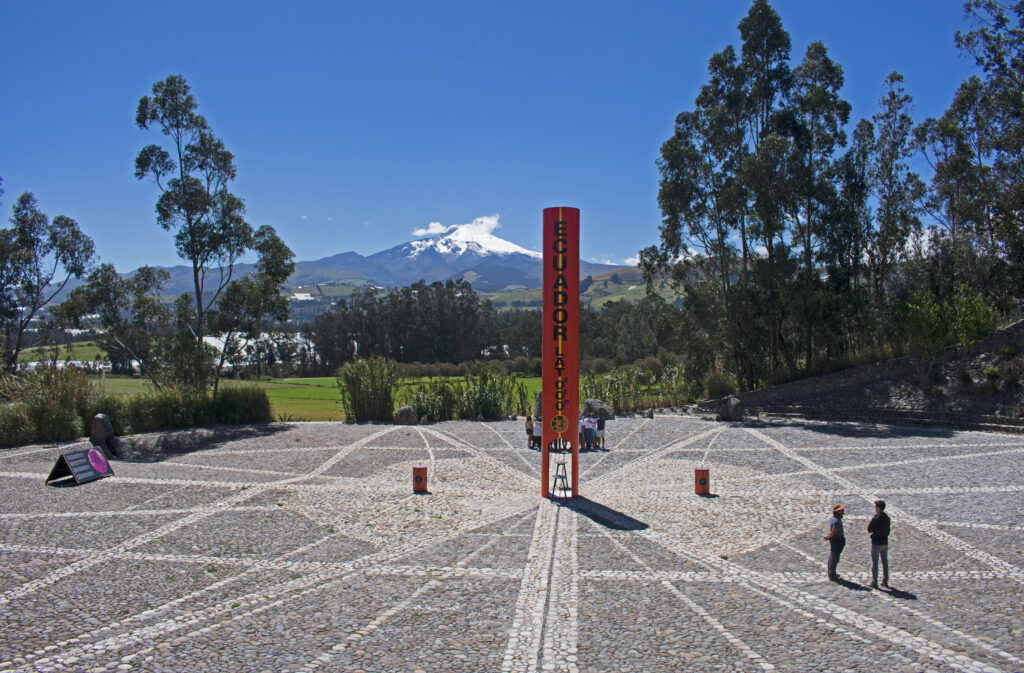
Cayambe is often just a blur through a bus window for people heading to the Otavalo market, but for those in the know, it is an essential culinary pitstop. The town sits right on the equator and is the undisputed capital of the bizcocho—a traditional, buttery, flaky biscuit baked in wood-fired ovens.
A visit to a local bizcocho factory, such as San Pedro, is a delight for the senses. You can watch the bakers at work, see the biscuits being hand-formed, and enjoy them fresh out of the oven with a slice of local leaf cheese and a dollop of dulce de leche. It is a simple, honest pleasure that defines the rural character of the northern Sierra. It is these small, flavourful moments that stay with you long after the mountain views have faded.
Exploring the Ecuadorian Sierra by bike
The Ecuadorian Sierra is a playground for those who love the freedom of a bike. While the climbs can be formidable, the rewards are unmatched views and a genuine connection to the land. If you are based in a city like Tulcán, a 20-kilometre ride will take you to the thermal springs of Tufiño, where you can soak your muscles in volcanic waters. Alternatively, the short 7-kilometre hop to the Rumichaca Bridge offers a fascinating look at the bustling border life between Ecuador and Colombia.
From Quito, a 20-kilometre excursion can lead you into the rolling hills of the Lumbisí valley or the trails around the Ilaló volcano, providing a quick escape into nature. For those in Cuenca, a ride out towards the thermal springs of Baños de Cuenca is a local favourite.
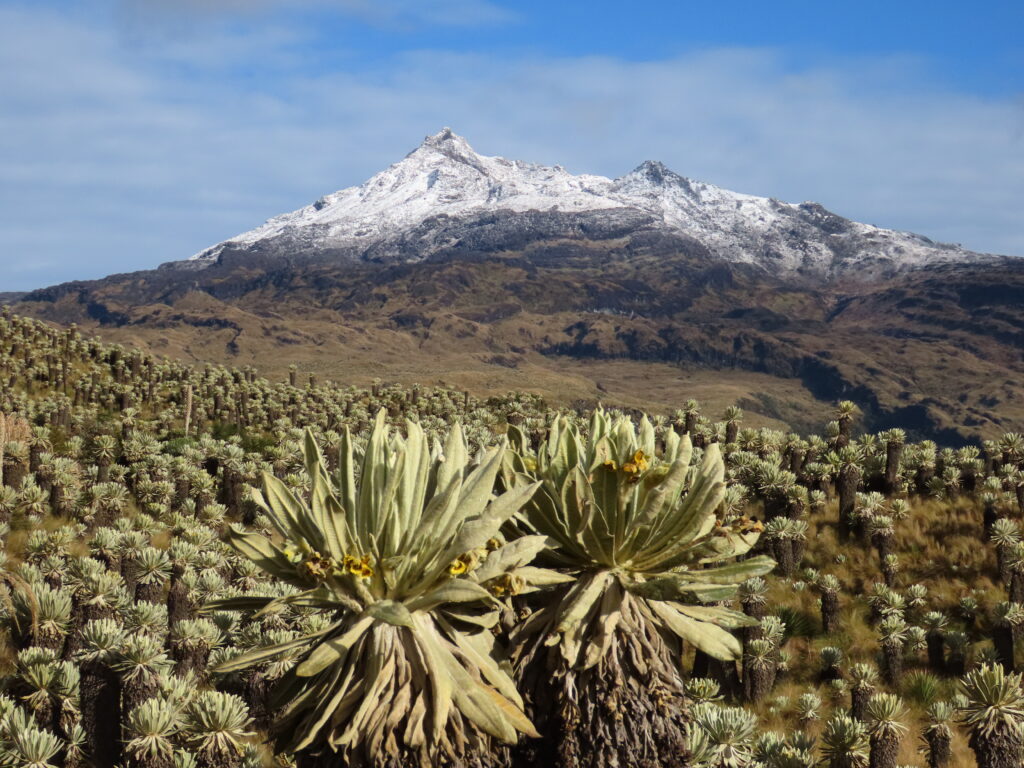
For a more ambitious day trip, head to the El Ángel Ecological Reserve near Tulcán to see the iconic frailejones—ancient, fuzzy-leaved plants that only grow in these high-altitude páramos. You might also consider the descent from the Papallacta pass toward the Amazon basin; it is a thrilling ride that transitions from cold highlands to lush cloud forest in a single afternoon. Whatever your pace, the Sierra invites you to leave the main road and find your own path through the clouds.
Affiliate Disclaimer: Some of the links on Wheely Tyred are affiliate links. If you click through and make a booking or purchase, we may earn a small commission at no extra cost to you. We only recommend gear, tours, stays, and services we genuinely use, trust, and stand behind — our editorial independence always comes first. These commissions help keep our independent cycling guides and travel stories free to read. Thanks for supporting the ride!
The Ecuadorian Coast.
Where you’ll find the very best food
Frequently asked questions about the best hidden gems in the Ecuadorian Sierra
Absolutely. The Ecuadorian Sierra is well-connected by a network of reliable local buses that link even the more remote towns like Salinas de Guaranda. For those on two wheels, the Pan-American Highway serves as a spine, but the real magic is found on the secondary roads that wind through the valleys, though one should be prepared for significant elevation changes and thin air.
The independent traveller is generally welcomed with a quiet, grounded hospitality. In Chordeleg, many workshops are open to the street; a polite greeting and a genuine interest in the process of filigree often lead to a conversation. In Salinas, the cooperatives are professionalised, and you can often join small, informal tours of the chocolate or wool facilities.
Tulcán is located in Carchi, a province with a legendary cycling-first culture. It is the training ground for world-class riders like Richard Carapaz. The high altitude (nearly 3,000 metres) and the unforgiving gradients make it a place of pilgrimage for those who want to test their mettle against the locals, who treat cycling as a primary mode of transport and a point of immense provincial pride.
Expect a weathered, understated beauty rather than grand colonial opulence. It is a site for those who appreciate historical layers; look closely at the facade to see the fusion of Spanish and indigenous carvings. It is easily reached by bike or bus from nearby Riobamba and provides a peaceful spot for reflection by the lake.
A bizcocho is a savoury, flaky biscuit unique to the Cayambe region, traditionally baked in a wood-fired oven. To eat them like a local, order them with a slice of queso de hoja (leaf cheese) and a side of manjar (dulce de leche). It is the quintessential Andean snack—salty, sweet, and incredibly moreish.
Unlike the higher reaches of El Cajas, which can sit well above 4,000 metres, Llaviucu is situated at a slightly lower elevation (around 3,100 metres). The trail around the lake is relatively flat and well-marked, making it an excellent warm-up trek for independent travellers who want to experience the páramo landscape without the gruelling verticality of the main park peaks.
Ecuador.
Pure wonder on the equator.