
Guayaquil
Things to do in Guayaquil.
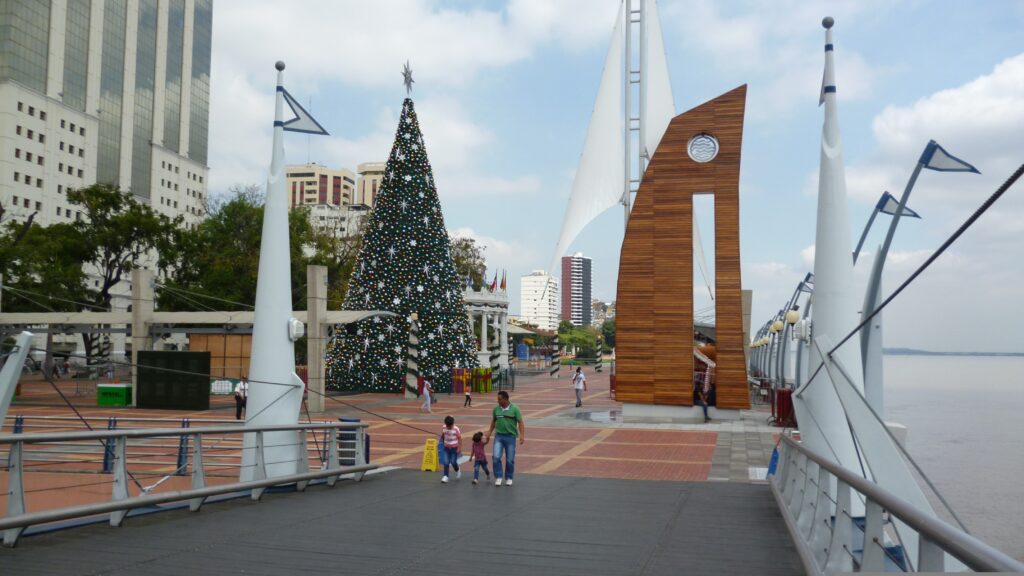
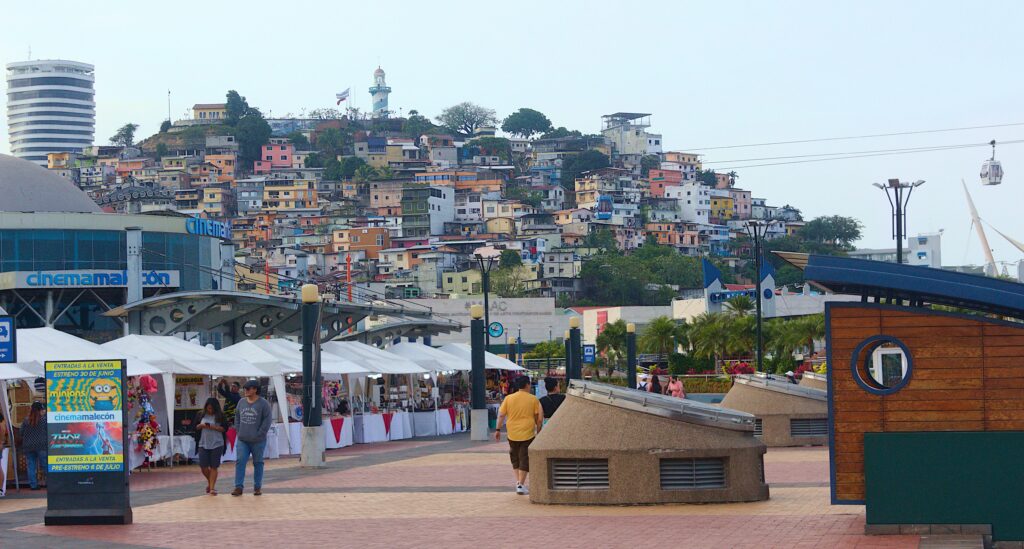
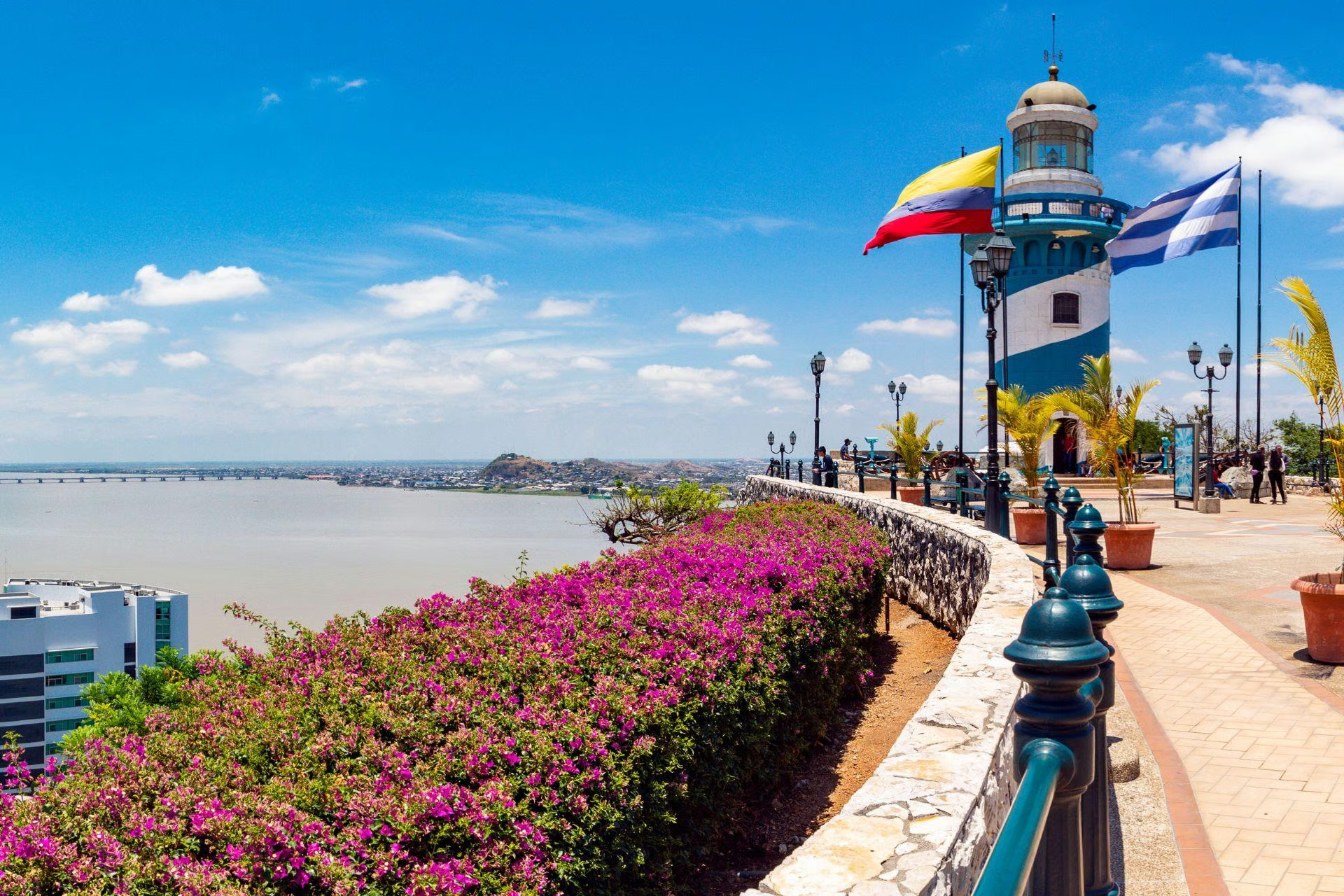
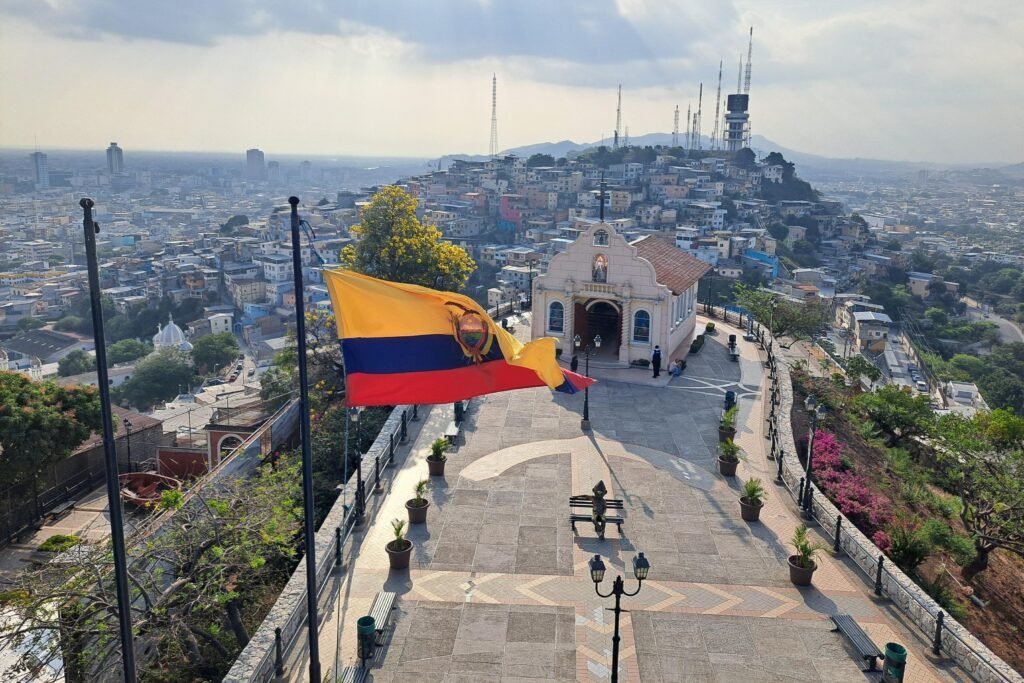
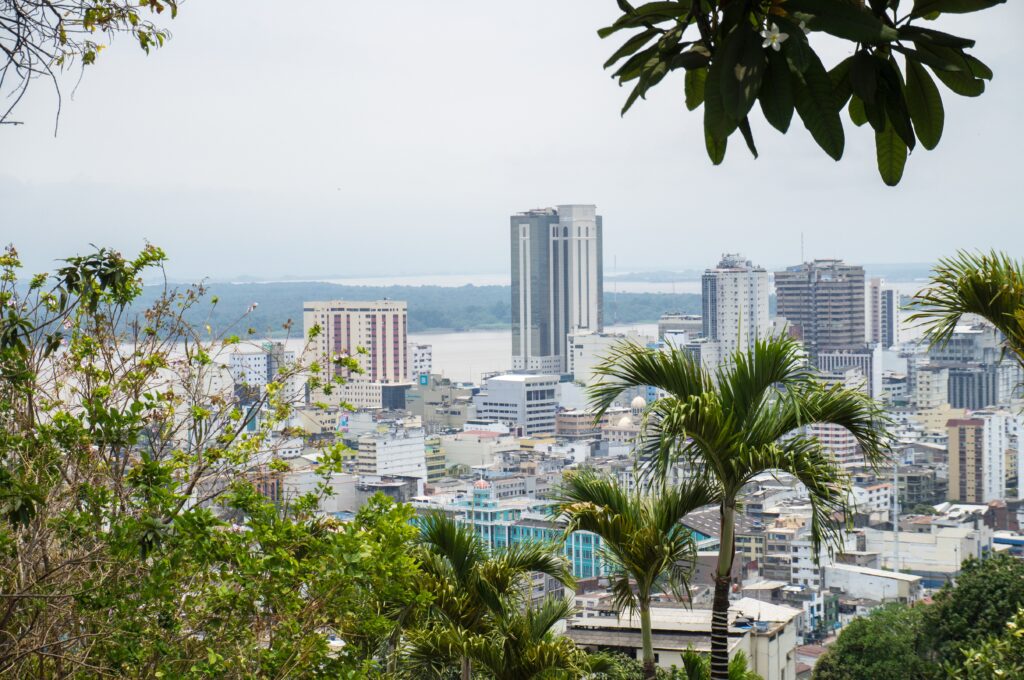
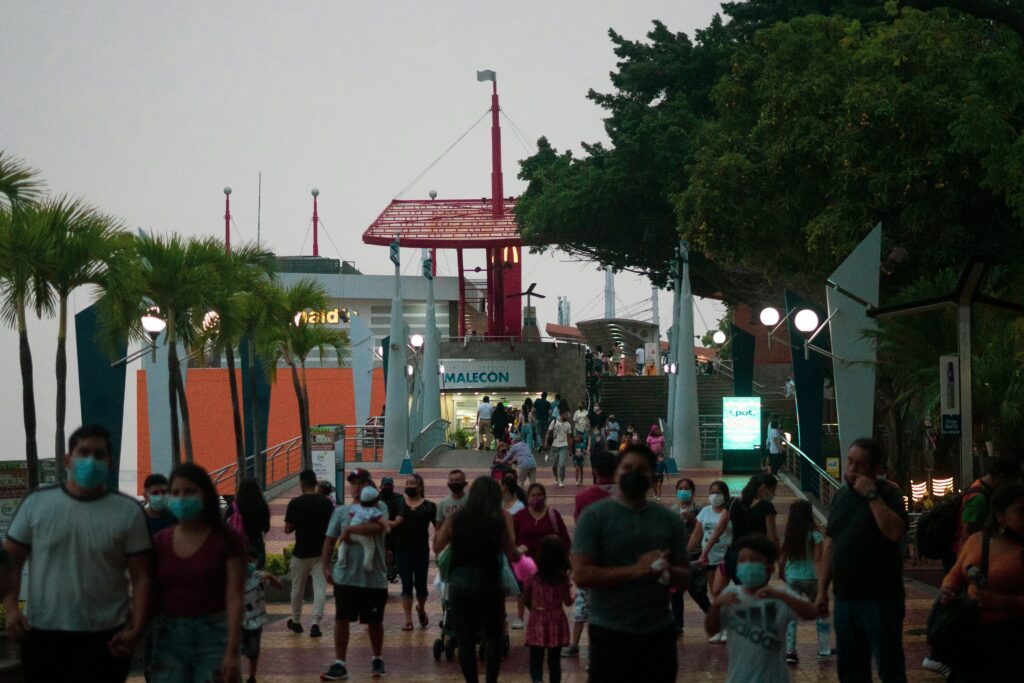
The city breathes through the humid air of the Guayas River, where the Malecón 2000 offers a concrete strip of modernity against the water’s edge. To find the pulse of the place, climb the 444 steps of Santa Ana Hill, though the reward isn’t the workout—it’s the view of the colourful, chaotic sprawl below. It is a city of rapid transitions, moving from the polished riverfront to the crumbling, colonial charm of Las Peñas in a single afternoon
Exploring Guayaquil / The traveller’s guide to Ecuador’s coastal soul
A city of riverside breezes, historic barrios, and bold tropical flavours
Exploring Guayaquil / A guide to the Pearl of the Pacific’s must-see sights
Discovering the vibrant history, lush parks, and riverside charm of Ecuador’s largest city
Escaping the boardwalk / Guayaquil’s best-kept secrets
Uncovering the soul of the Pearl of the Pacific
The best tours & activities in Guayaquil.
Day tours
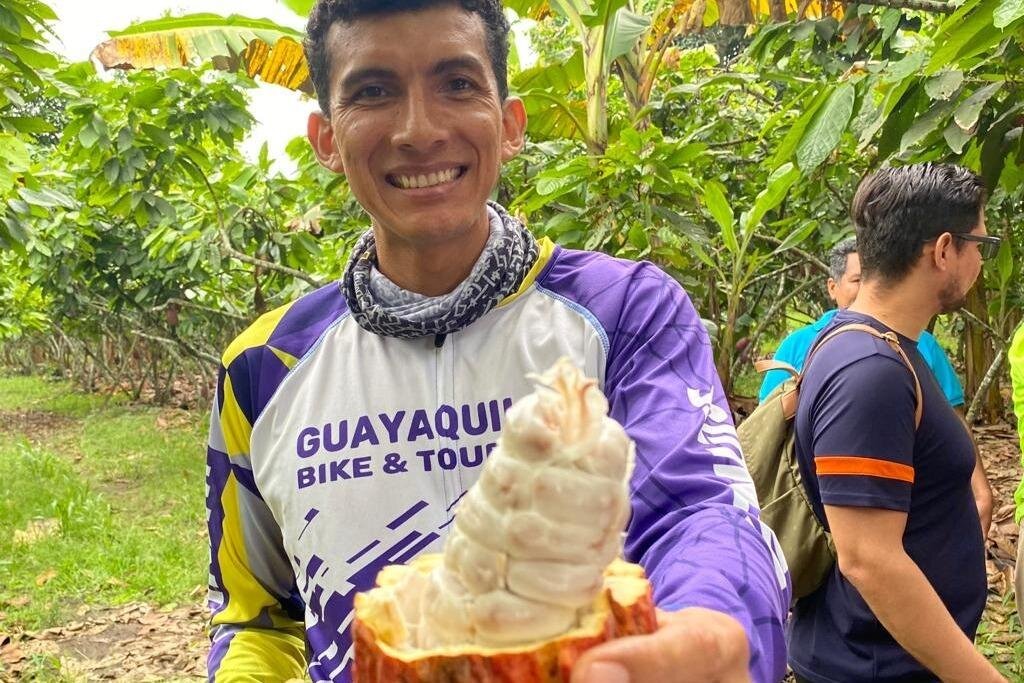
Bike tours
Walking tours
Food tours
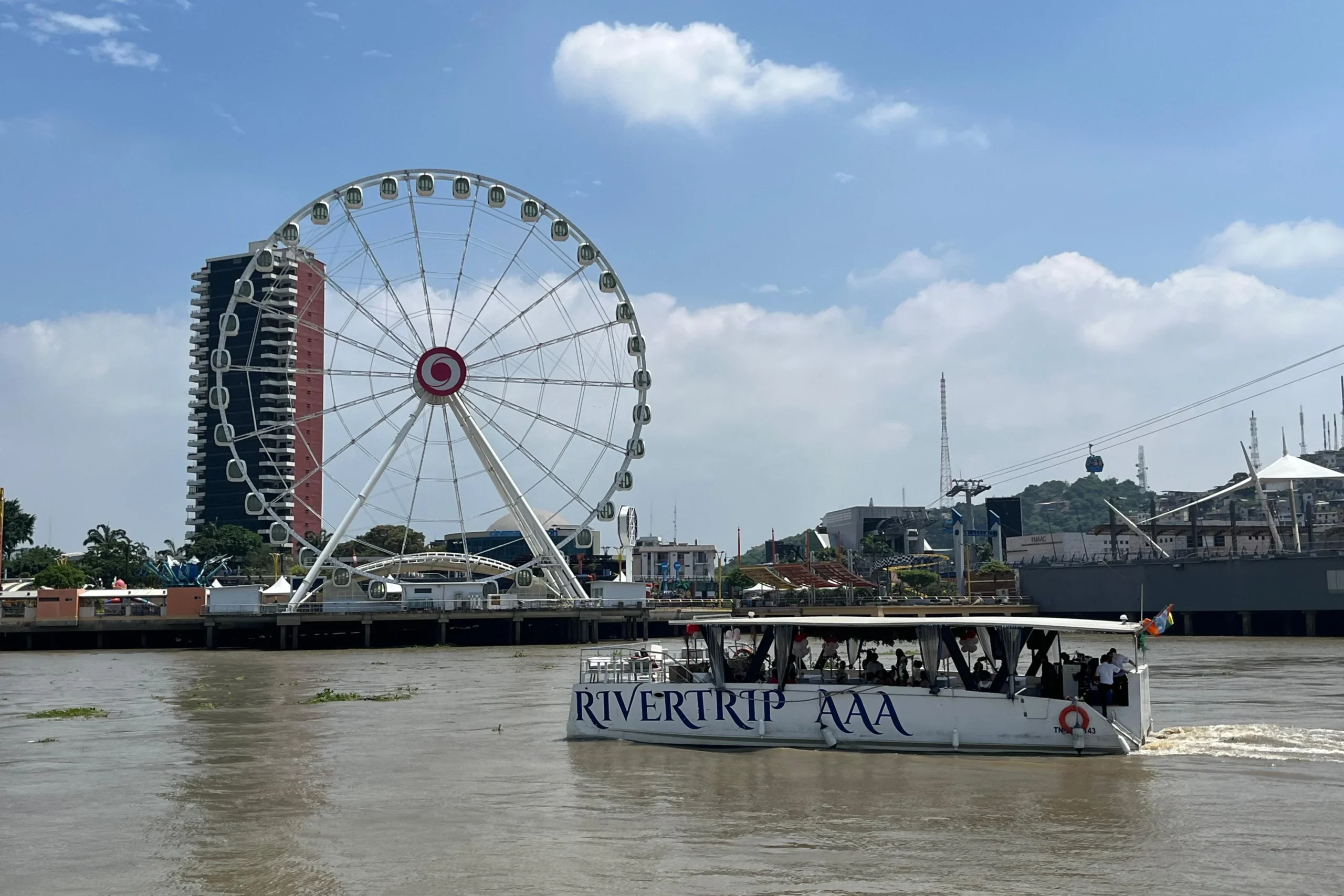
Boat tours
Bus tours
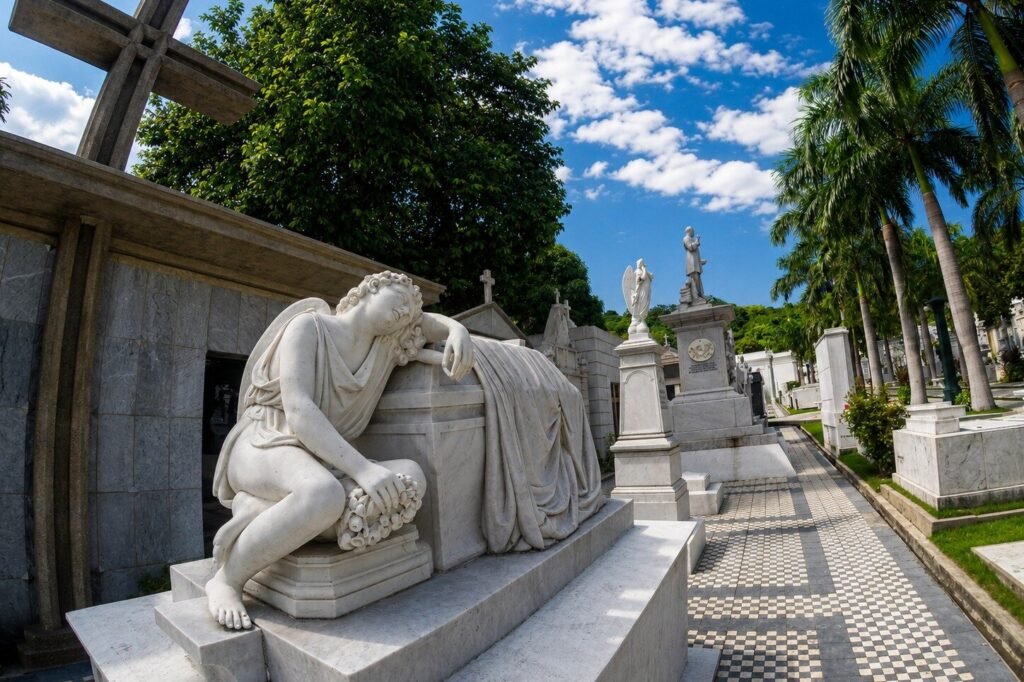
Attractions
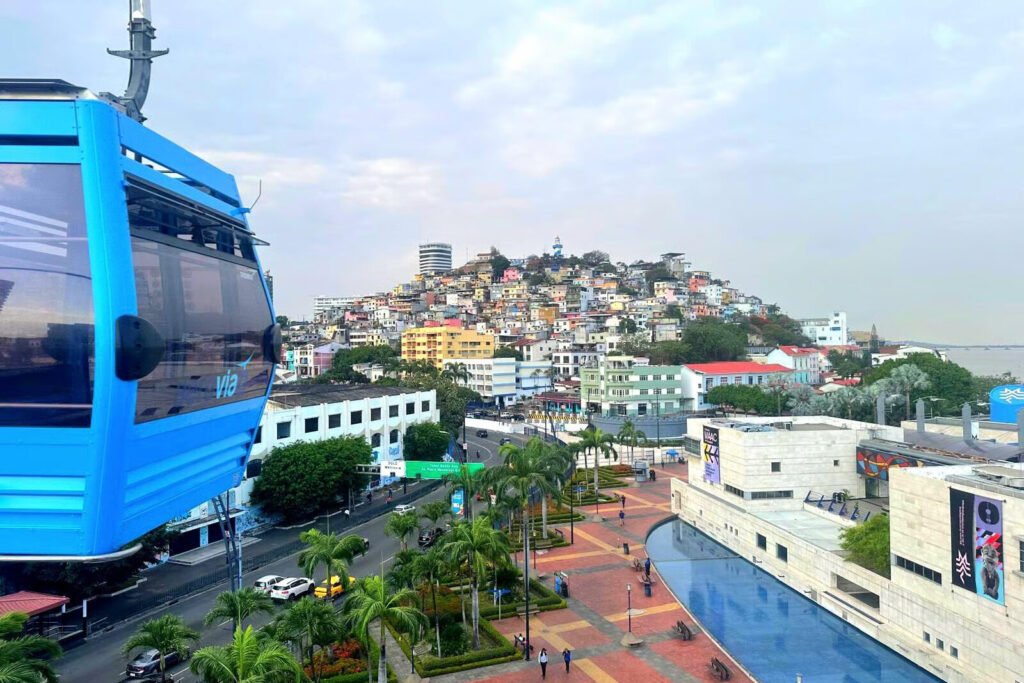
How to spend a layover in Guayaquil.
A short window in Guayaquil is best spent escaping the sterility of the airport to witness the city’s frantic pace of life. Skip the shopping malls and take a brisk walk down the Malecón 2000 to watch the chocolate-brown river carry islands of water hyacinths out to sea. From there, head up the 444 steps of Santa Ana Hill before the afternoon heat peaks, letting the breeze off the estuary clear your head before the next flight. End the brief escape in a low-key cantina at the foot of the hill, drinking a quick jugo de caña while the city thunders past
24 hours in Guayaquil / An independent itinerary
Discover the sultry, beating heart of Ecuador’s largest port
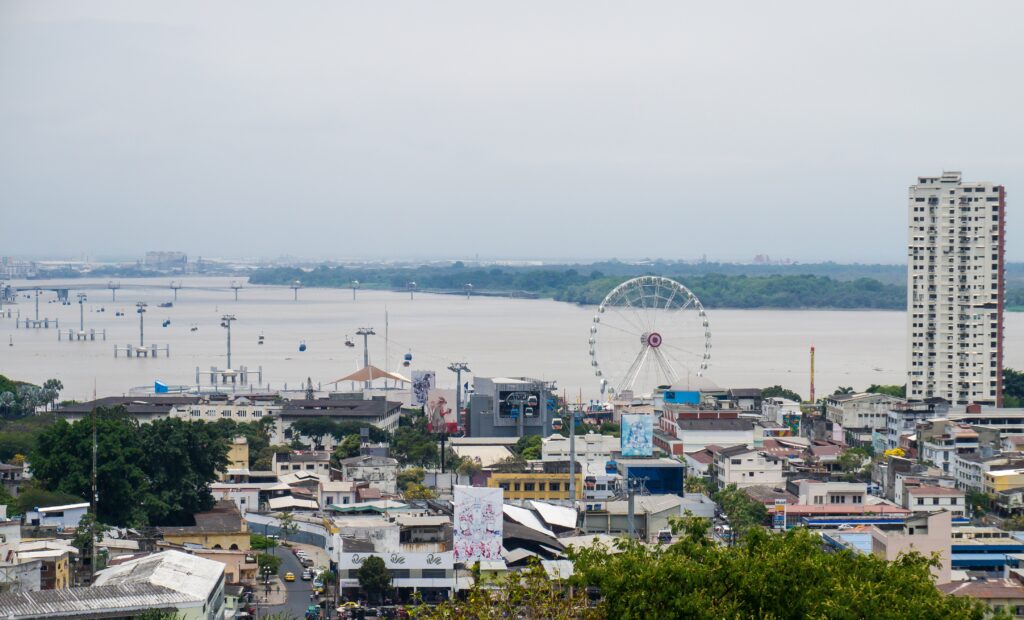
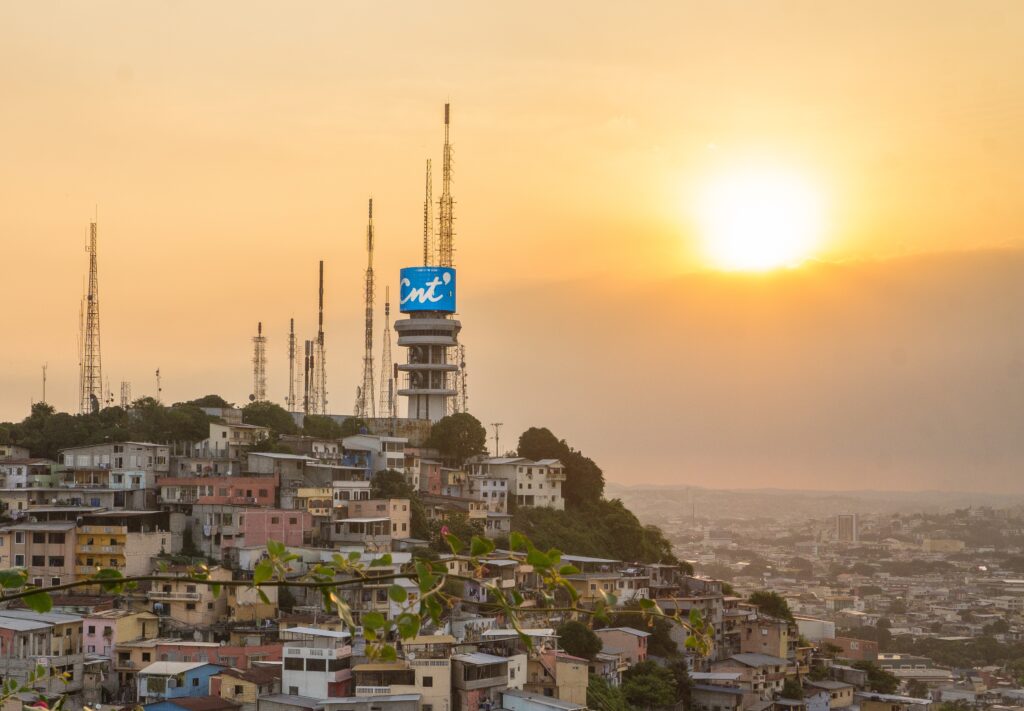
48 hours in Guayaquil / Navigating Ecuador’s Pacific port
Embrace the tropical heat, historic hills, and vibrant riverfront
More things to do on the Ecuadorian Coast.
The Pacific coast isn’t just a collection of beaches; it’s a study in varying speeds of life. In Puerto López, the spectacle belongs to the humpback whales and the blue-footed boobies of Isla de la Plata, which remains a stark, rugged alternative to the more manicured island chains. Further north, the surf breaks in Montañita offer a different kind of intensity, where the rhythm is dictated entirely by the swell and the sundown
Montañita
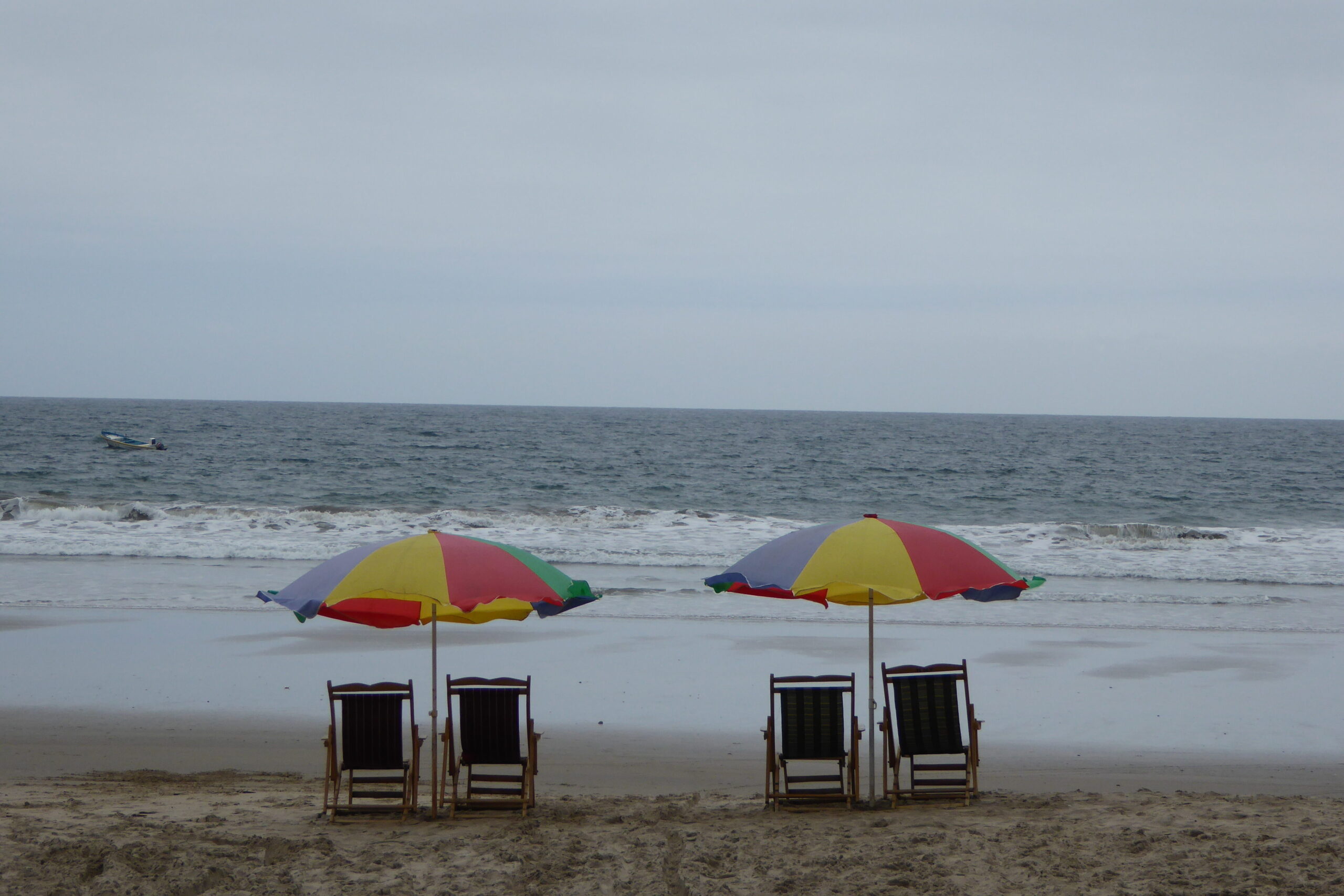
A hippie haven
Olón
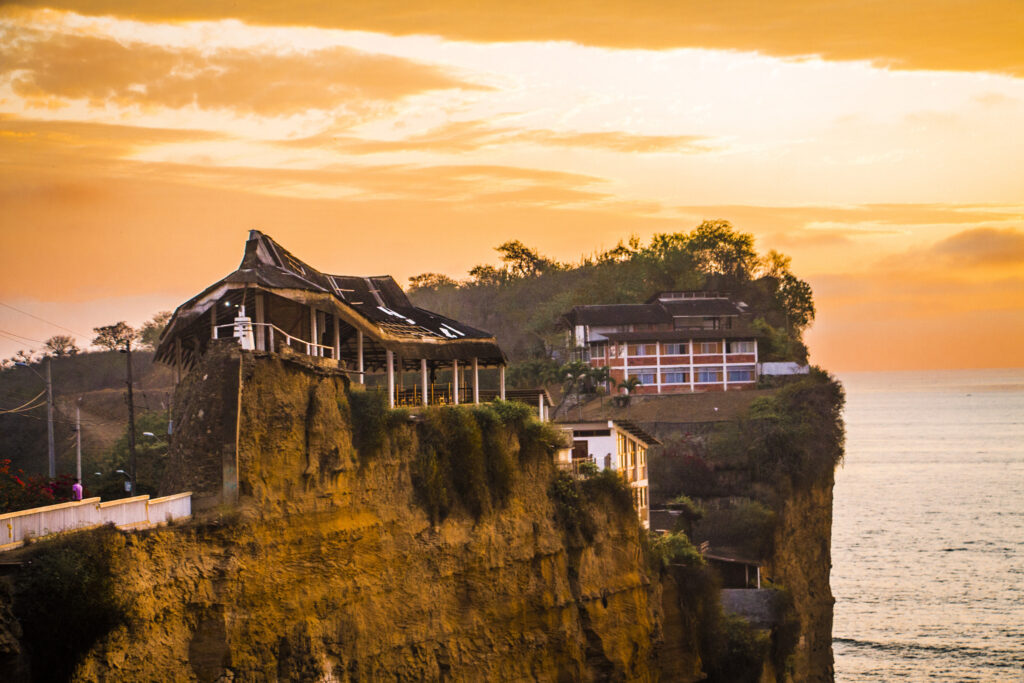
Tranquil and relaxed
Puerto López
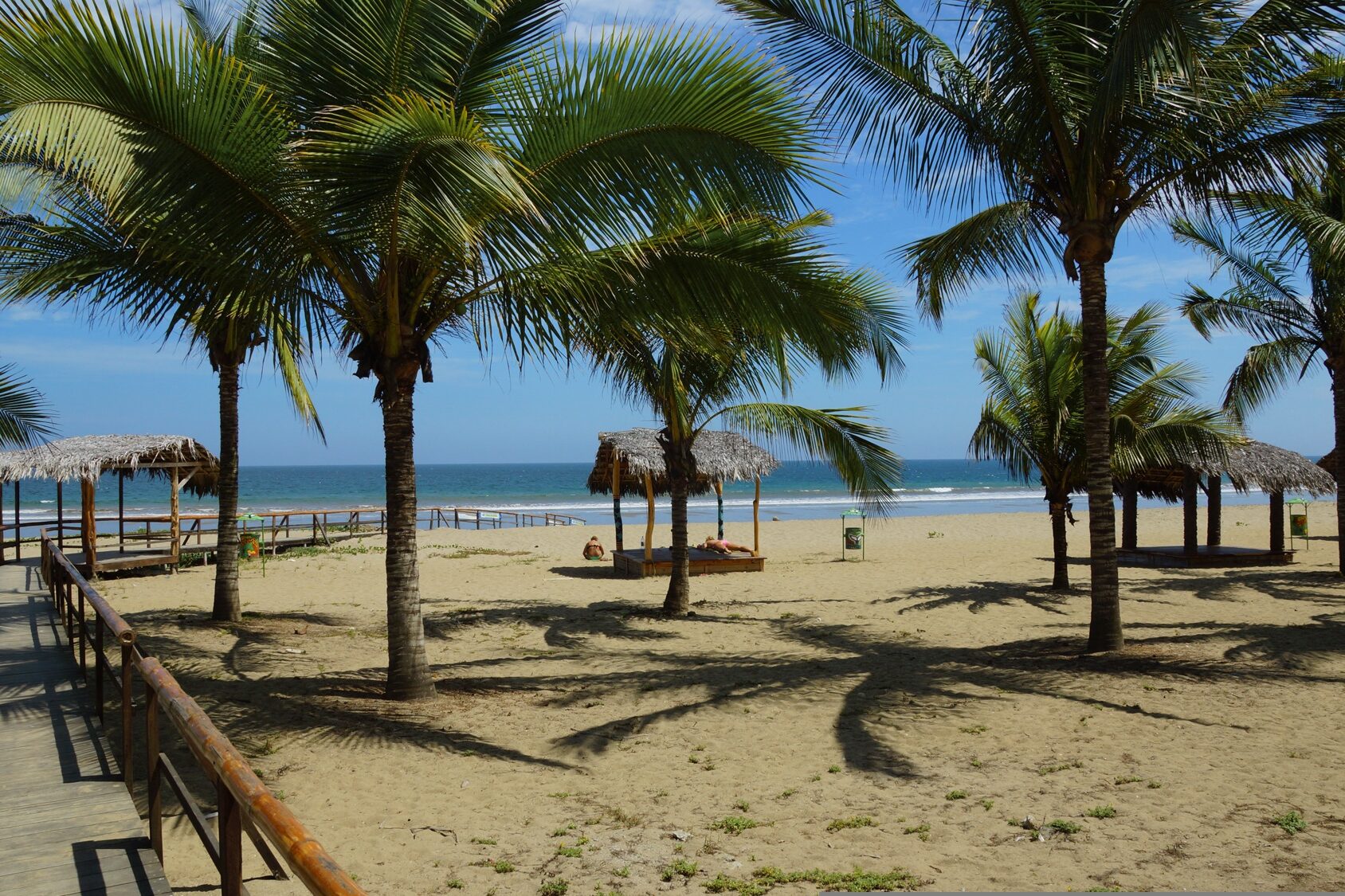
Another ocean paradise
Where to stay in Guayaquil.
Avoid the bland, towering hotel chains that could be located in any financial district in the world. Seek out the renovated mansions in Las Peñas or the boutique spots near Parque Seminario where the iguanas outnumber the guests. You want high ceilings, thick walls, and a balcony that allows you to observe the street-level theatre without becoming part of the cast
Finding sanctuary in the Pearl of the Pacific / Where to stay in Guayaquil
Capture the true soul of Guayas
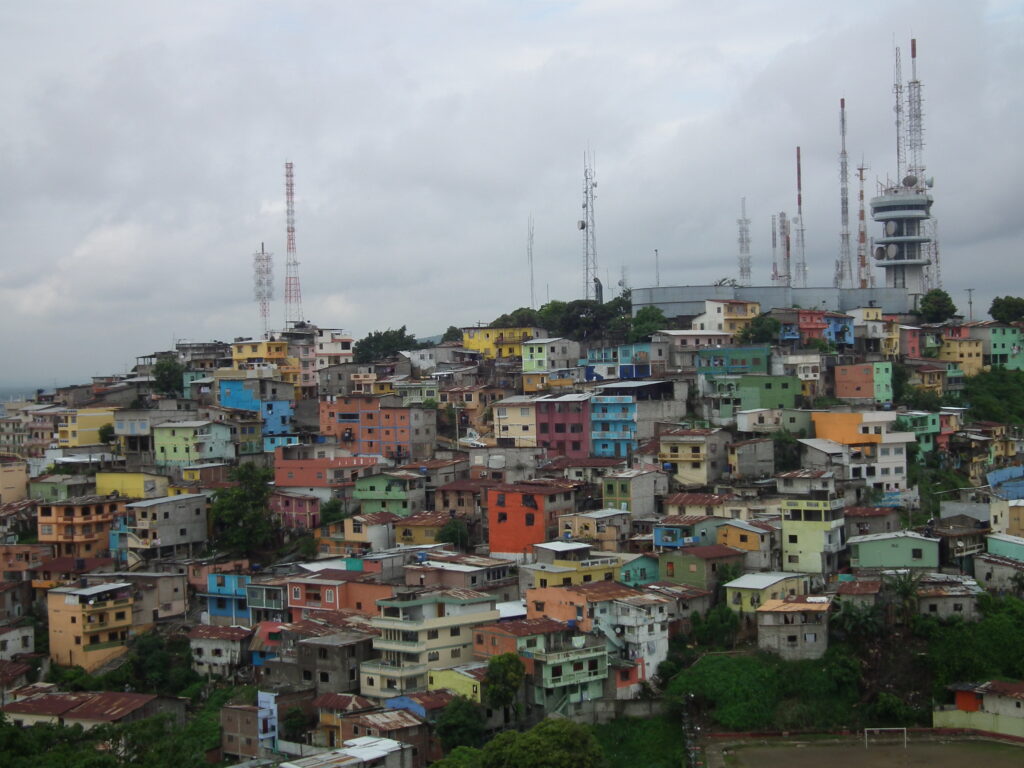
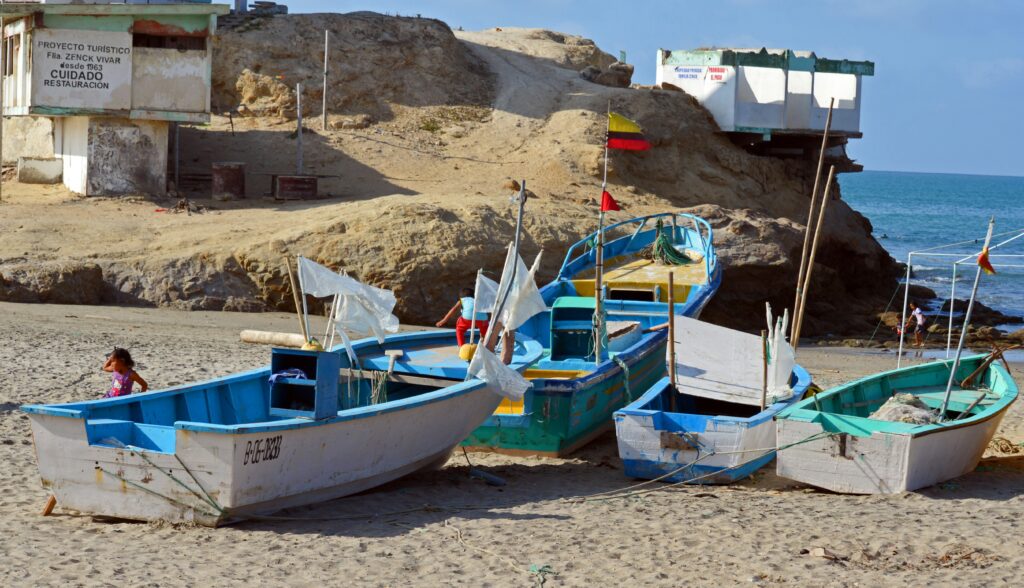
Camp on the coast / The best regional campsites and nature stays near Guayaquil
Swap the port city’s pulse for the rhythm of the tropical dry forest
Essential Ecuadorian coast logistics.
SIM cards
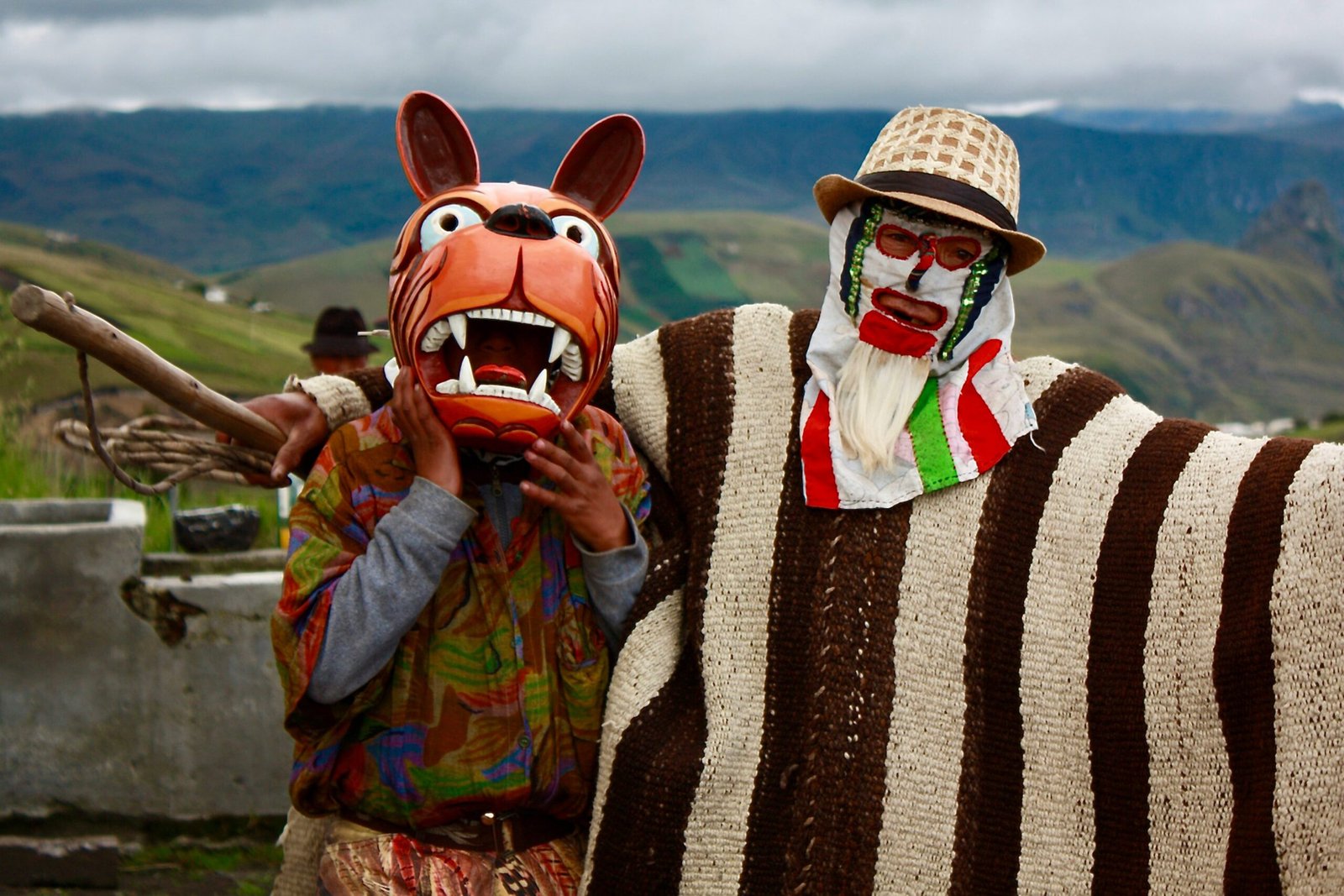
Packing
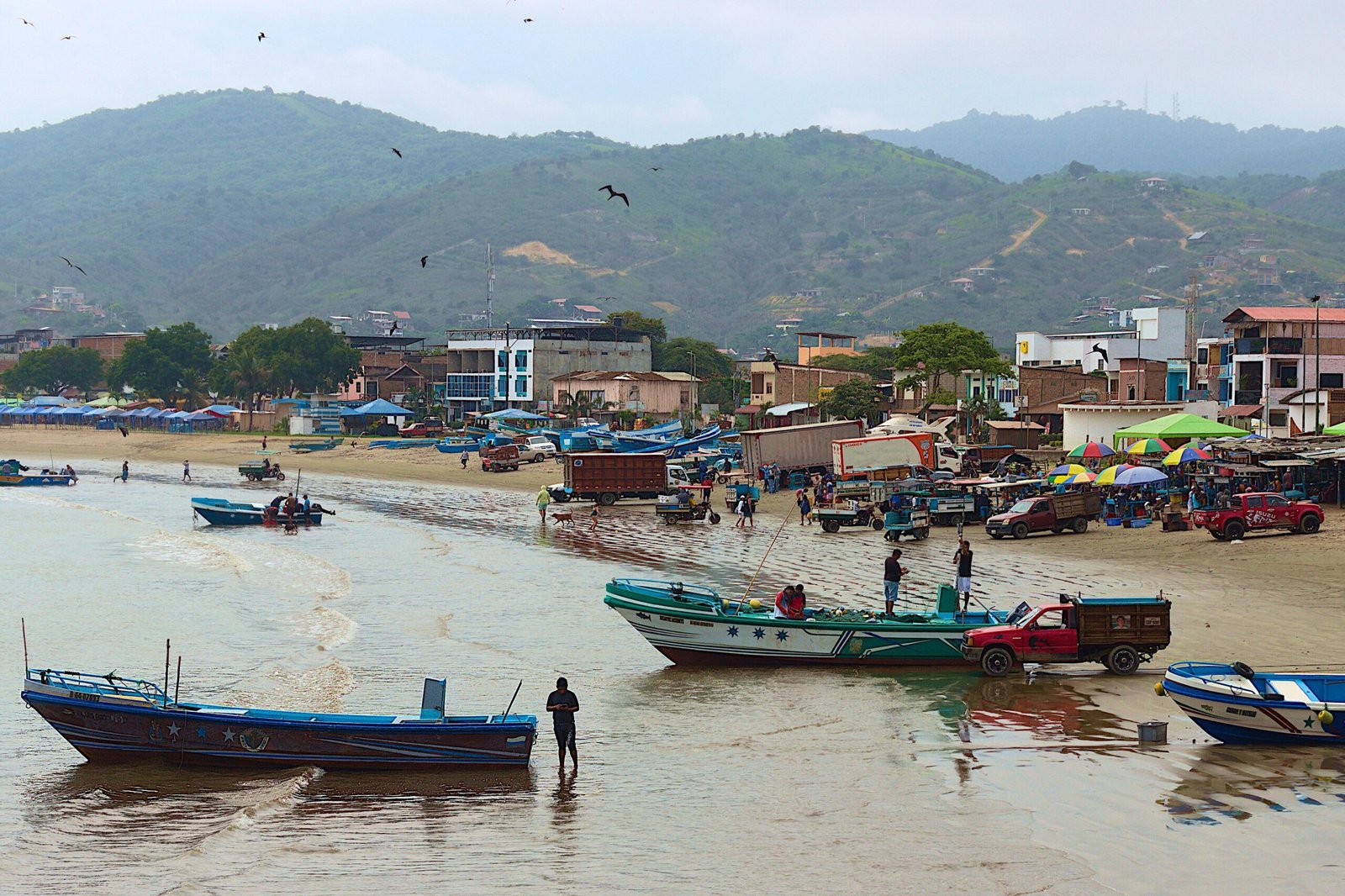
Insurance
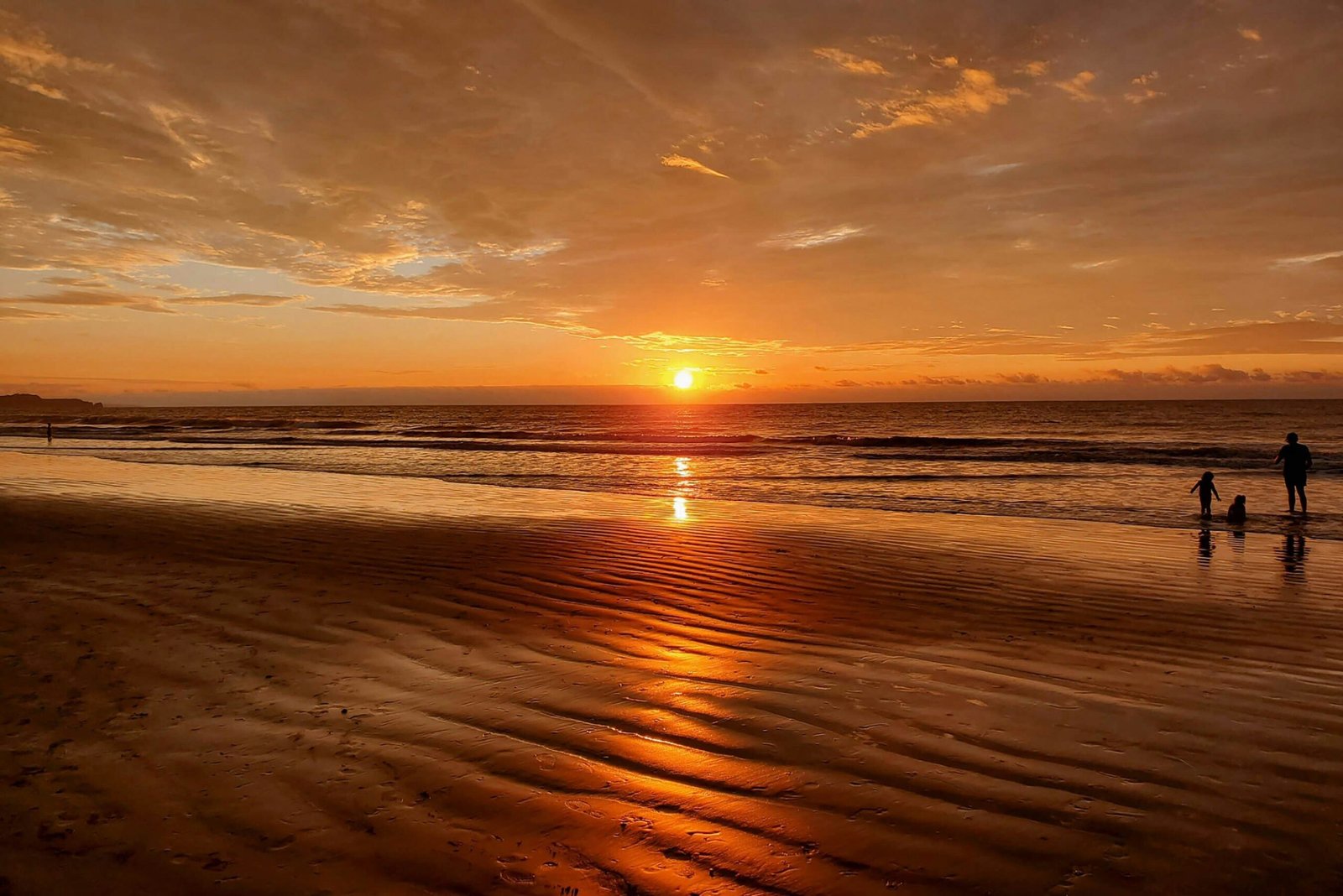
Overlanding
What to eat in Guayaquil.
The city’s culinary rhythm is dictated by the morning humidity, best countered with an early plate of encebollado—a hangover-curing, heavily spiced albacore tuna broth. This is food designed for the working port, built on bold, acidic flavours that cut through the midday heat. Come afternoon, the focus shifts to the city’s obsession with cangrejo criollo, where diners spend hours at wooden tables cracking open mangrove crabs braised in beer and cumin. It is a messy affair that rewards patience and pairs best with a brutally cold local lager
The taste of the port / A guide to authentic food and drink in Guayaquil
Discover the best traditional food, local restaurants, and craft drinks in Guayaquil, Ecuador
Where to eat and drink in Guayaquil.
Guayaquil’s soul is found in a bowl of encebollado, a tuna and onion stew that serves as the city’s unofficial liquid gold. Skip the air-conditioned dining rooms for a corner stall where the broth is served with a side of plantain chips and a genuine local crowd. When the sun dips, look for a low-lit bar serving cold pilsner or a neat rum, away from the neon glare of the tourist strips
The Pearl of the Pacific / A culinary deep dive into Guayaquil
Where the river meets the plate
The best bars in Guayaquil / A curated guide for independent travellers
Uncovering the coastal soul of Ecuador, one glass at a time
Finding the best coffee in Guayaquil / A local guide to the Pearl of the Pacific
Sips and soul in Ecuador’s gritty, vibrant port
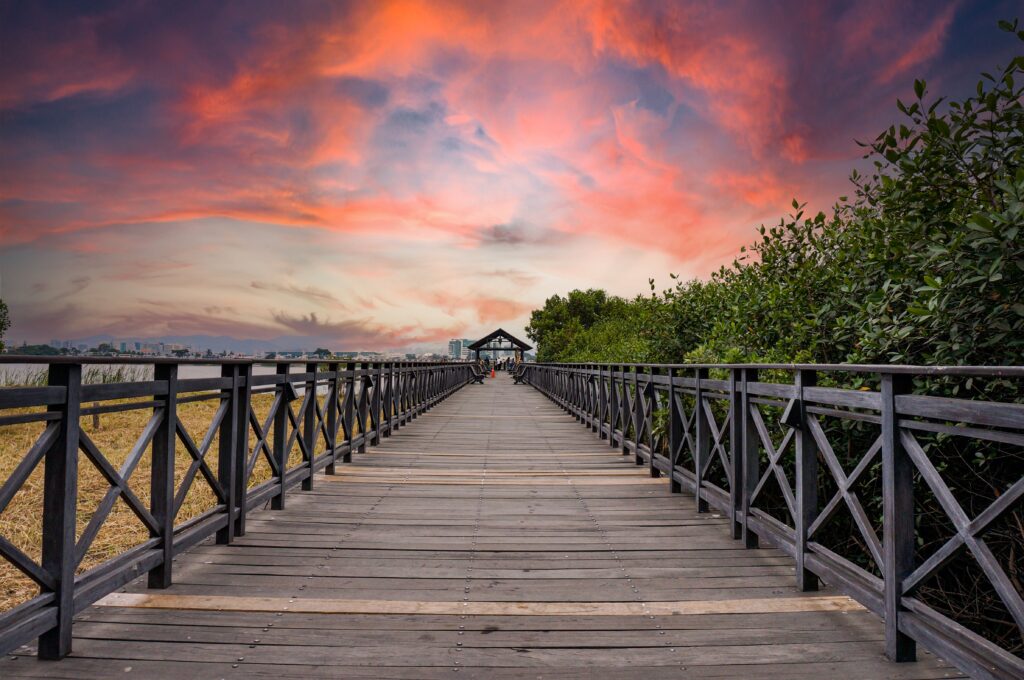
When to visit Guayaquil.
Timing your arrival is a choice between the sweltering wet season and the slightly more merciful dry months of June to December. The latter provides a garúa—a fine mist—that keeps the temperatures manageable for those who prefer walking to wilting. It is the ideal window for navigating the city’s grid without the constant interruption of a tropical downpour
The ultimate guide to the best time to visit Guayaquil
Discover the ideal months for your Ecuadorian adventure with our comprehensive weather and climate breakdown
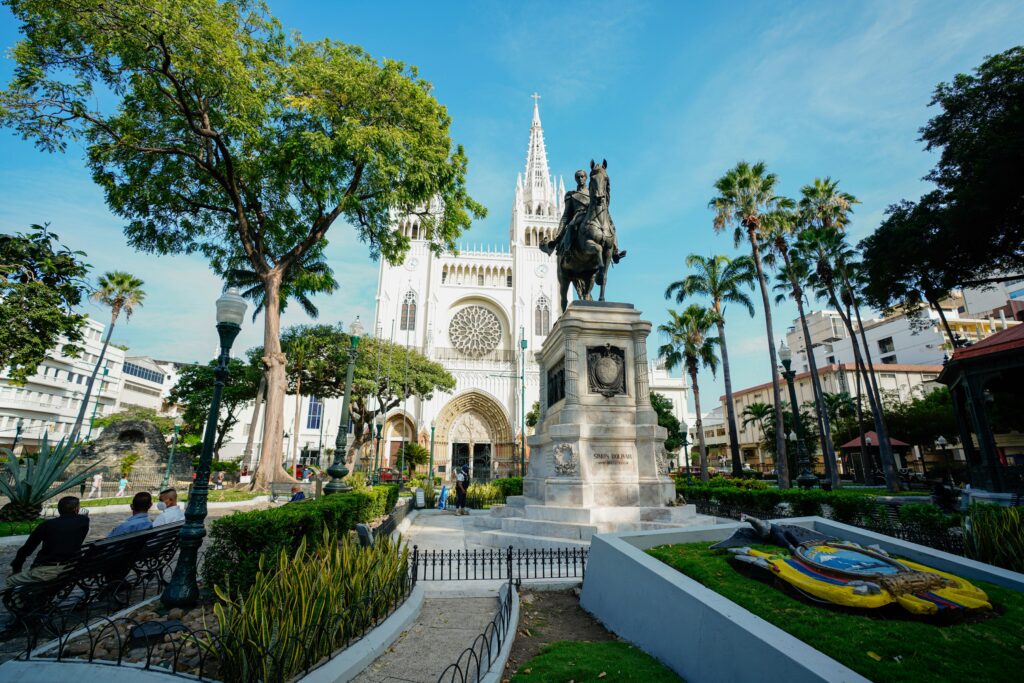
Is Guayaquil safe?
Current conditions dictate a pragmatic approach: visit only for essential transit rather than leisurely exploration. The city’s volatile security situation means that wandering aimlessly is an unnecessary risk, and even the most seasoned traveller should stick to verified transport and secure zones. It is a place to respect from a distance until the local climate finds its equilibrium again
Guayaquil safety guide 2027 / Essential advice for travellers and route planners
Navigate the Pearl of the Pacific with confidence, smart logistics, and local insight
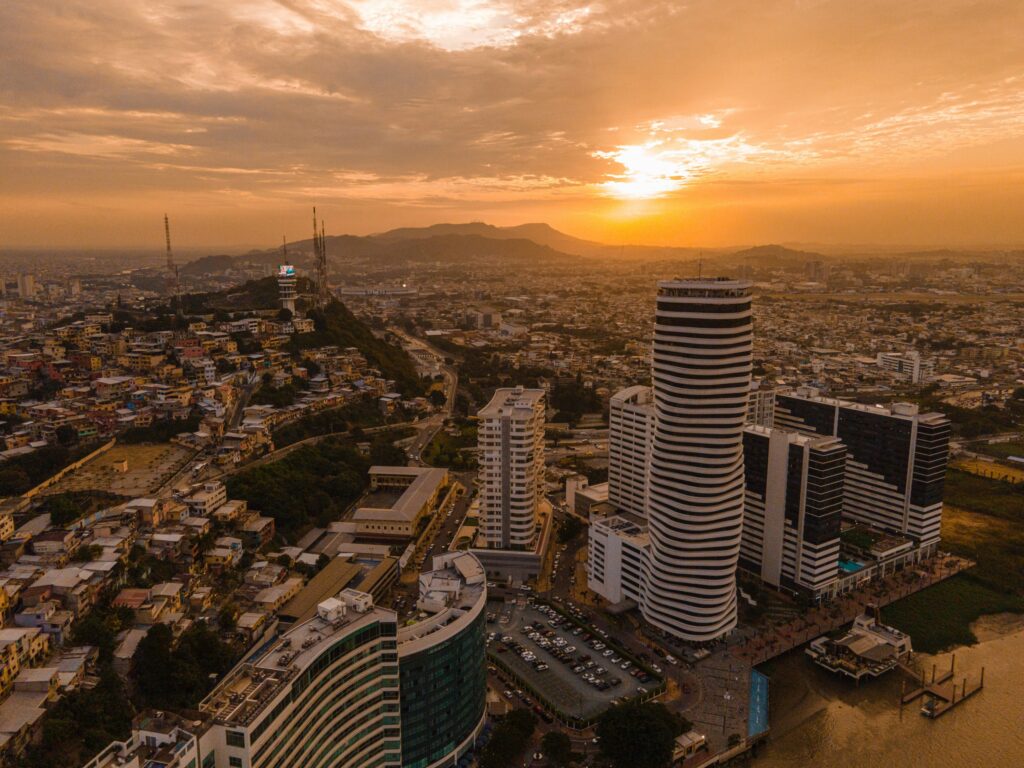
The history of Guayaquil.
Guayaquil has spent centuries rebuilding itself from the ashes of pirate raids and catastrophic fires, a cycle that bred a distinctly unsentimental, resilient urban character. It is a city forged by its status as a relentless tropical port, where wealth was historically measured in cacao beans and timber rather than colonial gold. This constant state of renewal means the architecture is a jarring, fascinating mix of reinforced concrete and surviving nineteenth-century wooden facades in Las Peñas, all warped by the heavy humidity of the Guayas River. It lacks the curated, static museum quality of the Andean capital, choosing instead to wear its scars openly as a chaotic monument to trade and survival
A resilient history of Guayaquil, the Pearl of the Pacific
Discover the fascinating historical landmarks and cultural evolution of Guayaquil, Ecuador
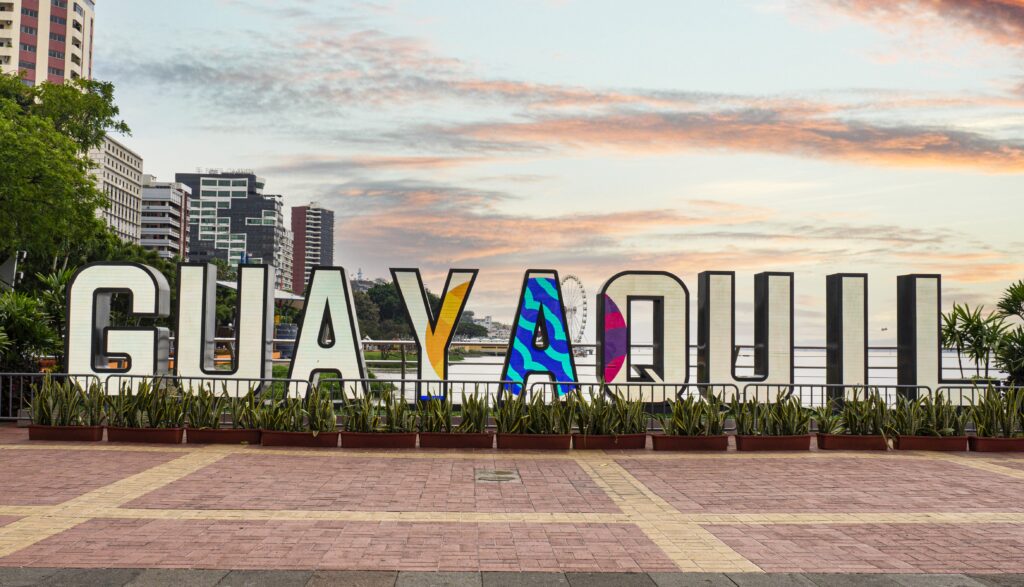
Ecuadorian cycling culture.
While the Andean highlands are a playground of dramatic climbs and thin air, the cycling culture in Guayaquil is hampered by aggressive traffic and a lack of dedicated space. Two wheels are a tool of necessity for many, yet the city’s coastal sprawl remains a daunting prospect for the independent cyclist. For now, the bicycle is better suited to the quieter coastal roads or the rigorous trails of the mountains rather than the Guayaquil congestion
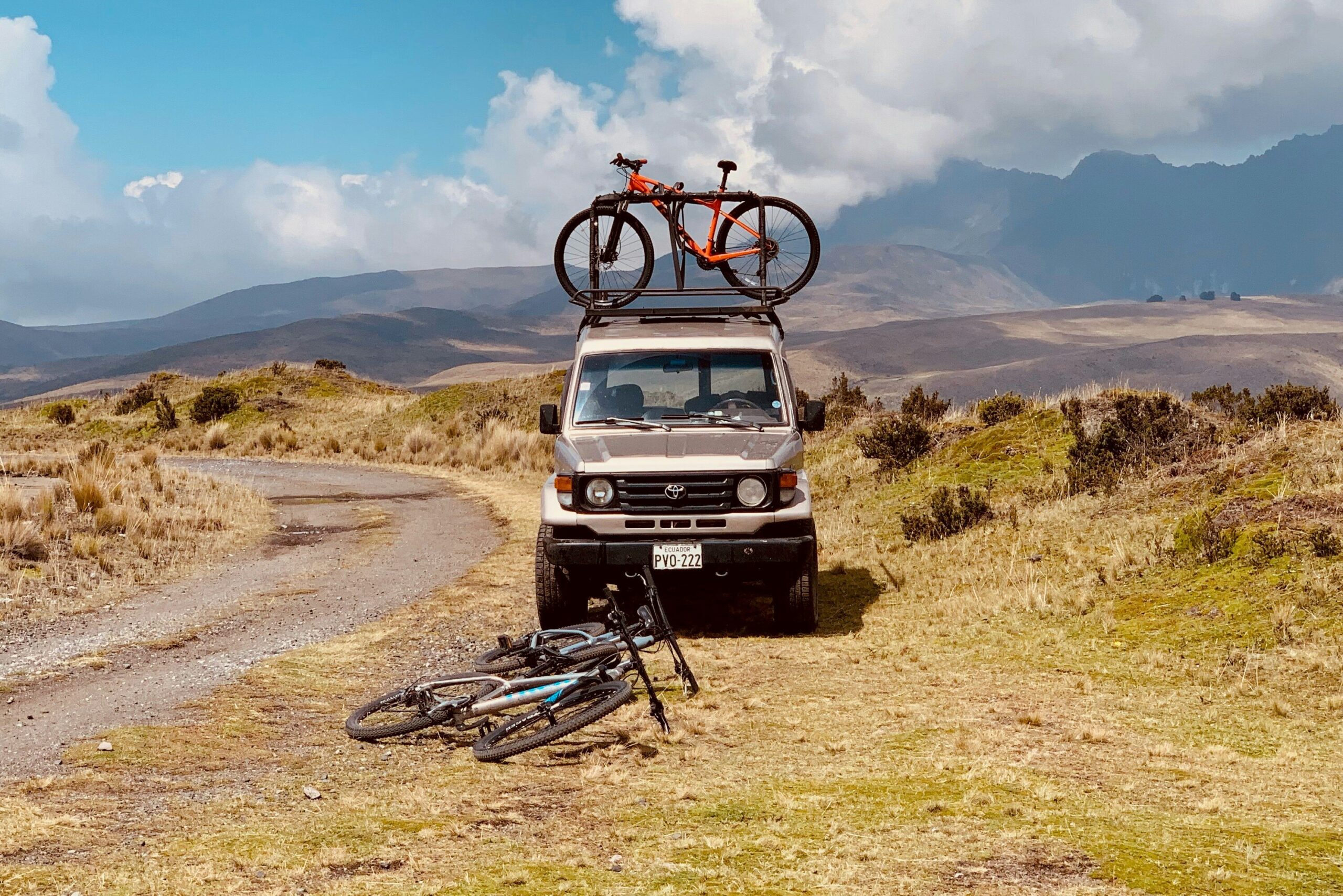
Epic cycling in Ecuador
The ultimate guide to cycling in Ecuador / Routes, culture, and infrastructure
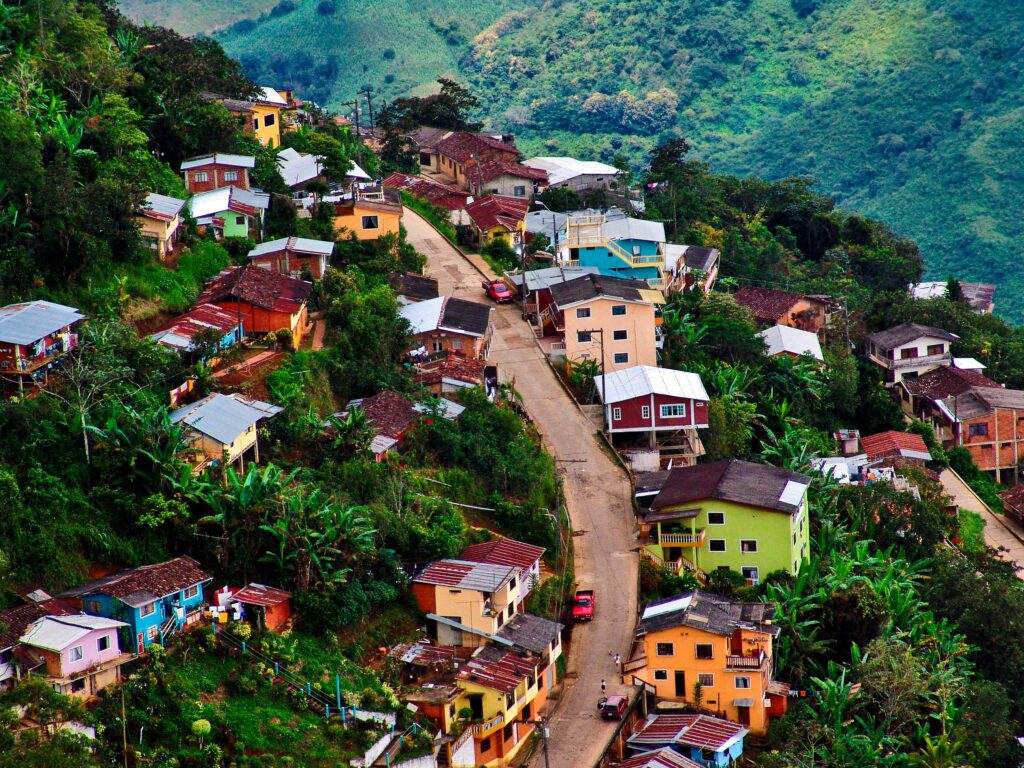
Driving culture and road safety
Driver attitudes, road traffic statistics, and road safety laws for cyclists
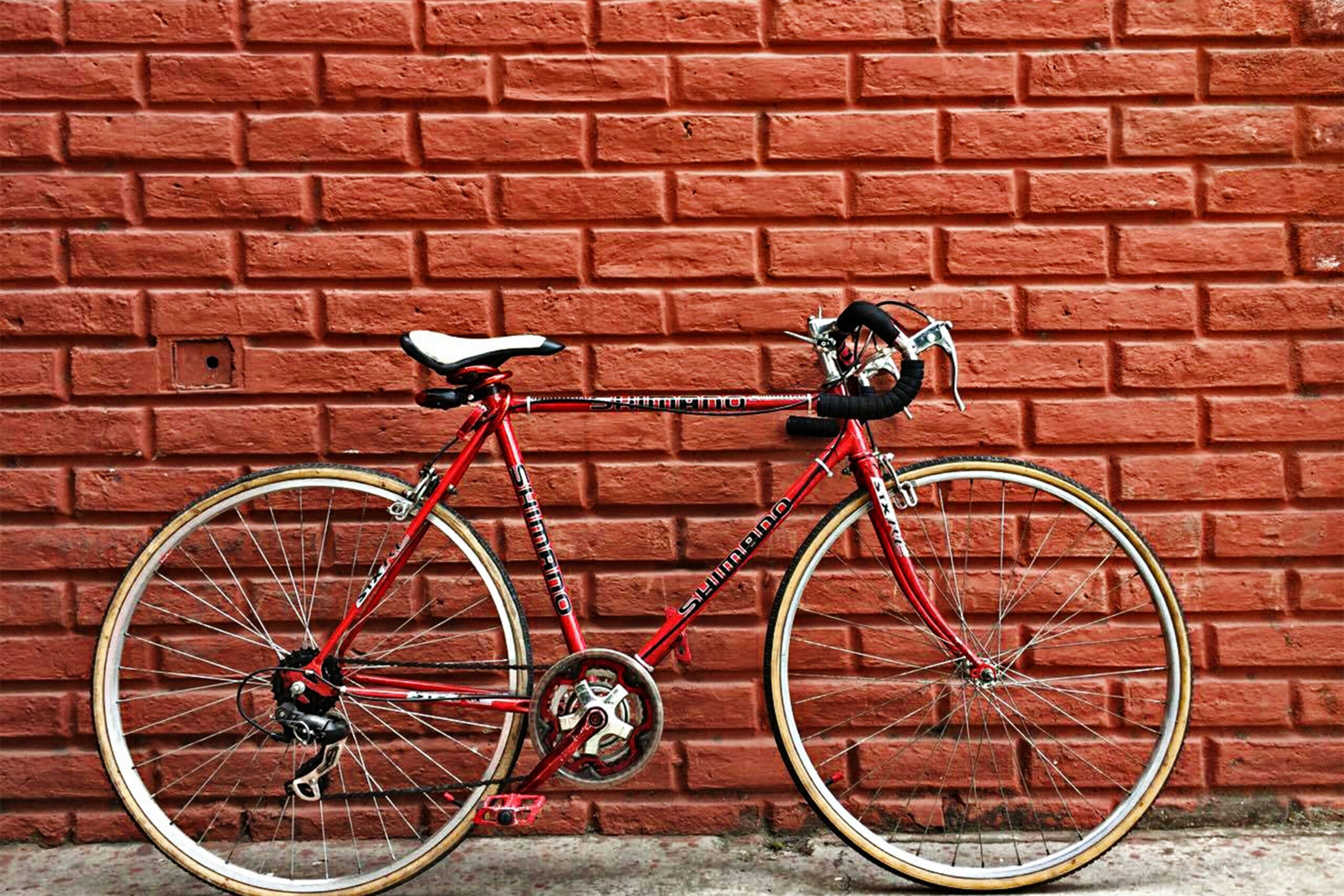
Cycling laws in Ecuador
Everything you need to know about cycling laws and regulations in Ecuador
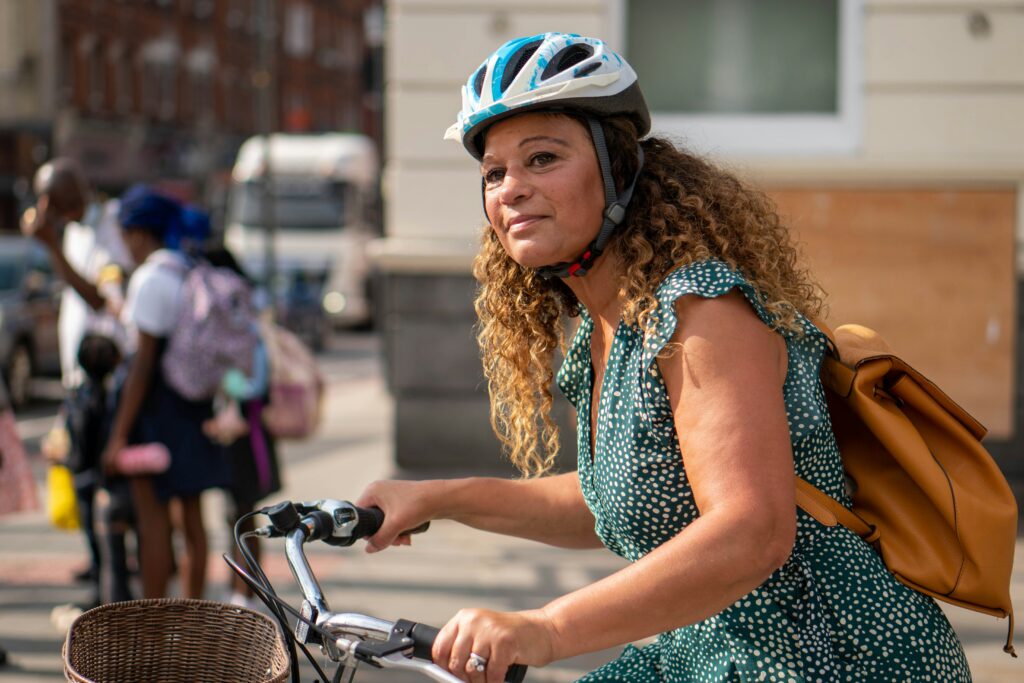
Ecuador’s cycling history
A guide to the cycling history, bicycle culture, and bike routes
Everything we’ve written about Guayaquil.
Guayaquil safety guide 2027: Essential travel & route advice
Best Guayaquil boat tours & river cruises
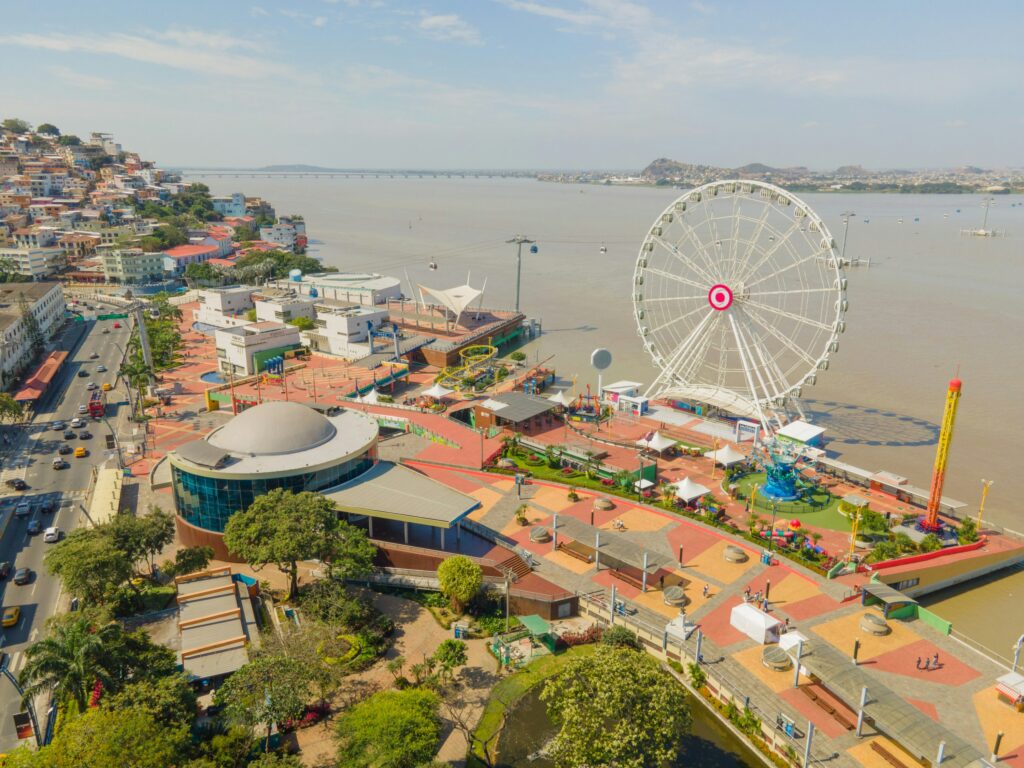
Best Guayaquil attractions: Tickets & tours guide 2026
6 best Guayaquil bus tours & city sightseeing routes
Best Guayaquil food tours: Street eats & cacao estates (2026)
Best Guayaquil day tours: Authentic Ecuador excursions
Guayaquil city tours: 5 best walking excursions
Best Guayaquil bike tours: Top guided cycling & e-bike rides

Guayaquil travel guide: Expert tips for first-time travellers
48 hours in Guayaquil: An independent traveller’s guide
24 hours in Guayaquil: An independent itinerary
Traditional food & drink in Guayaquil: A traveller’s guide
Best coffee in Guayaquil: Top 6 speciality cafés for travellers
The resilient history of Guayaquil: Pirates, fire, and freedom
The best bars in Guayaquil: A curated guide for independent travellers
Where to stay near Guayaquil: Best campsites & nature lodges
Where to stay in Guayaquil, Ecuador | Boutique hotels & quiet hostels
The best places to eat in Guayaquil
The best time to visit Guayaquil, Ecuador
Top 6 attractions in Guayaquil, Ecuador / Travel guide
Ecuador.
Pure wonder on the equator.