Guayaquil safety guide / Everything you need to know before you go
Guayaquil, Ecuador, tourist safety, crime rates, and travel advice
Navigating Ecuador’s bustling port city with confidence and caution
BEN FINCH
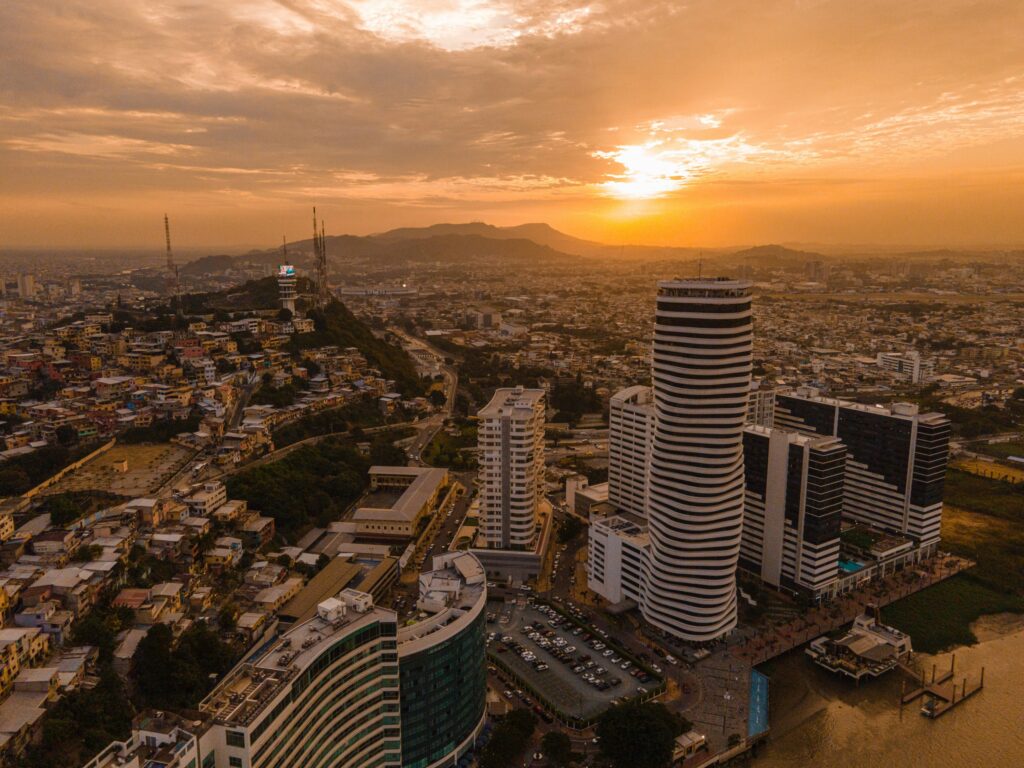
Guayaquil is the beating commercial heart of Ecuador. As the country’s largest city and the primary gateway to the Galápagos Islands, it sees hundreds of thousands of international visitors every year. Situated along the Guayas River, the city boasts a revitalised riverfront, historical architecture, and a vibrant culinary scene. However, travelling to Guayaquil requires a pragmatic approach to personal security.
At Wheely Tyred, we believe that informed travellers are safe travellers. Over the past few years, the security landscape in Ecuador has shifted dramatically. Understanding these changes, knowing which neighbourhoods to avoid, and learning how to protect yourself against opportunistic crime are essential steps before packing your bags. This comprehensive guide will walk you through the reality of Guayaquil’s safety situation, providing you with the exact knowledge you need to transit through or explore the city securely.
Ecuador’s resilient gateway
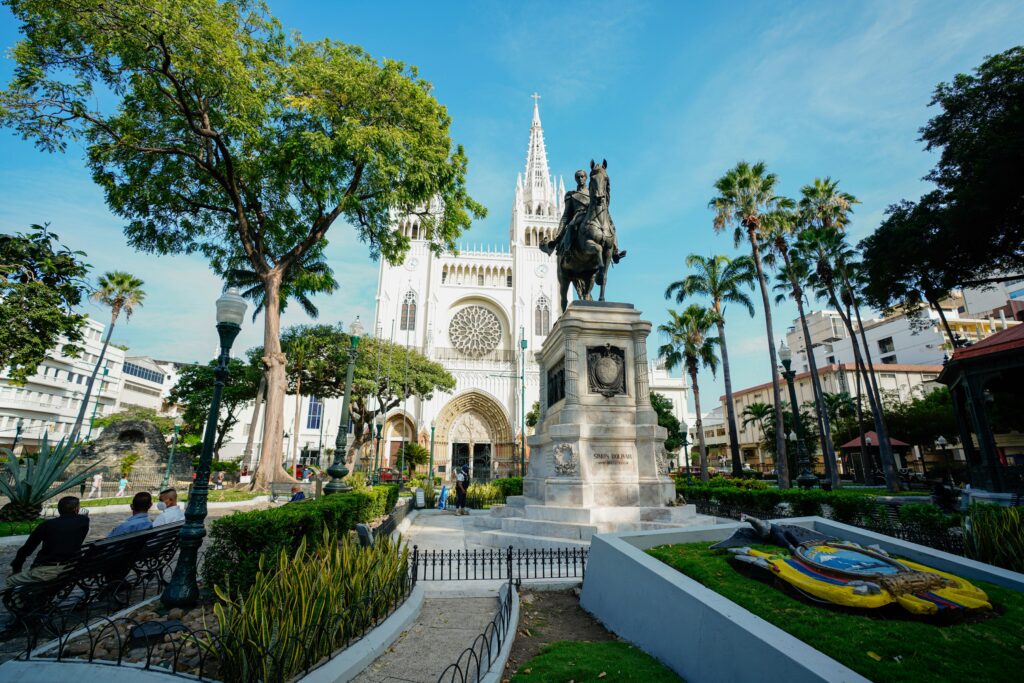
Guayaquil is a city of grit and grandeur, serving as the essential threshold to the Pacific and the Galápagos. While its commercial pulse is undeniable, navigating this port hub requires a seasoned eye and a steady nerve.
- The Security Landscape: A complex backdrop of shifting safety concerns necessitates high situational awareness and a pragmatic approach to urban exploration
- Safe Havens: The revitalised Malecón 2000 and the immediate airport district offer the most secure environments for travellers looking to stretch their legs during a layover
- Transit Protocols: Street-hailed taxis are a significant risk; rely exclusively on vetted ride-sharing applications or hotel-sanctioned transport to ensure a secure journey
- Solo Vigilance: Travelling alone demands a flawless focus on personal belongings, especially when managing gear at bus terminals or navigating crowded commercial centres
- Pedal-Powered Caution: Unlike the Andean peaks, the city’s chaotic streets and security risks make it a location where keeping your bike boxed and secure is the only sensible choice
- The Scopolamine Risk: Vigilance in social settings is paramount; never leave drinks unattended and avoid accepting food, drink, or even small items like gum from strangers
- Strategic Staying: For most, the smartest play is treating the city as a well-guarded pitstop, utilising secure airport hotels before heading to the safer havens of the highlands
Guayaquil.
The Pearl of the Pacific
The current security landscape and crime statistics
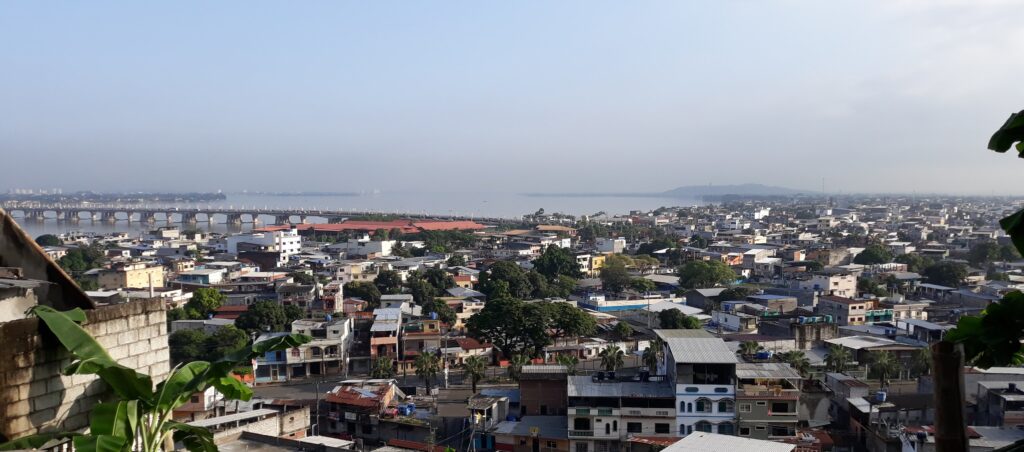
To truly understand safety in Guayaquil, we must look at the facts. In recent years, Ecuador has experienced an internal armed conflict largely driven by transnational organised crime groups and local gangs fighting for control over drug trafficking routes. Because of its massive international port, Guayaquil has unfortunately become the epicentre of much of this activity.
The national homicide rate in Ecuador recently spiked to approximately 50 per 100,000 residents. In Guayaquil specifically, certain conflict zones have recorded staggering homicide rates exceeding 145 per 100,000 residents. While these figures are undeniably alarming, it is vital to contextualise them. The vast majority of this violence is strictly gang-related and does not target tourists.
However, the collateral effects of this instability have led to an increase in crimes that do affect travellers. Express kidnappings, where victims are abducted for a short period and forced to withdraw funds from ATMs, have risen by over 300 per cent nationwide since 2022. Armed robberies and pickpocketing remain prevalent in busy commercial districts and transport hubs.
Because of this, international governments have issued strict travel advisories. Authorities currently advise against all travel to the areas of Guayaquil south of Portete de Tarqui Avenue. For the rest of the city, travellers are urged to exercise a high degree of caution, stick to well-patrolled tourist zones like the Malecón 2000 during daylight hours, and remain vigilant at all times.
The Ecuadorian Coast.
Where you’ll find the very best food
Navigating Guayaquil as a solo traveller
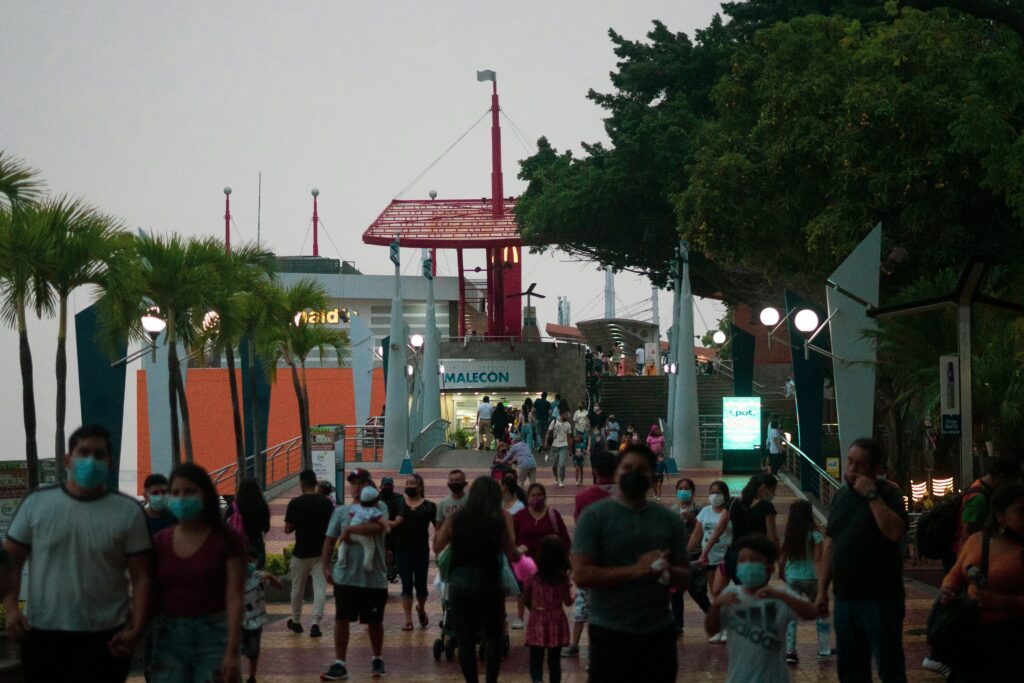
Travelling alone can be an incredibly rewarding experience, offering unparalleled freedom. However, navigating a high-risk urban environment like Guayaquil solo removes the natural defence barrier that a group provides. Solo travellers are inherently more vulnerable to distraction thefts, scams, and opportunistic robberies.
If you are travelling alone, your situational awareness must be flawless. Never walk the streets after dark, even for short distances. Instead of hailing taxis off the street, which puts you at significant risk of express kidnapping, use vetted ride-sharing applications like Uber or Cabify, or have your hotel arrange a registered taxi for you. Keep a low profile by leaving expensive jewellery, flashy watches, and high-end cameras in your hotel safe.
When visiting bus terminals or the airport, keep your luggage physically touching you at all times. Distraction techniques, such as a stranger spilling mustard or water on your clothing and offering to help clean it, are common ways to separate solo travellers from their daypacks.
The Galápagos.
Ecuador’s Enchanted Isles
Safety for women travelling in Guayaquil

Female travellers face unique challenges when visiting Guayaquil. Like many Latin American destinations, Ecuador has a strong culture of machismo. Statistics indicate that approximately 65 per cent of women in Ecuador report having experienced some form of verbal or physical harassment. As a female visitor, you may encounter catcalling or unwanted attention on the streets.
While this attention is often verbal rather than physical, it can be intimidating. The best approach is to ignore the comments, avoid eye contact, and walk with purpose. Dressing conservatively, in alignment with local urban norms, can sometimes help deflect immediate attention, though it is not a foolproof solution.
Drink spiking is a serious concern in Ecuadorian bars and nightclubs. Criminals sometimes use scopolamine, an odourless and tasteless substance that causes compliance and amnesia, to incapacitate victims for robbery or sexual assault. Never leave your drink unattended, do not accept food, chewing gum, or drinks from strangers, and avoid going out alone at night. If you wish to experience the nightlife, do so in a trusted group and remain in well-lit, secure venues recommended by your accommodation.
Advice for minority travellers
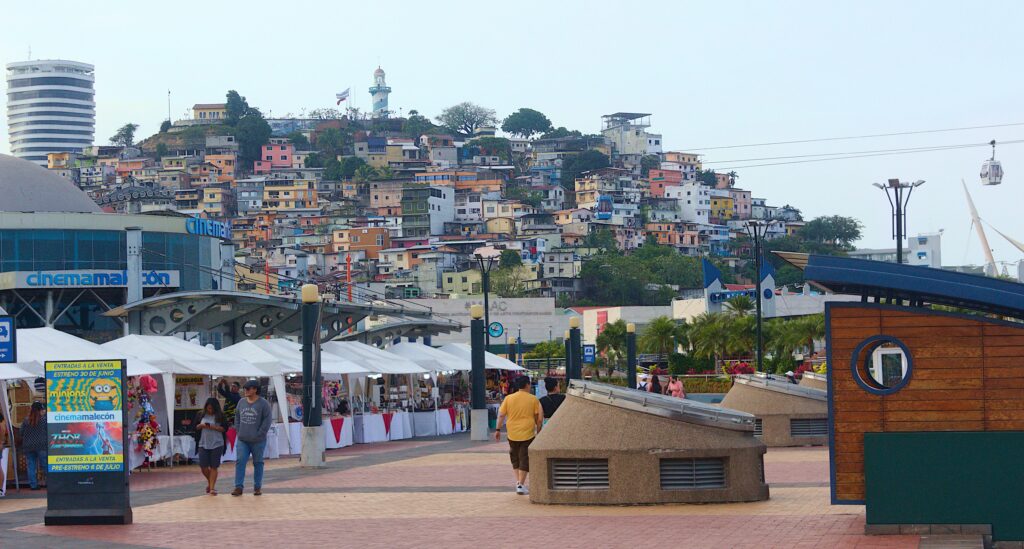
Ecuador is a highly diverse nation with a rich cultural tapestry. Afro-Ecuadorians make up around 7 per cent of the national population, with significant communities concentrated along the coastal provinces, including Guayas. Therefore, Black travellers will find local demographic representation in Guayaquil.
Despite this diversity, foreign minorities may still stand out due to differences in dress, language, and mannerisms. In Guayaquil, anyone perceived as a foreign tourist is generally assumed to possess significant wealth compared to the local average. This perception does not usually result in racially motivated hostility, but rather increased visibility to opportunistic thieves.
Travellers of Asian descent have occasionally reported being stereotyped or facing heightened curiosity, particularly in rural areas, though this is less pronounced in a metropolitan hub like Guayaquil. The overarching advice for all minority travellers remains focused on standard anti-theft precautions: blend in as much as possible with your behaviour, avoid displaying wealth, and adhere strictly to safe transport protocols.
The Ecuadorian Sierra.
Get lost in the hills
Cycling and active travel in Guayaquil

At Wheely Tyred, our passion is helping you explore the world on two wheels. But we also pride ourselves on brutal honesty. Guayaquil is not a cycling-friendly city. Between the chaotic urban traffic, a lack of dedicated cycling infrastructure in most neighbourhoods but the rich ones, and the high risk of road-based robbery, we strongly advise against urban cycling in Guayaquil.
If you are bringing your bicycle to Ecuador, we recommend keeping it securely boxed and locked while transiting through the city. Save your energy and your tyres for the spectacular, safer routes nestled high up in the Ecuadorian Andes, or the designated eco-trails in the Galápagos Islands. If you must cycle for transit, arrange secure private transport to move you and your gear to the outskirts of the province.
Should you transit or stay in Guayaquil?
Read this far?
For the vast majority of travellers in 2026, Guayaquil serves purely as a transit hub. The international airport is highly secure, and there are several excellent, heavily guarded hotels situated mere minutes from the terminal.
If your primary goal is to reach the Galápagos Islands or connect to coastal bus routes, the safest and most efficient strategy is to book an airport hotel, utilise the hotel’s shuttle service, and spend your layover relaxing by the pool. If you do choose to venture into the city to see the iguanas in Parque Seminario or walk the Malecón 2000, do so during daylight hours, travel light, and keep your wits about you.
Guayaquil is a city of immense historical importance and undeniable energy, but the current security climate demands respect. By following these guidelines, respecting local advisories, and remaining vigilant, you can ensure your journey through Ecuador’s largest port remains safe and entirely memorable.
Affiliate Disclaimer: Some of the links on Wheely Tyred are affiliate links. If you click through and make a booking or purchase, we may earn a small commission at no extra cost to you. We only recommend gear, tours, stays, and services we genuinely use, trust, and stand behind — our editorial independence always comes first. These commissions help keep our independent cycling guides and travel stories free to read. You can also buy me a coffee here — thanks for supporting the ride!
The Ecuadorian Amazon.
The most biodiverse place in the world
Frequently asked questions about safety in Guayaquil
No. Walking between districts is discouraged due to the risk of opportunistic crime. It is best to stick to specific, well-patrolled tourist zones like the Malecón during daylight hours and use secure, point-to-point transport for all other movements.
To maintain your safety, avoid hailing yellow taxis on the street. Instead, use registered ride-sharing apps such as Uber or Cabify, or ask your hotel to arrange a driver from a trusted company. This ensures your trip is tracked and the driver is vetted.
If you have a few hours of daylight, a quick trip to see the land iguanas in Parque Seminario or a walk along the riverfront is manageable. However, you must factor in the time for secure transport and ensure you return to the airport well before sunset.
Travellers are strictly advised to avoid the areas of Guayaquil situated south of Portete de Tarqui Avenue. These districts are outside the primary security corridors and present a significantly higher risk of violent crime.
For women travellers, catcalling can be a common occurrence. The most effective local strategy is to maintain a confident pace, avoid eye contact, and ignore the comments entirely. Walking with purpose helps to signal that you are not an easy target for further interaction.
Fortunately, no. The security situation in the Galápagos is vastly different and significantly safer than the mainland port cities. Guayaquil is primarily a transit point; once you reach the islands, the security pressure eases considerably.
Ecuador.
Pure wonder on the equator.