How highways destroyed America / The true cost of car-centric urban planning
The history and impact of the interstate highway system on American urban development and active transport
Paved paradises, fractured communities, and the long road back to liveable streets
BEN FINCH
When we look back at the mid-twentieth century, the prevailing narrative is one of boundless progress and the ultimate realisation of personal freedom. The symbol of this era was the private motor car, a shining steel box that promised the ability to travel anywhere at any time. To facilitate this supposed utopia, governments embarked on one of the most destructive public works projects in human history: the construction of urban highway systems. While this phenomenon occurred globally, nowhere was it pursued with more devastating zeal than in the United States.
The promise was simple. High-speed roads would connect a sprawling nation, boost economic productivity, and allow citizens to escape the dense, bustling city centres for the quiet comfort of the suburbs. However, the reality of this asphalt expansion was a tragedy of urban planning. It was an ideological choice that prioritised the movement of heavy machinery over the lives, health, and prosperity of the human beings who actually lived in these cities.
Today, we are still paying the social, environmental, and economic costs of surrendering our public spaces to the automobile. But a growing movement of active transport advocates, YIMBYs, and forward-thinking urbanists is proving that the damage is not irreversible.
The cautionary tale / America’s concrete legacy
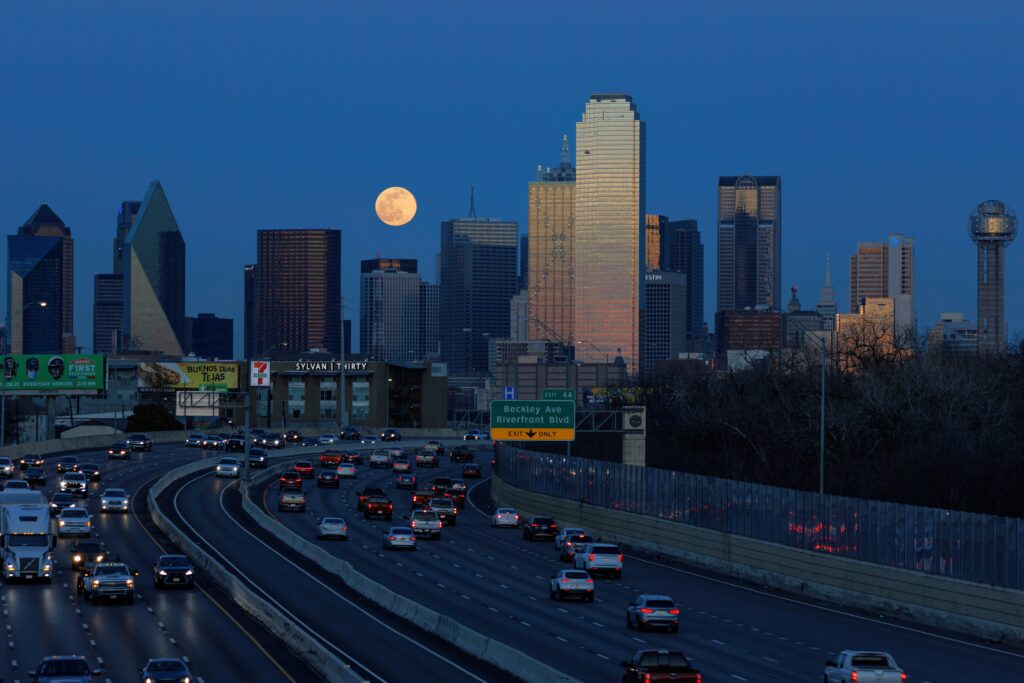
As advocates for vibrant, human-scale streets, we often look to the mid-century American highway boom as a tragic misstep in urban planning. It promised boundless freedom but delivered fractured communities and forced car dependency, reminding us exactly why we must fiercely protect our active transport networks.
- The false promise of progress: The ideological pursuit of the private motor car led to the systemic destruction of thriving urban spaces under the guise of modernisation and economic growth
- Weaponised urban planning: The routing of the interstate highway system actively targeted and bulldozed working-class and minority neighbourhoods, acting as a wealth transfer mechanism that subsidised suburban sprawl
- The death of proximity: Sprawling, car-centric landscapes replaced the walkable, mixed-use fabric of the 15-minute city, forcing reliance on heavy, depreciating vehicles just to access basic daily needs
- Environmental asphyxiation: The devastating public health toll of highway infrastructure includes toxic air pollution, elevated disease rates in adjacent communities, and the creation of severe urban heat islands
- The YIMBY intersection: Reclaiming our cities requires a unified push for dense, infill housing and the reallocation of street space away from cars and towards pedestrians, cyclists, and public transit
- The e-bike equaliser: Electric bicycles are a genuine game-changer for modern mobility; they flatten hills, shorten commutes, and democratise active travel for all ages and fitness levels
- A roadmap for recovery: Global highway removal projects have proven that tearing down expressways and replacing them with parks and cycling corridors leads to economic revitalisation and a profound increase in civic pride
Bike opinions.
Would you believe I have thoughts?
The bulldozer of progress and the fracturing of the working class
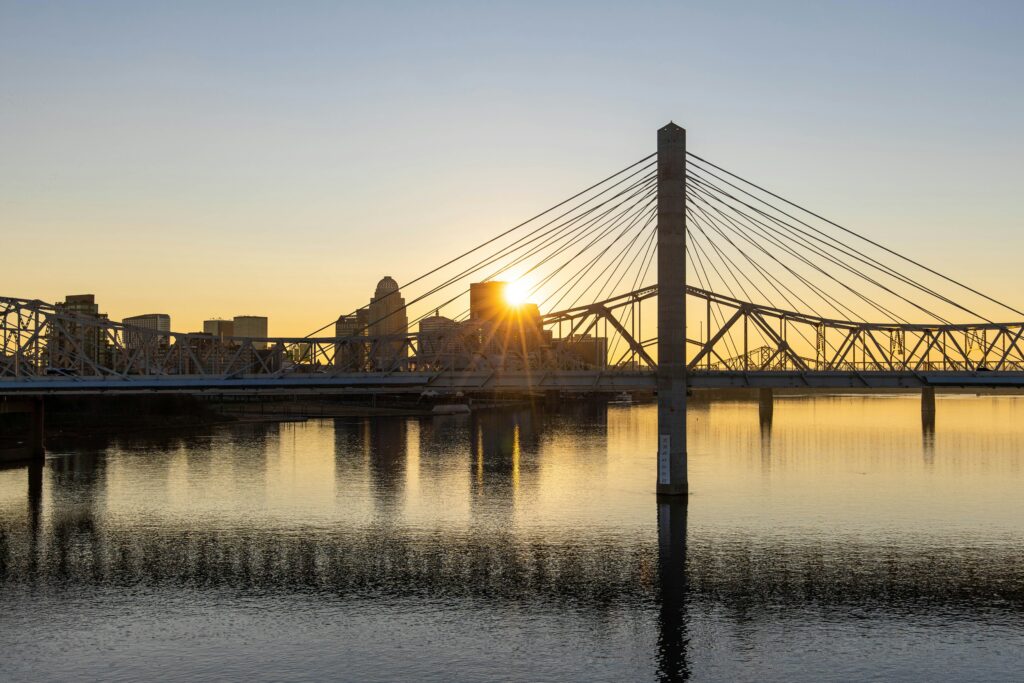
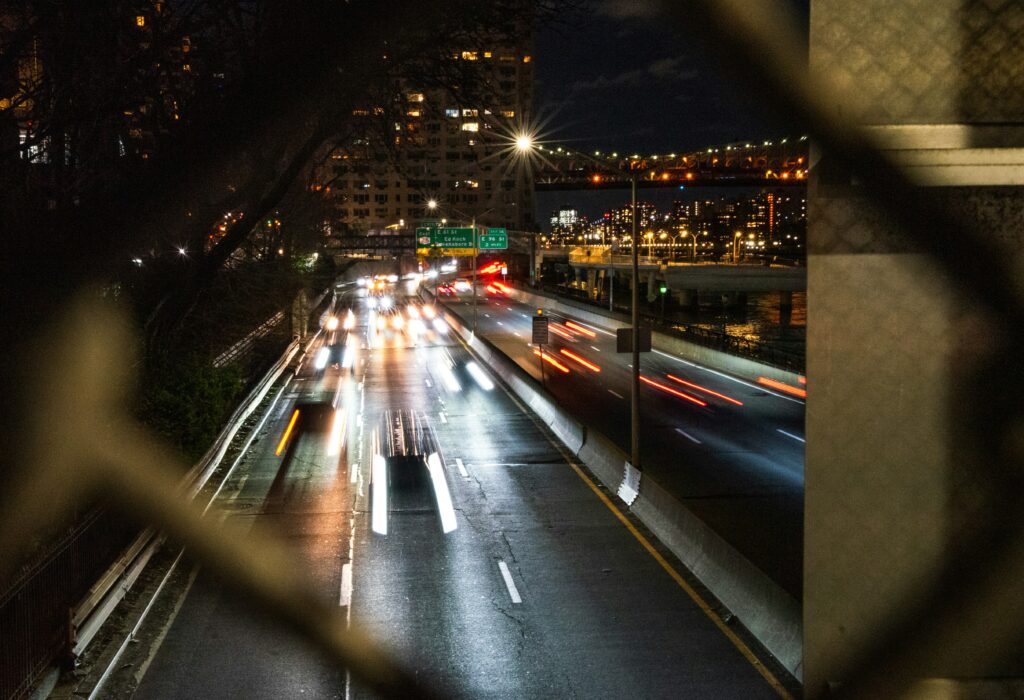
To understand how highways destroyed the American city, one must look at exactly where these massive ribbons of concrete were built. The routing of the interstate highway system, particularly after the Federal-Aid Highway Act of 1956, was rarely an accident of geography. Planners actively chose to drive these multi-lane behemoths straight through the heart of thriving, working-class, and predominantly minority neighbourhoods. Under the guise of urban renewal, vibrant communities that were rich in social capital and local commerce were designated as blighted and subsequently bulldozed.
This was not merely an infrastructural shift; it was a profound act of class warfare and wealth destruction. Communities that relied on proximity, walkability, and mutual support were forcibly dispersed. Homes, independent shops, and local infrastructure were replaced by elevated expressways that brought nothing to the local area but noise, pollution, and a physical barrier severing neighbourhoods from the broader economic life of the city.
The highway acted as a wealth transfer mechanism, subsidising the suburban commutes of the middle and upper classes while literally paving over the homes and livelihoods of the working class. It institutionalised car dependency, forcing everyone to participate in a heavily privatised transport system just to access basic needs.
The death of distance and the rise of forced dependency
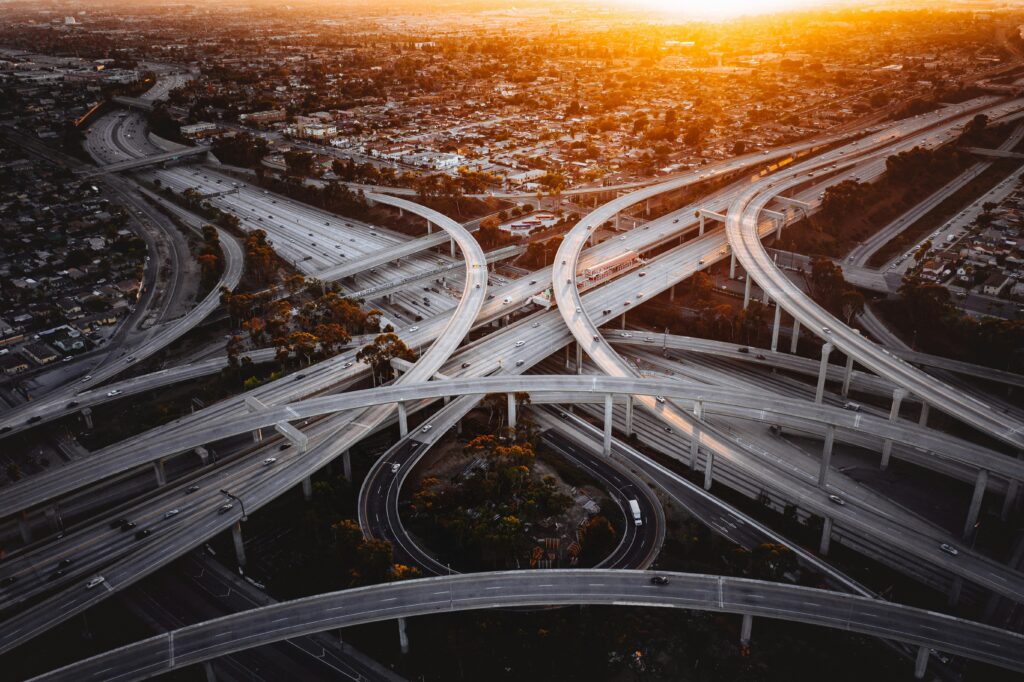
The introduction of urban highways fundamentally altered the geometry of the city. Before the dominance of the car, cities were built on a human scale. Neighbourhoods were mixed-use, meaning homes, workplaces, schools, and shops were all intertwined. This allowed for active transport to flourish naturally. Walking and cycling were not just recreational activities; they were the most efficient and logical ways to navigate daily life.
Highways destroyed this delicate urban ecosystem by artificially reducing the friction of distance, which in turn incentivised suburban sprawl. As cities hollowed out to make room for parking lots and feeder roads, the distances between daily necessities grew too vast for a casual stroll or a quick bike ride. We traded the vibrant, 15-minute city for a sprawling landscape that mandates the ownership of a two-tonne depreciating asset simply to participate in society. This forced dependency is entirely incompatible with a socialist or even moderately equitable vision of society. Transport should be a public good, an accessible right for all, not a financial burden that limits mobility for those who cannot afford to drive.
Bike opinions.
Would you believe I have thoughts?
Asphalt suffocation and the path to a sustainable future
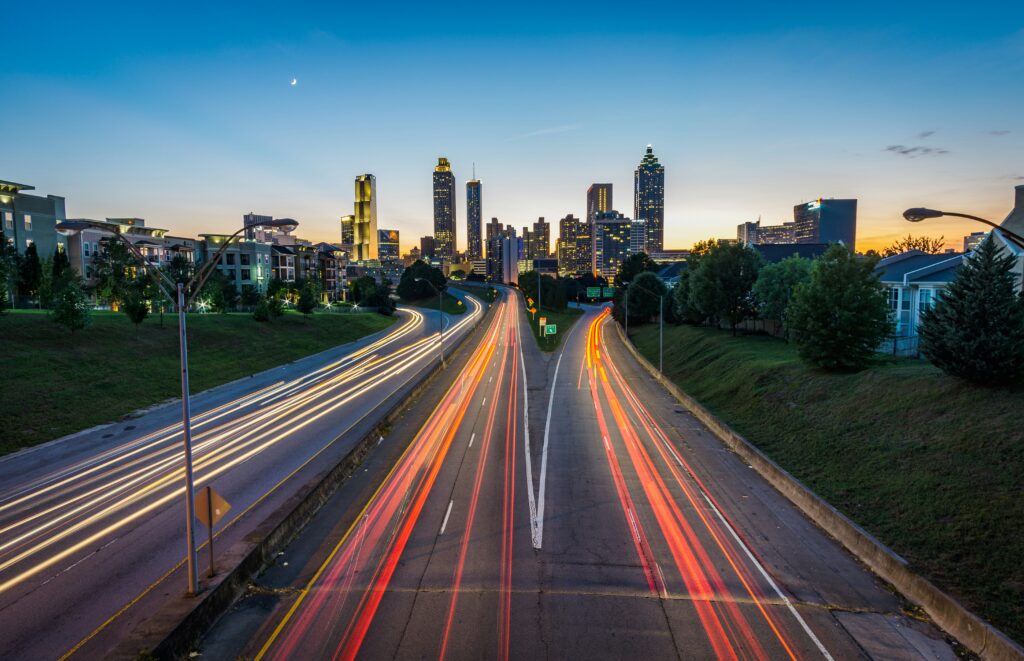
The environmental and public health toll of this car-centric ideology is staggering. Highways inject millions of tonnes of particulate matter, nitrogen dioxide, and greenhouse gases directly into our living environments. The resulting air pollution disproportionately affects those living closest to these corridors, leading to elevated rates of asthma, cardiovascular disease, and premature death. Furthermore, the sheer amount of space required to accommodate cars—from the sprawling highways themselves to the endless seas of surface parking—creates urban heat islands, disrupts natural water drainage, and destroys natural habitats.
Yet, there is a distinct danger in falling into climate doom. The environmental crisis we face is severe, but it is a crisis of our own making, which means it is entirely within our power to unmake it. The internal combustion engine and the highways that serve it are not laws of physics; they are policy choices. By recognising the failure of the car-centric city, we can begin the joyous work of rebuilding our urban environments. We have the technology, the resources, and increasingly, the political will to save the world from ourselves.
Reclaiming the streets through active transport
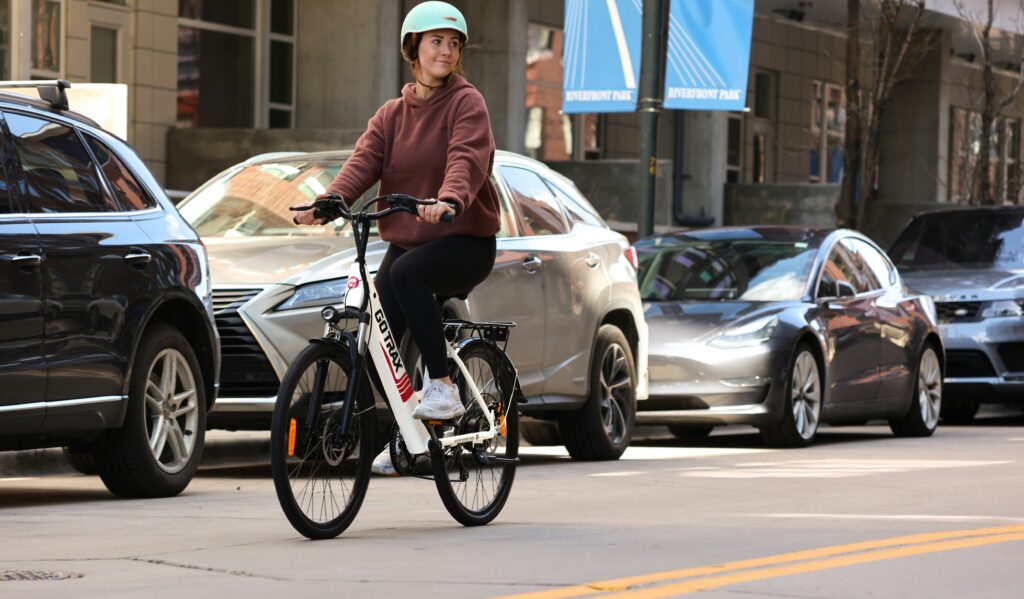
The solution to the destruction wrought by highways is not more roads, wider lanes, or even electric cars. A traffic jam of electric vehicles is still a traffic jam, and it still requires the same destructive infrastructure. The true solution lies in radically reclaiming our public space for people. This is where the YIMBY philosophy intersects beautifully with the active transport revolution. We must say yes to dense, infill housing, yes to mixed-use developments, and yes to reallocating street space away from cars and towards public transport, pedestrians, and cyclists.
Bicycles have always been a remarkably efficient tool for urban mobility, but the modern e-bike is a genuine game-changer. E-bikes flatten hills, shorten commutes, and make active transport accessible to a vastly wider demographic, regardless of age or physical fitness. They represent the true freedom of the city. When we pair the adoption of e-bikes with robust, separated cycling infrastructure, we begin to undo the damage of the highway era. We return the streets to the community.
Around the world, we are already seeing the incredible success of highway removal projects. Cities that have torn down their elevated expressways and replaced them with parks, housing, and active transport corridors have experienced economic revitalisation, drastically reduced pollution, and a profound increase in civic pride. The space currently wasted on storing and moving private vehicles is the greatest untapped resource our cities possess.
Bike opinions.
Would you believe I have thoughts?
Moving forward and away from highways
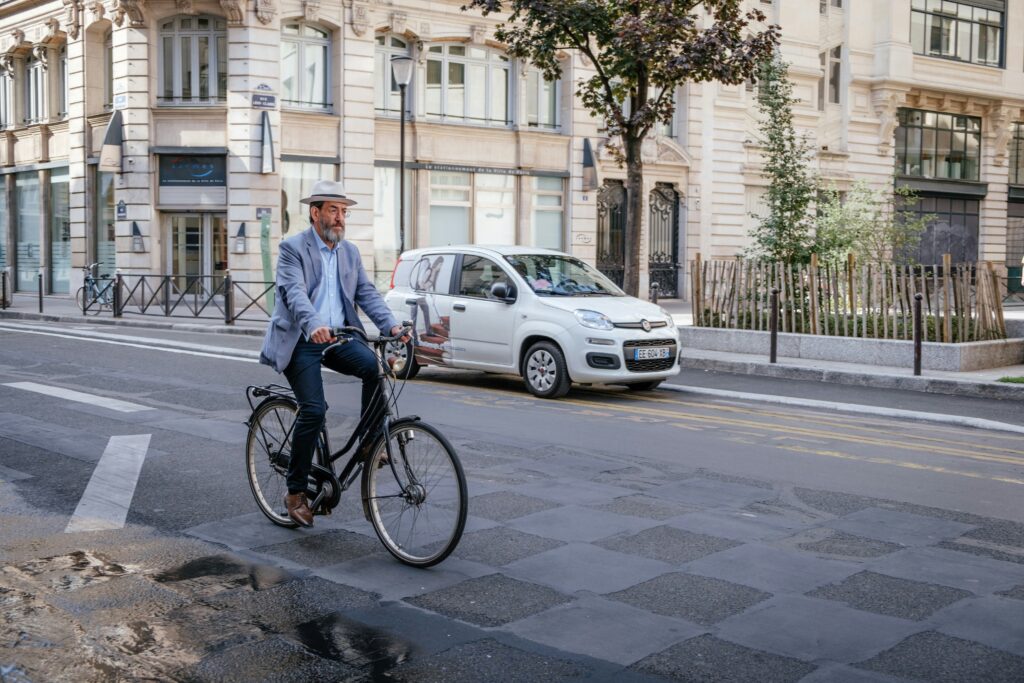
Understanding the history of how our cities were compromised is the first step in demanding better. We do not have to accept the noise, the danger, and the isolation of the car-dominated landscape. Every time you choose to travel by bike, you are casting a vote for a different kind of world. You are rejecting the forced isolation of the automobile and embracing a form of travel that connects you directly to your surroundings and your community.
The shift away from highways and towards liveable streets will be pedalled by individuals who see the city not as a space to drive through, but as a place to live in. The revolution will not be motorised; it will be active, it will be communal, and it will be fought one pedal stroke at a time. Let us reclaim our cities and build the future we deserve.
Frequently asked questions about how highways destroyed America
Initially pitched as a means to connect a sprawling nation and boost productivity, the 1956 Federal-Aid Highway Act was frequently wielded as a tool for urban renewal. In practice, planners used this funding to bulldoze vibrant, community-rich neighbourhoods that were predominantly working-class, prioritising the commutes of suburban drivers over the lives of local residents.
Before the dominance of the car, cities were built on a human scale with homes, shops, and workplaces intertwined, making active transport the most logical way to travel. Highways artificially reduced the friction of distance, incentivising suburban sprawl and spreading daily necessities so far apart that walking or cycling became impractical.
Beyond the obvious greenhouse gas emissions, highways funnel vast amounts of particulate matter and nitrogen dioxide directly into local living environments. The endless expanses of asphalt required for roads and surface parking also disrupt natural water drainage, destroy habitats, and create urban heat islands.
E-bikes represent the true freedom of the city. By providing electric assistance, they remove the traditional barriers to cycling—flattening out hills and preventing sweaty commutes. This makes active travel highly efficient and accessible to a vastly wider demographic, drastically reducing the need for private cars.
Absolutely, and the results are overwhelmingly positive. Numerous cities around the world have successfully demolished their elevated expressways. These polluted corridors are typically replaced with green spaces, housing, and dedicated active transport infrastructure, leading to a massive reduction in pollution and the revitalisation of local economies.
Voting with your pedals is a powerful start. By choosing active transport—whether that means hiring a bike, walking, or navigating the local tram network—you are actively rejecting car dependency. Every journey made outside of a car helps foster the demand for human-scale, community-focused streets.
Bike opinions.
Your source for my thoughts on bikes, road safety and active transport