A coastal culinary journey / What to eat and drink in Olón, Ecuador
Discover the essential foods to try in Olón, Ecuador, and explore the top independent restaurants defining the authentic culinary heritage of the Santa Elena coast

Savour the unhurried rhythms of the Pacific edge
BEN FINCH
The coastal strip of the Santa Elena province presents a striking transition where the arid savannahs of the southern peninsula give way to the humid, verdant forests of the Chongón-Colonche mountain range. Nestled within this ecological crossroads is Olón, a destination that has quietly maintained its low-key, community-focused character while neighbouring towns have embraced high-energy tourism. For the independent traveller arriving by public bus or self-paced transport, Olón offers an invitation to slow down.
To truly understand this stretch of the Ecuadorian coast, one must look to its kitchens. The food here is not a passive backdrop to a beach holiday; it is a direct reflection of a complex ecosystem and centuries of agricultural heritage. Free from the standardised menus of major international hotel chains, the local culinary scene thrives on independence, relying on small-boat catches brought ashore at dawn and structural crops harvested from the fertile coastal interior.
The slow rhythm of the Santa Elena coast
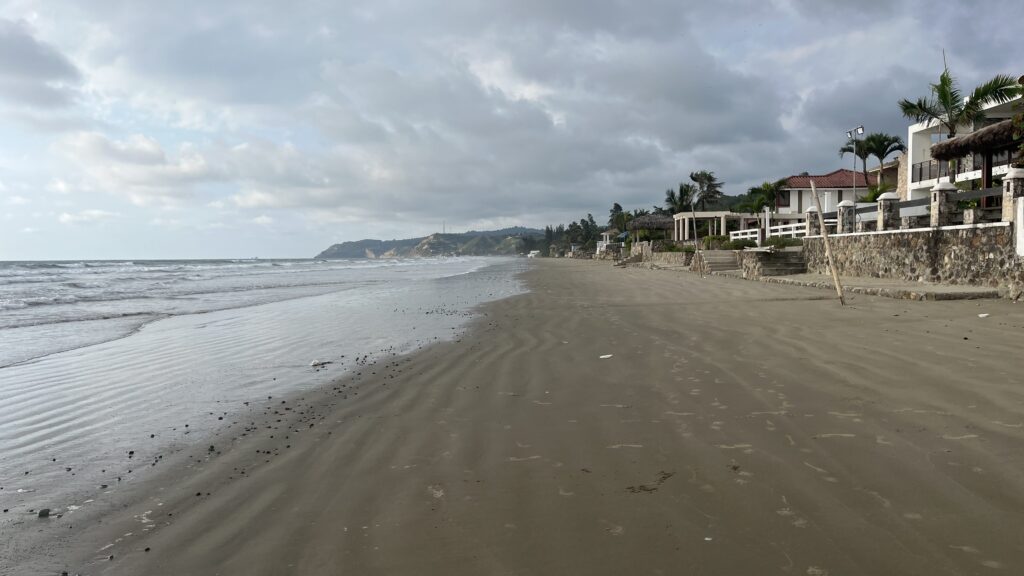
Olón reveals its true identity not on crowded beaches, but through the deliberate, time-honoured traditions of its independent kitchens. For the self-paced traveller, understanding this coastal enclave means exploring a landscape shaped by green plantains, rich peanut pastes, and the morning’s freshest Pacific catch.
- The Plantain Canvas: Discover verde (green plantain), the foundational starch of coastal cooking that transforms seamlessly from paper-thin, crispy chips into dense, comforting bases for slow-cooked stews
- The Depth of Maní: Learn how locally cultivated peanut paste introduces a velvety texture and an earthy, savoury depth to traditional coastal doughs and sauces
- Clay-Pot Mastery: Experience the cazuela de mariscos at Spondylus Restaurant, where seafood stews are baked in heavy local earthenware until a deeply caramelised crust forms at the edges
- A Refreshing Antidote: Savour ceviche costeño, a bright, cold, citrus-driven soup accompanied by twice-fried patacones, presenting a completely different tradition to Peruvian variants
- Portable Street Fuel: Pause for a corviche during journeys on foot, an unpretentious street snack offering a rugged outer shell and a perfectly seasoned fish filling
- The Morning Ritual: Begin the day with a bolón de verde, a substantial mashed plantain sphere packed with local cheese or crispy pork belly, paired with black coastal coffee
- Independent Sanctuaries: Bypass mass commercialism by dining at vetted venues like La Churreria, Marea Pizzeria, and the ingredient-driven Katrina Bistro Bar
The Ecuadorian Coast.
Where you’ll find the very best food
The structural elements of coastal Ecuadorian cuisine
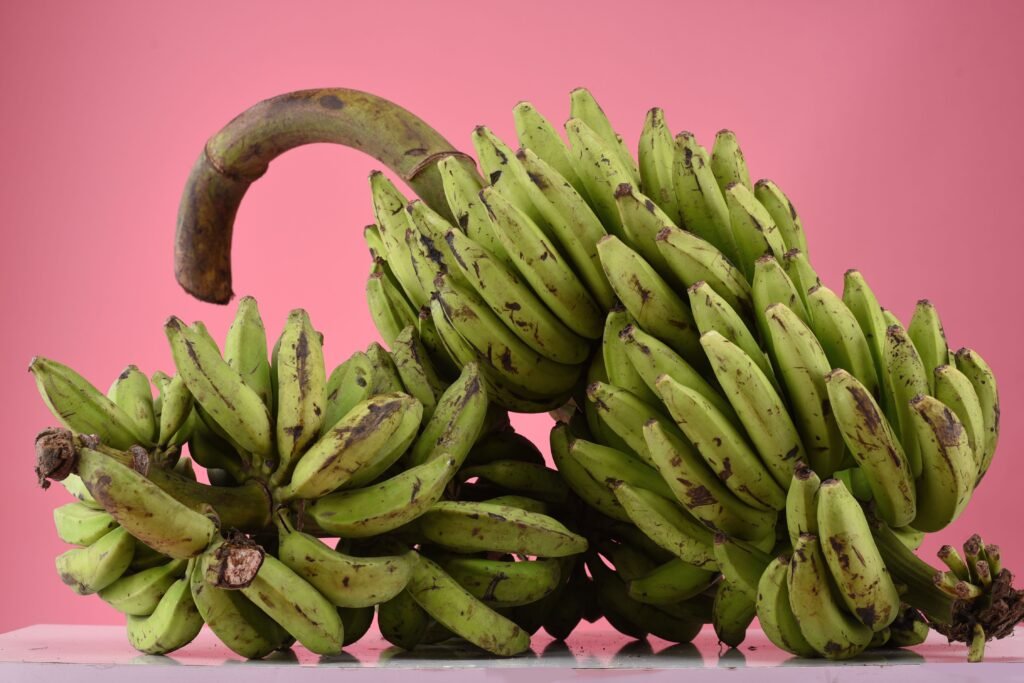
To appreciate the food in Olón, it is necessary to look past the surface of contemporary restaurant menus and examine the foundational ingredients that define the region. Coastal Ecuadorian gastronomy is distinct from the high-altitude cooking of the Andes. While the mountains rely on potatoes, corn, and robust tubers to combat the chill, the coast turns to a brilliant symbiosis of green plantains, peanuts, and the bounty of the Pacific Ocean.
The versatility of the plantain
The green plantain, known locally as verde, is arguably the most critical structural component of coastal cooking. This is not a fruit eaten raw or sweet; it is a starchy, versatile canvas. Depending on how it is grated, mashed, boiled, or twice-fried, verde changes texture entirely—transforming from a light, crispy accompaniment into a dense, comforting base capable of thickening complex stews. It represents the historical resilience of coastal agriculture, providing a reliable sustenance that pairs naturally with everything the ocean provides.
The role of maní
Peanut paste, or maní, introduces a profound depth to coastal dishes. Introduced to the coastal plains centuries ago, the cultivation of peanuts created a culinary signature that separates Ecuadorian coastal food from that of its South American neighbours. When ground down into a rich, velvety paste and simmered with a traditional aromatic base, maní lends a luxurious texture and an earthy, savoury undertone to stews, doughs, and sauces.
The art of the refrito
No significant coastal dish begins without refrito. This slow-cooked aromatic foundation consists of finely diced red onions, green bell peppers, garlic, cumin, and achiote oil, which provides both a mild earthy warmth and a vibrant golden hue. The refrito is sweated gently over low heat, coaxing out the natural sugars of the vegetables before any main ingredients are introduced. It is the invisible engine driving the flavour profile of the region.
The Galápagos.
Ecuador’s Enchanted Isles
Foods to try in Olón
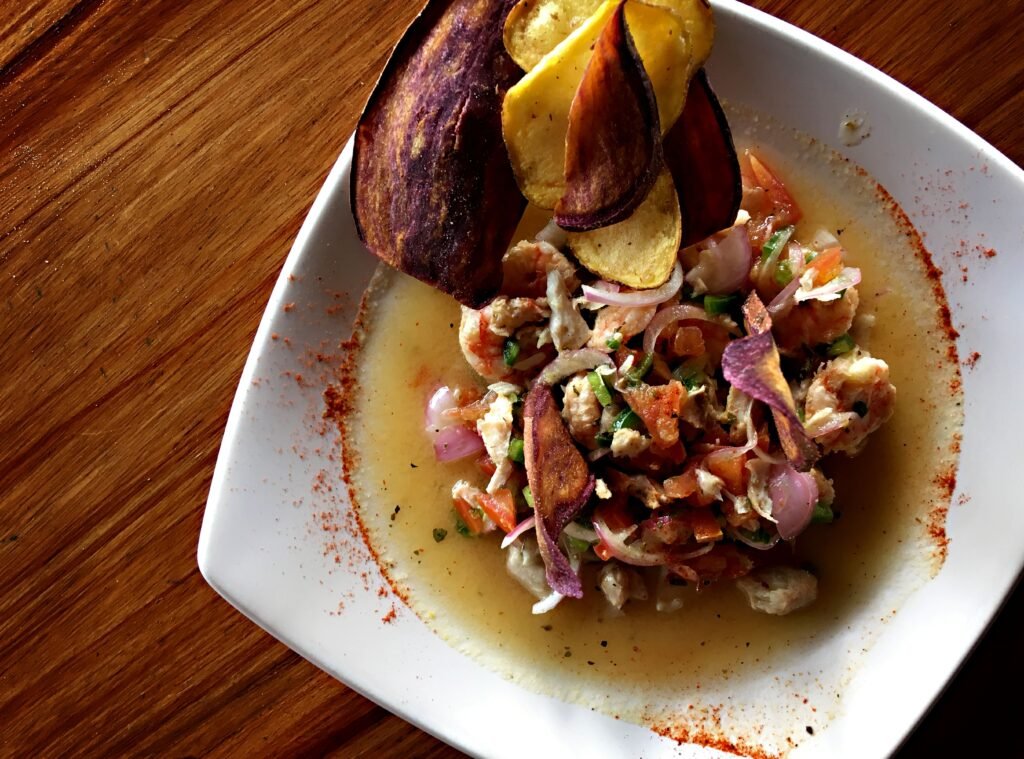
When navigating the local eateries, look for dishes that showcase these structural elements working in absolute harmony. The following four culinary items represent the pinnacle of regional culinary tradition.
1. Cazuela de Mariscos
The cazuela de mariscos is a masterclass in texture and heat retention. Prepared and served in a heavy, locally crafted clay pot, this dish is a thick, bubbling stew that blurs the line between a bake and a soup. The base is constructed by mixing finely grated raw green plantain with a generous portion of maní paste and refrito.
This mixture is cooked down with a concentrated seafood broth until it forms a smooth, dense porridge. Fresh prawns, locally caught white fish, or tender octopus are folded into the paste before the entire clay vessel is transferred to an oven. As it bakes, the edges caramelise against the hot clay, creating a deeply savoury crust while the interior remains velvety and rich. It is traditionally served piping hot, accompanied by a squeeze of fresh lime juice.
2. Ceviche Costeño
Ecuadorian coastal ceviche stands in sharp contrast to the flash-cured, dry presentations found further south in Peru. In Olón, ceviche is served as a cold, bright, and incredibly refreshing soup. The seafood—whether shrimp, fish, or black clams—is lightly blanched or cured in pure citrus juices before being submerged in a delicate broth of lime juice, sour orange juice, tomato paste, and finely shaved red onions macerated in salt.
The result is a beautifully balanced, tangy liquid that preserves the clean, sweet flavour of the seafood. Rather than being a heavy meal, it is an invigorating mid-day restorative, always accompanied by chifles (paper-thin, crispy green plantain chips) or patacones (twice-fried, flattened green plantain discs), which provide a necessary crunch to complement the tender seafood.
3. Corviche
For those exploring the town on foot or pausing between longer journeys, the corviche is the definitive coastal street food. It is an oval, slightly pointed dumpling made from seasoned green plantain dough mixed with a hint of peanut paste. The dough is hollowed out and stuffed with a highly seasoned mixture of flaky fish, onions, and local spices.
Once sealed, the corviche is deep-fried or baked until the exterior develops a rugged, golden-brown crunch. The contrast between the crispy outer shell, the soft, peanut-scented plantain interior, and the moist, savoury fish filling makes it an exceptional example of portable coastal engineering.
4. Bolón de Verde
The morning ritual along the Santa Elena coast begins with the bolón de verde. This is a substantial, comforting sphere roughly the size of a fist, crafted from green plantains that have been boiled or fried until tender, then thoroughly mashed while still hot. The warm dough is kneaded with salt, a touch of butter, and a generous portion of local coastal cheese or crispy pork belly pieces known as chicharrón.
The ball is then quickly fried to create a thin, crispy exterior while keeping the interior rich, soft, and crumbly. It is an unpretentious, incredibly satisfying breakfast designed to fuel a day of exploration, best enjoyed alongside a simple mug of black coastal coffee.
The Ecuadorian Sierra.
Get lost in the hills
Where to dine / A curated selection of independent kitchens
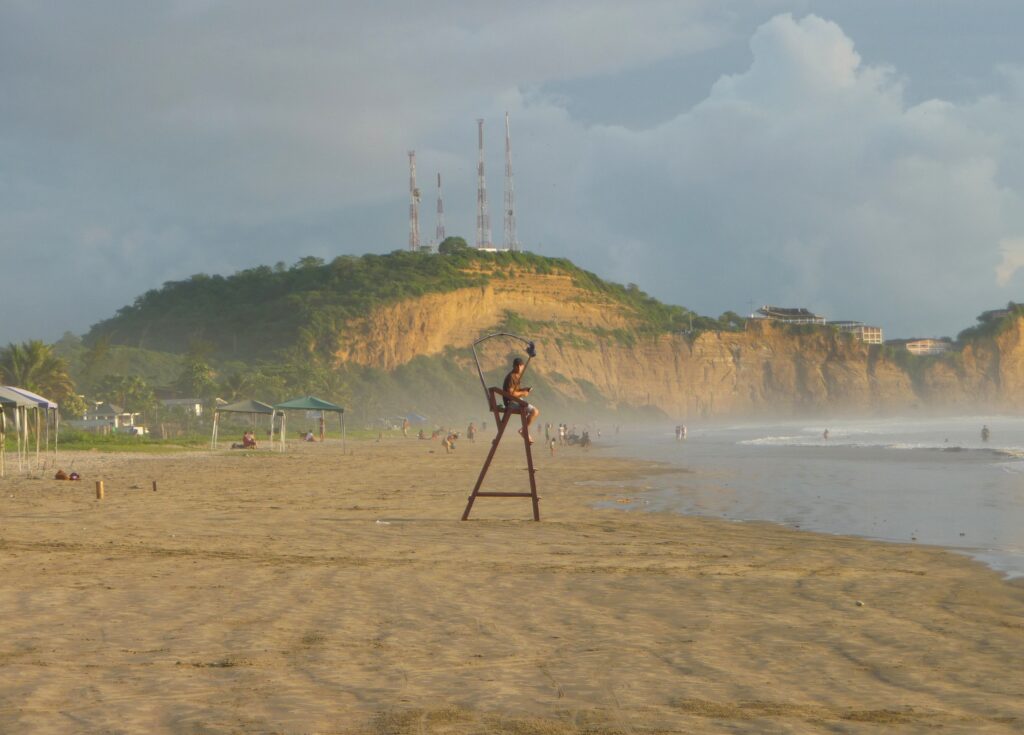
To experience these regional traditions without the distorting lens of mass tourism, seek out venues that prioritise local sourcing, independent management, and culinary precision. The following establishments in and around Olón meet rigorous standards of consistency, hold excellent standing within the local community, and avoid commercial shortcuts.
Spondylus Restaurant
Named after the sacred thorny oyster shell that served as currency for ancient Andean and coastal civilisations, Spondylus Restaurant is an essential stop for anyone searching for authentic coastal gastronomy. Operating independently for years, this venue has earned an exceptional reputation for its uncompromising approach to traditional seafood.
The kitchen shines brightest in its execution of the cazuela de mariscos. Here, the clay pots are treated with the respect they deserve, resulting in a dish that arrives at the table sputtering, intensely fragrant, and perfectly caramelised at the edges. The ambience is straightforward and unpretentious, keeping the focus entirely on the depth of the flavours and the morning’s fresh catch.
La Churreria
Positioned as a beloved fixture for independent travellers who value meticulous preparation over rapid service, La Churreria offers a brilliantly curated take on South American culinary craft. The kitchen operates with an evident respect for raw ingredients, sourcing produce locally to construct dishes that balance rustic comfort with modern clarity.
It provides an exceptional space to unwind after a day of independent travel, allowing diners to appreciate the intersection of regional techniques in a warm, relaxed environment that mirrors the slow pace of Olón itself.
Marea Pizzeria
Situated in the calmer, residential enclave of Oloncito, Marea Pizzeria demonstrates how global culinary traditions can adapt beautifully to local environments. This independent restaurant marries classic Italian wood-fired pizza techniques with the pristine ingredients of the Pacific coast.
The standout choices here involve pizzas and homemade pastas topped with plump, ocean-fresh prawns and local seafood, allowed to shine against a backdrop of simple, high-quality cheeses and doughs. It provides a sophisticated yet thoroughly grounded alternative for an evening meal, attracting a discerning local and international audience.
Katrina Bistro Bar
For a transition into the evening, Katrina Bistro Bar stands as the definitive single bar recommendation for the area. Avoiding the loud, commercialised nightlife trends found in busier coastal strips, this establishment focuses on sophisticated, ingredient-driven beverages.
The bar programme highlights the incredible biodiversity of Ecuadorian fruit, utilising fresh passion fruit, soursop, and citrus to balance clean, crisp spirits. The atmosphere remains laid-back and respectful, offering a perfect setting for independent observers to reflect on their journeys over a thoughtfully composed drink.
The Ecuadorian Amazon.
The most biodiverse place in the world
The art of unhurried exploration
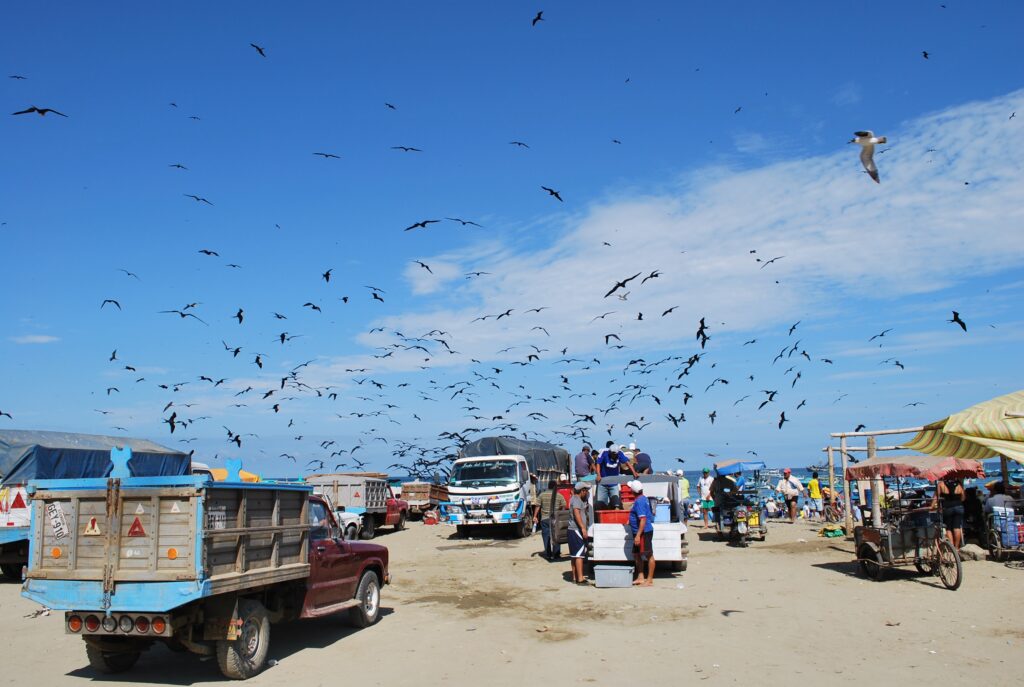
To dine well in Olón is to respect the natural timeframes of the coast. The best meals are not fast; they require the time it takes for a clay pot to bake, for a lime to cure fresh fish, or for a green plantain to be twice-fried to perfection. By choosing independent kitchens that cook to order using local ingredients, travellers directly support the preservation of a vulnerable and beautiful culinary ecosystem. Step away from the crowds, find a seat at an independent table, and allow the authentic flavours of the Santa Elena peninsula to unfold at their own pace.
Frequently asked questions about foods to try in Olón
Andean cooking relies heavily on potatoes, corn, and robust tubers to combat the mountain chill. In contrast, coastal cuisine in regions like Santa Elena completely shifts focus, utilising green plantains, peanut paste, and fresh marine life from the Pacific Ocean as its structural foundations.
The cazuela de mariscos is baked and served in a heavy, locally crafted clay pot. Its thick, porridge-like consistency comes from a blend of finely grated raw green plantain, maní (peanut paste), and a slow-cooked aromatic refrito, which caramelises against the hot clay vessel to create a unique savoury texture.
No, it stands in sharp contrast. While Peruvian ceviche is flash-cured and served relatively dry, ceviche costeño is prepared as a cold, invigorating soup. The seafood sits in a delicate, tangy liquid composed of lime juice, sour orange juice, tomato paste, and salt-macerated red onions.
The definitive coastal breakfast is the bolón de verde. This is a fist-sized sphere of green plantain that has been boiled or fried, mashed while hot, kneaded with local coastal cheese or crispy pork belly (chicharrón), and fried again to create a thin, crispy crust. It is traditionally paired with a mug of black coffee.
Marea Pizzeria, located in the quieter neighbourhood of Oloncito, offers an excellent integration. The independent restaurant uses classic Italian wood-fired pizza techniques and homemade pastas but highlights fresh, locally caught Pacific prawns and seafood as the primary toppings.
The culinary heritage of the coast respects natural timeframes. Dishes like clay-pot cazuelas require slow baking, and plantains must be freshly mashed and twice-fried to order. Choosing these independent kitchens requires an unhurried pace but ensures support for an authentic, local food ecosystem.
Ecuador.
Pure wonder on the equator.