Mastering Cotopaxi independently / A first-timer’s guide to Ecuador’s high-altitude wonder
Cotopaxi travel tips for independent travellers visiting the national park without a tour group
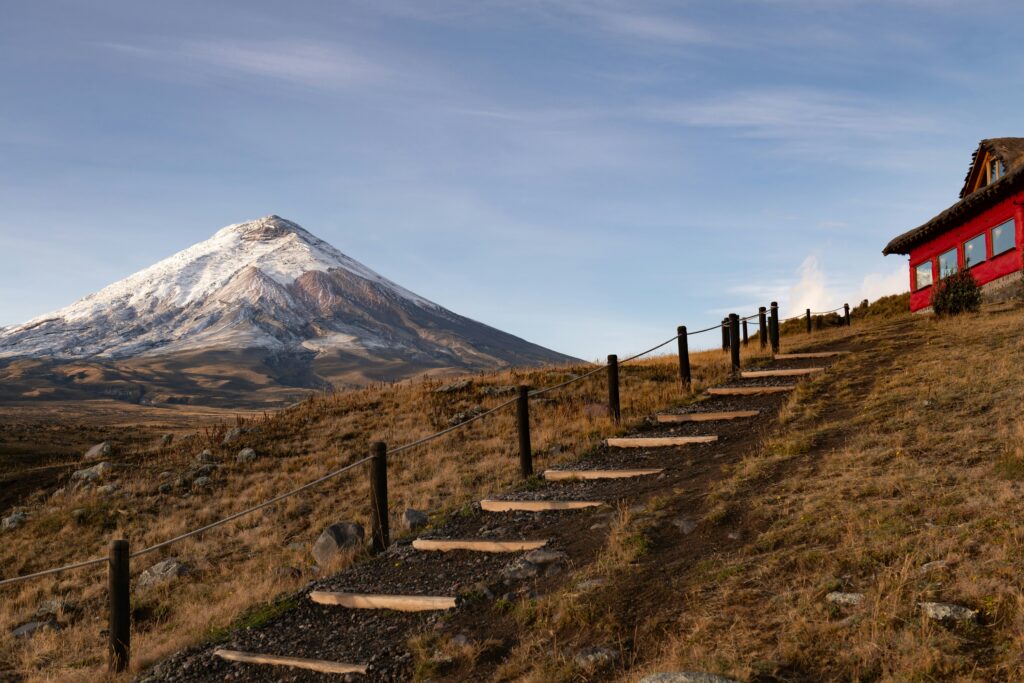
Crisp Andean air and the slow, majestic rhythm of the páramo
BEN FINCH
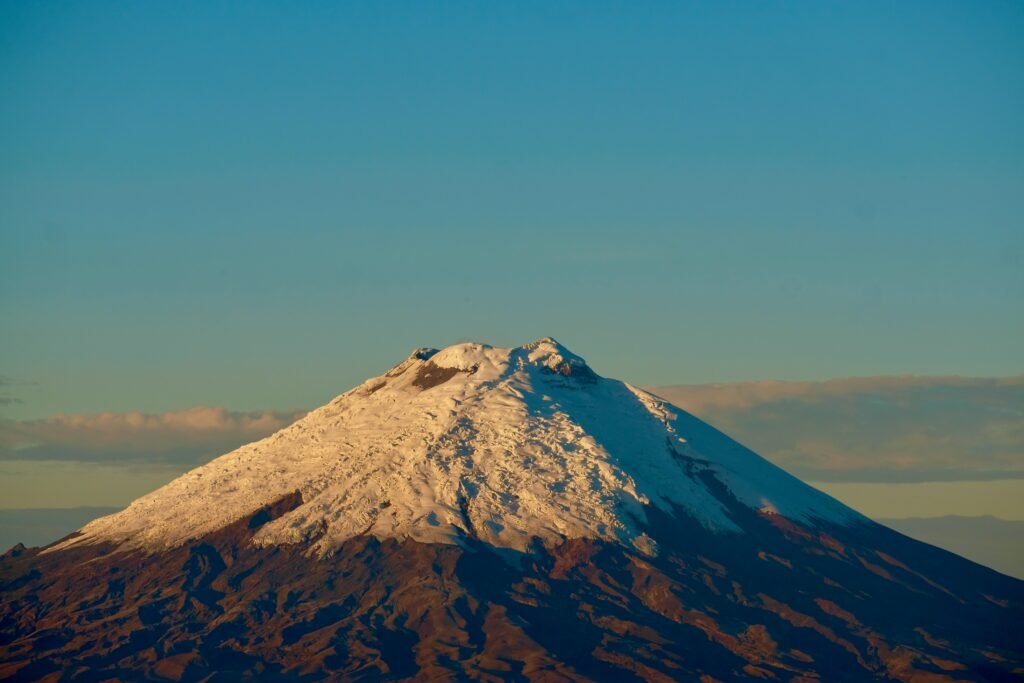
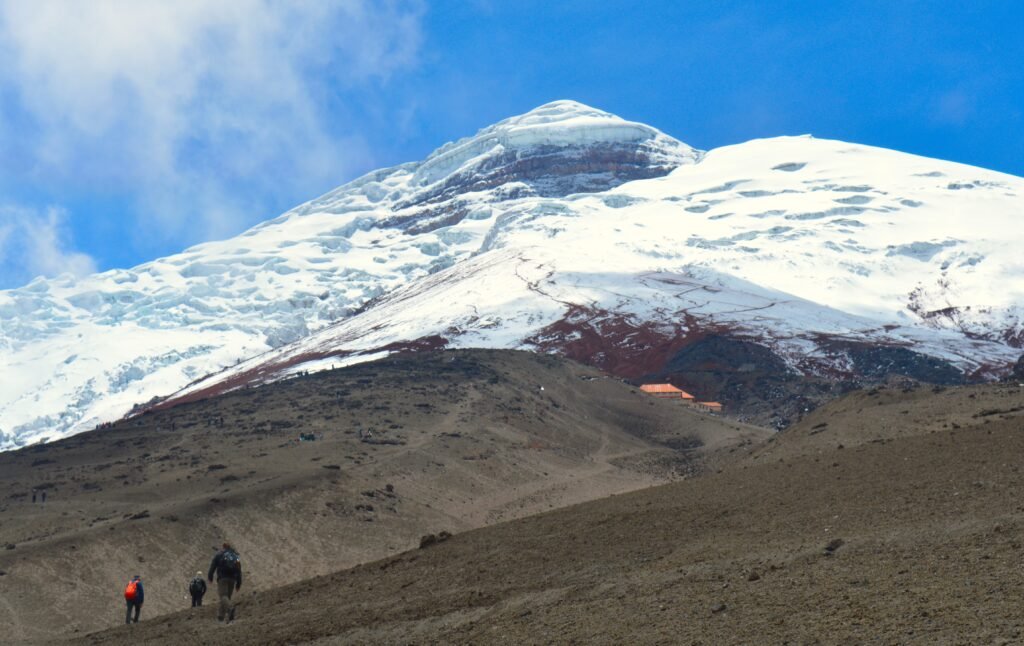
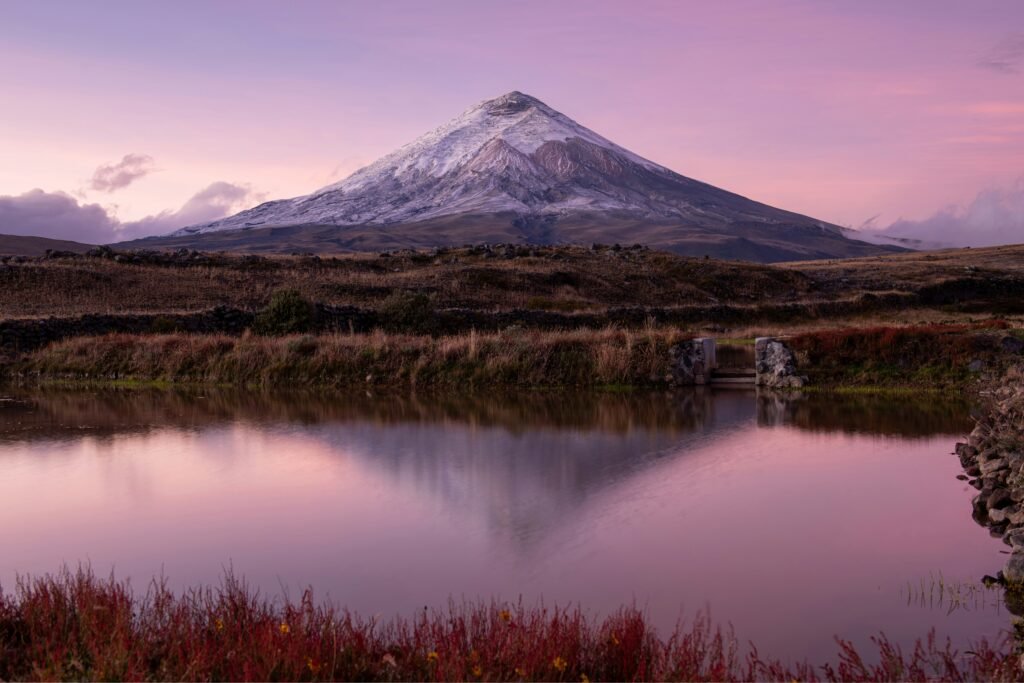
There is a moment, usually just after dawn, when the heavy mist cloaking the Ecuadorian highlands begins to fracture. If you are standing in the right spot, the shifting grey curtain parts to reveal a sight that stops the breath quicker than the thin mountain air: the perfectly symmetrical, snow-capped cone of Cotopaxi Volcano. It dominates the horizon, an ancient sentinel rising 5,897 metres into the sky.
For many visitors to Ecuador, this view is a fleeting one, glimpsed through the smeared window of a large tour bus on a hurried day trip from Quito. These travellers are shuffled out at the car park, marched up a steep scree slope to the refuge in a breathless pack, and then hurried back to the city before they have even had time to process the vastness of the landscape.
But to truly experience Cotopaxi, you must leave the herd behind. Independent travel by bus, bike, or foot allows you to match the internal rhythm of the high Andes. By choosing to explore on your own terms, you gain the freedom to sit by a crackling fireplace when a sudden storm rolls in, to watch wild horses gallop across the high plains without a guide checking his watch, and to discover the quiet magic of the páramo at your own pace. This guide is designed for those who prefer the open road to the tour umbrella.
The frozen crest of the equator
Escaping the rigid itineraries of commercial tour groups reveals the true, unpredictable spirit of Cotopaxi. This structured digest captures the essential logistics, ecological quirks, and local secrets needed to conquer the high Andean plains on your own terms.
- The Páramo Climate: A volatile high-altitude ecosystem where clear equatorial sunshine can plunge into a freezing sleet storm within minutes, demanding technical windproof layers and an early 8:00 am arrival
- The Southern Transit: Independent travellers can take a local bus from Quito to the Panamericana highway drop-off, where they can negotiate directly with local cooperative 4×4 drivers to reach the high trails
- The Northern Alternative: Accessing the park via El Pedregal and the North Entrance offers a far quieter, scenic route ideally suited to cyclists and independent adventurers looking to avoid the crowds
- Immersive Highlands Lodging: Choosing character-rich, independent stays like Chilcabamba or Tambopaxi — the only lodge inside the park boundaries — provides authentic warmth far superior to sterile city hotels
- Altitude and Acclimatisation: The high car park sits at a dizzying 4,600 metres, meaning travellers must spend days adapting to the elevation beforehand to avoid soroche (altitude sickness)
- The Scree Ascent: The steep climb to the José Rivas refuge demands a slow, steady pace along the zig-zag path rather than a direct, exhausting scramble up the loose volcanic gravel
- Laguna Limpiopungo Wildlife: A flat, ninety-minute walking circuit around this glacial lake offers quiet explorers the chance to spot wild horses, Andean foxes, and the rare Andean condor riding the thermal
Cotopaxi.
The iconic volcano
The quirks of the páramo / Weather and microclimates
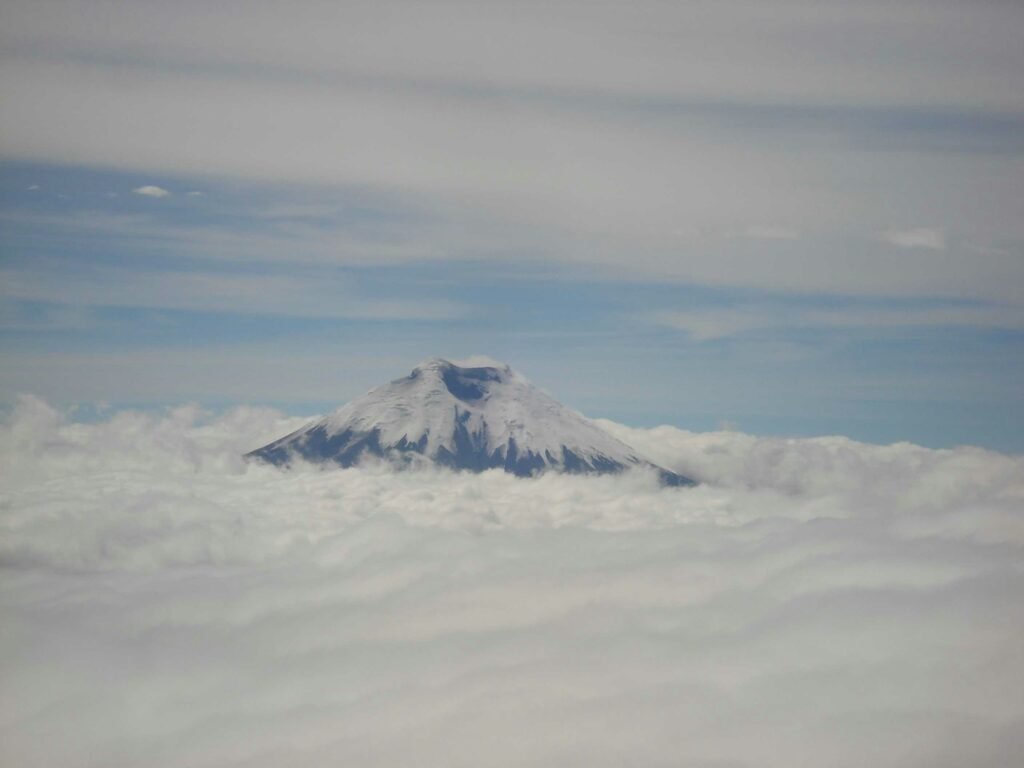
The first lesson any independent traveller must learn about Cotopaxi is that the mountain dictates the rules. The national park is dominated by the páramo, a unique neotropical high-altitude ecosystem characterised by hardy grasses, giant rosette plants, and unpredictable weather patterns.
First-timers often arrive completely unprepared for the sheer volatility of the microclimates here. You can easily experience four seasons in a single afternoon. At nine in the morning, the equatorial sun might feel intense enough to require heavy sunblock and t-shirts. By midday, a freezing fog can sweep across the plains, dropping the temperature by 15 degrees Celsius in a matter of minutes. Heavy, driving rain or unexpected sleet storms can materialise out of nowhere, even during the dry season, which typically runs from June to September.
To navigate these shifts without the shelter of a tour bus, you must master the art of technical layering. A windproof and waterproof outer shell is non-negotiable, alongside thermal base layers and a fleece. Do not underestimate the wind; as it sweeps down from the glacial cap, it carries a biting cold that cuts through standard denim or cotton effortlessly.
The golden rule for independent explorers is simple: start your day as early as humanly possible. The volcano is notoriously shy, often gathering a dense crown of clouds by noon. If you want to see the peak in its stark, sunlit glory, you need to be inside the park gates by eight in the morning.
The Ecuadorian Sierra.
Get lost in the hills
Arriving on your own terms / The logistics of independence
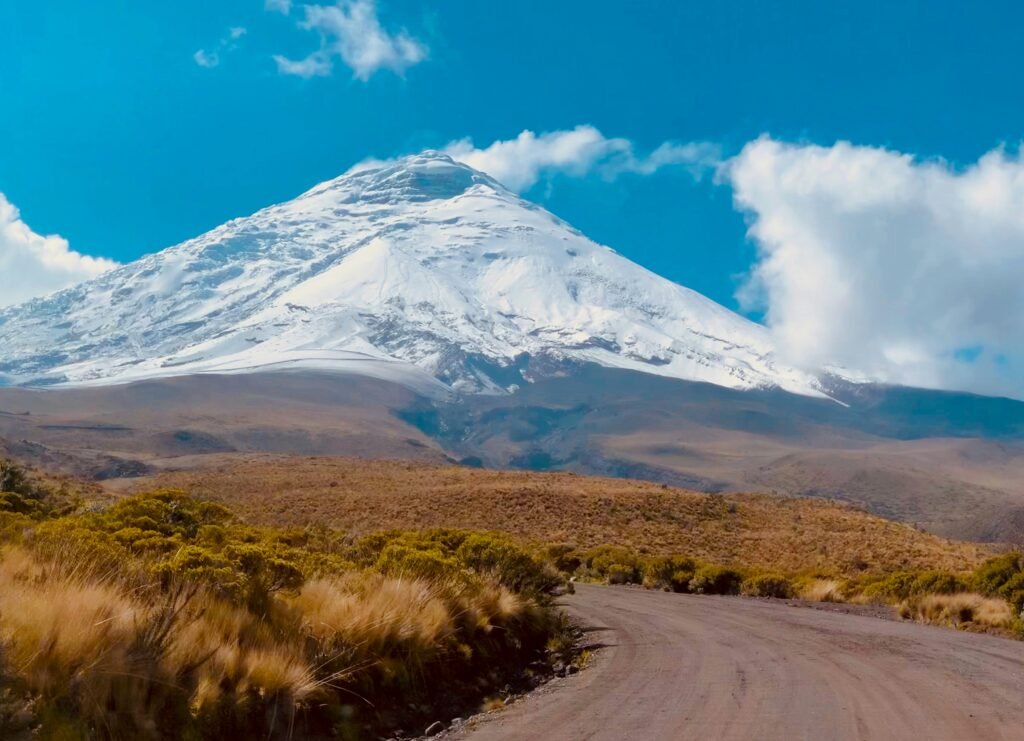
Reaching Cotopaxi National Park without a pre-packaged tour is entirely feasible and far more rewarding. It requires a bit of resourcefulness, but it grants you complete control over your itinerary.
The South Entrance via the Panamericana
The most straightforward route for independent travellers utilising public transport is via the Park South Entrance, known locally as Control Sur. From Quito, make your way to the Quitumbe bus terminal in the far south of the city. Board any bus heading south towards Latacunga, Ambato, or Baños along the main highway, the Panamericana. Inform the driver or the conductor when you board that you intend to alight at the entry road for Parque Nacional Cotopaxi.
The journey takes roughly 90 minutes. You will be dropped off at the side of the highway, where a small cluster of local, licensed cooperative 4×4 pickup trucks will be waiting. Because vehicles are required to traverse the unpaved, rugged roads inside the park, hiring one of these local drivers is the standard practice for independent backpackers and hikers.
Instead of being trapped in a large group, you can negotiate directly with a driver to take you to specific points, such as Laguna Limpiopungo or the high car park, and arrange a firm time for them to collect you. If you meet fellow independent travellers at the highway drop-off, you can easily share the cost of the truck.
The North Entrance via El Pedregal
For those seeking a more scenic, deeply tranquil approach, the North Entrance, or Control Norte, is an exceptional alternative. This entrance is accessed via the small village of El Pedregal. While it is more complex to reach via public bus, it is the preferred route for independent travellers exploring on two wheels or those staying at the eco-lodges clustered on the northern flanks of the volcano. The roads here weave through dramatic volcanic valleys, offering a much rawer, less commercial introduction to the region.
The Galápagos.
Ecuador’s Enchanted Isles
Andean hospitality / Unique stays over national chains
To truly absorb the spirit of the highlands, avoid the temptation to return to Quito or stay in generic city hotels. The area surrounding Cotopaxi boasts several remarkable, locally owned properties that reflect the history, architecture, and agricultural heritage of the Andes.
Chilcabamba Lodge
Tucked away near the northern entrance in El Pedregal, Chilcabamba Lodge is a masterclass in sustainable highland hospitality. Built to blend seamlessly with the surrounding environment, it features cosy, heated rooms with stunning views of the volcano. The lodge focuses on slow travel, encouraging guests to explore the quiet trails that branch directly out from the property into valleys filled with wildflowers. In the evening, guests gather around a massive central fireplace to share stories, creating an intimate, communal atmosphere that no chain hotel can match.
Tambopaxi Lodge
For the ultimate immersive experience, Tambopaxi Lodge holds the distinction of being the only eco-lodge located directly within the borders of the national park itself. Originally designed as a refuge for acclimatising mountaineers, it has evolved into a comfortable haven for independent travellers. Staying here means you are already inside the park when the sun rises, bypassing the gates entirely. The panoramic windows offer front-row seats to the shifting colours of the volcano, and the stargazing on a clear night at this altitude is nothing short of spectacular.
Cuello de Luna
If you are travelling on a budget but still want authenticity, Cuello de Luna, located just outside the park near Lasso, is a favourite among independent backpackers. It offers affordable private rooms and dormitory options centred around a historic farm aesthetic. Surrounded by pine forests, it provides a peaceful, rustic base where you can organise your daily excursions into the park without breaking the bank.
The Ecuadorian Amazon.
The most biodiverse place in the world
What first-timers overlook / Altitude, trails, and wilderness
The most common mistake made by first-time visitors is treating Cotopaxi as a standard afternoon hike. The high altitude changes everything.
Respecting the altitude
The base of the park sits well above 3,000 metres, and the car park below the refuge sits at a dizzying 4,600 metres. Altitude sickness, known locally as soroche, is a serious consideration. Do not attempt to hike here on your first or second day in Ecuador. Spend a few days adjusting to the elevation in Quito or the surrounding valleys first.
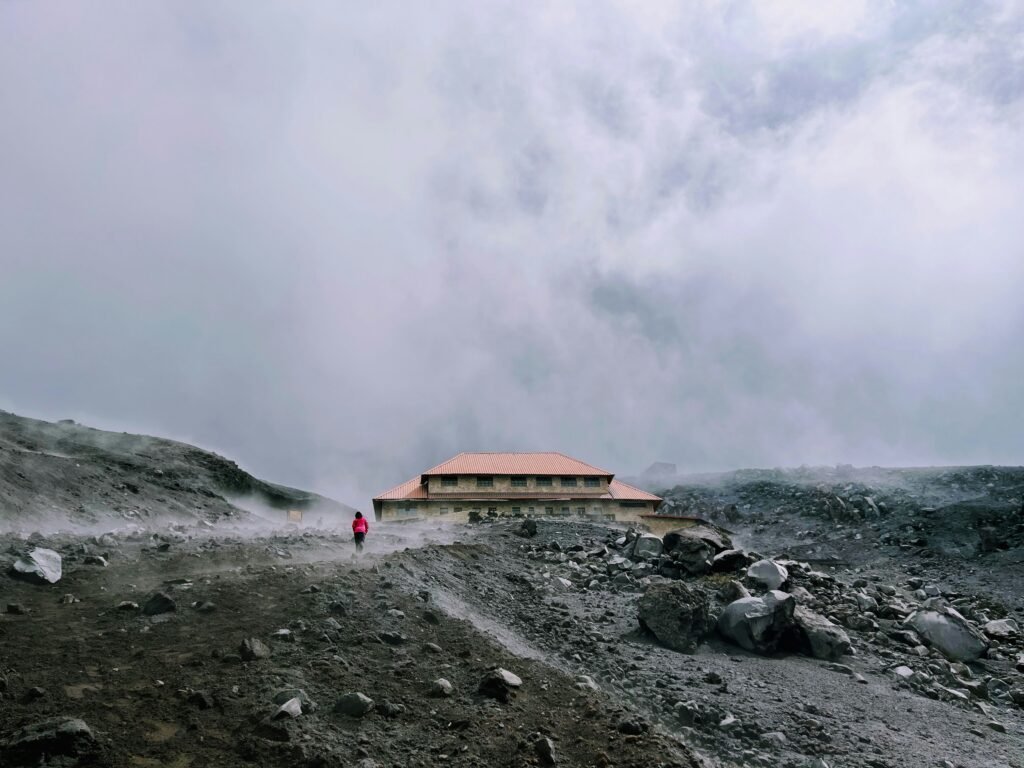
When you do take to the trails, pace yourself deliberately. The walk from the car park to the José Rivas refuge is only about one kilometre in distance, but it climbs 250 vertical metres through loose, slippery volcanic scree. To the unacclimatized, it can feel like climbing an inverted sand dune while breathing through a straw.
When climbing to the refuge, choose the zig-zag path rather than the direct, straight route up the scree. It takes slightly longer, but it preserves your energy and prevents slips. Keep a steady, slow rhythm, and carry high-energy snacks like rich local dark chocolate to keep your stamina up.
Exploring beyond the peak
While everyone focuses on the climb to the refuge, independent travellers have the luxury of exploring the lower, equally captivating sections of the park. Laguna Limpiopungo, a glacial lake sitting at 3,800 metres, features an excellent, flat walking circuit that takes about 90 minutes to complete.
This area is a haven for unique Andean wildlife that hurried tour groups completely miss. If you walk quietly and take your time, you are highly likely to spot herds of wild horses grazing along the plains, Andean gulls nesting in the reeds, and perhaps even an Andean fox hunting at dusk. Keep your eyes trained on the rocky ridges above; the majestic Andean condor, with its massive three-metre wingspan, frequently rides the thermals over the lake.
The Ecuadorian Coast.
Where you’ll find the very best food
Flavours of the High Sierra
Independent travel allows you to eat where the locals eat and appreciate the culinary traditions of the High Sierra, which are deeply rooted in comfort and warmth.
After a cold, windy morning on the slopes, there is no greater luxury than stopping at a small local eatery or lodge dining room for a bowl of locro de papa. This traditional, thick potato soup is slow-cooked with local cheese and milk, served piping hot with fresh slices of avocado. Rich, creamy, and deeply satisfying, it is the ultimate antidote to the chilly mountain air.
To revive your energy, bypass commercial soft drinks and seek out an authentic cup of chuquiragua tea. Brewed from the orange-flowered hardy shrub that grows across the páramo, this herbal infusion has been used for generations by highland communities and mountaineers to combat the symptoms of altitude fatigue and stimulate circulation. Alternatively, indulge in a warm canelazo, a traditional Andean drink made from hot water boiled with cinnamon, sugar, and local fruit juices, designed specifically to bring life back to frozen fingers after a long day in the wilderness.
By slowing down, choosing local establishments, and planning your own logistics, you transform a simple sightseeing excursion into a deep, unforgettable connection with one of the world’s most dramatic landscapes.
Affiliate Disclaimer: Some of the links on Wheely Tyred are affiliate links. If you click through and make a booking or purchase, we may earn a small commission at no extra cost to you. We only recommend gear, tours, stays, and services we genuinely use, trust, and stand behind — our editorial independence always comes first. These commissions help keep our independent cycling guides and travel stories free to read. Thanks for supporting the ride!
Frequently asked questions about visiting Cotopaxi
To reach the park independently, board any southbound bus from Quito’s Quitumbe terminal heading towards Latacunga, Ambato, or Baños. Ask the driver to let you off at the Cotopaxi National Park turn-off on the Panamericana highway. From there, you can negotiate a rate with the local, licensed cooperative 4×4 pickup drivers who wait at the junction to transport travellers to the lake or the high-altitude car park.
Soroche is the local Ecuadorian term for altitude sickness, caused by the low oxygen levels at high elevations. Because the base of the park sits well above 3,000 metres, you should spend at least two to three days acclimatising in Quito before visiting. When hiking, maintain a slow, deliberate pace, stay hydrated, and carry high-energy snacks such as rich local dark chocolate to sustain your strength.
Cotopaxi is notoriously shy and tends to gather a dense shroud of clouds around its snowy peak by midday, obscuring the views completely. To see the volcano in its stark, sunlit glory, independent travellers should aim to pass through the national park gates by 8:00 am.
The high-altitude plains can experience four seasons in a single day, with temperatures dropping by 15 degrees Celsius in minutes if a fog rolls in. Independent travellers must use a technical layering system: avoid denim and cotton, and instead wear thermal base layers, a warm fleece, and a robust windproof and waterproof outer shell to repel sudden rain, sleet, and freezing glacial winds.
After a cold trek on the volcano, local lodges and small eateries serve locro de papa, a thick, traditional potato soup slow-cooked with milk and cheese, and served hot with fresh avocado. To combat altitude fatigue and warm up your hands, look for chuquiragua tea — a herbal infusion made from a hardy mountain shrub used by generations of highlanders — or a warm canelazo, a spiced cinnamon and fruit juice beverage.
Ecuador.
Pure wonder on the equator.