Finding quiet in the páramo / The best places to camp in Cotopaxi
An independent traveller’s guide to the best places to camp in Cotopaxi
Sleep under the stars in Ecuador’s volcanic heart
BEN FINCH
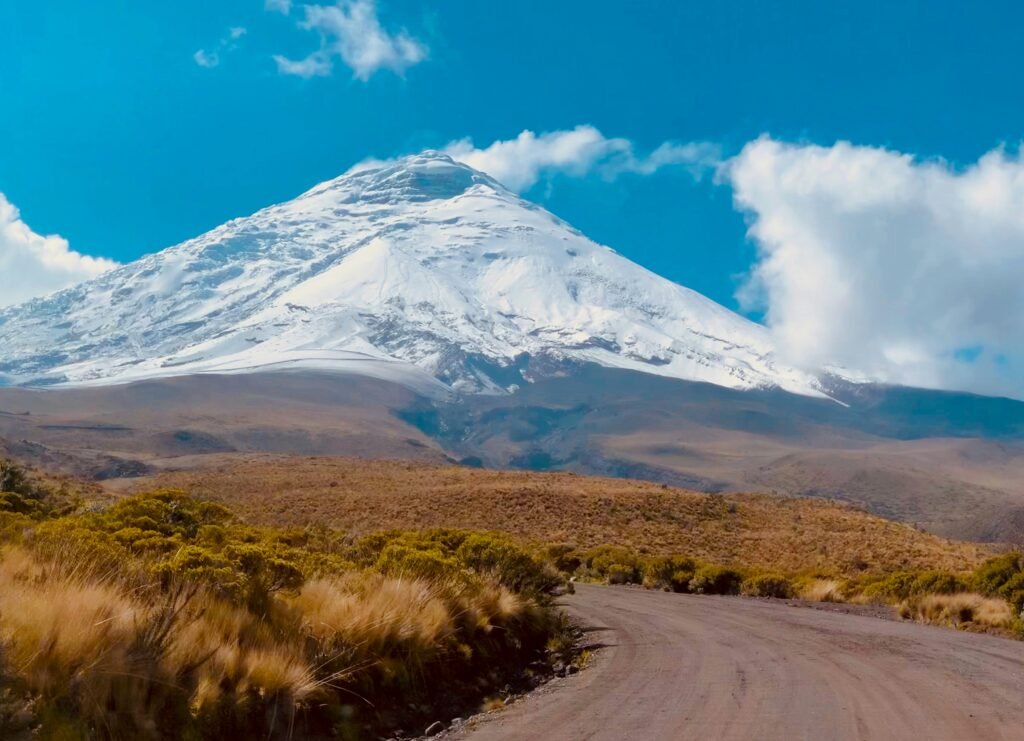
The high-altitude Andean páramo has a way of stripping away the noise. At 3,800 metres above sea level, the air is thin, the wind carries the scent of wild chuquiragua flowers, and the symmetrical, snow-capped cone of the Cotopaxi volcano dominates the skyline. For independent travellers moving through Ecuador by bus, train, or foot, this region offers one of the most profound wilderness experiences in South America.
But staying here properly means avoiding the rushed day-trippers who arrive on crowded tour buses, snap a hurried photo of Limpiopungo Lagoon, and leave before the mountain truly reveals itself. To understand this landscape, you need to stay overnight. You need to watch the evening clouds settle into the valleys and wake up to the crisp morning frost on the grass.
Finding the right pitch requires careful planning. The weather at this altitude is famously unpredictable, changing from intense equatorial sun to sub-zero mountain chills within an hour. Knowing exactly where to pitch your tent makes the difference between a shivering night and a restful, restorative sleep. Here is our vetted selection of the best places to camp in Cotopaxi for independent adventurers who value autonomy, space, and a deep connection to the environment.
Camp in the volcanic crucible of Cotopaxi
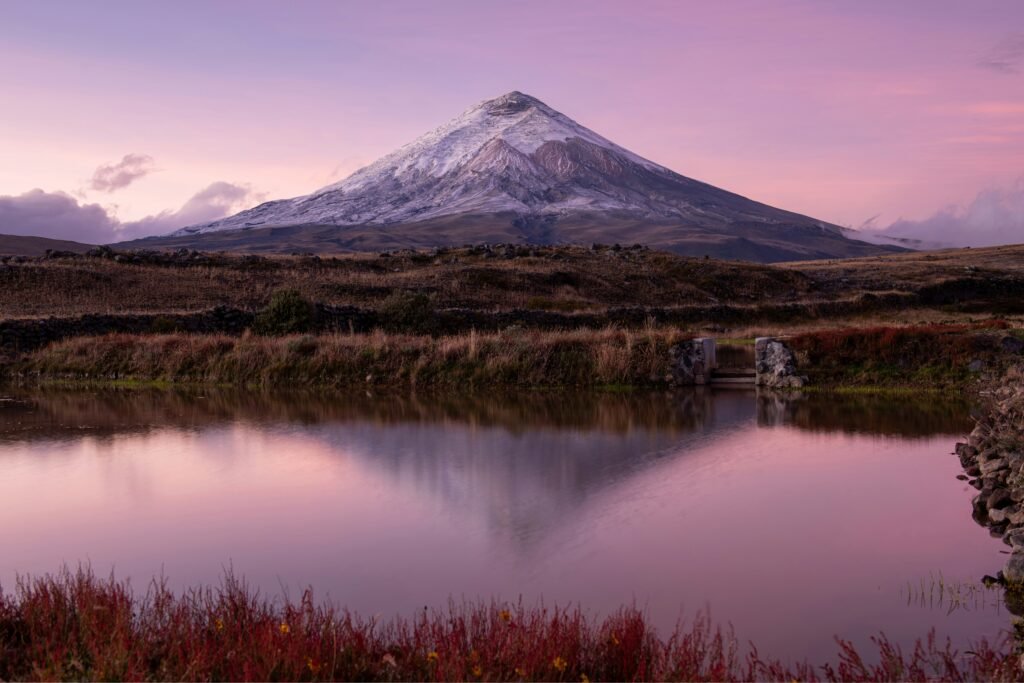
The Andean páramo demands a certain quietude from those who venture into its thin, biting air. To camp here is to trade the curated comfort of a hotel for a direct, unfiltered engagement with one of the most imposing volcanic landscapes on Earth.
- Tambopaxi Campground: Located within the park boundaries, this site provides a rare, unobstructed perspective of the volcano’s northern face, suited for travellers who prioritise direct wilderness access
- The Secret Garden: A hillside refuge known for its communal atmosphere, offering terraced pitches and thoughtful amenities like wood-fired hot tubs, perfect for unwinding after a day of high-altitude exploration
- Hostería Cuello de Luna: Situated near the western entrance, this site acts as an ideal staging ground for those arriving via the Pan-American Highway, offering secure, wind-protected grass pitches
- Balcón al Cotopaxi: A quieter, more rural option that avoids the main tourist thoroughfares, providing a secluded, agricultural setting for those seeking solitude
- La Rinconada: The quintessential choice for the self-sufficient purist, offering little more than a patch of earth and absolute isolation within the protected national park
- High-Altitude Logistics: Succeeding in the páramo requires acknowledging the extreme temperature fluctuations; high-insulation sleeping gear and proper hydration are not optional, but essential
Cotopaxi.
The iconic volcano
1. Eco-Lodge Tambopaxi Campground
Situated directly inside the borders of Cotopaxi National Park, Eco-Lodge Tambopaxi offers an unparalleled proximity to the volcano. While well-known as a mountain lodge, its dedicated, flat camping pitches are the real draw for those carrying their own gear. Positioned on the vast, open plains of the páramo, pitching a tent here gives you an unobstructed front-row view of the massive northern face of the volcano.
The environment here is wild and exposed, meaning the wind can be fierce, but the facilities provide an excellent safety net for independent campers. Campers gain access to clean running water, reliable bathrooms, and the shelter of the main lodge when the weather turns harsh. Watching the headlamps of mountaineers beginning their midnight summit bids from your tent door is an unforgettable sight. Because it sits entirely within the protected area, encountering wild horses and Andean foxes near your tent in the morning is common.
2. The Secret Garden Cotopaxi Camping Grounds
Perched on the outer ridges of the national park, this hillside establishment is famous among independent travellers for its community vibe and panoramic vistas. While many book the Secret Garden Cotopaxi’s private cabañas, they maintain beautifully manicured, terraced grass pitches specifically for travellers arriving with their own tents. This offers a brilliant compromise: complete privacy and isolation at your tent site, paired with exceptional communal infrastructure.
The camping experience here includes access to a large, wood-fired hot tub, a sunroom designed for reading, and large open fireplaces that burn late into the evening. A major benefit for those travelling light by bus or public transport is that the site offers full meal packages, meaning you do not have to carry days of heavy cooking fuel and groceries up the mountain. The property is also home to a friendly herd of llamas, and multiple independent hiking trails lead directly from the camping field into the surrounding cloud forests and waterfalls.
The Ecuadorian Sierra.
Get lost in the hills
3. Hostería Cuello de Luna Campsite
Located just four miles outside the western entrance of Cotopaxi National Park, near the small settlement of Lasso, Hostería Cuello de Luna is an exceptional base for travellers who want a secure, lower-altitude spot before heading into the extreme conditions of the park. It is highly accessible for those arriving via the main Pan-American Highway by bus. The campsite itself consists of level, spacious grass lawns surrounded by mature trees that offer excellent protection from the biting Andean winds.
The facilities here are thoroughly professional, featuring a dedicated camping cabin equipped with clean toilets, hot showers, water supply hookups, and a communal barbecue area. The property is supervised and highly secure, allowing independent travellers to leave their tents pitched safely for days at a time while embarking on lightweight day hikes up the neighbouring Rumiñahui or Sincholagua peaks. A cosy on-site restaurant provides hearty mountain breakfasts and hot meals, ensuring you can warm up thoroughly after a night in the tent.
4. Balcón al Cotopaxi Páramo Pitch
For those seeking a more secluded, rural atmosphere away from the main traveller hubs, Balcón al Cotopaxi Páramo’s site offers a traditional agricultural setting high on the slopes overlooking the valley. Located near the northern access routes to the park, it provides a quiet alternative that looks out directly across the volcanic landscape. The camping area is purposely kept small and uncrowded, ensuring you will not be sharing your evening with large tour groups.
The infrastructure is intentionally simple but highly effective for self-sufficient travellers. It features clean outdoor restrooms and a dedicated bonfire pit where firewood is supplied nightly. Sitting by the fire at this altitude, watching the moon reflect off the glaciers of Cotopaxi with absolute silence around you, epitomises the independent travel experience. It provides just enough comfort to ensure a deep sleep while preserving the raw, unpolished feeling of wild camping in the Andes.
The Galápagos.
Ecuador’s Enchanted Isles
5. La Rinconada / Standard national park campsites
For the purist who wants no distractions, the basic camping areas managed by the Ministry of Environment inside the park—such as La Rinconada—offer a completely rustic experience. There are no hot tubs or restaurants here; instead, you get a simple patch of earth, basic cold-water plumbing, and a shelter. It requires complete self-sufficiency, meaning you must pack in all your food, water purification tools, and heavy-duty cold-weather sleeping gear.
The reward for this simplicity is absolute solitude. Once the park gates close to day visitors late in the afternoon, the entire valley becomes silent. You are left alone with the paramo landscape, the soaring cara-cara birds, and the sheer scale of the volcano. It is an intense, beautiful way to experience the park on your own terms, at your own pace, with absolutely no schedule to keep but the rising and setting of the sun.
The Ecuadorian Amazon.
The most biodiverse place in the world
A few notes on high-altitude camp rest
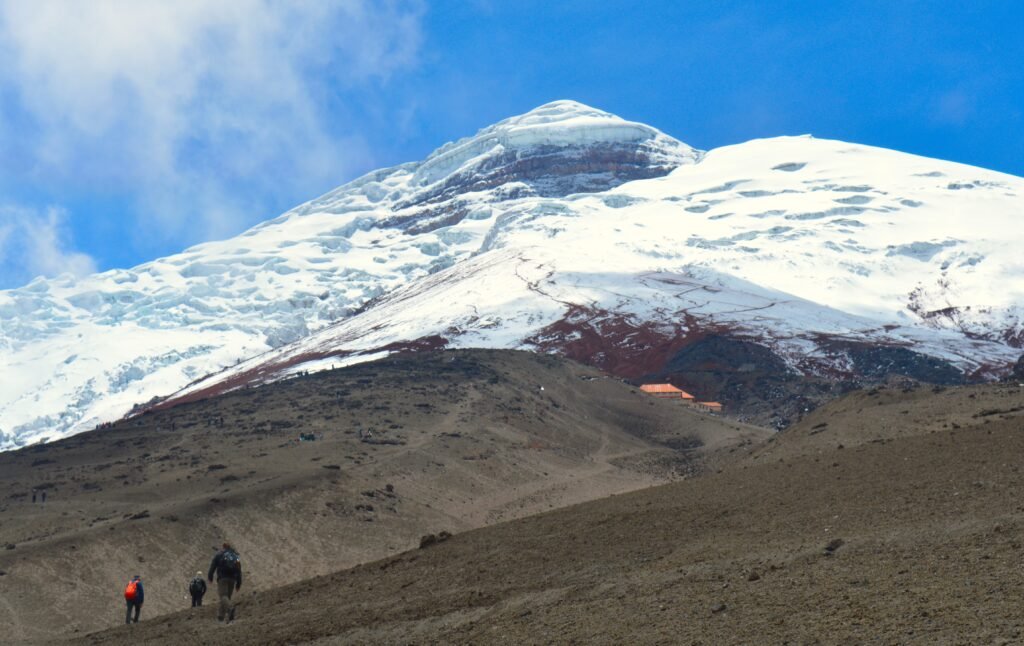
Sleeping well at nearly 4,000 metres requires a respect for the geography. The air temperature inside Cotopaxi National Park regularly drops below freezing at night, even during the dry summer months of June to September. Ensure your sleeping mat has a high insulation rating to block the freezing ground chill, and always pack a sleeping bag rated for sub-zero temperatures. Keep hydrated, take your time setting up camp, and allow your body a couple of days to adjust to the altitude before attempting any strenuous climbs.
Affiliate Disclaimer: Some of the links on Wheely Tyred are affiliate links. If you click through and make a booking or purchase, we may earn a small commission at no extra cost to you. We only recommend gear, tours, stays, and services we genuinely use, trust, and stand behind — our editorial independence always comes first. These commissions help keep our independent cycling guides and travel stories free to read. Thanks for supporting the ride!
The Ecuadorian Coast.
Where you’ll find the very best food
Frequently asked questions about the best places to camp in Cotopaxi
Most campsites near the national park, particularly those near Lasso like Cuello de Luna, are accessible by bus via the Pan-American Highway. From there, it is common to arrange a local taxi or a pre-arranged shuttle to reach the park entrance or a specific site.
Strictly speaking, you should remain within designated camping areas. The páramo is a fragile ecosystem, and the park authorities enforce regulations to protect both the environment and visitor safety, especially given the unpredictable weather and high altitude.
Yes. Even during the day, the temperature can drop significantly once the sun dips below the horizon. A sleeping bag with a comfort rating of -5°C or lower and a sleeping mat with a high R-value are necessary to ensure a restful night.
This varies. Managed sites like The Secret Garden or Hostería Cuello de Luna offer communal kitchens or on-site restaurant services. More rustic locations, such as La Rinconada, require you to be entirely self-sufficient with your own stove and fuel.
While the weather in the Andes is notoriously variable, the period from June to September is generally considered the dry season. This offers the best chance of clear skies, though nights remain consistently cold at this elevation.
There are no shops inside the park boundaries. You must procure all food, fuel, and supplies in neighbouring towns like Latacunga or Lasso before entering the national park.
Ecuador.
Pure wonder on the equator.