Finding sanctuary in the high páramo / The best places to stay near Cotopaxi
A comprehensive guide to the finest independent hotels, eco-lodges, and boutique accommodation near Cotopaxi National Park, Ecuador
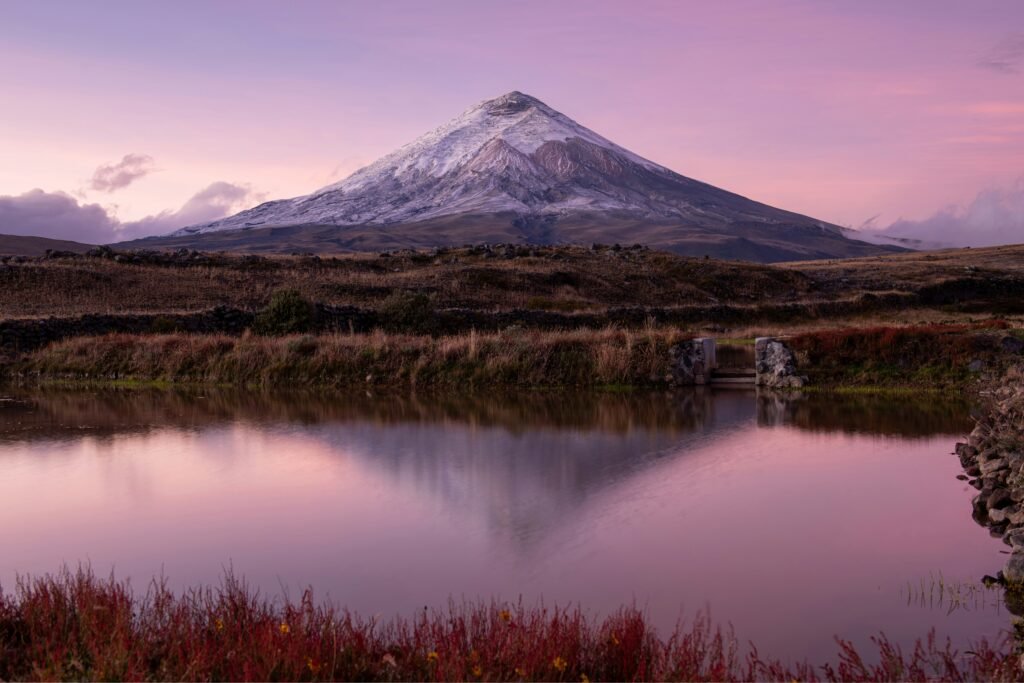
Wake to the silhouette of a perfect volcanic cone
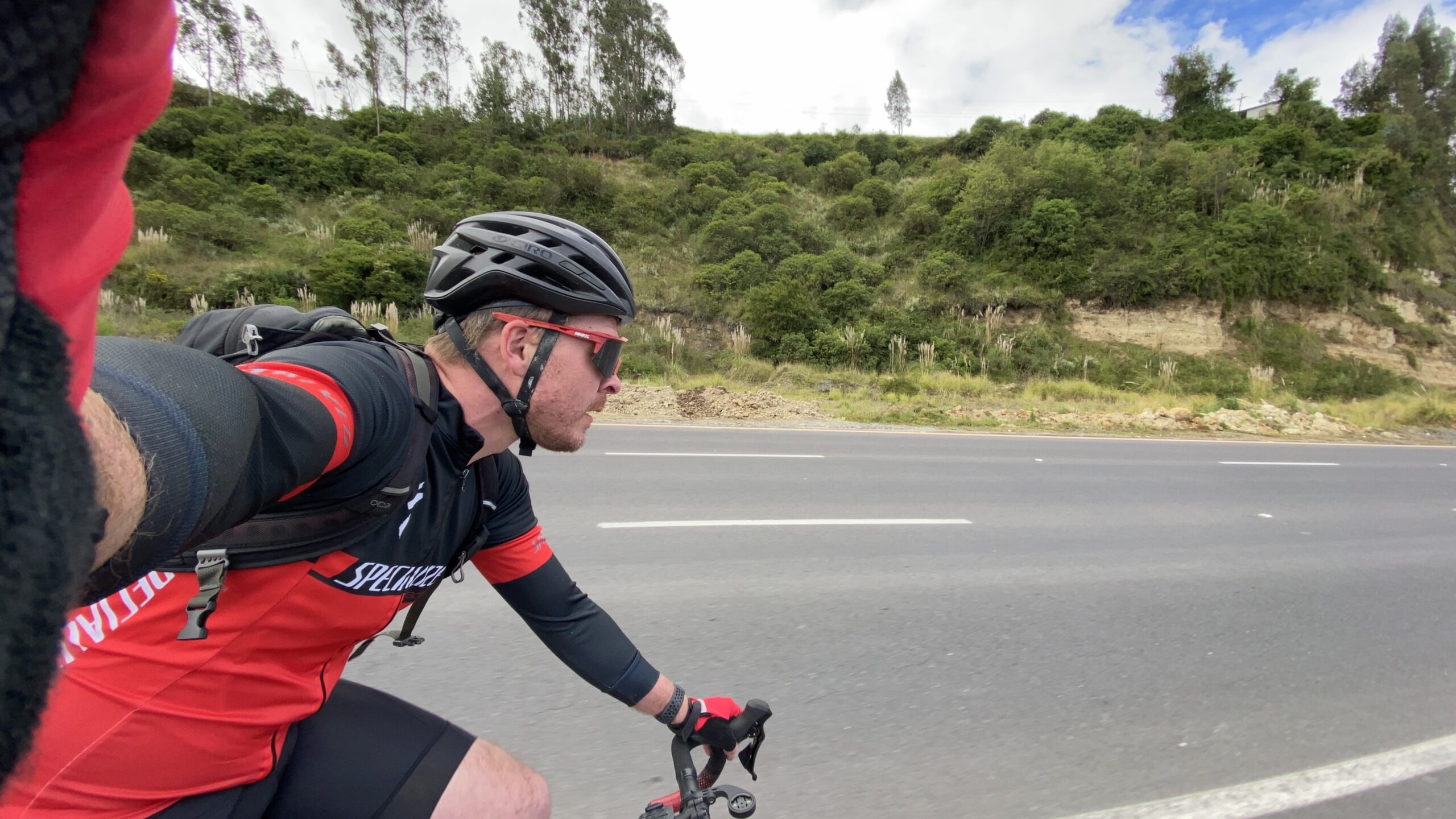
BEN FINCH
There is a distinct moment in the Ecuadorian Highlands when the mist suddenly parts to reveal the glistening, snow-capped symmetry of the Cotopaxi volcano. Standing at 5,897 metres above sea level, it dominates the landscape, a silent sentinel over a vast expanse of windswept grasslands, ancient lava flows, and hidden valleys. To truly absorb the raw majesty of this high-altitude alpine environment, one cannot rely on day trips or rushed itineraries. The true spirit of the Andes reveals itself to those who choose to linger, to step off the tour buses, and to experience the landscape at their own pace.
Independent travel demands a particular kind of basecamp. When you travel by bus, train, or your own steam, the place you rest your head at night becomes more than just a room. It becomes a sanctuary where you can thaw out after a day exploring the crisp highland air, converse with fellow adventurers over a locally sourced meal, and listen to the crackle of a wood-burning stove. The foundational philosophy of any successful exploration in this demanding terrain is simple: sleep well. Without deep, restorative rest, the high altitude can weigh heavily on the spirit.
To ensure your journey into the Andean páramo is rooted in comfort, authenticity, and distinct character, Wheely Tyred has bypassed the predictable national chains and sterile tourist complexes. Instead, we have curated six exceptional, highly reviewed properties that respect the local culture, champion architectural ingenuity, and offer unparalleled proximity to the national park.
Sleep in the shadow of a volcano
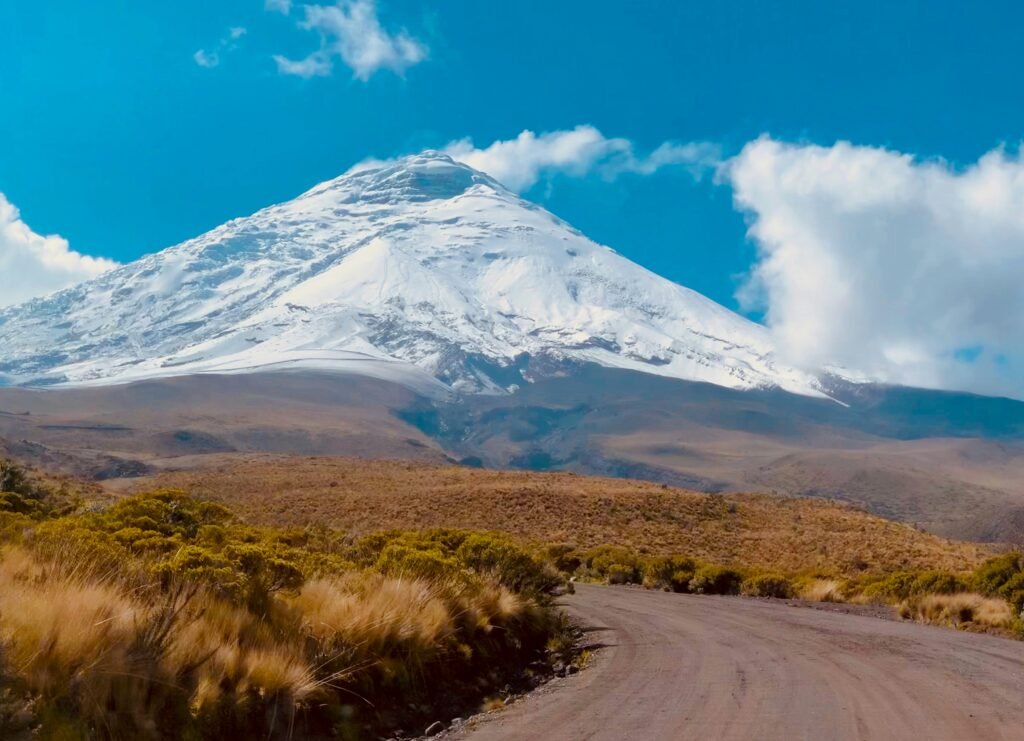
Waking up in the high-altitude páramo means trading urban clutter for vast, windswept horizons and the silent, snow-capped presence of Ecuador’s most famous volcano. Choosing the right basecamp here is crucial; it is the difference between struggling with the thin mountain air and truly connecting with the deep history and rugged beauty of the region.
- Hacienda San Agustín de Callo: An extraordinary boutique estate built directly upon imperial Inca masonry, offering an intimate, working family-home atmosphere rich with centuries of history
- Hacienda El Porvenir: A sustainable, thatch-roofed horse ranch that immerses guests in the traditions of the chagra cowboy culture while serving exceptional, locally sourced highland cuisine
- Hotel Tambopaxi Lodge: The only permanent accommodation situated completely inside the national park boundaries, providing rugged, mountaineer-standard comfort and front-row views of the peak
- Hacienda Los Mortiños: A striking stone-and-wood retreat on the northern border, celebrated for its individual guest wood stoves and sweeping, uninterrupted panoramas of the volcanic cone
- Chilcabamba Mountain Lodge: A masterclass in eco-stewardship near the Santa Rita reserve, featuring minimalist design, strict waste-reduction policies, and superb local food
- Secret Garden Cotopaxi: A legendary, highly social eco-hostel offering Earth-sheltered hillside cabins and communal, family-style dining that brings independent wanderers together
- The Golden Rule: Prioritising independent, locally rooted lodges guarantees your financial footprint supports the immediate community while ensuring you sleep well to conquer the altitude
Cotopaxi.
The iconic volcano
Hacienda San Agustín de Callo
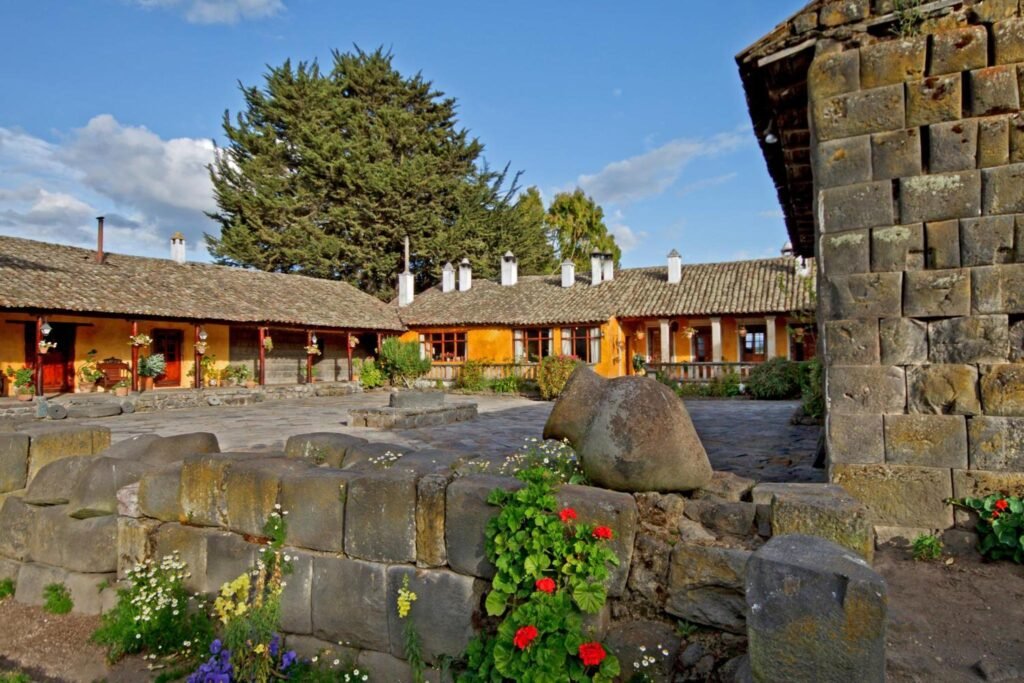
For a profound connection to Ecuador’s multilayered history, few properties on earth can match this extraordinary boutique hotel. Built directly on the site of an important Inca palace and later utilised as an Augustinian monastery, Hacienda San Agustín de Callo represents an architectural tapestry spanning hundreds of years. It is one of only two major structures in the entire country that incorporates authentic imperial Inca masonry into its living spaces. To dine within the walls of perfectly fitted, mortarless volcanic stones is to feel completely connected to the heritage of the corridor.
The property avoids the traditional trapping of a luxury resort by maintaining the intimate, warm ambience of a private family estate. Each guest room is distinct, featuring open fireplaces, hand-painted frescoes, and plush textiles that ward off the evening chill. The surrounding gardens are frequented by llamas, and the windows look out across pastoral valleys directly towards the dramatic western slopes of the volcano. For the independent traveller who values deep historical context and a quiet, contemplative atmosphere, this estate provides an incomparable cultural immersion.
Hacienda El Porvenir by Tierra del Volcán
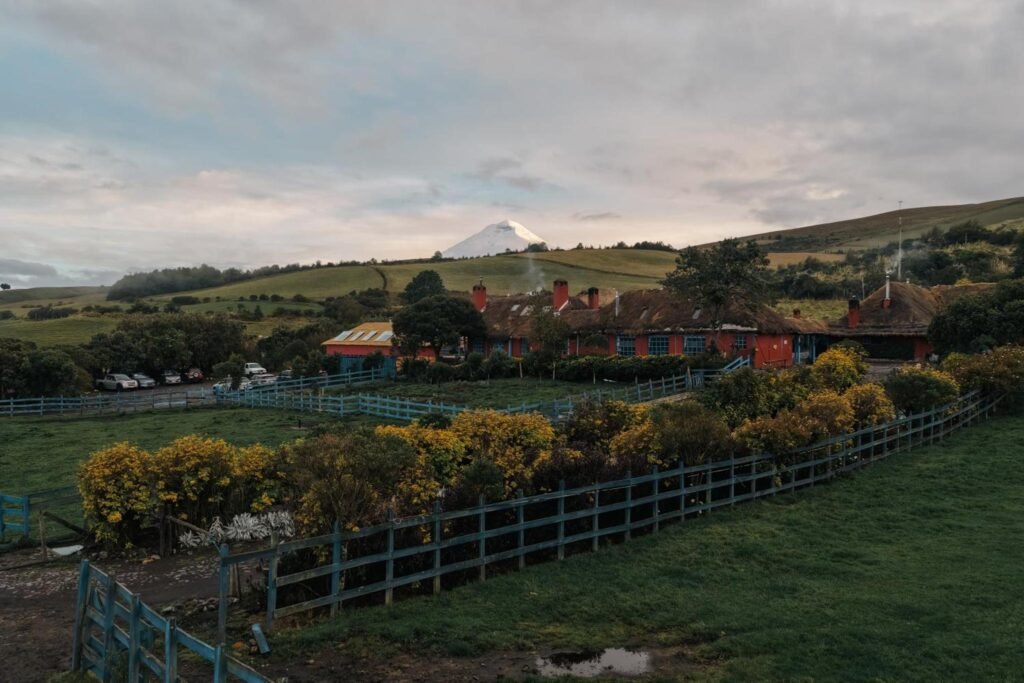
Situated near the northern entrance of the national park, Hacienda El Porvenir is a working horse ranch that offers a magnificent entry point into the vibrant culture of the chagra, the traditional Andean cowboy. Constructed using ancestral techniques, the buildings feature beautiful thatch roofs and walls insulated with local materials, perfectly mimicking the traditional architecture of the high plains. It manages to balance a rustic, grounded atmosphere with a highly refined sense of modern comfort.
The culinary experience here is a particular highlight, heavily emphasising traditional highland cuisine with ingredients sourced directly from the estate or nearby indigenous communities. After a day spent traversing the high trails, guests can retreat to a beautifully designed spa area that features traditional herbal treatments and a temazcal sauna. The communal spaces are centred around monumental stone fireplaces, encouraging quiet reading or low-key conversations with independent adventurers from across the globe. It is a model of sustainable, community-minded tourism that allows you to experience the ecosystem without exploiting it.
The Ecuadorian Sierra.
Get lost in the hills
Hotel Tambopaxi Lodge
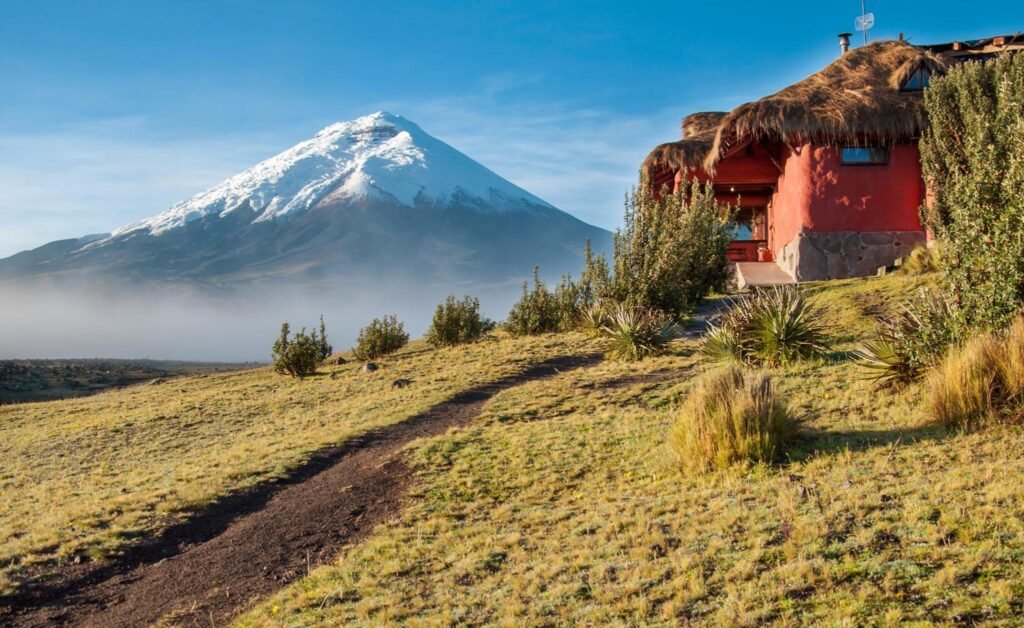
For those who wish to discard any barrier between themselves and the wild landscape, Hotel Tambopaxi Lodge holds a unique distinction: it is the only permanent accommodation located entirely within the boundaries of Cotopaxi National Park. Originally built as a rustic shelter for mountaineers preparing to scale the summit, it has evolved into a highly comfortable eco-lodge while preserving its rugged, adventurous identity.
The design features large, panoramic windows that frame the immense northern face of the mountain, offering a front-row seat to the shifting alpine weather. Watching the moonlight catch the glacial ice from the warmth of the wood-panelled lounge is an unforgettable experience. Because of its location deep within the park, the lodge provides immediate, footstep access to the network of trails crossing the plains. There are no sounds here other than the mountain wind and the occasional passing of wild horses. It offers an uncompromisingly authentic, high-altitude experience for those who prioritise absolute immersion in nature.
Hacienda Los Mortiños
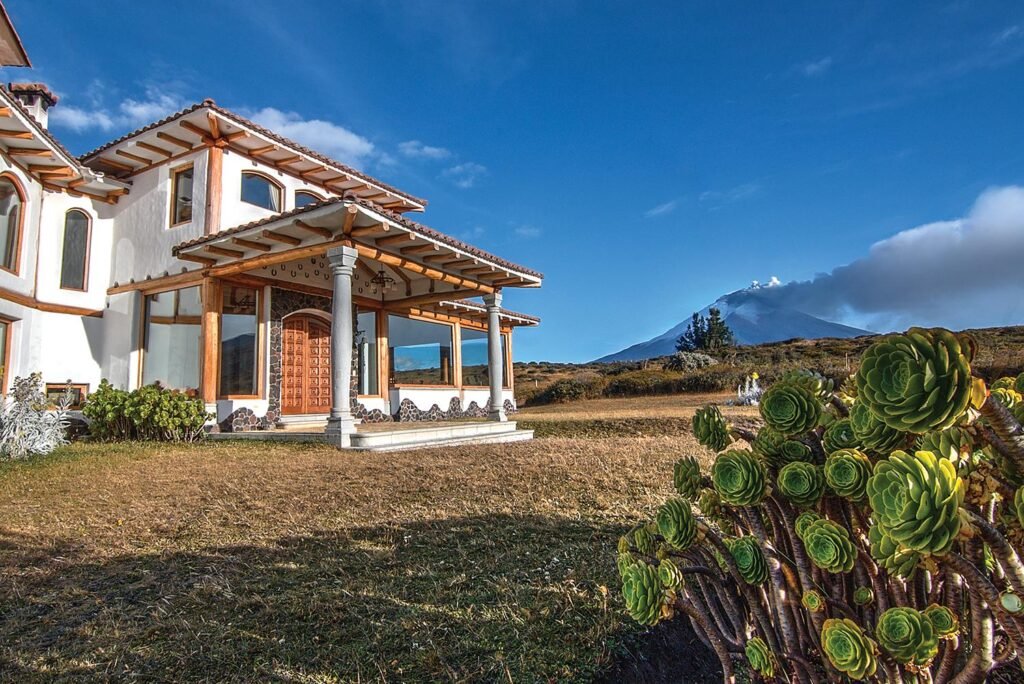
Perched directly on the northern border of the national park, Hacienda Los Mortiños is a stunning stone-and-wood lodge that offers what many seasoned travellers consider to be the most spectacular, uninterrupted panoramic view of the volcanic cone available anywhere in the region. The architecture successfully honours traditional architectural forms while implementing modern structural design, creating bright, airy interiors that maximise natural light and mountain vistas.
Comfort is taken seriously here, acknowledging the physical demands of high-altitude exploration. Every room is equipped with an individual wood stove, which the attentive local staff light each evening to ensure you stay warm throughout the mountain night. The on-site restaurant focuses on hearty, nourishing dishes—particularly exceptional local soups and fresh mountain trout—designed to replenish spent energy. For travellers who appreciate exceptional panoramic views and a serene, deeply quiet environment to read, write, or contemplate the terrain, this property represents a phenomenal highland retreat.
The Galápagos.
Ecuador’s Enchanted Isles
Chilcabamba Mountain Lodge
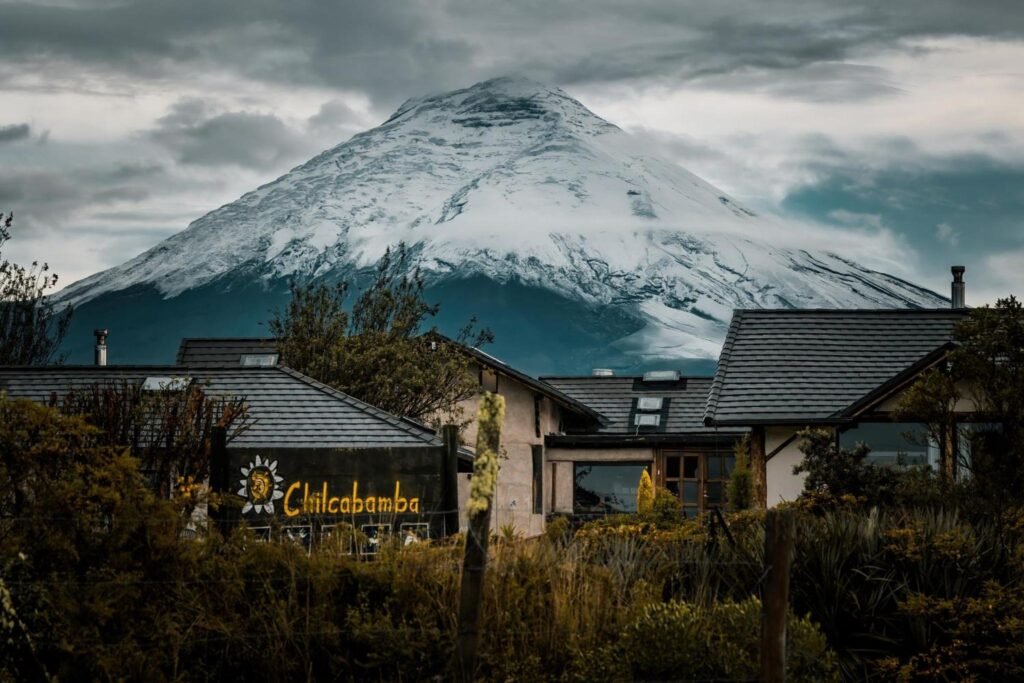
This eco-lodge is a masterclass in architectural harmony and environmental stewardship. Tucked away in a pristine valley near the Santa Rita Ecological Reserve, Chilcabamba Mountain Lodge consists of beautiful, thatch-roofed stone buildings that blend seamlessly into the undulating grasslands. The entire estate operates under strict environmental policies, focusing on comprehensive waste reduction, renewable energy practices, and sourcing at least 80% of its food from immediate local agricultural projects.
The interior design is warm and minimalist, stripped of unnecessary clutter to allow the natural beauty of the surrounding mountains to take centre stage. Sound-insulated walls, exceptional bedding, and private wood burners guarantee that guests sleep well, protected from the unpredictable highland weather. The common room, complete with a roaring firepit and a well-stocked library of regional history, serves as an inviting hub for independent travellers looking to exchange insights about self-guided routes through the nearby cloud forests and waterfalls.
Secret Garden Cotopaxi
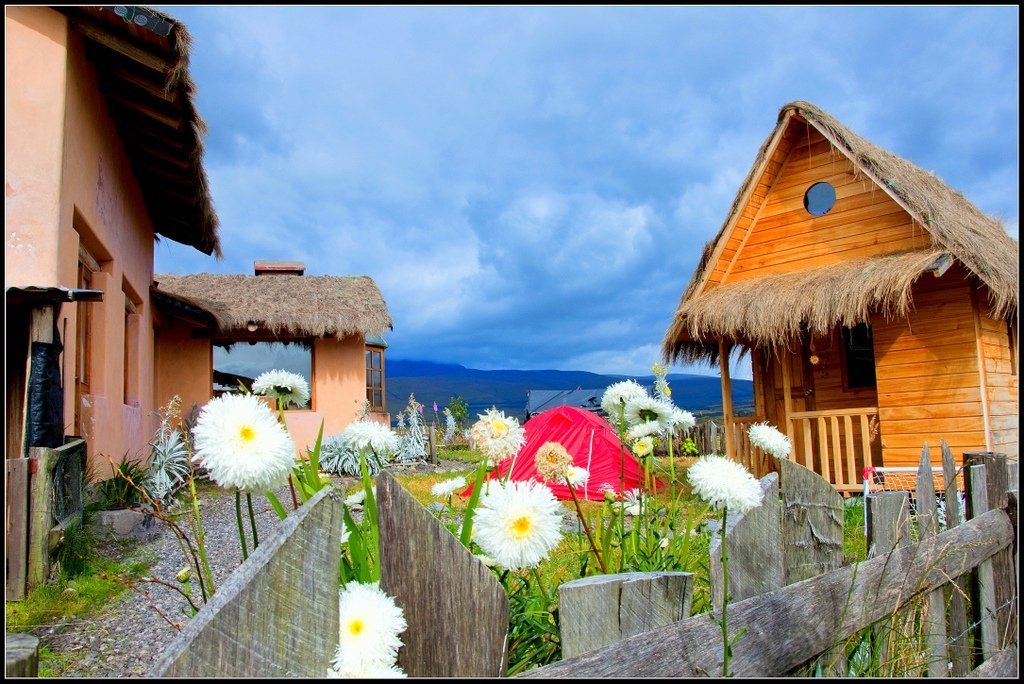
While the region is home to many luxury retreats, independent travellers operating on a different pace will find their spiritual home at this legendary eco-lodge. Operating as a communal, highly social hostel and lodge, Secret Garden Cotopaxi is famous for its creative architectural quirks, including cosy, earth-sheltered cabins that resemble hobbit homes built directly into the hillside.
The property focuses heavily on shared experiences without feeling like a chaotic party hub. Family-style dinners are included in the stay, bringing a diverse mix of international backpackers, solo wanderers, and independent explorers together around massive wooden tables to share stories over wholesome, home-cooked food. Free tea, coffee, and freshly baked banana bread are available throughout the day, providing fuel for those relaxing in the extensive hammock lines or participating in the daily walks to nearby hidden waterfalls. It provides a warm, instantly welcoming community in the middle of the remote wilderness, making it an essential stop for anyone travelling through the Andes on their own terms.
The Ecuadorian Amazon.
The most biodiverse place in the world
Choose your Cotopaxi sanctuary
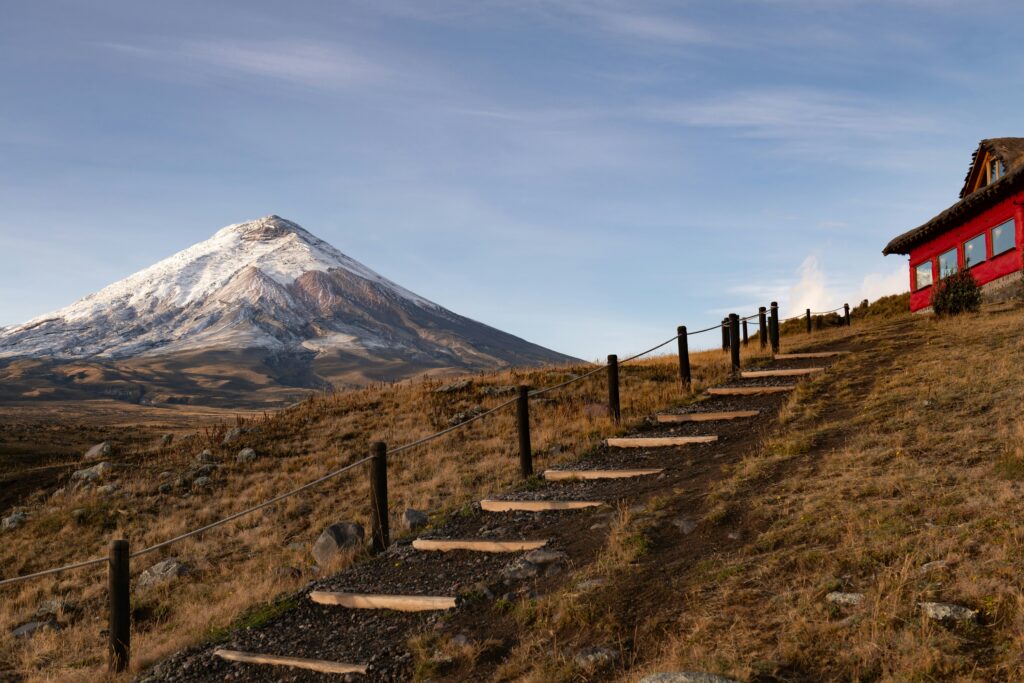
The high Andes demand respect, and your choice of accommodation dictates the entire quality of your experience. By choosing independent, locally rooted establishments over homogeneous international chain hotels, you ensure that your financial footprint stays directly within the communities that care for these delicate ecosystems.
More importantly, you grant yourself the time and space to understand Cotopaxi on a deeper level. Whether you are resting by an Inca wall, sharing a meal with a chagra cowboy, or watching the stars climb over the volcano from a hillside cabin, these spaces ensure you return to the trail refreshed, clear-headed, and deeply inspired.
Affiliate Disclaimer: Some of the links on Wheely Tyred are affiliate links. If you click through and make a booking or purchase, we may earn a small commission at no extra cost to you. We only recommend gear, tours, stays, and services we genuinely use, trust, and stand behind — our editorial independence always comes first. These commissions help keep our independent cycling guides and travel stories free to read. Thanks for supporting the ride!
The Ecuadorian Coast.
Where you’ll find the very best food
Frequently asked questions about where to stay in Cotopaxi
The high altitude is the defining factor of the region, with properties sitting between 3,000 and nearly 4,000 metres above sea level. To sleep well and avoid altitude sickness, it is essential to choose accommodation that provides reliable warmth—such as open fireplaces or individual wood stoves—and a peaceful environment that allows your body to acclimatise at its own pace before you attempt heavy trekking.
Yes, though it requires a bit of independent spirit. Buses running along the Pan-American Highway between Quito and Latacunga can drop you at the main park entrances (Machachi for the north or the south gate entrance). From there, most independent lodges can arrange a private 4×4 pickup, or you can hire a local driver to take you along the unpaved mountain roads directly to your sanctuary.
The chagras are the traditional cowboys of the Ecuadorian Andes, renowned for their deep knowledge of the terrain, exceptional horsemanship, and distinctive patterned ponchos. Staying at historic working ranches like Hacienda El Porvenir allows you to learn about their heritage first-hand, explore the park on horseback alongside them, and understand how their culture has shaped the highland landscape.
The cuisine is designed to be hearty, warming, and deeply nourishing to replenish energy spent in the crisp mountain air. Independent lodges focus heavily on traditional highland dishes, featuring incredible potato and vegetable soups (like locro de papa), fresh mountain trout caught from local streams, and warm infusions made from local Andean herbs to aid digestion and acclimatisation.
Absolutely. Independent travellers can easily explore the lower trails, the vast plains, and highlights like Limpiopungo Lagoon on foot or by renting mountain bikes. However, if your goal is to climb past the glacier line or attempt to scale the 5,897-metre summit, park regulations strictly require you to hire a certified, specialised mountain guide for safety.
Ecuador.
Pure wonder on the equator.