The best places to eat in Cotopaxi for independent travellers
The ultimate independent food guide to the best places to eat in Cotopaxi, featuring authentic regional flavours and hidden local haunts
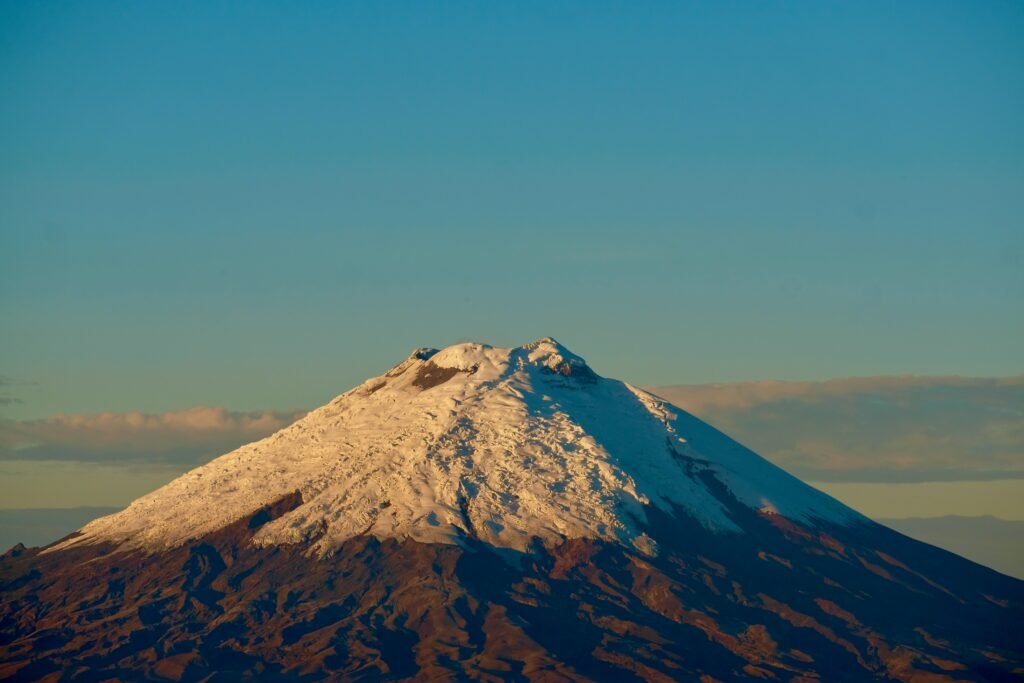
A culinary journey through the dramatic high páramo
BEN FINCH
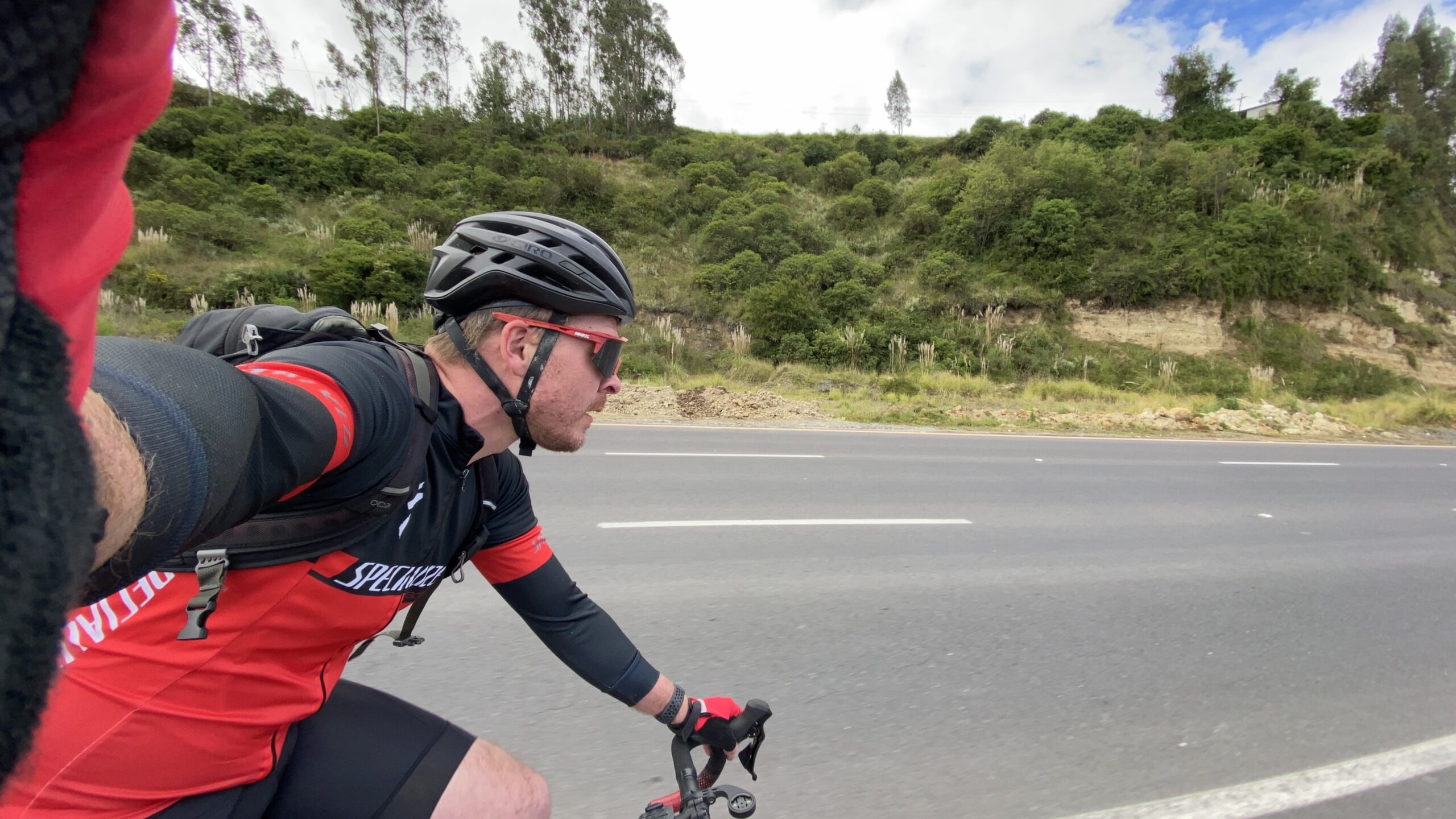
The shadow of the majestic Volcán Cotopaxi dominates the landscape of the Ecuadorian Andes, drawing independent adventurers who prefer the rattle of a local bus or the freedom of a two-wheeled mountain descent to the sterile glass windows of a tour coach. Yet, too many travellers treat this high-altitude playground as a purely visual experience, rushing back to Quito before discovering the rich culinary identity forged in the surrounding valleys. The volcanic soil, high elevation, and centuries of architectural fusion have created a food culture that demands slow, deliberate exploration.
To truly understand this region, you must eat well. Highland cuisine here is built on resilience and warmth, turning native tubers, cold-hardy corn, and slow-roasted meats into deeply satisfying fuel. Moving past the predictable tourist buffets reveals exceptional dining hidden inside ancient stone walls, active working farms, and secretive urban courtyards.
Whether you are acclimatising before a high-altitude trek or winding down after a long day exploring the remote villages of the Quilotoa Loop, here is where to find the best places to eat in Cotopaxi.
The volcanic hearth of Cotopaxi
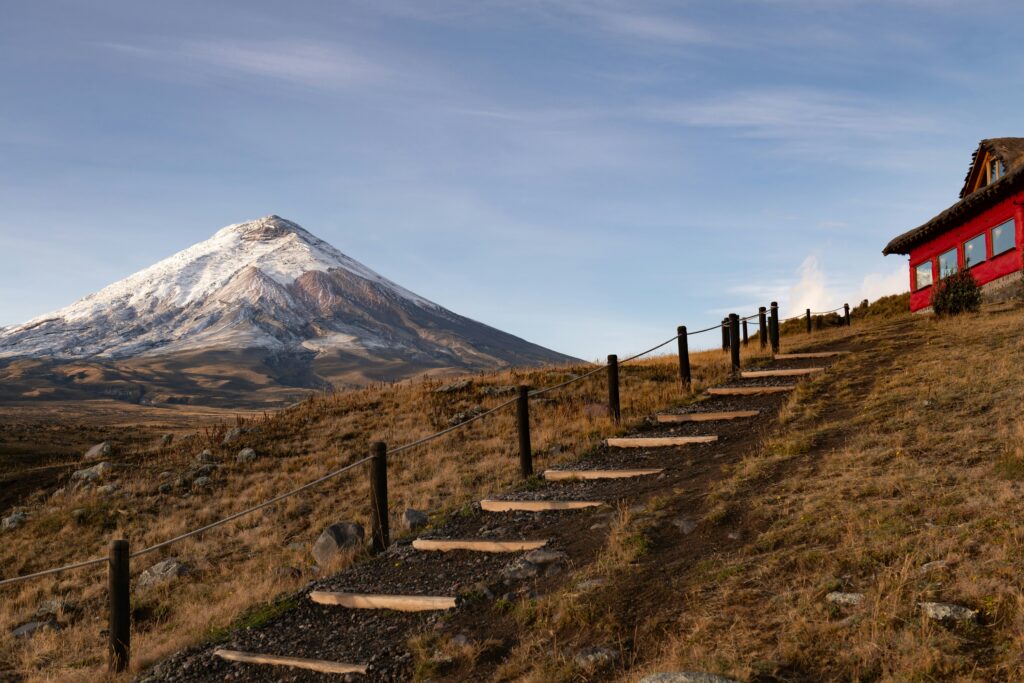
Moving beyond the hurried pace of organised tour buses reveals a highland food culture shaped by volcanic soil and resilient traditions. These essential stop-offs provide independent travellers with deep regional flavours, historical sanctuary, and authentic Andean comfort.
- Imperial Inca Dining: Hacienda San Agustín de Callo serves a refined locro de papa enclosed within the authentic, meticulously carved 15th-century stone walls of a former Inca palace
- Paramo Wilderness Fuel: Hotel Tambopaxi Lodge offers robust mountain stews, fresh whole-wheat bread, and fireside respite at an elevation of 3,750 metres inside the national park borders
- Colonial Urban Retreats: El Gringo Y La Gorda showcases artisanal high-altitude cheeses sourced from small-scale regional dairy producers inside a secretive, 450-year-old Latacunga courtyard
- A Highland Masterclass: Chugchucaras Rosita delivers the definitive chugchucaras feast, elevating slow-cooked pork with a rustic ají de piedra hot sauce ground by hand in volcanic stone mortars
- Roadside Authenticity: Chasqui Mirador Cotopaxi provides honest Andean comfort food and smoky, wood-fired dishes directly along the Pan-American Highway for self-paced travellers
- Fireside Nightcaps: Bundaváh Café-Fogata serves steaming mugs of traditional, spiced canelazo around a roaring open fire pit in the heart of Latacunga’s historic centre
- The Almuerzo Rhythm: Timing your daily exploration around the local midday lunch rush ensures the freshest ingredients, traditional soups, and a genuine connection to regional dining habits
Cotopaxi.
The iconic volcano
Hacienda San Agustín de Callo
To experience how history directly shapes flavour, make your way to Lasso. Hacienda San Agustín de Callo is not merely a restaurant; it is a profound multi-era architectural monument built directly onto the meticulously carved stone remnants of a 15th-century Inca palace. Later serving as an Augustinian monastery and a French Geodesic Mission headquarters, its dining room features exposed imperial Inca masonry that provides an unparalleled setting for a meal.
The kitchen treats traditional highland ingredients with remarkable sophistication. The standout dish is the classic locro de papa, a velvety, thick potato soup utilising native varieties that break down naturally to create an incredibly rich, creamy broth. Served in the traditional manner with a generous slice of fresh local cheese and a perfectly ripe Ecuadorian avocado, it provides immediate comfort against the crisp Andean air.
The menu also highlights delicate quinoa croquettes and fresh Andean trout sourced from nearby mountain streams, prepared with wild herbs that grow along the páramo slopes. Eating here allows independent travellers to connect deeply with the agricultural and historical roots of the province, far removed from the hurried schedules of standard tour groups.
Hotel Tambopaxi Lodge Restaurant
For those who refuse to leave the wilderness behind, the restaurant at Hotel Tambopaxi Lodge offers a dining experience completely integrated into the high páramo landscape. Situated inside the borders of Cotopaxi National Park at an elevation of 3,750 metres, this rustic, wood-and-stone sanctuary features expansive picture windows that look directly out across the sweeping plains towards the northern face of the snow-capped volcano.
The kitchen specialises in hearty, cooked-to-order farmhouse food designed to replenish energy after hours of independent exploration. The daily menus rely heavily on vegetables grown in the immediate valley and regional dairy products. Their slow-simmered beef stews, rich with garlic, cumin, and native roots, are legendary among high-altitude hikers.
Even if you are just passing through on a day trek, stopping by the communal fireplace for a steaming mug of organic arabica coffee or a unique herbal tea blend paired with fresh, warm whole-wheat bread is an essential local ritual. It represents the functional soul of mountain dining: simple, robust, and completely focused on the surrounding environment.
The Ecuadorian Sierra.
Get lost in the hills
El Gringo Y La Gorda
Stepping off the Pan-American Highway and into the historic centre of Latacunga leads you to El Gringo Y La Gorda. Located inside a magnificent 450-year-old colonial building, this independently owned café and restaurant effortlessly bridges the gap between historical preservation and contemporary social dining. The interior features an eclectic open courtyard filled with local artwork and historic architecture, offering a relaxed environment to unwind.
The menu stands out by blending international culinary styles with vibrant local elements. While famous for its unique New Orleans-inspired creations and generous portions, the true highlight for food-focused travellers is their exceptional artisanal cheese board. The kitchen works closely with small-scale dairy producers in the surrounding Cotopaxi province to curate a selection of distinct mountain cheeses that showcase the rich, herbaceous qualities of high-altitude milk. Combined with fresh, house-made dipping sauces and a welcoming, slow-paced atmosphere, it serves as a premier urban hideaway for travellers who want to set their own pace.
Chugchucaras Rosita Sucursal Sur-norte
You cannot claim to have a deep knowledge of Cotopaxi culture without dedicating an afternoon to the region’s most iconic culinary tradition: chugchucaras. To experience this regional masterpiece at its absolute best, travel slightly south of the Latacunga core to Chugchucaras Rosita Sucursal Sur-norte. This spacious, bustling establishment is a trusted local institution completely dedicated to preserving a complex culinary heritage.
A traditional plate of chugchucaras is a masterclass in highland textures and fats. The dish consists of deeply flavourful, slow-cooked fried pork (fritada), large-kerneled hominy corn (mote), crunchy toasted corn (tostado), sweet fried plantains, miniature cheese-filled empanadas, and impossibly crispy pork rinds (chicharrón). The entire experience is elevated by the addition of ají de piedra, a rustic hot sauce ground by hand using volcanic stone mortars to achieve a thick, textured heat that commercial blenders cannot replicate. It is a celebratory, heavy meal designed for sharing, representing the true communal spirit of the Ecuadorian highlands.
The Galápagos.
Ecuador’s Enchanted Isles
Chasqui Mirador Cotopaxi
Positioned strategically along the Panamericana Norte E35 highway just past the main entrance to the national park, Chasqui Mirador Cotopaxi is a masterclass in honest, roadside authenticity. Free from the pretensions of modern tourist traps, this restaurant caters to independent drivers, long-distance cyclists, and local families who appreciate large portions, affordable prices, and flawless window views of the volcanic peak.
The kitchen focuses on classic Andean comfort food. Here, the wood-fired ovens and clay pots dominate the cooking process, imparting a subtle, smoky depth to every dish. The grilled meats are expertly seasoned with garlic, beer, and unrefined cane sugar, resulting in remarkably tender textures. Their traditional chicken soup, packed with fresh root vegetables and highland herbs, serves as an instant antidote to altitude fatigue. It is a highly reliable, rewarding stop that captures the genuine daily dining habits of the mountain region.
Bundaváh Café-Fogata
As evening falls and the mountain temperature drops significantly, the search for an atmospheric drink and a casual meal leads back to the heart of Latacunga. Bundaváh Café-Fogata functions as the ultimate hybrid café and evening bar space for independent wanderers. The defining feature of this enchanting venue is its rustic backyard garden layout, centred around a roaring open fire pit where travellers from across the globe gather naturally to share stories.
While the kitchen serves up highly rated, thick artisanal burgers—including some of the best vegetarian and plant-based options in the province—the main reason to visit after dark is their exceptional preparation of canelazo. This traditional, steaming highland hot toddy is brewed by boiling water with cinnamon sticks, raw unrefined cane sugar (panela), tart local naranjilla juice, and a calculated splash of sugarcane aguardiente. Sitting outdoors by the crackling fire, sipping a warm, spiced canelazo while acoustic melodies play in the background, provides the perfect, lo-fi conclusion to a day of mountain exploration.
The Ecuadorian Amazon.
The most biodiverse place in the world
A note on independent sourcing
When exploring the markets and smaller eateries throughout the Cotopaxi province, prioritise establishments that prepare food fresh daily over high heat. High-temperature cooking remains your finest defence against foodborne illness in rural highland settings, making sizzling platters of roasted pork, fresh empanadas, and boiling pots of potato soup excellent, safe choices for independent food exploration.
The Ecuadorian Coast.
Where you’ll find the very best food
Mastering the Cotopaxi palate / How to eat like a local
Savouring the absolute best places to eat in Cotopaxi requires adjusting to the natural rhythms of the Ecuadorian highlands. In this part of the world, lunch (almuerzo) is universally treated as the main event of the day. Between noon and two in the afternoon, independent travellers should look for the places where local business owners and agricultural workers congregate. This is when the regional soups are at their freshest, the wood fires are at their peak intensity, and the true character of Andean hospitality comes alive.
Stepping away from the rigid structures of pre-packaged tours gives you the freedom to linger over these midday feasts. Highland dining is inherently unhurried; it is designed to build community and provide slow-burning energy for the demanding climate. By choosing independent, locally owned tables, you ensure your travel spend directly supports the smallholder farmers, multi-generational cooks, and artisanal dairy producers who protect these culinary traditions.
Ultimately, the food of the Cotopaxi region mirrors the landscape itself: dramatic, grounded, and entirely unforgettable. From the complex textures of a bustling plate of chugchucaras in a historic courtyard to a quiet, fireside bowl of potato soup high within the national park, eating well here is just as essential to the journey as reaching the summit. Pack your sense of adventure, leave the itinerary open, and let the real flavours of the high Andes guide your way.
Affiliate Disclaimer: Some of the links on Wheely Tyred are affiliate links. If you click through and make a booking or purchase, we may earn a small commission at no extra cost to you. We only recommend gear, tours, stays, and services we genuinely use, trust, and stand behind — our editorial independence always comes first. These commissions help keep our independent cycling guides and travel stories free to read. Thanks for supporting the ride!
Frequently asked questions about the best places to eat in Cotopaxi
Chugchucaras is the signature culinary tradition of Latacunga. It is a hearty platter consisting of deep-fried pork (fritada), large-kerneled hominy corn (mote), crunchy toasted corn (tostado), sweet fried plantains, miniature cheese empanadas, and crispy pork rinds (chicharrón). The most authentic, locally trusted version is served just south of the town centre at Chugchucaras Rosita Sucursal Sur-norte.
Located in Lasso, this establishment allows you to dine within a profound multi-era architectural monument. The restaurant’s walls contain the perfectly preserved 15th-century imperial masonry of an Inca palace that later served as an Augustinian monastery, offering an immersive connection to local history that cannot be replicated in modern eateries.
Yes. Hotel Tambopaxi Lodge is situated completely within the park boundaries at 3,750 metres. Its restaurant features expansive windows facing the northern face of the volcano and serves cooked-to-order farmhouse food, slow-simmered beef stews, and organic arabica coffee next to a communal fireplace.
Canelazo is a traditional, steaming highland hot toddy brewed by boiling water with cinnamon sticks, raw unrefined cane sugar (panela), and tart local naranjilla fruit juice, finished with a calculated splash of sugarcane aguardiente. It is best enjoyed outdoors after dark next to an open fire pit, such as the one at Bundaváh Café-Fogata, to ward off the sharp drop in mountain temperatures.
Independent travellers should adapt to the local rhythm by treating lunch (almuerzo) as the main event of the day. Between noon and 2:00 pm, regional specialities and traditional potato soups are at their freshest, and the local kitchens are operating at peak intensity.
When exploring local markets and smaller roadside stops, prioritise establishments that prepare food fresh daily over high heat. Sizzling platters of roasted pork, fresh empanadas, and boiling pots of potato soup offer excellent, safe pathways for independent food exploration in the highland environment.
Ecuador.
Pure wonder on the equator.