First-timer tips for visiting Yasuní National Park / An independent traveller’s guide
Essential first-timer tips for visiting Yasuní National Park with our guide to the Ecuadorian Amazon
How to navigate the world’s most biodiverse rainforest on your own terms
BEN FINCH
Modern travel is frequently funnelled into rigid, pre-fabricated experiences that insulate the traveller from the raw reality of a destination. For those who value independent travel—who choose to map their own journeys by bus, boat, or bicycle—the eastern rainforest of Ecuador presents the ultimate frontier.
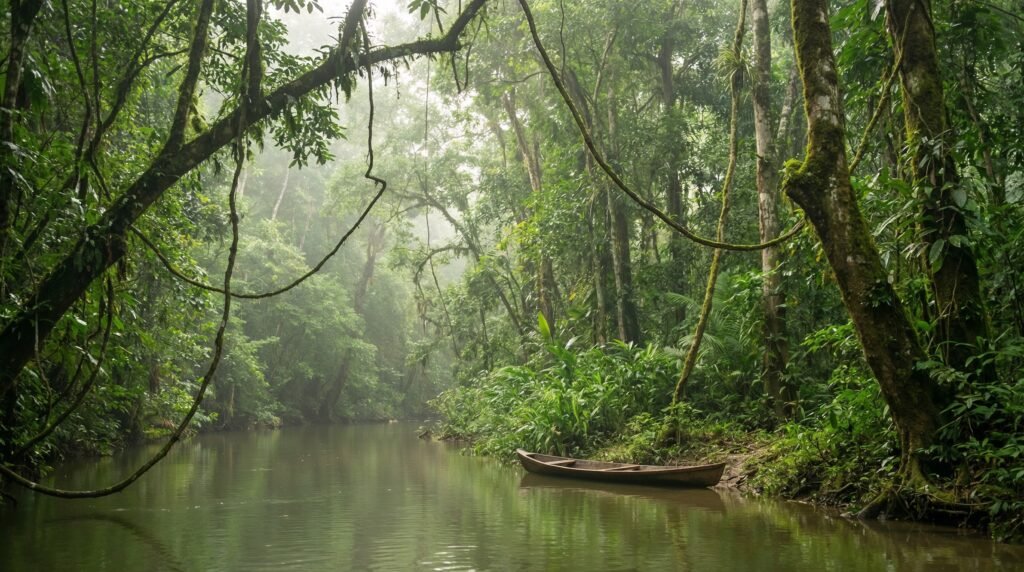
Covering nearly 10,000 square kilometres of pristine Amazonian basin, Yasuní National Park is a place defined by staggering ecological superlatives. Scientists widely consider this region to be the most biodiverse spot on the planet, a landscape where a single hectare of land can contain more native tree species than the entire expanse of North America.
It is a dense, untamed labyrinth of primary canopy, blackwater swamps, and complex river systems that requires a complete shift in travel philosophy. For travellers who prefer to move at their own pace, rushing through an ecosystem this delicate on a generic corporate package is anathema.
To truly understand this biosphere, one must adopt the principles of slow travel. This means taking time to observe the subtle shifts in the landscape, respecting the human communities that guard these lands, and preparing thoroughly for an environment that humbles the unprepared.
Visiting this wilderness for the first time can be overwhelming, but approaching it with the right mindset transforms a standard holiday into a profound exploration of our natural world.
Discover the untamed heart of the Oriente
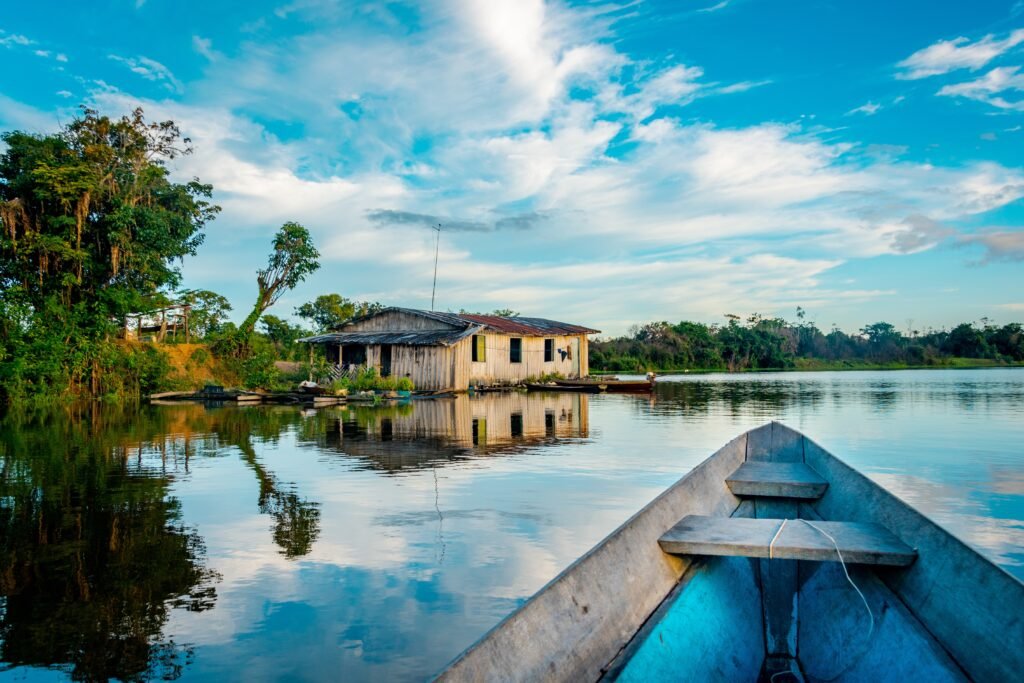
Navigating the world’s most biodiverse wilderness requires a complete shift towards slow, intentional travel. This summary outlines the essential logistics, environmental quirks, and cultural etiquette needed to explore Yasuní responsibly.
- The Overland Approach: Reaching the jungle gateway of Coca is best achieved via a scenic eight-to-ten-hour public bus ride from Quito, bypassing expensive flights for a grounded transition
- Aquatic Highways: Travelling downstream into the park boundaries relies entirely on the powerful currents of the Río Napo, where motorised noise gives way to the rhythms of the wilderness
- High-Water Ecosystems: Visiting during the peak rainy month of May allows paddle-driven dugout canoes to glide deep into flooded forests, bringing travellers eye-to-eye with canopy wildlife
- Terrestrial Exploration: Choosing the drier window of December exposes river beaches and stabilises footpaths, making it the ideal season for tracking wildlife on the forest floor
- Community-Led Conservation: Protecting indigenous sovereignty means traditional solo trekking is prohibited; independent travellers must partner directly with local initiatives like the Añangu or Sani Isla communities
- Wardrobe and Gear Efficiency: Successful exploration demands lightweight synthetic clothing, high-capacity power banks, waterproof dry bags, and an absolute commitment to carrying high-quality binoculars
- Respectful Cultural Bridges: Engaging with local hosts involves observing community etiquette quietly and remaining open to traditional hospitality, such as sampling chicha or chontacuro
Yasuní National Park.
Home to the black water
Navigating the overland journey to the gateway
Independent travel is defined by the integrity of the journey itself, rather than simply arriving at a destination. To reach the national park, travellers must first make their way to the frontier transit hub of Coca, officially known as Puerto Francisco de Orellana. While expensive commercial flights operate between the capital and the jungle edge, choosing the overland route via public bus offers a far more rewarding and eco-conscious transition into the Amazon basin.
Departing from the Quitumbe terminal in southern Quito, public buses operated by reliable regional companies run frequent schedules throughout the day and night. The journey takes between eight and 10 hours, winding down from the high-altitude Andean peaks, through spectacular cloud forests, and finally flattening out into the vast, humid lowlands. Taking a night bus allows you to arrive in Coca bright and early, ready to connect with river transport, while day travel rewards you with panoramic views of Ecuador’s shifting geography.
Coca is an industrial oil-frontier town that serves primarily as a logistical checkpoint rather than a tourist destination, so planning an immediate connection to the river docks is the most efficient approach. From the bustling banks, the only way forward is by water. The legendary Río Napo, a massive tributary of the Amazon River, serves as the primary aquatic highway leading downstream towards the park boundaries.
Moving from the noisy, mechanical atmosphere of the docks into the rhythmic, serene currents of the river is the moment when true wilderness exploration begins. The air grows thick with the scent of damp earth and vegetation, and the urban sounds of Ecuador fade into the background.
The Ecuadorian Amazon.
The most biodiverse place in the world
Understanding the equatorial microclimates and seasons
The equatorial climate of the Ecuadorian Amazon means that it remains warm, muggy, and wet throughout the entire year, with average temperatures consistently hovering around 25 degrees Celsius. However, first-time visitors are often surprised by how quickly the weather can pivot. Microclimates dictate that a perfectly clear, sun-drenched morning can transform into a dramatic, heavy downpour within a matter of minutes.
Precipitation across the basin peaks in May, when the region receives an average of over 330 millimetres of rain. This wet season causes river levels and tributary creeks to rise significantly, creating an expansive network of flooded forests. For the independent explorer, this high-water period is a magnificent time to visit via water. High river levels allow small, paddle-driven dugout canoes to glide effortlessly deep into the flooded forest corridors, bringing you face-to-face with canopy-dwelling wildlife such as howler monkeys, sloths, and hoatzin birds that gather near the water’s edge.
Conversely, the driest month of the year is December, seeing around 152 millimetres of rainfall. During this drier window, the lower water levels expose river beaches and stabilise the terrestrial footpaths. This is the optimal season for travellers who prefer to explore the intricate ecosystems of the forest floor on foot, tracking jaguar prints in the drying mud and discovering the smaller wonders of the undergrowth.
However, independent travellers must remember that nights in the deep jungle can turn surprisingly chilly due to the dense canopy cover and high humidity, making a lightweight jacket an essential item that many first-timers overlook. Understanding these shifting patterns allows you to align your personal travel goals with the rhythms of the forest.
The Ecuadorian Sierra.
Get lost in the hills
Redefining independence / Community-based tourism
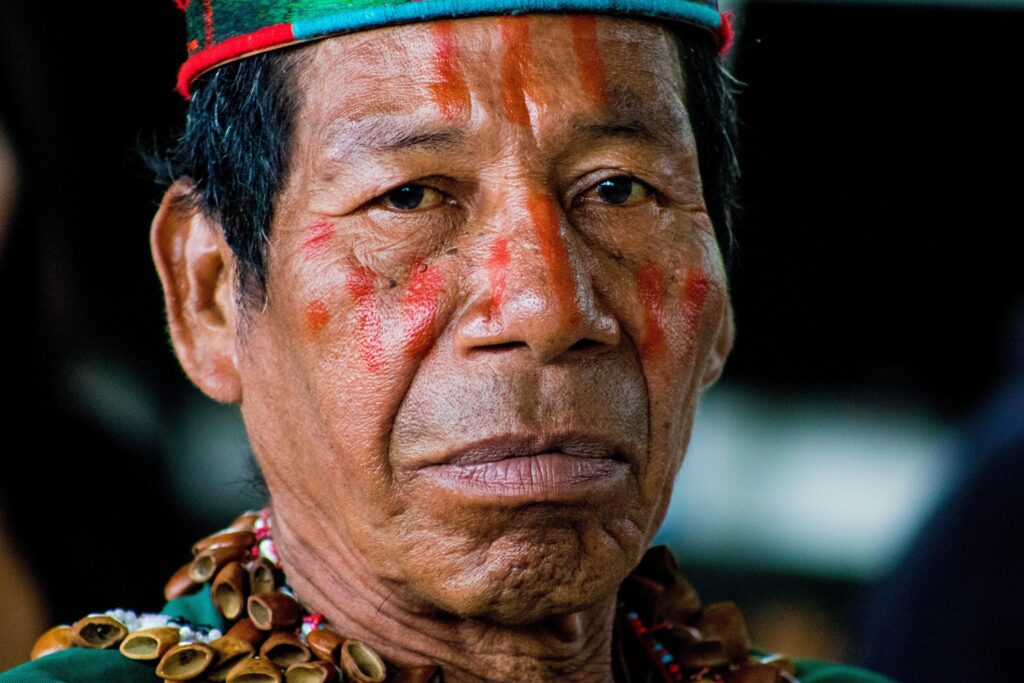
One of the most vital realisations for independent travellers visiting this region is that traditional, entirely unguided exploration is neither legally permitted nor physically safe within the national park boundaries. Unlike the highly structured park systems of Europe or North America, there are no signposted hiking trails or public self-service campsites where one can simply pitch a tent alone. The Amazon is an incredibly complex environment where getting lost carries severe consequences. Furthermore, the park is the ancestral home of indigenous nationalities, including the Waorani and Kichwa, alongside uncontacted clans such as the Tagaeri and Taromenane who live in voluntary isolation. Protecting their sovereignty, health, and isolation is a legal and ethical imperative.
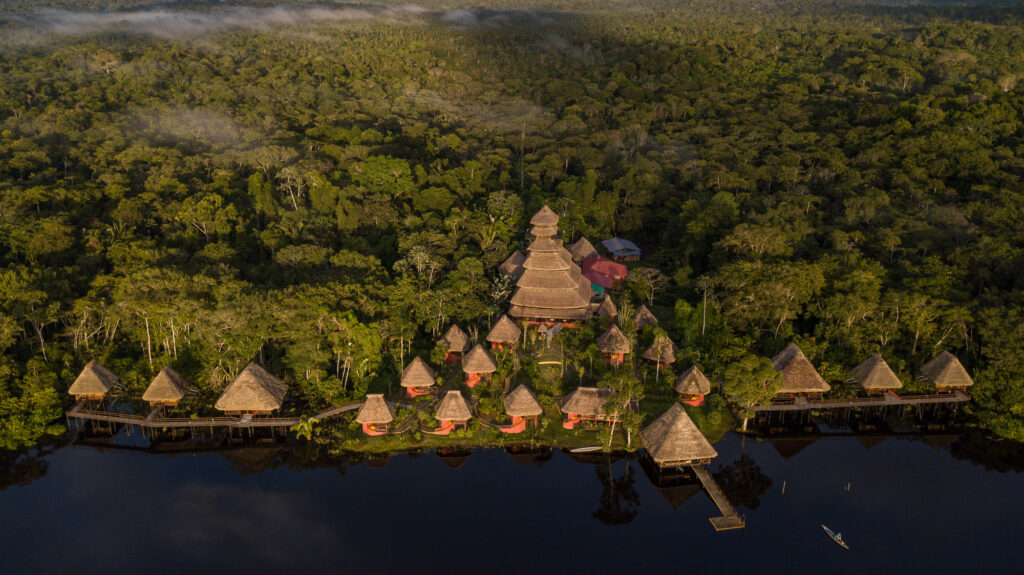
Therefore, practising independent travel here does not mean wandering solo with a compass; it means customising your journey to support local autonomy and conservation. Instead of booking through large international tour operators based outside the country, slow travellers should look to community-based tourism initiatives. Highly respected operations managed directly by local indigenous communities, such as the Añangu Kichwa community or the Sani Isla community, provide an exceptional model of sustainable travel.
By coordinating directly with these community cooperatives or small-scale local operators at the riverfront in Coca, you ensure that your travel funds stay directly within the local economy, directly funding ancestral land rights and forest protection programmes. In this framework, you are not a passive tourist being managed by a massive agency; you are a conscious guest learning directly from the traditional custodians of the rainforest. This approach grants you far deeper access to local knowledge than any standard commercial tour could ever hope to offer.
Essential elements first-timers frequently overlook
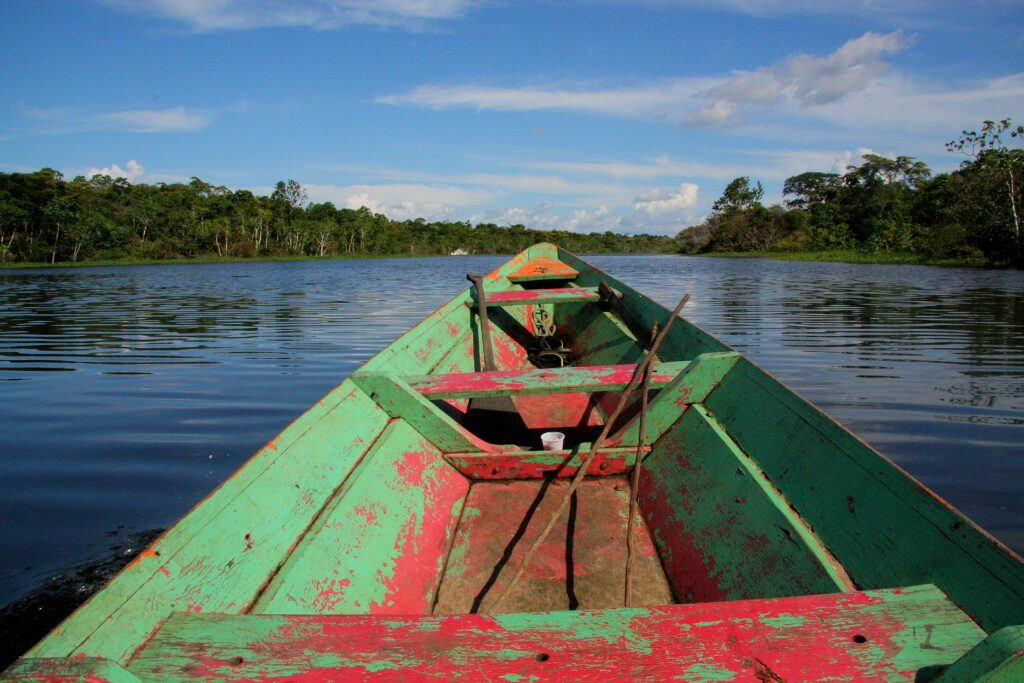
When packing for a journey into this remote wilderness, several practical factors require careful forethought to ensure your comfort and independence remain intact.
Footwear efficiency and wardrobe choices
Virtually all community lodges and local river guides will provide tall, heavy-duty rubber Wellington boots for daily forest walks, as standard trekking shoes will instantly sink into the deep, deceptive jungle mud. A widespread error among first-timers is failing to pack appropriate socks to pair with these boots. You will need multiple pairs of tall, breathable, moisture-wicking synthetic or woollen hiking socks. These are critical to prevent painful friction, blisters, and dampness inside the rubber boots during long walks.
For your general wardrobe, leave all heavy cotton items at home. Cotton traps moisture, absorbs sweat, and will completely fail to dry in the intense humidity of the Amazon basin. Instead, pack ultra-lightweight, quick-drying synthetic fabrics. Long-sleeved shirts and loose, lightweight trousers are mandatory, providing essential protection from the tropical sun during open river journeys and acting as a physical barrier against biting insects on forest trails.
The Galápagos.
Ecuador’s Enchanted Isles
The acidic water phenomenon and insect dynamics
Insect populations fluctuate dramatically depending on the specific aquatic ecosystem you choose to explore. The rainforest features two distinct categories of water bodies: whitewater rivers, which carry heavy, nutrient-rich sediments down from the Andes, and blackwater rivers or lakes, which are stained a deep amber colour by organic matter decomposing on the forest floor.
Blackwater environments are naturally acidic, which serves as a highly effective natural deterrent to mosquito breeding. If your community accommodation is situated along a blackwater lagoon, you will discover that mosquitoes are remarkably scarce around the immediate cabins. However, the moment you transition onto a terrestrial trail or travel towards a sediment-heavy whitewater tributary, the insect activity escalates rapidly. High-strength repellent is an important tool, but maintaining loose, full-coverage clothing remains the most dependable defence against relentless sandflies and mosquitoes.
Power logistics and electronic protection
Remote community lodges often operate on independent solar power arrays or limited generator schedules, meaning that constant electrical charging may not always be available. Independent travellers should carry high-capacity, durable power banks to keep their devices charged during multi-day river trips. Furthermore, the relentless humidity and sudden downpours present a constant hazard to electronics. Investing in high-quality dry bags or heavy-duty waterproof pouches for your phone, camera gear, and travel documents is a simple step that saves substantial frustration.
The mandatory tool / High-quality binoculars
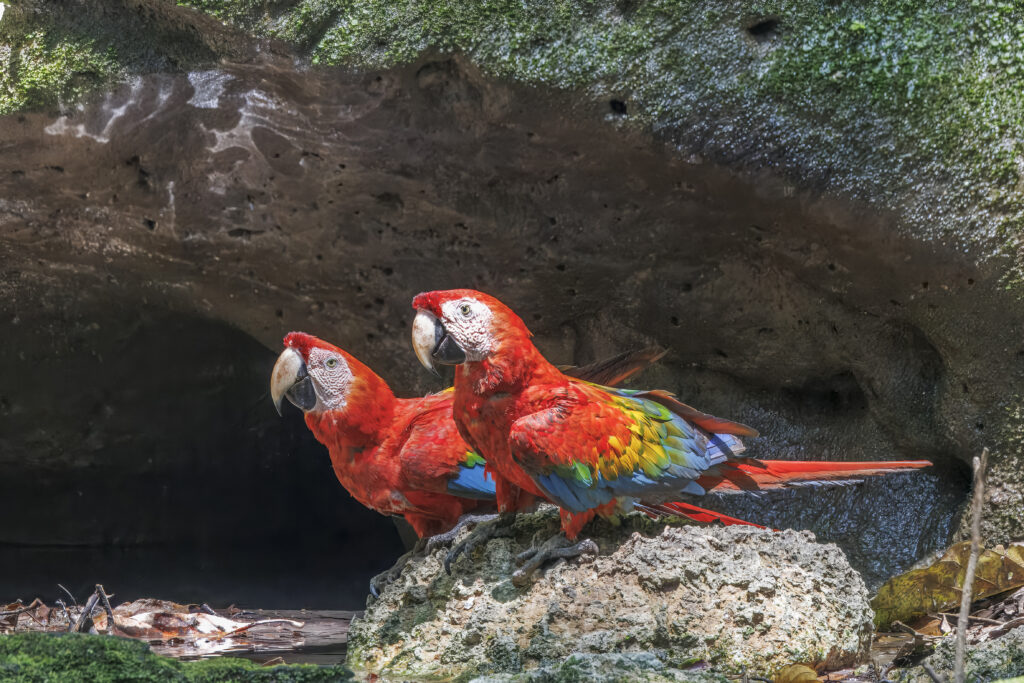
Many first-time visitors spend heavily on complex camera setups but completely neglect to pack a proper pair of binoculars. Wildlife spotting in a primary rainforest is entirely different from a wide-open savannah safari. Animals are masters of camouflage, frequently positioned high within the complex layers of the canopy or hidden deep within dense undergrowth. Without dedicated binoculars, a troop of rare golden-mantled tamarins or a pair of scarlet macaws feeding at a distant riverbank will appear as nothing more than distant, blurry shapes. To truly appreciate the astonishing biodiversity of the park, compact, waterproof binoculars are an absolute necessity for every single traveller.
Cultural customs and local etiquette
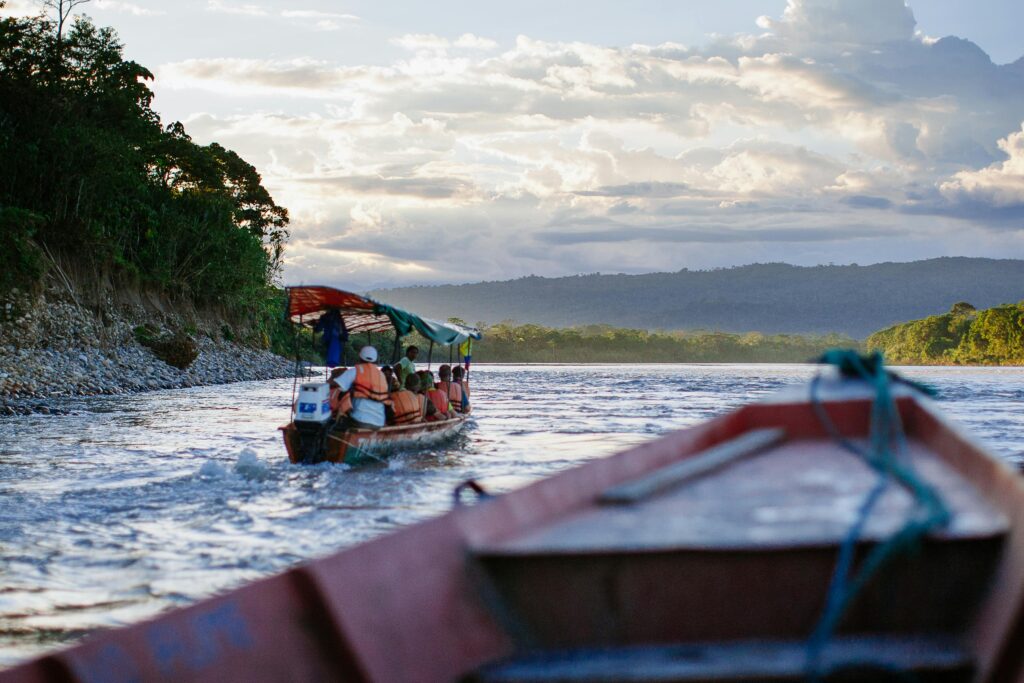
Slowing down your travel pace opens the door for genuine, respectful cultural interactions. When visiting local indigenous communities, it is polite to observe quietly and wait for your local guide to introduce you before taking photographs or exploring communal spaces.
Many communities welcome travellers by sharing traditional jungle hospitality, which often includes a bowl of chicha, a fermented cassava beverage, or offering chontacuro, the nutrient-rich palm weevil larvae that serve as a traditional food source. Accepting these offerings with an open mind and a polite demeanour is a significant gesture of respect. Even if sampling forest insects challenges your personal comfort zone, recognising these foods as staple elements of traditional Amazonian sustenance and hospitality helps build a meaningful bridge between cultures.
Independent travellers must learn to embrace the fluid, unpredictable schedule of the jungle. Boat departures may be adjusted due to heavy river mists, and spotting elusive wildlife requires hours of quiet, patient drifting in a dugout canoe. By relinquishing rigid timetables and letting the natural rhythm of the river guide your daily itinerary, you will unlock a profound, authentic understanding of this spectacular corner of Ecuador.
The Ecuadorian Coast.
Where you’ll find the very best food
Embracing the rhythm of the Oriente
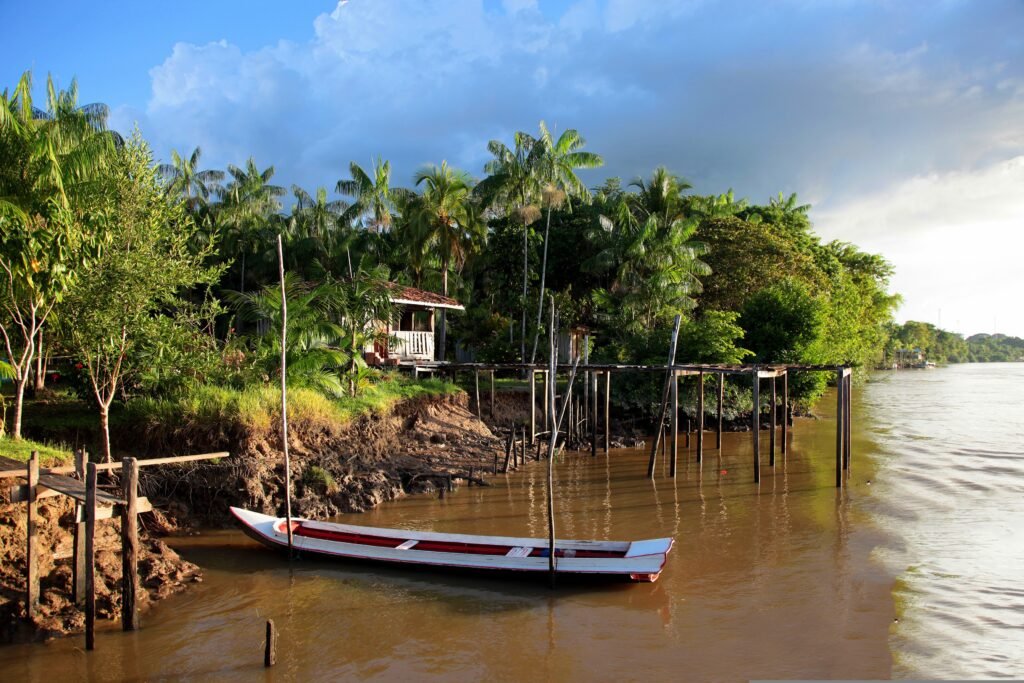
Stepping into Yasuní National Park as an independent traveller requires more than just physical preparation; it demands a willingness to surrender control to the natural world. In a society obsessed with ticking boxes and sticking to rigid timetables, the Amazon forces a welcome deceleration. The rewards of this slow approach are profound. When you choose to sit quietly in a dugout canoe rather than rushing to the next point on a map, the rainforest begins to reveal its secrets. You notice the subtle flash of a paradise jacamar in the understory, the distant, guttural call of a howler monkey echoing through the canopy, and the intricate engineering of leafcutter ants pathfinding across the forest floor.
By bypassing corporate packages and choosing community-based tourism, your journey transcends simple sightseeing. You become an active participant in preserving one of the most vital ecological and cultural sanctuaries on earth. The knowledge you gain from Kichwa or Waorani guides cannot be replicated by an outsider reading from a script. It is a living, breathing understanding of the forest passed down through generations, offered to those who take the time to listen.
When you finally board the riverboat back to Coca, leaving the dense canopy behind, you will likely find that the jungle has reshaped your perspective on travel itself. True adventure is not about how many destinations you can crowd into an itinerary, but how deeply you can immerse yourself in the rhythm of a single, extraordinary place. Pack your binoculars, choose your clothing wisely, respect the sovereignty of the people who call this forest home, and let the wild heart of Ecuador change the way you see the world.
Frequently asked questions about Yasuní National Park
Travellers can take a public bus from the Quitumbe terminal in southern Quito to the frontier town of Coca. The overland journey takes between eight and ten hours, winding down through cloud forests before flattening out into the lowlands, where you connect with river transport down the Río Napo.
No, unguided exploration, independent camping, and solo hiking are not permitted or safe within the park boundaries. To respect the ancestral lands of indigenous nationalities and ensure personal safety, independent travellers must coordinate directly with community-based tourism cooperatives or local guides.
May is the wettest month, causing river levels to rise and creating flooded forests that are perfect for exploring via paddle-driven dugout canoes. December is the driest month, lowering water levels to expose river beaches and making terrestrial footpaths much easier to navigate on foot.
Lodges located near blackwater rivers or lakes experience fewer mosquitoes because the water is naturally acidic, which deters insect breeding. However, insect activity increases significantly when moving into terrestrial trails or near sediment-heavy whitewater rivers.
Local hosts often share traditional jungle hospitality by offering chicha, which is a fermented cassava beverage, or chontacuro, the nutrient-rich palm weevil larvae that serve as a traditional food source.
First-timers often forget to pack multiple pairs of tall synthetic or woollen socks to wear with the provided rubber boots, high-capacity power banks for limited solar electricity schedules, waterproof dry bags for electronics, and high-quality binoculars for spotting camouflaged canopy wildlife.
Ecuador.
Pure wonder on the equator.