Footprints in the volcanic dust / A history of the Galápagos for the modern explorer
Discover the rich history of the Galápagos Islands with our guide for independent travel
Chasing the ghosts of pirates and naturalists across the archipelago
BEN FINCH
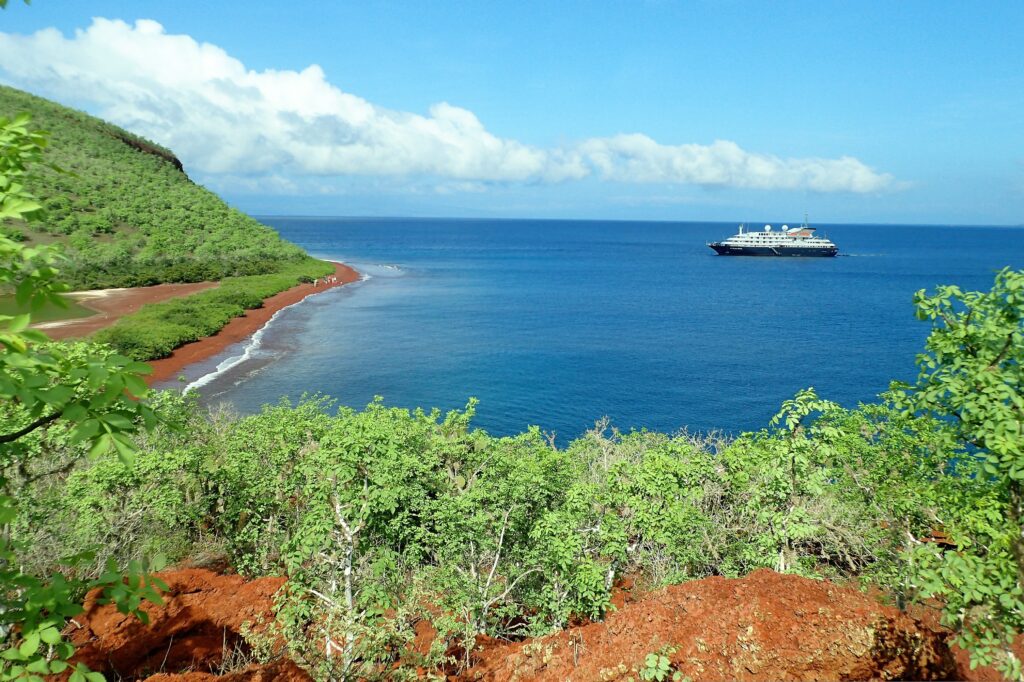
The Galápagos Islands exist in the popular imagination as a pristine, untouched Eden, a place where time stands still and wildlife reigns supreme. Yet, for the independent traveller, the history of this archipelago is far more complex and human than the glossy brochures suggest.
To walk the lava trails of Santa Cruz or cycle the coastal roads of San Cristóbal is to follow in the wake of bishops, buccaneers, whalers, and scientists. Understanding the layers of human intervention is essential for anyone looking to experience the islands with the depth and authenticity that Wheely Tyred champions.
The volcanic crucible of the enchanted isles
Experience the archipelago through the lens of those who first stumbled upon its shores. This is a journey through deep time and human history, best explored at the pace of a pedal stroke.
- The accidental discovery: Fray Tomás de Berlanga’s 1535 detour introduced the world to the giant tortoises and the mystical garúa fog that still defines the highlands
- Pirate sanctuaries: Remote coves once provided refuge for 17th-century buccaneers who used the archipelago as a strategic base for raids against the Spanish fleet
- Evolutionary footprints: The Charles Darwin Research Station serves as a bridge between the 1835 Beagle expedition and modern efforts to preserve the islands’ unique biodiversity
- Maritime traditions: At Post Office Bay, travellers continue a centuries-old tradition by hand-delivering postcards left in a wooden barrel by homesick sailors
- The Wall of Tears: This sombre basalt structure on Isabela Island remains as a monument to the archipelago’s history as a mid-20th-century penal colony
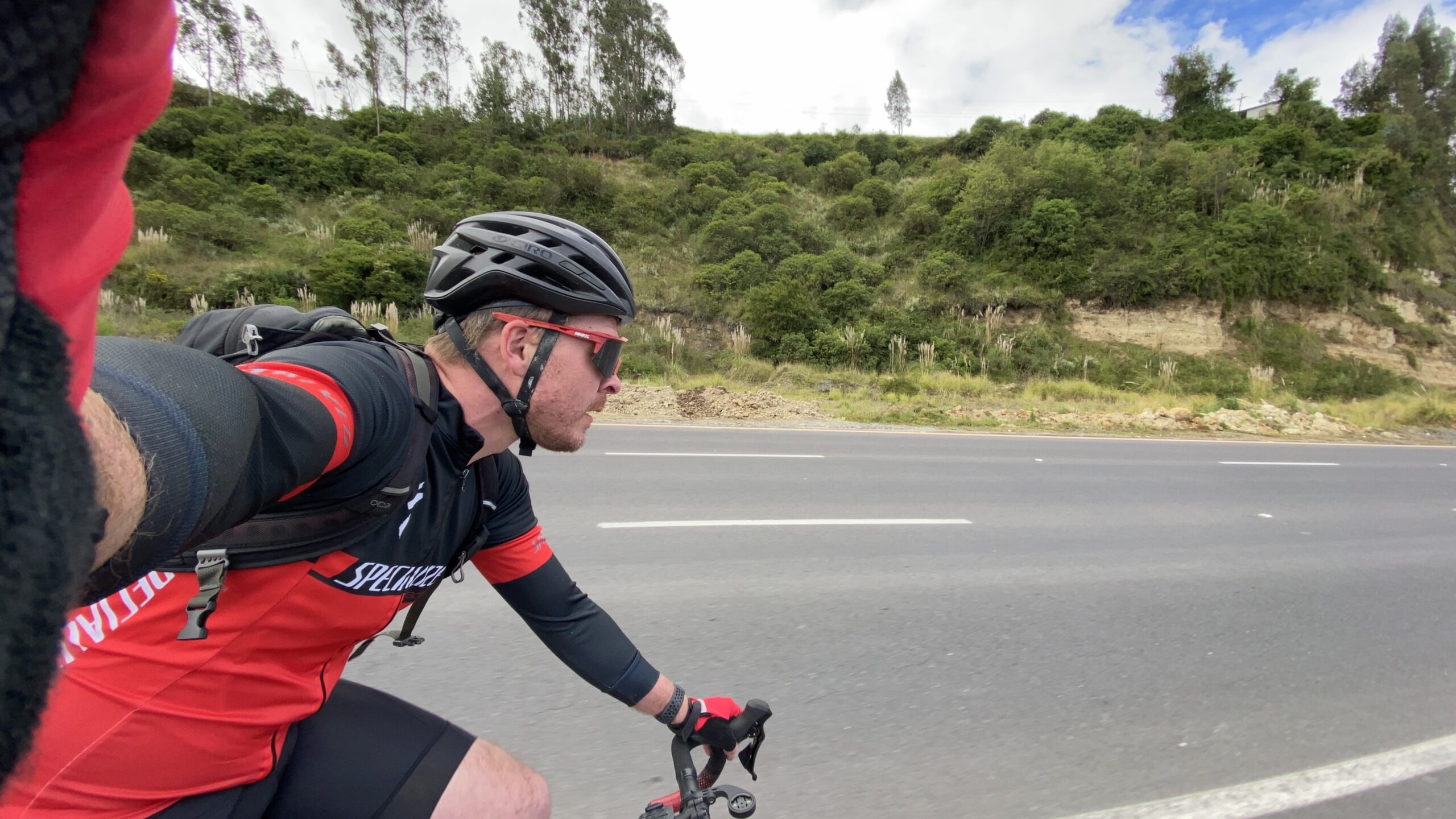
- Highland cycling: Navigating the ascent into the Santa Cruz highlands offers a rare opportunity to cycle through misty forests alongside free-roaming giant tortoises
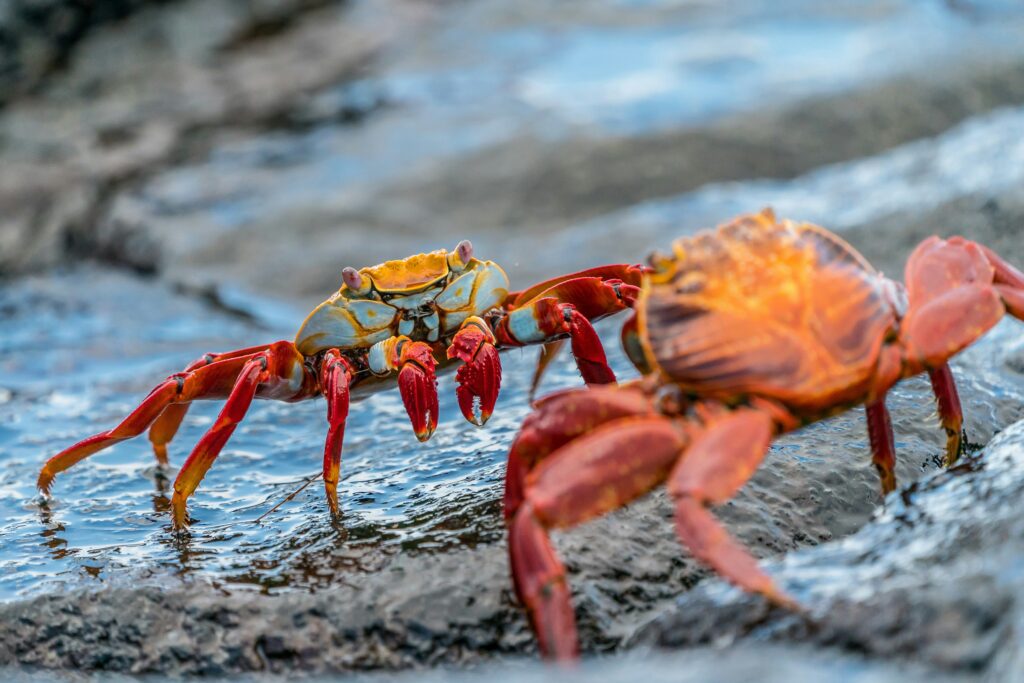
- Coastal exploration: San Cristóbal’s coastal paths provide a laid-back riding experience where sea lions frequently claim the right of way on the cycle tracks
The Galápagos.
Ecuador’s Enchanted Isles
The accidental discovery and the enchanted fog
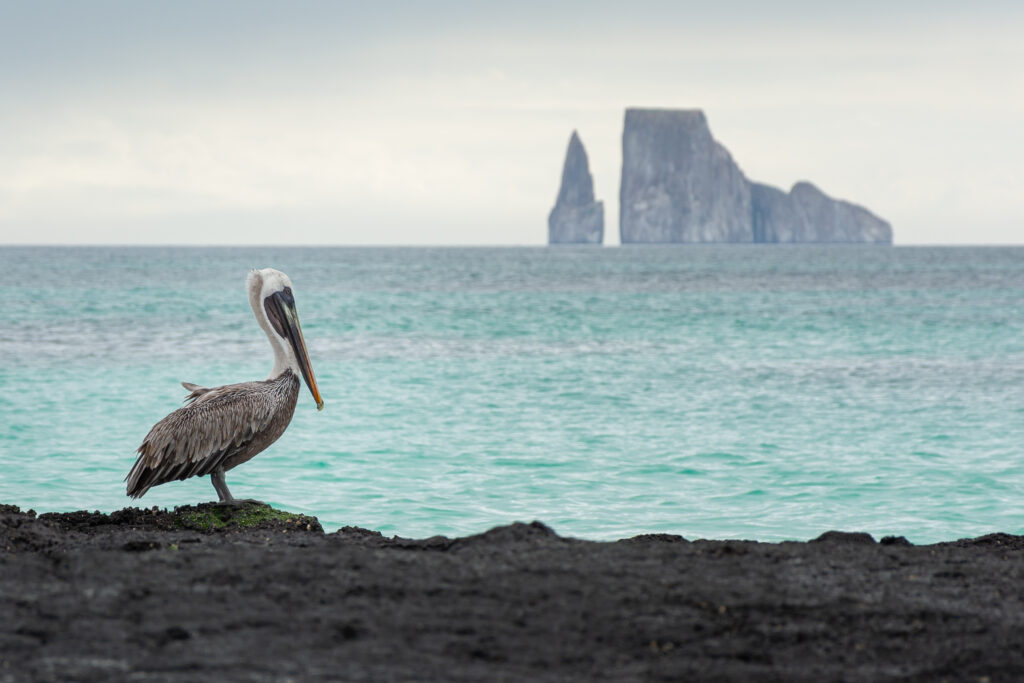
The human story of the Galápagos began not with a grand expedition, but with a mistake. In 1535, Fray Tomás de Berlanga, the Bishop of Panama, was sailing towards Peru when his ship was caught in the doldrums. The erratic currents of the Pacific drifted his vessel 600 miles off course, eventually depositing him among “the most wretched stones” he had ever seen.
Berlanga was the first to describe the giant tortoises—from which the islands take their name, galápago being an old Spanish word for a type of saddle—and the “silly” birds that had no fear of man. He was also the first to encounter the islands’ most famous characteristic: the garúa fog.
This dense, misty shroud often made the islands appear and disappear before the eyes of weary sailors, earning them the nickname Las Islas Encantadas, or the Enchanted Isles. For the modern traveller, this mist still defines the highlands, creating a microclimate that turns the volcanic landscape into a lush, emerald forest just a short cycle ride from the arid coast.
A sanctuary for scallywags / The pirate era
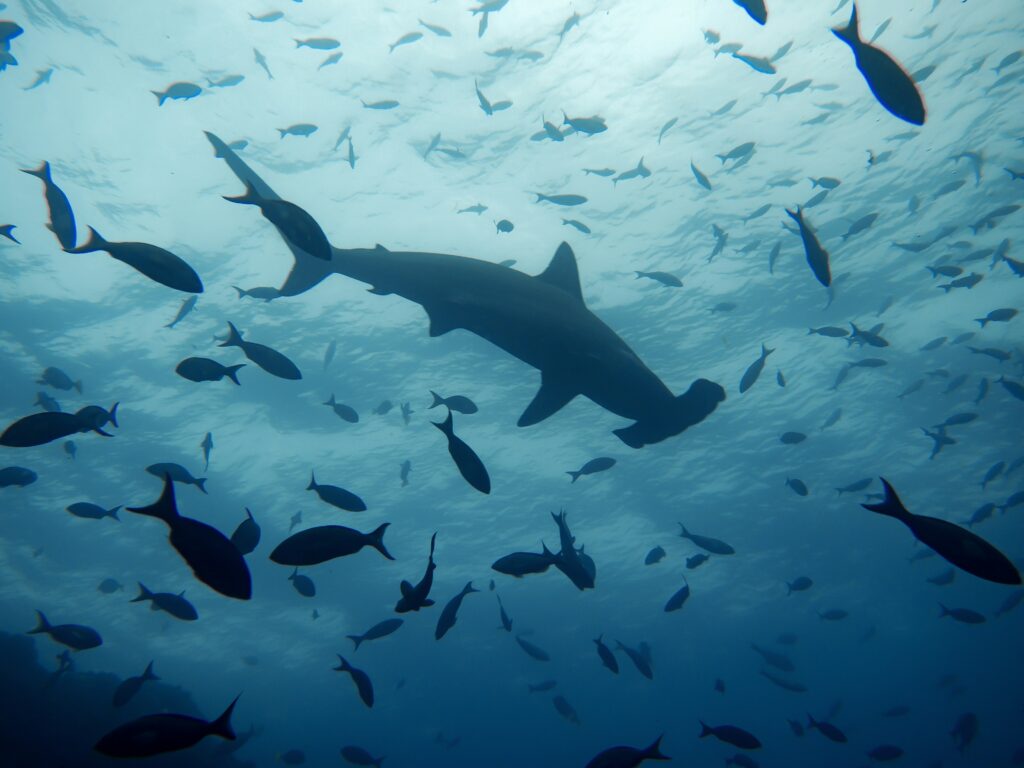
Long before the first hotel was built in Puerto Ayora, the Galápagos served as the ultimate hideout for the Golden Age of Piracy. In the late 17th century, English buccaneers such as William Knight, Edward Davis, and the infamous Henry Morgan used the archipelago as a strategic base. From these hidden coves, they could intercept Spanish galleons carrying silver and gold from the mines of Peru.
The pirates were drawn to the islands for the same reason land-based travellers are today: resources and isolation. They found that the giant tortoises could survive for months in a ship’s hold without food or water, providing a fresh source of protein on long voyages.
Places like James Bay on Santiago Island became hubs for these marauders. While the pirates left little behind in terms of architecture, their presence began the long process of ecological change, as they introduced goats and rats that would eventually threaten the endemic species Darwin later made famous.
The Ecuadorian Sierra.
Get lost in the hills
Darwin and the turning point of 1835
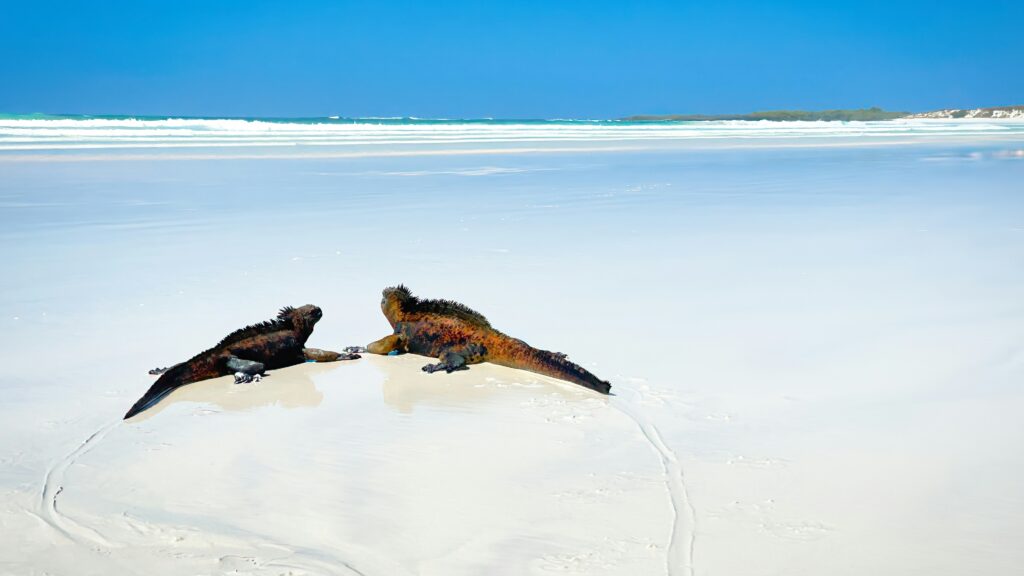
No history of the Galápagos is complete without Charles Darwin, but for the independent explorer, the context of his visit is often misunderstood. When the HMS Beagle arrived in September 1835, Darwin was not yet the revolutionary thinker we remember today. He was a young naturalist on a surveying mission, more interested in geology than finches.
The islands were already being settled by the time Darwin arrived. Ecuador had claimed the archipelago in 1832, and a small colony had been established on Floreana by José de Villamil. Darwin’s observations were made on foot, trekking through the jagged basalt and observing the subtle differences between species on different islands.
This living laboratory provided the raw data for what would become On the Origin of Species. Today, the Charles Darwin Research Station on Santa Cruz serves as a vital bridge between this scientific history and modern conservation efforts. Visiting the station as an independent traveller allows for a self-guided deep dive into the breeding programmes that have saved the giant tortoise from the brink of extinction.
The dark years of the whalers and sealers
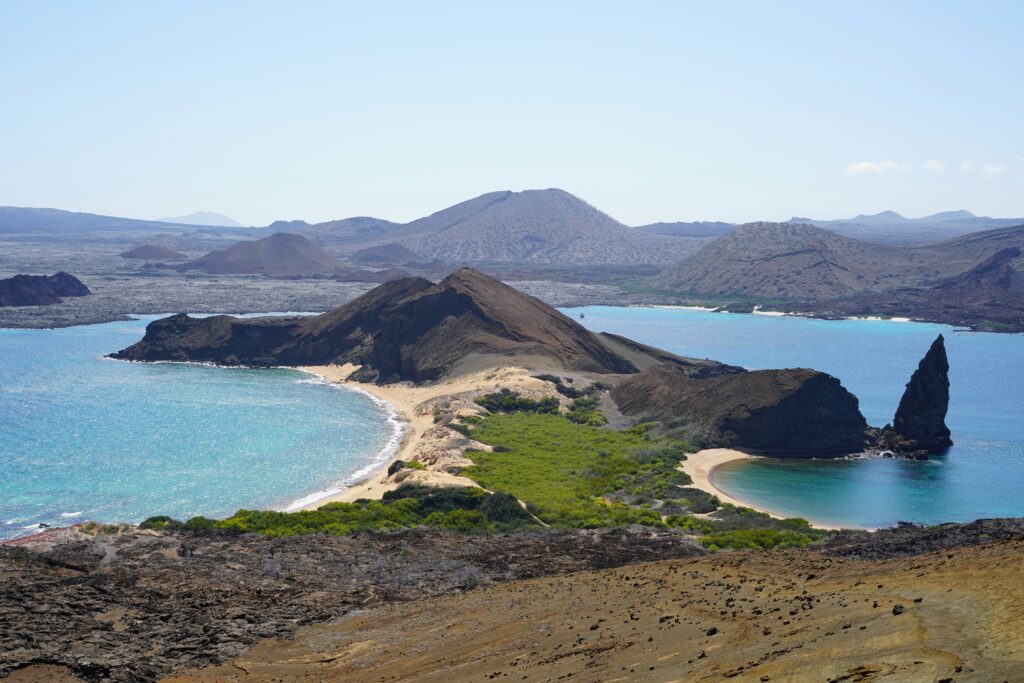
Following the scientists came the exploiters. The 19th century saw the arrival of British and American whalers who turned the archipelago into a slaughterhouse. They hunted the sperm whales in the surrounding waters and decimated the tortoise populations for oil. By the time this industry faded, hundreds of thousands of tortoises had been removed.
This period also saw the strange and often tragic attempts at colonisation. The Post Office Bay on Floreana remains a poignant relic of this era. Established in 1793 by Captain James Colnett, it consisted of a wooden barrel where homesick sailors could leave letters, hoping that a passing ship heading home would pick them up.
This tradition continues today; as an independent visitor, you can leave a postcard and take one addressed to someone near your home, hand-delivering it as generations of travellers have done before you.
The Ecuadorian Amazon.
The most biodiverse place in the world
From penal colonies to national parks
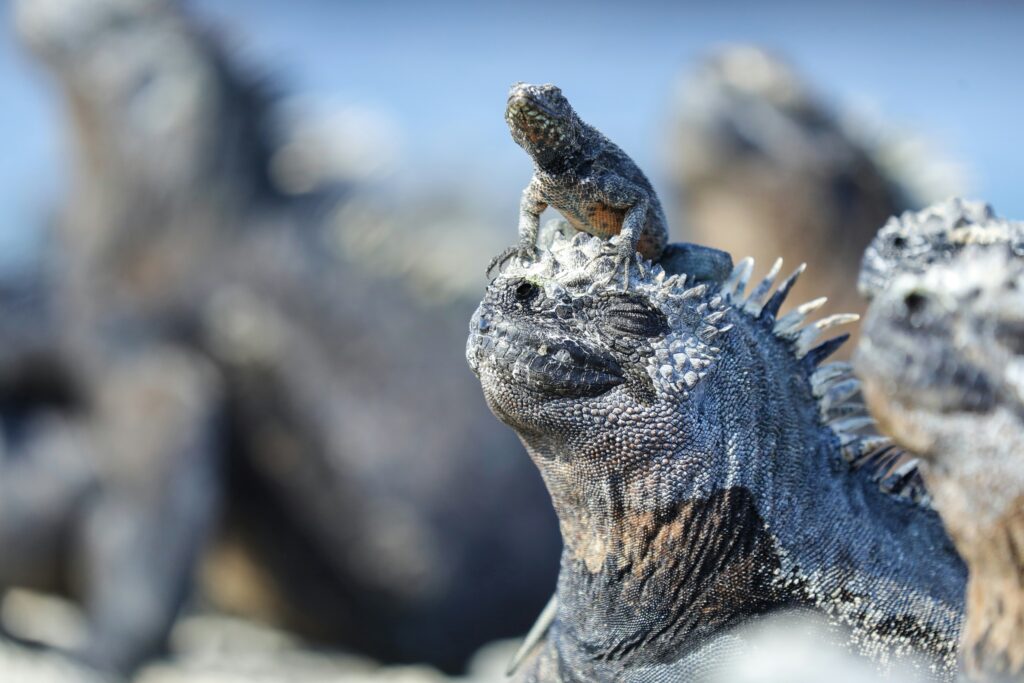
The early 20th century saw the Galápagos used as a remote outpost and, eventually, a penal colony. The Wall of Tears (El Muro de las Lágrimas) on Isabela Island stands as a grim monument to this time. Built by prisoners in the 1940s and 50s for no purpose other than to keep them occupied, the wall is a stark reminder of the islands’ isolation.
The tide turned in 1959, the centenary of Darwin’s masterpiece, when the Ecuadorian government declared 97 per cent of the land area a National Park. This laid the groundwork for the modern era of tourism.
However, while the cruise industry dominated the first few decades of Galápagos travel, the 21st century has seen a reclamation of the islands by independent spirits.
Exploring on two wheels / Cycling the archipelago
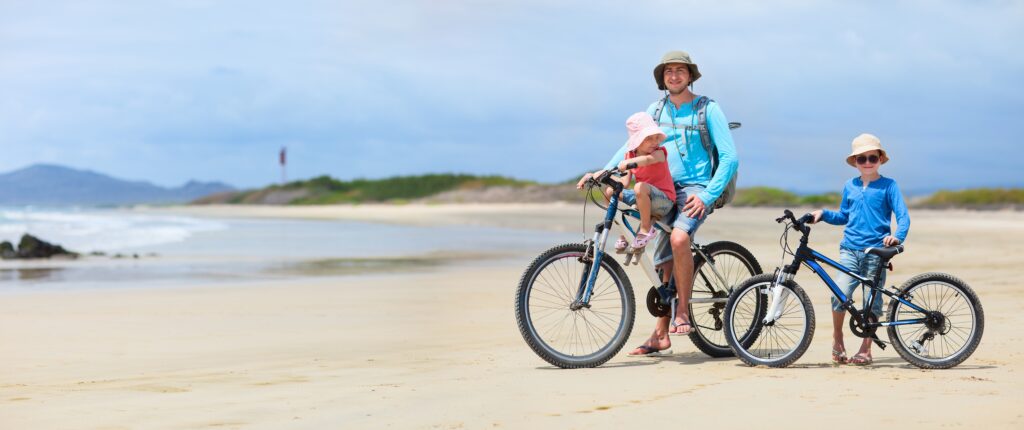
For those who prefer a saddle to a stateroom, the Galápagos offers some of the most unique cycling opportunities in South America. The islands of Santa Cruz and San Cristóbal are particularly well-suited for independent riders.
Santa Cruz / The highland ascent
Starting from the bustling docks of Puerto Ayora, you can rent a mountain bike or an e-bike to tackle the ride into the highlands. The road climbs steadily through several vegetation zones, transitioning from the arid cactus-filled coast to the lush Scalesia forests.
- The Route: Follow the main road towards Baltra. A popular detour leads to Los Gemelos (The Twins), two massive sinkholes surrounded by a forest of sunflowers
- The Experience: Keep an eye out for giant tortoises crossing the road. In the highlands, these prehistoric giants roam freely across the farmland
The Ecuadorian Coast.
Where you’ll find the very best food
San Cristóbal / The coastal cruise
San Cristóbal offers a more laid-back riding experience. The road from Puerto Baquerizo Moreno towards La Lobería is perfect for a short sunset ride.
- The Route: Cycle towards the airport and continue to the beach at La Lobería. For a more strenuous challenge, head east towards El Progreso and up to the El Junco crater lake, the only permanent freshwater source in the islands
- The Experience: You will likely be sharing the road with sea lions. In San Cristóbal, these charismatic animals are everywhere—on the benches, the docks, and even the cycle paths
The independent advantage
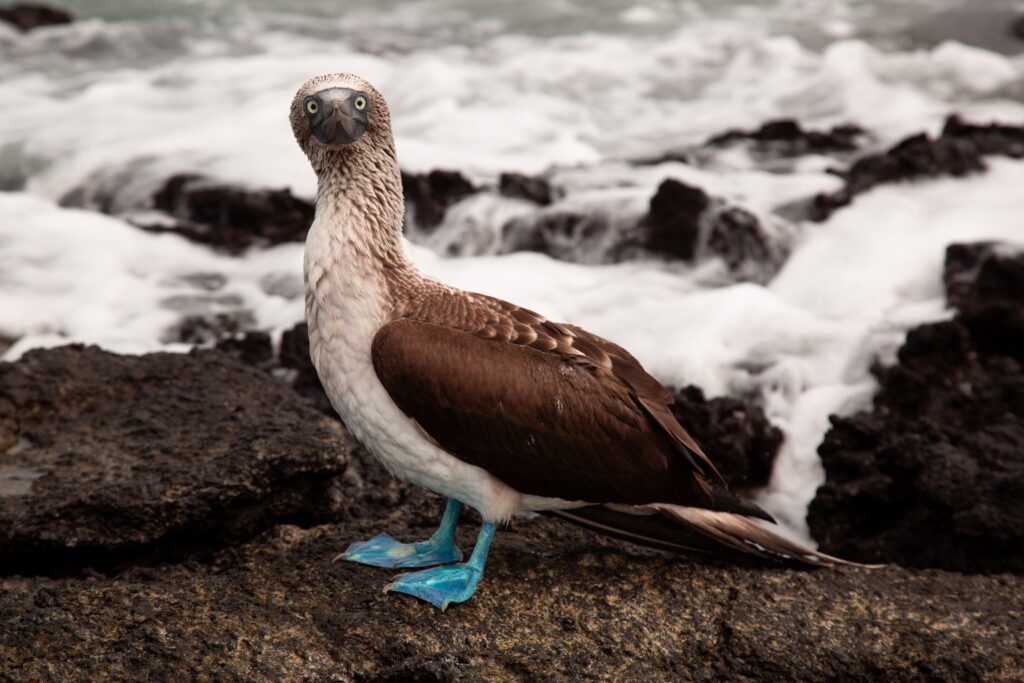
Choosing to stay on the islands rather than on a boat provides a perspective that most tourists miss. It means eating at the kioskos in the evening, where the smell of grilled brujo fish fills the air. It means waking up before the tour groups arrive to walk the white sands of Tortuga Bay. Above all, it means contributing directly to the local economy of the Galápagueños, the people who call this extraordinary place home.
The history of the Galápagos is a story of resilience and adaptation. By exploring independently and respectfully, you become part of that story, ensuring that the Enchanted Isles remain as captivating for future generations as they were for those who first stumbled upon them five centuries ago.
Quito.
Explore the Middle of the World
Frequently asked questions about the history of the Galápagos Islands
Absolutely. Land-based travel allows for a much more flexible and authentic experience. By staying in port towns like Puerto Ayora or Puerto Baquerizo Moreno, you can choose your own daily adventures, eat at local establishments, and explore at a pace that suits you.
Not at all. Both Santa Cruz and San Cristóbal have several local shops offering mountain bikes and increasingly popular e-bikes. These are ideal for tackling the steady incline of the Santa Cruz highlands or for simple coastal cruising.
The Galápagos National Park has strict regulations: you must always maintain a distance of at least two metres from all animals. On the road, wildlife always has the right of way. It is common to find tortoises or sea lions obstructing the path; in these instances, you must wait or pass at a very wide and respectful distance.
The kioskos in Puerto Ayora are the heart of the local dining scene. In the evenings, the street is closed to traffic, and communal tables are set out. You can enjoy fresh, locally caught fish, such as brujo (scorpion fish), prepared simply and sold at much fairer prices than the waterfront restaurants.
Public speedboats, known as lanchas, operate daily between the main islands of Santa Cruz, San Cristóbal, and Isabela. The journeys typically take about two to three hours. It is advisable to book these a day or two in advance through a local agency in town.
While the wildlife is the primary focus of many signs, historical sites like the Wall of Tears and Post Office Bay have informative plaques. For a deeper dive, the interpretation centre on San Cristóbal provides an excellent overview of the human history, from early discovery to modern conservation challenges.
Ecuador.
Pure wonder on the equator.