The top attractions in Ecuador / A volcanic journey through the Middle of the World
Top things to do and iconic sights in Ecuador
High altitudes and island attitudes
BEN FINCH
Ecuador is a country that packs an impossible amount of drama into a relatively small geographical footprint. It is a place where you can stand with one foot in each hemisphere, descend from a snow-capped volcano into a lush cloud forest in a single afternoon, and find yourself eye-to-eye with prehistoric-looking iguanas on a remote volcanic outcrop. For those who prefer to experience the world at their own pace, moving through the landscape with intention, Ecuador offers a sensory overload that few other nations can match.
While many visitors are drawn by the siren song of the Galápagos, the mainland is a treasure trove of colonial history, indigenous culture, and some of the most formidable topography in South America. Here are the top six attractions that define the Ecuadorian experience.
The volcanic soul of the Equator
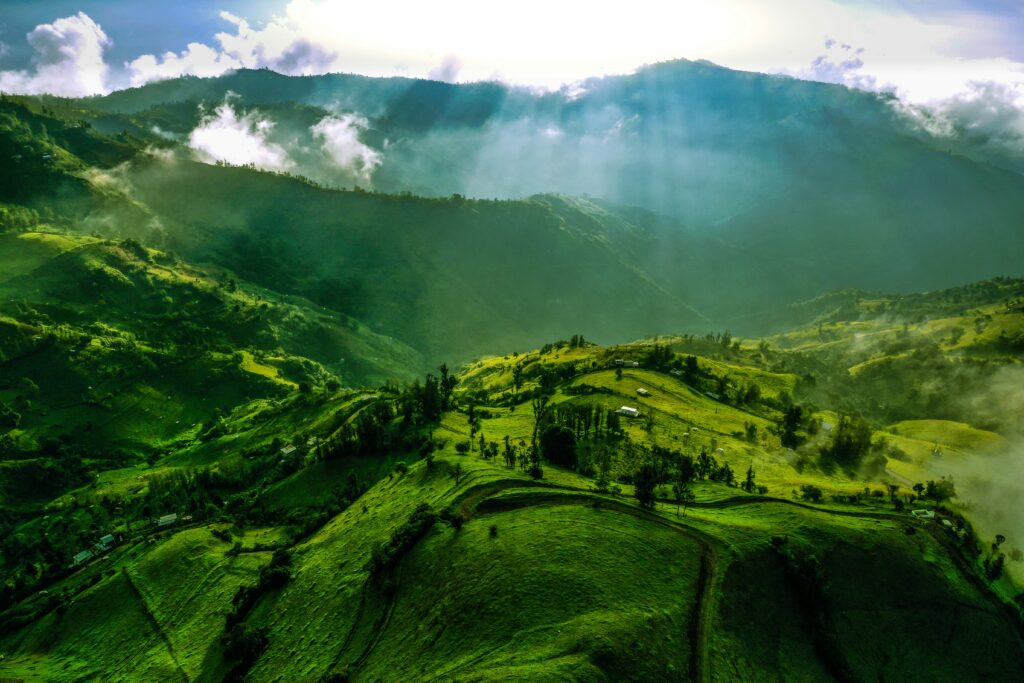
Ecuador is a land of vertical extremes and biological wonders, where the high-altitude parámo meets the humid breath of the Amazon. It is a destination designed for the observant wanderer who values the texture of a landscape over the speed of a tour bus.
- The Galápagos Archipelago: A primordial living laboratory where wildlife remains indifferent to human presence; best explored via island-hopping for a truer sense of scale and local life
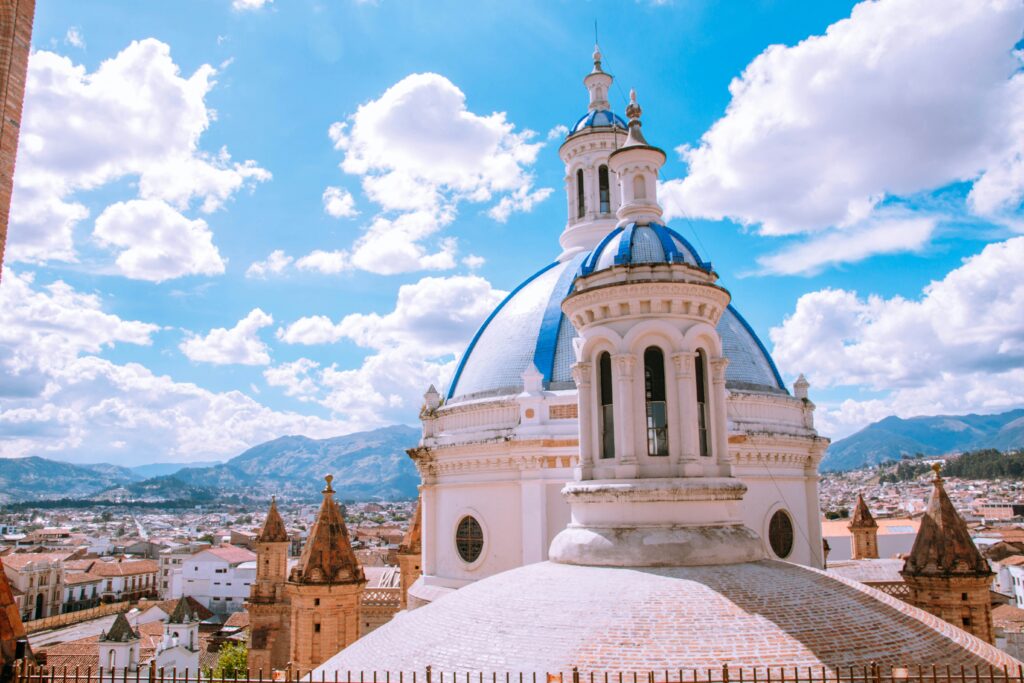
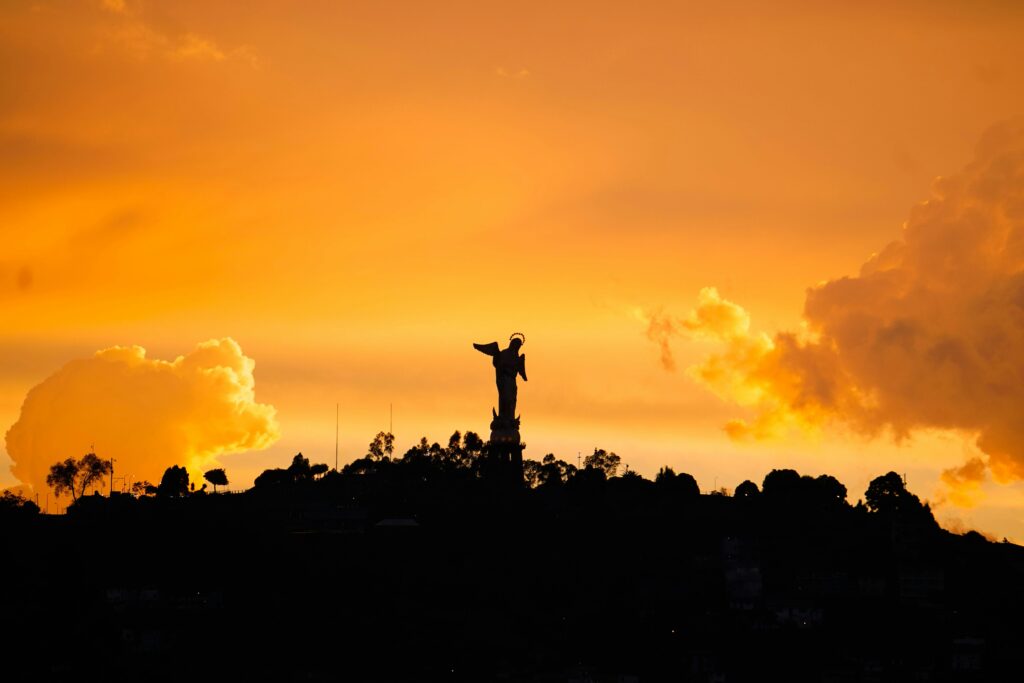
- Quito’s Historic Core: A high-altitude masterclass in Spanish colonial architecture, boasting gold-drenched cathedrals and a labyrinth of streets meant for aimless, inquisitive wandering
- The Majesty of Cotopaxi: An iconic, snow-dusted cone that demands respect and offers thin-air rewards for those navigating its surrounding lunar-like tundra and wild horse trails
- The Cascades of Baños: A dramatic transition point where the Andes drop into the jungle, defined by the thundering Pailón del Diablo and the freedom of the open road
- The Quilotoa Caldera: A shimmering turquoise lake hidden within an extinct volcano, surrounded by remote Andean villages where the traditional rhythms of farming and weaving remain unbroken
- The Artisans of Otavalo: Much more than a mere market, it is a vibrant hub of indigenous heritage where centuries-old textile techniques are a point of profound local pride
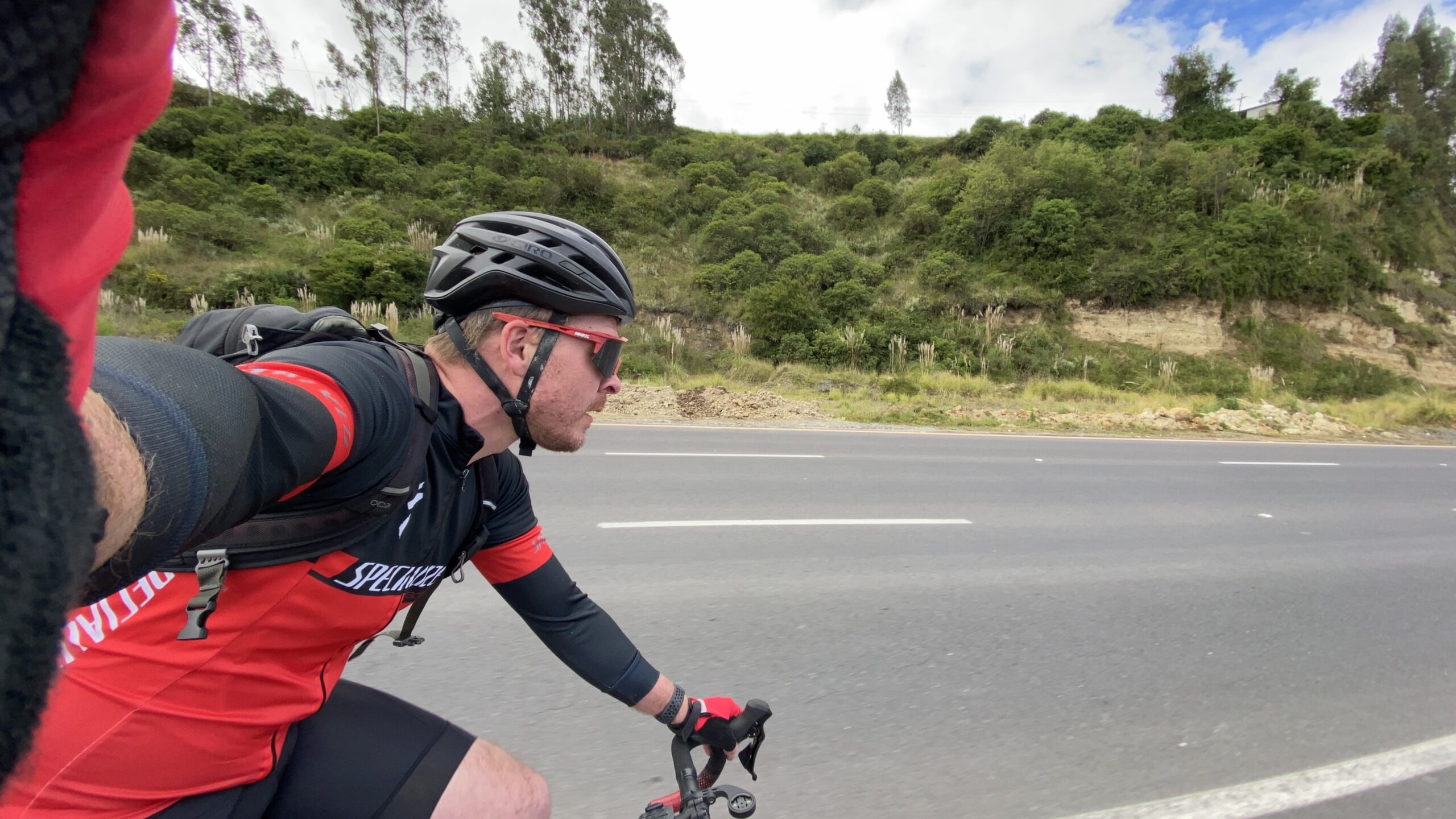
- The Two-Wheeled Descent: From the high-speed gravity runs of Cotopaxi to the converted railway trails of the Chaquiñán, the terrain offers some of the most rewarding cycling in South America
The Ecuadorian Sierra.
Get lost in the hills
1. The Galápagos Islands
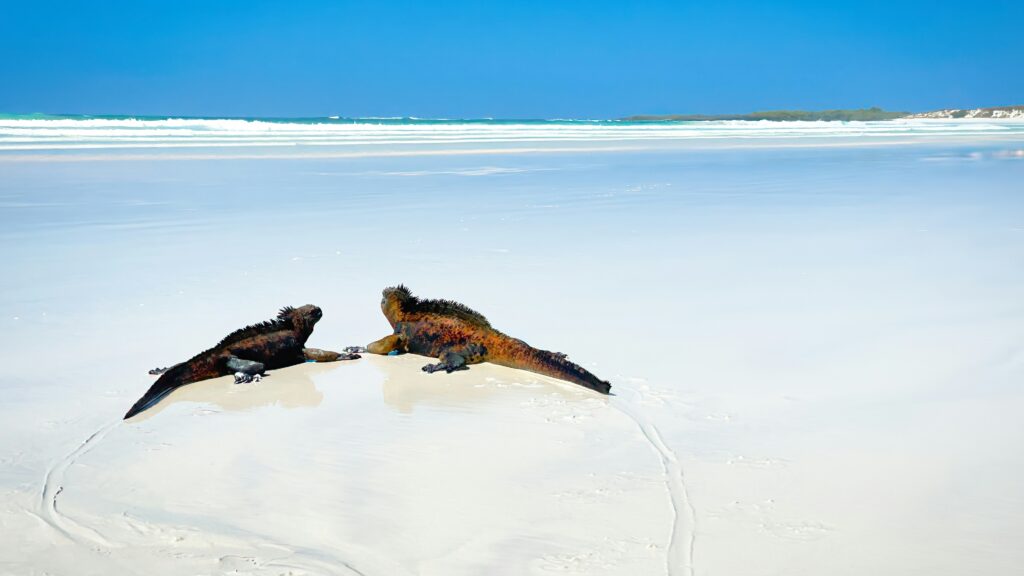
There is no overstating the significance of the Galápagos. Situated roughly 1,000 kilometres off the coast, this volcanic archipelago remains one of the world’s premier destinations for wildlife enthusiasts. It is a living laboratory of evolution where the animals—giant tortoises, blue-footed boobies, and marine iguanas—show a startling lack of fear toward humans.
While many opt for luxury cruises, the independent traveller can find a far more authentic experience by base-jumping between the inhabited islands of Santa Cruz, Isabela, and San Cristóbal. This allows you to set your own schedule, perhaps spending an extra hour watching sea lions lounge on the benches at the harbour or trekking to the highlands to see tortoises in the wild. The archipelago is not just a place to see animals; it is a place to understand our planet’s biological history in its rawest form.
2. Quito Historic Centre
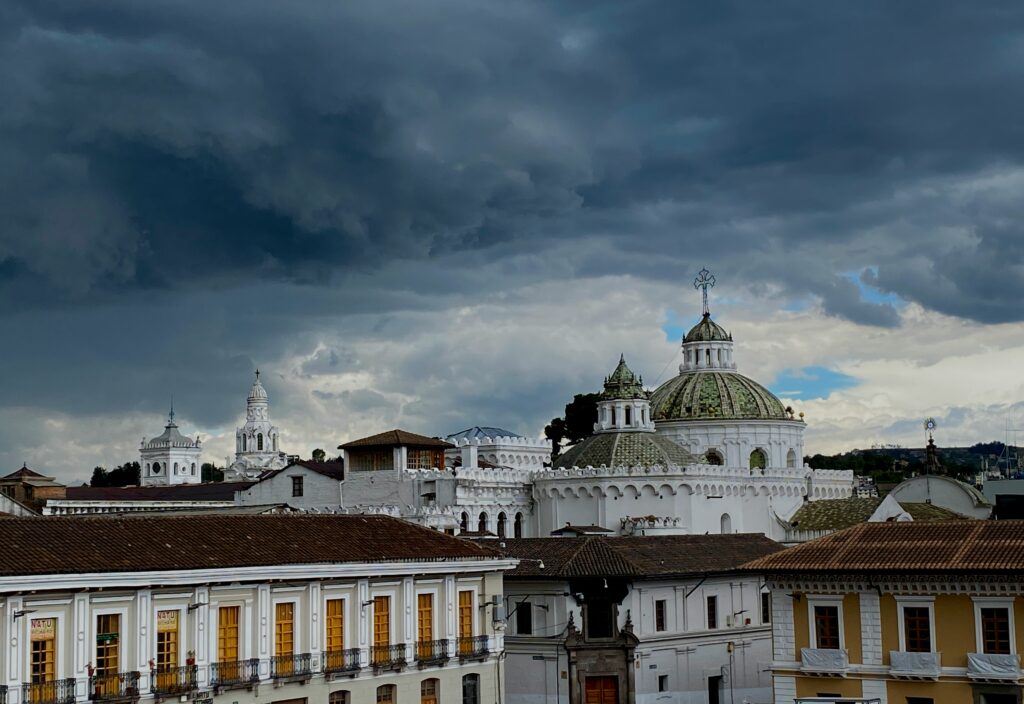
Quito, the second-highest capital city in the world, sits in a narrow Andean valley flanked by the Pichincha volcano. Its crown jewel is the Old Town, a UNESCO World Heritage site that is widely considered the best-preserved colonial centre in Latin America. Walking through these streets feels like stepping back into the 16th century, provided you have the lungs for the 2,850-metre altitude.
The architecture is dominated by grand plazas and gold-leafed churches. The Iglesia de la Compañía de Jesús is an absolute must-visit; its interior is so heavily draped in gold that it glows even on a cloudy day. For a panoramic view of the sprawl, one can head to the Basilica del Voto Nacional and climb its neo-Gothic towers. Unlike the crowded tour buses that clog the main arteries, exploring the labyrinthine side streets on foot or two wheels reveals hidden workshops, traditional herbalists, and the authentic pulse of Quiteño life.
The Galápagos.
Ecuador’s Enchanted Isles
3. Cotopaxi National Park
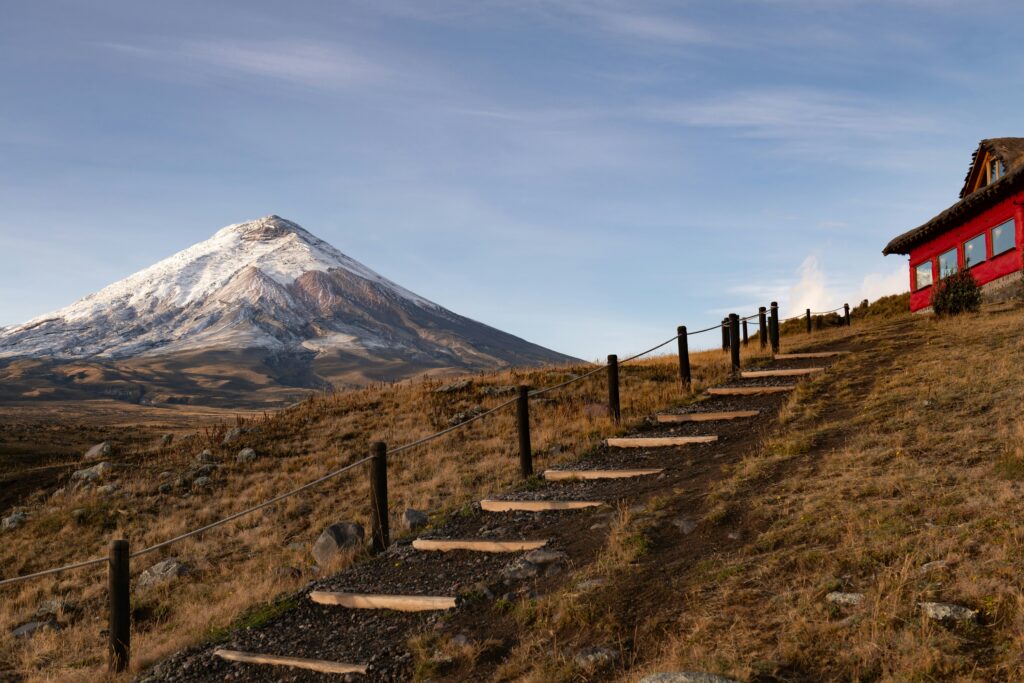
If you were to ask a child to draw a volcano, they would likely draw Cotopaxi. Its near-perfect symmetrical cone, topped with a permanent glacier, dominates the skyline south of Quito. The national park surrounding it is a stark, beautiful landscape of high-altitude páramo (tundra) inhabited by wild horses, Andean gulls, and the occasional condor.
For the active traveller, the challenge usually involves a hike up to the José Rivas Refuge at 4,864 metres. The air is thin, the wind is sharp, and the views are nothing short of transcendental. It is a place that demands respect and a slow pace. Whether you are looking at the volcano’s reflection in the Limpiopungo Lagoon or testing your stamina on the slopes, Cotopaxi represents the rugged, untamed spirit of the Andes.
4. Baños de Agua Santa
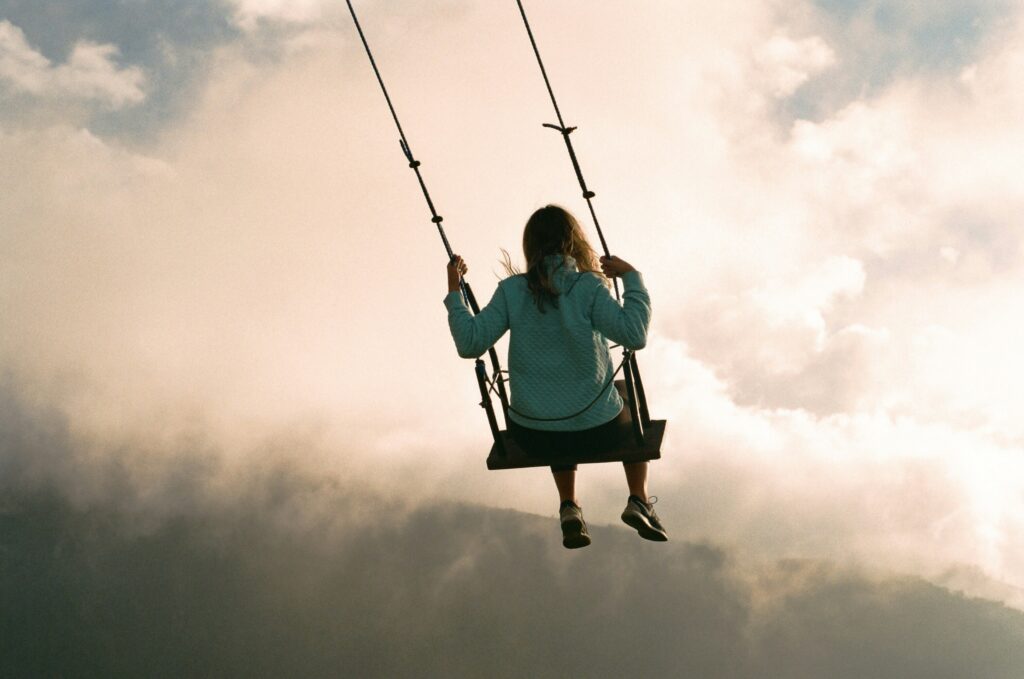
Known simply as Baños, this town is the adventure capital of Ecuador. Tucked into the valley of the Pastaza River at the foot of the active Tungurahua volcano, it serves as the gateway to the Amazon Basin. The town is famous for its thermal springs and a vibrant atmosphere that caters to those who want to move.
The defining experience here is the Ruta de las Cascadas (the Waterfall Route). This trail winds down the canyon toward the jungle, passing dozens of spectacular falls. The most famous is the Pailón del Diablo (Devil’s Cauldron), where a massive volume of water thunders into a deep rock pool. You can hear the roar long before you see the spray. For the independent spirit, this route is best tackled without a guide, allowing you to stop at every hidden viewpoint or take a detour on one of the many cable cars (tarabitas) that zip across the canyon.
The Ecuadorian Amazon.
The most biodiverse place in the world
5. Quilotoa Loop and Lagoon
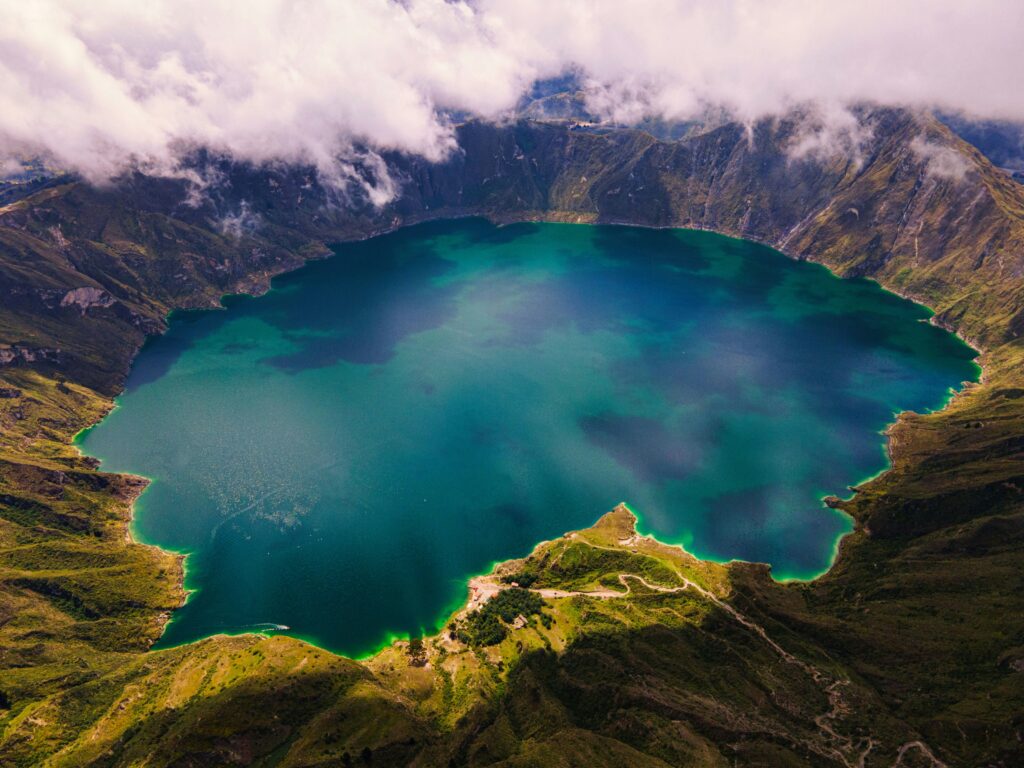
For a deep dive into the rural highlands, the Quilotoa Loop is unsurpassed. The focal point is the Quilotoa Lagoon, a water-filled caldera of an extinct volcano. The water is a startling, shifting shade of turquoise and emerald, depending on the sunlight. It sits at nearly 4,000 metres, offering views that stretch across the jagged peaks of the Andes.
While many take a day trip to peer over the rim, the real magic lies in the surrounding villages like Chugchilán and Isinlivi. This is a region where the traditional way of life—farming potatoes, herding sheep, and weaving textiles—is still the norm. The terrain is challenging, but the reward is a profound sense of isolation and a connection to the landscape that you simply cannot get from a coach window.
6. Otavalo Market
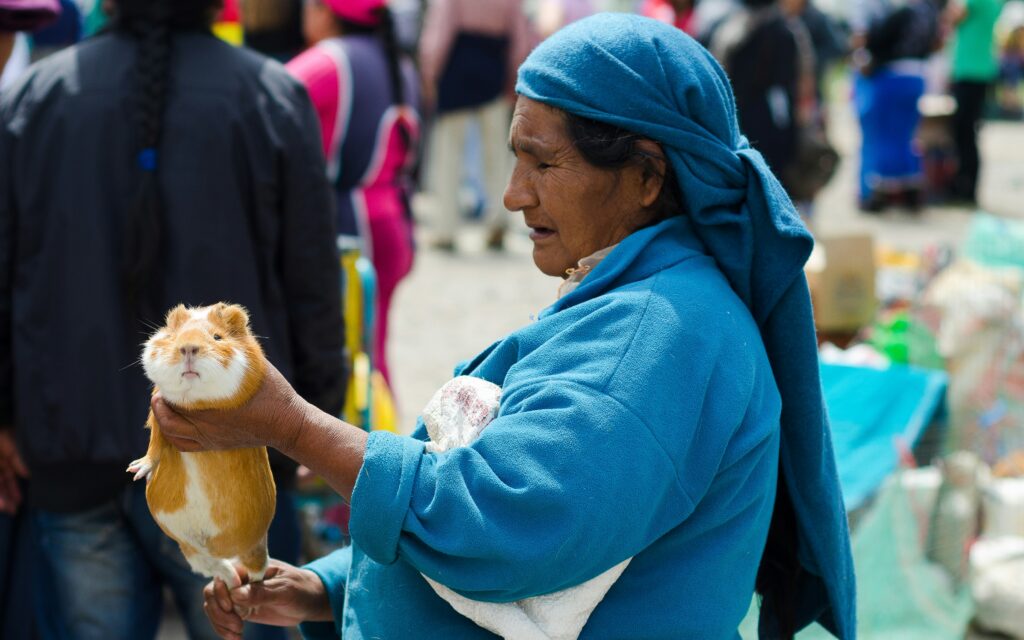
Located north of Quito, Otavalo is home to one of the most famous and culturally significant indigenous markets in South America. For centuries, the Otavaleño people have been renowned for their weaving and commerce. While the Saturday market is a sprawling spectacle of textiles, musical instruments, and traditional dress, the town is a fascinating visit any day of the week.
Beyond the stalls, the surrounding area is punctuated by the Imbabura volcano and the serene Cuicocha Lake. It is a region rich in folklore and craftsmanship. Visiting Otavalo is not just about shopping; it is about witnessing the resilience and pride of an indigenous culture that has maintained its identity through centuries of change.
The Ecuadorian Coast.
Where you’ll find the very best food
Ecuador’s cycling and day trips
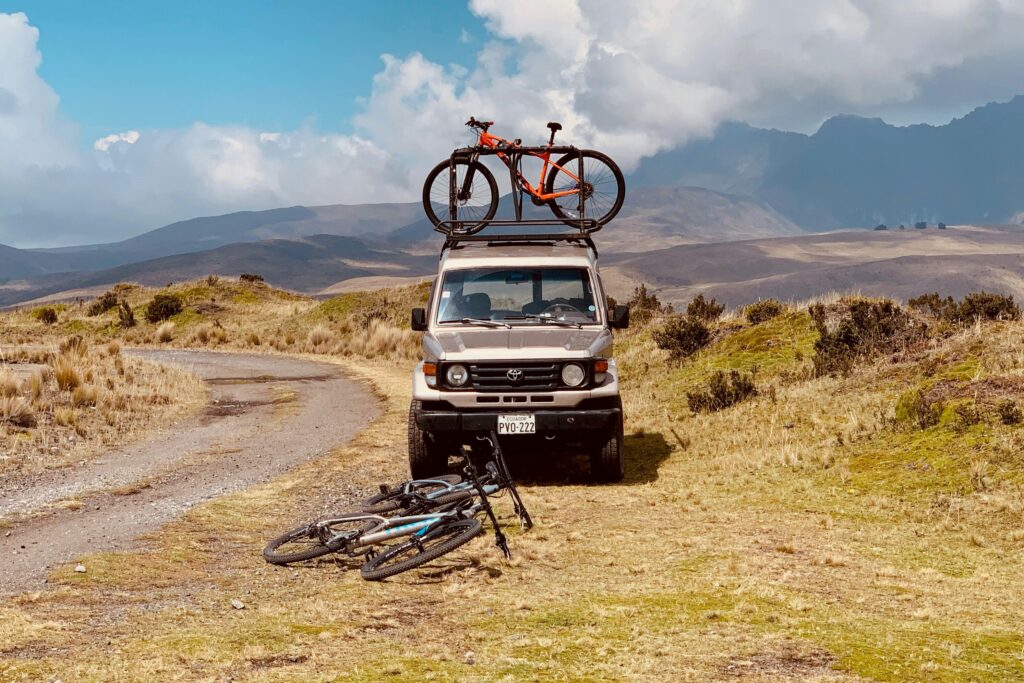
At Wheely Tyred, we believe that the best way to truly know a place is to feel the terrain beneath you. In Ecuador, this means embracing the climb and enjoying the descent. For those based in Quito, we highly recommend the Chaquiñán Trail. This 20-kilometre converted railway path starts in Cumbayá and winds through tunnels and over bridges, offering a flat, scenic escape from the city’s chaotic traffic. It is a local favourite for a reason.
If you are staying in Baños, the Ruta de las Cascadas is an essential 17-kilometre ride that is almost entirely downhill, taking you from the mountains toward the edge of the Amazon. It is perhaps one of the most scenic day trips in the country.
For a more vertical challenge, a day trip to Cotopaxi National Park allows for a thrilling mountain bike descent from the high-altitude car park down to the lagoon. It is fast, dusty, and utterly exhilarating.
Further afield, consider a visit to Mindo, a cloud forest two hours from the capital, which offers lush, canopy-lined roads perfect for a day of exploring biodiversity in a temperate, misty climate.
Affiliate Disclaimer: Some of the links on Wheely Tyred are affiliate links. If you click through and make a booking or purchase, we may earn a small commission at no extra cost to you. We only recommend gear, tours, stays, and services we genuinely use, trust, and stand behind — our editorial independence always comes first. These commissions help keep our independent cycling guides and travel stories free to read. Thanks for supporting the ride!
Frequently asked questions about the best things to do in Ecuador
At 2,850 metres, the air in Quito is noticeably thin. The best approach is to take it remarkably slow for the first 48 hours. Drink plenty of water, avoid heavy meals, and try the local mate de coca (coca tea), which helps with acclimatisation. If you are planning a ride or a trek, save it for your third or fourth day.
Absolutely. Ecuador has an extensive and very affordable public bus network. While the driving can be spirited, it is the most authentic way to see the countryside. For more remote areas like the Quilotoa Loop, local pick-up trucks (known as camionetas) act as informal taxis and can often accommodate a bicycle in the back.
Expect hearty, warming fare. Locro de papa is a creamy potato soup served with avocado and cheese that is essential after a day in the wind. In the markets, look for hornado (roasted pig). It is usually served with llapingachos (fried potato cakes)—the perfect fuel for a cyclist.
The dry season, which runs from June to September, offers the best chance of seeing the volcanic peaks without their usual shroud of cloud. This is also the best time for cycling, as the roads are less likely to be affected by the heavy Andean downpours.
In adventure hubs like Baños or Quito, you can easily hire mountain bikes for day trips. However, if you are planning a multi-day independent tour, bringing your own bike is recommended to ensure the mechanical reliability you’ll need for the rugged terrain. Most internal airlines and buses are accustomed to transporting bikes.
The people of Otavalo and the central highlands are rightfully proud of their heritage. Always ask for permission before taking a photograph of someone, especially in traditional dress. A polite “no, gracias,” is sufficient if you aren’t interested in a purchase, but a bit of gentle haggling is expected and usually conducted with good humour.
Ecuador.
Pure wonder on the equator.