Puyo travel safety guide / Navigating the gateway to the Amazon
Comprehensive safety tips, crime rates, and travel advice for Puyo, Ecuador
Your essential compass for a secure journey into the jungle
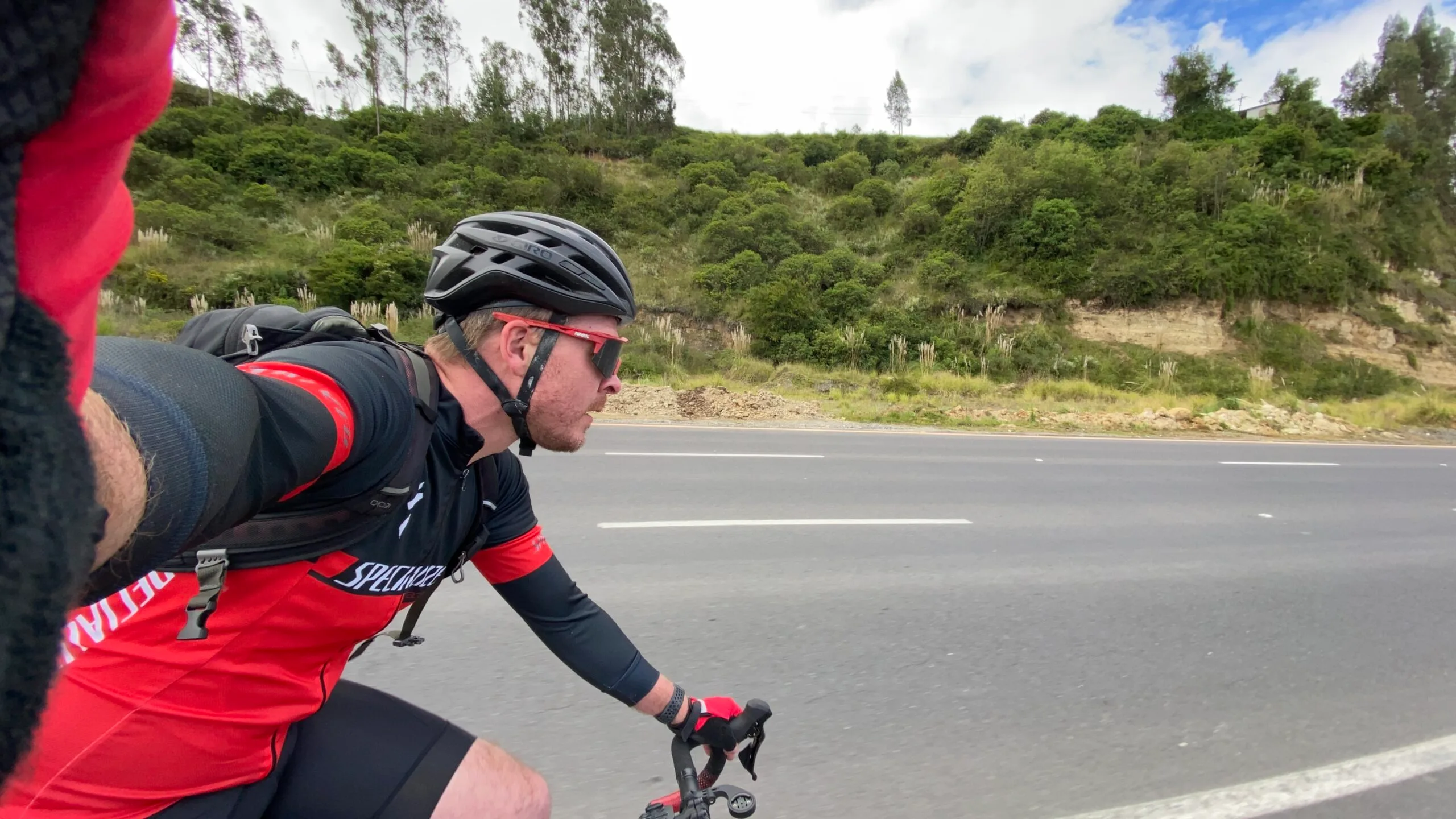
BEN FINCH
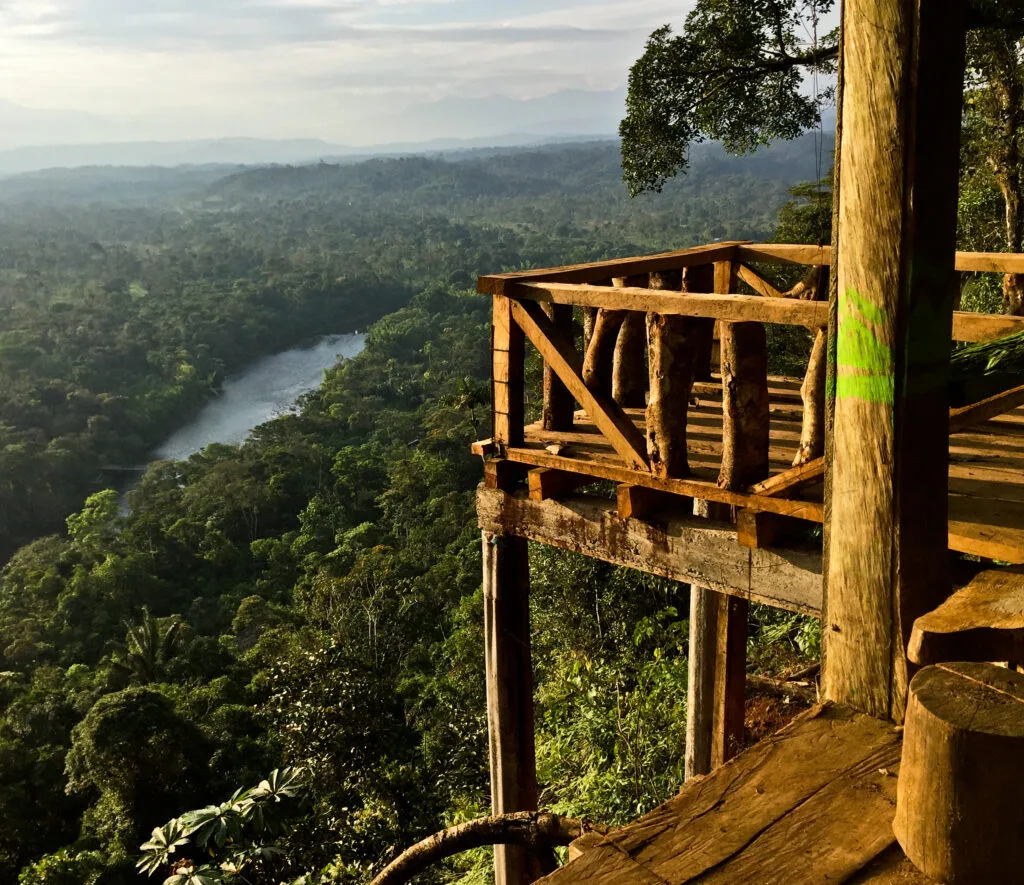
Puyo, the capital of the Pastaza province, serves as the primary threshold between the high Andean sierra and the vast expanse of the Amazon rainforest. For the independent traveller or the cyclist charting a course through Ecuador’s interior, Puyo offers a unique blend of urban grit and raw natural beauty.
However, as with much of Ecuador in 2026, the safety landscape is nuanced. While Puyo remains significantly more tranquil than the volatile coastal provinces, staying informed is the first step toward a successful expedition.
The verdant edge of the Oriente
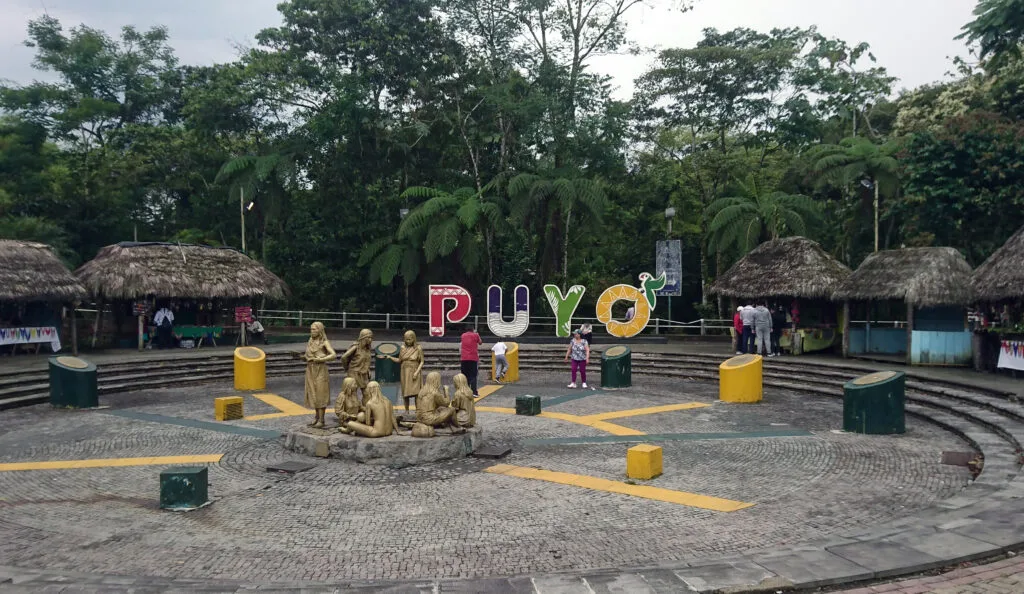
Puyo is where the asphalt ends and the Amazonian canopy begins, a city defined by its humidity and its role as a logistical springboard. It is a place for the observant traveller to trade the predictable mountain air for the raw, untamed energy of the rainforest.
- Situational Awareness: While generally safer than the coast, Puyo requires a sharp eye in busy hubs like the Terminal Terrestre to deter opportunistic petty theft
- The Climate Factor: With some of the highest rainfall in the world, the environment is a primary safety concern; flash floods and landslides are more common than violent crime
- Solo Navigation: Solo female travellers should prioritise daylight arrivals and use registered taxi ejecutivo services to maintain a secure perimeter during transit
- Jungle Protocol: Personal safety extends to the forest; never venture into primary growth without a local guide, as the dense canopy makes orientation nearly impossible
- Cycling Strategy: High-visibility gear is essential on the narrow, mist-heavy roads where heavy transport vehicles often dominate the flow of traffic
- Digital Discretion: Keep high-end tech and cycling kit out of sight in public spaces to avoid projecting an image of affluence in rural areas
- Health Readiness: Protection against mosquito-borne illnesses like Dengue is a non-negotiable part of the daily routine in this tropical corridor
Puyo.
The gateway to the Amazon
Understanding the safety landscape in Puyo and Pastaza
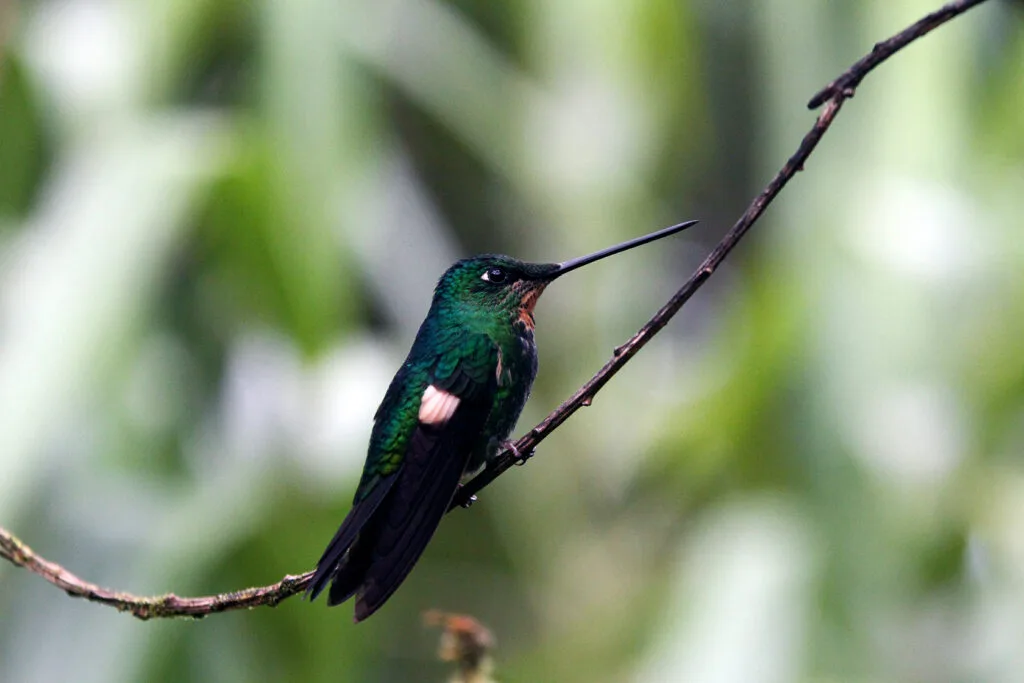
To understand Puyo, one must understand the broader context of Ecuador. The country currently operates under a state of internal armed conflict to address organised crime. While this sounds daunting, the practical reality for travellers in the Oriente (the eastern region) is often one of heightened security rather than active danger.
Puyo is generally considered a safer alternative to the larger hubs of Quito or Guayaquil. It lacks the massive urban sprawl where street crime is most prevalent, and the local economy is deeply intertwined with eco-tourism. This means there is a collective interest in keeping visitors safe. However, recent trends show that crime has begun to shift from the coast toward the interior. Travellers must maintain a high degree of situational awareness—a term we use at Wheely Tyred to describe the habit of observing your surroundings without succumbing to paranoia.
The Ecuadorian Amazon.
The most biodiverse place in the world
Crime rates and common risks for travellers
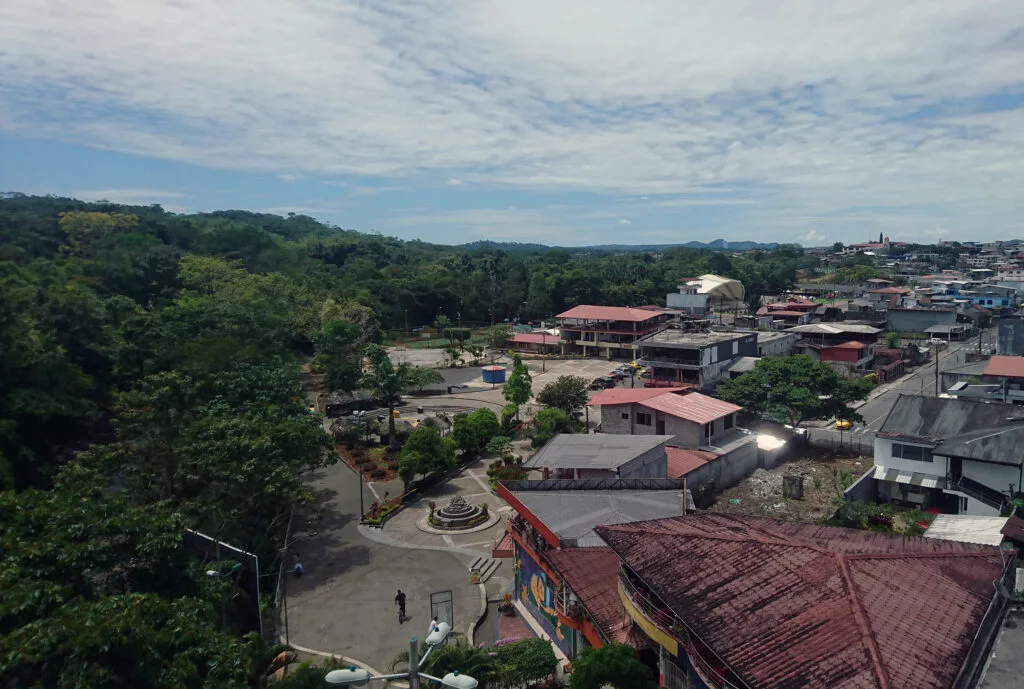
Statistically, the most common threat in Puyo is petty theft. Pickpocketing and bag-snatching occur most frequently in crowded areas such as the Terminal Terrestre (bus station) and the central markets. These are crimes of opportunity; if a valuable is visible, it becomes a target.
Violent crime against tourists in Puyo is rare but not nonexistent. There have been sporadic reports of express kidnappings in larger Ecuadorian cities, where victims are forced to withdraw money from ATMs. While this is less common in Puyo, the risk increases if you use unregistered transport or walk in unlit areas at night.
For those travelling with high-end cycling gear or photographic equipment, the risk profile changes. In Puyo, showing signs of affluence can draw unwanted attention. We recommend keeping expensive kit out of sight whenever you are not actively using it and choosing accommodation with secure, indoor storage for bicycles.
The Ecuadorian Sierra.
Get lost in the hills
Safety for solo travellers and women in Puyo
Ecuador is a welcoming country, but solo travellers, particularly women, may experience a different level of attention. In Puyo, machismo culture can occasionally manifest as catcalling or unwanted persistence in conversation. While usually harmless, it can be uncomfortable.
Advice for solo women:
- Trust your instincts: If a situation or person feels off, remove yourself immediately
- Dress modestly: While Puyo is humid, blending in with local attire—rather than wearing technical trekking gear in the city centre—can help reduce unwanted attention
- Arrivals: Aim to arrive at the Puyo bus terminal during daylight hours. If you arrive at night, have your accommodation pre-booked and ask them to arrange a trusted taxi to meet you
For minorities and members of the LGBTQ+ community, Puyo is generally tolerant, but discretion is often the best policy in more conservative, rural areas of Pastaza. Indigenous territories have their own laws and customs; always seek permission before taking photographs of people or entering communal lands.
Navigating transport and urban safety
Transport is often where safety protocols are most frequently tested. The road from Baños to Puyo is a spectacular descent for cyclists, but it is also a narrow, winding artery for heavy lorries and buses.
Road safety:
If you are cycling, be aware that right of way is often determined by the size of the vehicle. Drivers may not be accustomed to seeing cyclists on certain stretches of the highway. High-visibility clothing and active lighting are non-negotiable, especially as Puyo is one of the rainiest cities in the world, often shrouded in mist.
Read our guides to cycling in Ecuador here.
Taxis and buses:
Never hail a taxi off the street after dark. Use a registered taxi ejecutivo or an app if available. Within the city, the yellow taxis are generally reliable during the day, but ensure they have the official registration stickers and a visible camera system, which is part of Ecuador’s Transporte Seguro initiative.
The Galápagos.
Ecuador’s Enchanted Isles
Environmental safety / The jungle and the elements
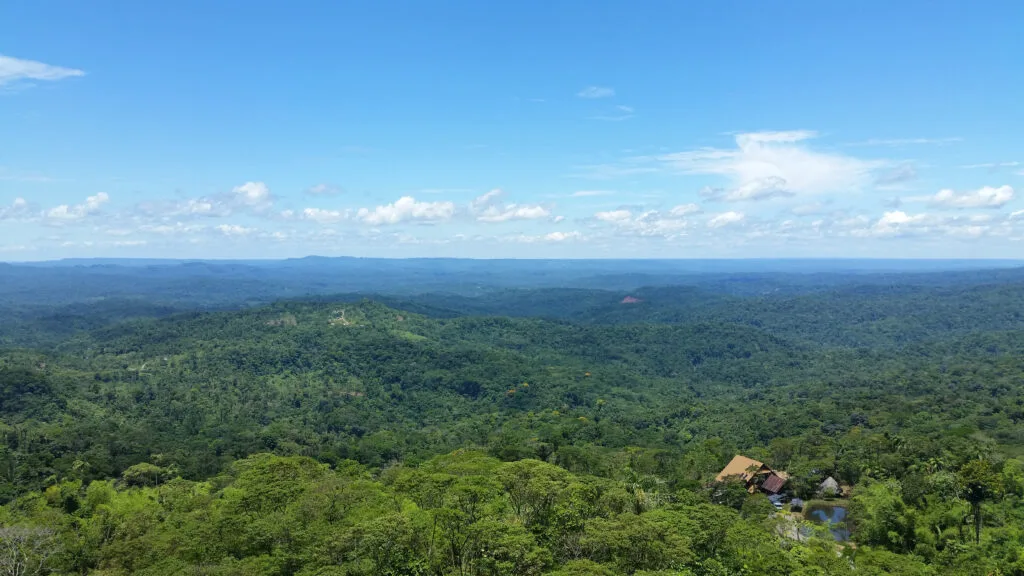
In Puyo, the environment is often a greater risk than the population. As of May 2026, the region has seen significant rainfall, leading to occasional states of emergency due to flash flooding and landslides.
- Flash floods: The rivers around Puyo (such as the Puyo and Pastaza rivers) can rise with terrifying speed. Never camp on a riverbank or gravel bar, even if the sky is clear
- Jungle excursions: Never enter the primary forest without a certified local guide. It is remarkably easy to lose your bearings in the dense canopy, and the green wall of the Amazon is unforgiving to the unprepared
- Wildlife: While the monsters of the Amazon are mostly a myth, small threats like bullet ants, spiders, and snakes are real. Always shake out your boots before putting them on, and stick to established trails
Health, emergencies, and local laws
Puyo is situated at roughly 950 metres, so altitude sickness is not a concern, but tropical diseases are. Malaria and Dengue fever are present in the Pastaza province. Using a high-DEET repellent and wearing long sleeves at dusk are your best defences.
Local Laws:
Ecuadorian law is strict regarding drug possession; even small amounts of soft drugs can lead to significant prison sentences. Additionally, it is a legal requirement to carry identification at all times. We suggest carrying a high-quality colour photocopy of your passport and visa, keeping the original in a secure hotel safe.
In the event of an emergency, the national emergency number is 911. Puyo has several decent medical clinics, but for serious trauma or specialised care, a transfer to Quito or Ambato is usually necessary.
The Ecuadorian Coast.
Where you’ll find the very best food
Wheely Tyred’s final checklist for Puyo
Read this far?
To ensure your visit to the gateway of the Amazon is remembered for the right reasons, follow this essential safety checklist:
- Connectivity: Buy a local SIM card (Claro or Movistar have the best coverage in the Oriente), so you have access to maps and emergency contacts
- Daylight only: Plan your transit—whether by bus, car, or bike—to be off the roads by sunset (roughly 18:30 year-round)
- Secure your tech: Use a crossbody bag for your phone and never leave it on a table in a café
- Water safety: Drink only bottled or filtered water. Puyo’s tap water is not potable for travellers
- Weather monitoring: Check local weather reports daily; the Puyo rain is legendary and can wash out roads in hours
Puyo is a place of incredible energy and serves as a vital lung for the planet. By taking these sensible precautions, you can focus on the roar of the waterfalls and the rustle of the canopy rather than the risks.
Affiliate Disclaimer: Some of the links on Wheely Tyred are affiliate links. If you click through and make a booking or purchase, we may earn a small commission at no extra cost to you. We only recommend gear, tours, stays, and services we genuinely use, trust, and stand behind — our editorial independence always comes first. These commissions help keep our independent cycling guides and travel stories free to read. You can also buy me a coffee here — thanks for supporting the ride!
Frequently asked questions about safety in Puyo
While the central areas are generally active, it is best to avoid walking alone after dark, particularly in unlit residential neighbourhoods or near the riverfront. If you need to move between your accommodation and a restaurant, asking your host to call a registered taxi is the most sensible approach.
Stick to official yellow taxis that display the Transporte Seguro stickers and internal cameras. These are regulated and provide a much higher level of security than unmarked vehicles. For regional travel, the local bus network is robust, but keep your valuables on your lap rather than in the overhead bins.
The route is visually stunning but physically demanding due to narrow lanes and heavy commercial traffic. Safety depends on your visibility and timing; ensure you have powerful lights for the frequent tunnels and mist, and aim to finish the ride well before the afternoon rains typically begin.
In Ecuador, you are legally required to carry identification at all times. To keep your documents safe, we recommend carrying a high-quality colour photocopy of your passport and visa page while leaving the original in a secure safe at your hotel or guesthouse.
The Puyo and Pastaza rivers are prone to sudden swelling. If you are exploring the riverbanks or visiting waterfalls, stay mindful of the water level and never cross a river that appears to be rising or turning muddy, as this indicates a flash flood upstream.
No, the tap water in Puyo is not potable for travellers. Always use filtered or bottled water, even for brushing your teeth, to avoid gastrointestinal issues that could disrupt your journey.
Ecuador.
Pure wonder on the equator.