The top attractions on the Ecuadorian Coast
Sun, surf and silver / A guide to the Pacific gems of Ecuador
The spirit of the Spondylus Route
BEN FINCH
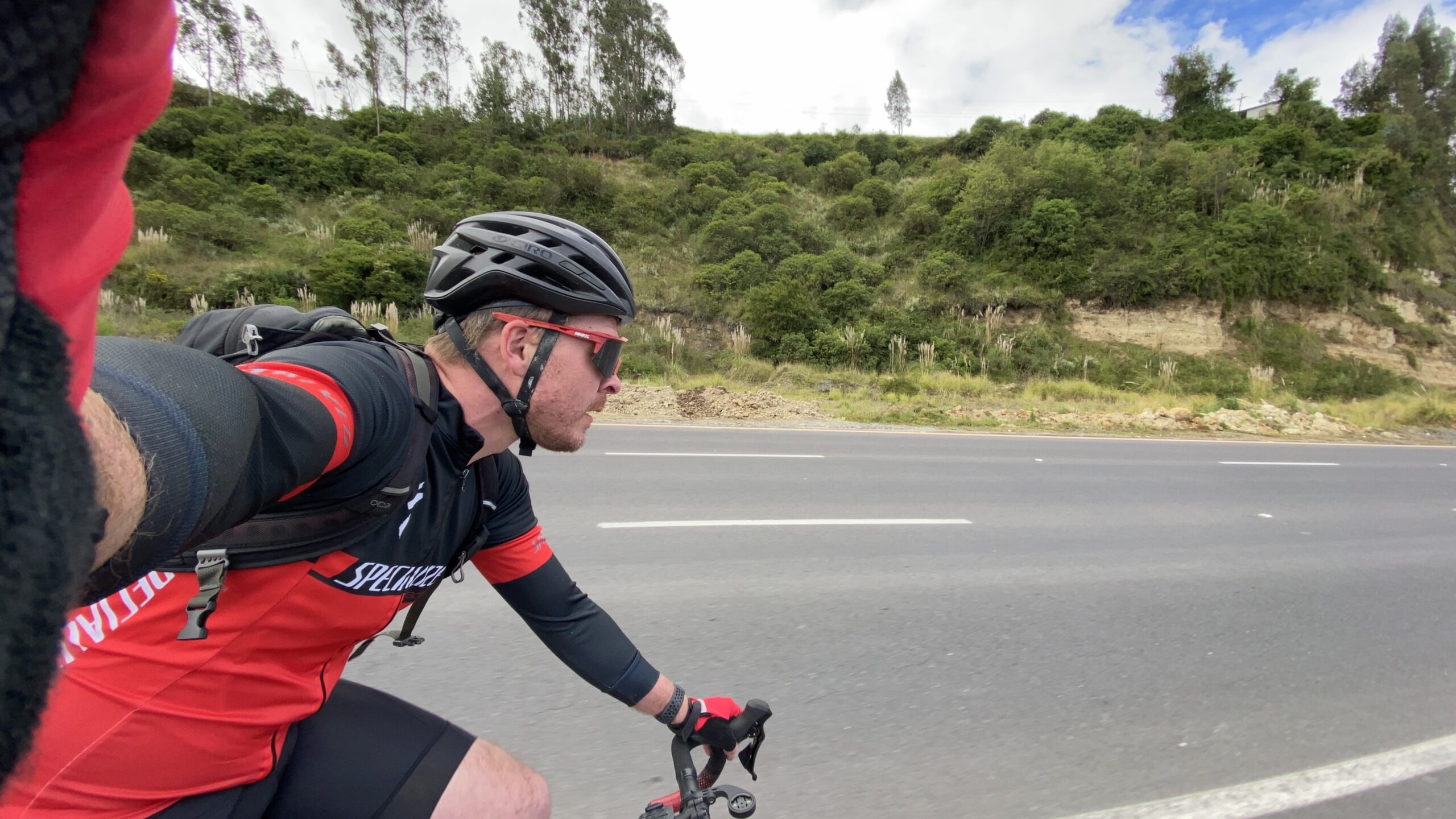
The Pacific coastline of Ecuador, often referred to as the Spondylus Route, is a stretch of land where the humid jungle meets the arid scrub of the south, all bounded by the relentless energy of the ocean. For the traveller who prefers the freedom of a self-guided journey, this region offers a tapestry of experiences that range from high-energy surf towns to quiet, wildlife-rich islands. Wheely Tyred has curated this guide to the most iconic landmarks along the coast, ensuring that those who value depth and independence can find the very best the region has to offer.
The salt-sprayed soul of the Spondylus Route
A journey along Ecuador’s Pacific edge reveals a rugged landscape of dramatic cliffs, arid dry forests, and bohemian hideaways. It is a region where the raw power of the ocean dictates the pace of life for the truly independent wanderer.
- Los Frailes: A protected sanctuary of golden sands and turquoise waters within Machalilla National Park, offering a rare, undeveloped coastal experience
- Isla de la Plata: A prehistoric-feeling haven for blue-footed boobies and frigate birds, providing a mainland alternative to the Galápagos for wildlife enthusiasts
- Montañita: The energetic epicentre of South American surf culture, characterised by its thatched roofs, world-class point breaks, and vibrant Cocktail Alley
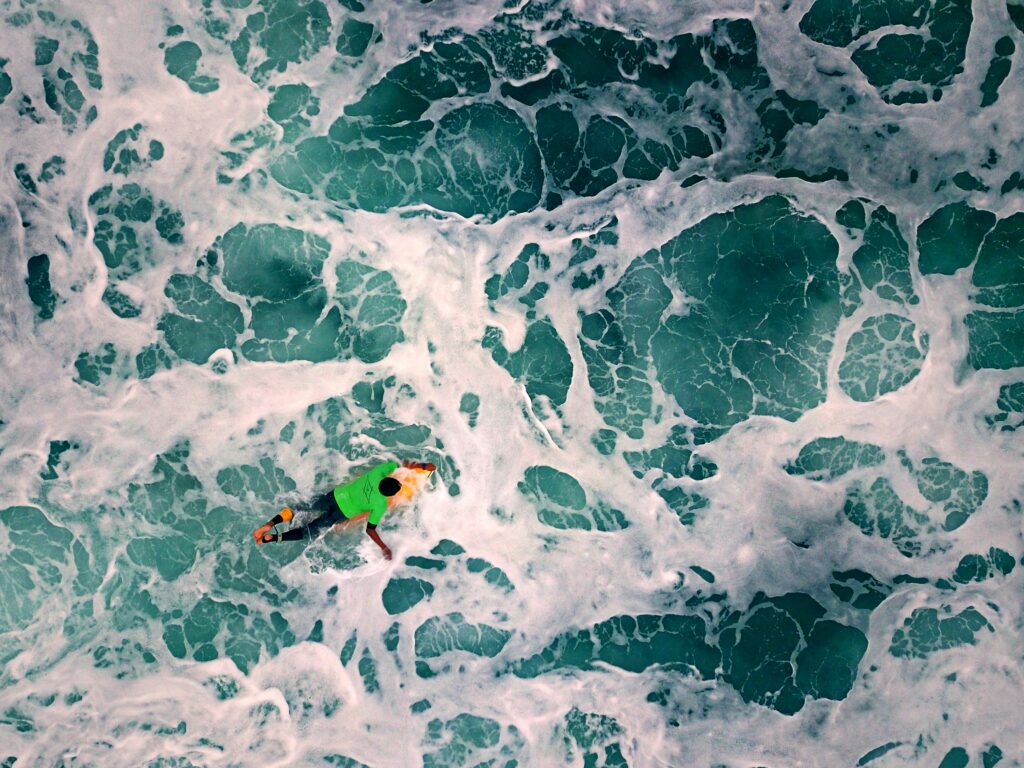
- La Chocolatera: The westernmost tip of the mainland, where the Pacific churns into a frothy surge, located within a scenic naval base in Salinas
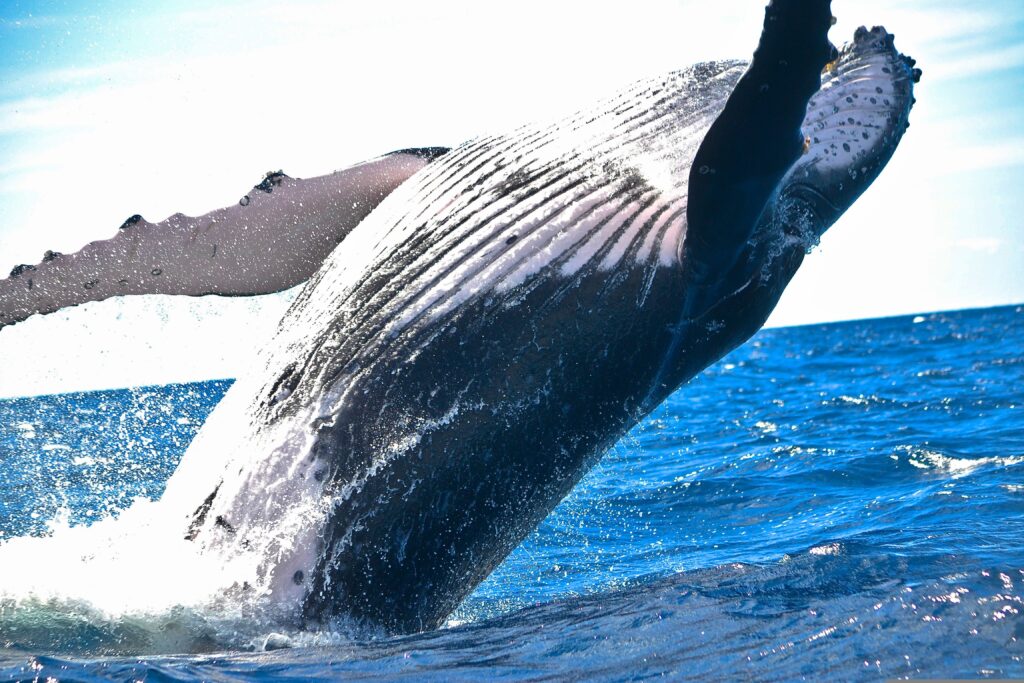
- Puerto López: A traditional fishing village that transforms into a global hub for humpback whale watching between June and September
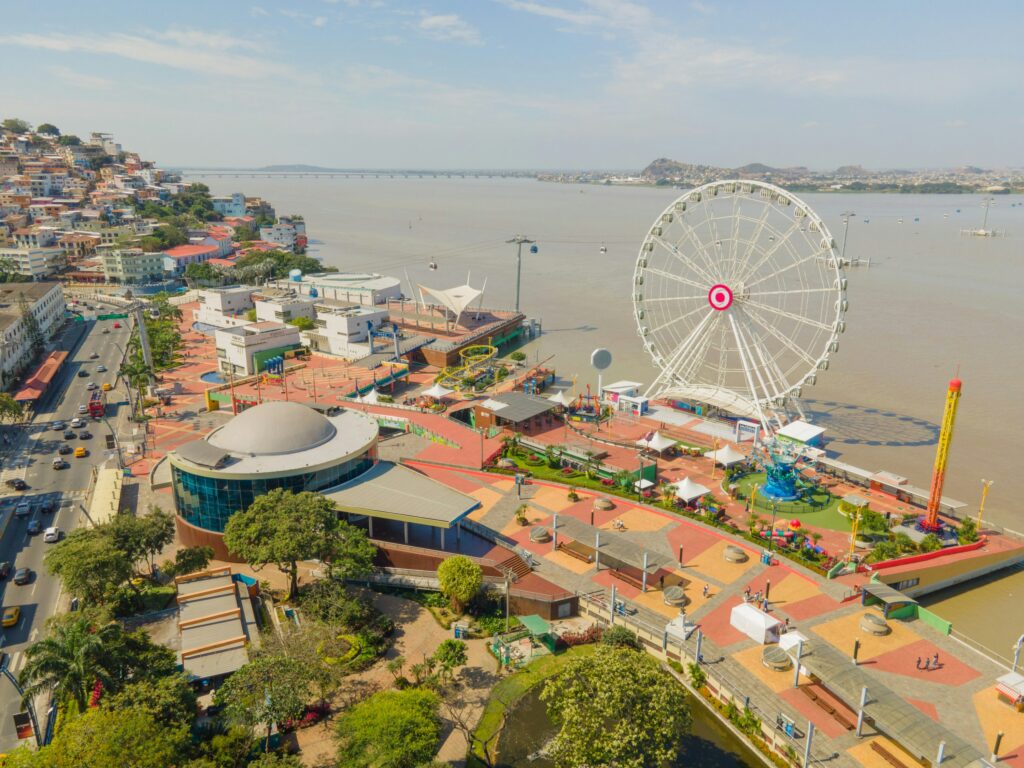
- Malecón 2000: Guayaquil’s sophisticated riverfront boardwalk, blending contemporary urban design with the historic charm of the Las Peñas neighbourhood
- Coastal Connections: Excellent cycling potential between the quiet hamlets of Olón, Ayampe, and Salango for those who prefer to travel at their own speed
The Ecuadorian Coast.
Where you’ll find the very best food
The pristine perfection of Los Frailes
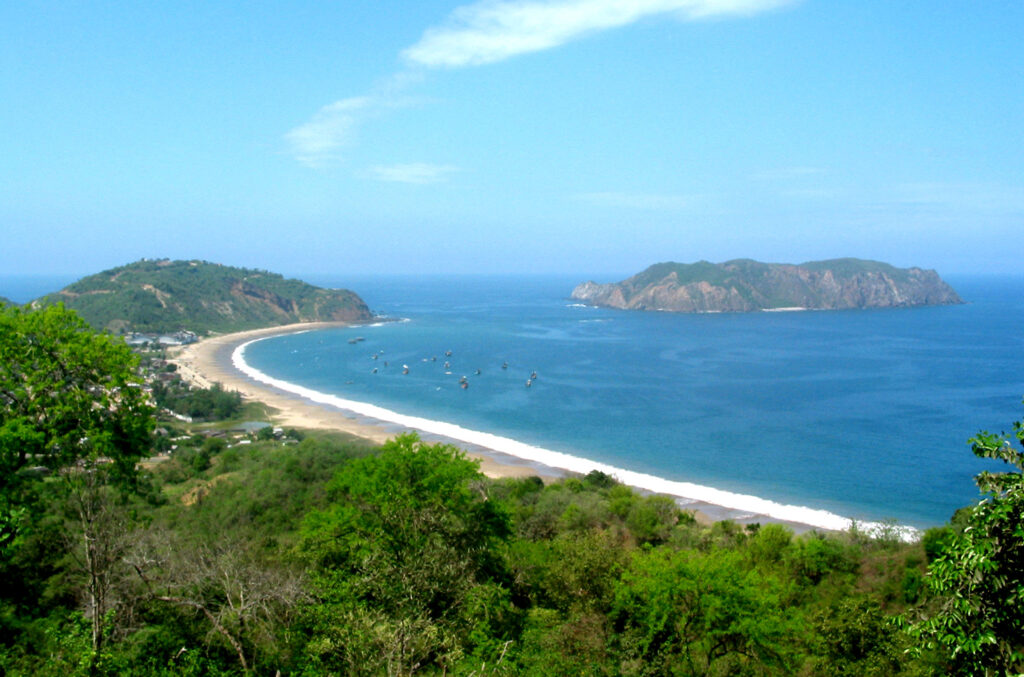
Within the protective embrace of the Machalilla National Park lies Los Frailes, a collection of three beaches that represent the pinnacle of coastal beauty in Ecuador. Unlike the developed resort strips found elsewhere, Los Frailes is a sanctuary of dry forest and turquoise water. The main beach is a perfect crescent of fine sand, framed by towering cliffs that keep the Pacific swells at bay.
For the active visitor, a winding trail leads away from the main beach, through the scrubby forest where lizards scuttle underfoot, to a lookout point known as Las Fragatas. From this vantage, the scale of the coastline becomes clear. To the north, the smaller, more rugged beaches of Playita Negra and La Tortuguita offer a wilder experience, where the sand is darker and the waves more spirited. This is not a place for high-rise hotels or loud music; it is a place for those who appreciate the silence of a protected landscape.
Isla de la Plata / The wildlife sanctuary
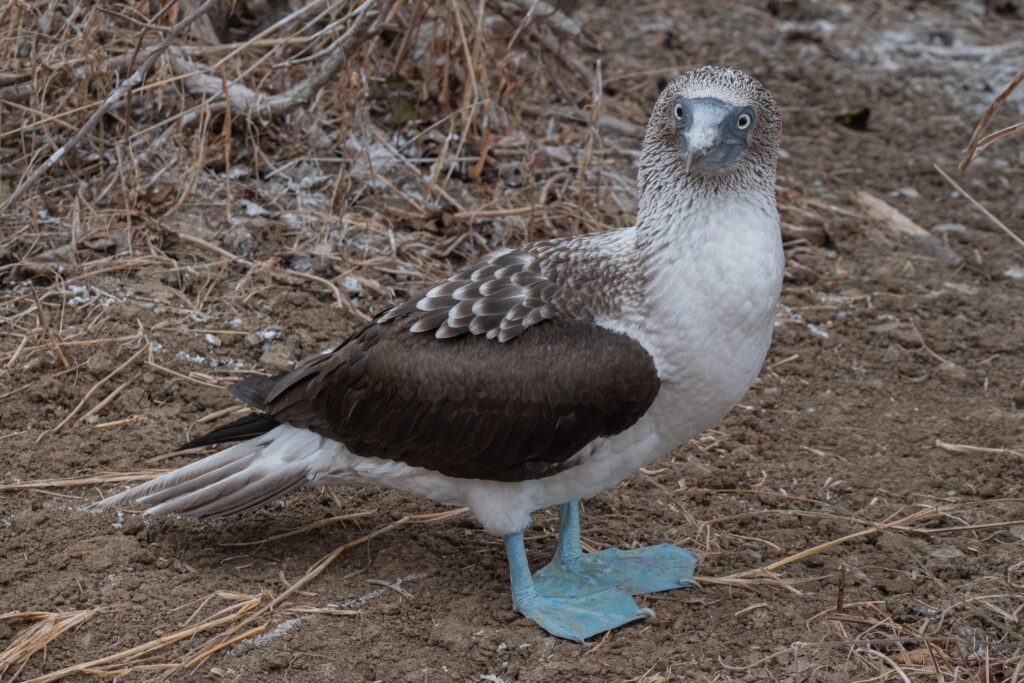
Often overshadowed by its more famous cousins to the west, Isla de la Plata offers a Galápagos-style experience without the logistical complexity. Legend suggests that Sir Francis Drake buried a hoard of silver here, giving the island its name, though today the true treasure is biological. The island is one of the few places on the mainland coast where the blue-footed booby nests in significant numbers.
Walking the steep, dusty trails of the island reveals a landscape that feels prehistoric. Frigate birds with their striking red throat pouches circle overhead, while the boobies perform their elaborate courtship dances on the rocky ground. Beneath the surface of the surrounding water, a marine paradise awaits. Snorkelling in the clear bays provides encounters with sea turtles, manta rays, and a kaleidoscope of tropical fish. It is a destination that demands time and respect, rewarding the patient observer with a deep connection to the natural world.
The Galápagos.
Ecuador’s Enchanted Isles
Montañita / The heartbeat of the coast
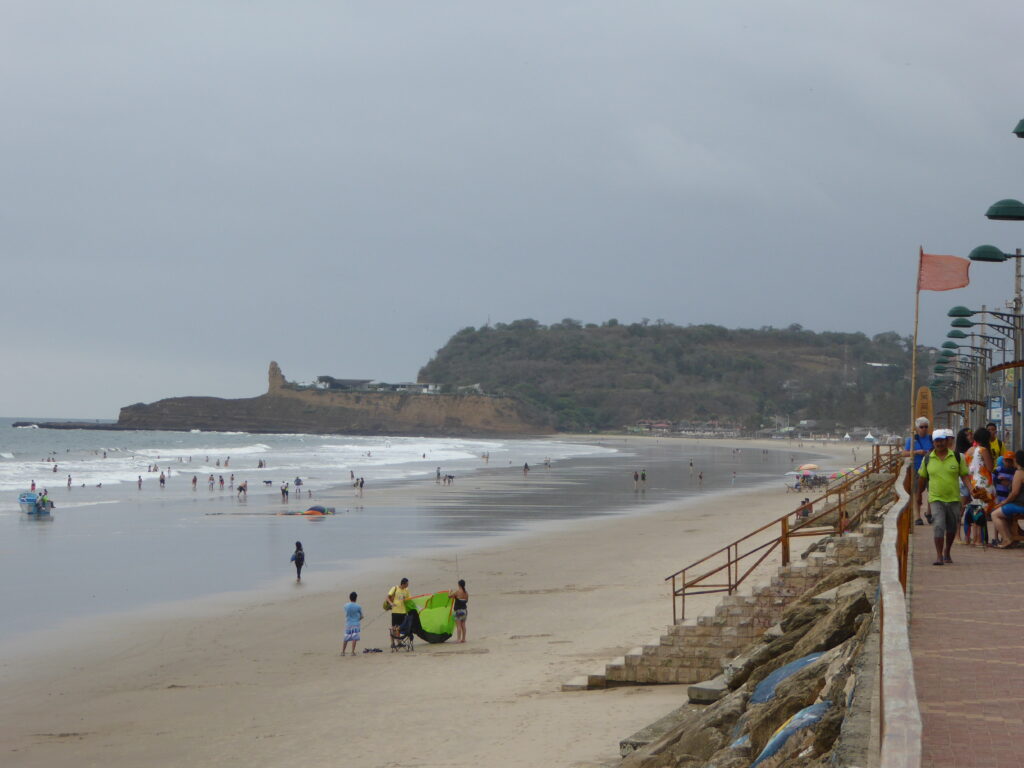
If Machalilla is the soul of the coast, Montañita is its beating heart. Once a quiet fishing village, it has transformed into a legendary surf and party destination that draws travellers from across the globe. The vibe here is unapologetically bohemian. The streets are a maze of thatch-roofed bars, artisanal workshops, and small cafes serving fresh ceviche.
The main attraction is, of course, the surf. The point break at the northern end of the beach is famous for its consistency and power, attracting seasoned surfers during the swell season. However, Montañita is more than just a wave. It is a cultural melting pot where the scent of palo santo fills the air and the evening comes alive in Cocktail Alley. Here, local vendors mix elaborate fruit drinks under neon lights, creating a social atmosphere that is unique in South America. For the traveller who values a vibrant, communal energy, Montañita is an essential stop.
La Chocolatera and the tip of the peninsula
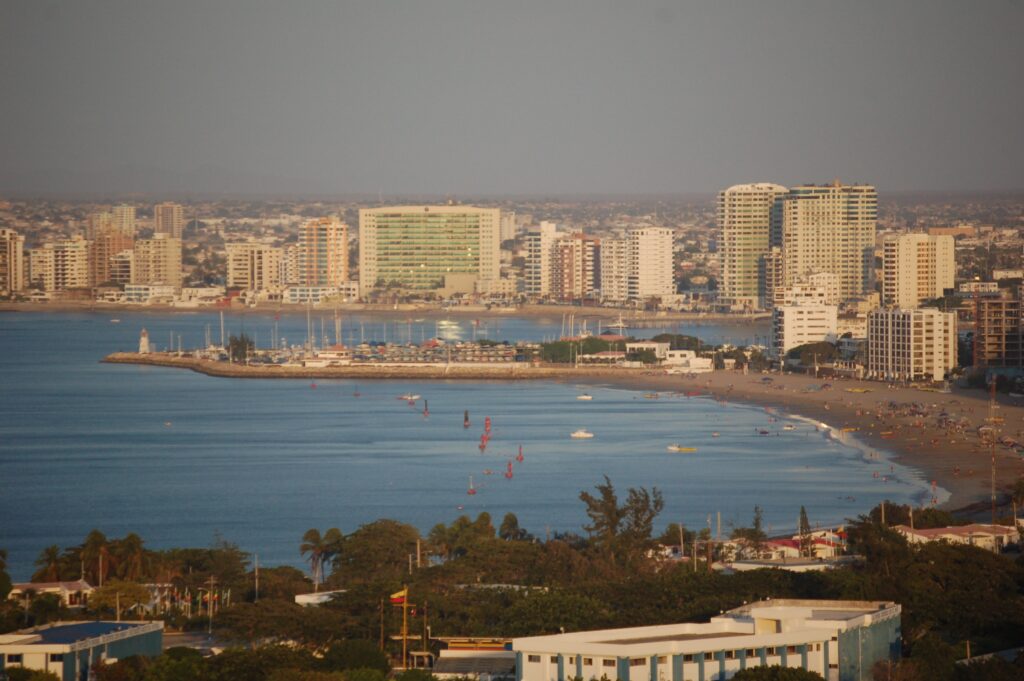
In the high-end resort city of Salinas, the landscape takes a dramatic turn at La Chocolatera. Located within a naval base at the very tip of the Santa Elena peninsula, this is the westernmost point of mainland Ecuador. The name comes from the way the ocean currents collide, churning up the sandy bottom to create a frothy, brown surge that looks remarkably like boiling chocolate.
The site is accessible via well-maintained boardwalks that offer spectacular views of the crashing surf. It is a place of raw power, where the wind is constant and the spray of the Pacific is ever-present. Nearby, a colony of sea lions often hauls out onto the rocks, basking in the sun and providing a noisy counterpoint to the roar of the waves. It is a stark, beautiful location that serves as a reminder of the sheer scale of the ocean.
The Ecuadorian Sierra.
Get lost in the hills
Puerto López and the giants of the deep
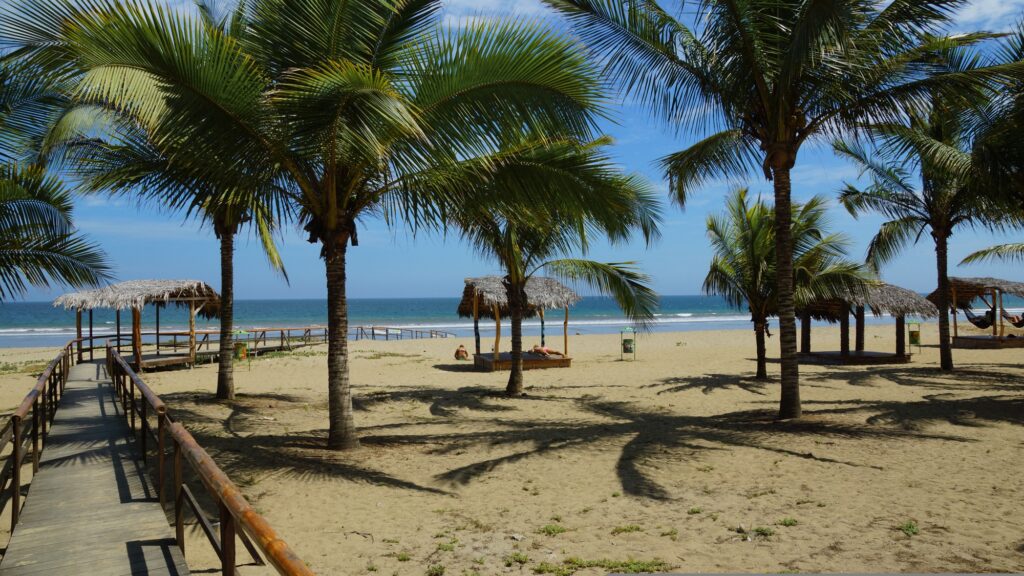
Puerto López is a town that remains deeply connected to the sea. Every morning, the beach becomes a hive of activity as artisanal fishing boats return with their catch, followed by flocks of scavenging frigate birds. It is a gritty, authentic experience that offers a glimpse into the traditional coastal life of Ecuador.
However, the town’s most iconic draw arrives between June and September. During these months, the waters off Puerto López become the mating grounds for humpback whales. These massive mammals migrate thousands of miles from the Antarctic to the warm Ecuadorian waters. Witnessing a forty-tonne whale breach the surface is an experience that stays with a traveller forever. Beyond the whales, the town serves as an excellent base for exploring the inland tropical dry forests, where the vegetation has adapted to survive with minimal rainfall, creating a unique and fragile ecosystem.
Malecón 2000 / The modern gateway
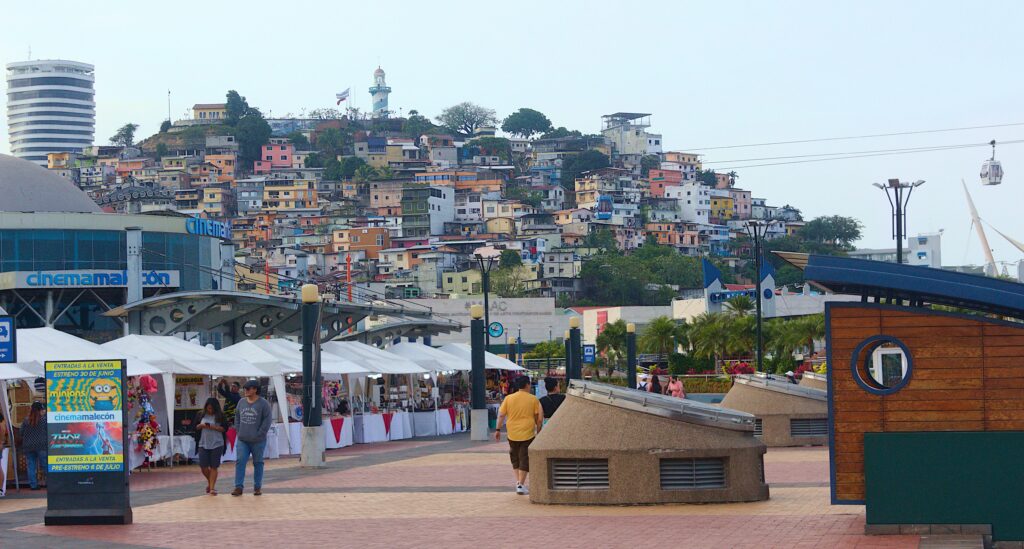
Guayaquil may be a river city, but it is the indispensable gateway to the Ecuadorian coast. The Malecón 2000 is a two-and-a-half-kilometre boardwalk that has redefined the city’s relationship with its waterfront. It is a masterclass in urban planning, blending historical monuments like the Rotonda with modern gardens, shopping malls, and museums.
Walking the length of the Malecón provides a summary of the nation’s history and ambitions. To the north, the colourful neighbourhood of Las Peñas climbs the hill, its bright houses and cobblestone streets offering a contrast to the sleek lines of the boardwalk. For the visitor heading to the beaches, the Malecón is more than just a park; it is a cultural landmark that celebrates the spirit of Guayaquil and its role as the economic engine of the coastal region.
Read our guide on safety in Guayaquil.
The Ecuadorian Amazon.
The most biodiverse place in the world
Exploring the Ecuadorian coast by bike
While these iconic attractions are often visited by car or bus, the true character of the Ecuadorian coast is best revealed at a slower pace. The terrain around these major sites offers incredible opportunities for the independent cyclist.
From the surf hub of Montañita, a short 10-kilometre ride north brings you to the tranquil village of Olón, where the beach is wider and the pace significantly slower. Alternatively, heading south for 15 kilometres leads to Ayampe, a hidden gem tucked between the jungle and the sea, perfect for those seeking a quiet retreat.
For those based in Puerto López, the ride to the village of Salango is a must. At just 6 kilometres away, it offers a fantastic archaeological museum and some of the best seafood on the coast. For a longer day trip, the loop through the Machalilla National Park provides a challenging mix of coastal ridges and forest trails.
Those visiting Salinas can enjoy a flat, breezy 20-kilometre circuit that takes in the upscale neighbourhoods of Chipipe and the salt flats of Ecuasal, where flamingos can often be spotted.
Travelling by bike allows you to notice the small details—the smell of the salt air, the call of the tropical birds, and the warmth of the coastal sun—that the average tourist simply whistles past.
Frequently asked questions about the top attractions on the Ecuadorian Coast
The humpback whales migrate from the Antarctic to the warmer waters of Ecuador to mate and give birth between June and September. During these months, boat tours depart daily from the beach at Puerto López, offering high chances of witnessing breaches and tail-slaps.
Absolutely. While the main Spondylus Route can be busy, the sections connecting smaller villages like Olón and Ayampe are manageable and highly rewarding. The terrain around Salinas is particularly flat and breezy, making it ideal for a relaxed 20-kilometre circuit past the local salt flats.
It is the name given to the coastal highway that runs the length of Ecuador’s Pacific shore. It is named after the Spondylus (the thorny oyster), a crimson shell that was considered more valuable than gold by the ancient Andean civilisations and used as a form of sacred currency.
The name refers to the chocolate-like appearance of the water at the peninsula’s tip. Powerful colliding currents churn the sandy seabed, creating a thick, brown froth that resembles a boiling pot of cocoa. It is a spectacle of nature’s force rather than a place for a swim.
Isla de la Plata, located about an hour and a half by boat from Puerto López, is often called the poor man’s Galápagos. It is one of the few places outside the archipelago where you can see nesting blue-footed boobies, Nazca boobies, and magnificent frigate birds in their natural habitat.
The culture is deeply tied to the daily catch. In towns like Puerto López, you can watch the artisanal fleet return every morning. Local specialities centre around fresh ceviche, often prepared with lime, onions, and locally caught shrimp or fish, served in unassuming beachfront stalls.
Ecuador.
Pure wonder on the equator.