Navigating the green frontier / A 2026 safety guide to the Ecuadorian Amazon
Ecuadorian Amazon safety 2026 / Crime statistics, regional risks, and solo traveller advice
Jungle fever and fact-finding / The essential guide to staying safe in the Oriente
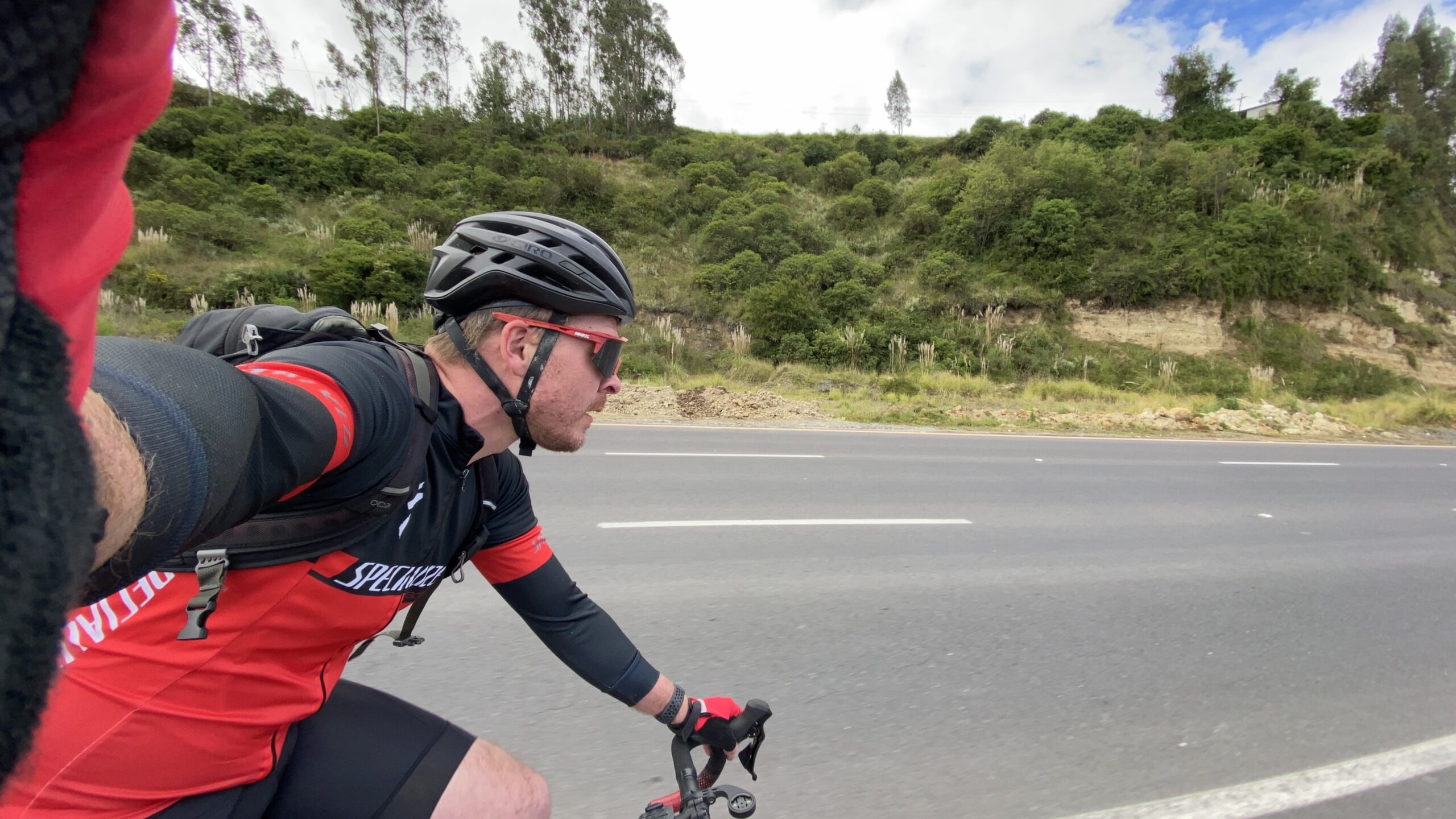
BEN FINCH
The Ecuadorian Amazon, or El Oriente as it is known locally, is a place of staggering beauty and profound complexity. For the cyclist or the intrepid traveller, it represents the ultimate frontier. However, as we move through 2026, the security landscape in Ecuador has undergone a seismic shift. While the deep canopy often feels worlds away from the headlines of the coast, staying safe requires a sharp eye and a well-thumbed map.
At Wheely Tyred, we believe that the best way to travel is with open eyes. This guide isn’t here to scare you off your bike or out of your hiking boots; it is here to ensure you have the local knowledge required to navigate the Amazon safely and sustainably.
The emerald labyrinth / Navigating the Oriente
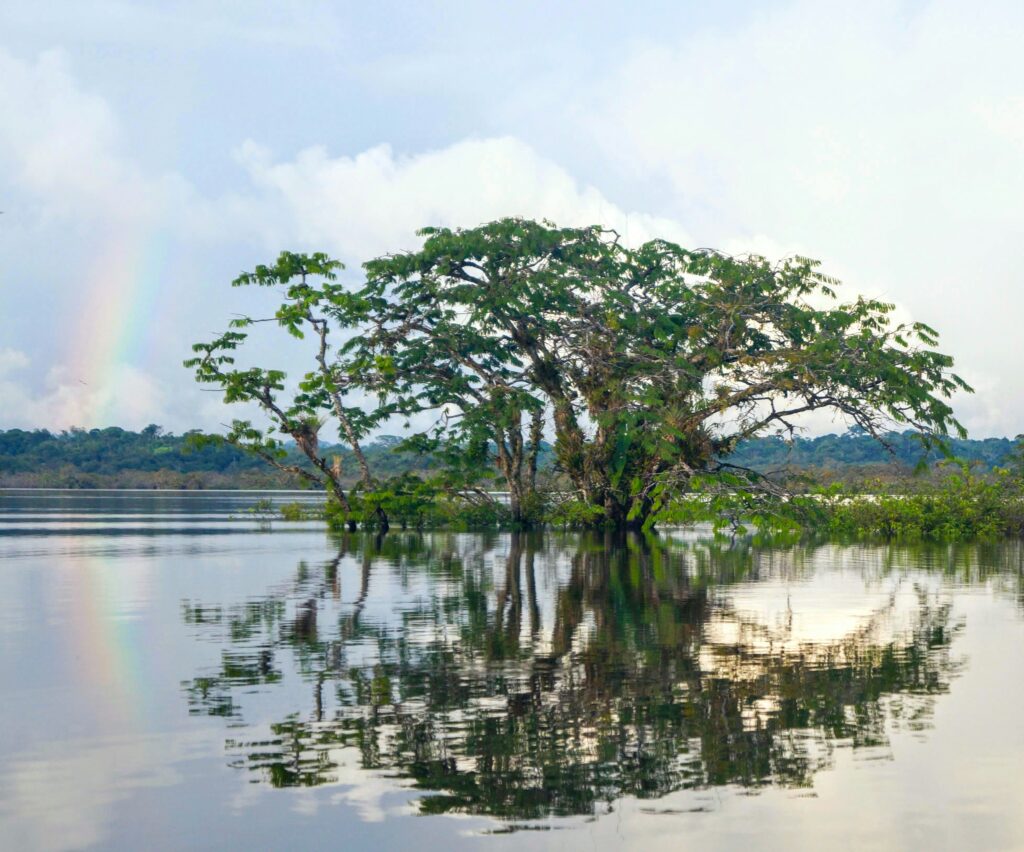
The Ecuadorian Amazon is a place where the infrastructure of the modern world dissolves into the density of the primary rainforest. To traverse it on two wheels or on foot is to embrace a landscape that is as demanding as it is majestic.
- Security Realities: While the deep jungle remains tranquil, the national security situation in 2026 necessitates heightened awareness, particularly in urban transit hubs and border regions where crime rates have risen
- Northern Thresholds: Provinces like Sucumbíos and Orellana are critical industrial corridors where travel within 20km of the Colombian border is strictly discouraged due to volatile criminal activity
- Gateway Hubs: For those seeking a lower-risk entry, the towns of Tena and Puyo offer a more relaxed atmosphere for independent travellers and serve as excellent bases for whitewater or cycling
- Social Nuance: Respect for local customs is paramount; LGBTQ+ travellers should exercise discretion in rural villages, and entry into Indigenous territories must always be facilitated by local community guides
- Environmental Vigilance: The Amazonian climate is a physical force, with flash floods capable of erasing road networks in minutes, making satellite communication and local weather tracking essential
- Solo Safeguards: Isolation is the primary risk for the lone adventurer; maintaining a strict check-in protocol and avoiding nighttime travel are non-negotiable rules for the region
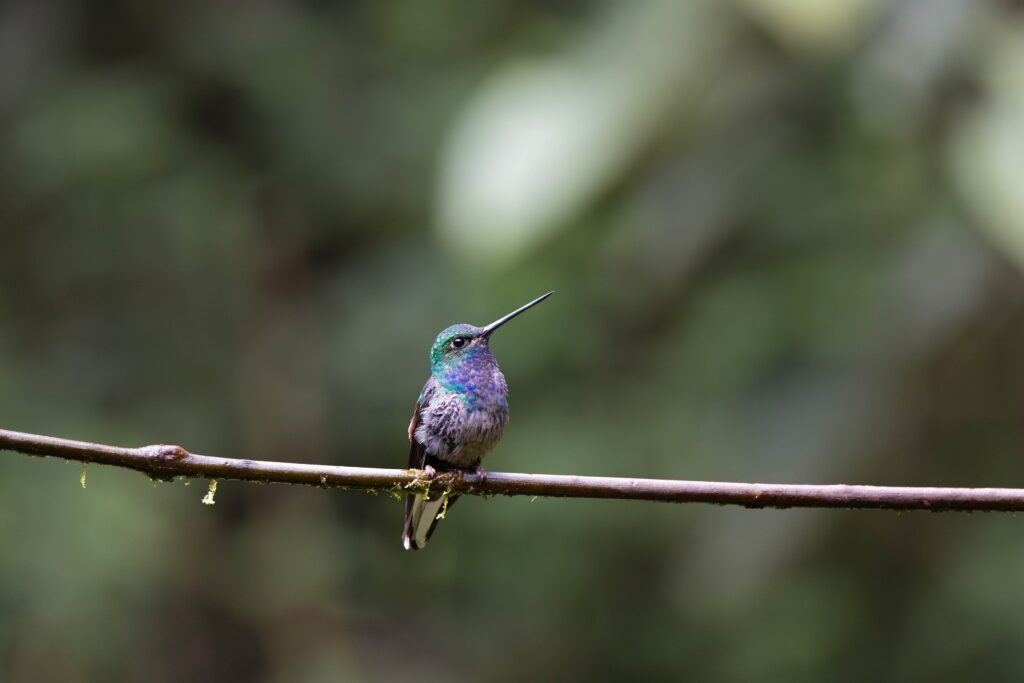
The Ecuadorian Amazon.
The most biodiverse place in the world
The big picture / Ecuador’s 2026 security landscape
To understand the Amazon, you must first understand the state of the nation. In 2026, Ecuador continues to operate under a nationwide State of Emergency. The security situation has deteriorated significantly over the last eight years, with the national homicide rate leaping from 7.7 per 100,000 inhabitants in 2018 to an estimated 50.91 per 100,000 in 2026.
Most of this violence is concentrated in coastal transit hubs like Guayaquil and Esmeraldas, driven by conflict between transnational criminal groups. However, the Amazon is not entirely insulated. The northern provinces of Sucumbíos and Orellana serve as critical corridors for the transit of goods—both legal and illegal—across the Colombian border.
For the average traveller, the risk is rarely being a direct target of organised crime. Instead, the danger lies in being in the wrong place at the wrong time or falling victim to opportunistic petty crime in transit towns. In the deep jungle lodges, safety is generally excellent, but the journey to get there requires careful planning.
Regional breakdown / Where to tread lightly
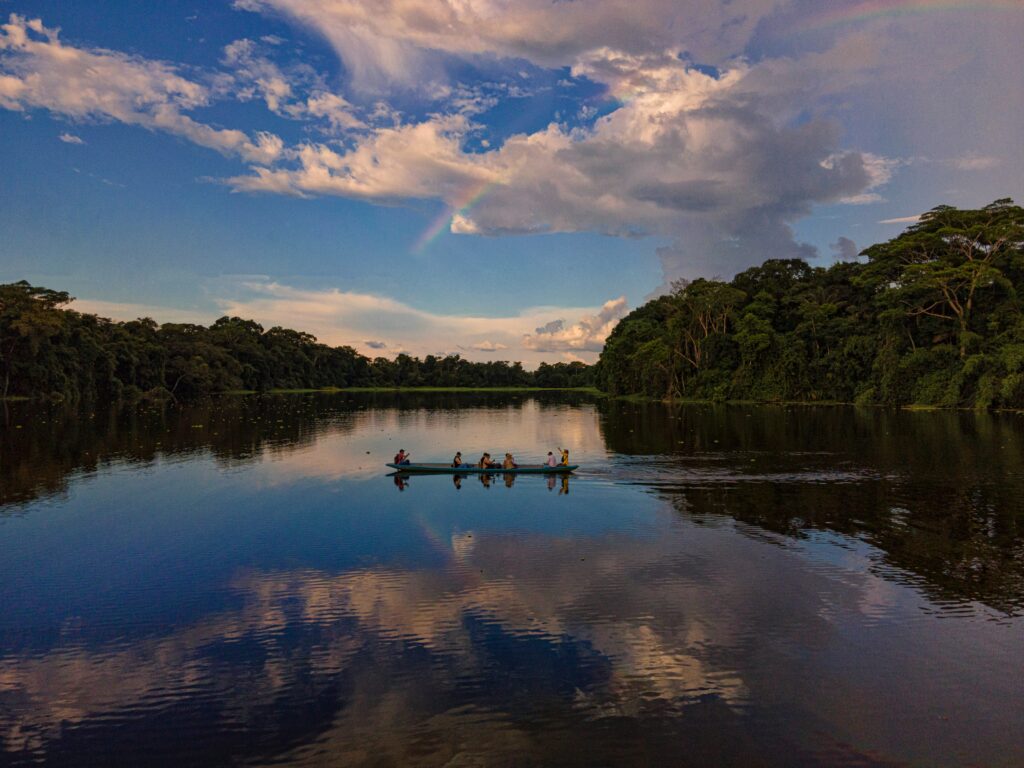
The Amazon is not a monolith. Safety varies wildly depending on which province you are pedalling through.
The northern frontier / Sucumbíos and Orellana
These areas are the industrial heart of Ecuador’s oil production and, unfortunately, hotspots for border-related volatility. Foreign governments, including the UK’s FCDO and the US State Department, currently advise against all travel to areas within 20km of the Colombian border.
Towns like Lago Agrio (Nueva Loja) and Coca (Puerto Francisco de Orellana) are gritty. They are transit points for oil workers and jungle tours. While you can visit these towns to catch a boat to a remote lodge, we recommend keeping your time here to a minimum. Stick to well-lit, central areas and always use pre-booked transport from your lodge or hotel.
The upper Amazon / Tena and Puyo
If you are a cyclist or a solo traveller looking for a lower-risk entry point, the provinces of Napo and Pastaza are your best bets. Tena is the whitewater capital of the country and maintains a much more relaxed, backpacker-friendly vibe. While petty theft exists (watch your bags at the bus terminal!), the threat of violent organised crime is significantly lower here than in the north.
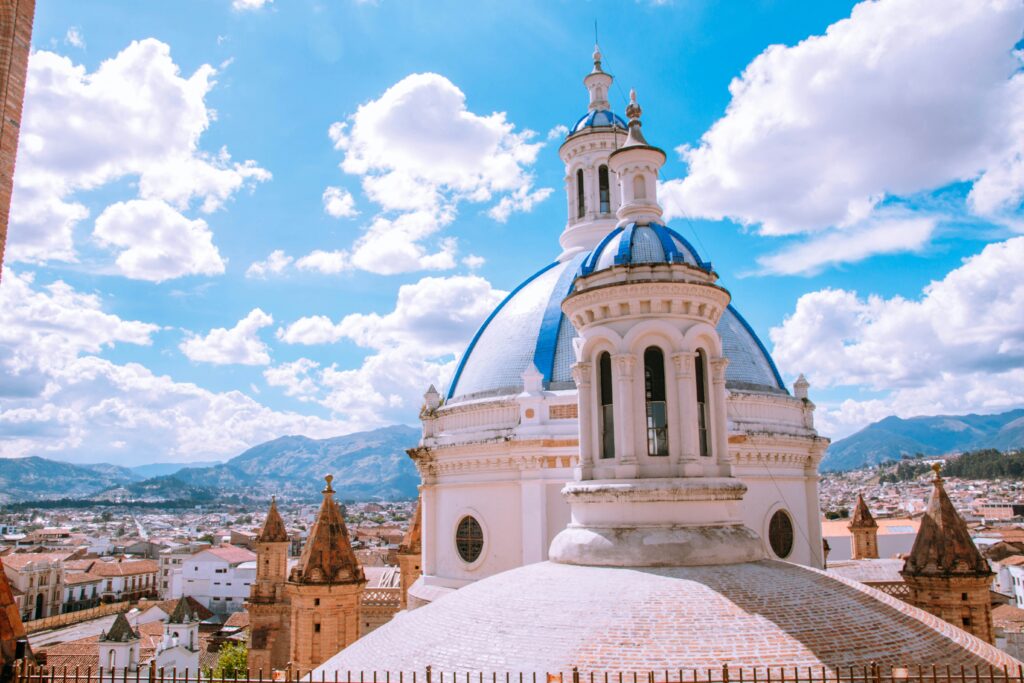
The Ecuadorian Sierra.
Get lost in the hills
Safety for solo travellers and women
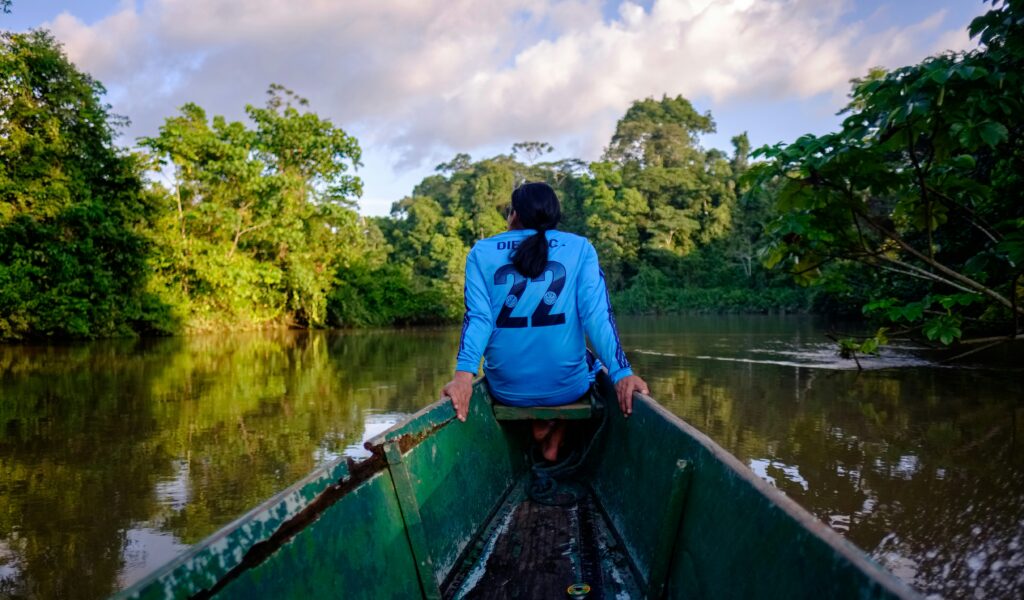
Travelling the Amazon alone is a rewarding challenge, but it comes with a specific set of rules.
Solo travellers
The primary risk for solo travellers in the Amazon is isolation. If you are cycling or hiking, a mechanical failure or a minor injury can become a crisis if you are off the beaten path.
- The Check-in Protocol: Always leave your itinerary with someone reliable
- Connectivity: Satellite messengers like a Garmin inReach are worth their weight in gold here, as mobile signal vanishes the moment you leave the main asphalt
Women travellers
For women, the 2026 safety landscape requires enhanced caution. While most interactions are friendly and respectful, there have been reports of harassment and, more seriously, sexual assault against foreign women in tourist areas.
- Avoid Isolated Trails: Whether on foot or on two wheels, do not venture onto isolated trails alone
- Transport Safety: Avoid hailing taxis on the street after dark. Use apps or have your accommodation call a trusted driver
- Accommodation: Choose reputable hostels or lodges with strong security records. Avoid hospitality exchange platforms like CouchSurfing in remote areas
Minority and LGBTQ+ safety

Ecuador is a country of contrasts. While the constitution is one of the most progressive in the world, social attitudes can be conservative, especially in rural Amazonian communities.
LGBTQ+ travellers
Same-sex marriage has been legal in Ecuador since 2019, and in major cities like Quito or Cuenca, the queer scene is vibrant. In the Amazon, however, discretion is often the better part of valour. Public displays of affection may attract unwanted attention or hostility in smaller villages.
- Digital Safety: Be cautious with dating apps. There have been instances of criminals using these platforms to lure travellers into vulnerable situations for robbery
Racial and ethnic minorities
Ecuador is a multi-ethnic society, but systemic issues remain. Afro-Ecuadorian and Indigenous communities often bear the brunt of militarised security operations. As a traveller of colour, you are unlikely to face the same systemic risks as locals, but you may encounter curiosity or, in rare cases, profiling.
- Indigenous Territories: Much of the Amazon is ancestral land. Entering these areas without a local Indigenous guide is not just disrespectful; it can be dangerous. Indigenous groups like the Huaorani manage their own territories and have the legal right to control who enters. Always go with an accredited guide from the community
The Galápagos.
Ecuador’s Enchanted Isles
The hidden hazards / Nature and health
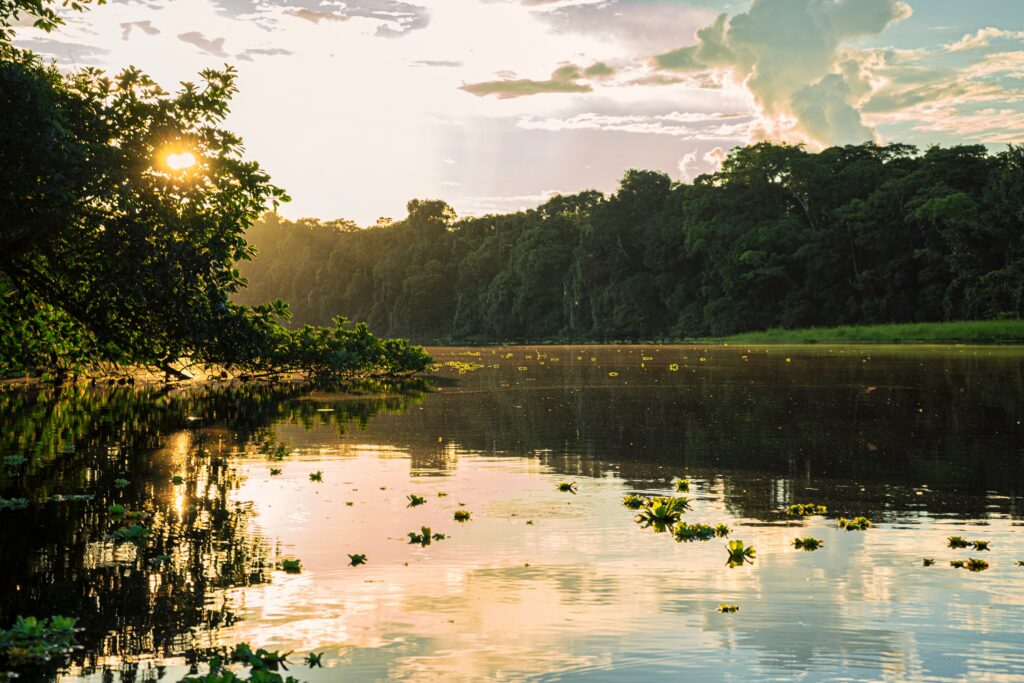
In the Amazon, the environment is often a greater threat than the people.
- Flash Floods: The Oriente receives incredible amounts of rain. Roads can be washed away in an hour, and small streams can turn into raging torrents. If you are cycling, check local weather reports and never attempt to cross a flooded road
- Health: Yellow fever and Malaria are present. In 2026, proof of yellow fever vaccination is often required if you are entering from or heading to certain neighbouring countries. Ensure your tropical medicine cabinet is fully stocked
- Wildlife: While jaguars and anacondas get the headlines, it is the small things—mosquitoes, bullet ants, and spiders—that are more likely to cause you grief. Wear long sleeves and use high-DEET repellent
Wheely Tyred’s golden rules for Amazonian travel

To keep your adventure on track, follow these hard-won tips:
- No Resistance: If you are confronted by someone demanding your valuables, give them up. Your kit is replaceable; you are not
- Daylight Only: Never travel between towns after dark. Road conditions are unpredictable, and the risk of express kidnapping or robbery increases significantly at night
- Local Knowledge: Before heading into a new sector, ask the local shopkeeper or hostel owner about the current vibe. They know if there has been recent trouble
- Secure Your Kit: If you are cycling, never leave your bike unattended. In towns, ensure your accommodation has a secure, indoor place to lock your gear
The Ecuadorian Amazon remains one of the most breathtaking places on Earth. By staying informed and respecting the local context, you can experience its wonders while keeping yourself and your gear safe.
The Ecuadorian Coast.
Where you’ll find the very best food
Frequently asked questions about safety in the Ecuadorian Amazon
We advise against cycling within 20km of the Colombian border in Sucumbíos and Orellana. These are active transit corridors for organised crime, and the risk of being caught in the crossfire or targeted for robbery is significantly higher than in the rest of the country.
The rule at Wheely Tyred is simple: no resistance. In the unlikely event of a confrontation, hand over your valuables immediately. Your equipment can be replaced, but your physical safety is the absolute priority.
Yes, proof of yellow fever vaccination is often a mandatory requirement for entering or exiting the Amazonian regions. Additionally, ensure you are up to date with malaria prophylaxis and have a robust first-aid kit for treating minor infections in high humidity.
You should never attempt to enter indigenous lands independently. These areas are legally protected and managed by the communities themselves. Always hire a guide from the specific community you wish to visit, such as the Huaorani, to ensure your presence is respectful and authorised.
We strongly discourage nighttime travel. Whether you are on a bike or using local buses, the combination of unpredictable road conditions, flash flood risks, and the increased potential for express kidnappings makes daytime travel the only sensible choice.
In towns like Coca or Lago Agrio, never leave your bike unattended in public spaces. Always book accommodation that offers secure, indoor storage. When using buses, try to keep your most valuable electronics on your person rather than in the hold.
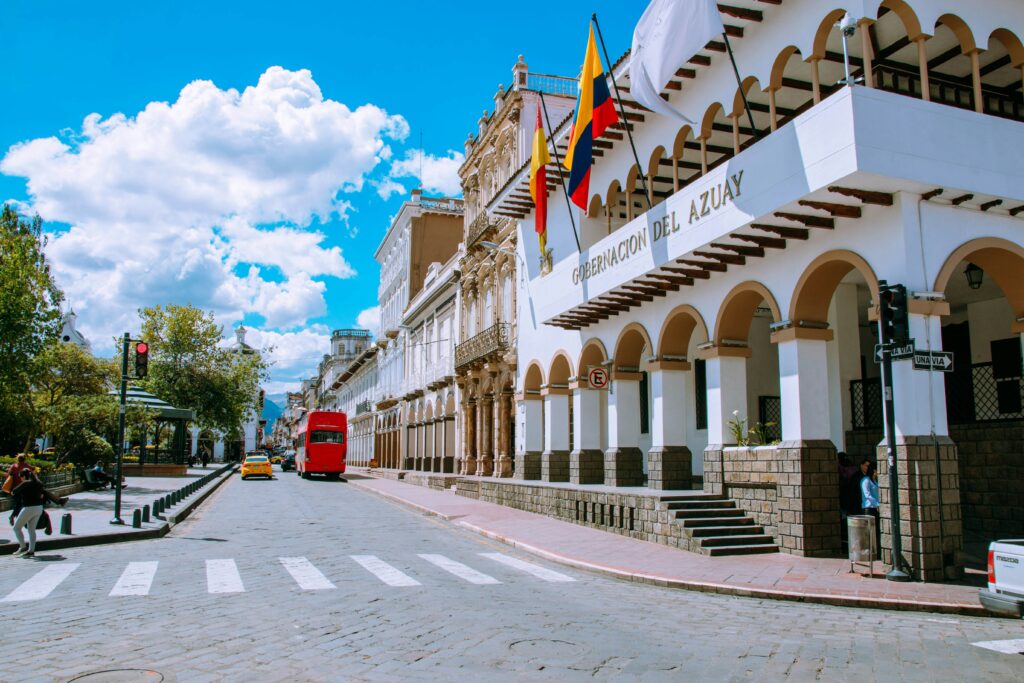
Ecuador.
Pure wonder on the equator.